
Drug Interactions Focused on antidiabetic drugs Dr M
Drug Interactions Focused on antidiabetic drugs Dr M. Abbasinazari Clinical Pharmacist
Definition n Adverse drug response produced by the administration of a drug or co exposure of the drug with another substance which modifies the patients response to the drug
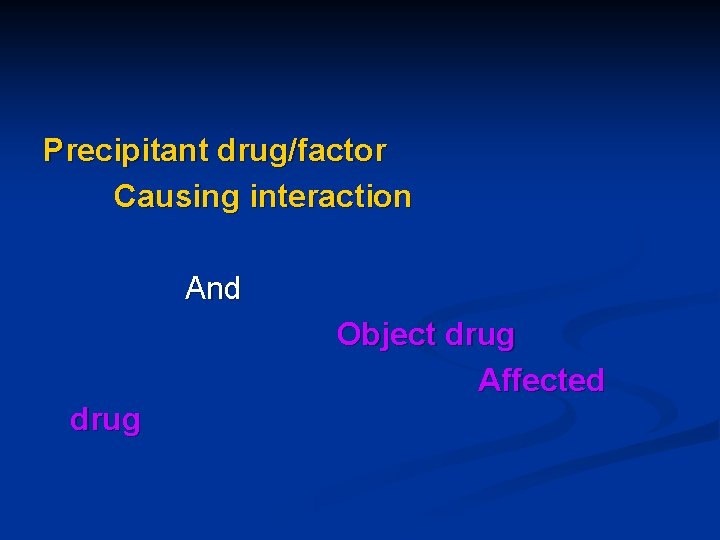
Precipitant drug/factor Causing interaction And Object drug Affected drug
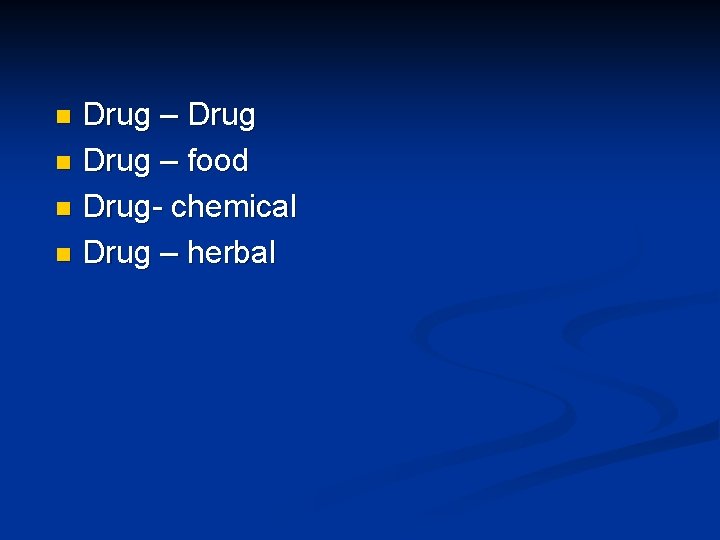
Drug – Drug n Drug – food n Drug- chemical n Drug – herbal n
Beneficial interactions
HCTZ and Triamterene n Norepinephrine and Lidocain n
Approach to the interactions? ? ?
Factors predisposing to Potential drug interactions
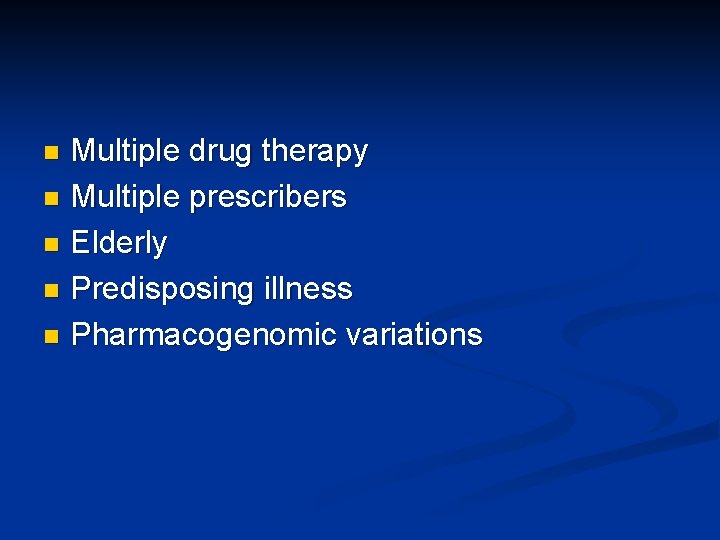
Multiple drug therapy n Multiple prescribers n Elderly n Predisposing illness n Pharmacogenomic variations n
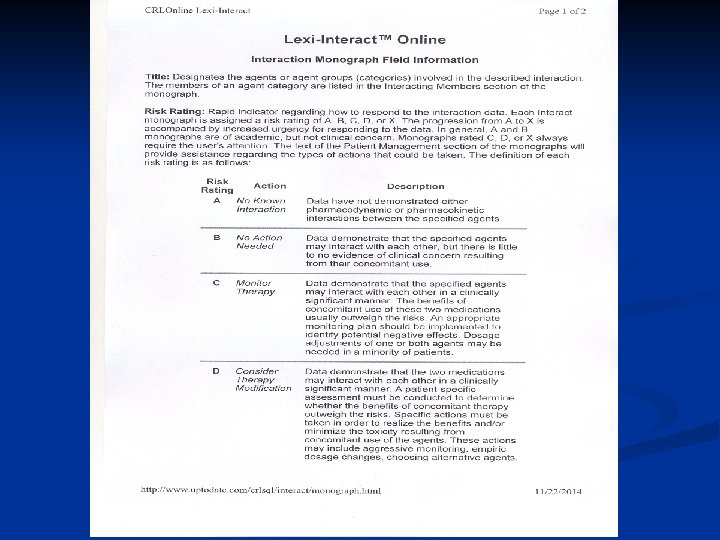
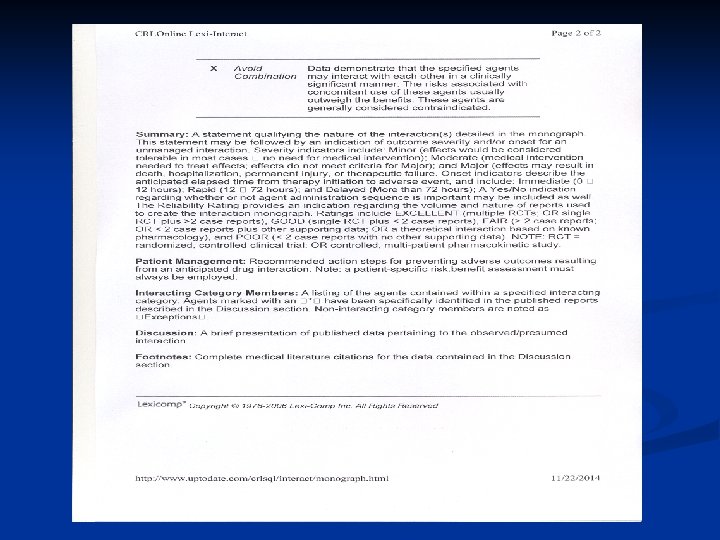
Classification by mechanism Pharmacokinetic interactions n Pharmacodynamic interactions n
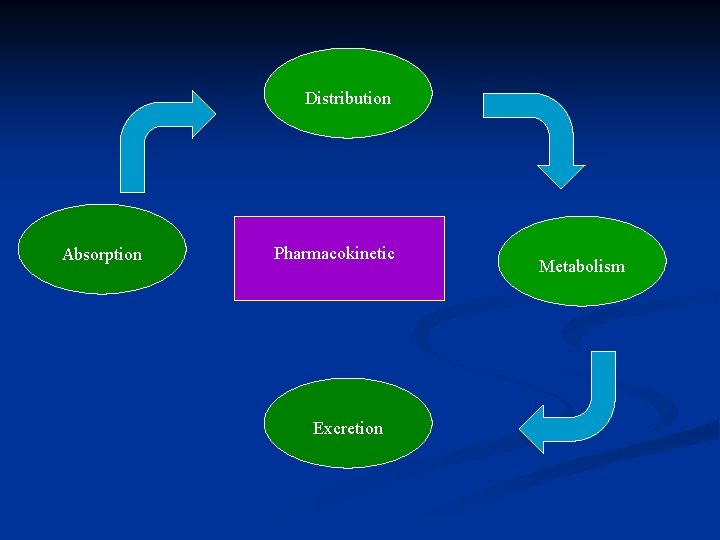
Distribution Absorption Pharmacokinetic Excretion Metabolism
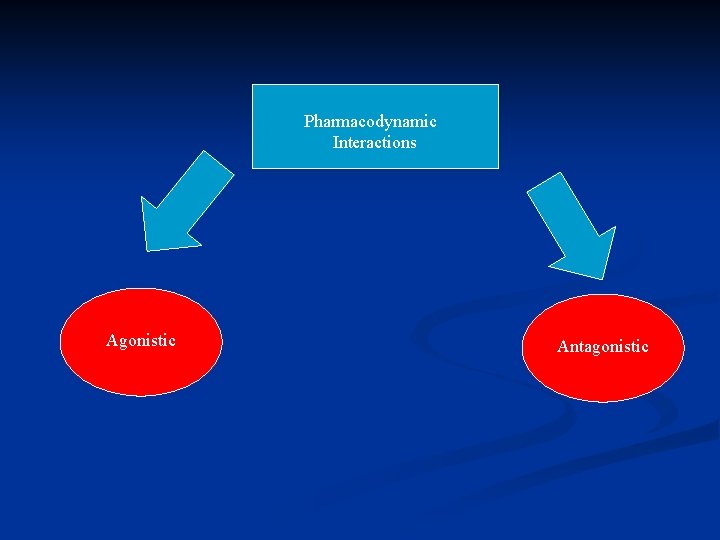
Pharmacodynamic Interactions Agonistic Antagonistic
Absorption Affect in rate or extent of absorption from absorption site n Most common in GI n
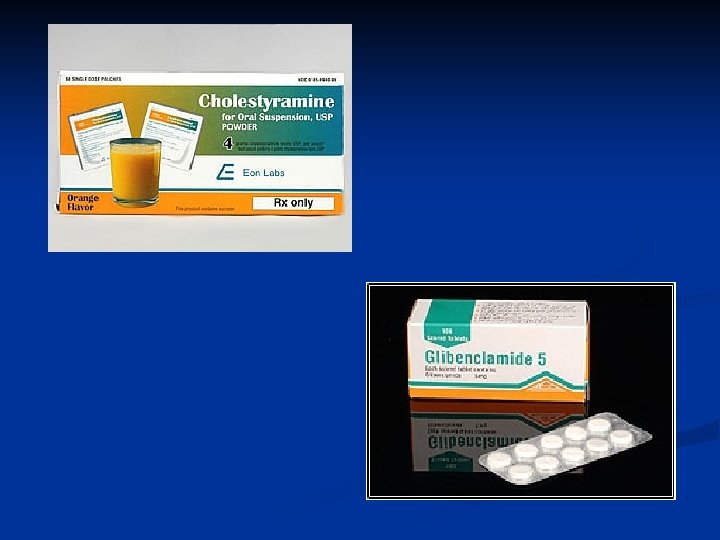
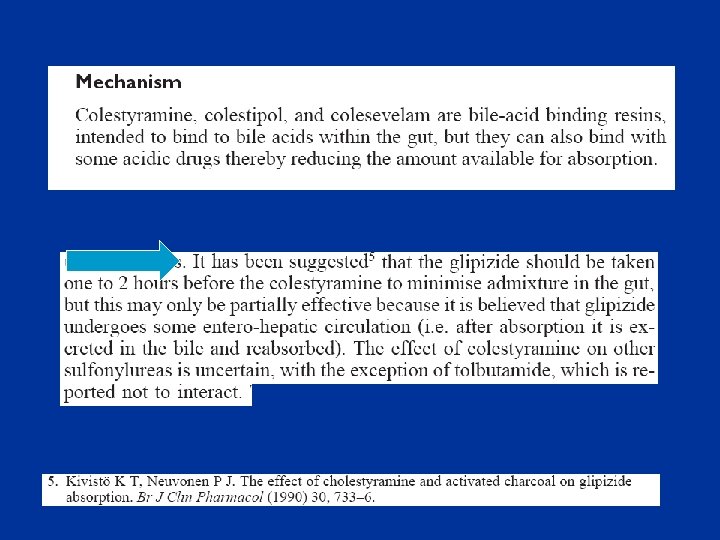
A 50 years old man with diagnosis of DM 2 on Glibenclamide 10 mg/d. His BS & Hg. A 1 C are in desired level during 6 months ago. n After diagnosis of cholestasis he is under hydroxizine 25 mg BD plus colestyramine 12 g/d. After 1 weeks of starting new drugs for cholestasis, he examined his BS by glucometer and understood ↑ in it. n
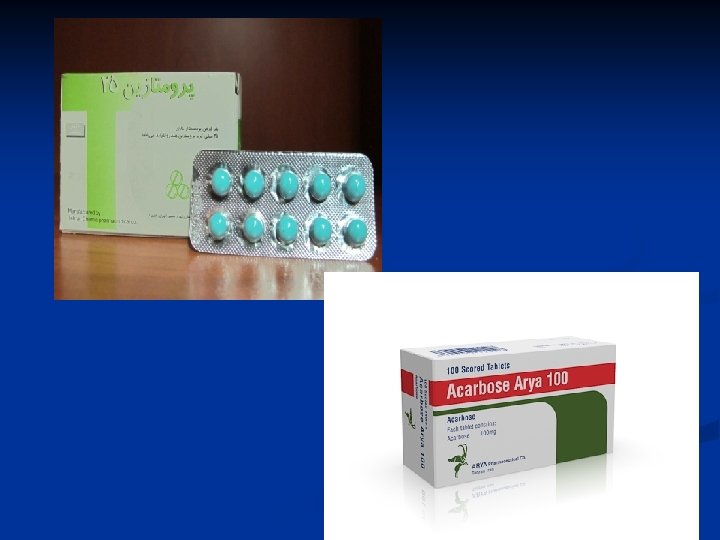
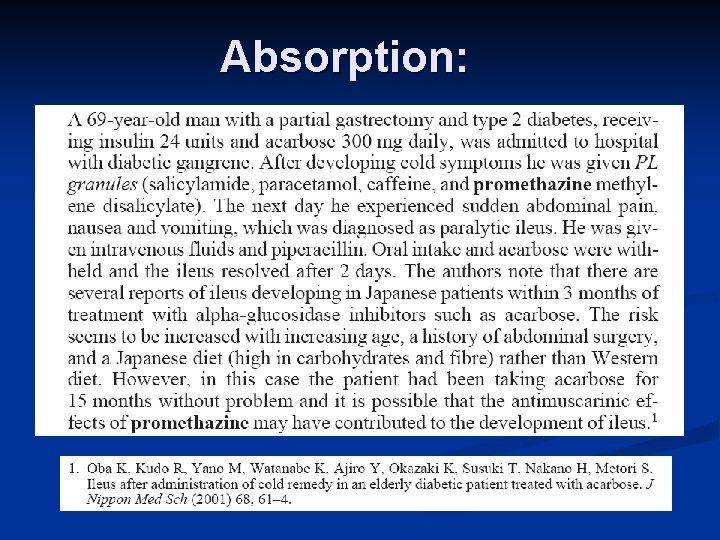
Absorption:
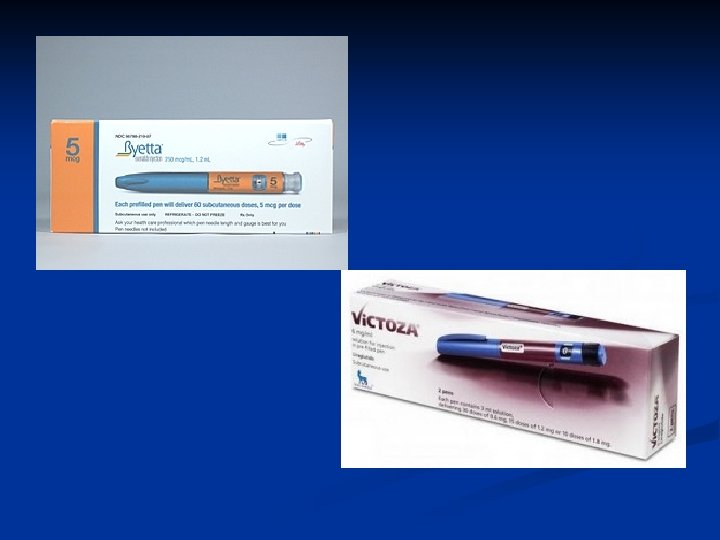
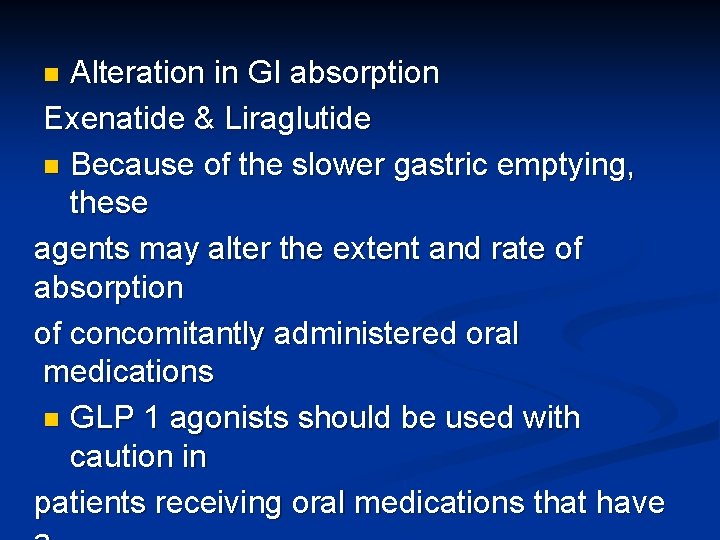
Alteration in GI absorption Exenatide & Liraglutide n Because of the slower gastric emptying, these agents may alter the extent and rate of absorption of concomitantly administered oral medications n GLP 1 agonists should be used with caution in patients receiving oral medications that have n
Distribution n Plasma protein binding
Case: A 50 years old man on warfarin 5 mg/d for 1 year. INR & PT are in normal range without any signs of bleeding. n After Diagnosis of DM 2 Endocrinologist administer Glibenclamide 5 mg/d n After 2 days …. . n
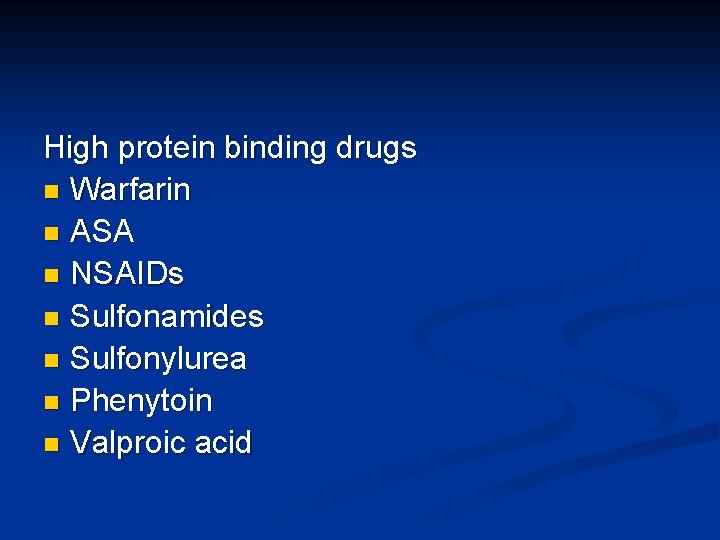
High protein binding drugs n Warfarin n ASA n NSAIDs n Sulfonamides n Sulfonylurea n Phenytoin n Valproic acid
Elimination Drug metabolism and hepatic clearance n Renal drug clearance n
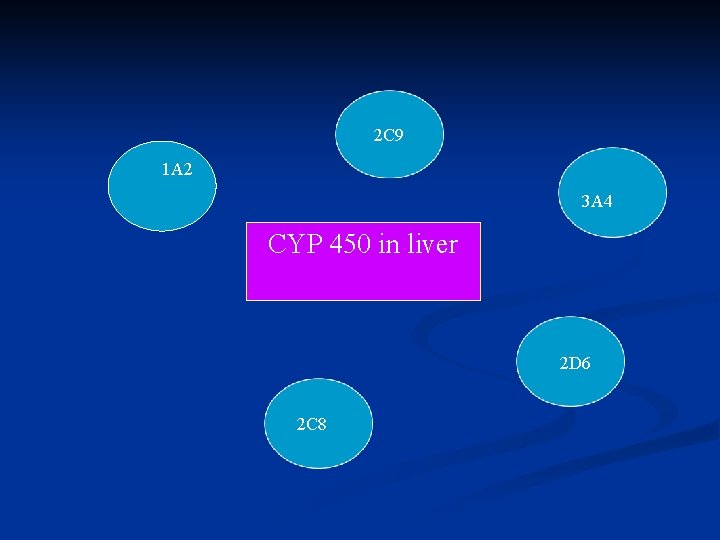
2 C 9 1 A 2 3 A 4 CYP 450 in liver 2 D 6 2 C 8
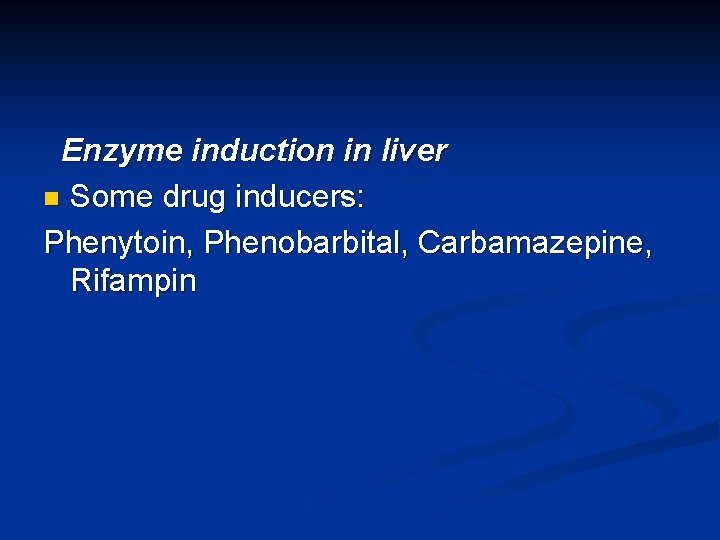
Enzyme induction in liver n Some drug inducers: Phenytoin, Phenobarbital, Carbamazepine, Rifampin
Enzyme inhibition in liver n Some drug inhibitors: Cimetidine, Erythromycin, Itraconazole
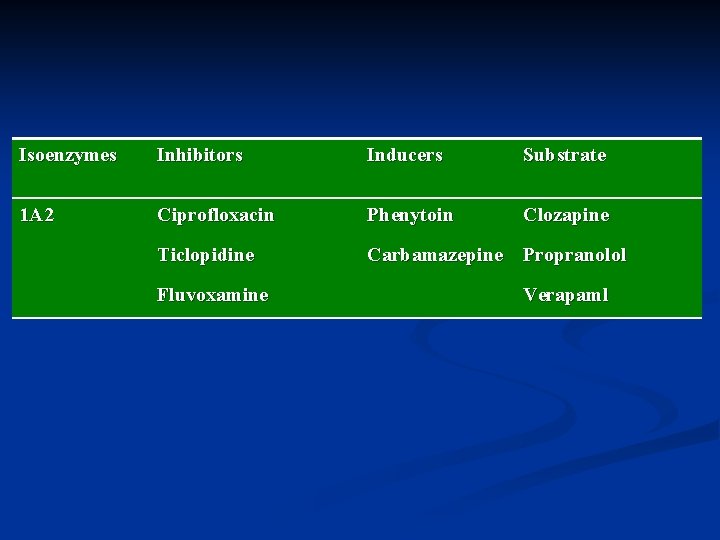
Isoenzymes Inhibitors Inducers Substrate 1 A 2 Ciprofloxacin Phenytoin Clozapine Ticlopidine Carbamazepine Propranolol Fluvoxamine Verapaml
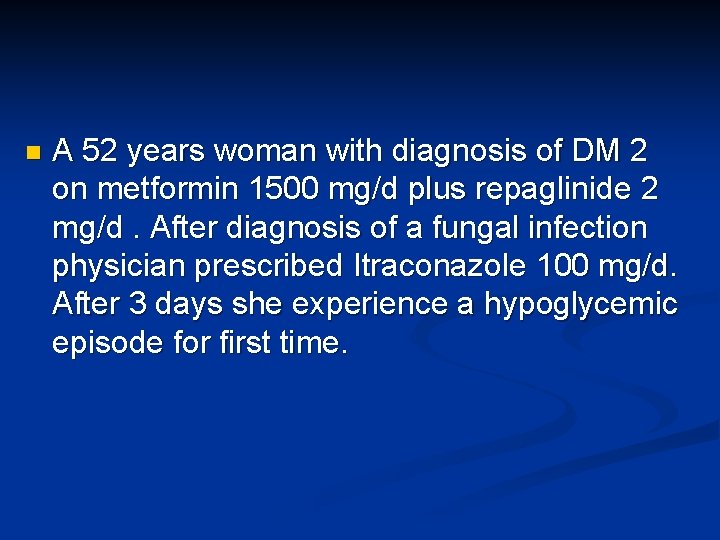
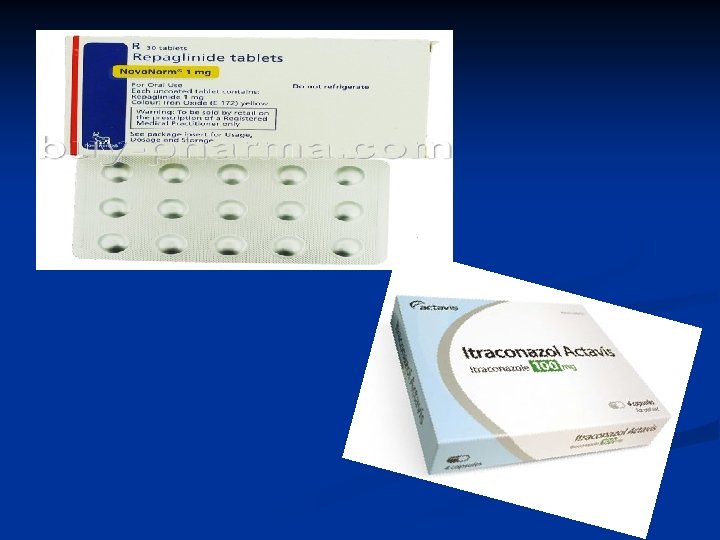
n A 52 years woman with diagnosis of DM 2 on metformin 1500 mg/d plus repaglinide 2 mg/d. After diagnosis of a fungal infection physician prescribed Itraconazole 100 mg/d. After 3 days she experience a hypoglycemic episode for first time.

TZDs Pioglitazone via 3 A 4 & 2 C 8 n Rosiglitazone via 2 D 6 & 2 C 8 n Rifampin decrease plasma level n Gemfibrozil & Erythromycin increase plasma level n
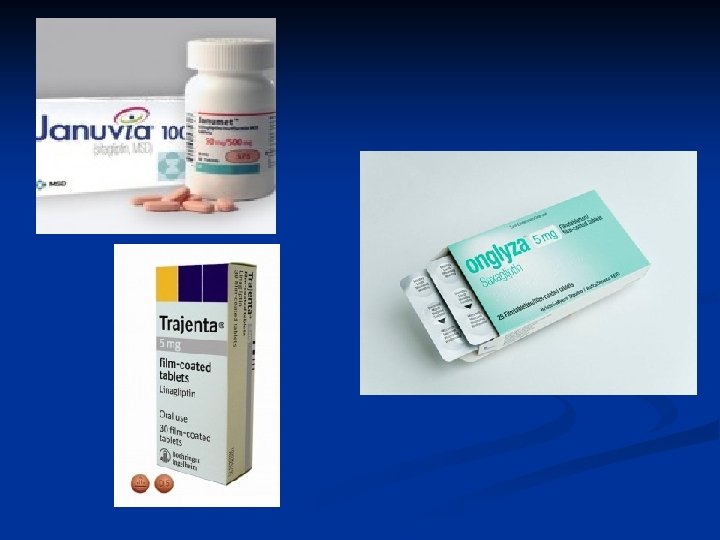
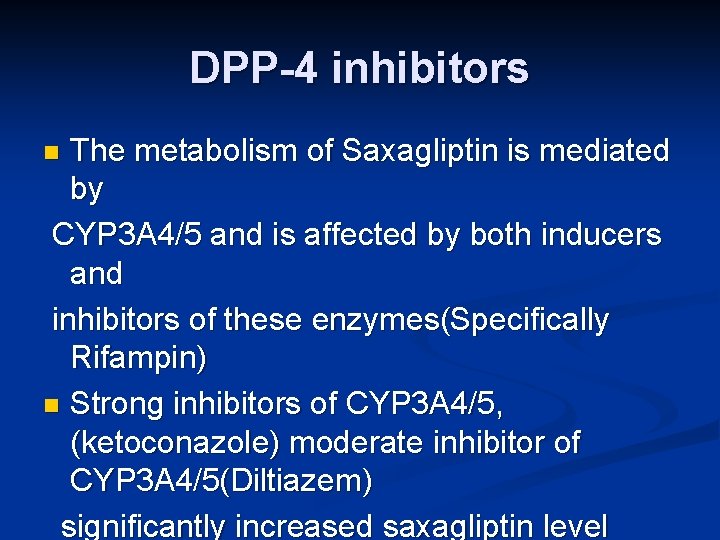
DPP-4 inhibitors The metabolism of Saxagliptin is mediated by CYP 3 A 4/5 and is affected by both inducers and inhibitors of these enzymes(Specifically Rifampin) n Strong inhibitors of CYP 3 A 4/5, (ketoconazole) moderate inhibitor of CYP 3 A 4/5(Diltiazem) significantly increased saxagliptin level n
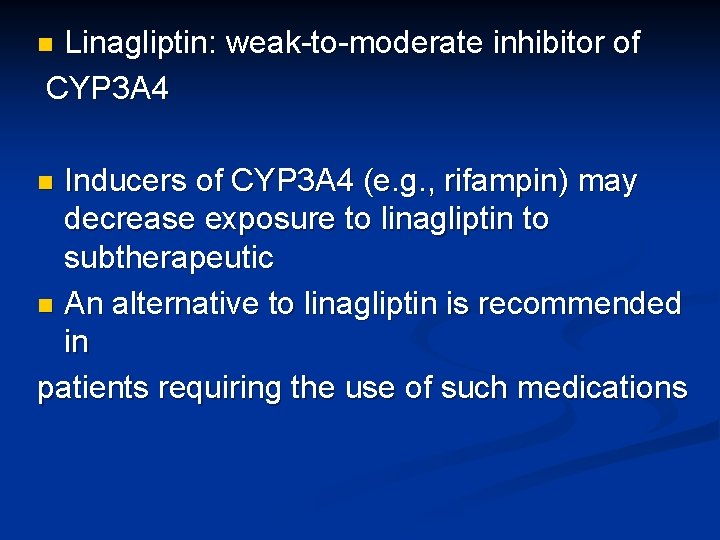
Linagliptin: weak-to-moderate inhibitor of CYP 3 A 4 n Inducers of CYP 3 A 4 (e. g. , rifampin) may decrease exposure to linagliptin to subtherapeutic n An alternative to linagliptin is recommended in patients requiring the use of such medications n
n Sitagliptin & Vildagliptin does not interfere with CYP nor does it act as an inhibitor or inducer of the CYP system
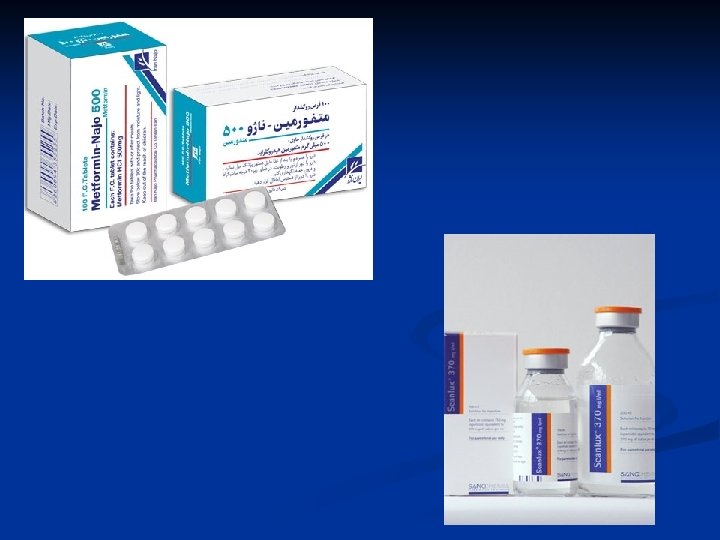
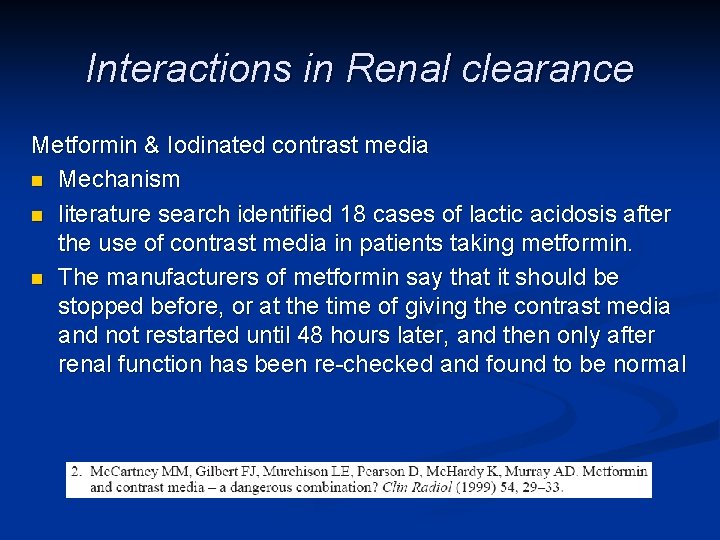
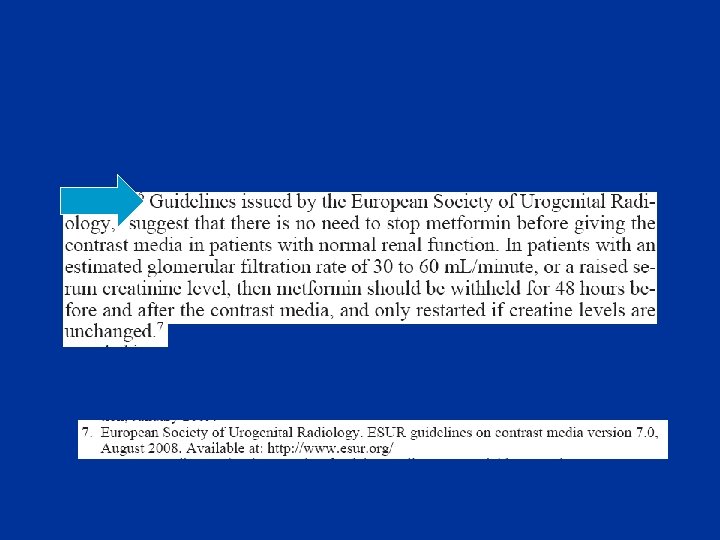
Interactions in Renal clearance Metformin & Iodinated contrast media n Mechanism n literature search identified 18 cases of lactic acidosis after the use of contrast media in patients taking metformin. n The manufacturers of metformin say that it should be stopped before, or at the time of giving the contrast media and not restarted until 48 hours later, and then only after renal function has been re-checked and found to be normal
Pharmacodynamic Interactions n Alteration of pharmacodynamic effect of a drug Antagonistic n Synergistic/Additive effect n
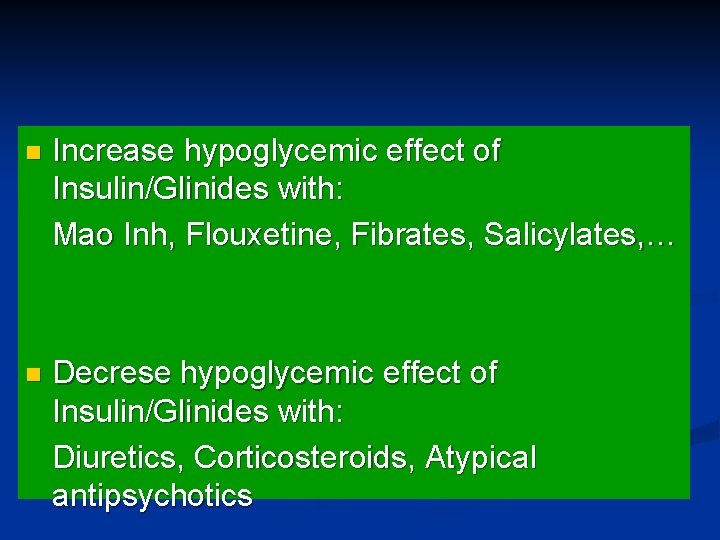
n Increase hypoglycemic effect of Insulin/Glinides with: Mao Inh, Flouxetine, Fibrates, Salicylates, … n Decrese hypoglycemic effect of Insulin/Glinides with: Diuretics, Corticosteroids, Atypical antipsychotics
Drug – food Interactions
Bioavailability n Complexation and adsorption n Metabolism n Pharmacodynamic effects of drug n
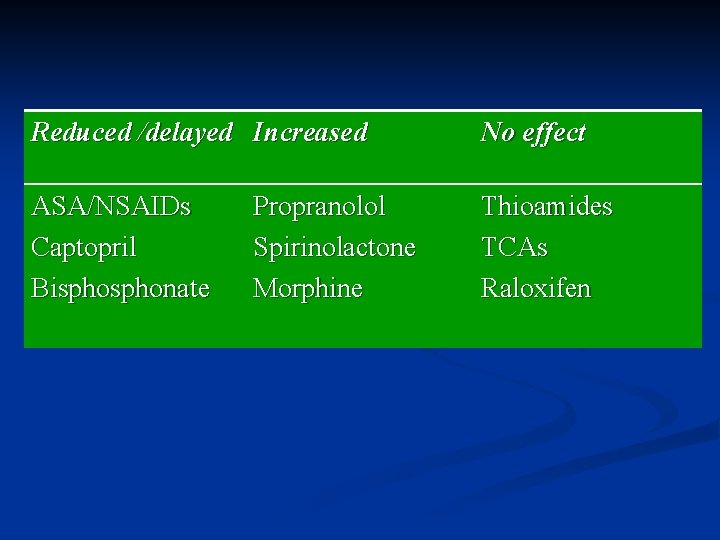
Reduced /delayed Increased No effect ASA/NSAIDs Captopril Bisphonate Thioamides TCAs Raloxifen Propranolol Spirinolactone Morphine
Administartion of Antidiabetic agents regarding food
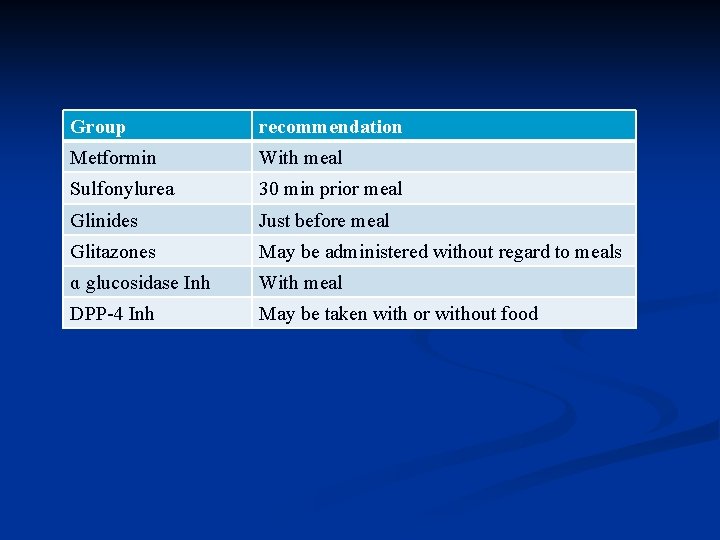
Group recommendation Metformin With meal Sulfonylurea 30 min prior meal Glinides Just before meal Glitazones May be administered without regard to meals ɑ glucosidase Inh With meal DPP-4 Inh May be taken with or without food
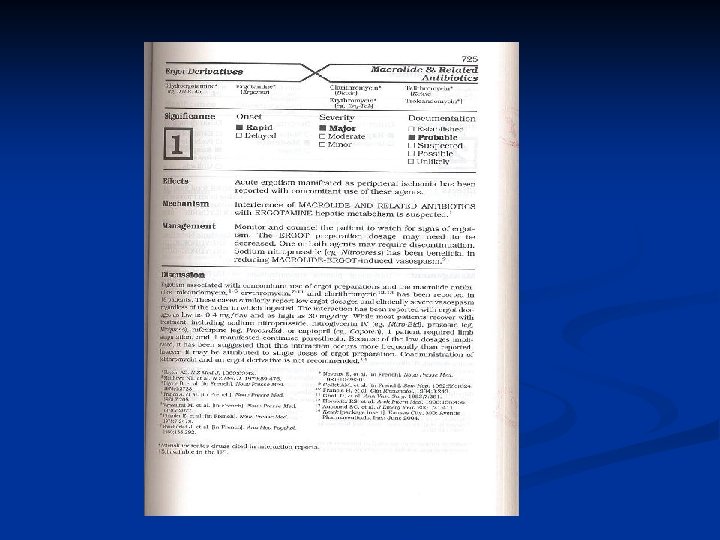
drug interaction facts
Stockley's Drug Interactions

THE END
- Slides: 52