
Drowning Lesson 5 By Dr Nadir Ali Rana
Drowning Lesson 5 By Dr Nadir Ali Rana
DROWNING A form of death resultant from defective oxygenation of the blood in lungs due to presence of fluid in air passages after entering through nose and mouth. Types of Drowning: 1. Dry Drowning 2. Wet Drowning a) Fresh water drowning. b) Sea- water drowning.

Classification of Drowning A. Typical Drowning It indicates obstruction of air passages and lungs by inhalation of fluid, also known as wet drowning. Typical signs of drowning are found at autopsy. B. Atypical Drowning These are the conditions in which there is a very little or no inhalation of water in the air passages. None of the typical signs of drowning are found at autopsy.

A. Types of Typical / Wet Drowning • There are two types of wet drowning 1) Fresh water drowning---Drowning in canals, rivers and swimming pools etc. 2) Sea / salt water drowning---Drowning in sea water etc. B. Atypical Drowning There are four types of atypical drowning.
1. Dry drowning when water enter the nasopharynx or larynx, it triggers sustained laryngeal spasm. Little or no water therefore enter the air passages or lungs and death may result from asphyxia. This is the best type of case for successful resuscitation. 2. Submersion of the unconscious This is possible if the victim is epileptic, or suffers from heart disease.
3. Immersion syndrome (vagal inhibition). Death results from cardiac arrest due to vagal inhibition as a result of a. Sudden impact with very cold water. b. Falling into water with feet first. c. Horizontal entry into water with an impact on the epigastrium.
4. Near Drowning (secondary drowning syndrome) • If drowning is survived, the event is referred as near drowning, and the complications as near drowning syndrome. • Death occurs some hours or even days after resuscitation from the combined effects of cerebral hypoxia, pulmonary edema, aspiration pneumonia, electrolytes disturbances
Mechanism of Drowning • When a person falls in water, he sinks due to force of fall and weight of his body. • He rises to the surface due to natural buoyancy of his body, assisted by air between the body and cloths and struggling movements of his limbs.

Mechanism of Drowning • On coming to the surface, violent attempts to breathe and shout. • Some air is inhaled into the lungs but water also with that enters. • Aspirated water causes violent coughing and chest pain. • Some amount of air is expelled from the lungs and its place is taken up by water.

Mechanism of Drowning • Specific gravity of body is raised and the body will sink below the surface once again. This happens several times and finally the body sinks to the bottom. • Water , respiratory mucus, and air are churned up due to violent respiratory efforts and produce a fine froth at nose and mouth.

PROCESS OF DROWNING - 1

PROCESS OF DROWNING -2
FRESH WATER DROWNING Fresh water of rivers, Canals, swimming pools is Hypotonic to Plasma. Ø It enters through the lungs to blood. Ø Hypervolaemia and Haemodilution. Ø Swelling of R. B. C. and its Lysis. Ø Release of K+.
FRESH WATER DROWNING Anoxia and potassium excess. Ø Sensitization of heart muscles. Ø Ventricular fibrillation. Ø Death in 4 to 5 minutes. Ø
SEA WATER DROWNING Sea water is Hypertonic to plasma. Extraction of water from the blood into alveoli (lungs). Haemoconcentration. Lung becomes water logged & soggy (gross pulmonary edema). Hypoxic Hypoxia and circulatory shock. Death in 8 to 12 minutes. (Fatal Period is 8 -12 Minutes)

Fresh Water & Sea Water Drowning
Mechanisms of Death 1) Ventricular Fibrillation of heart. 2) Anoxic Anoxia. 3) Vagal inhibition of heart. AUTOPSY FINDINGS: Are based on three factors: 1) Submersion of body in water. 2) Mechanism of death. 3) Entry of drowning media in the body.
SUMMARY – AUTOPSY FINDINGS 1) Changes in the skin: Ø Wrinkling of skin. Ø Cutis Ansernia. Ø Specific Hypostasis distribution.
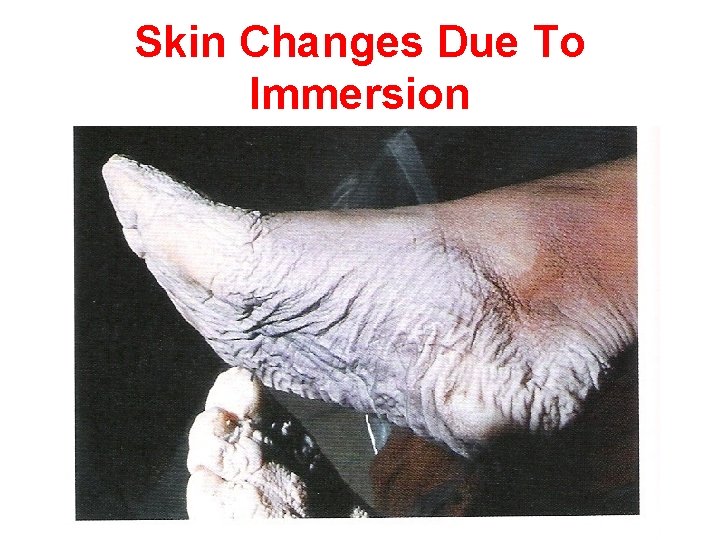
Skin Changes Due To Immersion
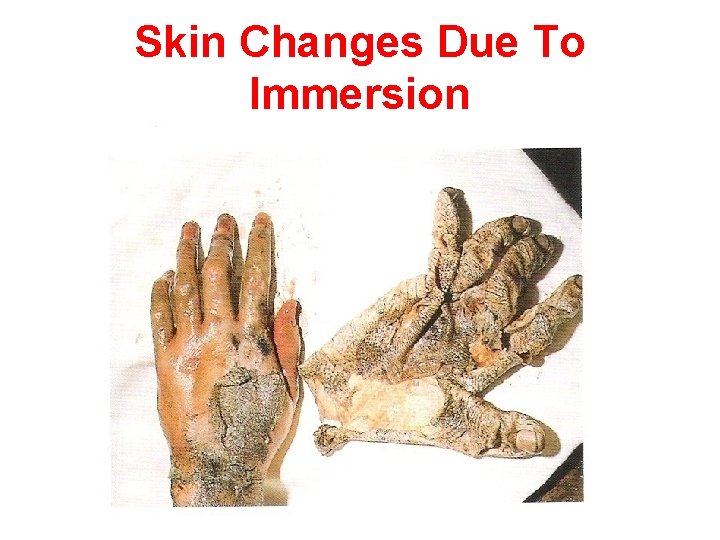
Skin Changes Due To Immersion
2. Changes in Respiratory tract: Ø Foaming of nose and mouth. Ø Weeds, sand, fluid in respiratory passages. Ø Changes in the lungs, dry/wet. 3) Foreign Material in G. I. T. 4) Foreign Material in the Hands. (cadaveric spasm) 5) Shoulder, Girdle Bruises.
SIGNS OF ANTIMORTEM DROWNING 1. Persistent, profuse, fine froth at the mouth and nose. 2. Material grasped in hand which could only have been obtained from water. 3. Fine typical froth in the air passages. 4. Increased volume and oedematous condition of the lungs. 5. Findings of diatoms in tissues, especially the brain and bone marrow
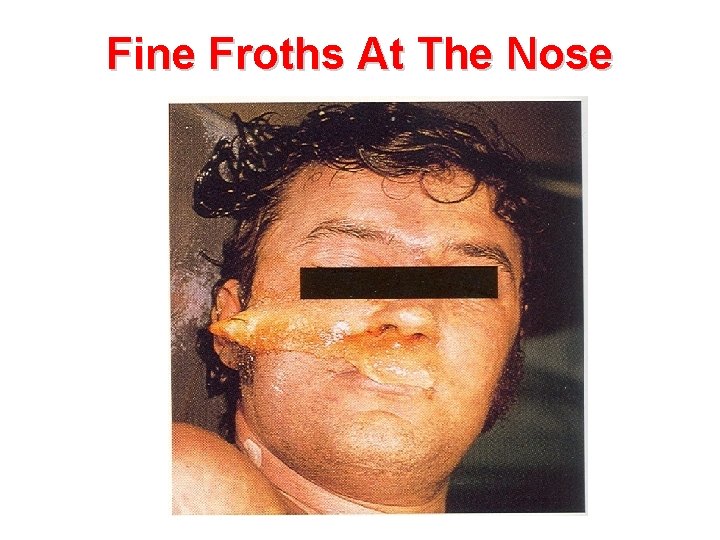
Fine Froths At The Nose
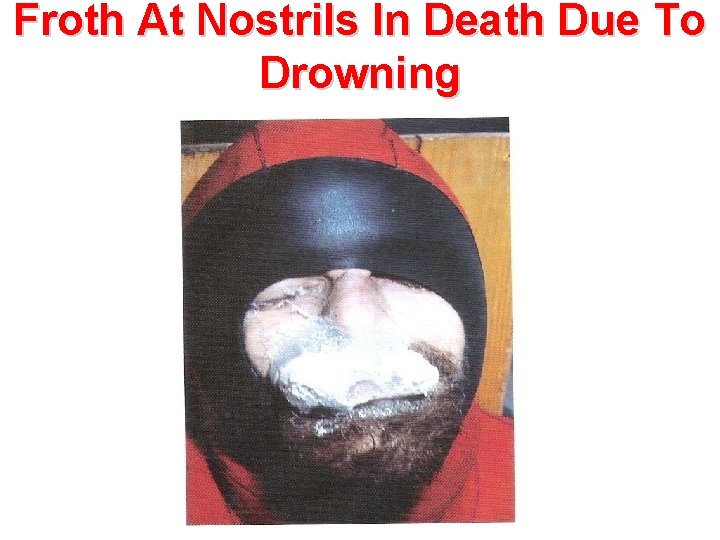
Froth At Nostrils In Death Due To Drowning
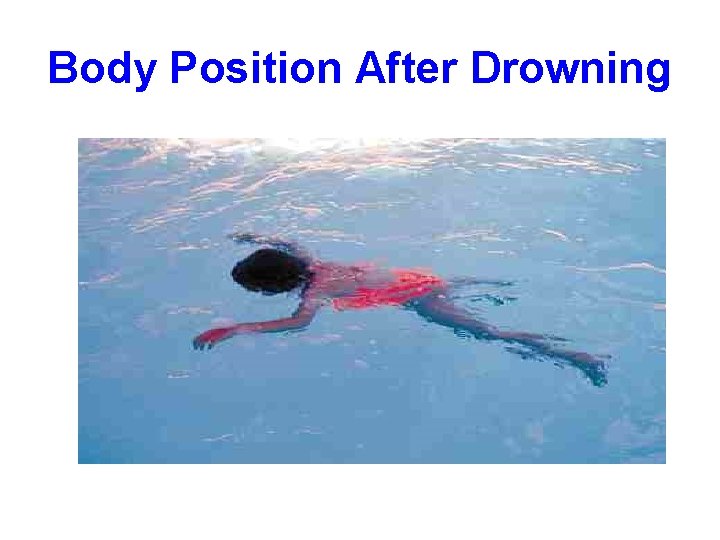
Body Position After Drowning
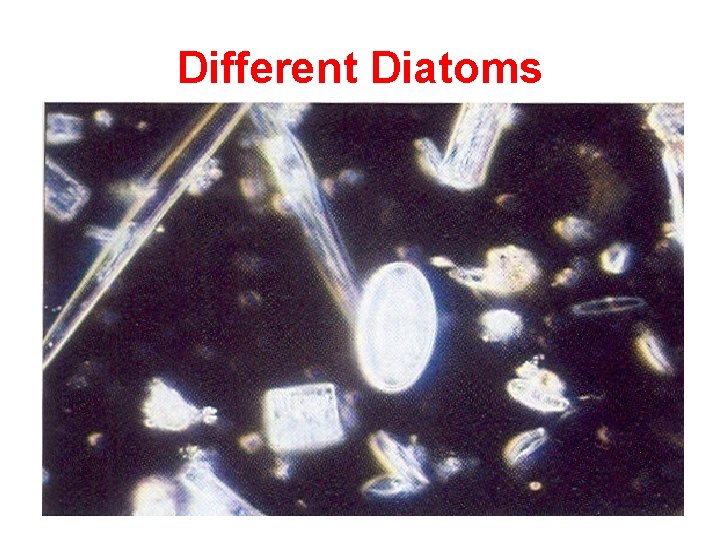
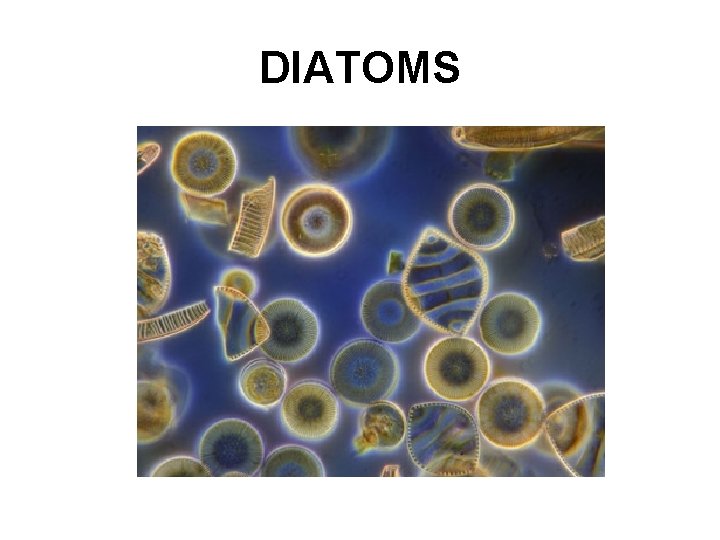
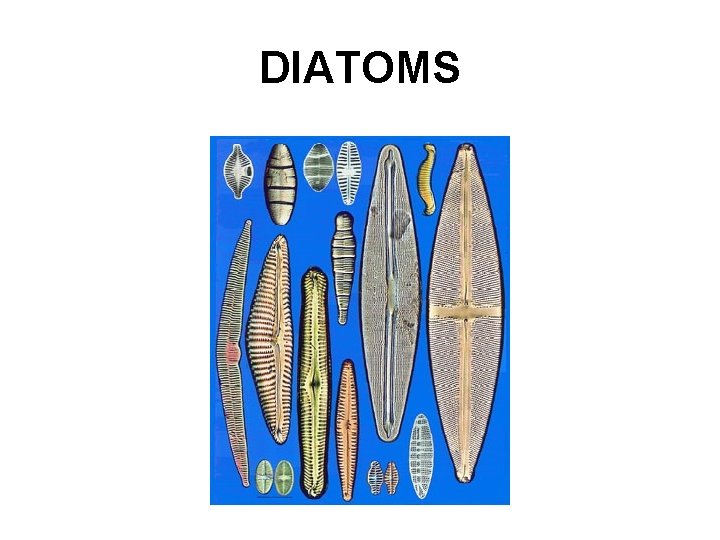
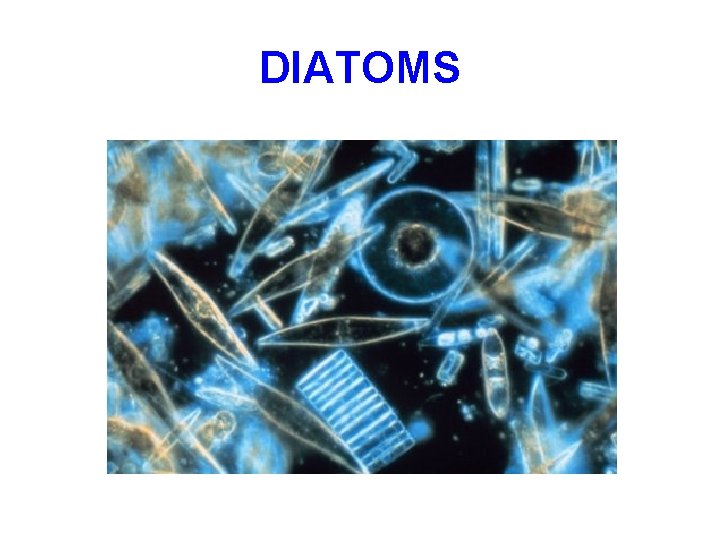
Diatoms ØIt is a class of microscopic unicellular algae, suspended in water having silicaceous cell wall which resists acid digestion, heat and putrefaction. ØOnly a live body with a circulation can transport diatoms from the lungs to the brain or bone marrow from where they may be detected microscopically.
Diatoms (contd…) Ø Diatoms test is valid only if ca be shown that: 1. The deceased did not drink this water immediately before submersion 2. The species recovered from the specimen are all present in the water sample from the site of drowning. This test is negative In dead bodies thrown in water and in dry drowning.
Different Diatoms
DIATOMS
DIATOMS
DIATOMS
- Slides: 31