
DRAWING TO UNDERSTAND Anatomy learning using touch and

- Slides: 59
DRAWING TO UNDERSTAND Anatomy learning using touch and drawing - the Haptico-visual observation and drawing (HVOD) method. An exhibition of drawings, videos and GIFS Curated by Leonard Shapiro for the Anatomical Society Winter Meeting 2020, with the support of Iain Keenan’s Pioneer Award from the Newcastle University Institute for Creative Arts Practice.
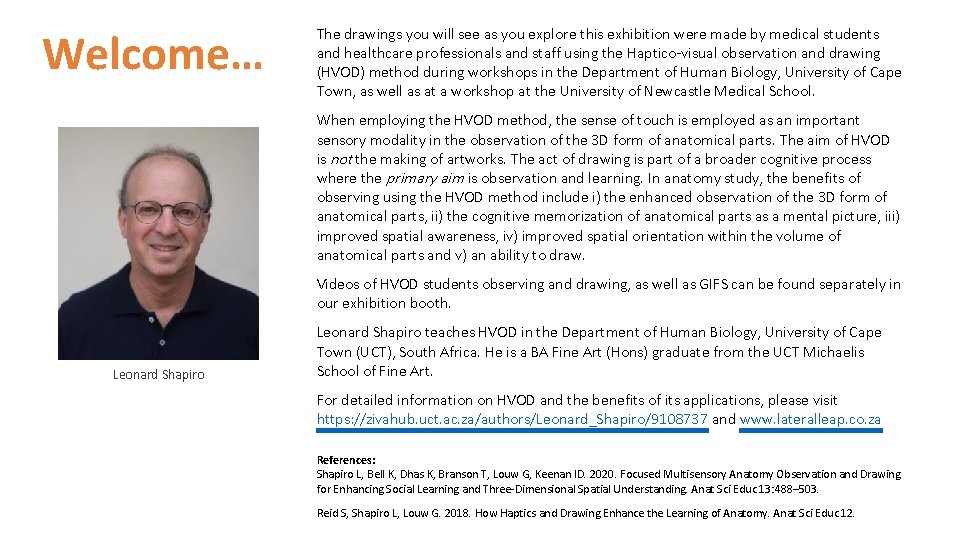
Welcome… The drawings you will see as you explore this exhibition were made by medical students and healthcare professionals and staff using the Haptico-visual observation and drawing (HVOD) method during workshops in the Department of Human Biology, University of Cape Town, as well as at a workshop at the University of Newcastle Medical School. When employing the HVOD method, the sense of touch is employed as an important sensory modality in the observation of the 3 D form of anatomical parts. The aim of HVOD is not the making of artworks. The act of drawing is part of a broader cognitive process where the primary aim is observation and learning. In anatomy study, the benefits of observing using the HVOD method include i) the enhanced observation of the 3 D form of anatomical parts, ii) the cognitive memorization of anatomical parts as a mental picture, iii) improved spatial awareness, iv) improved spatial orientation within the volume of anatomical parts and v) an ability to draw. Videos of HVOD students observing and drawing, as well as GIFS can be found separately in our exhibition booth. Leonard Shapiro teaches HVOD in the Department of Human Biology, University of Cape Town (UCT), South Africa. He is a BA Fine Art (Hons) graduate from the UCT Michaelis School of Fine Art. For detailed information on HVOD and the benefits of its applications, please visit https: //zivahub. uct. ac. za/authors/Leonard_Shapiro/9108737 and www. lateralleap. co. za References: Shapiro L, Bell K, Dhas K, Branson T, Louw G, Keenan ID. 2020. Focused Multisensory Anatomy Observation and Drawing for Enhancing Social Learning and Three-Dimensional Spatial Understanding. Anat Sci Educ 13: 488– 503. Reid S, Shapiro L, Louw G. 2018. How Haptics and Drawing Enhance the Learning of Anatomy. Anat Sci Educ 12.
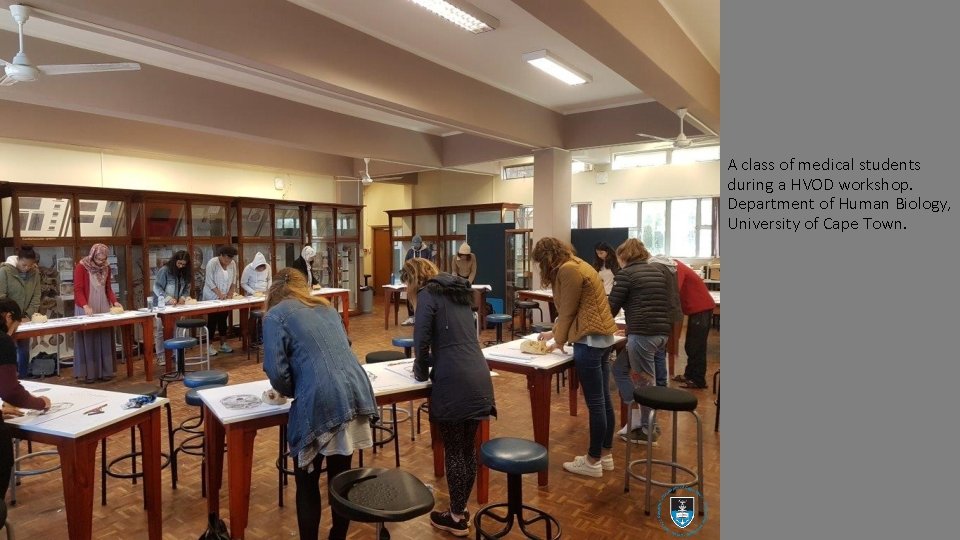
A class of medical students during a HVOD workshop. Department of Human Biology, University of Cape Town.
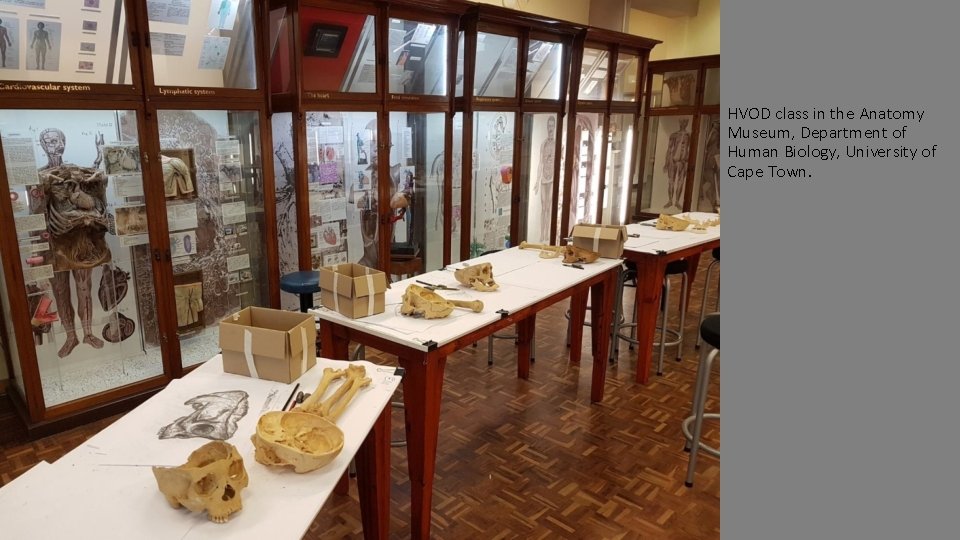
HVOD class in the Anatomy Museum, Department of Human Biology, University of Cape Town.
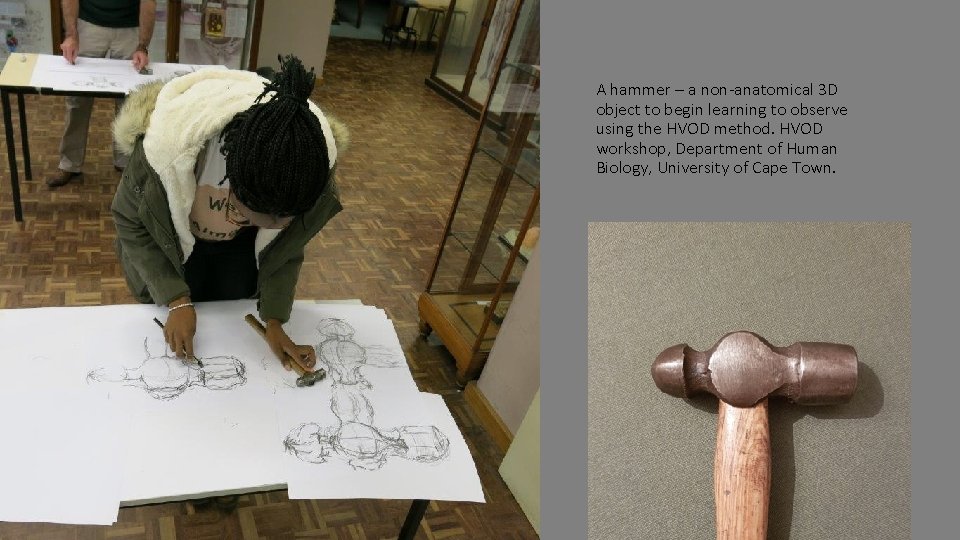
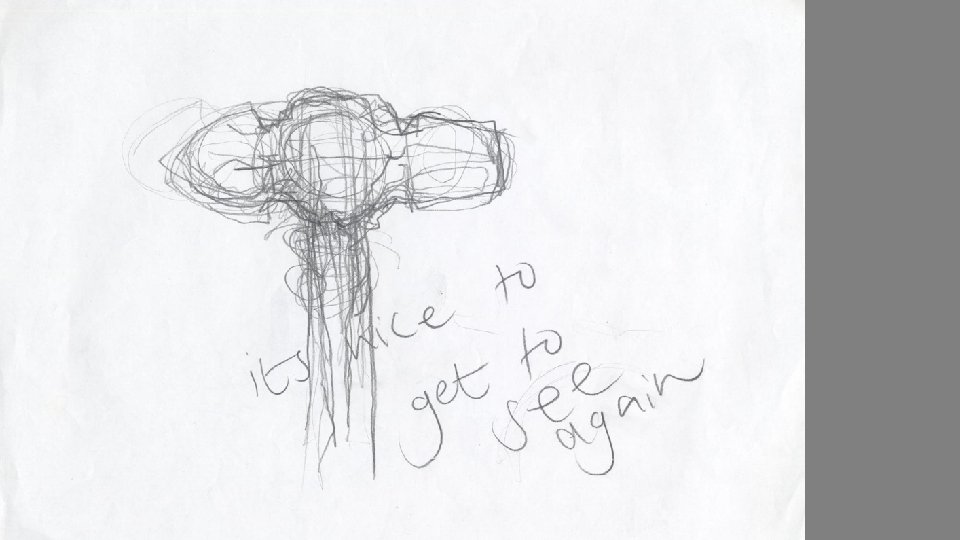
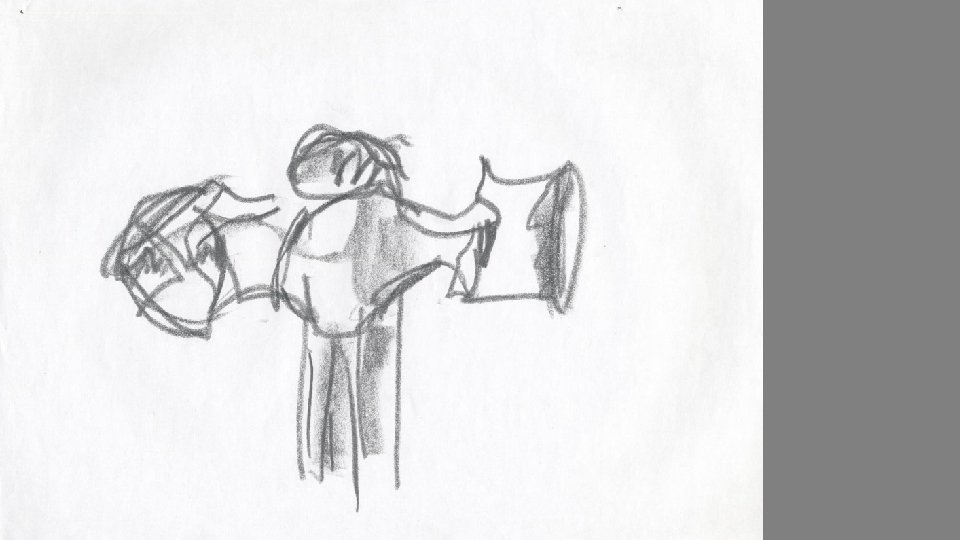
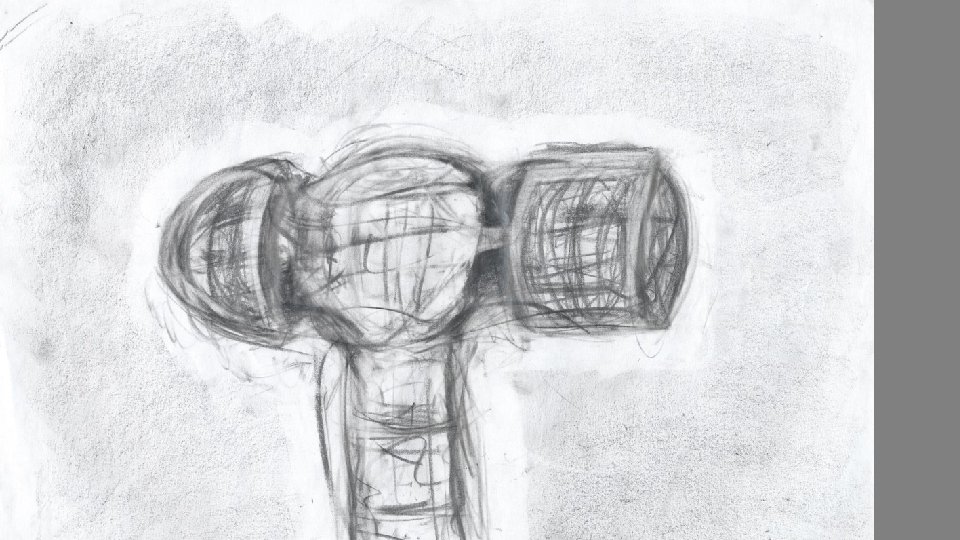
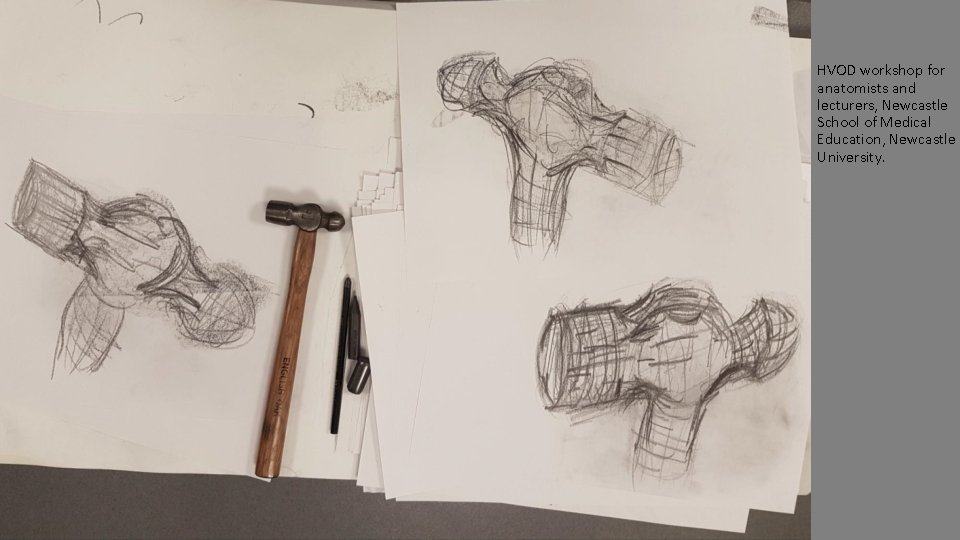
A hammer – a non-anatomical 3 D object to begin learning to observe using the HVOD method. HVOD workshop, Department of Human Biology, University of Cape Town.
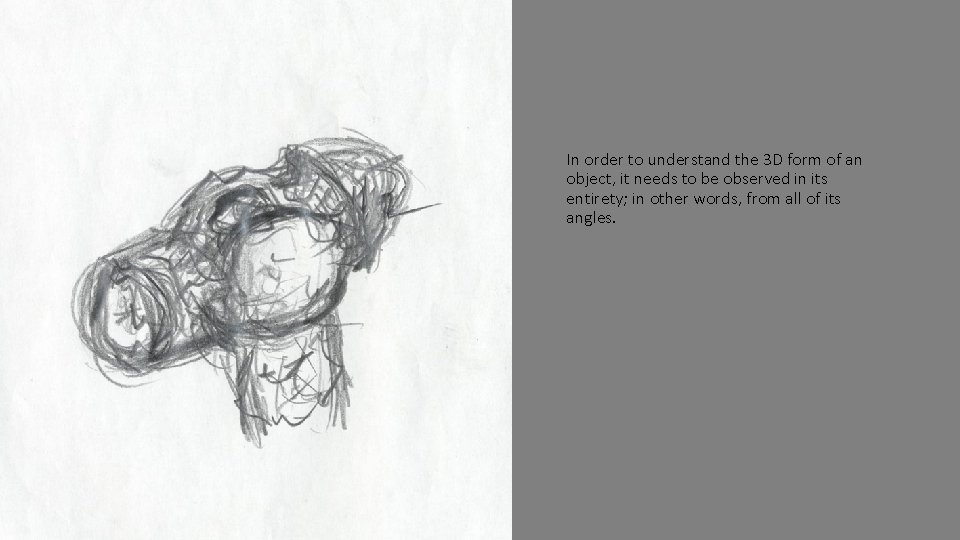
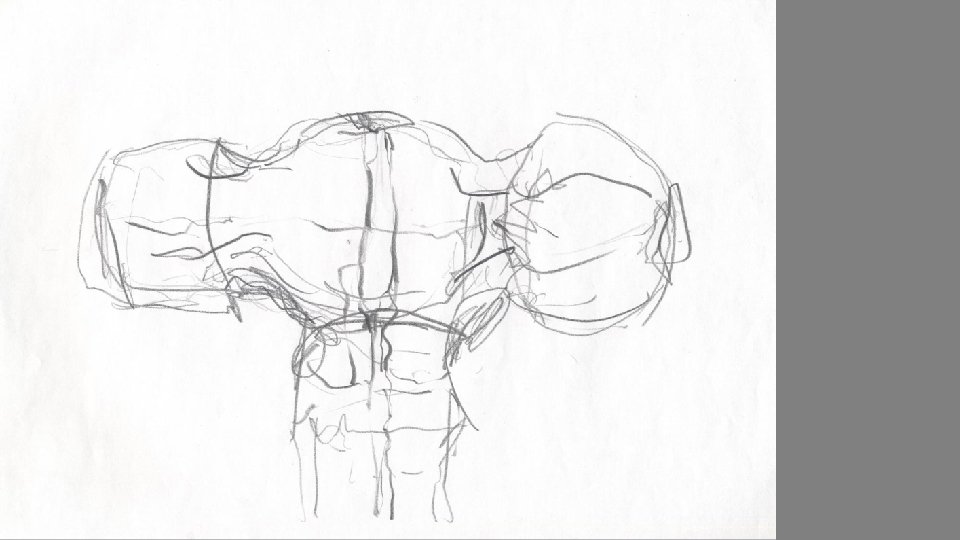
In order to understand the 3 D form of an object, it needs to be observed in its entirety; in other words, from all of its angles.
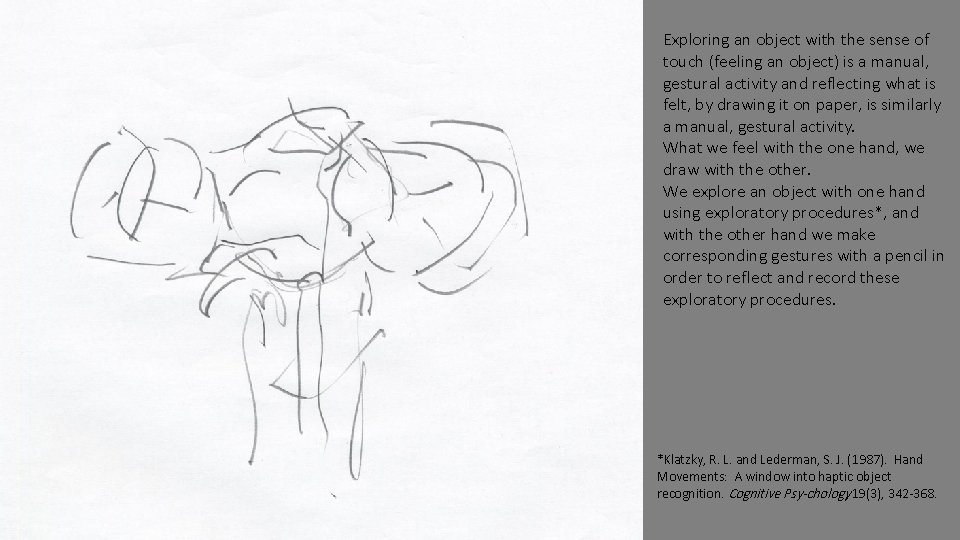
Exploring an object with the sense of touch (feeling an object) is a manual, gestural activity and reflecting what is felt, by drawing it on paper, is similarly a manual, gestural activity. What we feel with the one hand, we draw with the other. We explore an object with one hand using exploratory procedures*, and with the other hand we make corresponding gestures with a pencil in order to reflect and record these exploratory procedures. *Klatzky, R. L. and Lederman, S. J. (1987). Hand Movements: A window into haptic object recognition. Cognitive Psy chology, 19(3), 342 -368.
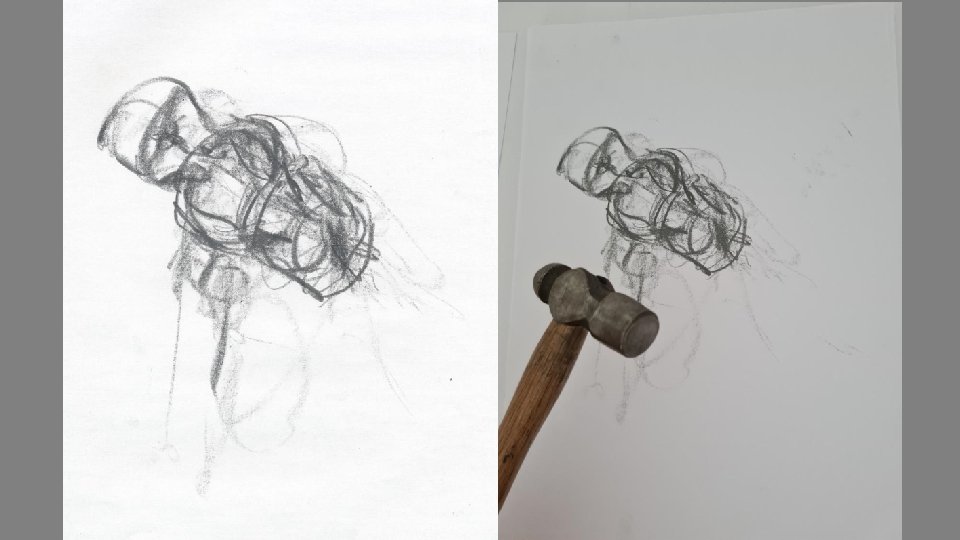
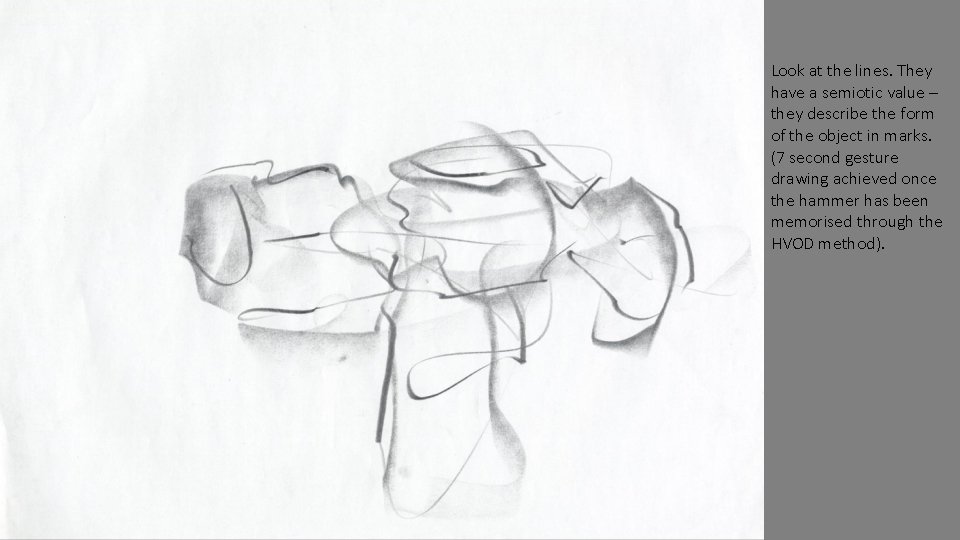
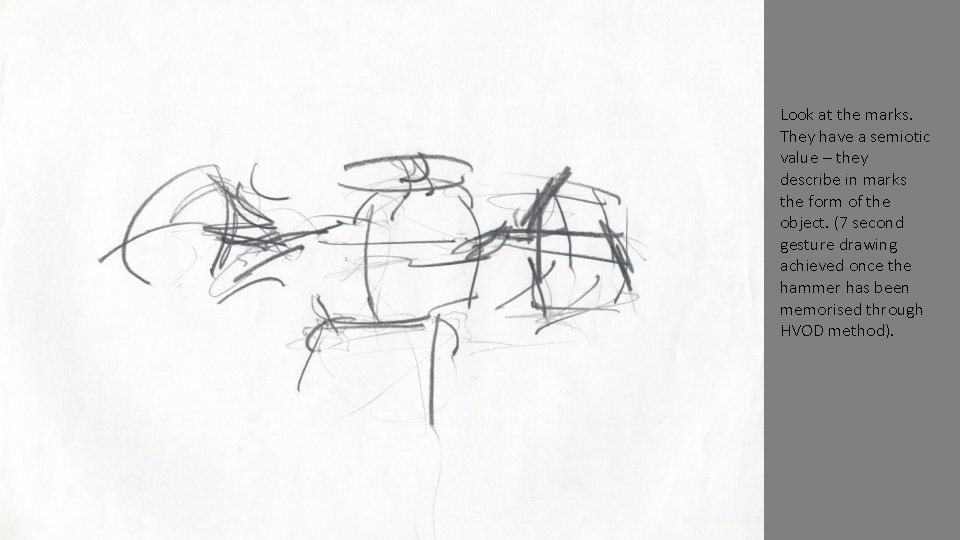
Look at the lines. They have a semiotic value – they describe the form of the object in marks. (7 second gesture drawing achieved once the hammer has been memorised through the HVOD method).
Look at the marks. They have a semiotic value – they describe in marks the form of the object. (7 second gesture drawing achieved once the hammer has been memorised through HVOD method).
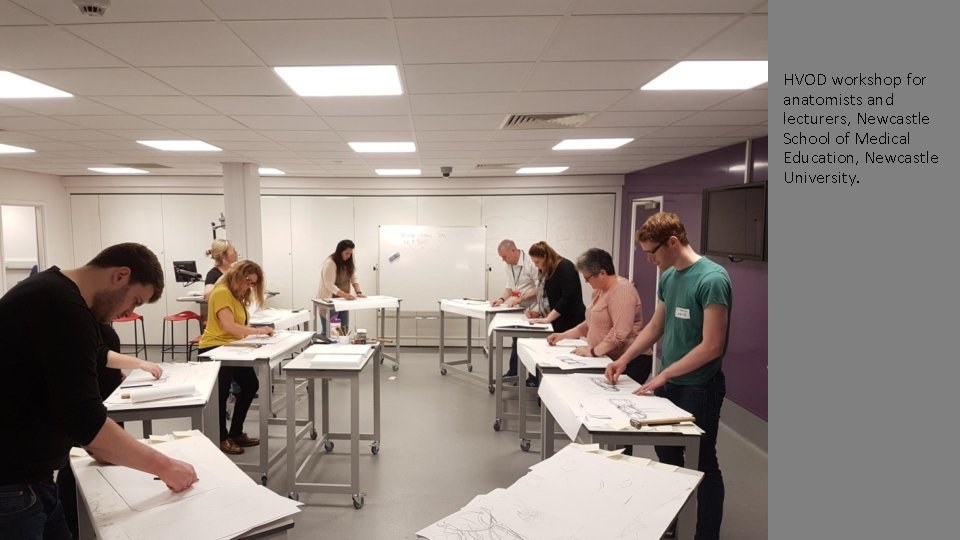
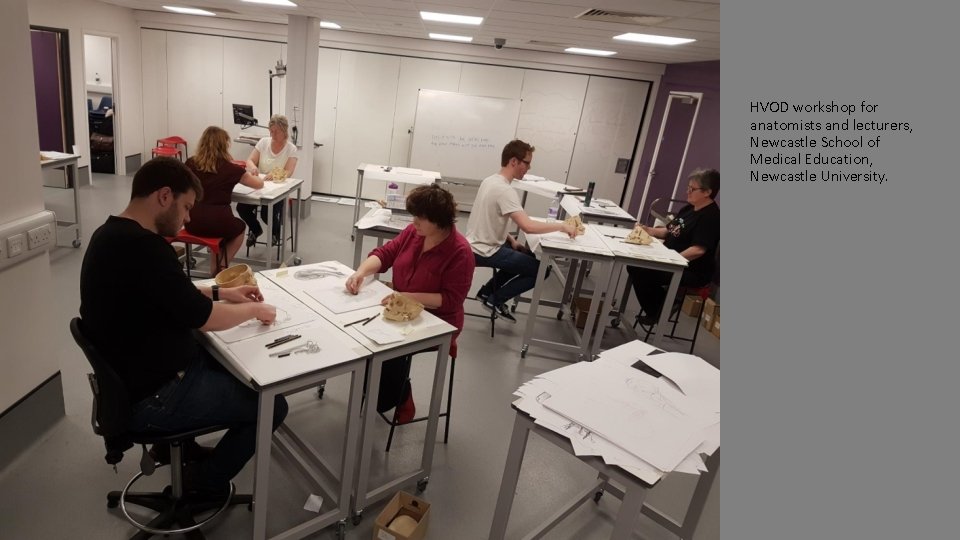
HVOD workshop for anatomists and lecturers, Newcastle School of Medical Education, Newcastle University.
HVOD workshop for anatomists and lecturers, Newcastle School of Medical Education, Newcastle University.
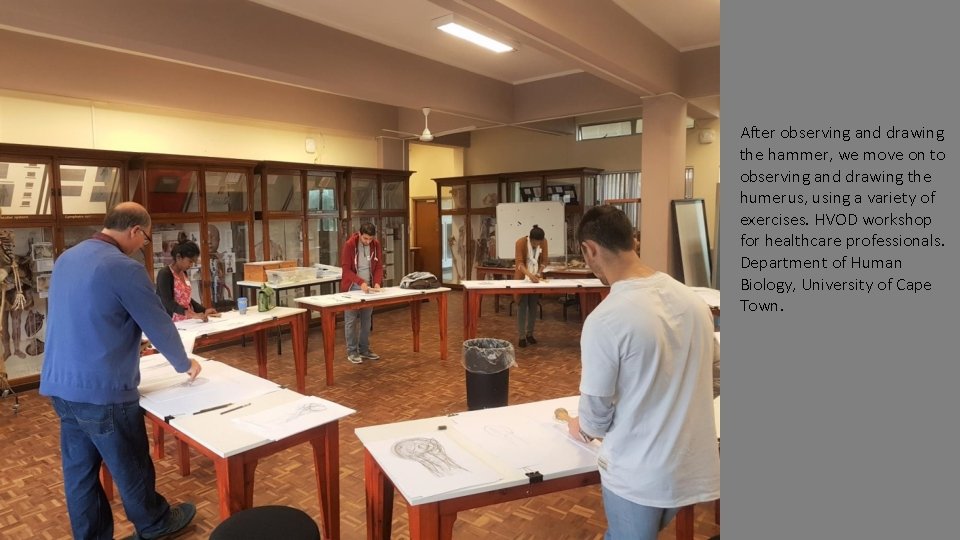
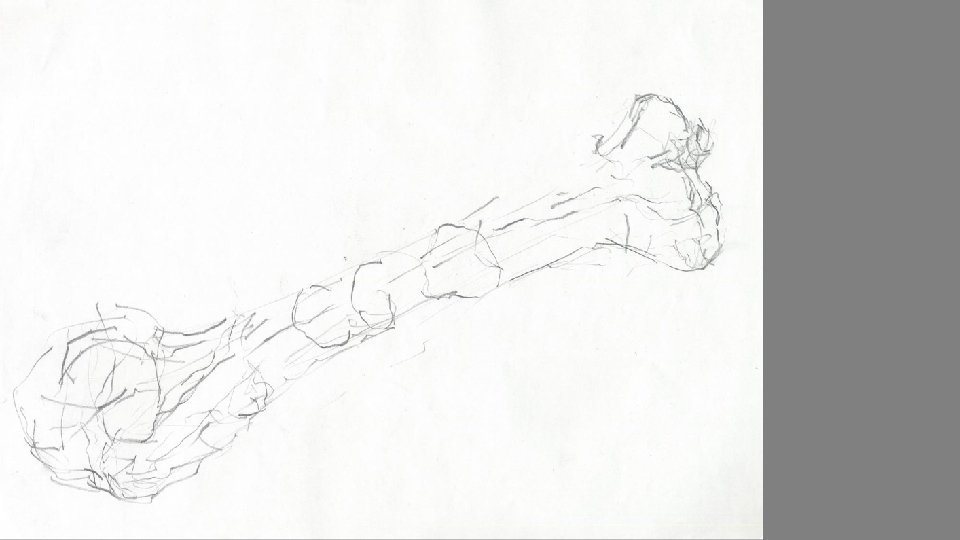
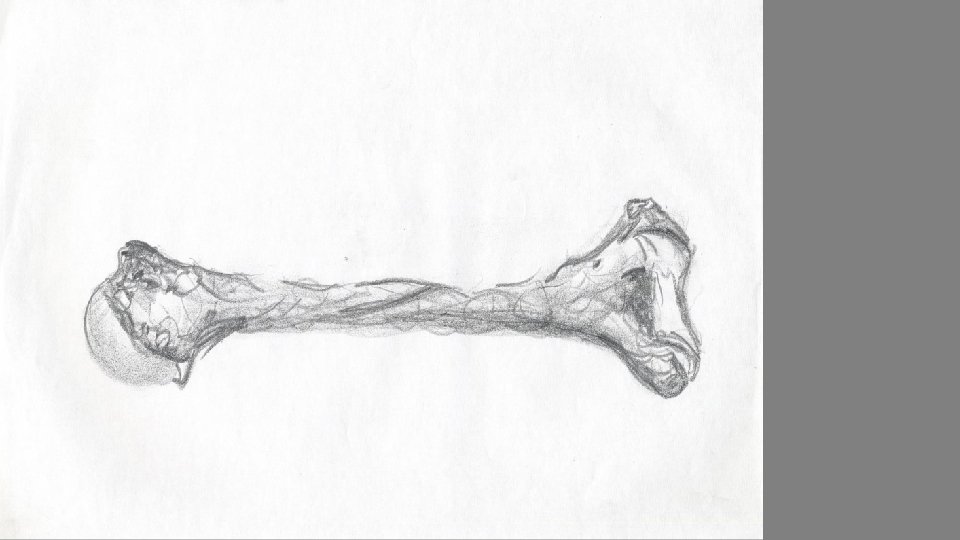
After observing and drawing the hammer, we move on to observing and drawing the humerus, using a variety of exercises. HVOD workshop for healthcare professionals. Department of Human Biology, University of Cape Town.
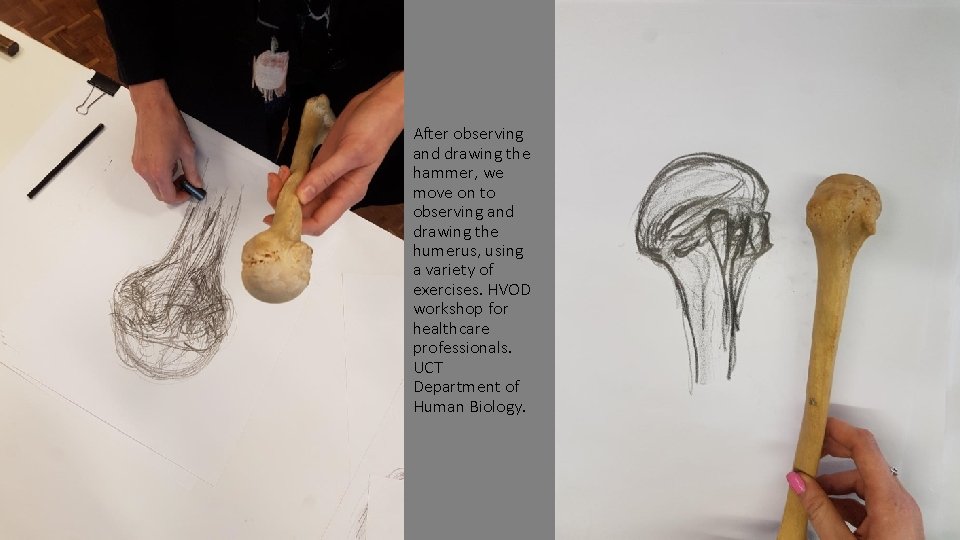
After observing and drawing the hammer, we move on to observing and drawing the humerus, using a variety of exercises. HVOD workshop for healthcare professionals. UCT Department of Human Biology.
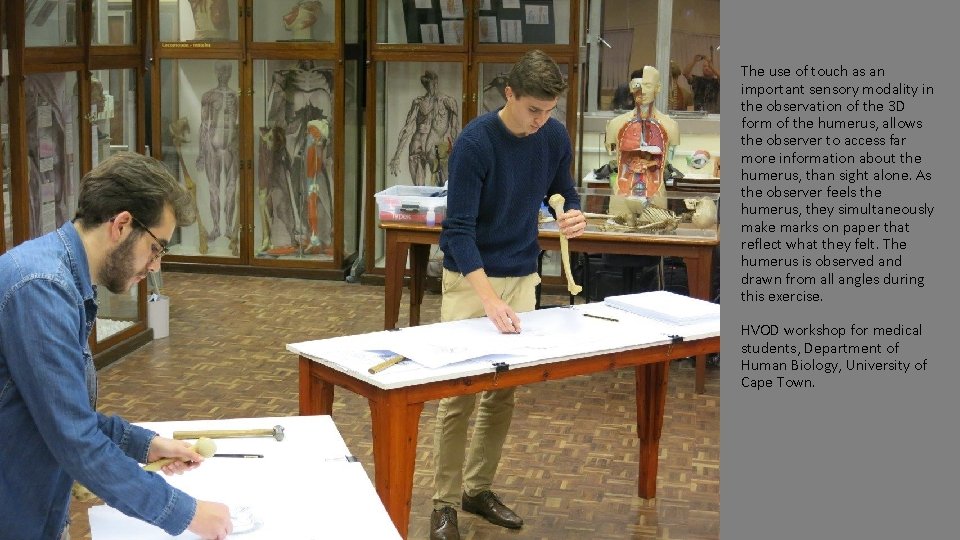
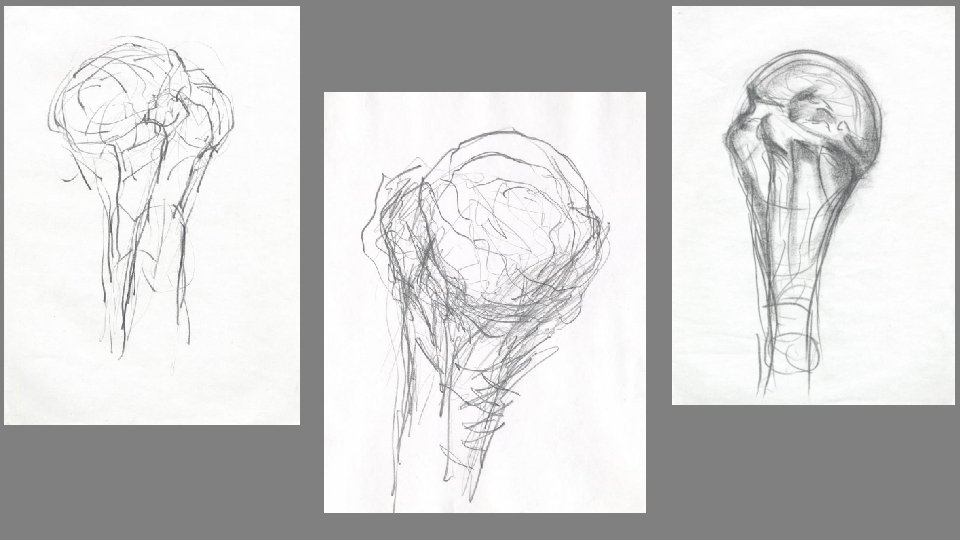
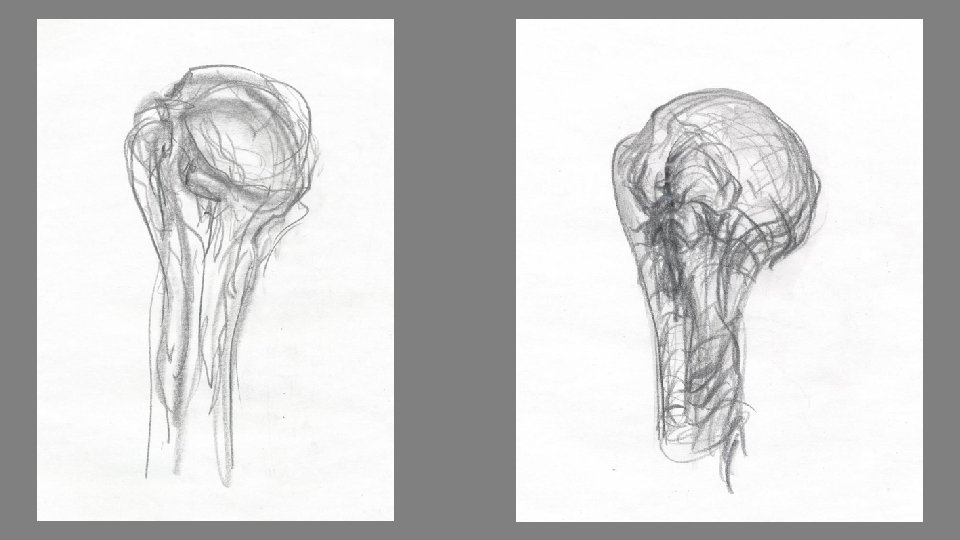
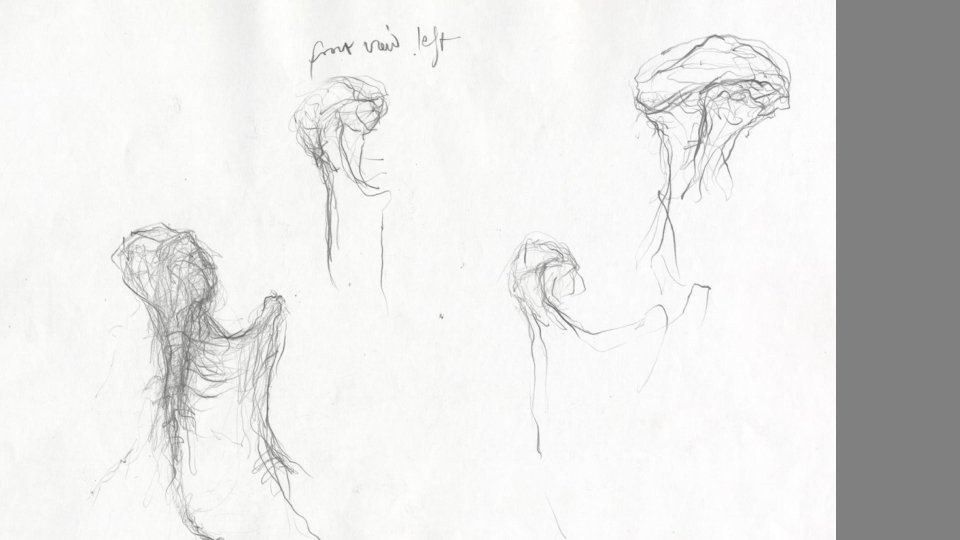
The use of touch as an important sensory modality in the observation of the 3 D form of the humerus, allows the observer to access far more information about the humerus, than sight alone. As the observer feels the humerus, they simultaneously make marks on paper that reflect what they felt. The humerus is observed and drawn from all angles during this exercise. HVOD workshop for medical students, Department of Human Biology, University of Cape Town.
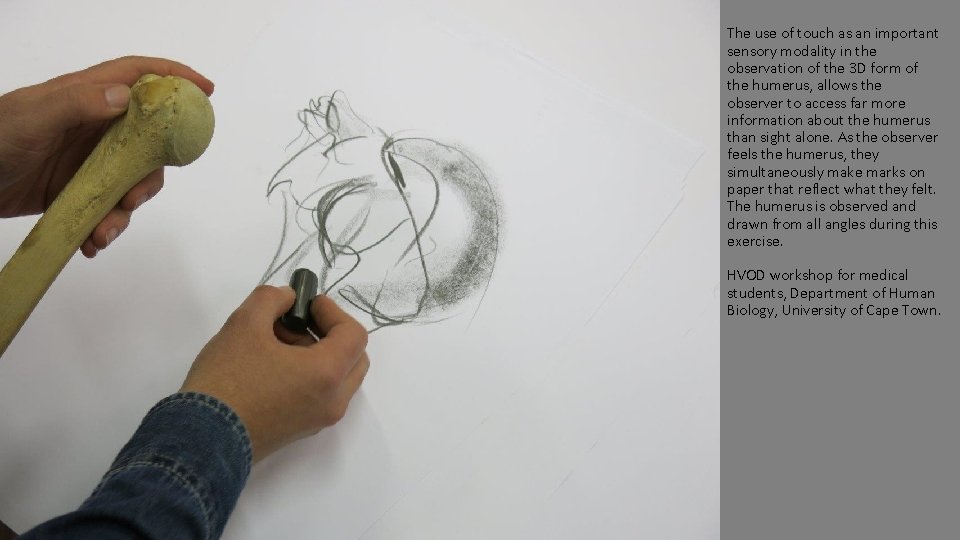
The use of touch as an important sensory modality in the observation of the 3 D form of the humerus, allows the observer to access far more information about the humerus than sight alone. As the observer feels the humerus, they simultaneously make marks on paper that reflect what they felt. The humerus is observed and drawn from all angles during this exercise. HVOD workshop for medical students, Department of Human Biology, University of Cape Town.
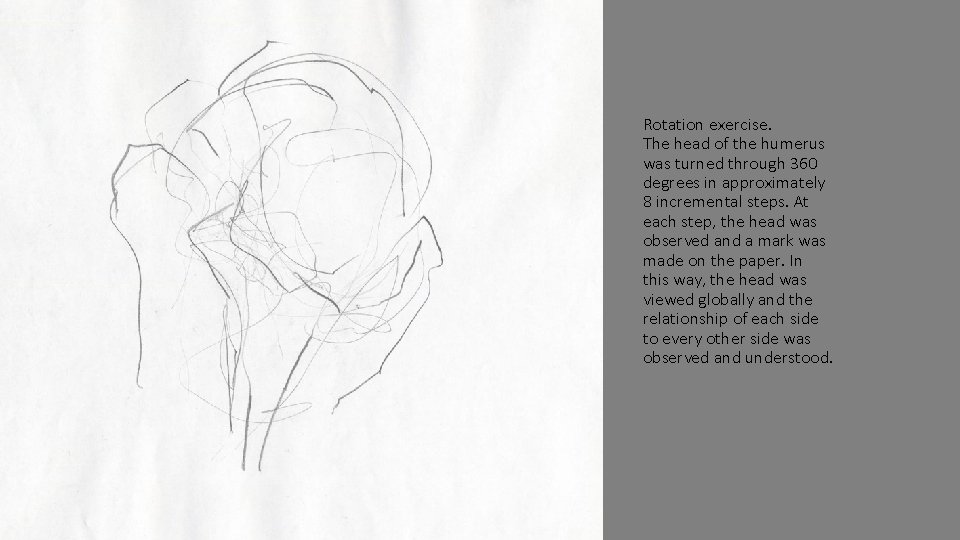
Rotation exercise. The head of the humerus was turned through 360 degrees in approximately 8 incremental steps. At each step, the head was observed and a mark was made on the paper. In this way, the head was viewed globally and the relationship of each side to every other side was observed and understood.
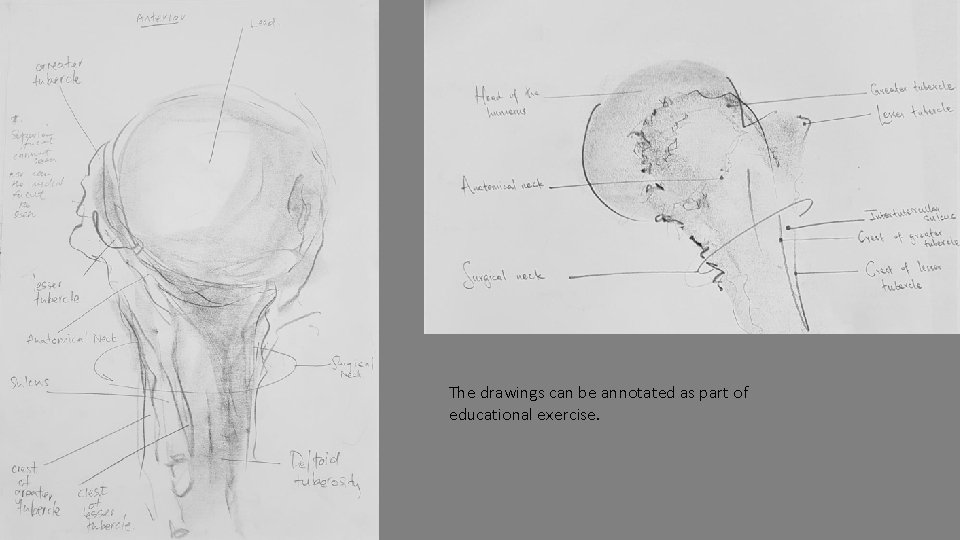
The drawings can be annotated as part of educational exercise.
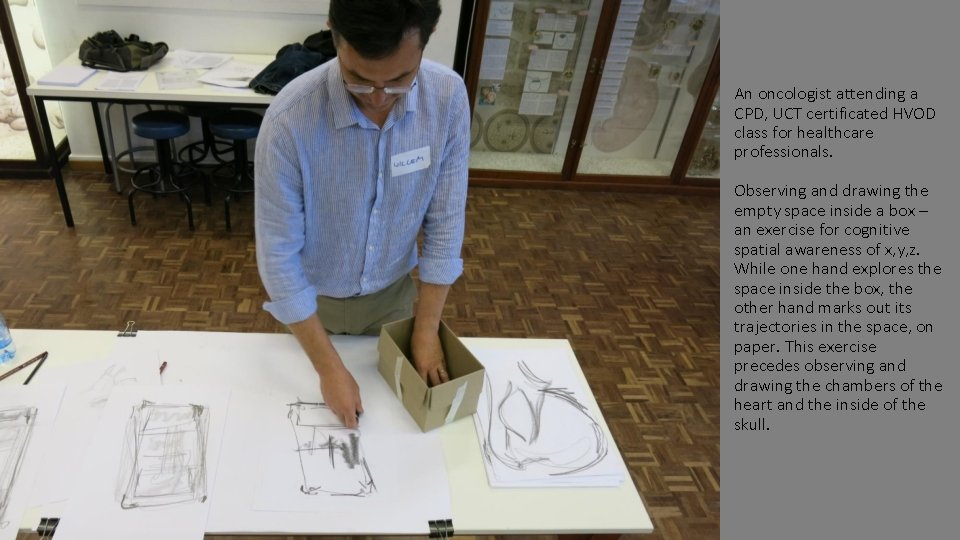
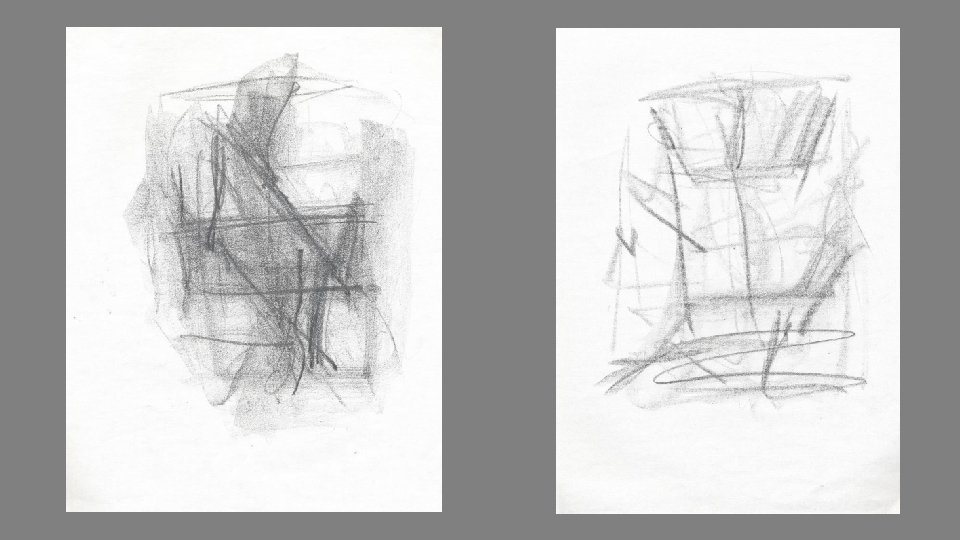
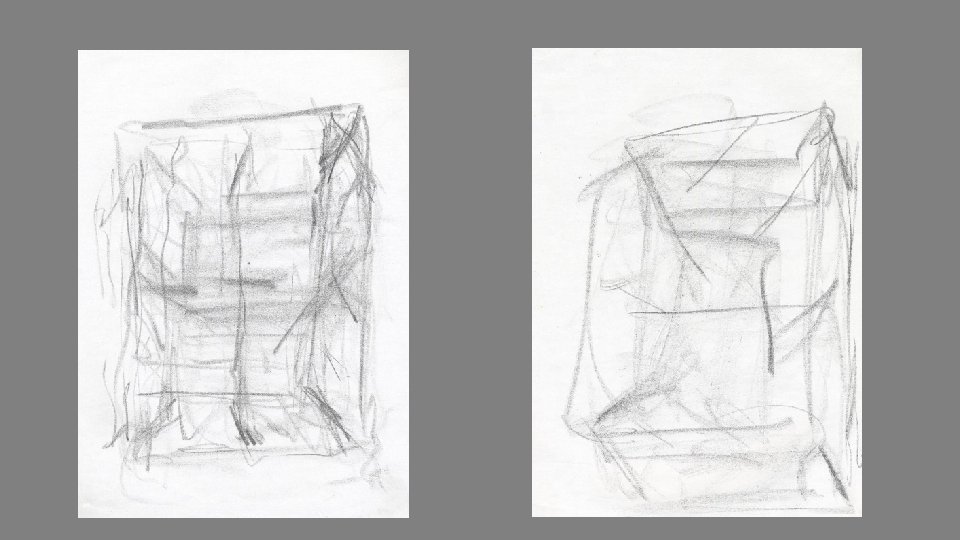
An oncologist attending a CPD, UCT certificated HVOD class for healthcare professionals. Observing and drawing the empty space inside a box – an exercise for cognitive spatial awareness of x, y, z. While one hand explores the space inside the box, the other hand marks out its trajectories in the space, on paper. This exercise precedes observing and drawing the chambers of the heart and the inside of the skull.
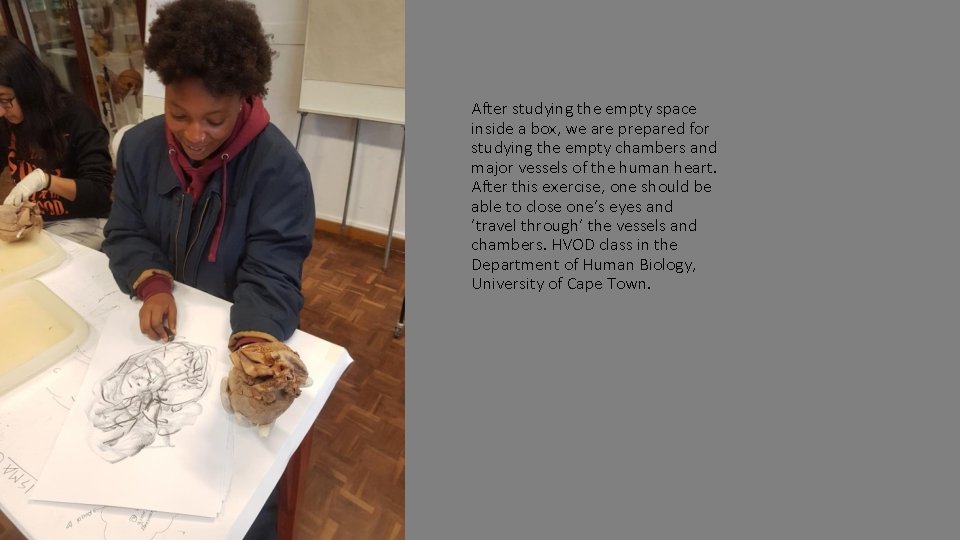
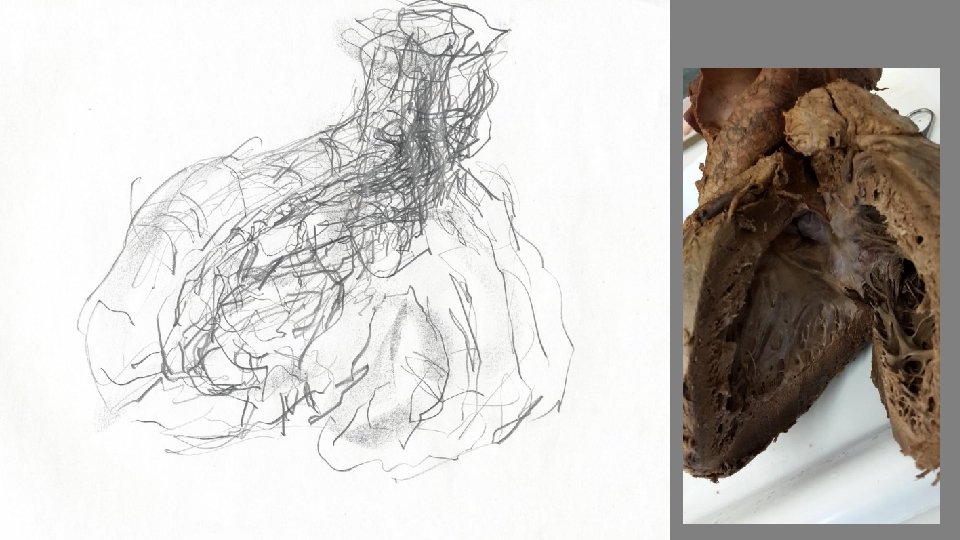
After studying the empty space inside a box, we are prepared for studying the empty chambers and major vessels of the human heart. After this exercise, one should be able to close one’s eyes and ‘travel through’ the vessels and chambers. HVOD class in the Department of Human Biology, University of Cape Town.
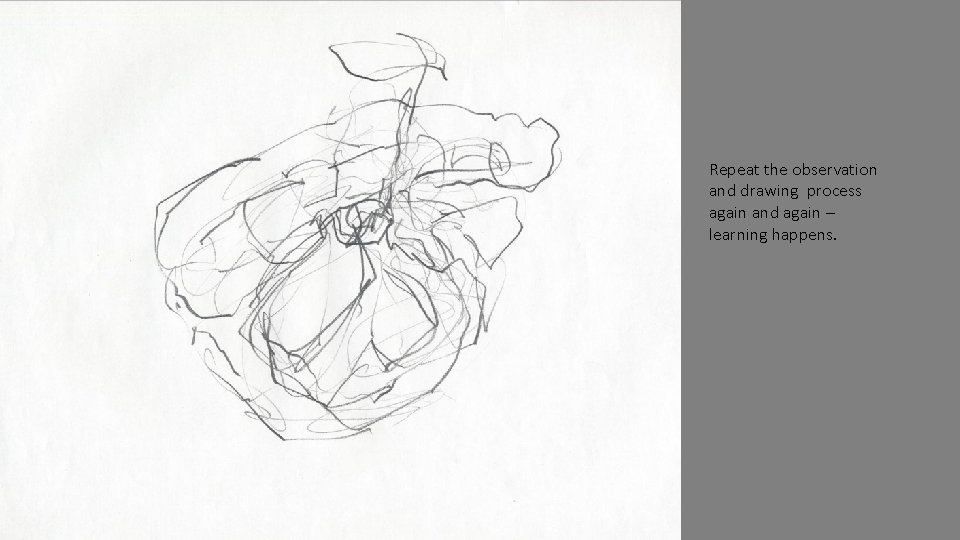
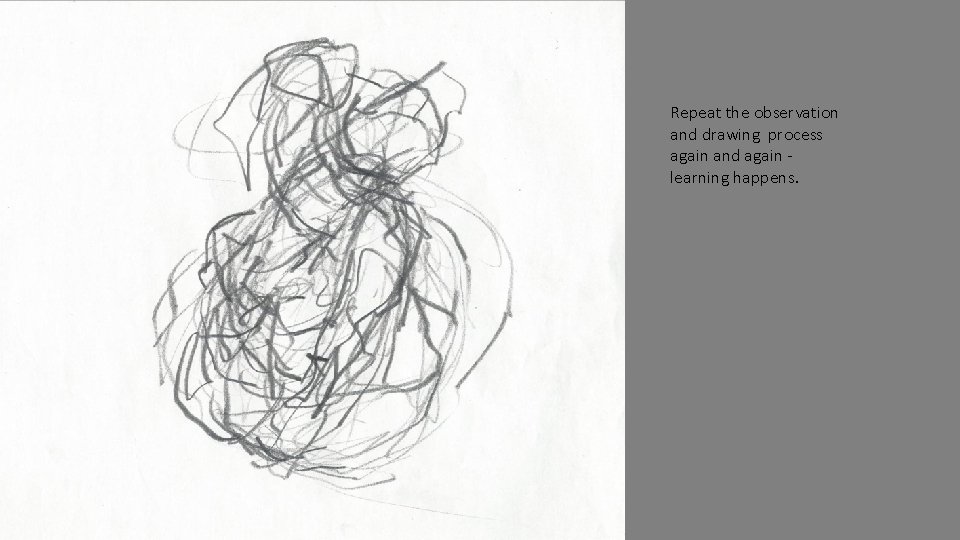
Repeat the observation and drawing process again and again – learning happens.
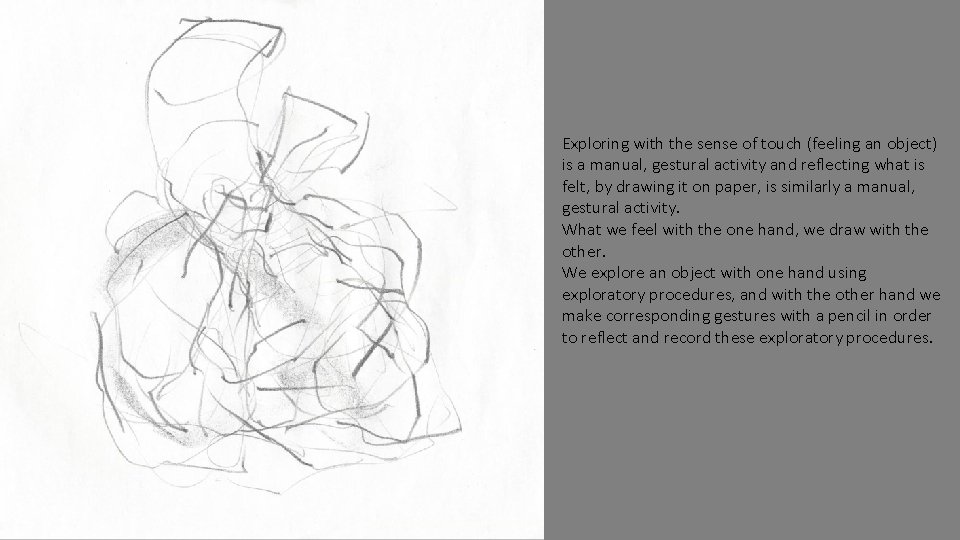
Exploring with the sense of touch (feeling an object) is a manual, gestural activity and reflecting what is felt, by drawing it on paper, is similarly a manual, gestural activity. What we feel with the one hand, we draw with the other. We explore an object with one hand using exploratory procedures, and with the other hand we make corresponding gestures with a pencil in order to reflect and record these exploratory procedures.
Repeat the observation and drawing process again and again learning happens.
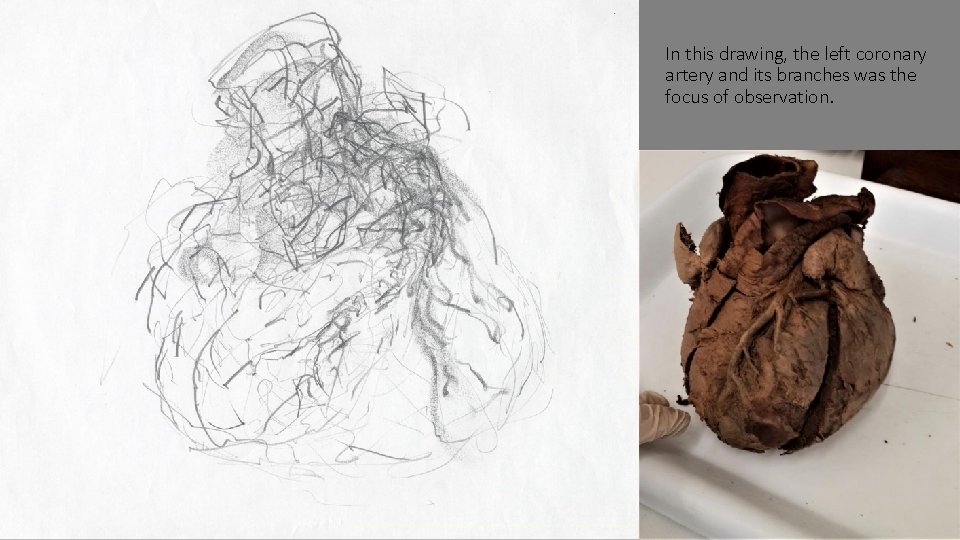
In this drawing, the left coronary artery and its branches was the focus of observation.
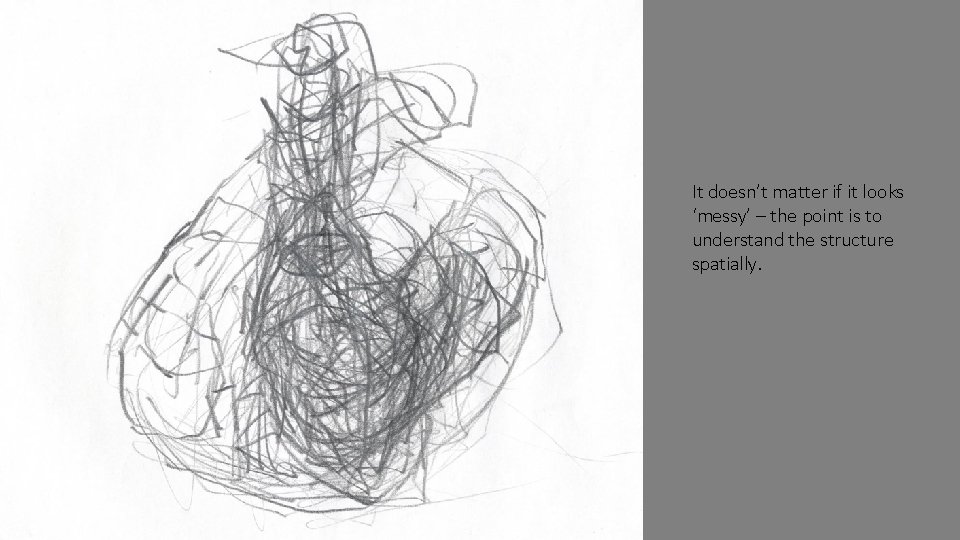
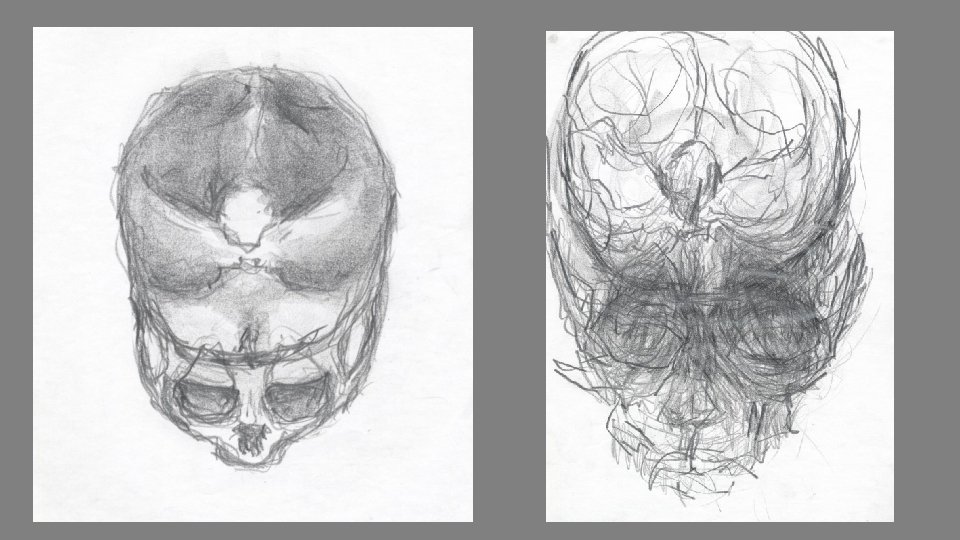
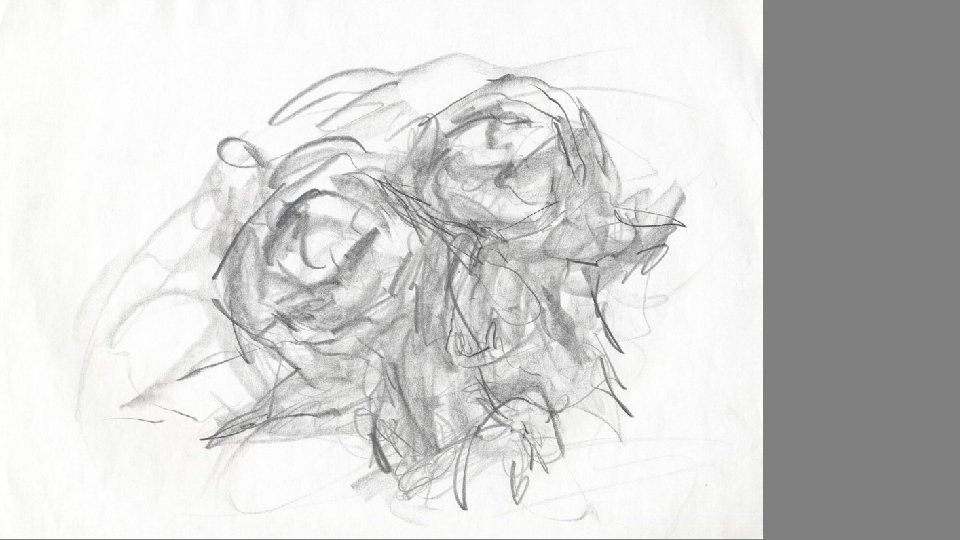
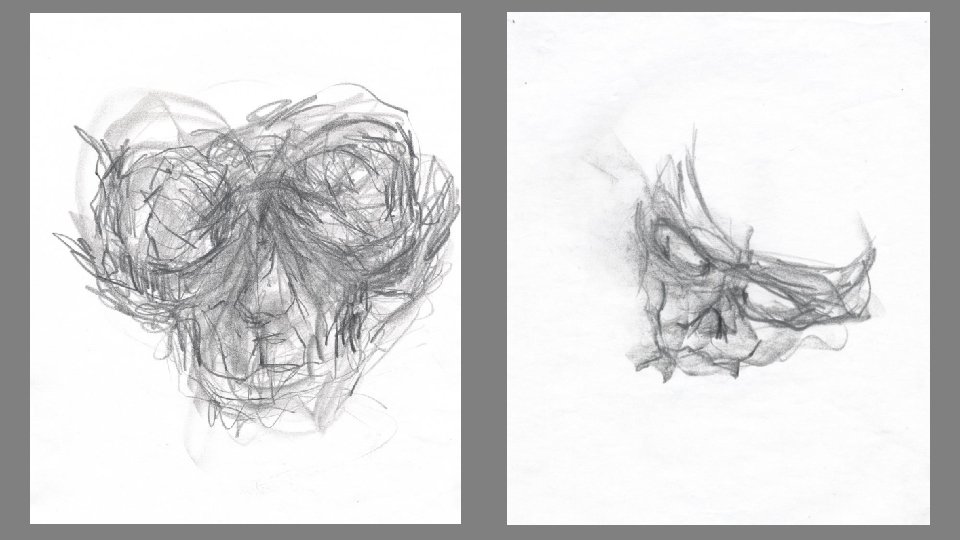
It doesn’t matter if it looks ‘messy’ – the point is to understand the structure spatially.
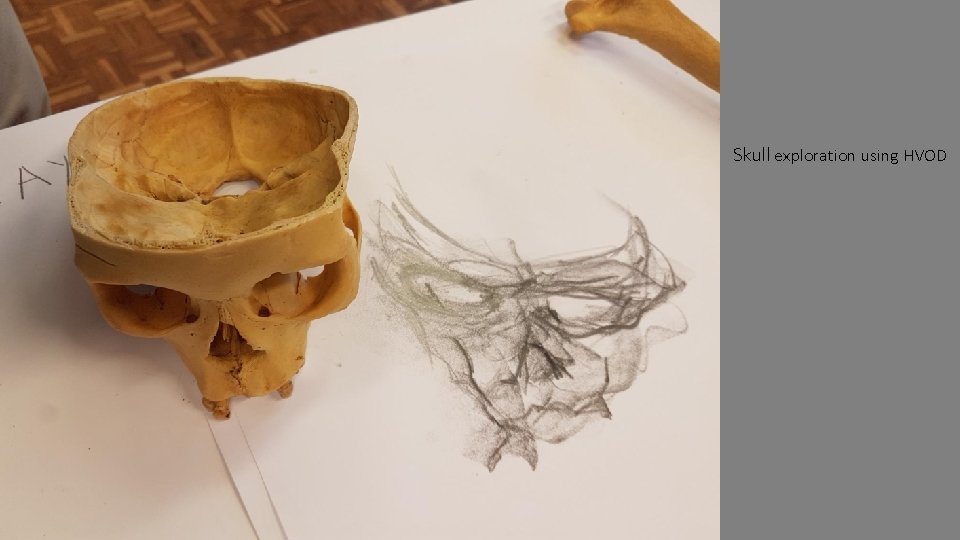
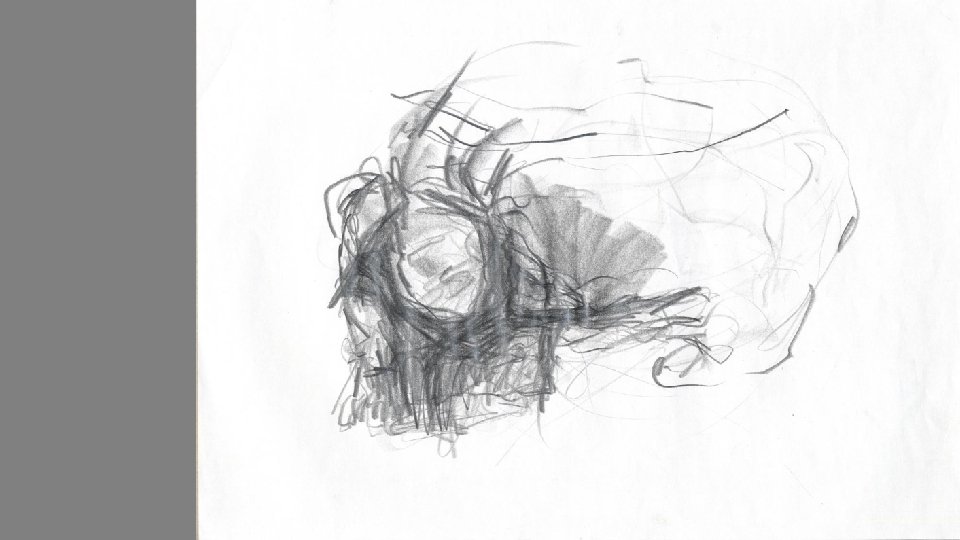
Skull exploration using HVOD
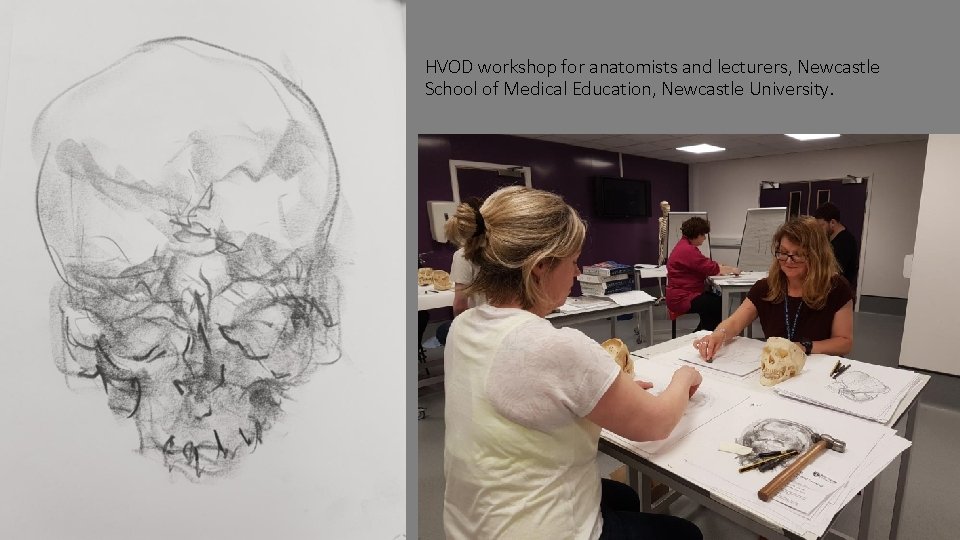
HVOD workshop for anatomists and lecturers, Newcastle School of Medical Education, Newcastle University.
HVOD workshop for anatomists and lecturers, Newcastle School of Medical Education, Newcastle University.
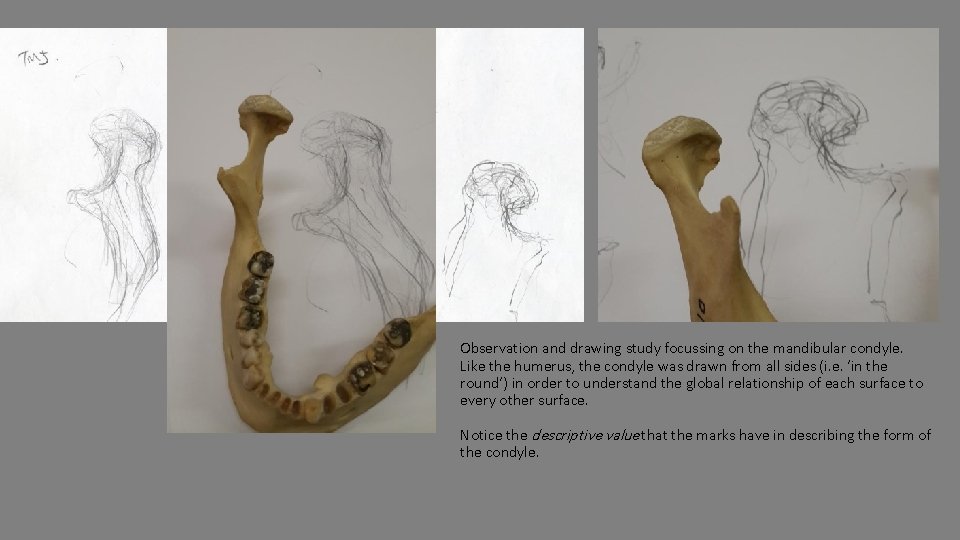
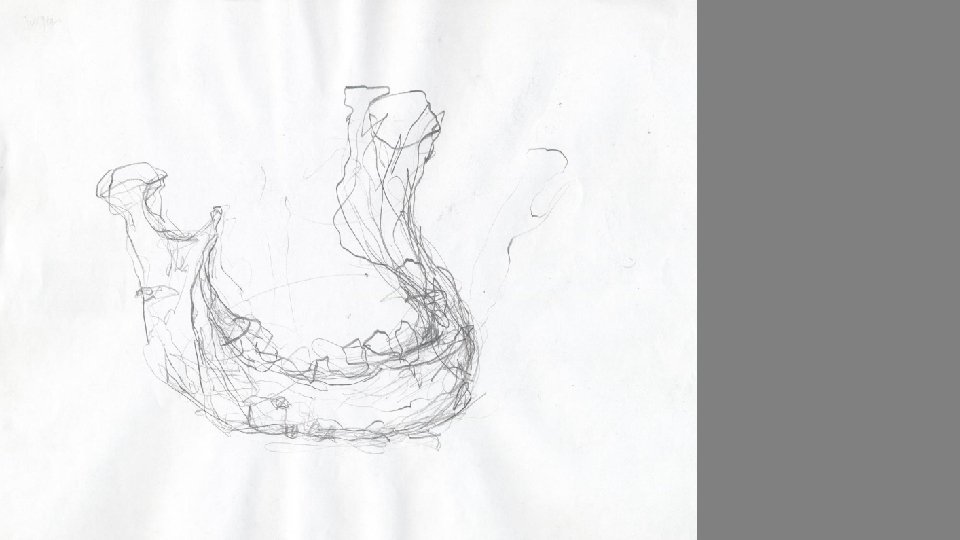
Observation and drawing study focussing on the mandibular condyle. Like the humerus, the condyle was drawn from all sides (i. e. ‘in the round’) in order to understand the global relationship of each surface to every other surface. Notice the descriptive value that the marks have in describing the form of the condyle.
Drawing’ – etymology. “Drawing as a system of signs has important cultural origins that are reflected in etymology. The German Zeichen, meaning sign, gives us zeichnen for the verb to draw, that is to make signs. Similar connections can be seen in the Italian segno (sign), disegno (drawing, design) and disegnatore (designer). The English drawing takes its form from the action of pulling, which is characteristic of so much drawing activity, but a similar etymological link can be seen in the words sign and design”. Clive Ashwin Drawing, Design and Semiotics Author(s): Clive Ashwin Source: Design Issues, Vol. 1, No. 2 (Autumn, 1984), pp. 42 -52 Published by: The MIT Press
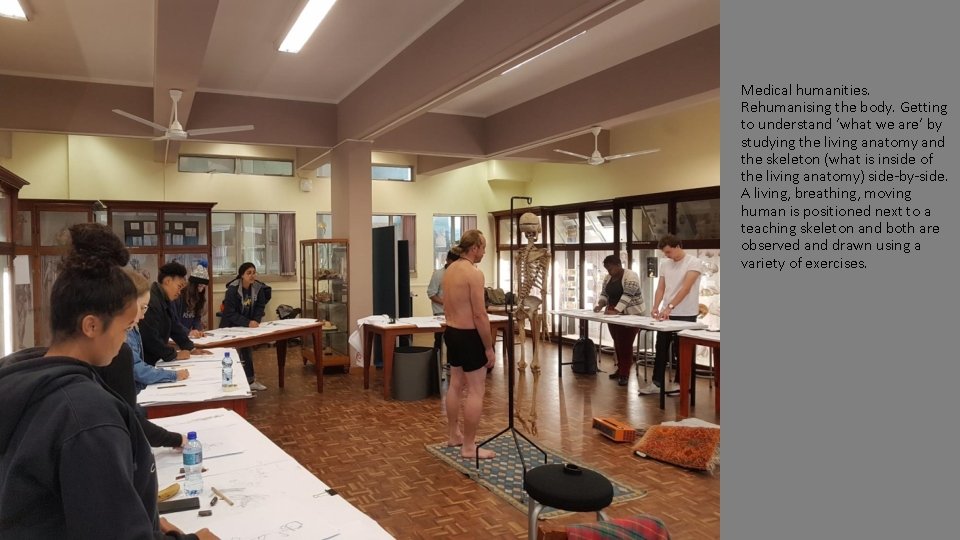
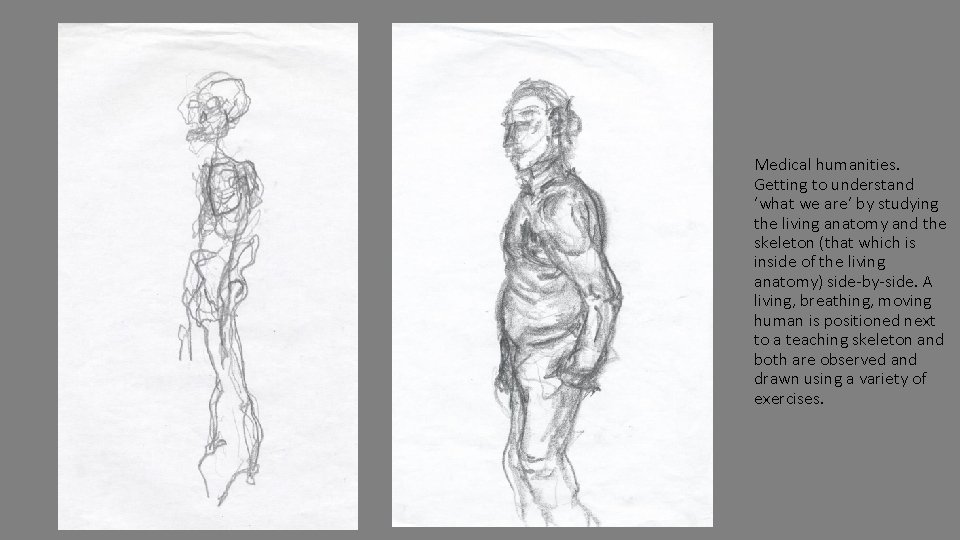
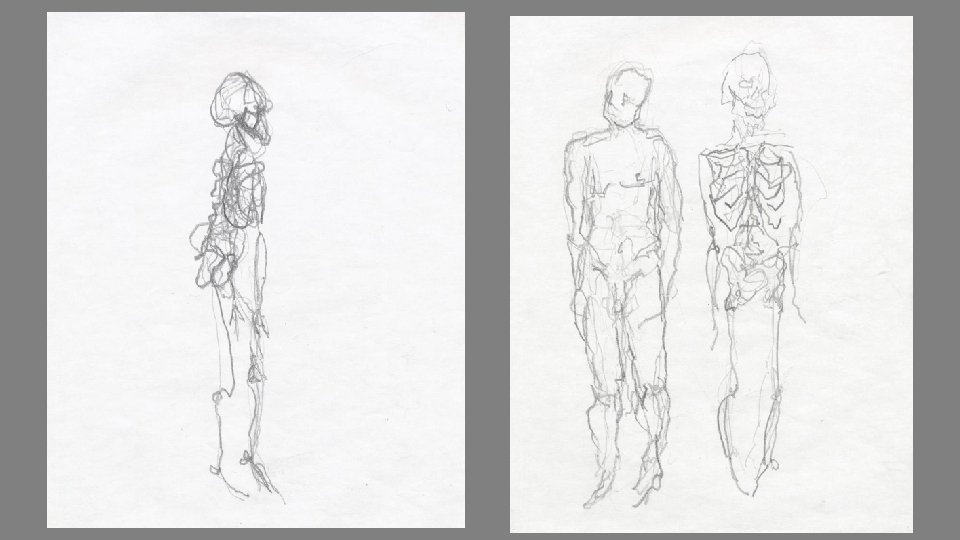
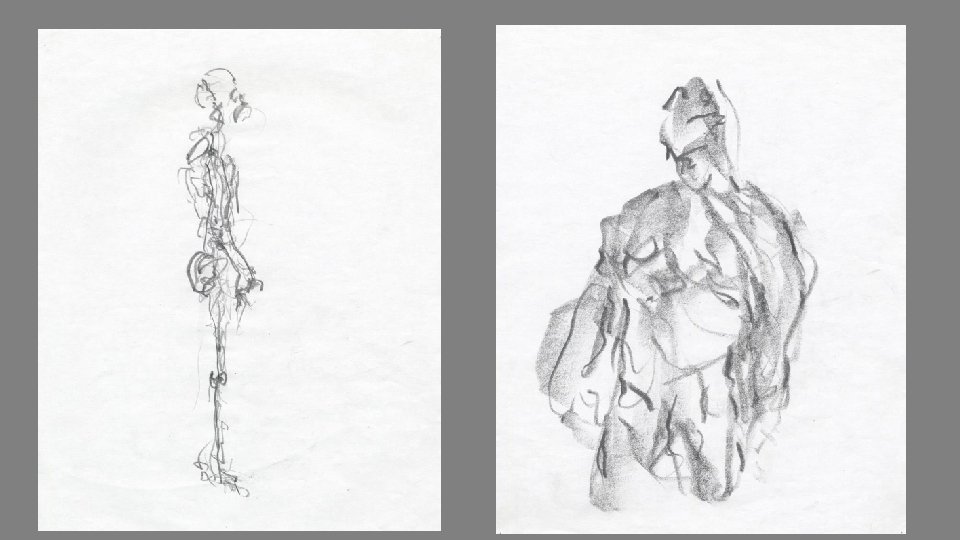
Medical humanities. Rehumanising the body. Getting to understand ‘what we are’ by studying the living anatomy and the skeleton (what is inside of the living anatomy) side-by-side. A living, breathing, moving human is positioned next to a teaching skeleton and both are observed and drawn using a variety of exercises.
Medical humanities. Getting to understand ‘what we are’ by studying the living anatomy and the skeleton (that which is inside of the living anatomy) side-by-side. A living, breathing, moving human is positioned next to a teaching skeleton and both are observed and drawn using a variety of exercises.
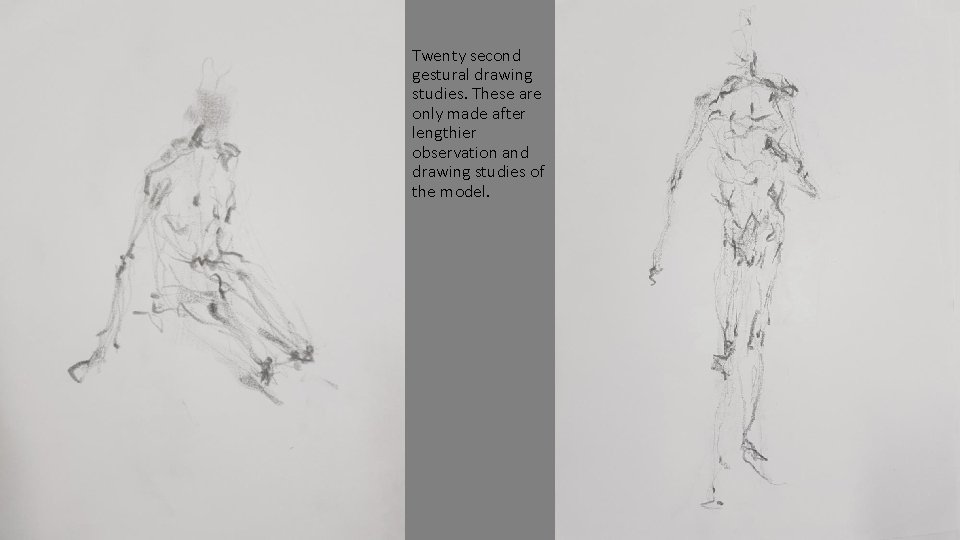
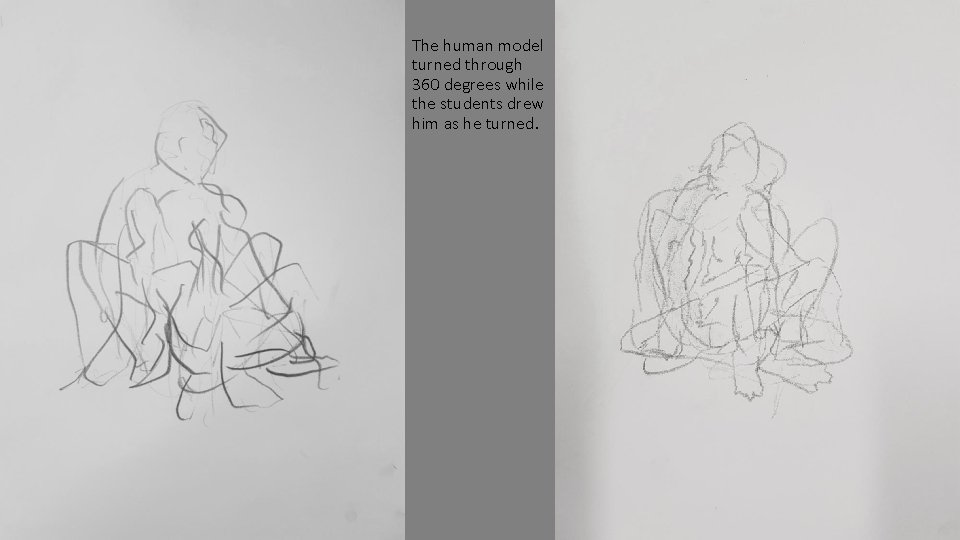
Twenty second gestural drawing studies. These are only made after lengthier observation and drawing studies of the model.
The human model turned through 360 degrees while the students drew him as he turned.
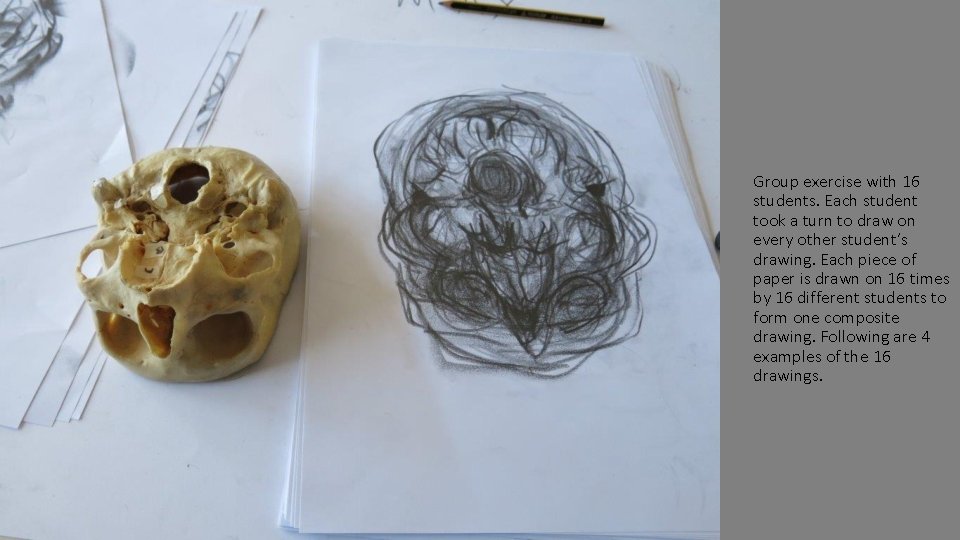
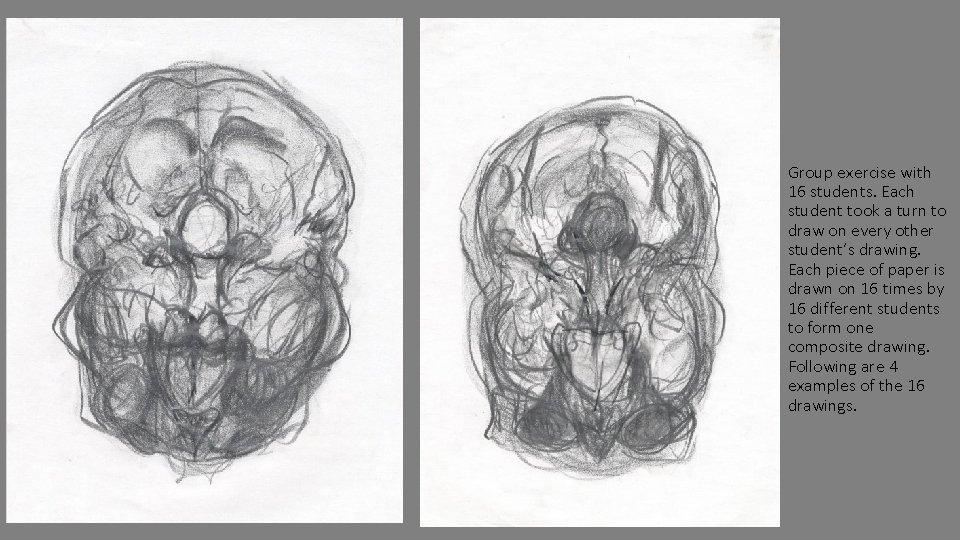
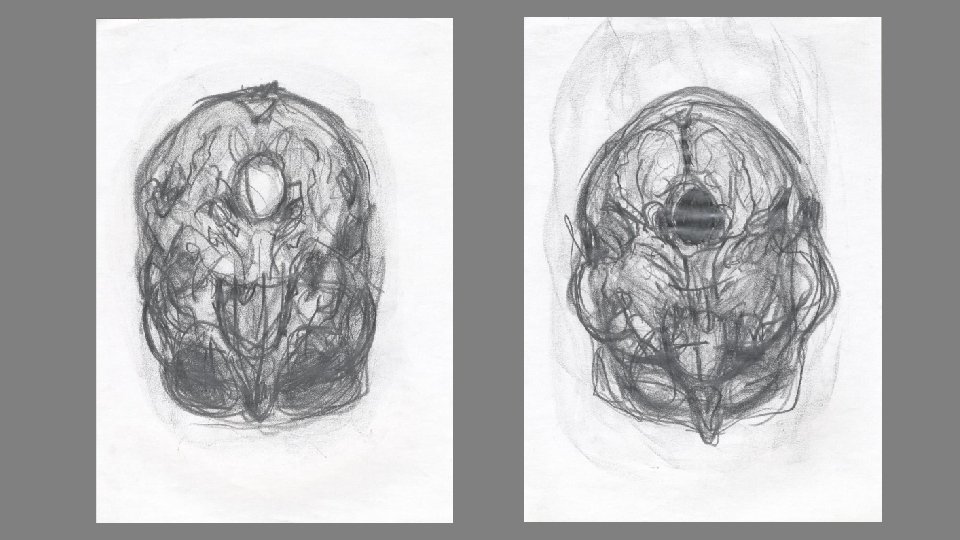
Group exercise with 16 students. Each student took a turn to draw on every other student’s drawing. Each piece of paper is drawn on 16 times by 16 different students to form one composite drawing. Following are 4 examples of the 16 drawings.
Group exercise with 16 students. Each student took a turn to draw on every other student’s drawing. Each piece of paper is drawn on 16 times by 16 different students to form one composite drawing. Following are 4 examples of the 16 drawings.
Acknowledgements and Thanks To the students, healthcare professionals and staff for use of their drawings in this exhibition. Graham Louw and Delva Shamley, for their support of the HVOD method in anatomy education – Department of Human Biology, University of Cape Town (UCT). Iain Keenan for our ongoing collaboration and his support of the HVOD method in anatomy education – Newcastle University School of Medical Education. Newcastle University Institute for Creative Arts Practice, for their generous sponsorship of this exhibition. Newcastle University School of Medical Education. The Anatomical Society. We acknowledge with gratitude the contribution of body donors to the UCT Division of Clinical Anatomy and Biological Anthropology and the Newcastle University School of Medical Education. For questions or further information, please contact Leonard Shapiro leonard. shapiro@uct. ac. za and Iain Keenan iain. keenan@newcastle. ac. uk Find us on Twitter @dr_keenan @leonard_shapiro.
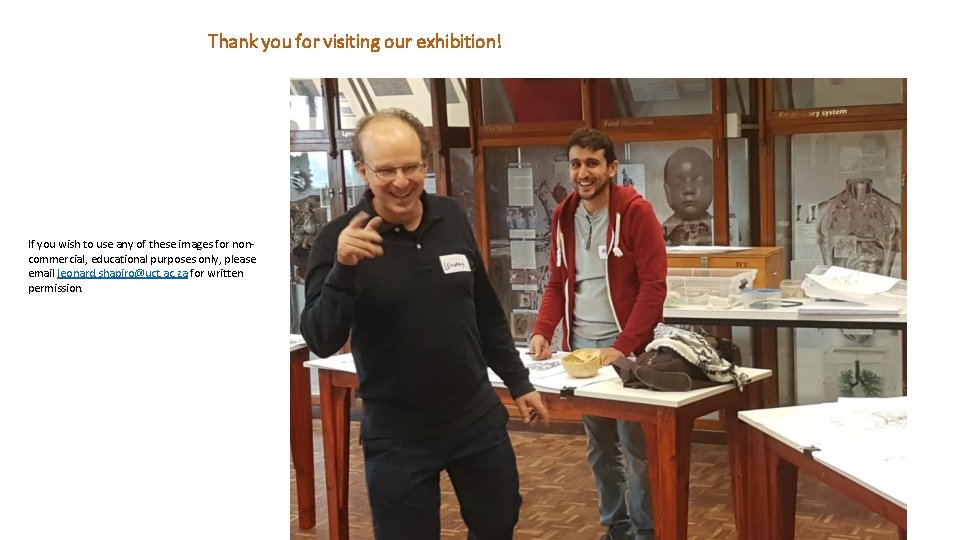
Thank you for visiting our exhibition! If you wish to use any of these images for noncommercial, educational purposes only, please email leonard. shapiro@uct. ac. za for written permission.