
Drawing the Human Figure Head Method The Head
- Slides: 26
Drawing the Human Figure “Head” Method
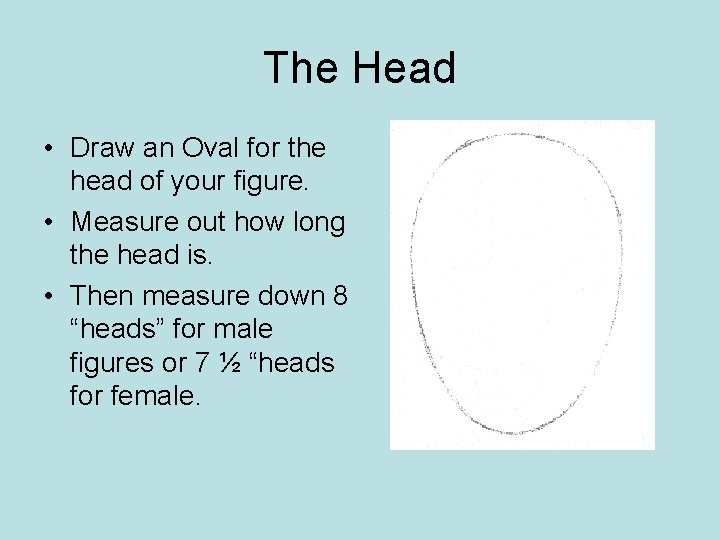
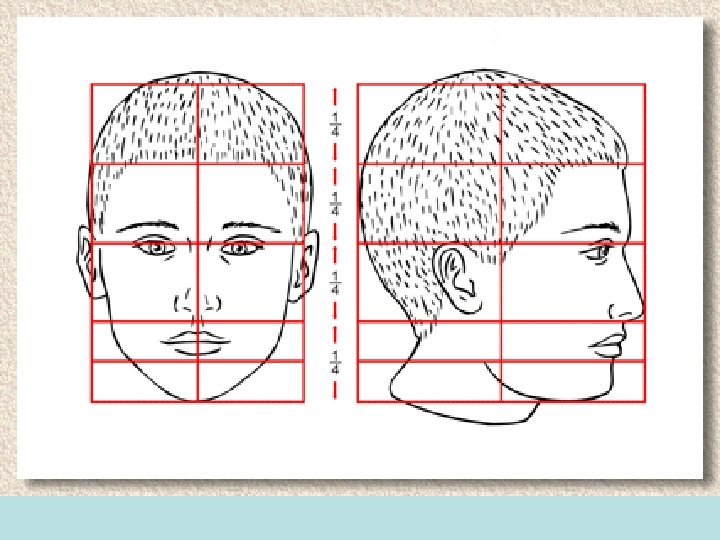
The Head • Draw an Oval for the head of your figure. • Measure out how long the head is. • Then measure down 8 “heads” for male figures or 7 ½ “heads for female.
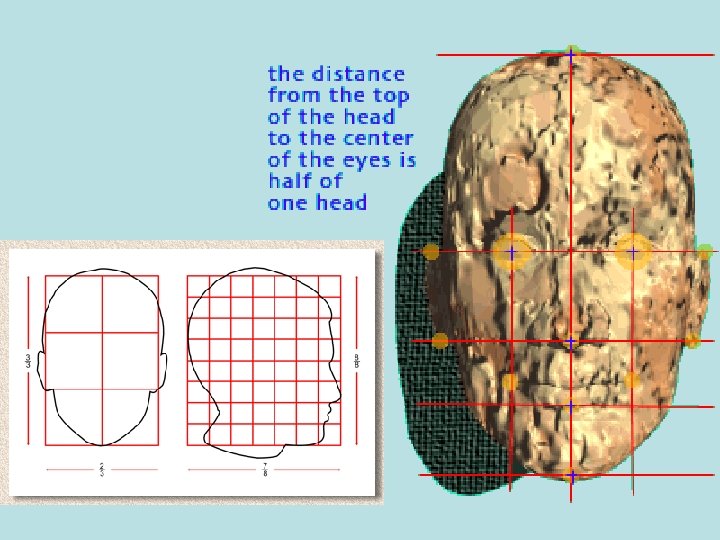
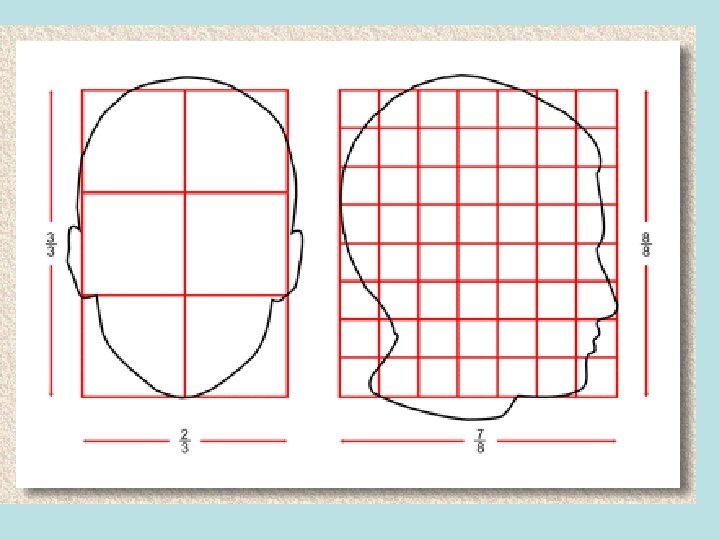
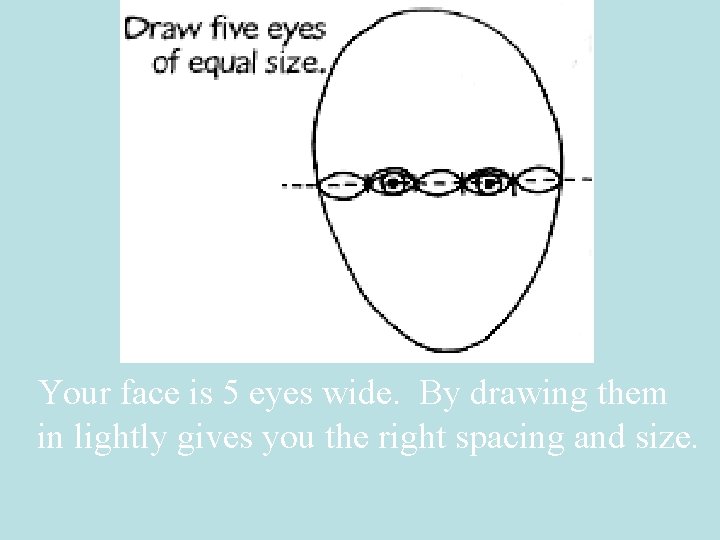
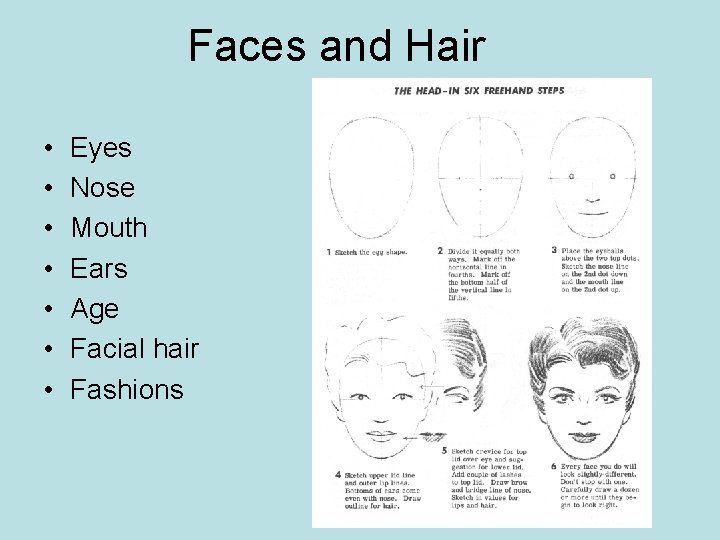
Your face is 5 eyes wide. By drawing them in lightly gives you the right spacing and size.
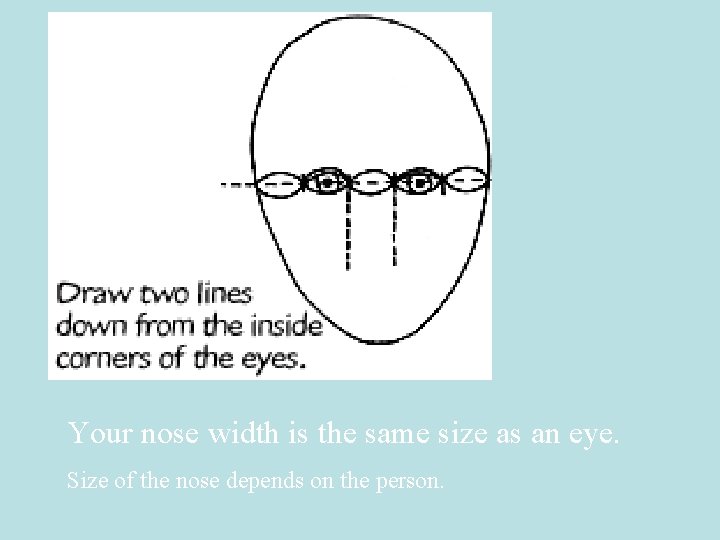
Your nose width is the same size as an eye. Size of the nose depends on the person.
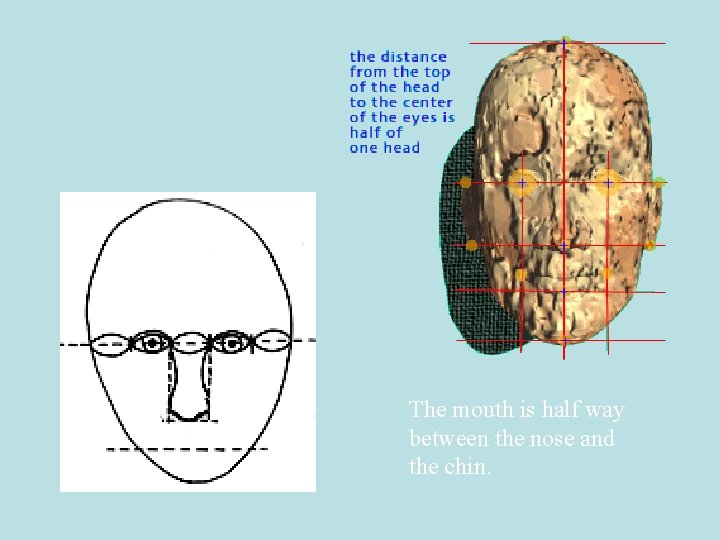
The mouth is half way between the nose and the chin.
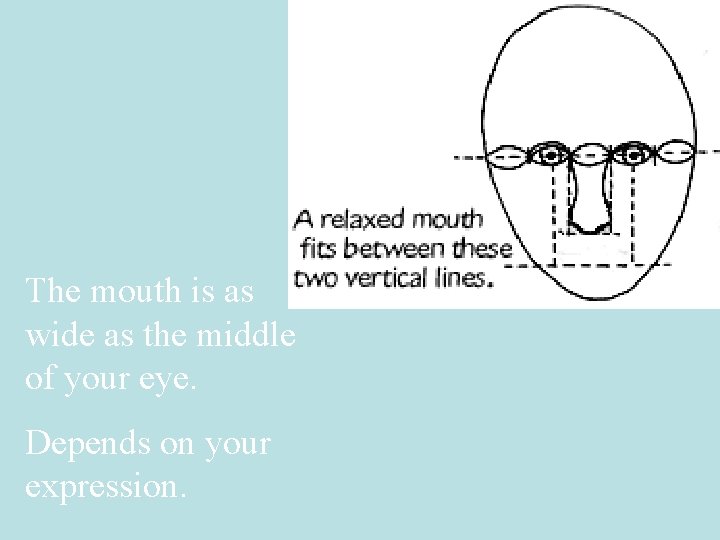
The mouth is as wide as the middle of your eye. Depends on your expression.
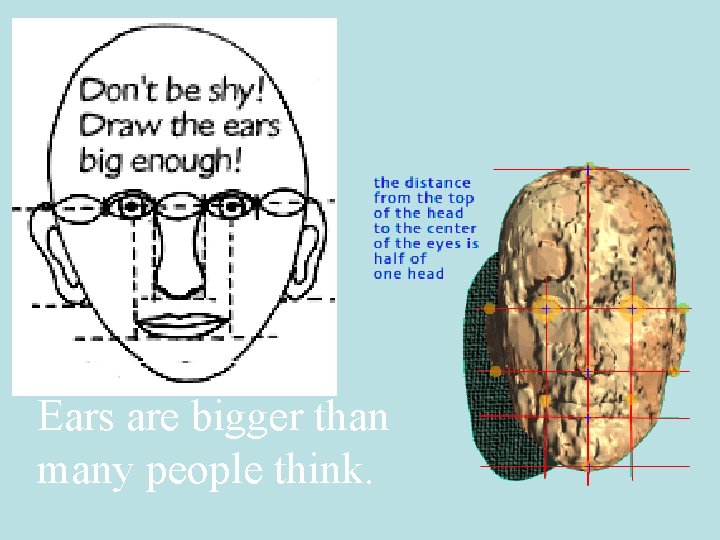
Ears are bigger than many people think.
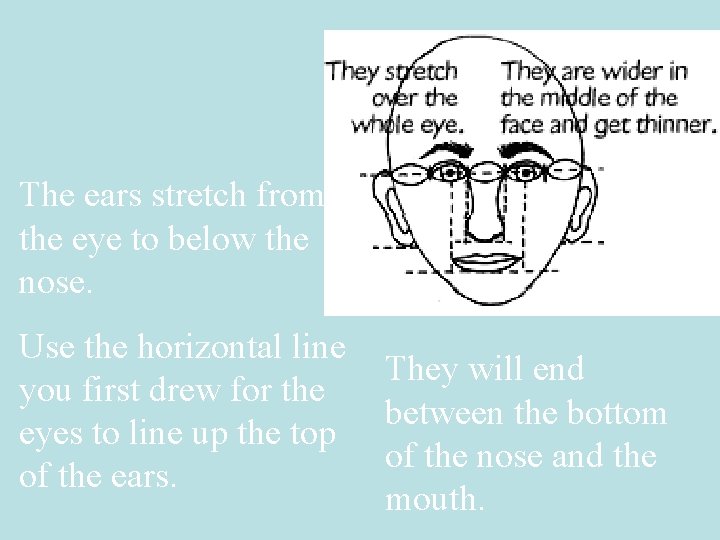
The ears stretch from the eye to below the nose. Use the horizontal line you first drew for the eyes to line up the top of the ears. They will end between the bottom of the nose and the mouth.
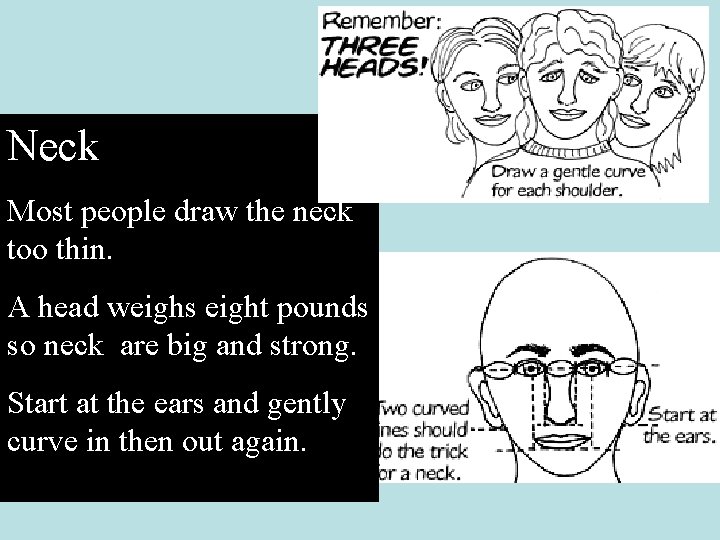
Neck Most people draw the neck too thin. A head weighs eight pounds so neck are big and strong. Start at the ears and gently curve in then out again.
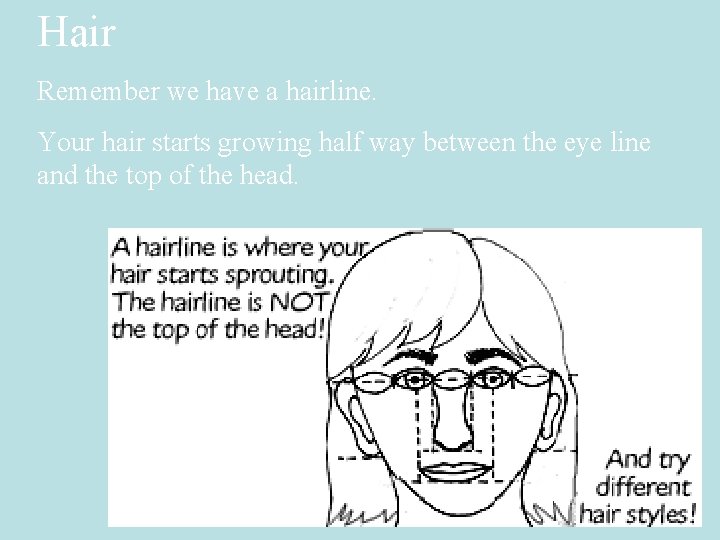
Hair Remember we have a hairline. Your hair starts growing half way between the eye line and the top of the head.
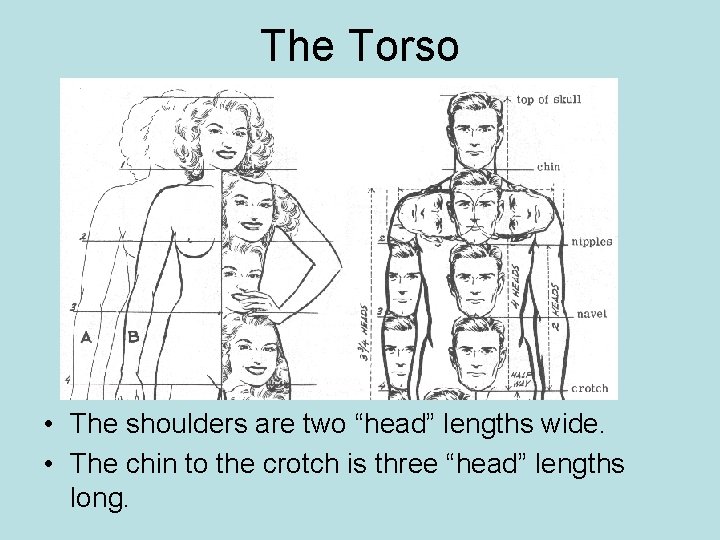
The Torso • The shoulders are two “head” lengths wide. • The chin to the crotch is three “head” lengths long.
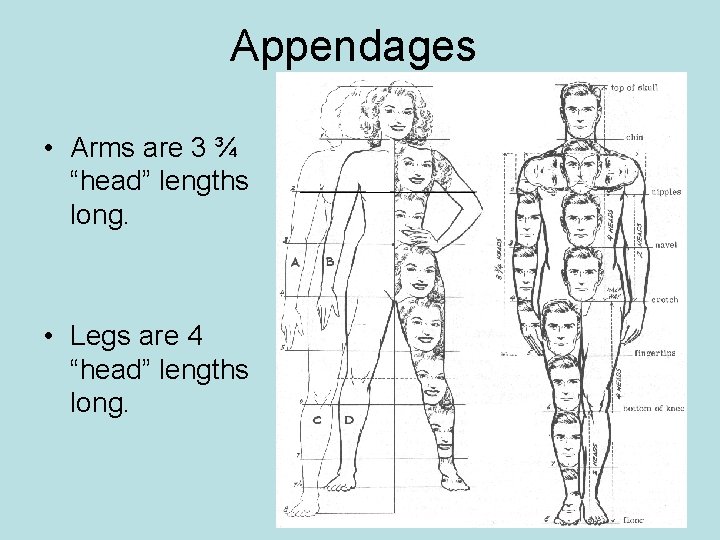
Appendages • Arms are 3 ¾ “head” lengths long. • Legs are 4 “head” lengths long.
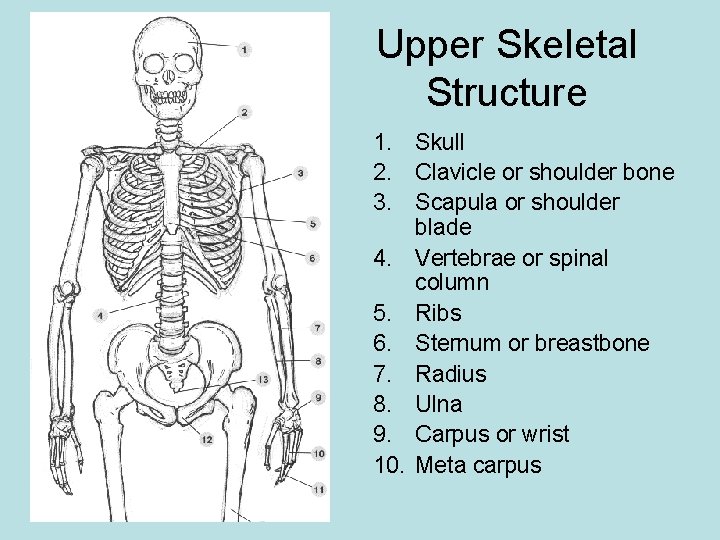
Upper Skeletal Structure 1. Skull 2. Clavicle or shoulder bone 3. Scapula or shoulder blade 4. Vertebrae or spinal column 5. Ribs 6. Sternum or breastbone 7. Radius 8. Ulna 9. Carpus or wrist 10. Meta carpus
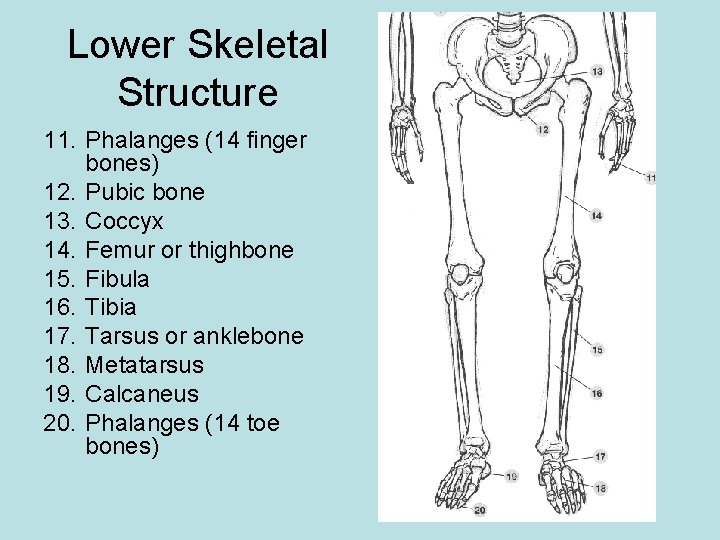
Lower Skeletal Structure 11. Phalanges (14 finger bones) 12. Pubic bone 13. Coccyx 14. Femur or thighbone 15. Fibula 16. Tibia 17. Tarsus or anklebone 18. Metatarsus 19. Calcaneus 20. Phalanges (14 toe bones)
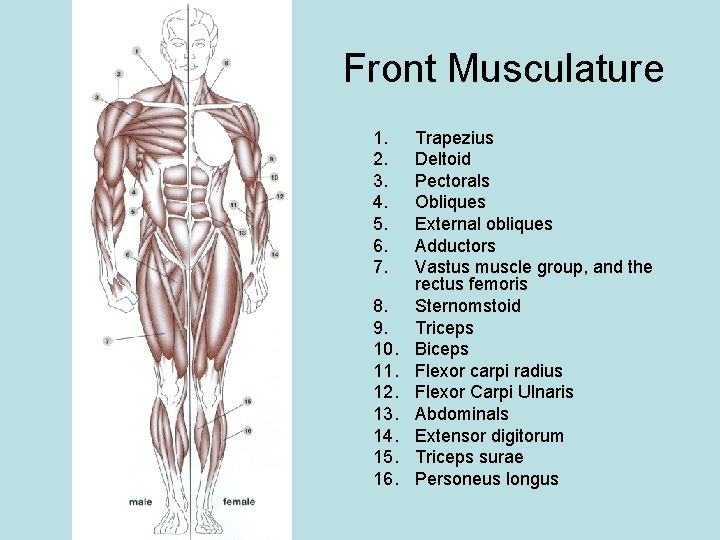
Front Musculature 1. 2. 3. 4. 5. 6. 7. 8. 9. 10. 11. 12. 13. 14. 15. 16. Trapezius Deltoid Pectorals Obliques External obliques Adductors Vastus muscle group, and the rectus femoris Sternomstoid Triceps Biceps Flexor carpi radius Flexor Carpi Ulnaris Abdominals Extensor digitorum Triceps surae Personeus longus
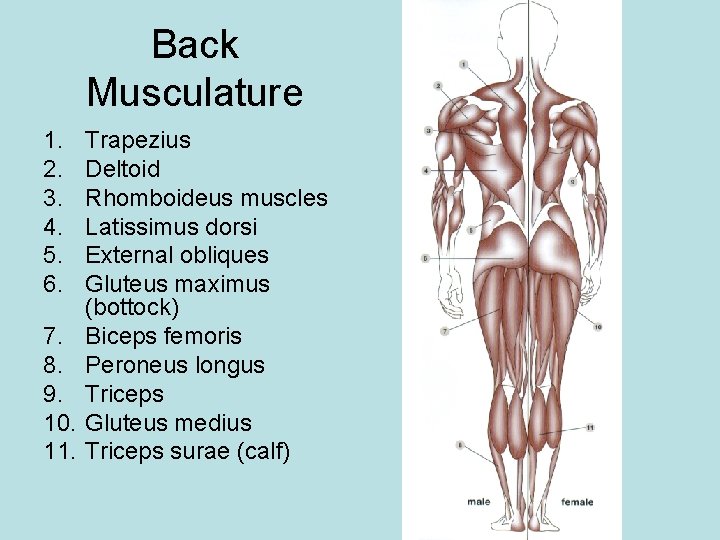
Back Musculature 1. 2. 3. 4. 5. 6. 7. 8. 9. 10. 11. Trapezius Deltoid Rhomboideus muscles Latissimus dorsi External obliques Gluteus maximus (bottock) Biceps femoris Peroneus longus Triceps Gluteus medius Triceps surae (calf)
Male vs. Female • Men typically have longer torsos than women. • Women typically have longer legs than men.
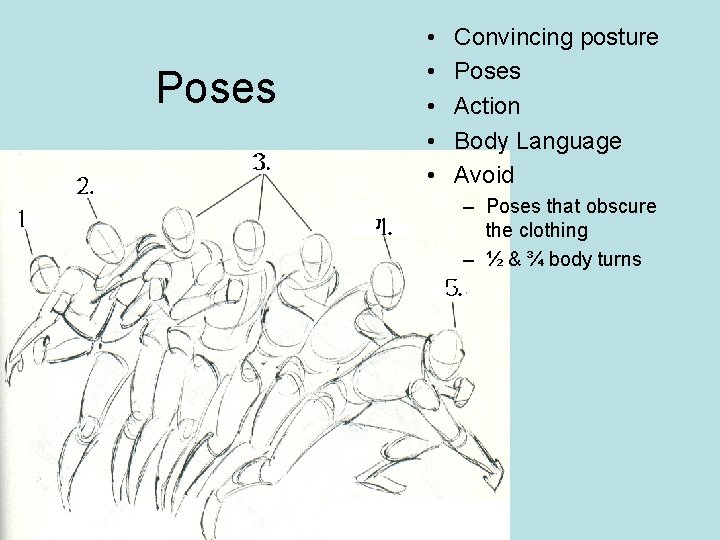
Poses • • • Convincing posture Poses Action Body Language Avoid – Poses that obscure the clothing – ½ & ¾ body turns
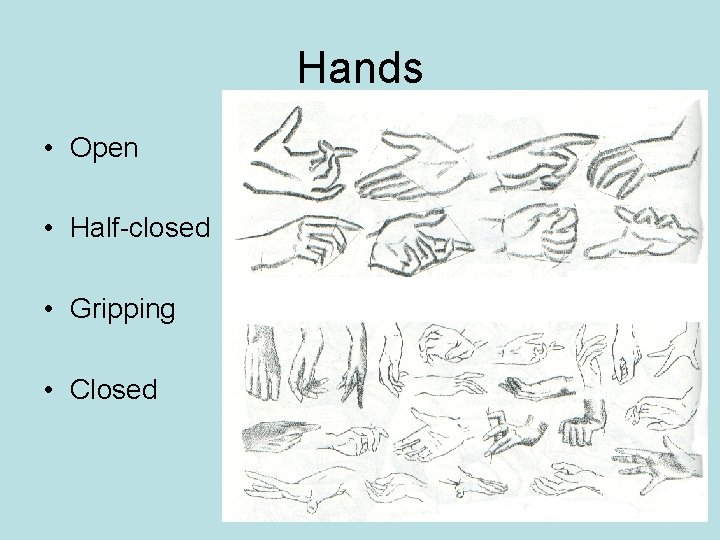
Hands • Open • Half-closed • Gripping • Closed
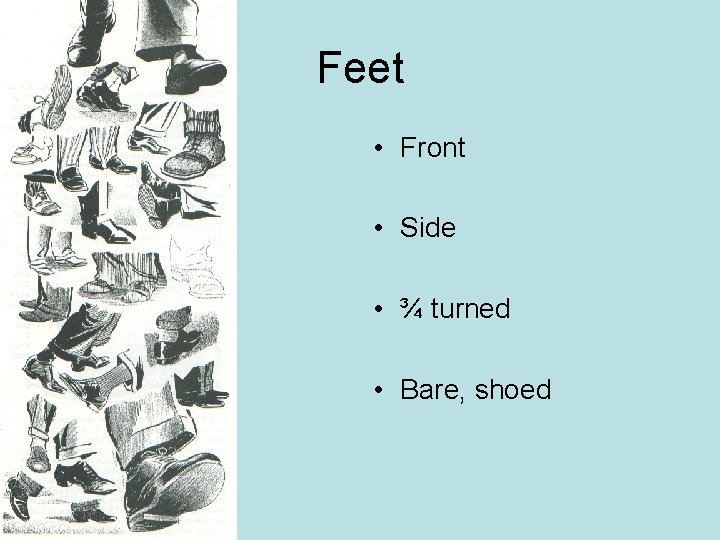
Feet • Front • Side • ¾ turned • Bare, shoed
Faces and Hair • • Eyes Nose Mouth Ears Age Facial hair Fashions
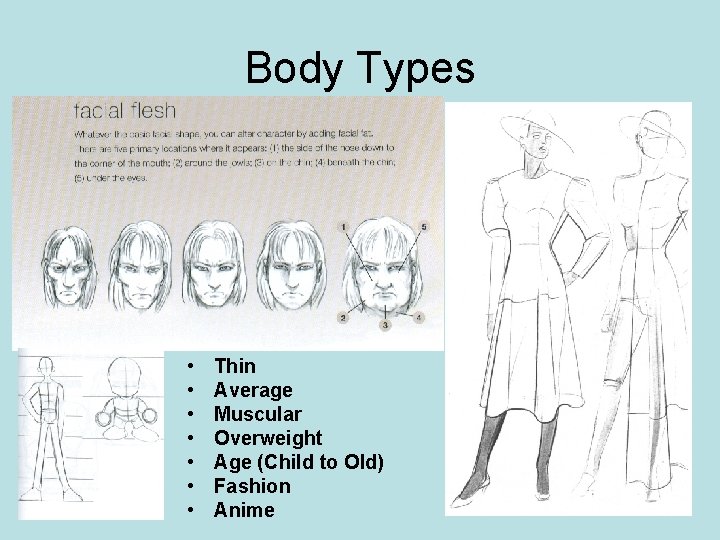
Body Types • • Thin Average Muscular Overweight Age (Child to Old) Fashion Anime
Bibliography • Drawing the Head & Figure by Jack Hamm • Anatomy for Fantasy Artists by Glen Fabry • Dynamic Wrinkles and Drapery by Burne Hogarth • How to Draw Comics the Marvel Way by Stan Lee and John Buscema • How to Draw Manga by Ben Dunn