
Draw a Pig Personality l What is it
- Slides: 19
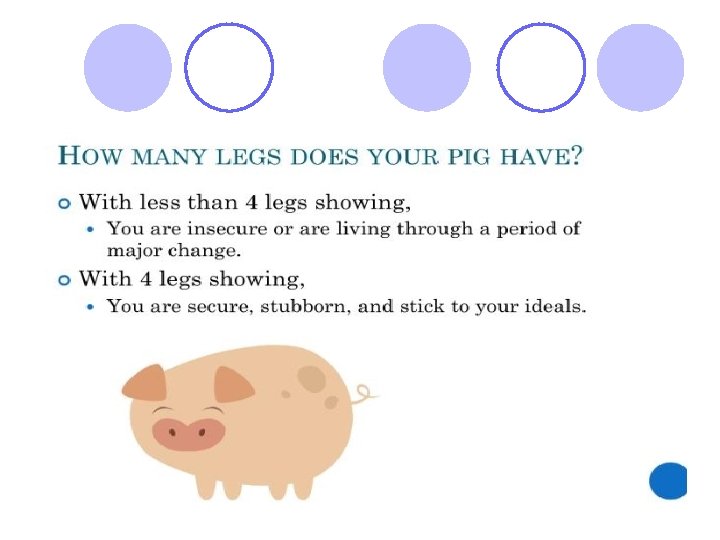
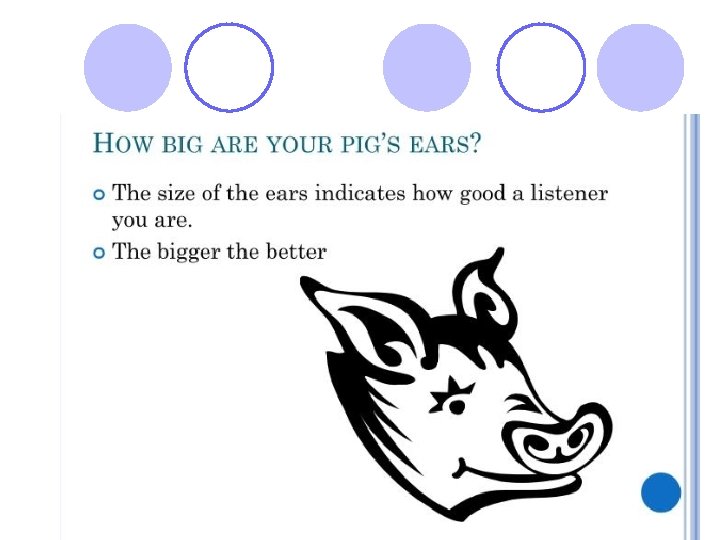
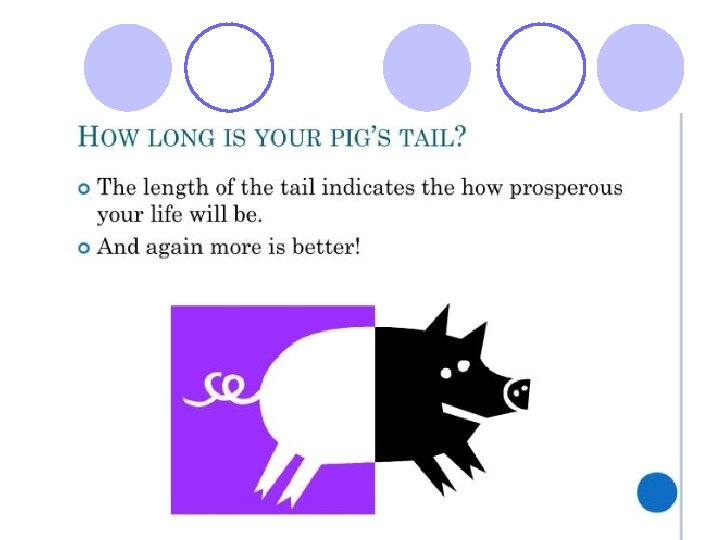
Draw a Pig
Personality l. What is it? l. What kinds of words would you use to describe somebody’s personality? l. What is one personality trait you have inherited from both parents? l. Why does knowing what someone’s personality is matter?
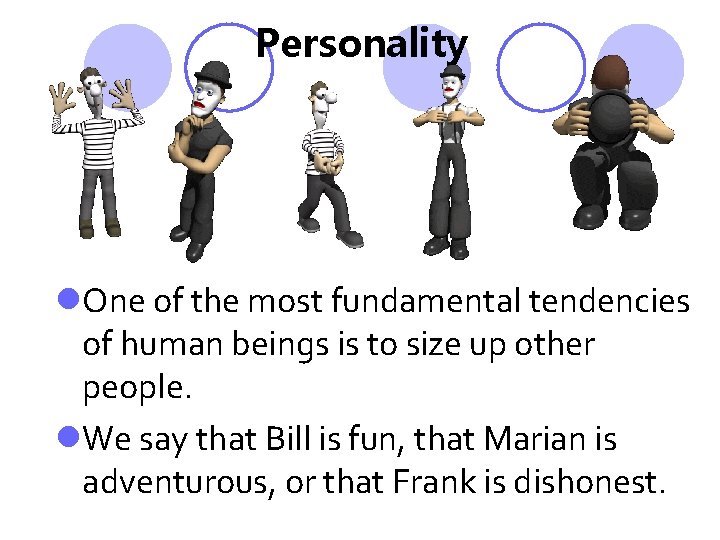
Personality l. One of the most fundamental tendencies of human beings is to size up other people. l. We say that Bill is fun, that Marian is adventurous, or that Frank is dishonest.
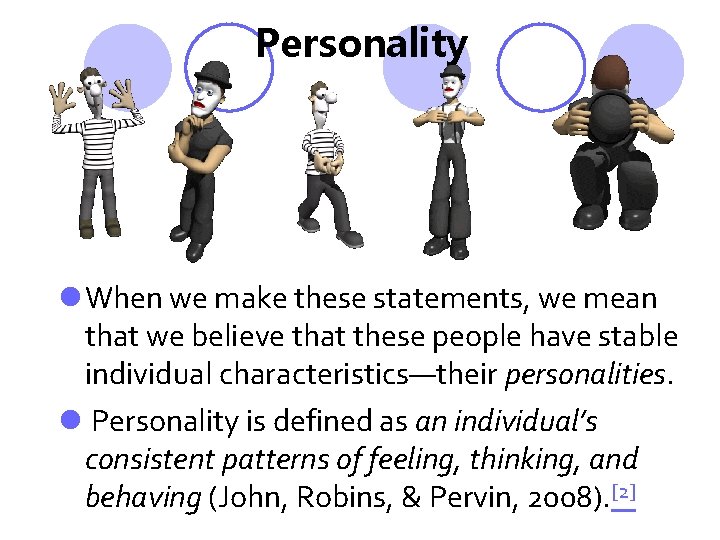
Personality l When we make these statements, we mean that we believe that these people have stable individual characteristics—their personalities. l Personality is defined as an individual’s consistent patterns of feeling, thinking, and behaving (John, Robins, & Pervin, 2008). [2]
Essential Questions Is personality derived of… -Free will or determinism? -Nature or nurture? -Past, Present, or Future events? -Uniqueness of universality? -Equilibrium or growth? -Optimism or pessimism?
Enduring Understandings l Personality is not characterl. Character is a term of evaluation or judgement ¡Friendly, outgoing, honest with moral values
Significance of Personality l Personality is a reoccurring theme throughout the study of psychology ¡Biological influences on personality ¡Personality development across the lifespan ¡Personality-related aspects of learning, motivation, emotion, and health
Significance of Personality ¡Personality Disorders ¡Social Influences on Personality l. There are still many questions to be answered about the origins and development of psychology
If we can draw accurate generalizations about what other people are normally like, we can predict how they will behave in the future, and this can help us determine how they are likely to respond in different situations.
Understanding personality can also help us better understand psychological disorders and the negative behavioral outcomes they may produce. In short, personality matters because it guides behavior.
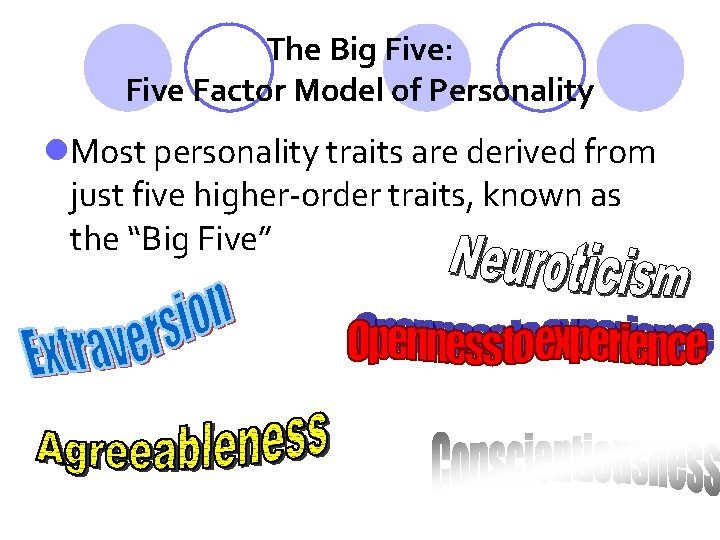
The Big Five: Five Factor Model of Personality l. Most personality traits are derived from just five higher-order traits, known as the “Big Five”