
Drafting a Patent Specification Patent Office Examination Practice

- Slides: 72
Drafting a Patent Specification, Patent Office Examination Practice, PCT and Budapest treaty by D. Calab Gabriel Senior Partner, K & S Partners, Gurgaon
SCOPE What is a patent ? i What is patentable? i What is not patentable? i Precautions to be taken before drafting a specification i Contents of a specification i Claims and their interpretation i Examination practices i PCT i Budapest treaty i
PATENTS : AN OVERVIEW Patent : is a limited monopoly right conferred by the State in consideration of disclosure of the invention Steers vs. Rogers : “…what the letters patent confers is the right to exclude others from exploiting or using the particular invention
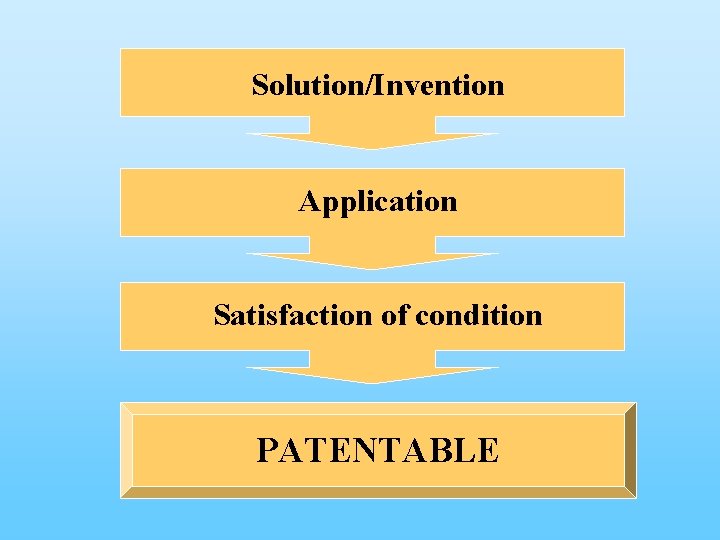
Solution/Invention Application Satisfaction of condition PATENTABLE
INDIAN LAW & PRACTICE First to file system
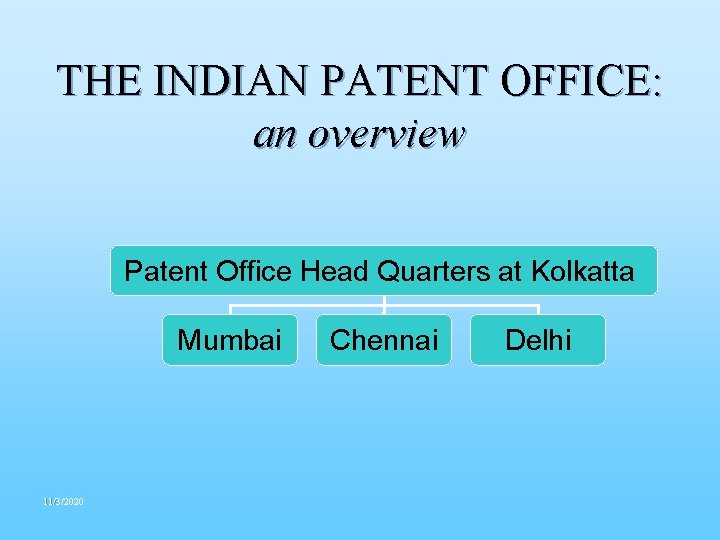
THE INDIAN PATENT OFFICE: an overview Patent Office Head Quarters at Kolkatta Mumbai 11/3/2020 Chennai Delhi
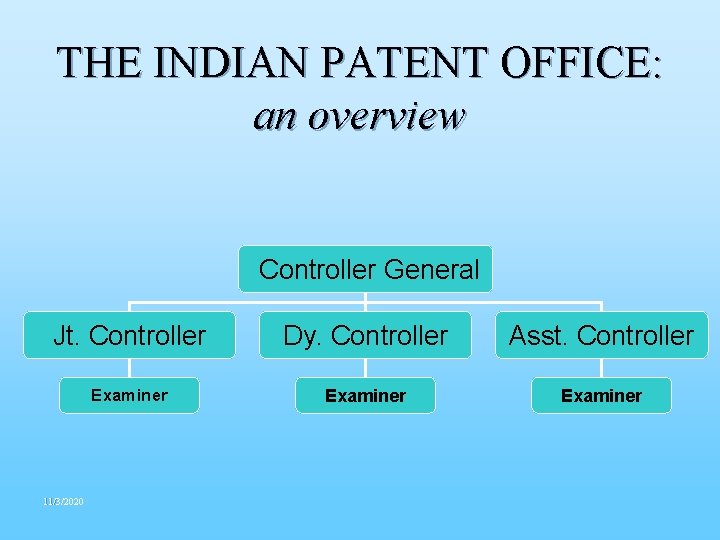
THE INDIAN PATENT OFFICE: an overview Controller General Jt. Controller Dy. Controller Asst. Controller Examiner 11/3/2020
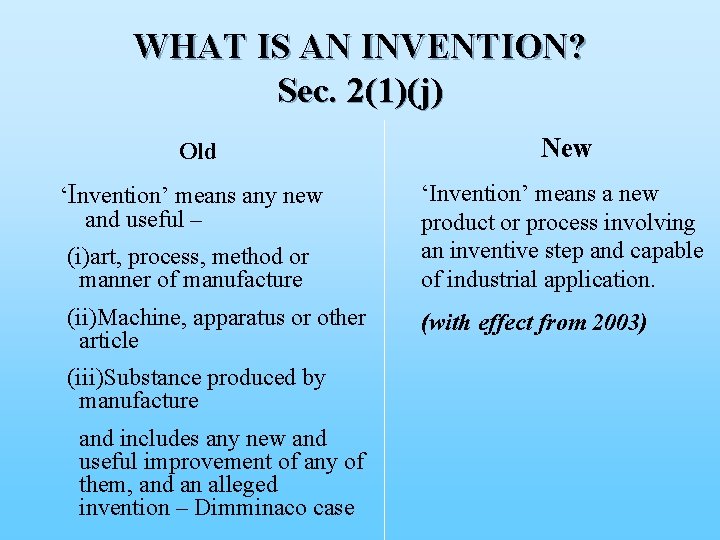
WHAT IS AN INVENTION? Sec. 2(1)(j) Old New ‘Invention’ means any new and useful – ‘Invention’ means a new product or process involving an inventive step and capable of industrial application. (i)art, process, method or manner of manufacture (ii)Machine, apparatus or other article (iii)Substance produced by manufacture and includes any new and useful improvement of any of them, and an alleged invention – Dimminaco case (with effect from 2003)
INVENTION n Fundamental research n Improvement on existing art n n Solving unsolved problems of art/unaddressed issues Different approach
BEFORE DRAFTING n n What is the invention ? Is invention patentable ? Is invention novel, inventive ? Prior art/prior disclosure ? • Oral disclosure ? • Prior printed publication available to the public ? • Prior public use ?
BEFORE DRAFTING: VERIFY THE FOLLOWING: ü Conduct search ü Enlist problems in prior art ü What is the problem sought to be solved by the invention? ü What is the novelty? ü Is the solution obvious? ü Is it artificially excluded ? ü Has publication ensued? ü Ascertain the type of application -whether complete or provisional is to be filed ü Decide the area and nature of protection- Paris convention, PCT, ordinary application.
WHAT IS NOT PATENTABLE? Inventions that cannot be patented are: i Frivolous i Contrary to well established natural laws i Contrary to morality or injurious to public health (animals/plants) or to environment i Scientific principle or abstract theory i New property or use of a known substance i Mere admixtures (as opposed in synergistic mixtures) and processes thereof i Mere arrangement or rearrangement of known devices each functioning independently of one another in a known way i Method of agriculture or horticulture i Treatment of human being, animals including diagnostic methods i Plants and animals in whole or any part thereof i Essentially biological processes i Mathematical or business methods, computer programme per se or algorithm i Literary, dramatic, musical or ar 6 tistic work i Method of playing games i Presentation of information
PUBLIC DOMAIN n n Public knowledge - known to persons in the art. A part of the mental equipment of those concerned in the art under consideration Common general knowledge: All available public knowledge and all that is published
PUBLICATION Kinds of publications: documents § papers or publications should provide unmistakable direction/disclosure of the invention n even single disclosure is sufficient - extent of publication/ availability of publicationimmaterial
PATENT SPECIFICATION Read by: § § § § Patent Office Licensee/Assignee Court Technical peers/skilled persons Competitors Commercial players General public
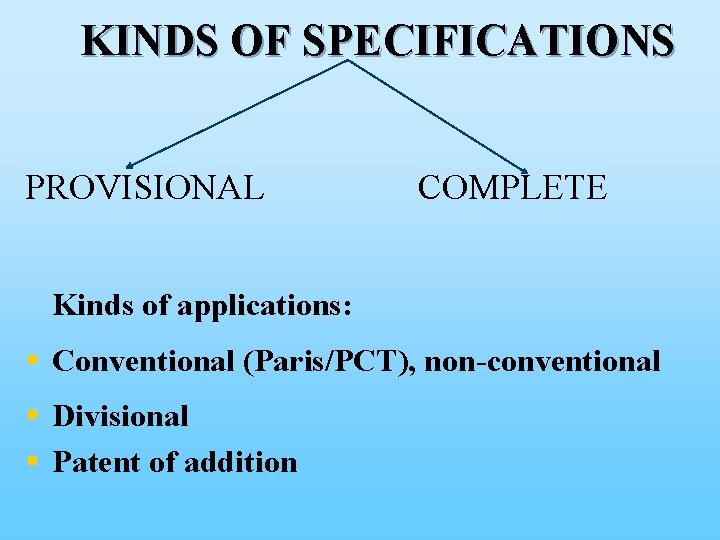
KINDS OF SPECIFICATIONS PROVISIONAL COMPLETE Kinds of applications: § Conventional (Paris/PCT), non-conventional § Divisional § Patent of addition
A PROVISIONAL SPECIFICATION Pros & Cons o o o when there is an Urgency commercial disclosure Submission of thesis Inventors/Seniors leaving the company Accidental disclosure Many competitors
A PROVISIONAL SPECIFICATION o o Is a document describing the invention and need not contain claims Disclose as much as possible Decides the date of the application FORM 2 “ The following specification describes the invention”
A PROVISIONAL SPECIFICATION o o o Specification can be amended to add new information at the time of filing To be completed in 12 months If not- post dating to a maximum of 6 months
A COMPLETE SPECIFICATION § Is a techno-legal document, describing and specifically claiming the invention n FORM 2 “ The following specification particularly describes and ascertains the nature of the invention and the manner in which it is to be performed. ”
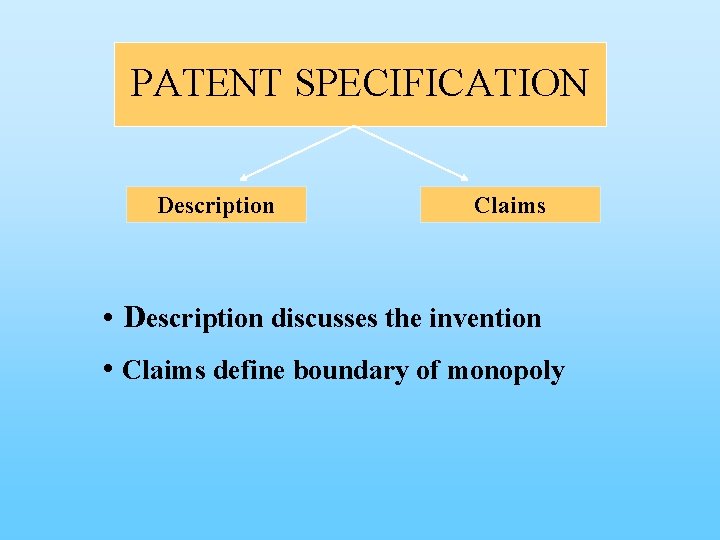
PATENT SPECIFICATION Description Claims • Description discusses the invention • Claims define boundary of monopoly
WHAT IS A COMPLETE SPECIFICATION Section 10(4) ” … specification shall fully and particularly describe the invention and its operation or use and the method in which it is to be performed; discloses the best method of performing the invention which is known to the applicant and for which he is entitled to claim protection…”
DESCRIPTION n Description must describe the invention comprehensively n Should fully explain the problem to be solved with examples n No ambiguity n Should be adequate and sufficient so as to enable a person skilled in the art to perform and repeat the invention without inventor’s further inputs
DESCRIPTION § To reflect that invention is: • novel • inventive • industrially applicable • patentable under Indian Patent Law
CONTENTS OF THE DESCRIPTION n n n n Title Field of the Invention Background of Invention Prior Art details Objects of Invention Statement of Invention Detailed description of Invention
TITLE n n n A concise statement providing the crux of the invention Care should be taken to incorporate all major aspects claimed Product-Process-Apparatus
EXAMPLE n Brush Vs. Cleaning Article n Pen Vs. Writing Instrument
OPENING DESCRIPTION / FIELD OF THE INVENTION § More details than the title § Provides utility § Sometimes used as a tool for search in the absence of abstract
BACKGROUND Provides the technical background of the invention
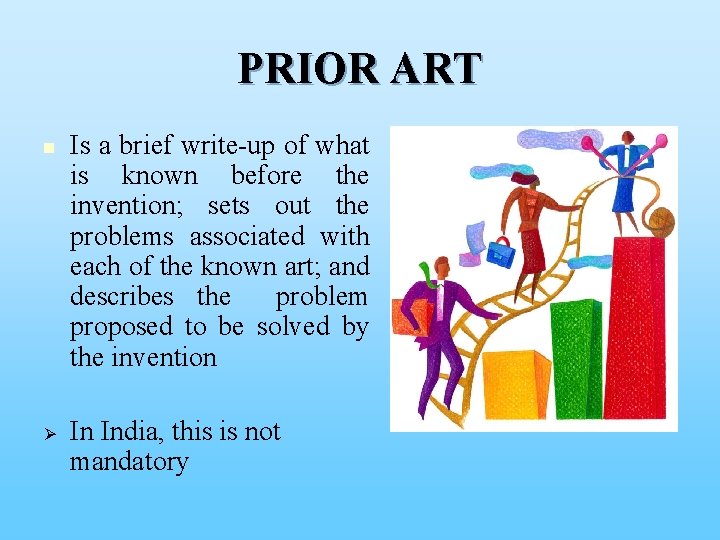
PRIOR ART n Ø Is a brief write-up of what is known before the invention; sets out the problems associated with each of the known art; and describes the problem proposed to be solved by the invention In India, this is not mandatory
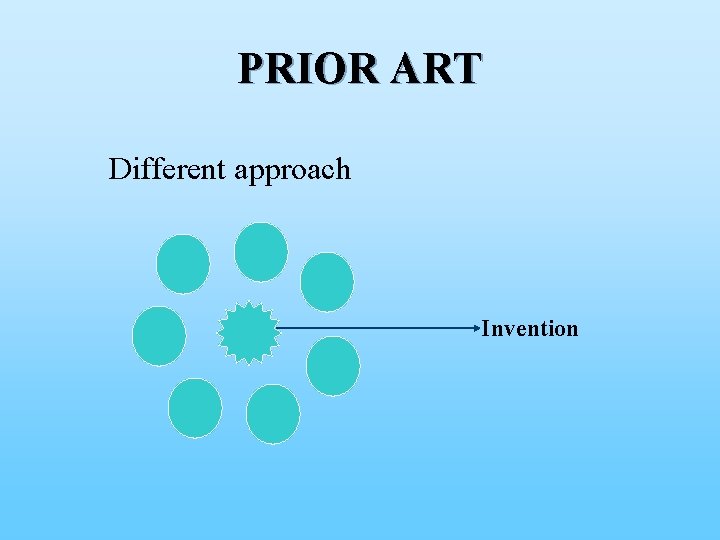
PRIOR ART Different approach Invention
PRIOR ART n Un-solved problems n Prior art solution not working n Describe new solution adequately
OBJECTS OF THE INVENTION n Provides purpose of the invention n Main object(s) and Ancillary object(s) n Essential aspects and preferred/optional aspects.
STATEMENT OF THE INVENTION n n Statement forms the main claim or claims in verbal agreement It is essential only when there is an omnibus claim(s).
DETAILED DESCRIPTION OF INVENTION n n n Sets out best mode of performing the invention Describes the invention in greater detail with examples/illustration/tables/graphs/diagrams, etc Description sufficient to enable a skilled person to put the invention into practice
CLAIMS The main claim defines the essential features and the sub-claims define the preferred / optional / additional features
CLAIMS The important, main properties need not be merged into the other claim. A separate claim has to be formed for the important feature(s).
CLAIMS n n Is the operative part of the specification Defines the monopoly to be conferred by the patent Define the metes and bounds of the invention: at the time of infringement proceedings, only claims will be interpreted If you do not claim, you disclaim
Do’s and Don'ts n n n Generic expressions should be substantiated /supported properly. The names/terms used shoud be familiar to the person skilled in the art. Any newly coined terms/named should be clearly described
Do’s and Don'ts n n Specification must describe the invention concisely should explain the problem solved fully with examples no ambiguity should be adequate and sufficient so as to enable in the art to perform the invention
Do’s and Don'ts Chemical Invention n n Substance per se -broad coverage Substance can be defined in terms of nomenclature, general formula, structural formula, constituents, properties, constructional or structural features, use, etc
Do’s and Don'ts § Product per se • Composition/synergy • 2 nd generation product enhanced efficacy • Describe essential ingredients of product/composition • Ratio/percentage of the ingredients • Their effective amounts • Any optional/additional ingredients
Do’s and Don'ts Chemical Invention Process a) b) c) d) Starting materials Steps of the process Various parameters involved in each step, and End product.
Do’s and Don'ts CHEMICAL PATENTS Proportions: Provide a broad workable range unless an exact amount is crucial and essential to the success of the invention
Do’s and Don'ts CHEMICAL PATENTS Specify the class and specific chemicals used Ex: All the oxidants that would enable the invention, all alkali/acids that would help to work the invention
DRAFTING Fundamental research: n PCR technique • Specification to describe general art • Approach adopted • Detailed enabling process • Best mode
DRAFTING Avoid negative examples Example; - Vast difference in the IC 50 values of anticancer drugs with two different hosts. -An anticancer drug effective against a subject may not be providing the similar result with a subject of another genus.
INDEPENDENTLY-WORDED CLAIMS n Easy to understand the invention n Easy to search n Easy to license n Easy to establish infringement
CHARACTERIZATION IN CLAIMS n Characterization not possible in many cases n Need not be characterized n Even if characterized, sub-claims need not be restricted to characterized part
CHECK-LIST VERIFY THE FOLLOWING: § § § § Conduct search Is the invention patentable? Has it been published? Ascertain whether complete or provisional is to be filed Enlist problems in prior art What is the problem sought to be solved by the invention? Is the solution obvious? Non-patentable items
CHECK-LIST n Specific Indian requirements, such as • Deposition, Source and origin etc. n Collect all details, such as • Experimental data/examples/tables/graphs n Draft the text
DECODING EXAMINATION REPORT
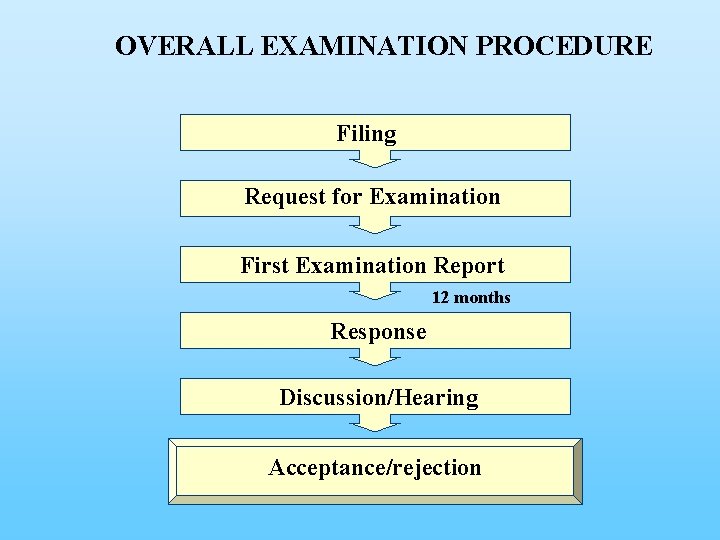
OVERALL EXAMINATION PROCEDURE Filing Request for Examination First Examination Report 12 months Response Discussion/Hearing Acceptance/rejection
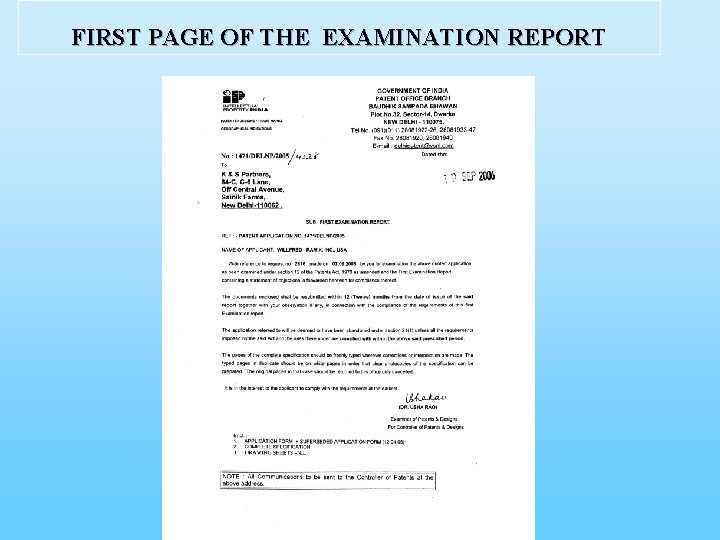
FIRST PAGE OF THE EXAMINATION REPORT
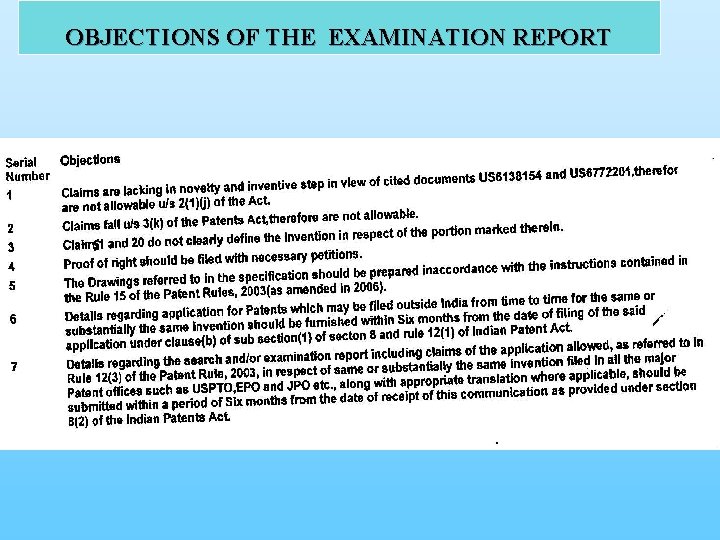
OBJECTIONS OF THE EXAMINATION REPORT
HOW TO OVERCOME THE OBJECTIONS
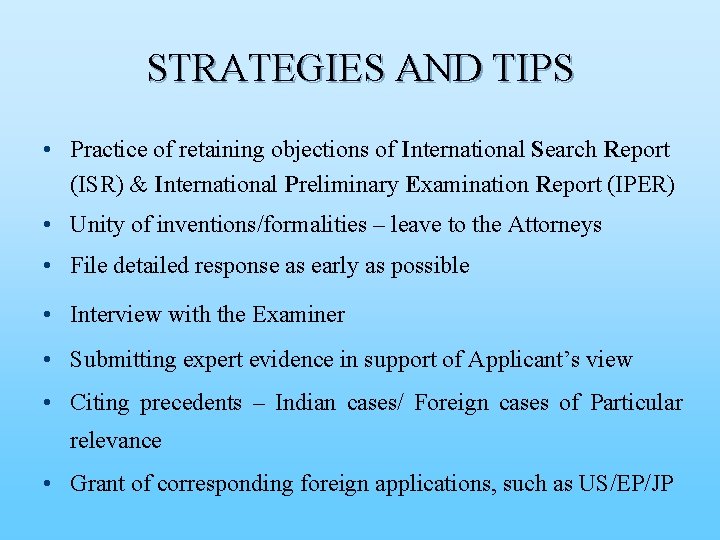
STRATEGIES AND TIPS • Practice of retaining objections of International Search Report (ISR) & International Preliminary Examination Report (IPER) • Unity of inventions/formalities – leave to the Attorneys • File detailed response as early as possible • Interview with the Examiner • Submitting expert evidence in support of Applicant’s view • Citing precedents – Indian cases/ Foreign cases of Particular relevance • Grant of corresponding foreign applications, such as US/EP/JP
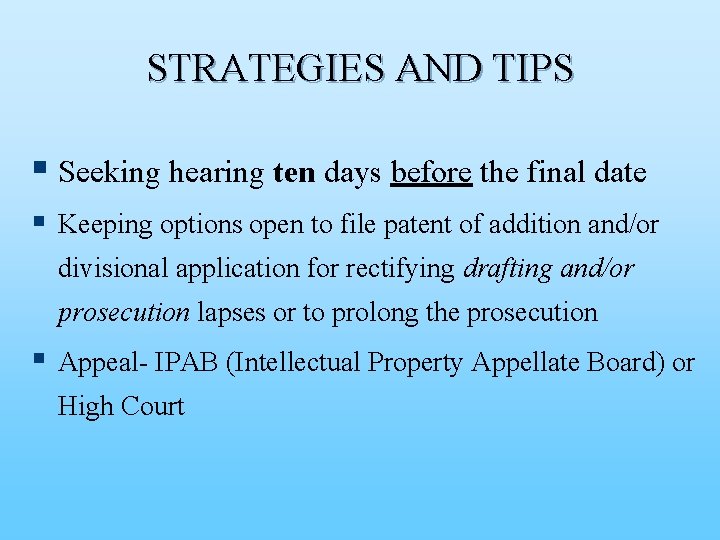
STRATEGIES AND TIPS § Seeking hearing ten days before the final date § Keeping options open to file patent of addition and/or divisional application for rectifying drafting and/or prosecution lapses or to prolong the prosecution § Appeal- IPAB (Intellectual Property Appellate Board) or High Court
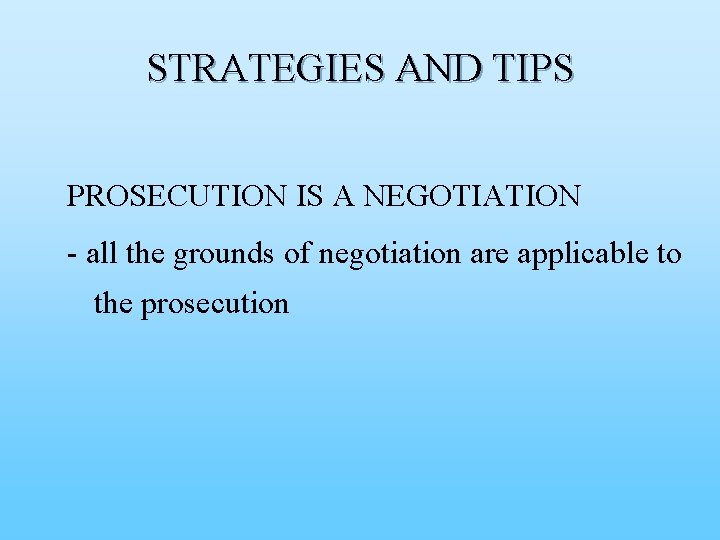
STRATEGIES AND TIPS PROSECUTION IS A NEGOTIATION - all the grounds of negotiation are applicable to the prosecution
PCT (PATENT COOPERATION TREATY) Ø Signed by India, effective December 7, 1998 Ø About 130 countries are members.
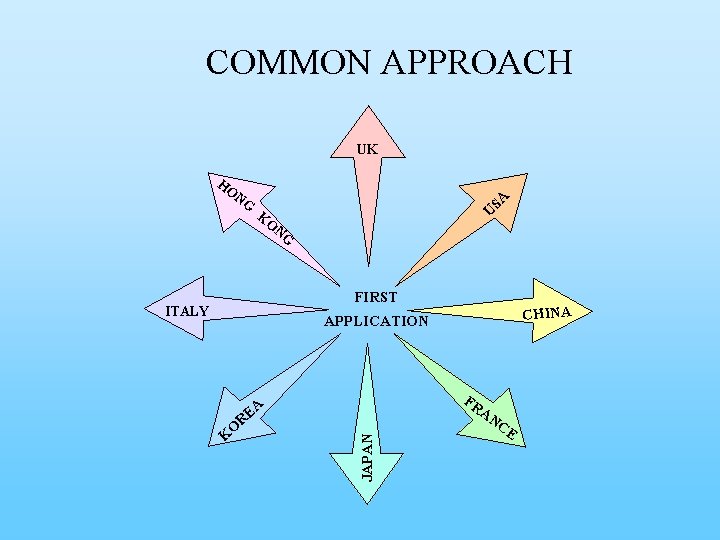
COMMON APPROACH UK NG KO U SA HO NG FIRST ITALY CHINA APPLICATION JAPAN R O K FR AN EA CE
WHY PCT ? Ø For protection in Multiple countries Ø If patent has inherent merits PCT IS THE ANSWER PCT IS NOT AN INTERNATIONAL PATENT!!!!
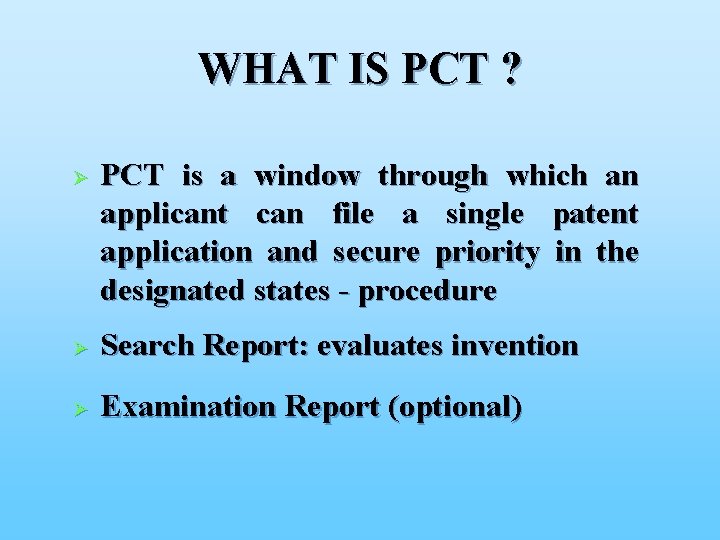
WHAT IS PCT ? Ø PCT is a window through which an applicant can file a single patent application and secure priority in the designated states - procedure Ø Search Report: evaluates invention Ø Examination Report (optional)
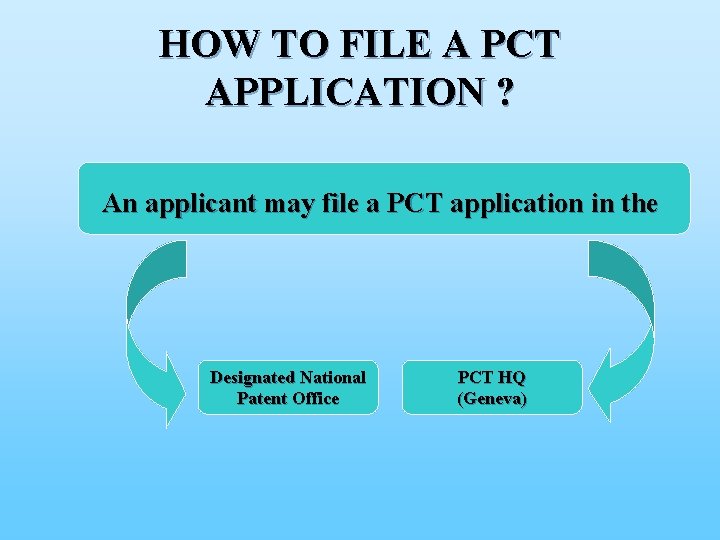
HOW TO FILE A PCT APPLICATION ? An applicant may file a PCT application in the Designated National Patent Office PCT HQ (Geneva)
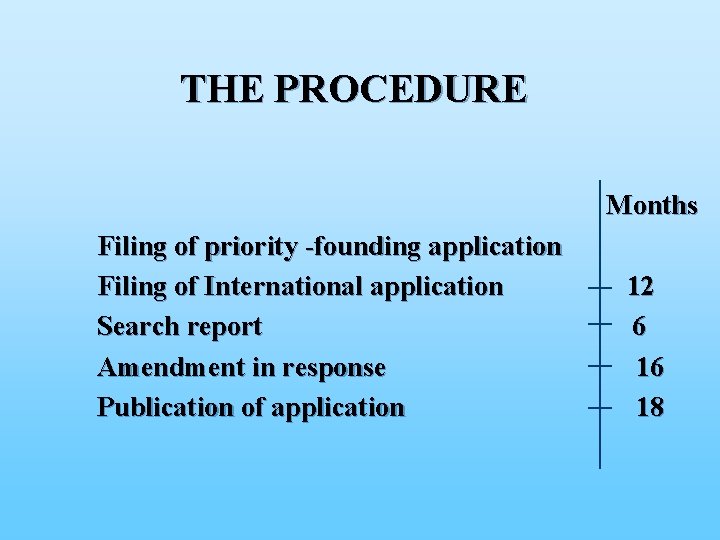
THE PROCEDURE Months Filing of priority -founding application Filing of International application Search report Amendment in response Publication of application 12 6 16 18
THE PROCEDURE THEN THE NATIONAL LAW OF THE CONCERNED STATES TAKES OVER AND EVENTUALLY PATENT IS GRANTED
Budapest Treaty India signed this treaty on 17 th December 2001
Budapest Treaty n n Deposition of the Microorganism for the purpose of Patent. Made available to public after grant
Budapest Treaty n International recognized depository n IMTECH- Chandigarh