
Dr Vinod sharma MD DM MBA HCA FACC
Dr Vinod sharma MD DM, MBA (HCA), FACC, FIMSA Interventional Cardiologist & Head of Cardiology Services National Heart Institute, New Delhi. Fellowship in Interventional Cardiology & Electrophysiology from Rouen, France. Fellowship in Clinical Electrophysiology from St. Gong Memorial Hospital, Taiwan. MBA (Healthcare Admn) from FMS, Delhi University. D. M. (Cardiology) from Maulana Azad Medical College & G. B. Pant Hospital, New Delhi. MBBS and M. D (Med) from Pt Ravishankar Shukla University, Raipur. 1
Novel Oral Anticoagulant Drugs (NOACs) Have they Replaced VKA? 2
Mortality due to Cardiovascular conditions Acute coronary syndrome Stroke Venous thromboembolism 3
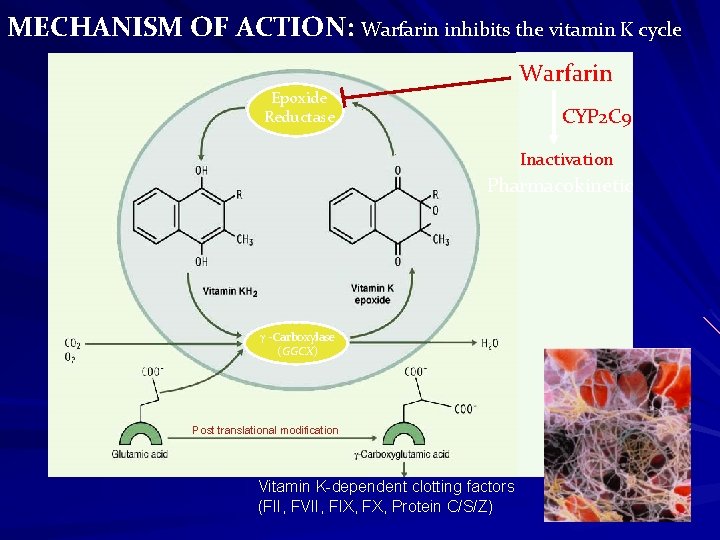
MECHANISM OF ACTION: Warfarin inhibits the vitamin K cycle Warfarin Epoxide Reductase CYP 2 C 9 Inactivation Pharmacokinetic -Carboxylase (GGCX) Post translational modification Vitamin K dependent clotting factors (FII, FVII, FIX, FX, Protein C/S/Z)
Therapeutic uses of VKA Deep vein thrombosis (DVT) Pulmonary embolism (PE) Prevention of recurrence, AF & stroke in NVAF. Acute myocardial infarction Vasculopathies Prosthetic heart valves Prophylaxis for VTE in high risk patients (post orthopaedic surgery, embolic popliteal & arterial diseases) 5
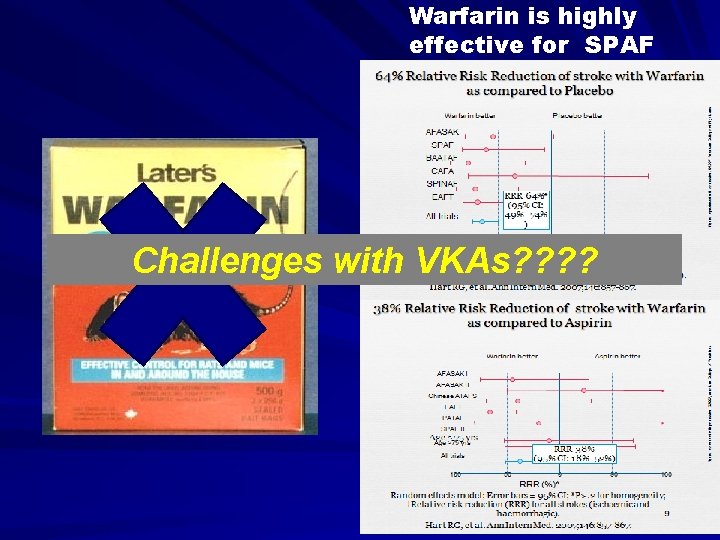
Warfarin is highly effective for SPAF Challenges with VKAs? ? 6
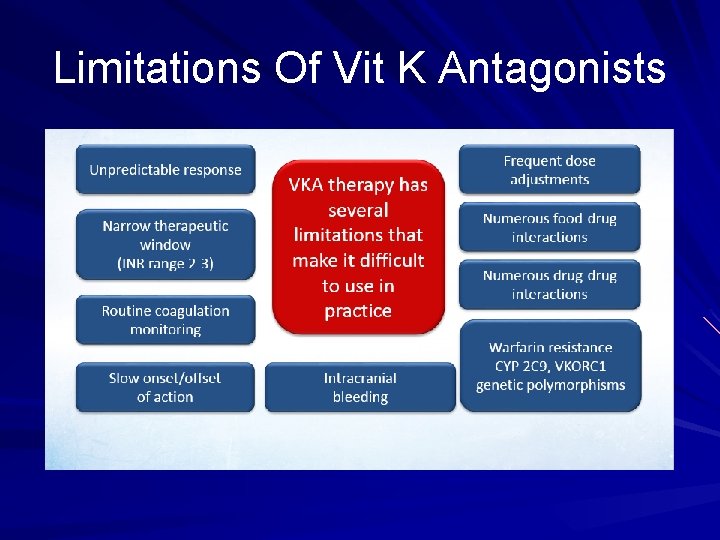
Limitations Of Vit K Antagonists
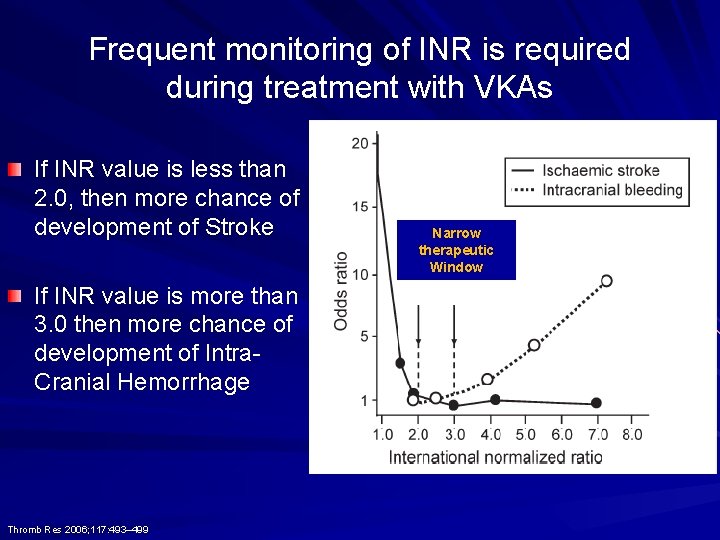
Frequent monitoring of INR is required during treatment with VKAs If INR value is less than 2. 0, then more chance of development of Stroke If INR value is more than 3. 0 then more chance of development of Intra Cranial Hemorrhage Thromb Res 2006; 117: 493– 499 Narrow therapeutic Window
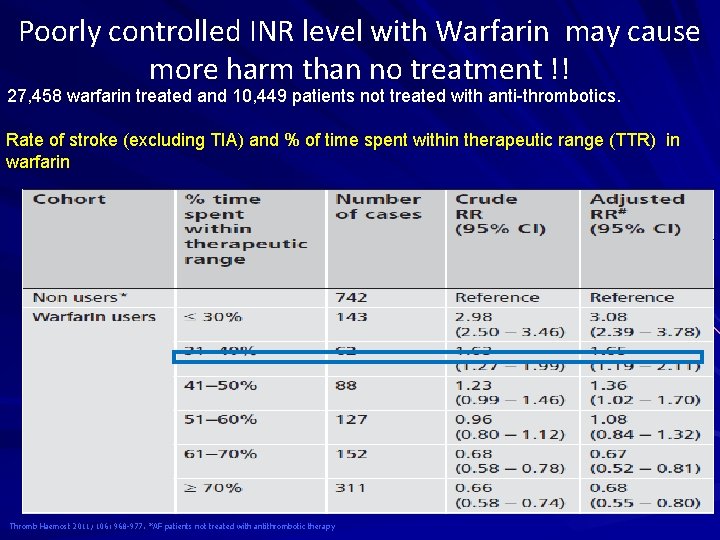
Poorly controlled INR level with Warfarin may cause more harm than no treatment !! 27, 458 warfarin treated and 10, 449 patients not treated with anti thrombotics. Rate of stroke (excluding TIA) and % of time spent within therapeutic range (TTR) in warfarin Thromb Haemost 2011; 106: 968 -977. *AF patients not treated with antithrombotic therapy
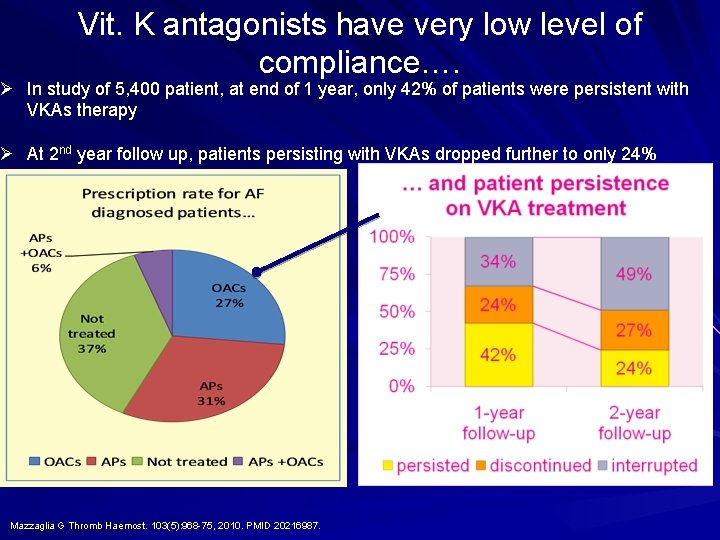
Vit. K antagonists have very low level of compliance…. Ø In study of 5, 400 patient, at end of 1 year, only 42% of patients were persistent with VKAs therapy Ø At 2 nd year follow up, patients persisting with VKAs dropped further to only 24% Mazzaglia G Thromb Haemost. 103(5): 968 75, 2010. PMID 20216987.
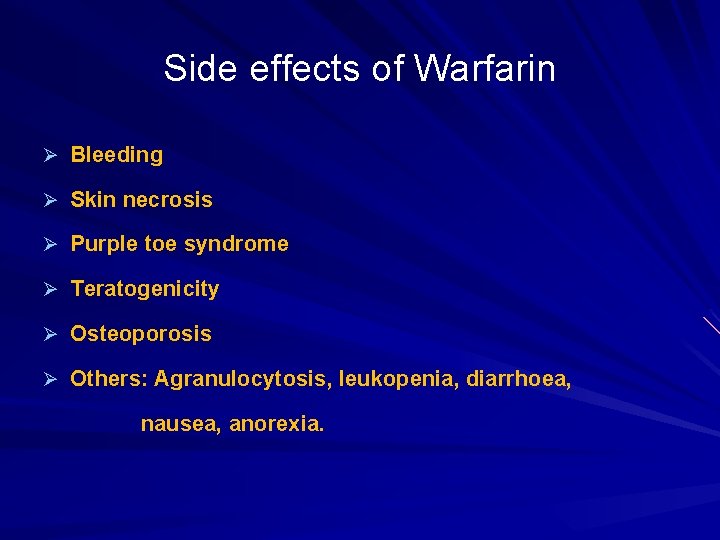
Side effects of Warfarin Ø Bleeding Ø Skin necrosis Ø Purple toe syndrome Ø Teratogenicity Ø Osteoporosis Ø Others: Agranulocytosis, leukopenia, diarrhoea, nausea, anorexia.
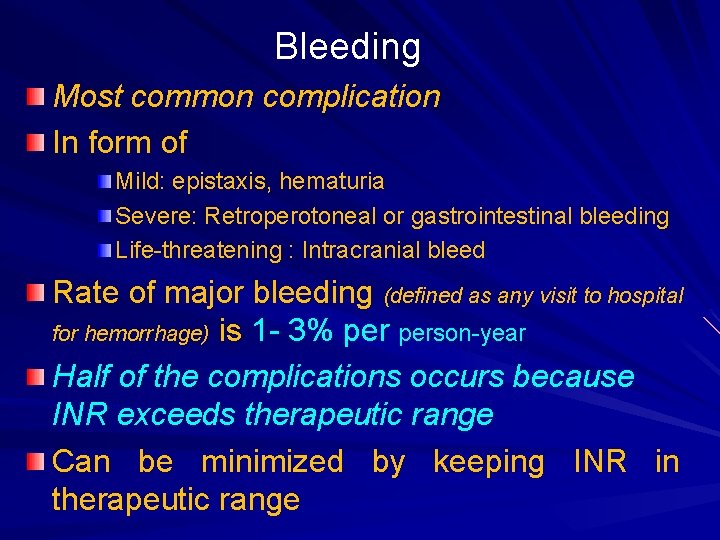
Bleeding Most common complication In form of Mild: epistaxis, hematuria Severe: Retroperotoneal or gastrointestinal bleeding Life threatening : Intracranial bleed Rate of major bleeding (defined as any visit to hospital for hemorrhage) is 1 3% person year Half of the complications occurs because INR exceeds therapeutic range Can be minimized by keeping INR in therapeutic range
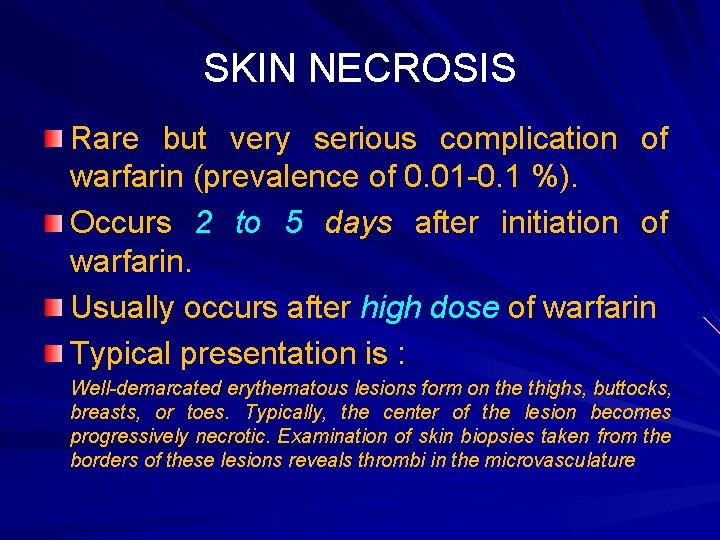
SKIN NECROSIS Rare but very serious complication of warfarin (prevalence of 0. 01 0. 1 %). Occurs 2 to 5 days after initiation of warfarin. Usually occurs after high dose of warfarin Typical presentation is : Well-demarcated erythematous lesions form on the thighs, buttocks, breasts, or toes. Typically, the center of the lesion becomes progressively necrotic. Examination of skin biopsies taken from the borders of these lesions reveals thrombi in the microvasculature
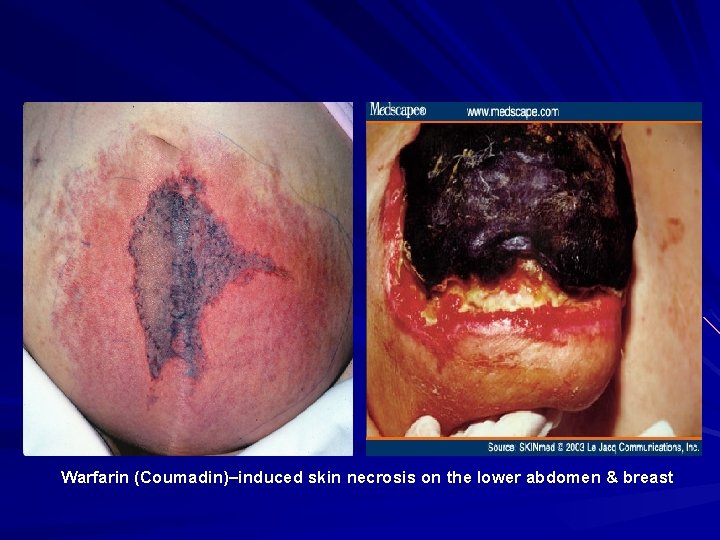
Warfarin (Coumadin)–induced skin necrosis on the lower abdomen & breast
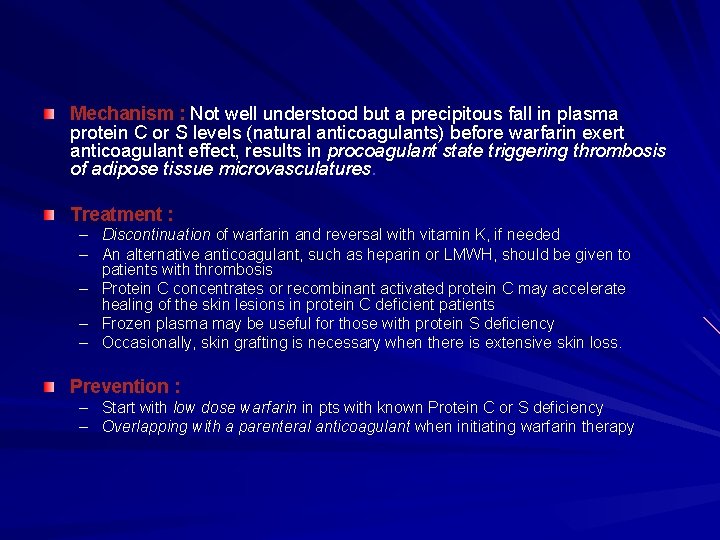
Mechanism : Not well understood but a precipitous fall in plasma protein C or S levels (natural anticoagulants) before warfarin exert anticoagulant effect, results in procoagulant state triggering thrombosis of adipose tissue microvasculatures. Treatment : – Discontinuation of warfarin and reversal with vitamin K, if needed – An alternative anticoagulant, such as heparin or LMWH, should be given to patients with thrombosis – Protein C concentrates or recombinant activated protein C may accelerate healing of the skin lesions in protein C deficient patients – Frozen plasma may be useful for those with protein S deficiency – Occasionally, skin grafting is necessary when there is extensive skin loss. Prevention : – Start with low dose warfarin in pts with known Protein C or S deficiency – Overlapping with a parenteral anticoagulant when initiating warfarin therapy
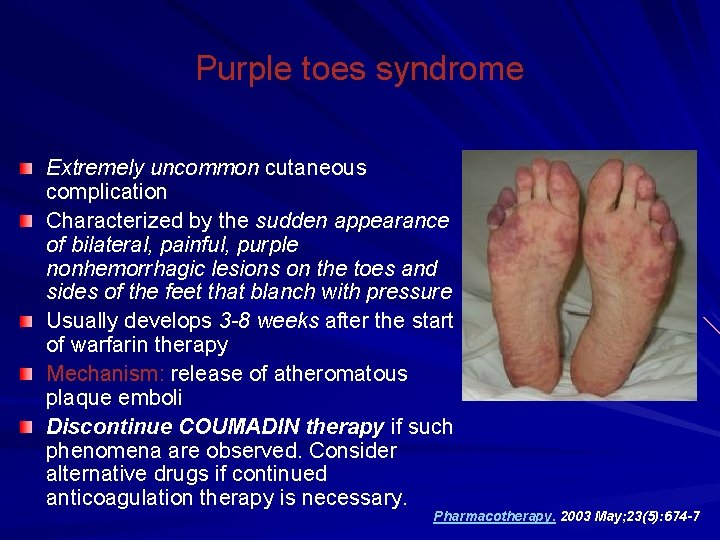
Purple toes syndrome Extremely uncommon cutaneous complication Characterized by the sudden appearance of bilateral, painful, purple nonhemorrhagic lesions on the toes and sides of the feet that blanch with pressure Usually develops 3 -8 weeks after the start of warfarin therapy Mechanism: release of atheromatous plaque emboli Discontinue COUMADIN therapy if such phenomena are observed. Consider alternative drugs if continued anticoagulation therapy is necessary. Pharmacotherapy. 2003 May; 23(5): 674 -7
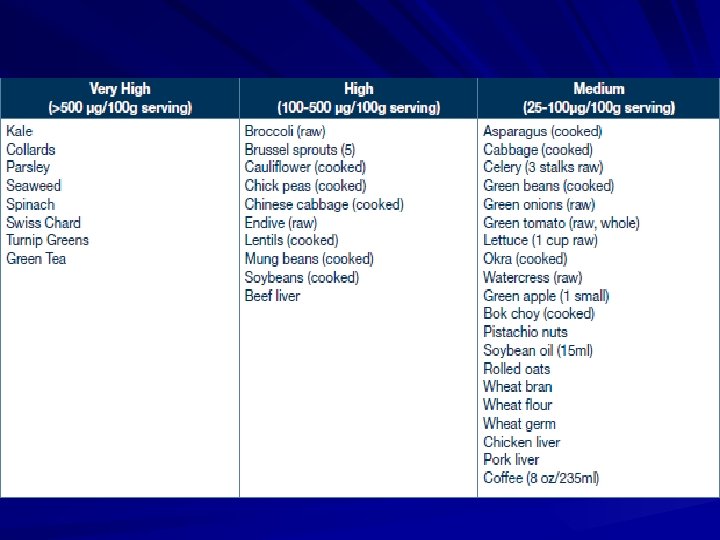
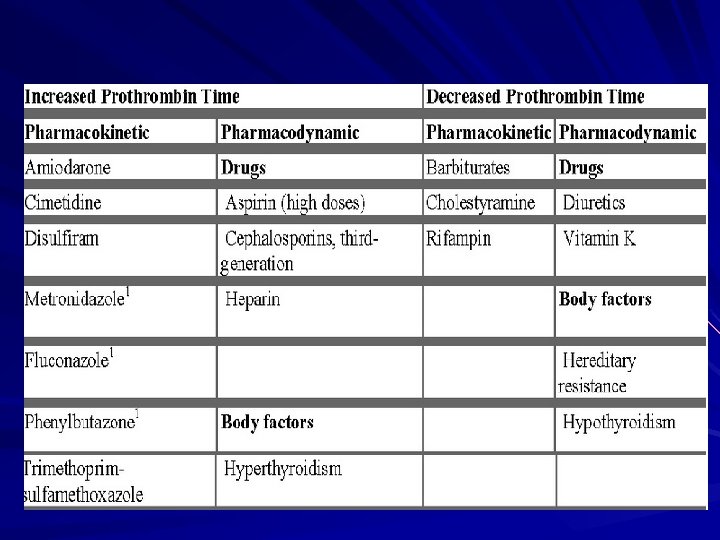
Warfarin in special conditions…
Pregnancy It causes… Fetal abnormalities (Teratogenic) in first trimister Chances of intracranial bleeding in baby while passage through birth canal – in third trimister Because of this, warfarin is contraindicated in 1 st (first 12 weeks) & 3 rd trimsters (last 2 weeks) Warfarin does not passes in breast milk & is safe for nursing mothers.
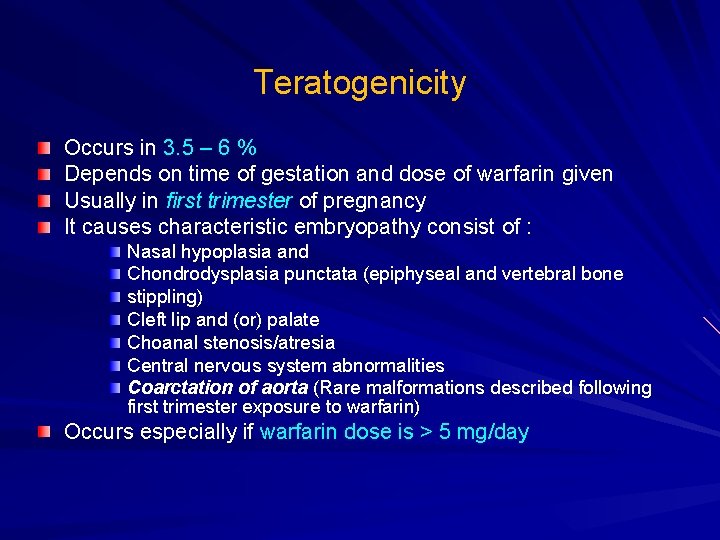
Teratogenicity Occurs in 3. 5 – 6 % Depends on time of gestation and dose of warfarin given Usually in first trimester of pregnancy It causes characteristic embryopathy consist of : Nasal hypoplasia and Chondrodysplasia punctata (epiphyseal and vertebral bone stippling) Cleft lip and (or) palate Choanal stenosis/atresia Central nervous system abnormalities Coarctation of aorta (Rare malformations described following first trimester exposure to warfarin) Occurs especially if warfarin dose is > 5 mg/day
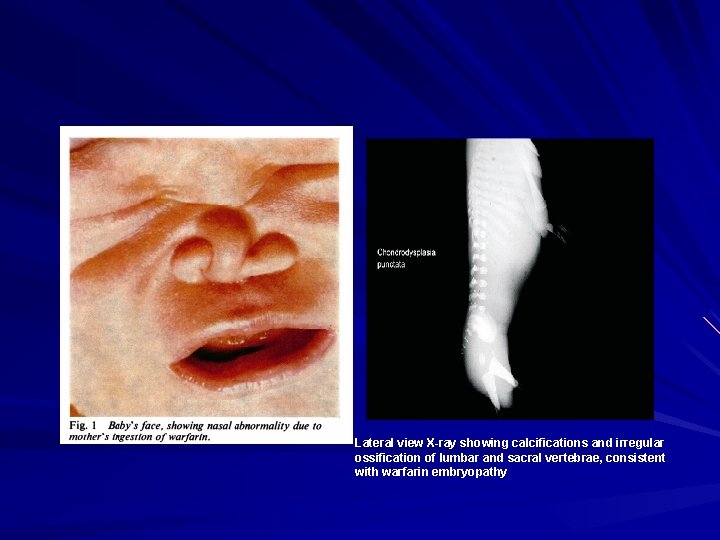
Lateral view X-ray showing calcifications and irregular ossification of lumbar and sacral vertebrae, consistent with warfarin embryopathy
OSTEOPOROSIS Long- term use of warfarin (> 1 yr) More common in males 60% increased risk of osteoporosis related fracture in men Mechanism: combination of reduced intake of vitamin K, which is necessary for bone health, and inhibition by warfarin of vitamin K mediated carboxylation of certain bone proteins, rendering them nonfunctional Beta-adrenergic antagonists may protect against osteoporotic fractures
Need of improved Oral anticoagulant having ideal features like…. . Fixed dosing/no dose adjustment in a range of patients, including elderly patients A rapid onset and offset of action No food and drug interactions Oral, once daily administration A favorable benefit–risk profile No requirement for frequent INR monitoring Novel Oral Anticoagulants – NOACs
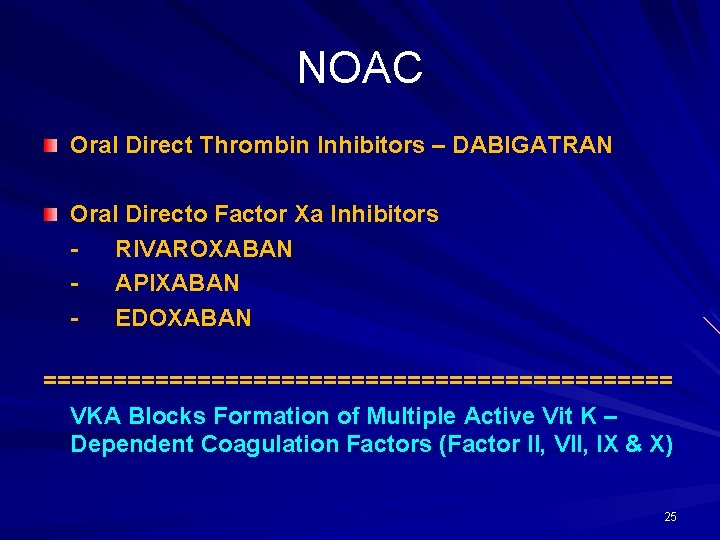
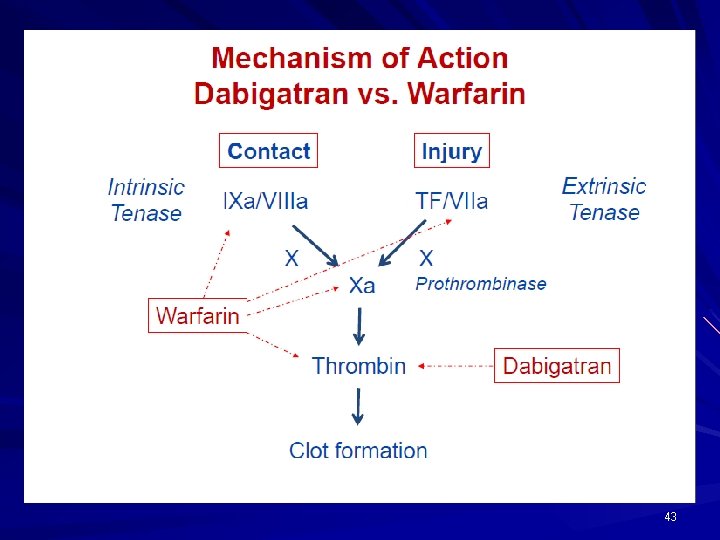
NOAC Oral Direct Thrombin Inhibitors – DABIGATRAN Oral Directo Factor Xa Inhibitors RIVAROXABAN APIXABAN EDOXABAN ======================= VKA Blocks Formation of Multiple Active Vit K – Dependent Coagulation Factors (Factor II, VII, IX & X) 25
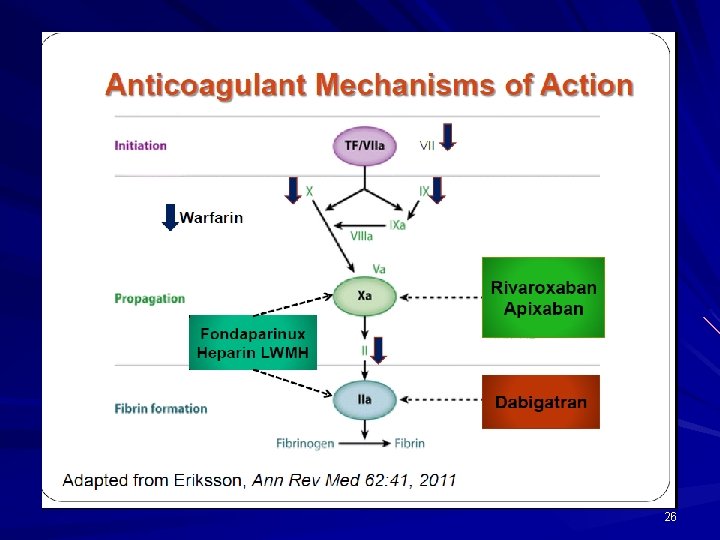
26
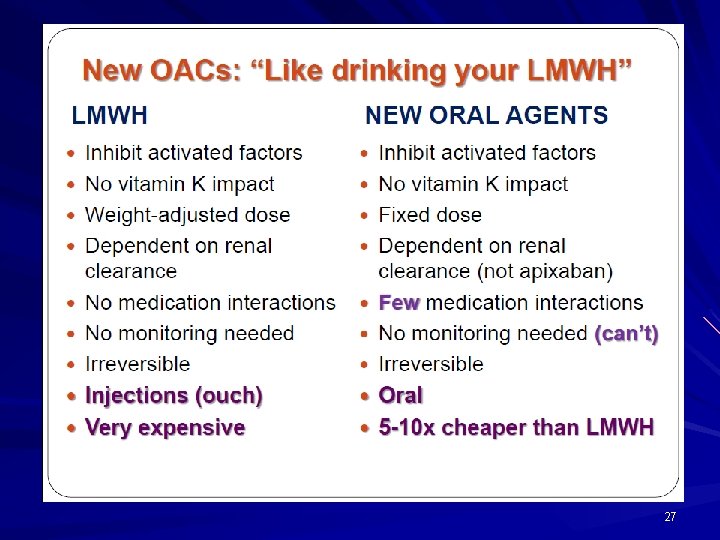
27
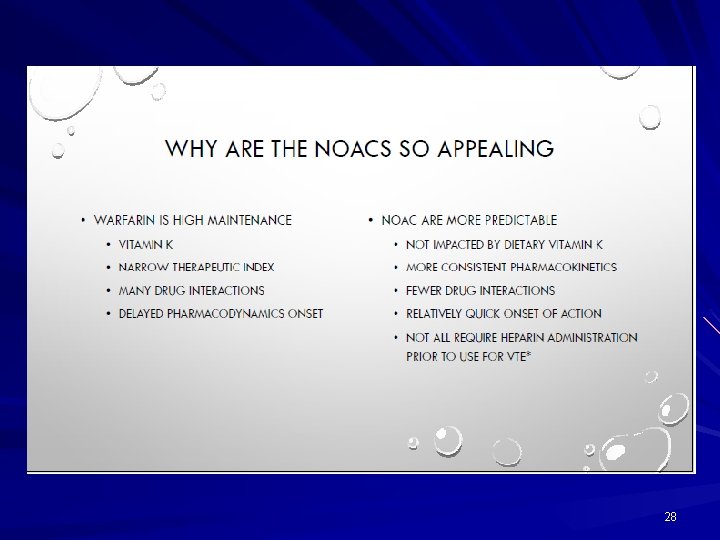
28
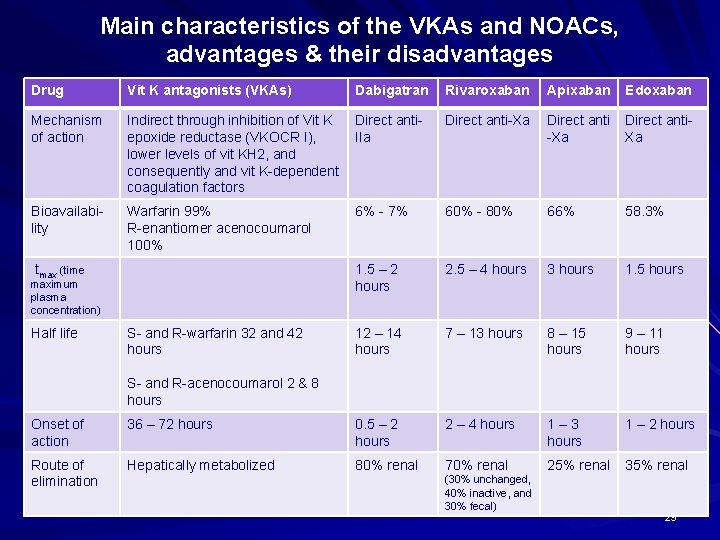
Main characteristics of the VKAs and NOACs, advantages & their disadvantages Drug Vit K antagonists (VKAs) Mechanism of action Bioavailabi lity Rivaroxaban Apixaban Edoxaban Indirect through inhibition of Vit K Direct anti epoxide reductase (VKOCR I), IIa lower levels of vit KH 2, and consequently and vit K dependent coagulation factors Direct anti Xa Warfarin 99% R enantiomer acenocoumarol 100% 6% 7% 60% 80% 66% 58. 3% 1. 5 – 2 hours 2. 5 – 4 hours 3 hours 1. 5 hours 12 – 14 hours 7 – 13 hours 8 – 15 hours 9 – 11 hours tmax (time maximum plasma concentration) Half life S and R warfarin 32 and 42 hours Dabigatran S and R acenocoumarol 2 & 8 hours Onset of action 36 – 72 hours 0. 5 – 2 hours 2 – 4 hours 1 – 3 hours 1 – 2 hours Route of elimination Hepatically metabolized 80% renal 70% renal 25% renal 35% renal (30% unchanged, 40% inactive, and 30% fecal) 29
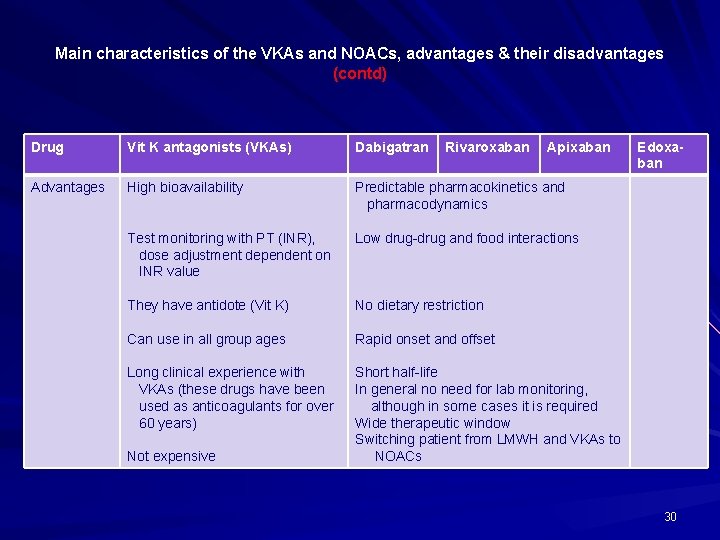
Main characteristics of the VKAs and NOACs, advantages & their disadvantages (contd) Drug Vit K antagonists (VKAs) Dabigatran Advantages High bioavailability Predictable pharmacokinetics and pharmacodynamics Test monitoring with PT (INR), dose adjustment dependent on INR value Low drug and food interactions They have antidote (Vit K) No dietary restriction Can use in all group ages Rapid onset and offset Long clinical experience with VKAs (these drugs have been used as anticoagulants for over 60 years) Short half life In general no need for lab monitoring, although in some cases it is required Wide therapeutic window Switching patient from LMWH and VKAs to NOACs Not expensive Rivaroxaban Apixaban Edoxaban 30
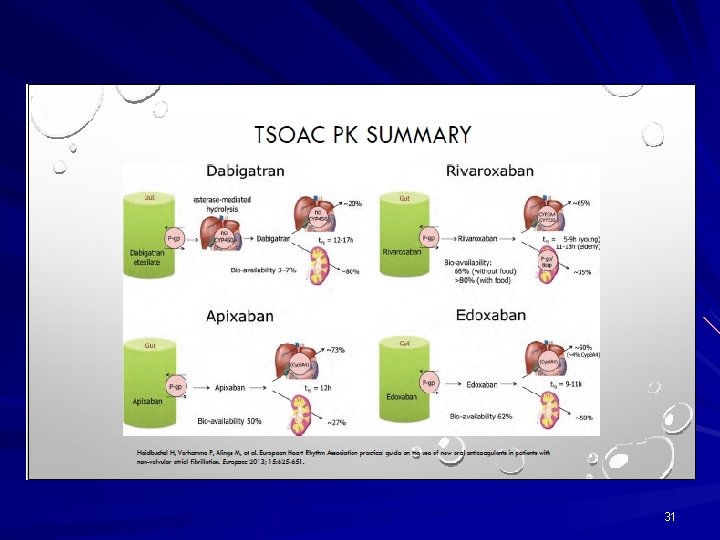
31
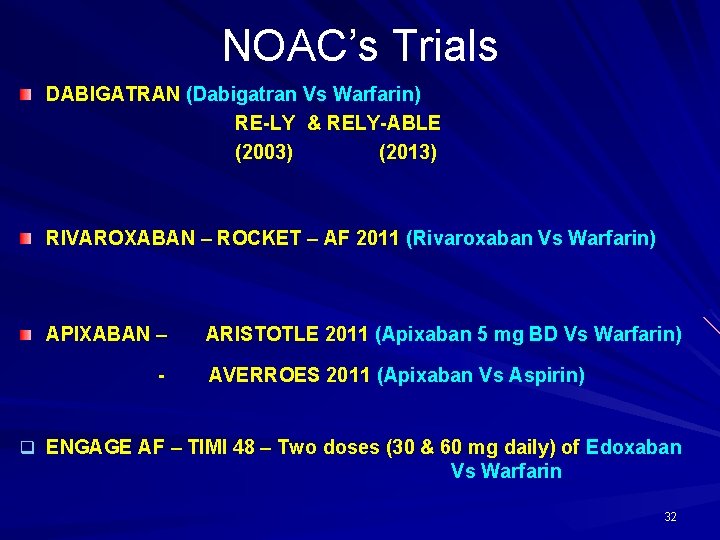
NOAC’s Trials DABIGATRAN (Dabigatran Vs Warfarin) RE-LY & RELY-ABLE (2003) (2013) RIVAROXABAN – ROCKET – AF 2011 (Rivaroxaban Vs Warfarin) APIXABAN – ARISTOTLE 2011 (Apixaban 5 mg BD Vs Warfarin) - AVERROES 2011 (Apixaban Vs Aspirin) q ENGAGE AF – TIMI 48 – Two doses (30 & 60 mg daily) of Edoxaban Vs Warfarin 32
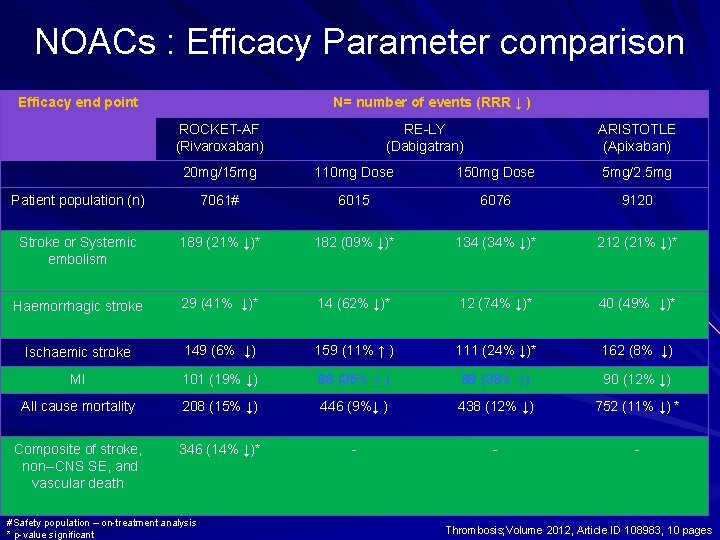
NOACs : Efficacy Parameter comparison Efficacy end point N= number of events (RRR ↓ ) ROCKET AF (Rivaroxaban) RE LY (Dabigatran) ARISTOTLE (Apixaban) 20 mg/15 mg 110 mg Dose 150 mg Dose 5 mg/2. 5 mg Patient population (n) 7061# 6015 6076 9120 Stroke or Systemic embolism 189 (21% ↓)* 182 (09% ↓)* 134 (34% ↓)* 212 (21% ↓)* Haemorrhagic stroke 29 (41% ↓)* 14 (62% ↓)* 12 (74% ↓)* 40 (49% ↓)* Ischaemic stroke 149 (6% ↓) 159 (11% ↑ ) 111 (24% ↓)* 162 (8% ↓) MI 101 (19% ↓) 86 (35% ↑ ) 89 (38% ↑) 90 (12% ↓) All cause mortality 208 (15% ↓) 446 (9%↓ ) 438 (12% ↓) 752 (11% ↓) * Composite of stroke, non CNS SE, and vascular death 346 (14% ↓)* #Safety population – on treatment analysis * p value significant Thrombosis; Volume 2012, Article ID 108983, 10 pages
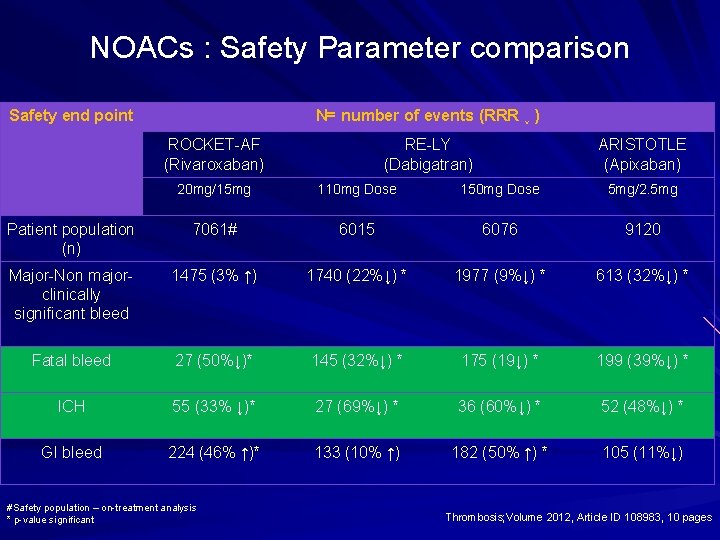
NOACs : Safety Parameter comparison Safety end point N= number of events (RRR ↓ ) ROCKET AF (Rivaroxaban) RE LY (Dabigatran) ARISTOTLE (Apixaban) 20 mg/15 mg 110 mg Dose 150 mg Dose 5 mg/2. 5 mg Patient population (n) 7061# 6015 6076 9120 Major Non major clinically significant bleed 1475 (3% ↑) 1740 (22%↓) * 1977 (9%↓) * 613 (32%↓) * Fatal bleed 27 (50%↓)* 145 (32%↓) * 175 (19↓) * 199 (39%↓) * ICH 55 (33% ↓)* 27 (69%↓) * 36 (60%↓) * 52 (48%↓) * GI bleed 224 (46% ↑)* 133 (10% ↑) 182 (50% ↑) * 105 (11%↓) #Safety population – on treatment analysis * p value significant Thrombosis; Volume 2012, Article ID 108983, 10 pages
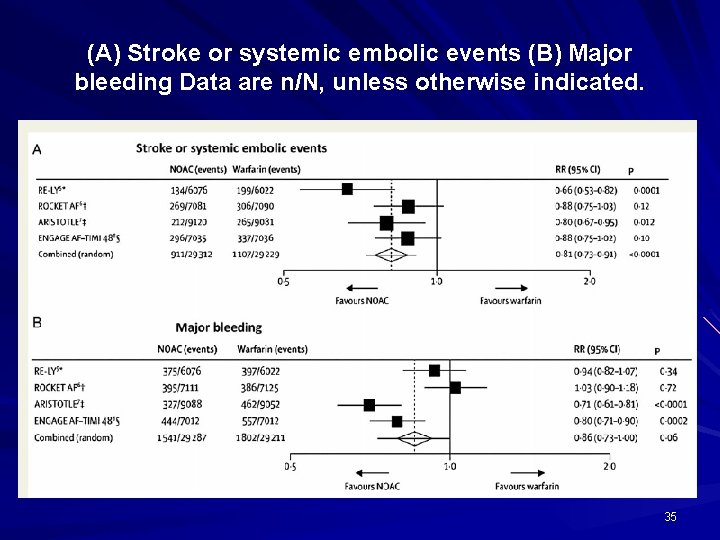
(A) Stroke or systemic embolic events (B) Major bleeding Data are n/N, unless otherwise indicated. 35
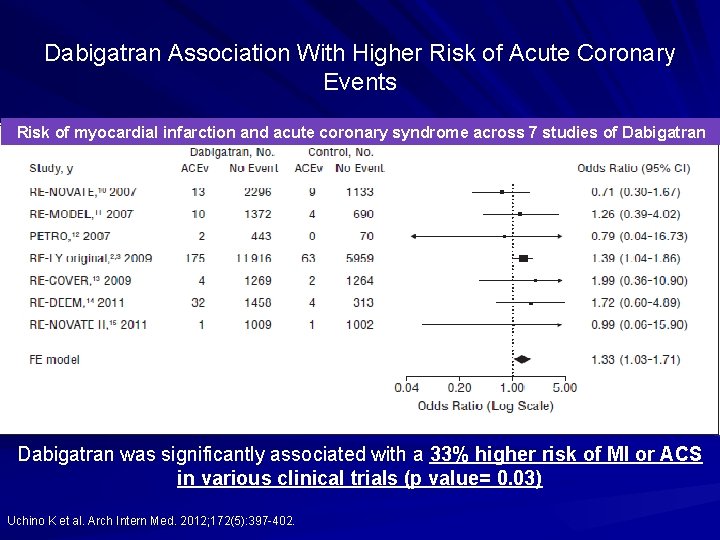
Dabigatran Association With Higher Risk of Acute Coronary Events Risk of myocardial infarction and acute coronary syndrome across 7 studies of Dabigatran was significantly associated with a 33% higher risk of MI or ACS in various clinical trials (p value= 0. 03) Uchino K et al. Arch Intern Med. 2012; 172(5): 397 402.
DABIGATRAN – RISK OF MI No clear biological plausibility Treatment with NOACs reduces the rate of future MI (ATLAS ACS 2 – TIMI 51 & WARIS II). Other NOACs studied in patient with AF & Post MI, have shown either a neutral or even protective effect with respect to risk of subsequent MI. JACC 2013 37
38
NOACs : Approved indications
40
41
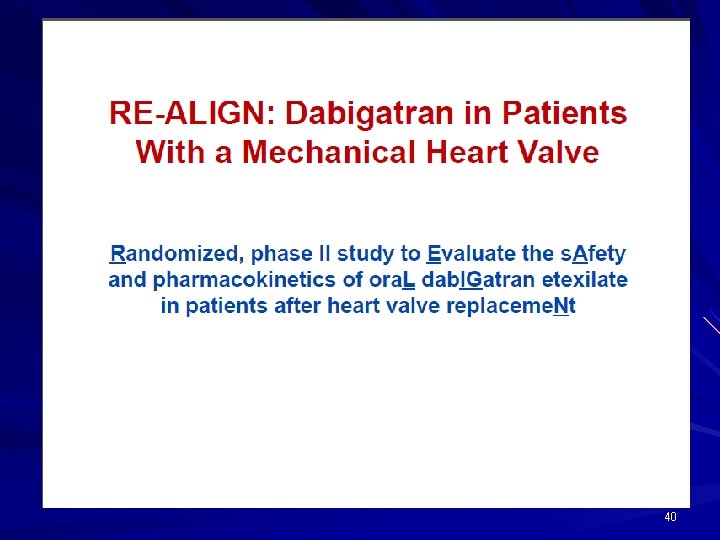
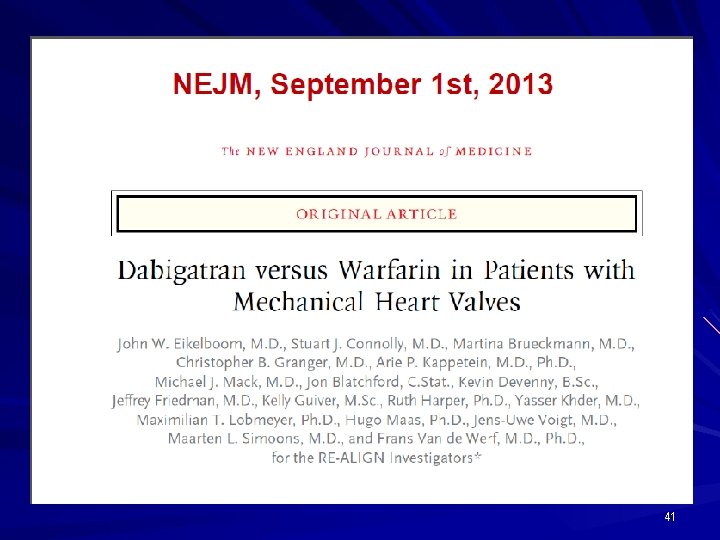
Conclusions RE-ALIGN is the first randomized study comparing a novel oral anticoagulant with warfarin in patients with a mechanical valve. Dabigatran is not as effective as warfarin for prevention of thromboembolic complications in patients with mechanical heart valves and is associated with more bleeding. Dabigatran should not be prescribed in patients with mechanical heart valves. 42
43
Real World Practice Evidence of NOACs in SPAF
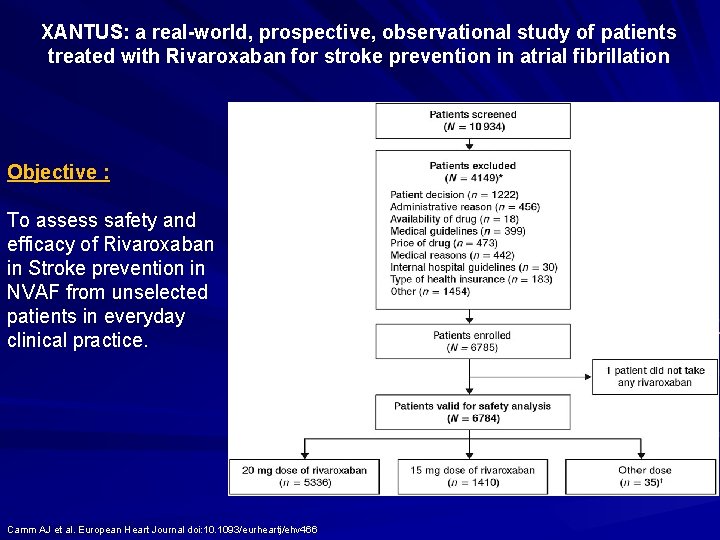
XANTUS: a real-world, prospective, observational study of patients treated with Rivaroxaban for stroke prevention in atrial fibrillation Objective : To assess safety and efficacy of Rivaroxaban in Stroke prevention in NVAF from unselected patients in everyday clinical practice. Camm AJ et al. European Heart Journal doi: 10. 1093/eurheartj/ehv 466
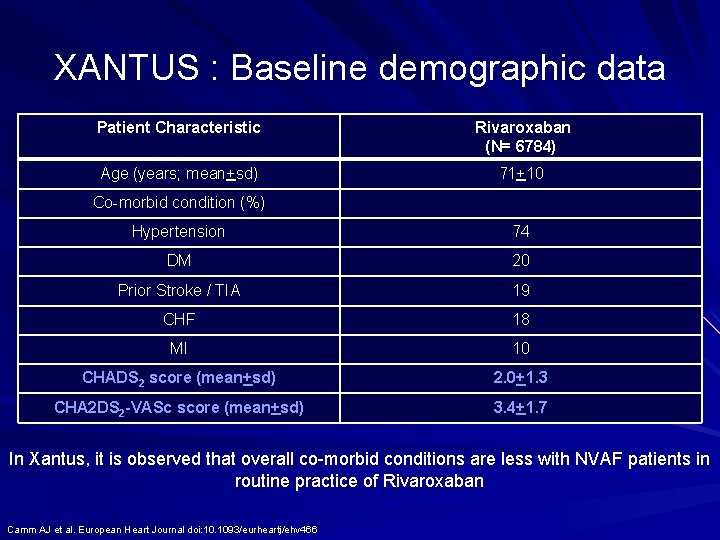
XANTUS : Baseline demographic data Patient Characteristic Rivaroxaban (N= 6784) Age (years; mean+sd) 71+10 Co morbid condition (%) Hypertension 74 DM 20 Prior Stroke / TIA 19 CHF 18 MI 10 CHADS 2 score (mean+sd) 2. 0+1. 3 CHA 2 DS 2 -VASc score (mean+sd) 3. 4+1. 7 In Xantus, it is observed that overall co morbid conditions are less with NVAF patients in routine practice of Rivaroxaban Camm AJ et al. European Heart Journal doi: 10. 1093/eurheartj/ehv 466
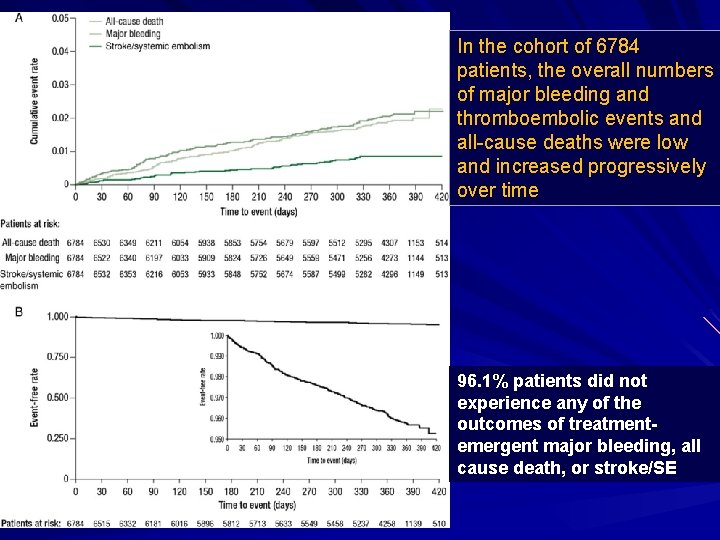
In the cohort of 6784 patients, the overall numbers of major bleeding and thromboembolic events and all cause deaths were low and increased progressively over time 96. 1% patients did not experience any of the outcomes of treatment- emergent major bleeding, all cause death, or stroke/SE
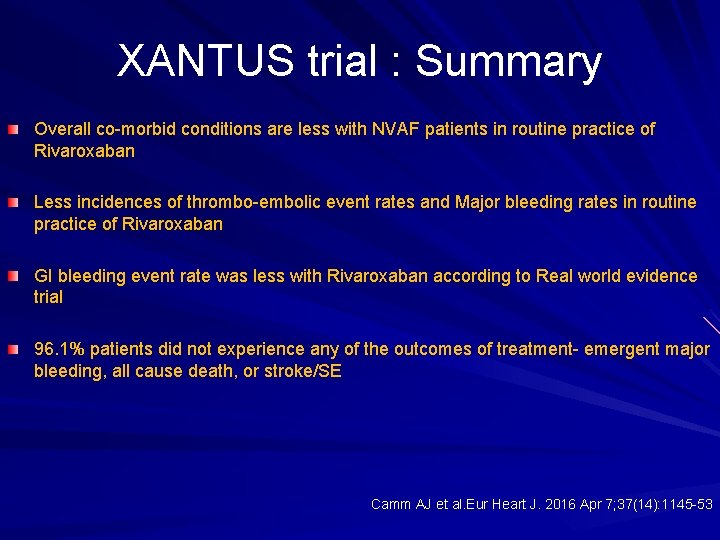
XANTUS trial : Summary Overall co morbid conditions are less with NVAF patients in routine practice of Rivaroxaban Less incidences of thrombo embolic event rates and Major bleeding rates in routine practice of Rivaroxaban GI bleeding event rate was less with Rivaroxaban according to Real world evidence trial 96. 1% patients did not experience any of the outcomes of treatment emergent major bleeding, all cause death, or stroke/SE Camm AJ et al. Eur Heart J. 2016 Apr 7; 37(14): 1145 53
PMSS study : Real World Study Further Confirms Safety Profile of RIVAROXABAN in Nearly 45, 000 People with Non Valvular Atrial Fibrillation (NVAF), Including Those with Concomitant Diabetes
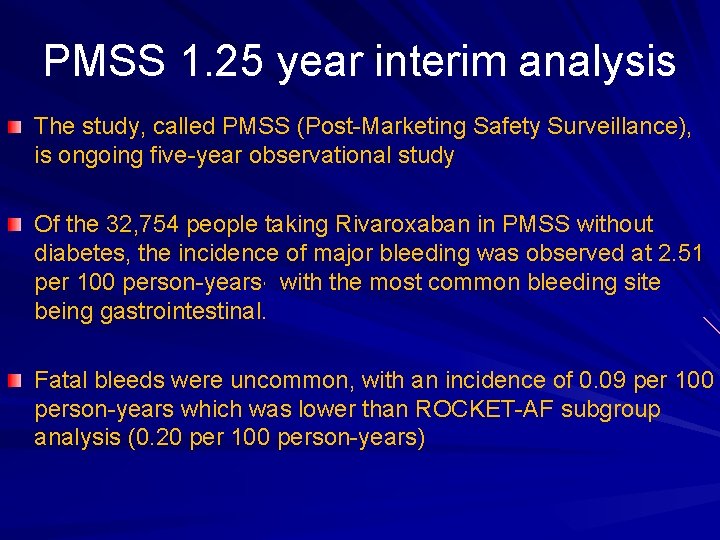
PMSS 1. 25 year interim analysis The study, called PMSS (Post Marketing Safety Surveillance), is ongoing five year observational study Of the 32, 754 people taking Rivaroxaban in PMSS without diabetes, the incidence of major bleeding was observed at 2. 51 per 100 person years, with the most common bleeding site being gastrointestinal. Fatal bleeds were uncommon, with an incidence of 0. 09 per 100 person years which was lower than ROCKET AF subgroup analysis (0. 20 per 100 person years)
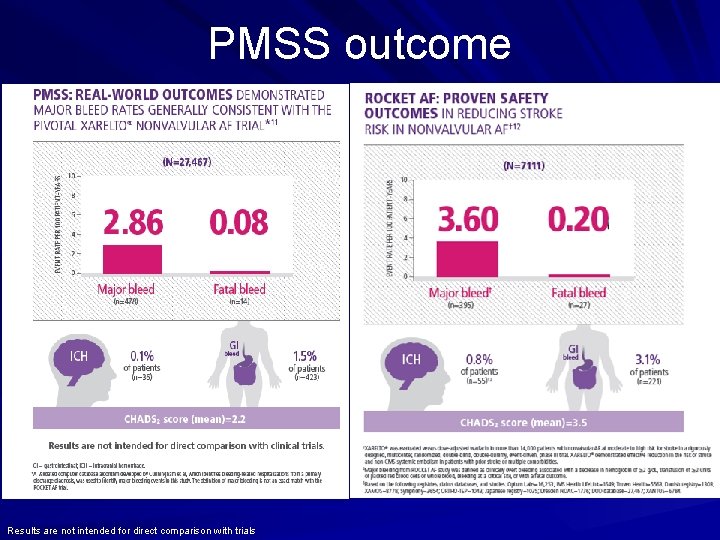
PMSS outcome Results are not intended for direct comparison with trials

REVISIT US Registry
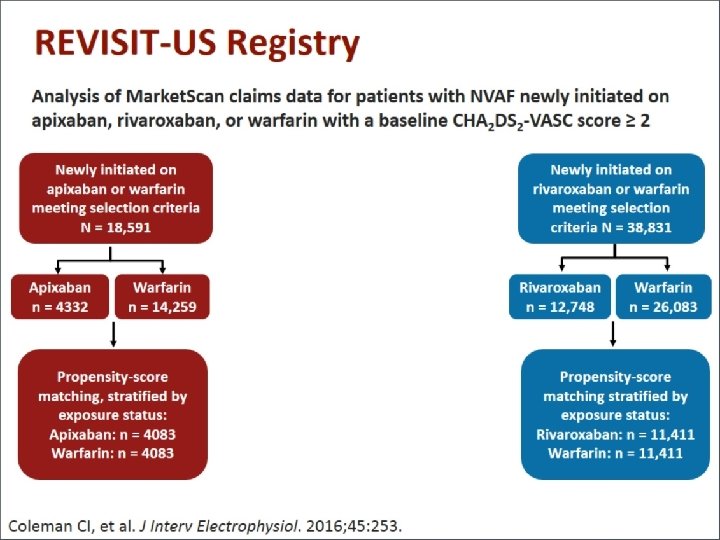
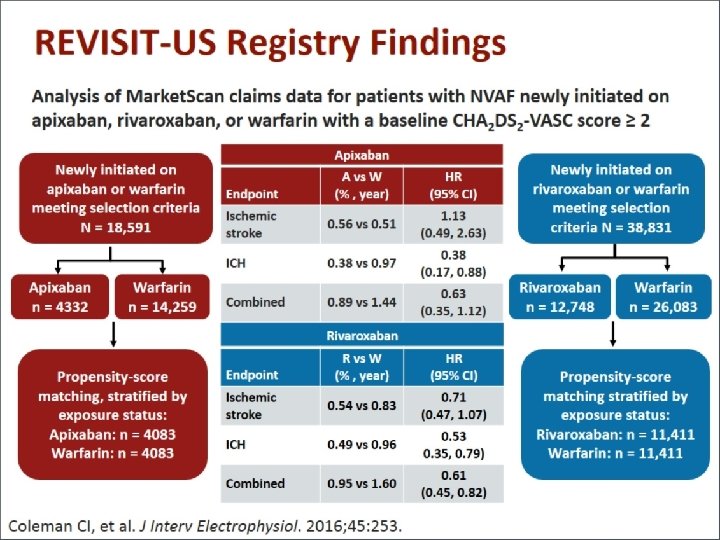
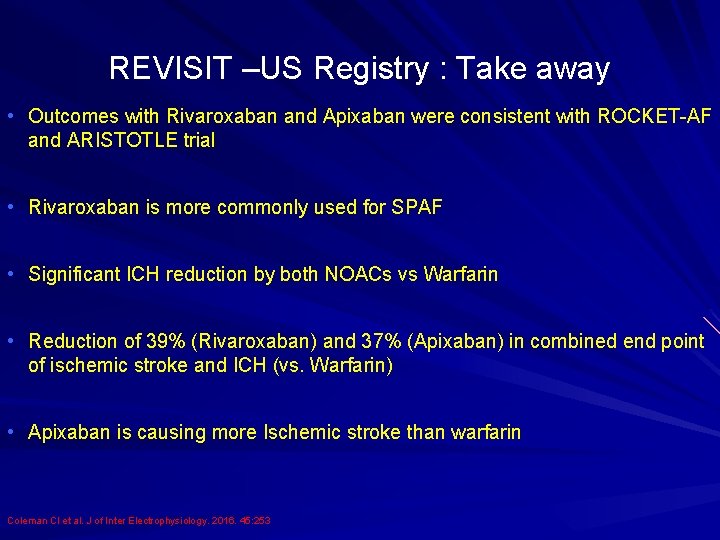
REVISIT –US Registry : Take away • Outcomes with Rivaroxaban and Apixaban were consistent with ROCKET AF and ARISTOTLE trial • Rivaroxaban is more commonly used for SPAF • Significant ICH reduction by both NOACs vs Warfarin • Reduction of 39% (Rivaroxaban) and 37% (Apixaban) in combined end point of ischemic stroke and ICH (vs. Warfarin) • Apixaban is causing more Ischemic stroke than warfarin Coleman Cl et al. J of Inter Electrophysiology. 2016. 45: 253
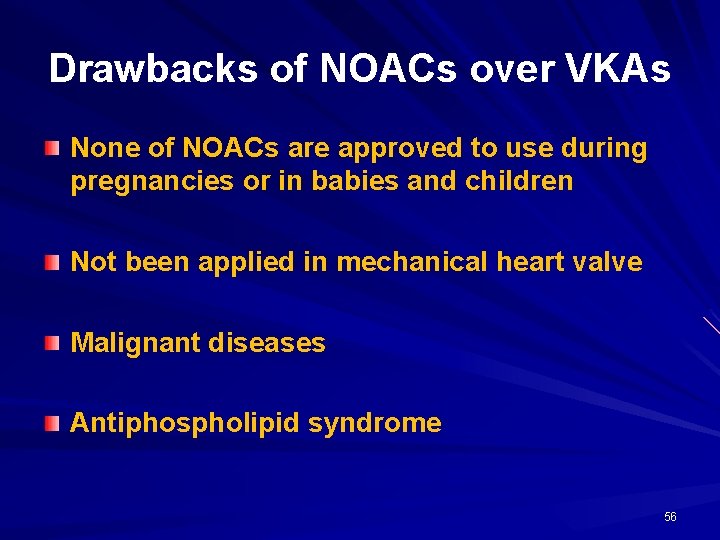
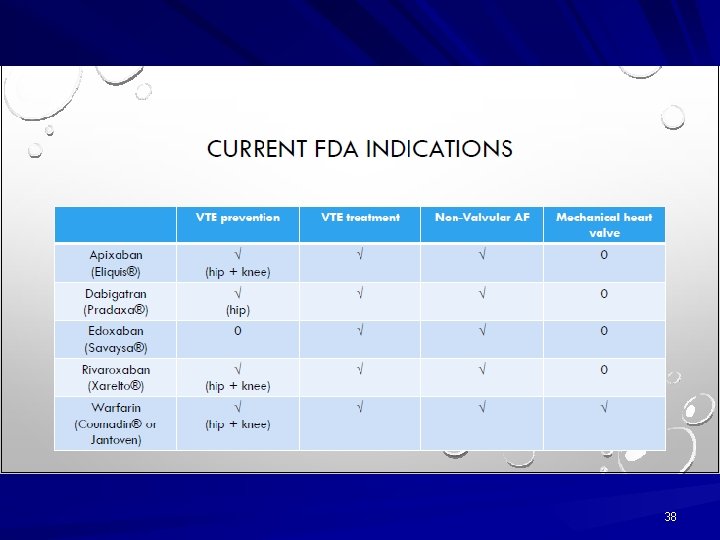
Drawbacks of NOACs over VKAs None of NOACs are approved to use during pregnancies or in babies and children Not been applied in mechanical heart valve Malignant diseases Antiphospholipid syndrome 56
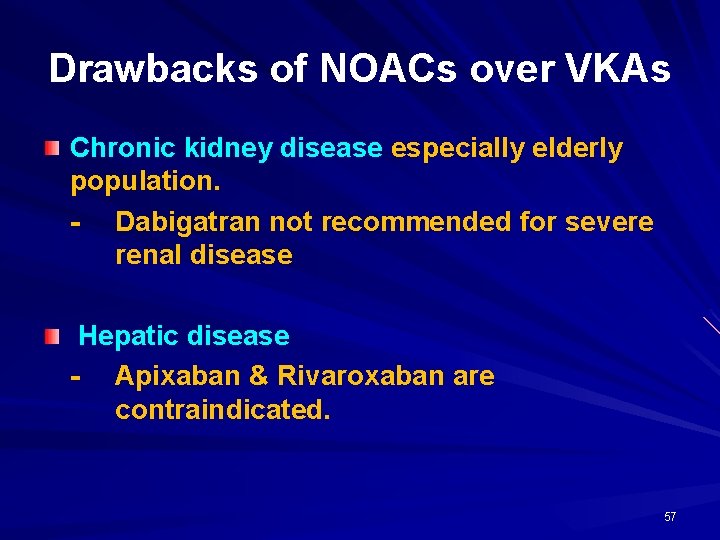
Drawbacks of NOACs over VKAs Chronic kidney disease especially elderly population. - Dabigatran not recommended for severe renal disease Hepatic disease - Apixaban & Rivaroxaban are contraindicated. 57
Absence of a Specific Test NOAC Therapy monitoring is not necessary. Urgent surgical intervention: - I/V Thrombolysis in acute ischemic stroke - Intracranial bleeding - Overdose 58
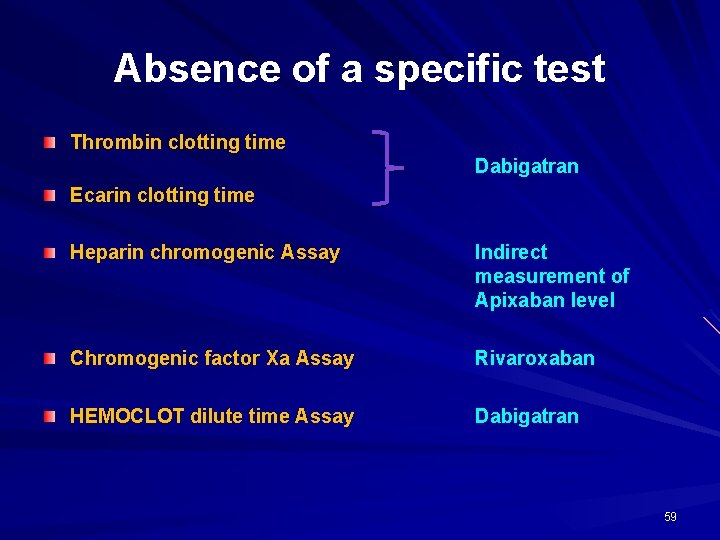
Absence of a specific test Thrombin clotting time Dabigatran Ecarin clotting time Heparin chromogenic Assay Indirect measurement of Apixaban level Chromogenic factor Xa Assay Rivaroxaban HEMOCLOT dilute time Assay Dabigatran 59
Comparison Between NOACs No randomized, controlled trials for head to head comparison between NOACs Choice of one or another NOAC - Individual patient characteristics viz risk of stroke or VTE, bleeding & co-morbidity like impaired renal function 60
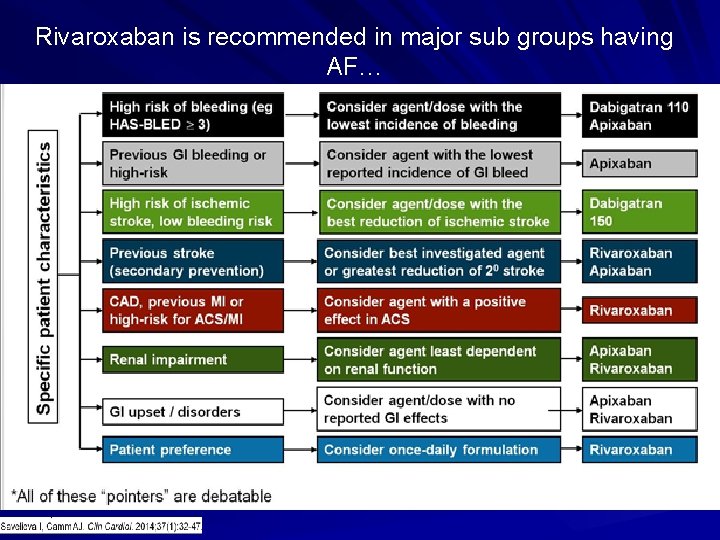
Rivaroxaban is recommended in major sub groups having AF…
“What if” Scenario Patient has a bleeding complication Patient undergoes intervention Patient need to switch between anticoagulant regimens 62
Patient has a bleeding complication Standard supportive measure Mechanical compression Surgical hemostasis Fluid replacement Additional hemodynamic support Hemodialysis Drug removal – Dabigatran Not effective for Xa inhibitions due to high protein binding & low renal clearance. 63
Patient has a bleeding complication Administration of: Prothrombin Complex Concentrate (PCC) Activated Prothrombin Complex Concentrate (APCC) Desmopressin Monoclonal antibody Fab molecule – Dabigatran Specific recombinant protein (r-antidote) to reverse Xa effect. 64
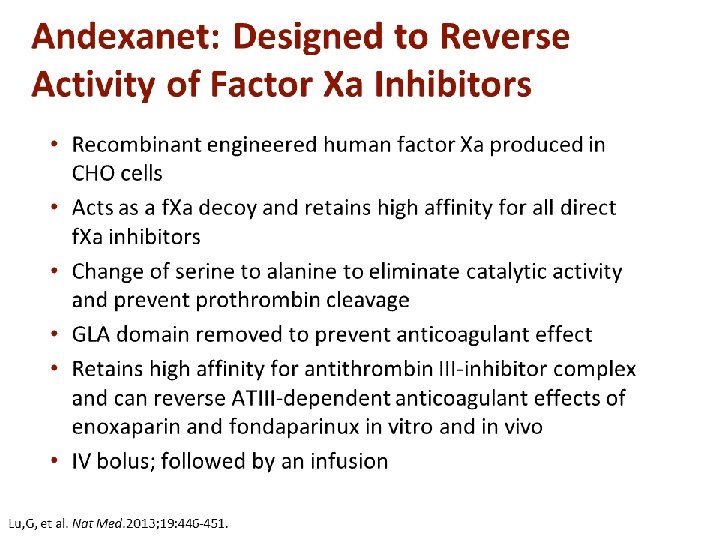
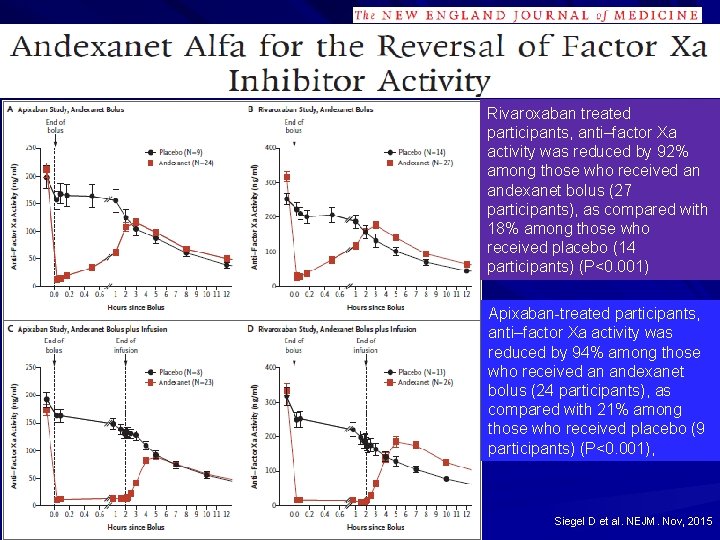
Rivaroxaban treated participants, anti–factor Xa activity was reduced by 92% among those who received an andexanet bolus (27 participants), as compared with 18% among those who received placebo (14 participants) (P<0. 001) Apixaban treated participants, anti–factor Xa activity was reduced by 94% among those who received an andexanet bolus (24 participants), as compared with 21% among those who received placebo (9 participants) (P<0. 001), Siegel D et al. NEJM. Nov, 2015
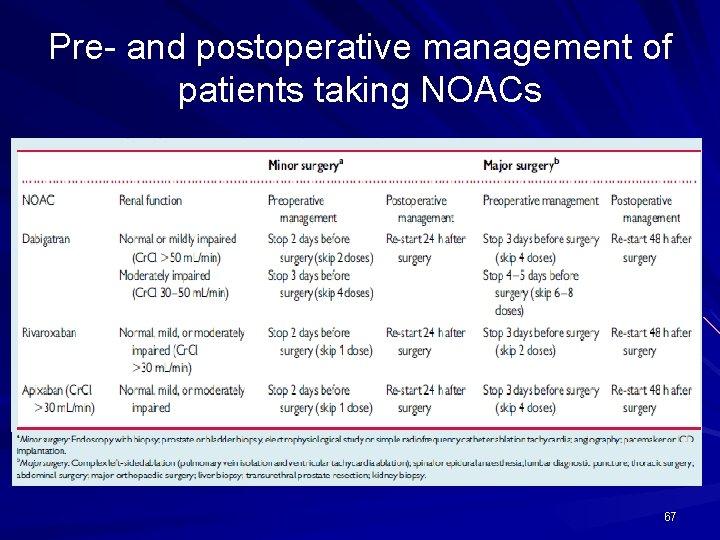
Pre and postoperative management of patients taking NOACs 67
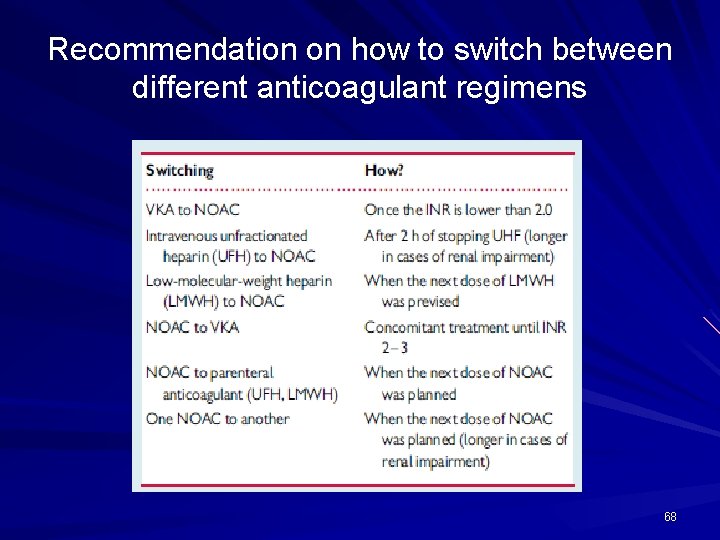
Recommendation on how to switch between different anticoagulant regimens 68
Additional Disadvantage of NOAC Cost Importance of compliance 69
NOAC – Compliance Issue Short half life - Relevant for emergency surgery, bleeding due to accumulation of drug in blood - Disadvantage – Risk Lack of specific antidote - Thrombotic complications - Expensive 70
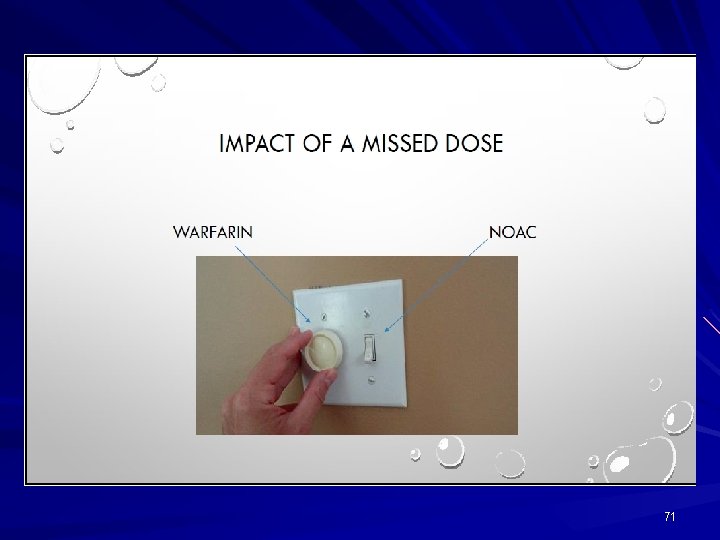
71
Poor compliance Patients with documented poor adherence to the treatment with warfarin (OD dose) can not be seen as a candidate for dabigatran (BD dose) Inability to monitor dabigatran (t 1/2 14 17 hrs) or rivaroxaban (t 1/2 11 13 hrs) coupled with its short half-life would imply that patients who are poorly compliant are at high risk of stroke because missing a dose will quickly experience a complete loss of antithrombotic efficacy. So first marker of noncompliance is probably stroke or other thrombotic complications.
NOACs - Have they Replaced VKA? 1. Can we use new agents in all indications for which standard therapy with warfarin and heparin can be used? 2. What are the benefits of NOACs over standard treatment in indications approved by the authorities? 3. To what extent are the physicians aware of these benefits and how much do they adapt to these advantages? 4. Are the new agents superior to standard therapy in terms of treatment costs? 5. Starting from the release of the new agents in the market, how has the dynamics changed for the global anticoagulant market? 73
Are the new agents used in all indications for which standard therapy with warfarin and heparin can be used? All the trials enrolled non valvular AF cases and excluded patients at high risk of thromboembolism viz AF accompanied by mitral stenosis or mechanical prosthesis. ---------------------------------------Not possible to use NOACs in valve related condition in light of available data 74
What are the benefits of NOACs over standard treatment in indications approved by the authorities? All NOAC’s evaluated have shown non-inferiority compared to VKAs All NOACs significantly decreased risk of hemorrhagic stroke and intracranial bleeding and has not been shown to have increased risk of major bleed compared to Warfarin - Heterogeneity of different studies - Lack of head to head clinical trials with NOACs, no conclusion can be drawn to say which of these agents is best option. 75
To what extent are the physicians aware of these benefits and how much do they adapt to these advantages? Use of NOACs are about 35% in USA and about < 15% in emerging markets like India. 76
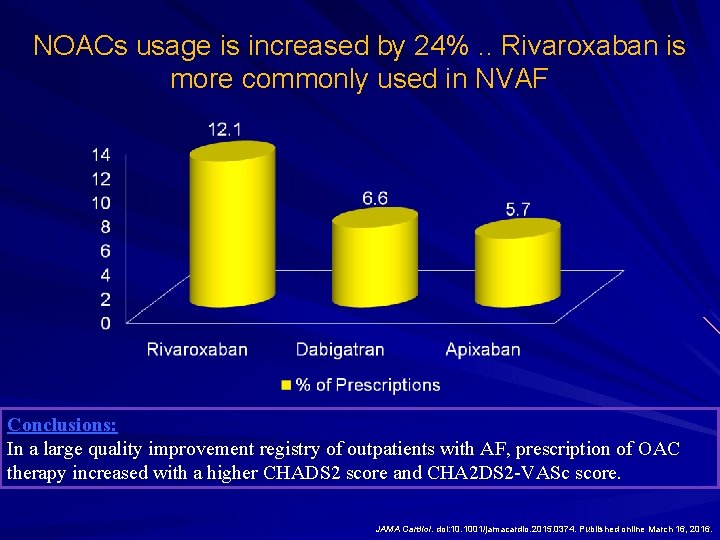
NOACs usage is increased by 24%. . Rivaroxaban is more commonly used in NVAF Conclusions: In a large quality improvement registry of outpatients with AF, prescription of OAC therapy increased with a higher CHADS 2 score and CHA 2 DS 2 -VASc score. JAMA Cardiol. doi: 10. 1001/jamacardio. 2015. 0374. Published online March 16, 2016.
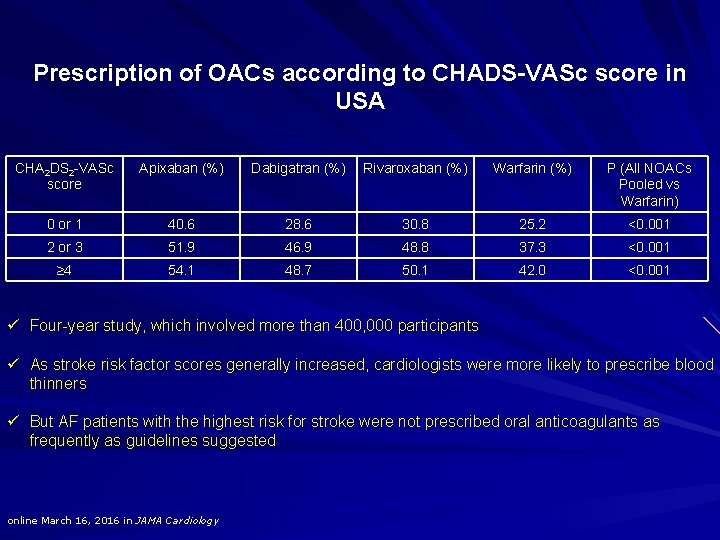
Prescription of OACs according to CHADS-VASc score in USA CHA 2 DS 2 VASc score Apixaban (%) Dabigatran (%) Rivaroxaban (%) Warfarin (%) P (All NOACs Pooled vs Warfarin) 0 or 1 40. 6 28. 6 30. 8 25. 2 <0. 001 2 or 3 51. 9 46. 9 48. 8 37. 3 <0. 001 ≥ 4 54. 1 48. 7 50. 1 42. 0 <0. 001 Four year study, which involved more than 400, 000 participants As stroke risk factor scores generally increased, cardiologists were more likely to prescribe blood thinners But AF patients with the highest risk for stroke were not prescribed oral anticoagulants as frequently as guidelines suggested online March 16, 2016 in JAMA Cardiology
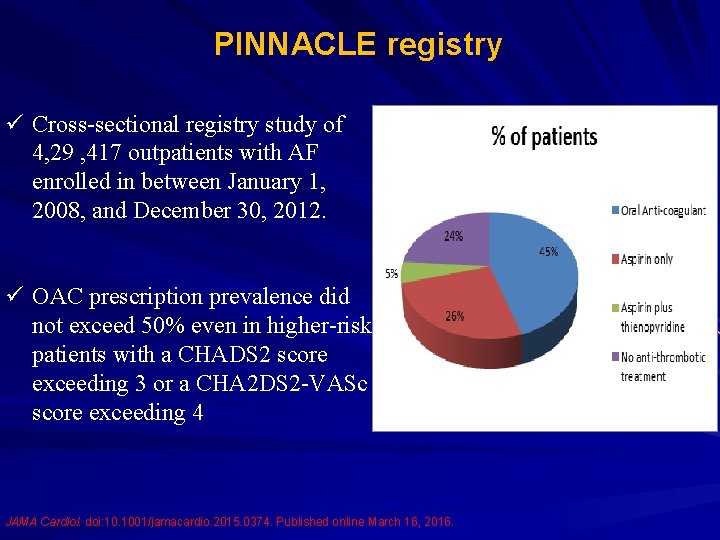
PINNACLE registry Cross-sectional registry study of 4, 29 , 417 outpatients with AF enrolled in between January 1, 2008, and December 30, 2012. OAC prescription prevalence did not exceed 50% even in higher-risk patients with a CHADS 2 score exceeding 3 or a CHA 2 DS 2 -VASc score exceeding 4 JAMA Cardiol. doi: 10. 1001/jamacardio. 2015. 0374. Published online March 16, 2016.
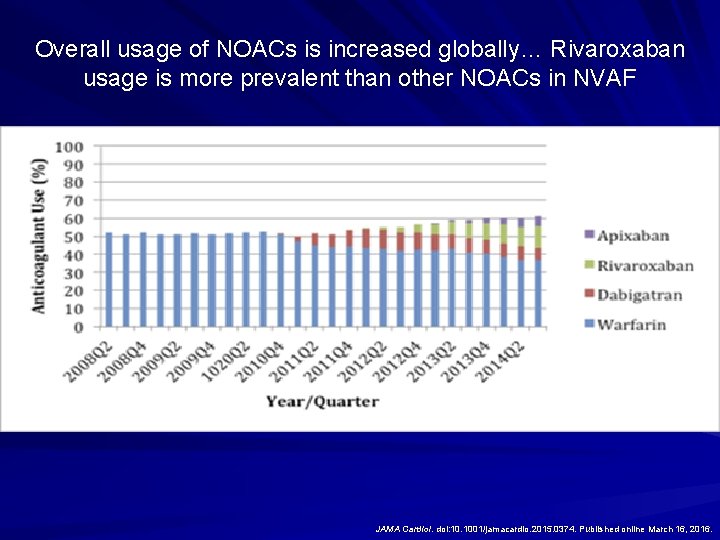
Overall usage of NOACs is increased globally… Rivaroxaban usage is more prevalent than other NOACs in NVAF JAMA Cardiol. doi: 10. 1001/jamacardio. 2015. 0374. Published online March 16, 2016.
Are the new agents superior to standard therapy in terms of treatment costs? Stroke, a substantial financial burden on healthcare system, patients, family and society. Cost to visit anticoagulation monitoring clinics, cost of hospital admission and other factors of managing adverse effects are not known. 81
“Cost-effectiveness of apixaban, dabigatran, rivaroxaban, and warfarin for stroke prevention in atrial fibrillation” Conclusions – In patients with nonvalvular atrial fibrillation and an increased risk of stroke prophylaxis, apixaban 5 mg, dabigatran 150 mg, and rivaroxaban 20 mg were all cost-effective alternati 8 ves to warfarin. The cost effectiveness of novel oral anticoagulants was dependent on therapy pricing in the United States and neurological events asssociated with rivaroxaban 20 mg. Harrington AR et al, Stroke, 44 (2013), pp. 1676 - 1681 82
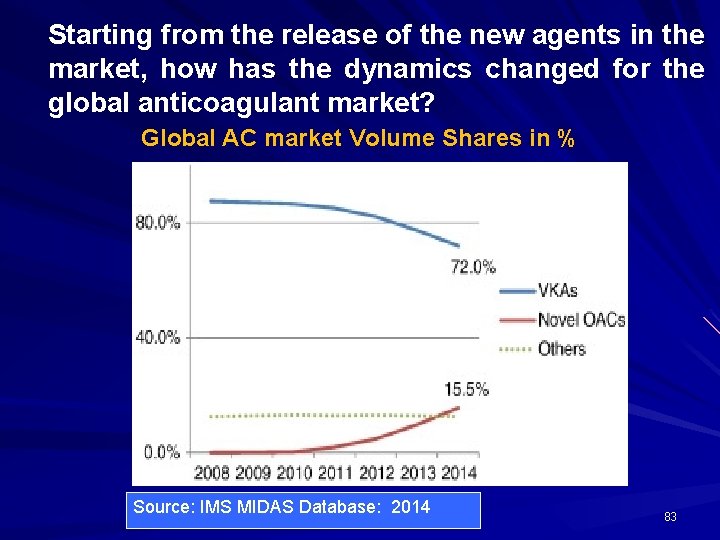
Starting from the release of the new agents in the market, how has the dynamics changed for the global anticoagulant market? Global AC market Volume Shares in % Source: IMS MIDAS Database: 2014 83
Conclusion VKA will eventually become redundant in patients with NVAF, VTE and pulmonary embolism. In stroke prevention, NOACs are major breakthrough and stroke prevention is more important than which drug is better than others. 84
VKA Remains First Line Anticoagulant for Mechanical heart valve or Rheumatic heart disease Severe renal insufficiency 85

86
- Slides: 86