
Dr Stephen Child GP Director of Clinical Training


- Slides: 32
Dr Stephen Child GP / Director of Clinical Training Auckland District Health Board
Will the Doctor Please Stand Up? -Dunedin, August 2013 - Dr Stephen Child MD, FRACP, FRCPC General Physician/Respiratory Interest Deputy Chair, NZMA Director of Clinical Training Auckland District Health Board
13 min Outline 1. We have a problem? 2. Leadership is key? 3. How to lead? 4. Professionalism
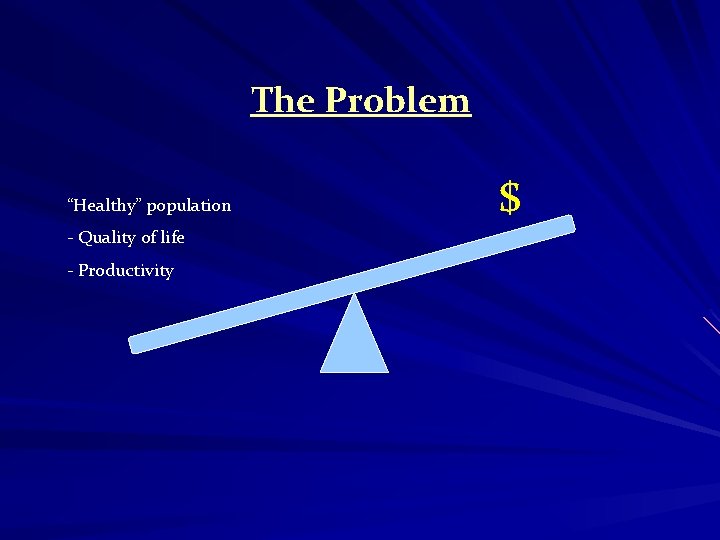
The Problem “Healthy” population - Quality of life - Productivity $
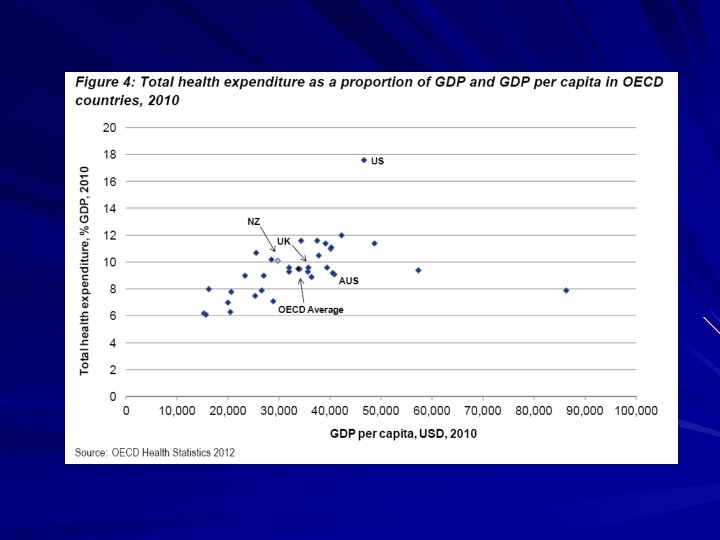
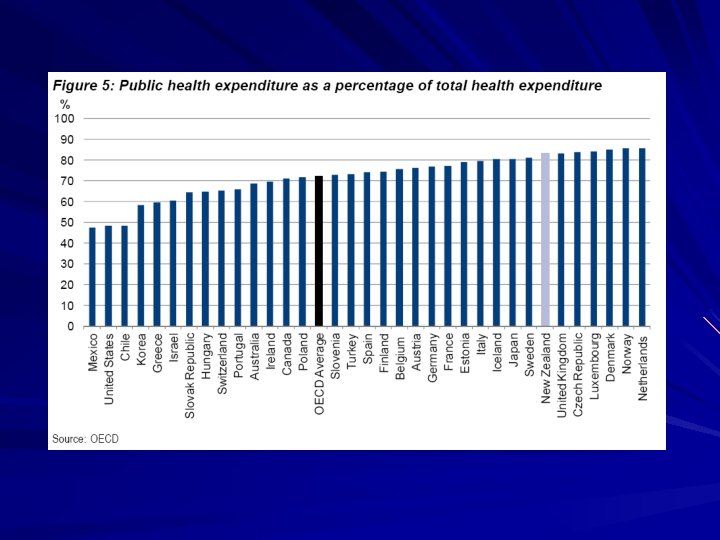
Big Picture • +$1. 1 b – ACC • =83% Public $ Social Security (33%) • $2987/person • 10. 1% of GDP Education (17%) 20% ($14. 1 b) Defence 17% “Private” Government Services Law & Order • insurance Transport Economic Services $ 70. 5 billion • pocket • non-profit org
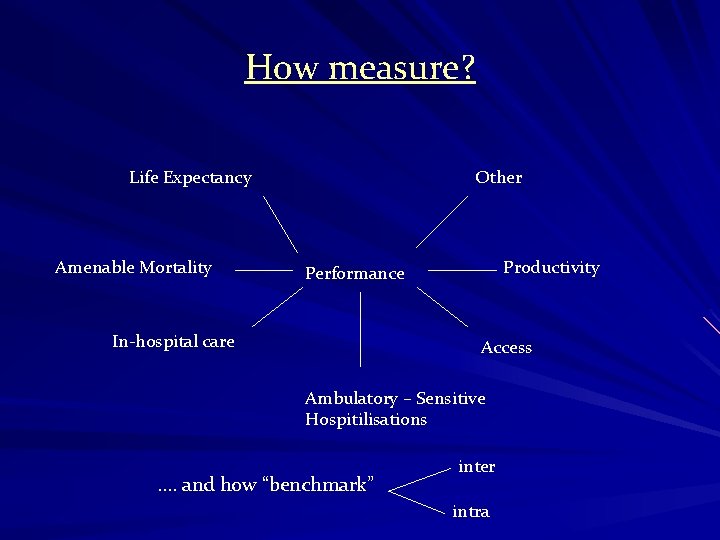
How measure? Life Expectancy Amenable Mortality Other Productivity Performance In-hospital care Access Ambulatory – Sensitive Hospitilisations …. and how “benchmark” inter intra
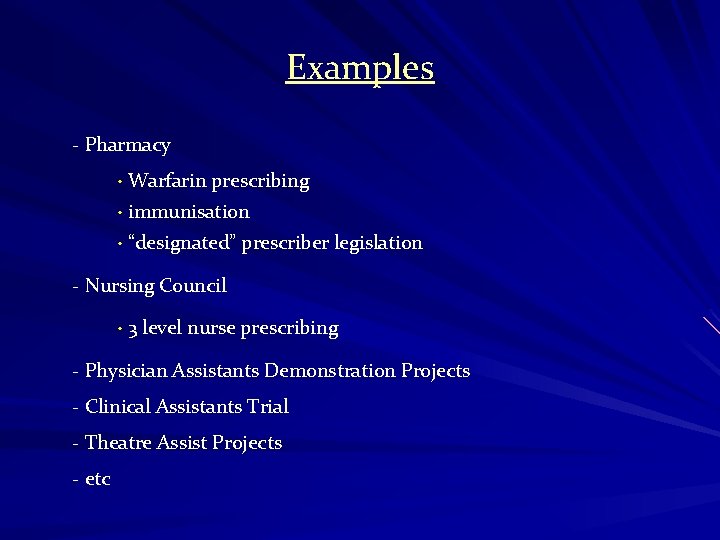
Examples - Pharmacy • Warfarin prescribing • immunisation • “designated” prescriber legislation - Nursing Council • 3 level nurse prescribing - Physician Assistants Demonstration Projects - Clinical Assistants Trial - Theatre Assist Projects - etc
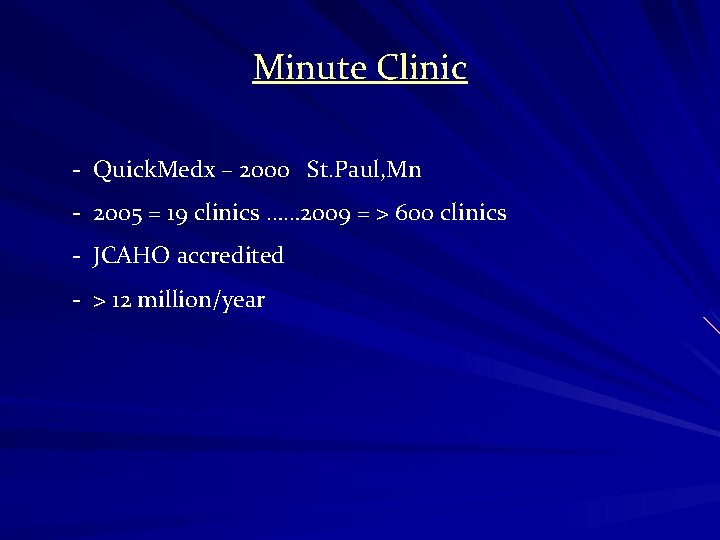
Minute Clinic - Quick. Medx – 2000 St. Paul, Mn - 2005 = 19 clinics …… 2009 = > 600 clinics - JCAHO accredited - > 12 million/year
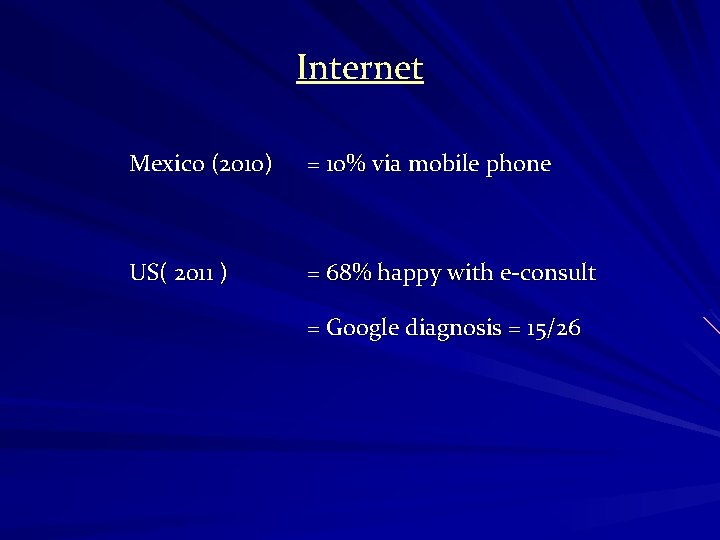
Internet Mexico (2010) = 10% via mobile phone US( 2011 ) = 68% happy with e-consult = Google diagnosis = 15/26
Internet NZ = 60% used internet for Dx (2007)
What does this mean for us ?
Role of Doctor “Doctors regularly take ultimate responsibility for medical decisions and diagnoses …” Role of Doctor consensus statement, NZMA, 2011
Role of Doctor - Leadership “Doctors have a key role in providing higher level sector leadership …. (and) … have a responsibility for ensuring patient safety and monitoring both individual and service level outcomes” Role of Doctor consensus statement, NZMA, 2011
Leadership § MOH § Business Unit = 111 hits = “Clinical Leadership Protection and Regulation (CLPR)
“Good Leadership begins with solid values” Transformational Leadership Jeffrey Gandz
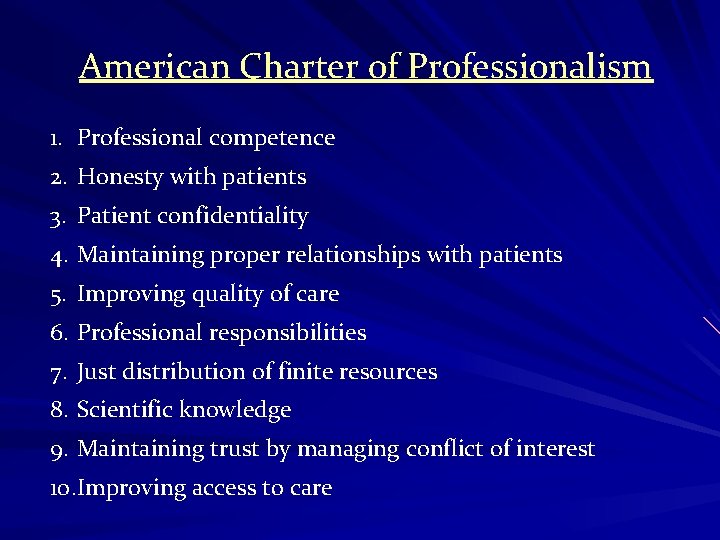
American Charter of Professionalism 1. Professional competence 2. Honesty with patients 3. Patient confidentiality 4. Maintaining proper relationships with patients 5. Improving quality of care 6. Professional responsibilities 7. Just distribution of finite resources 8. Scientific knowledge 9. Maintaining trust by managing conflict of interest 10. Improving access to care
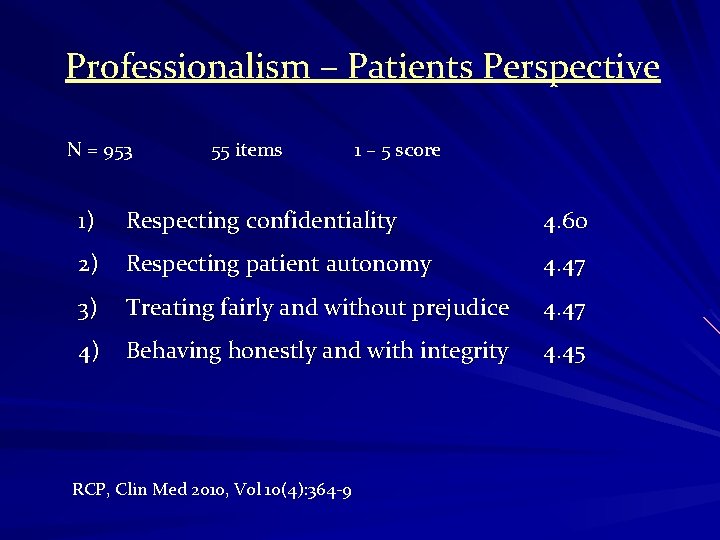
Professionalism – Patients Perspective N = 953 55 items 1 – 5 score 1) Respecting confidentiality 4. 60 2) Respecting patient autonomy 4. 47 3) Treating fairly and without prejudice 4. 47 4) Behaving honestly and with integrity 4. 45 RCP, Clin Med 2010, Vol 10(4): 364 -9
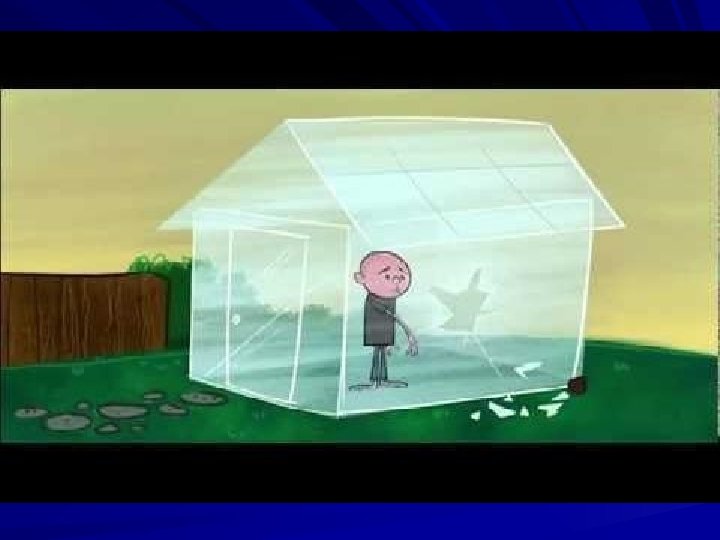
Honesty and Integrity?
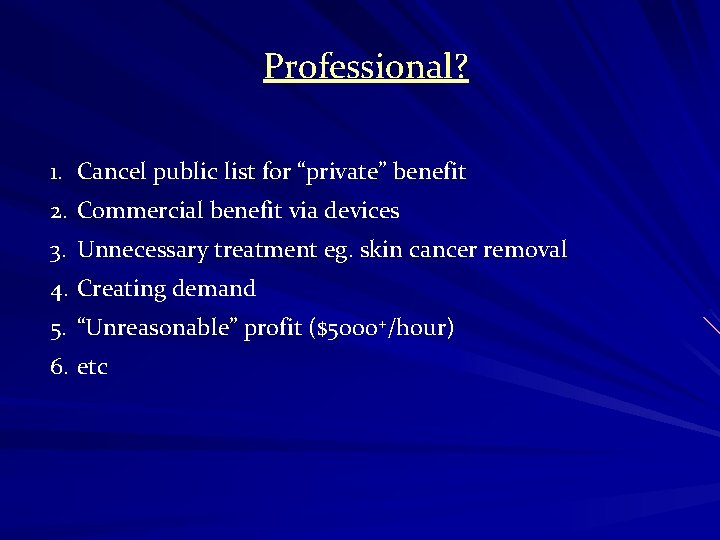
Professional? 1. Cancel public list for “private” benefit 2. Commercial benefit via devices 3. Unnecessary treatment eg. skin cancer removal 4. Creating demand 5. “Unreasonable” profit ($5000+/hour) 6. etc
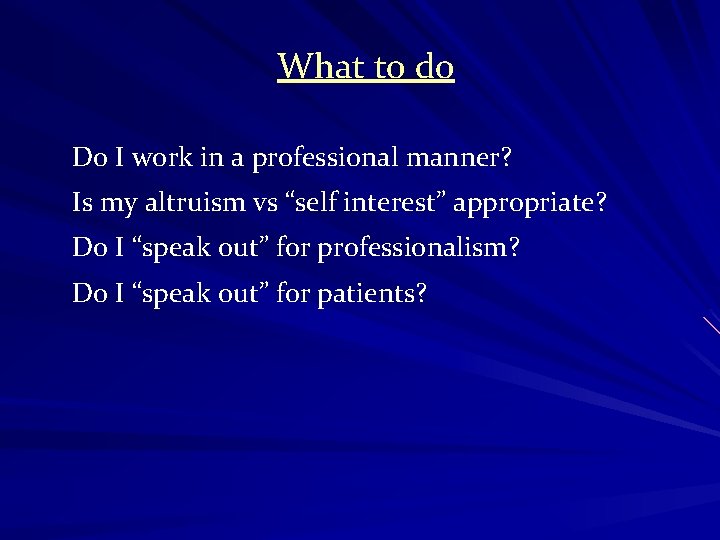
What to do Do I work in a professional manner? Is my altruism vs “self interest” appropriate? Do I “speak out” for professionalism? Do I “speak out” for patients?
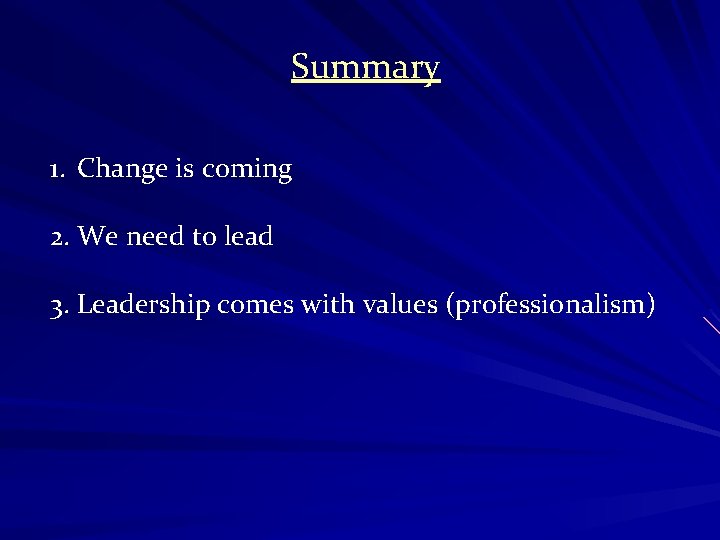
Summary 1. Change is coming 2. We need to lead 3. Leadership comes with values (professionalism)
Do I make a difference? …. . more than just the patient in front of me? NZMA
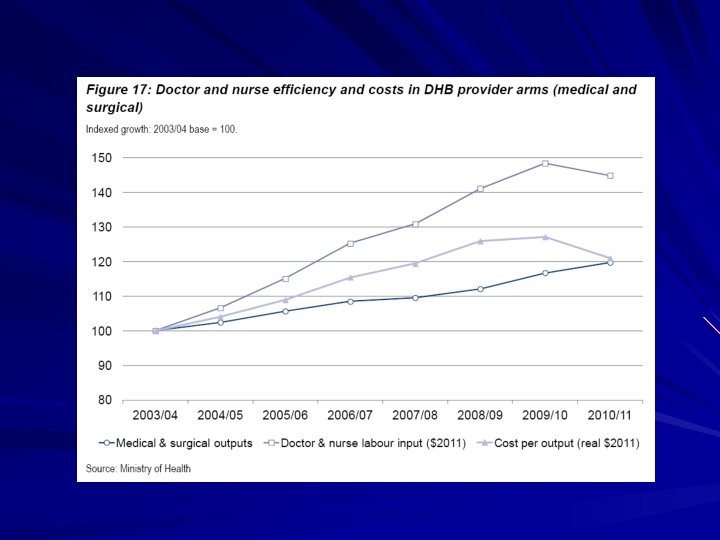
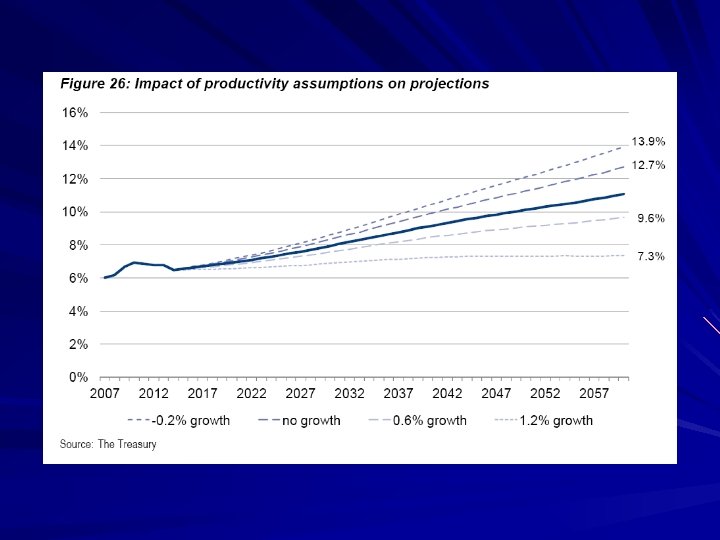
Adjust skill mix (Productivity) i) Non-doctors performing tasks
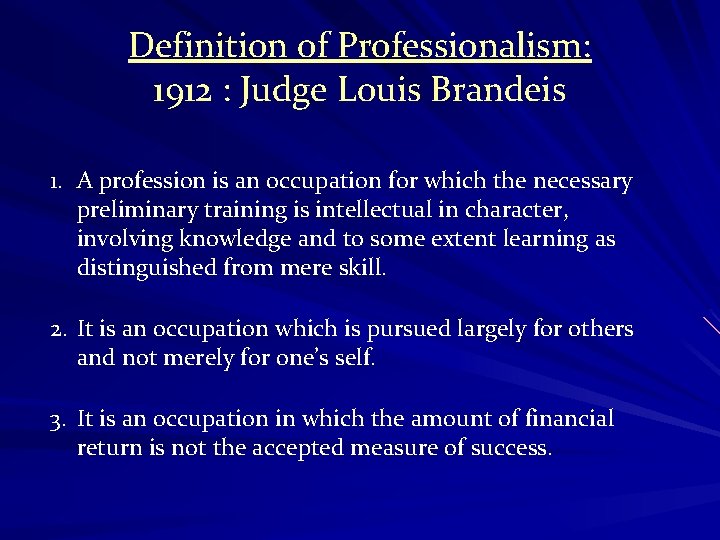
Definition of Professionalism: 1912 : Judge Louis Brandeis 1. A profession is an occupation for which the necessary preliminary training is intellectual in character, involving knowledge and to some extent learning as distinguished from mere skill. 2. It is an occupation which is pursued largely for others and not merely for one’s self. 3. It is an occupation in which the amount of financial return is not the accepted measure of success.