
Dr Mohammed Hussein Is a group of glands




- Slides: 37
Dr. Mohammed Hussein
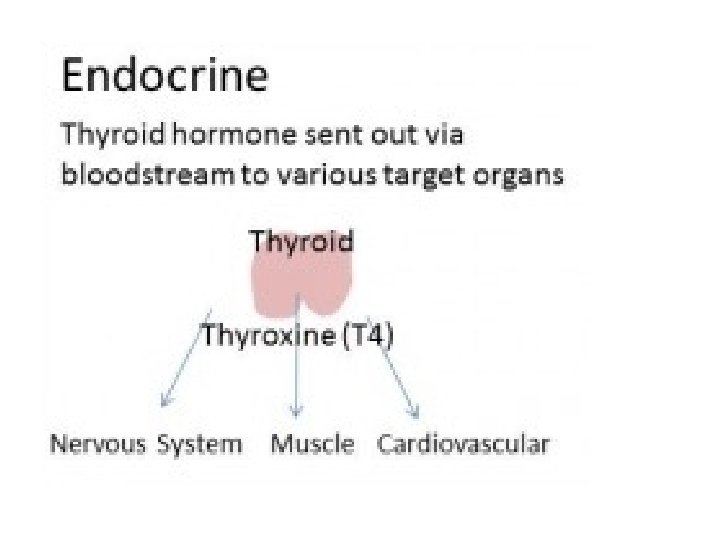
Is a group of glands that regulate physiological functions by releasing hormones into the bloodstream.
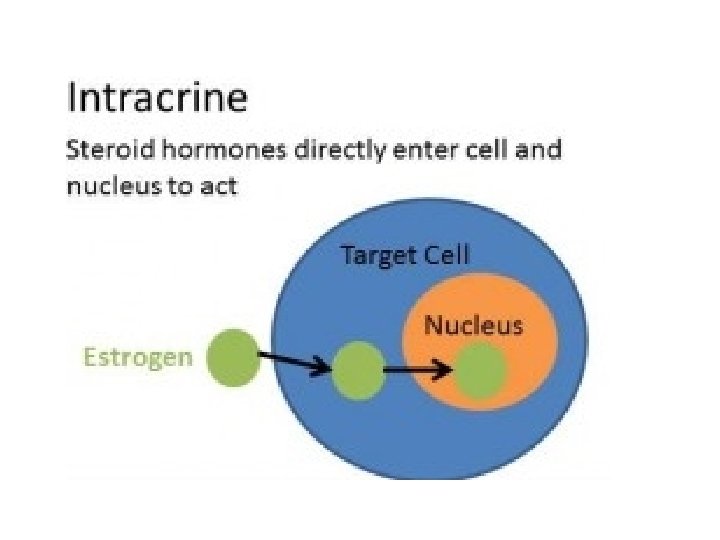
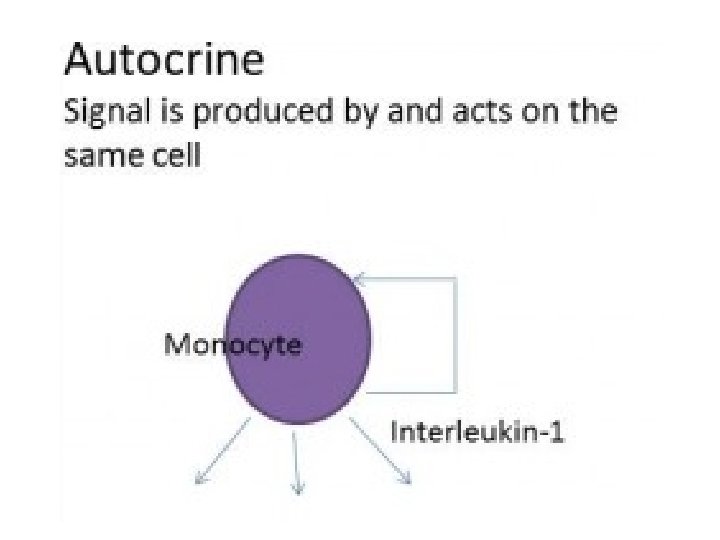
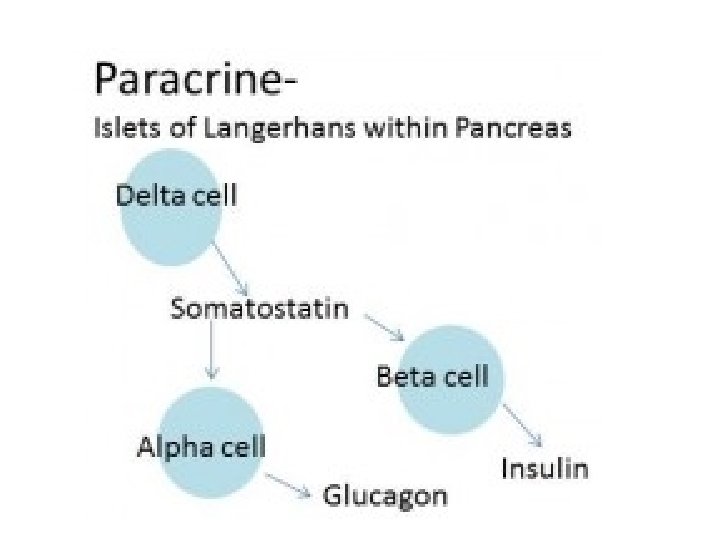
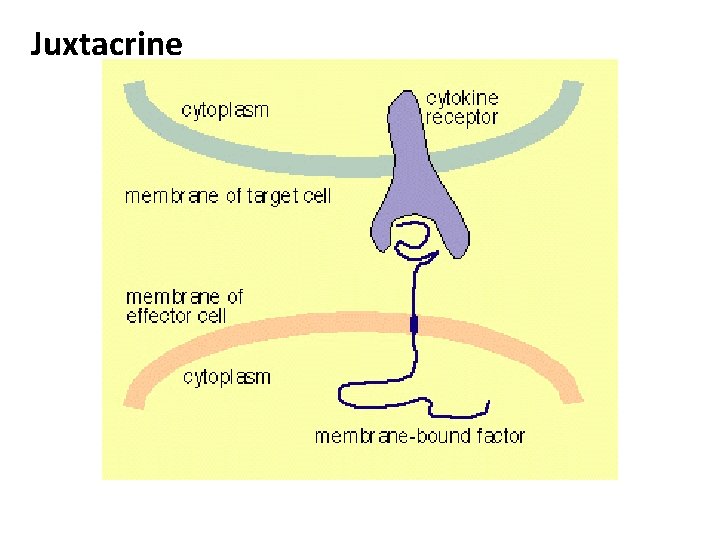
Is the way by which a cell exerts its effects on another cell ( or on itself ) Intracrine Autocrine Juxtacrine Paracrine Endocrine
Juxtacrine
TARGET ORGAN The organs or tissues that are activated by released hormones are called target organs or tissues. The cells in the target organ/tissue have appropriate receptors, which are able to recognize and respond to specific hormones.
ENDOCRINE SYSTEM 1. Endocrine Glands 2. Clusters of Endocrine Cells 3. Isolated Endocrine Cells
Pituitary Adrenal Thyroid Parathyroid Pineal
Clusters of Endocrine Cells q q q Islets of Langerhans in the Pancreas Juxtaglomerulr apparatus in kidney Corpus luteum in ovary Interstitial cells of Leyding in testis Placental lactogen secreting cells in placenta Chorionic gonadotropin secreting cells in placenta
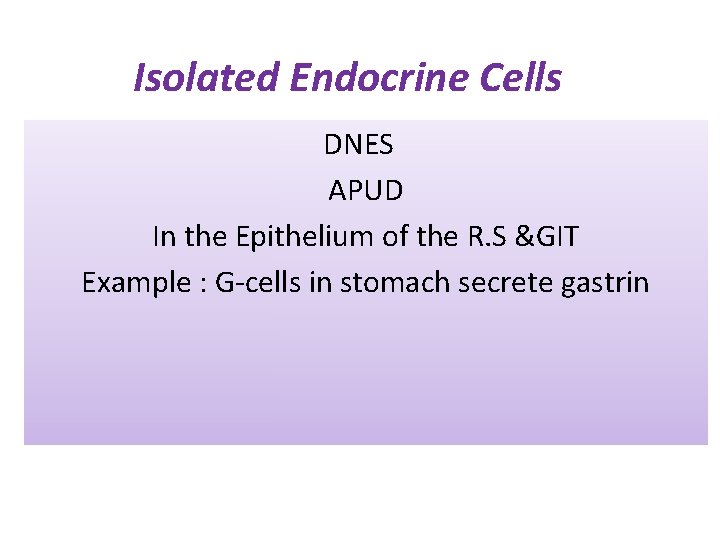
Isolated Endocrine Cells DNES APUD In the Epithelium of the R. S &GIT Example : G-cells in stomach secrete gastrin
Hormone A chemical substance produced in the body that controls and regulates the activity of certain cells or organs
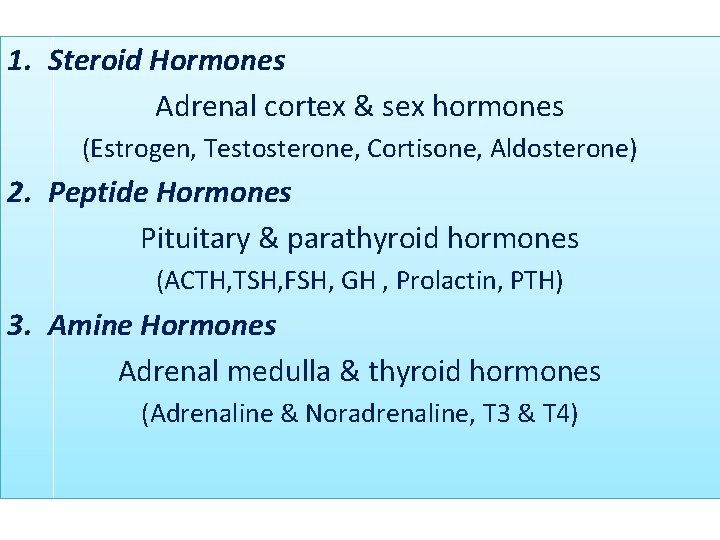
1. Steroid Hormones Adrenal cortex & sex hormones (Estrogen, Testosterone, Cortisone, Aldosterone) 2. Peptide Hormones Pituitary & parathyroid hormones (ACTH, TSH, FSH, GH , Prolactin, PTH) 3. Amine Hormones Adrenal medulla & thyroid hormones (Adrenaline & Noradrenaline, T 3 & T 4)
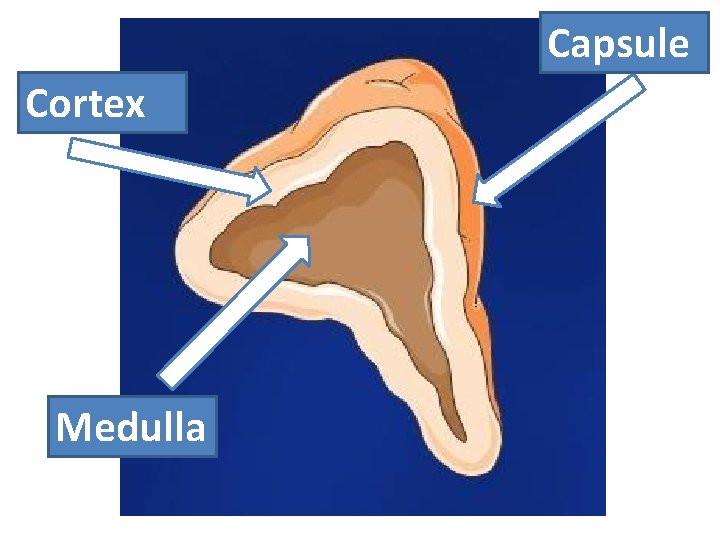
Capsule Cortex Medulla
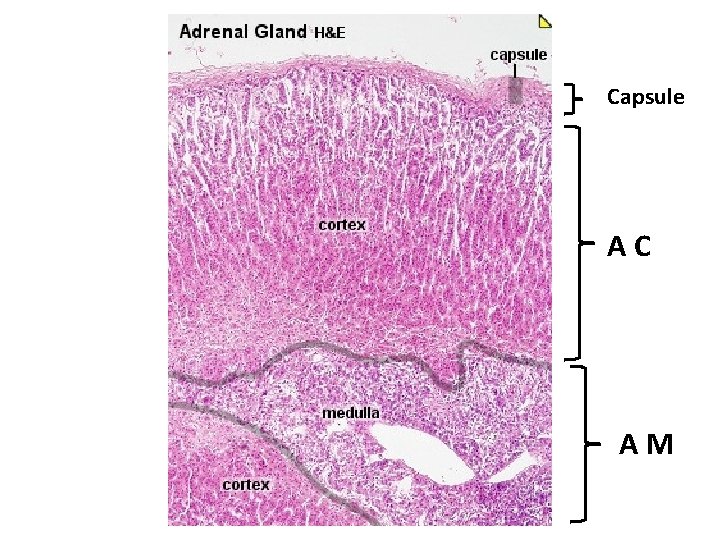
Capsule AC AM
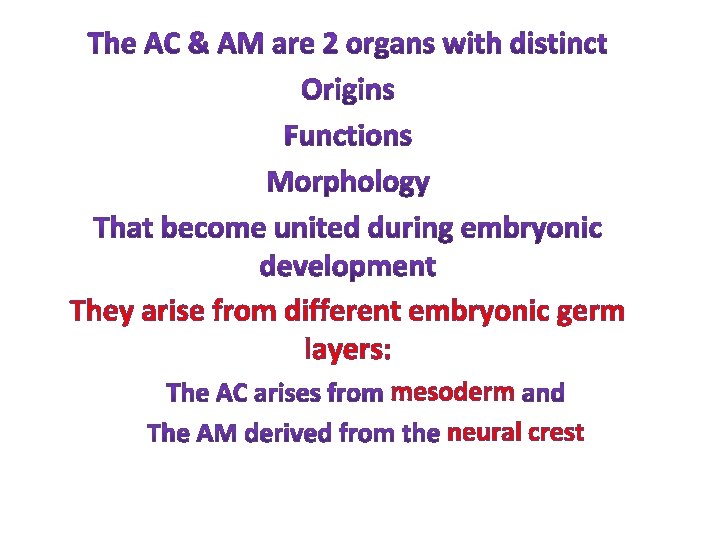
They arise from different embryonic germ layers: mesoderm neural crest
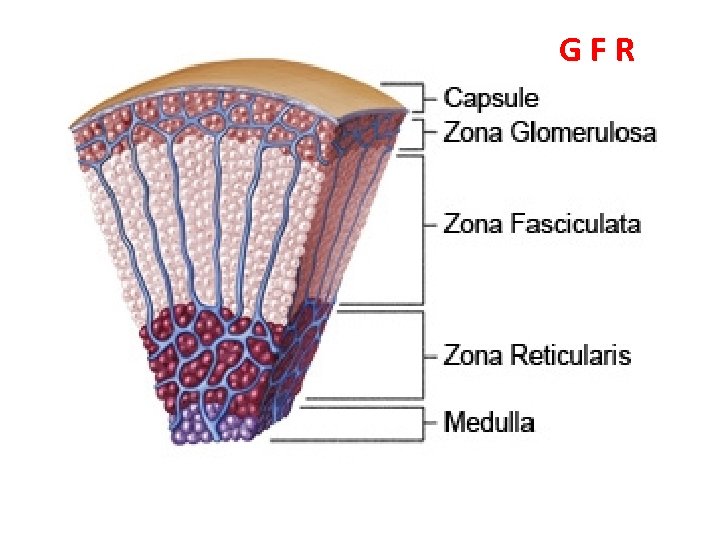
GFR
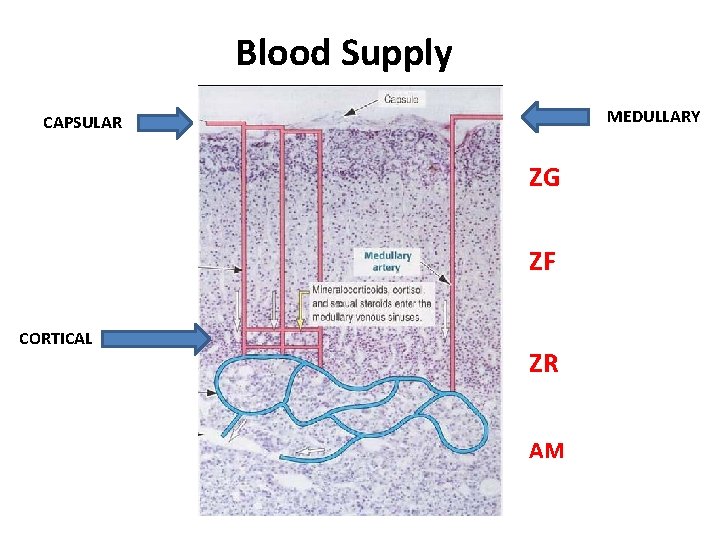
Blood Supply MEDULLARY CAPSULAR ZG ZF CORTICAL ZR AM
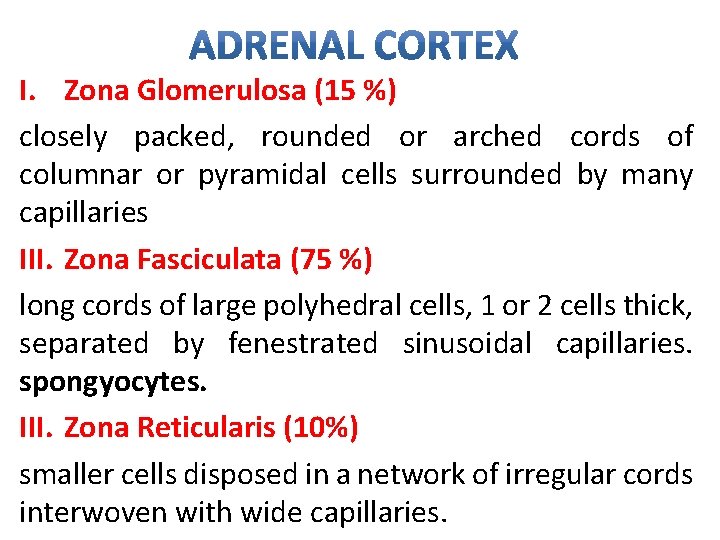
I. Zona Glomerulosa (15 %) closely packed, rounded or arched cords of columnar or pyramidal cells surrounded by many capillaries III. Zona Fasciculata (75 %) long cords of large polyhedral cells, 1 or 2 cells thick, separated by fenestrated sinusoidal capillaries. spongyocytes. III. Zona Reticularis (10%) smaller cells disposed in a network of irregular cords interwoven with wide capillaries.
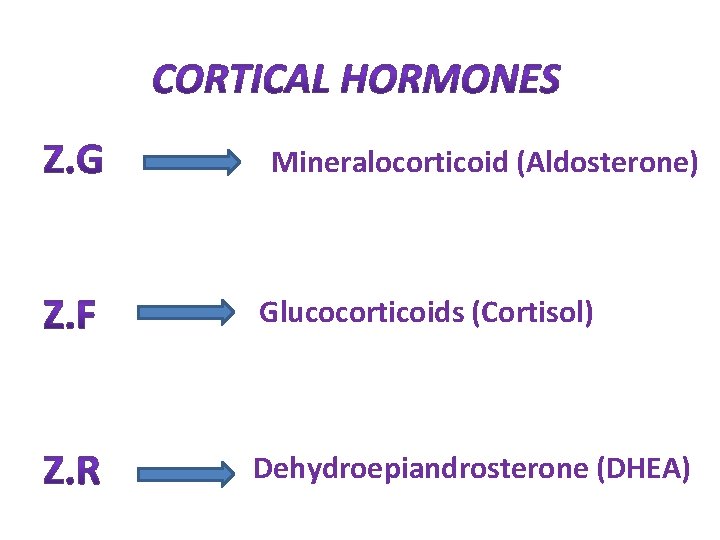
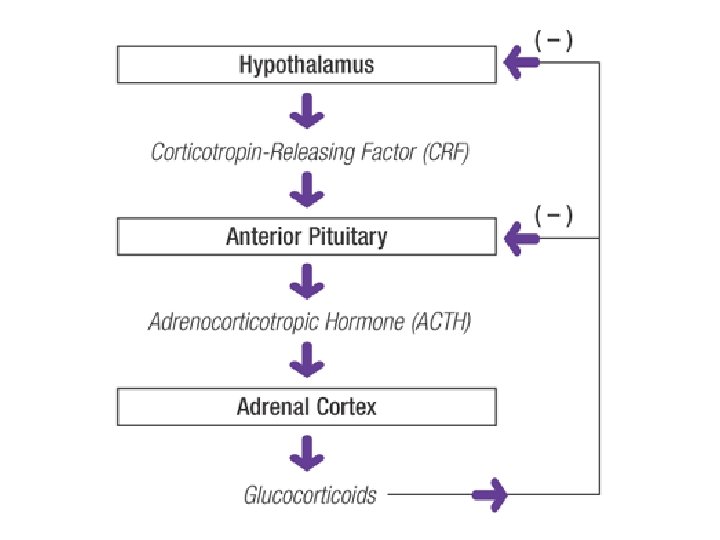
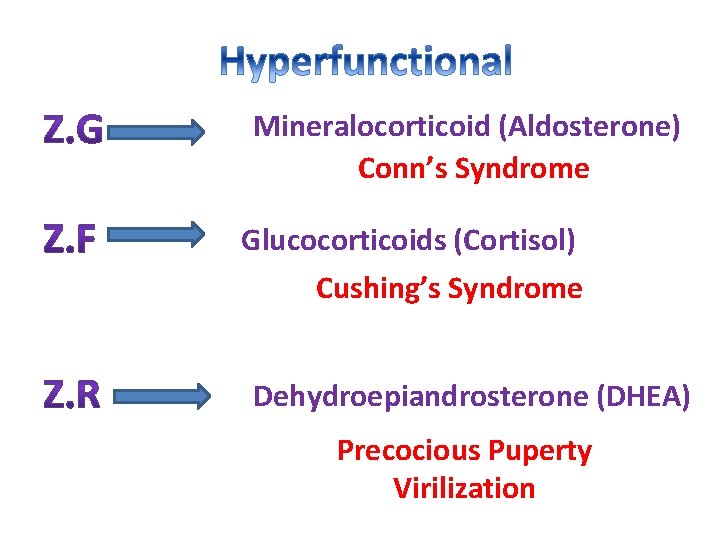
Mineralocorticoid (Aldosterone) Glucocorticoids (Cortisol) Dehydroepiandrosterone (DHEA)
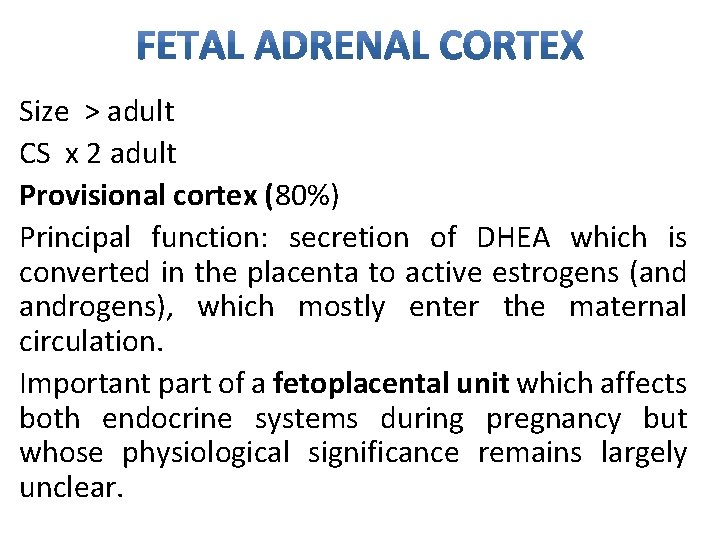
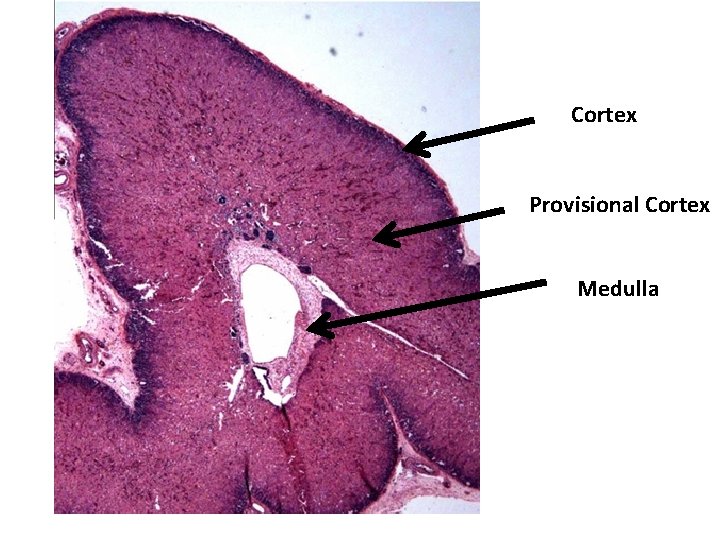
Size > adult CS x 2 adult Provisional cortex (80%) Principal function: secretion of DHEA which is converted in the placenta to active estrogens (and androgens), which mostly enter the maternal circulation. Important part of a fetoplacental unit which affects both endocrine systems during pregnancy but whose physiological significance remains largely unclear.
Cortex Provisional Cortex Medulla
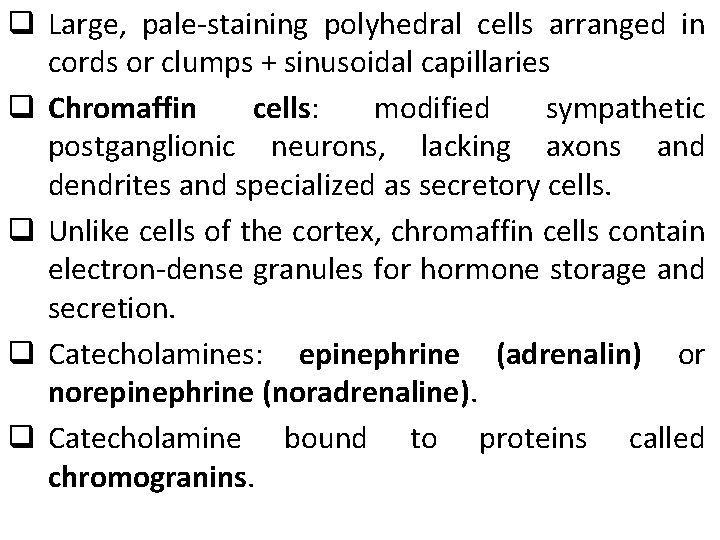
q Large, pale-staining polyhedral cells arranged in cords or clumps + sinusoidal capillaries q Chromaffin cells: modified sympathetic postganglionic neurons, lacking axons and dendrites and specialized as secretory cells. q Unlike cells of the cortex, chromaffin cells contain electron-dense granules for hormone storage and secretion. q Catecholamines: epinephrine (adrenalin) or norepinephrine (noradrenaline). q Catecholamine bound to proteins called chromogranins.
Catecholamines q About 80% is epinephrine. q E & NE are released to the blood in large quantities during intense emotional reactions, such as fright, and produce: vasoconstriction, increased blood pressure, changes in heart rate, and metabolic effects such as elevated blood glucose. q These effects facilitate various defensive reactions to the stressor (the fight-or-flight response).
Mineralocorticoid (Aldosterone) Conn’s Syndrome Glucocorticoids (Cortisol) Cushing’s Syndrome Dehydroepiandrosterone (DHEA) Precocious Puperty Virilization
DIFFUSE NEUROENDOCRINE SYSTEM q q q DNES Gastro-Entero-Pancreatic (GEP) endocrine cells. Enterochromaffin cells Argentaffin APUD (amine precursor uptake and decarboxylation )