
Dr Mehul Sheta VACCINES Immunizations Two artificial methods
- Slides: 17
Dr. Mehul Sheta VACCINES
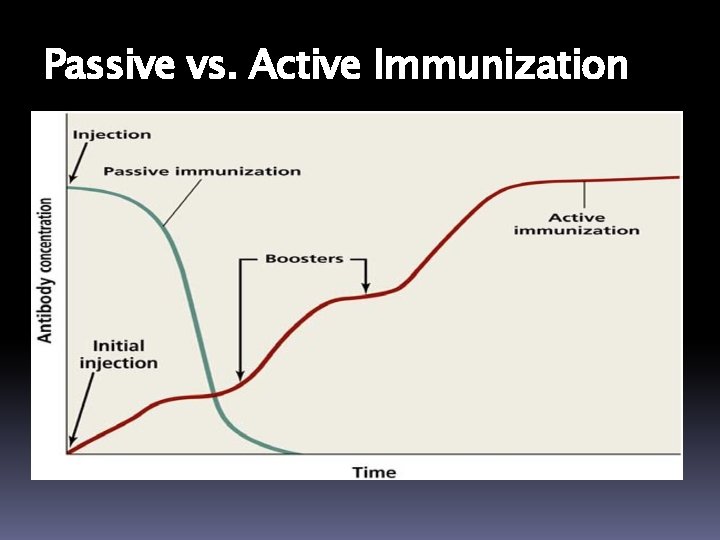
Immunizations Two artificial methods to make an individual immune to a disease Active immunization administration of a vaccine response Passive immunization Individual acquires immunity through the transfer of antibodies formed by an immune individual or animal
History of Immunization The Chinese - disease - variolation risk of death Edward Jenner - cowpoxvaccination mild disease Louis Pasteur developed a vaccine against Pasteurella multocida Transferring protective antibodies
Vaccination Problems Socioeconomic and political problems Inability to develop effective vaccines for some pathogens Vaccine-associated risks discourage investment in developing new vaccines
Vaccine Types Three general types of vaccines: Attenuated (live) Killed (inactivated) Toxoid
Attenuated Vaccines Uses pathogens that are active but have reduced virulence so they don’t cause disease Attenuation is the process of reducing virulence Viruses often attenuated by raising them in tissue culture cells for which they aren’t adapted until they lose the ability to produce disease Bacteria can be made avirulent by culturing under unusual conditions or through genetic manipulation
Attenuated Vaccines Can result in mild infections but no disease Contain replicating microbes that can stimulate a strong immune response due to the large number of antigen molecules Vaccinated individuals can infect those around them, providing herd immunity
Problems with Attenuated Vaccines Attenuated microbes may retain enough virulence to cause disease, especially in immuno-suppressed individuals Pregnant women should not receive live vaccines due to the risk of the modified pathogen crossing the placenta Modified viruses may occasionally revert to wild type or mutate to a virulent form
Inactivated Vaccines Can be either whole agent vaccines produced with deactivated but whole microbes, or subunit vaccines safer than live vaccines When microbes are killed must not alter the antigens responsible for stimulating protective immunity Formaldehyde is commonly used to inactivate microbes
Problems with Inactivated Vaccines Do not stimulate herd immunity Whole agent vaccines may stimulate a inflammatory response due to non antigenic portions of the microbe Antigenically weak since the microbes don’t reproduce and don’t provide many antigenic molecules to stimulate the immune response
Administration in high or multiple doses, or The incorporation of an adjuvant, can make the vaccine more effective Adjuvants are substances that increase the antigenicity of the vaccine Adjuvants may also stimulate local inflammation High and multiple vaccine doses may produce allergic reactions
Toxoid Vaccines Chemically or thermally modified toxins used to stimulate active immunity Useful for some bacterial diseases Stimulate antibody-mediated immunity Require multiple doses because they possess few antigenic determinants
Vaccine Safety Problems associated with immunization Mild toxicity is the most common problem May cause pain at the injection site can cause general malaise or fever high enough to induce seizures Anaphylactic shock Is an allergic reaction that may develop to a component of the vaccine
Residual virulence Attenuated viruses occasionally cause disease in healthy children or adults Allegations that certain vaccines against childhood diseases cause or trigger autism, diabetes, and asthma Research has not substantiated these allegations
Administration of preformed antibodies Used when protection against a recent infection or an ongoing disease the serum from human or animal donors that have been infected or immunized Serum used for passive immunizations is called antiserum
Passive vs. Active Immunization