
Dr Maram Abdaljaleel MD School of Medicine University

Dr Maram Abdaljaleel, MD School of Medicine, University of Jordan
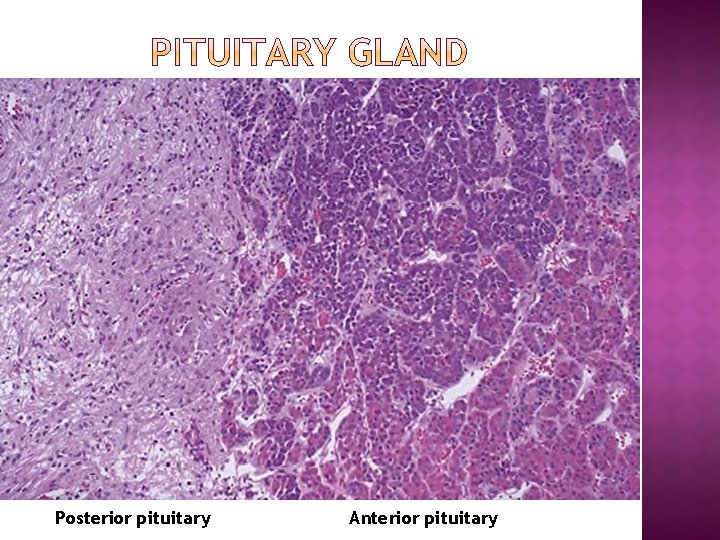
Posterior pituitary Anterior pituitary
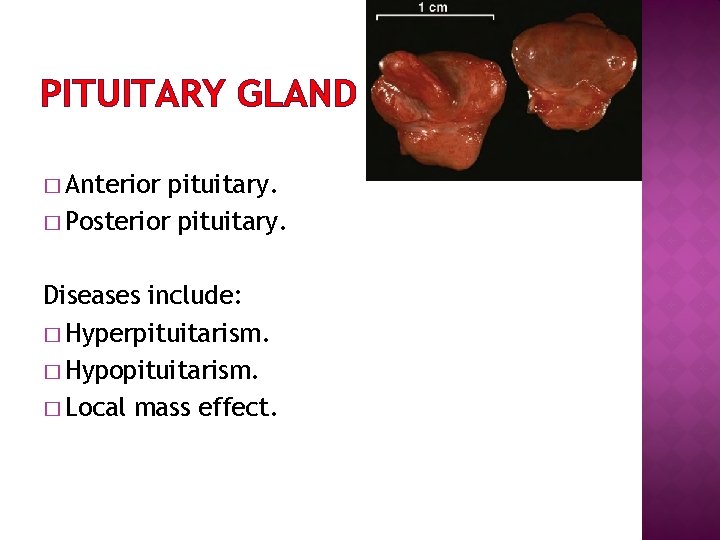
PITUITARY GLAND � Anterior pituitary. � Posterior pituitary. Diseases include: � Hyperpituitarism. � Hypopituitarism. � Local mass effect.
HYPERPITUITARISM � pituitary adenoma arising in the anterior lobe is the most common cause of hyperpituitarism � Other causes includes; pituitary hyperplasia and carcinomas, secretion of hormones by some extrapituitary tumors, and certain hypothalamic disorders
� Pituitary adenomas are classified on the basis of hormone(s) produced by the neoplastic cells. � Pituitary adenomas can be macroadenomas (>1 cm) or microadenomas (<1 cm). � Pituitary adenomas can be: functional (hormone producing) nonfunctioning (not producing hormone) Silent (hormone production at the tissue level only, without clinical manifestations).
� adenomas usually are composed of a single cell type and produce at most a single predominant hormone, but some pituitary adenomas secrete two different hormones (GH and prolactin is the most common combination); rarely, plurihormonal.
� mutations in GNAS resulting in activation of the α subunit of a G-protein. � 5% of adenomas arise with familial syndromes.
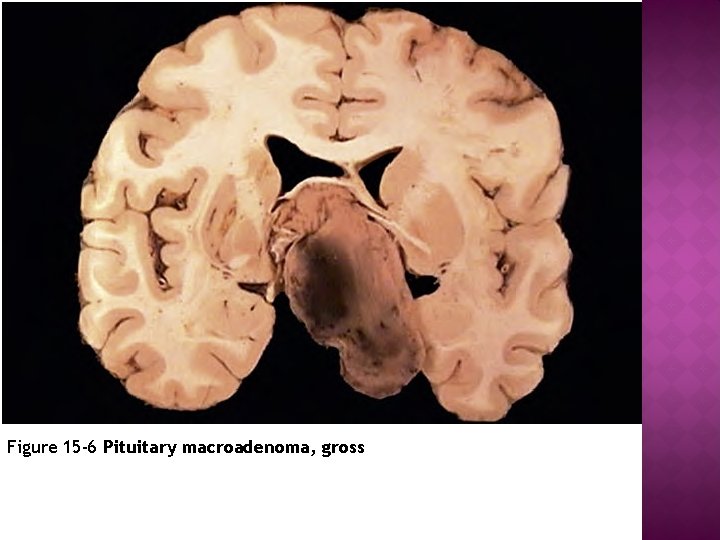
Figure 15 -6 Pituitary macroadenoma, gross
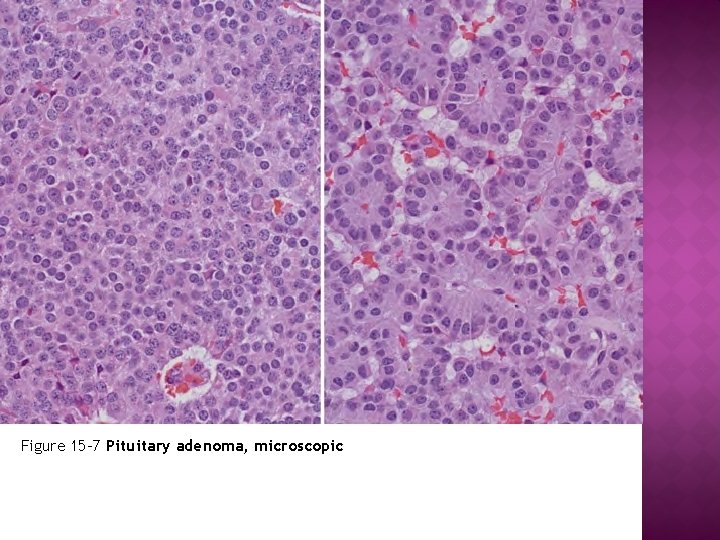
Figure 15 -7 Pituitary adenoma, microscopic
1. PROLACTINOMAS � Are the most common type of functioning adenoma accounting for 30% of all clinically recognized cases � Hyperprolactinemia causes amenorrhea, galactorrhea, loss of libido, and infertility. � Because amenorrhea is one of the symptoms of hyperprolactinemia, , prolactinomas in premenopausal women are diagnosed at an earlier stage � By contrast, the effects of hyperprolactinemia are subtle in men and older women tumor may reach a large size before coming to
2. GROWTH HORMONE-PRODUCING ADENOMAS - The second most common type of functioning pituitary adenoma. Results in excessive growth hormone production
1. If a growth hormone-secreting adenoma occurs in prepubertal children (before the epiphyses close) it results in gigantism generalized increase in body size, with disproportionately long arms and legs. 2. If elevated levels of growth hormone present after closure of the epiphyses, individuals develop acromegaly a. Growth is most conspicuous in soft tissues, skin, and viscera. b. Jaw enlargement, protrusion and separation of the teeth. c. Enlarged hands and feet, with broad sausage-like
� Persistent growth hormone excess is associated with metabolic abnormalities namely diabetes mellitus. � because of growth hormone–induced peripheral insulin resistance, which “blunts” the body’s response to elevated glucose levels
3. ADRENOCORTICOTROPIC HORMONE– PRODUCING (CORTICOTROPH CELL) ADENOMAS: - Causes hypercortisolism (Cushing syndrome) When the hypercortisolism is caused by excessive production of ACTH by the pituitary, the process is designated Cushing disease.
THE POSTERIOR PITUITARY Produces two hormones: oxytocin and ADH : 1. ADH deficiency causes diabetes insipidus, excessive urination (polyuria), polydipsia and increased serum sodium and osmolality. Causes : head trauma, neoplasms, inflammatory conditions of hypothalamus and posterior pituitary, or idiopathic. 2. Syndrome of inappropriate ADH (SIADH) secretion, resorption of excessive amounts of free water, with resultant hyponatremia, cerebral edema and neurologic dysfunction.
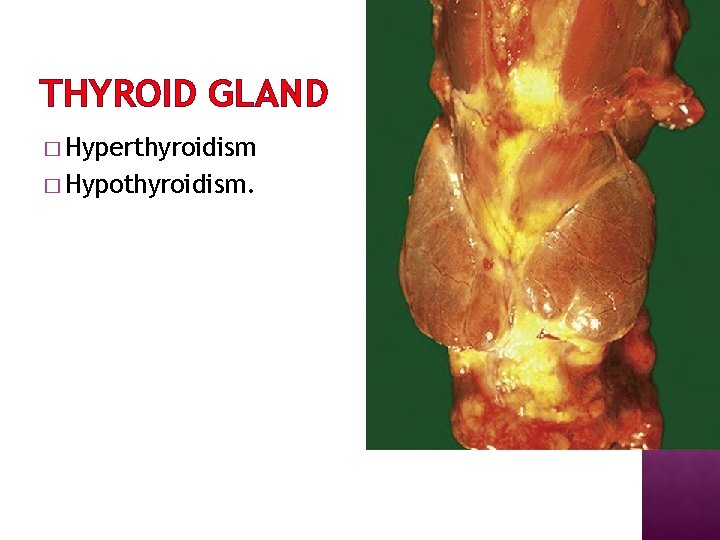
THYROID GLAND � Hyperthyroidism � Hypothyroidism.
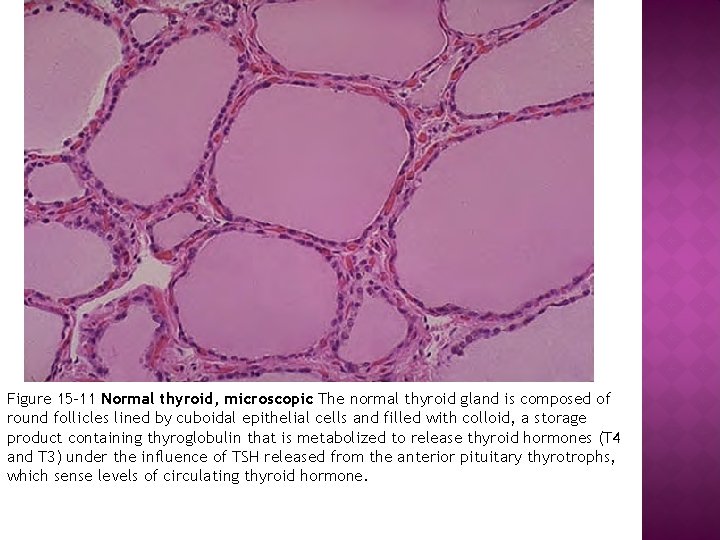
Figure 15 -11 Normal thyroid, microscopic The normal thyroid gland is composed of round follicles lined by cuboidal epithelial cells and filled with colloid, a storage product containing thyroglobulin that is metabolized to release thyroid hormones (T 4 and T 3) under the influence of TSH released from the anterior pituitary thyrotrophs, which sense levels of circulating thyroid hormone.
- Slides: 17