
Dr Jarnail Singh Civil Aviation Authority of Singapore












- Slides: 57
Dr. Jarnail Singh Civil Aviation Authority of Singapore
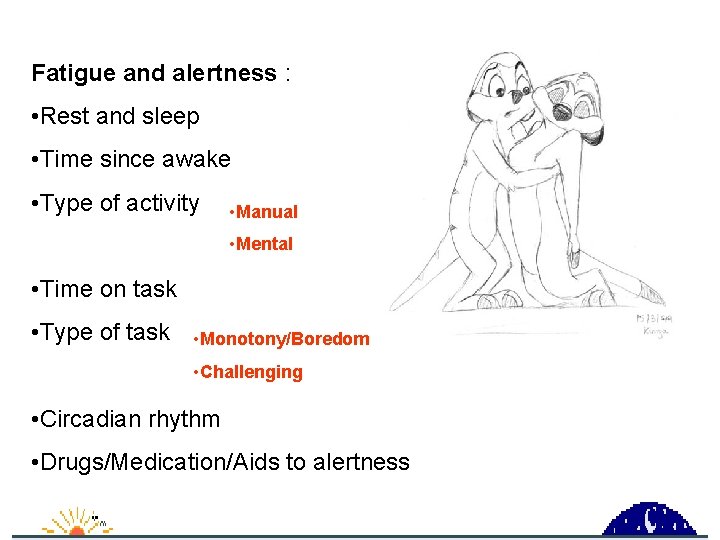
Fatigue and alertness : • Rest and sleep • Time since awake • Type of activity • Manual • Mental • Time on task • Type of task • Monotony/Boredom • Challenging • Circadian rhythm • Drugs/Medication/Aids to alertness
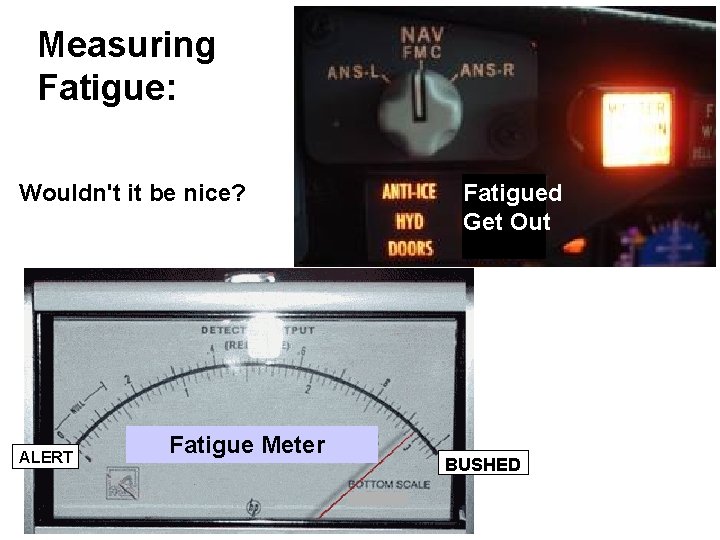
Measuring Fatigue: Wouldn't it be nice? ALERT Fatigue Meter Fatigued Get Out BUSHED
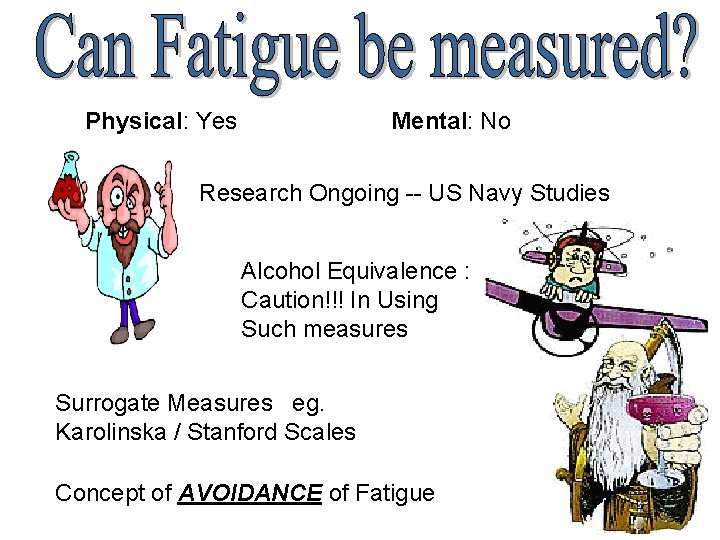
Physical: Yes Mental: No Research Ongoing -- US Navy Studies Alcohol Equivalence : Caution!!! In Using Such measures Surrogate Measures eg. Karolinska / Stanford Scales Concept of AVOIDANCE of Fatigue
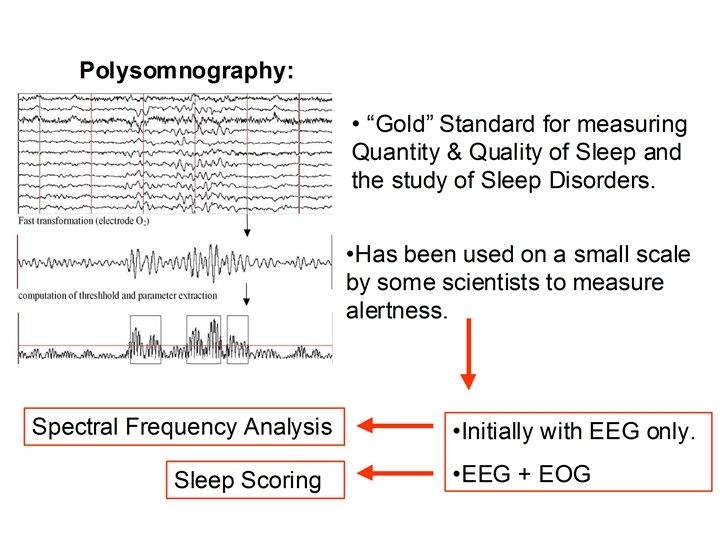
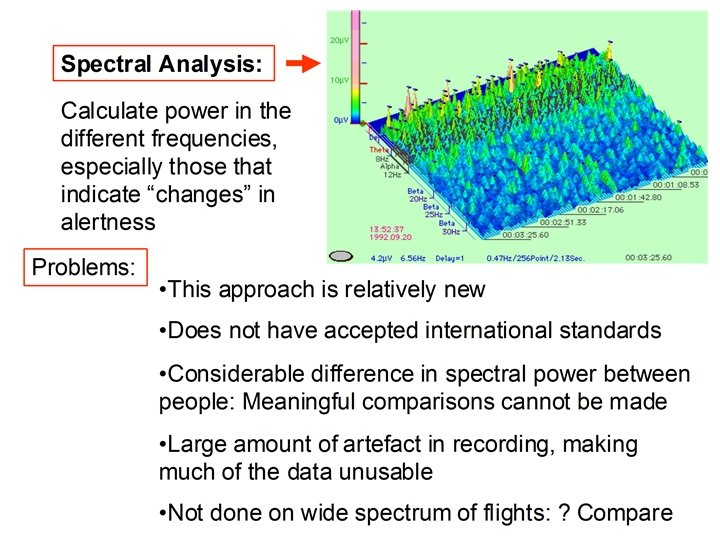
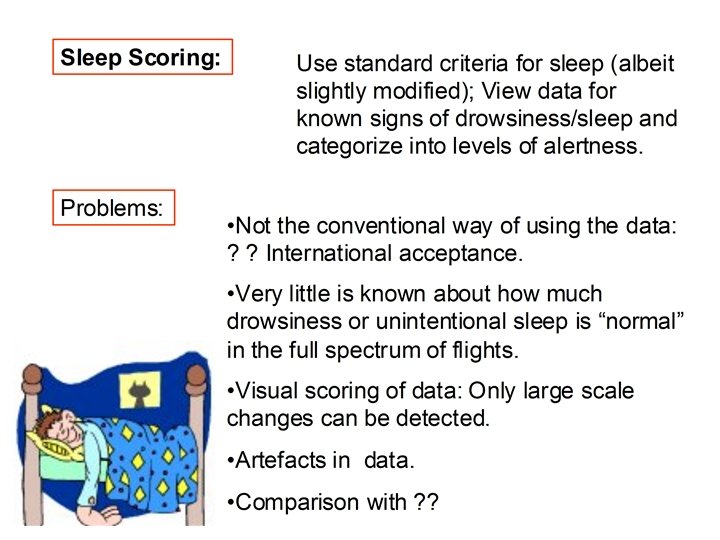
*Sleep Vs Wakefulness -- EEG (Polysomnography) *Psychomotor Vigilance Tests: • Simple Reaction Time • Choice Reaction Time • Tracking Tasks • etc *Performance Based Measures: LOSA, FOQA etc
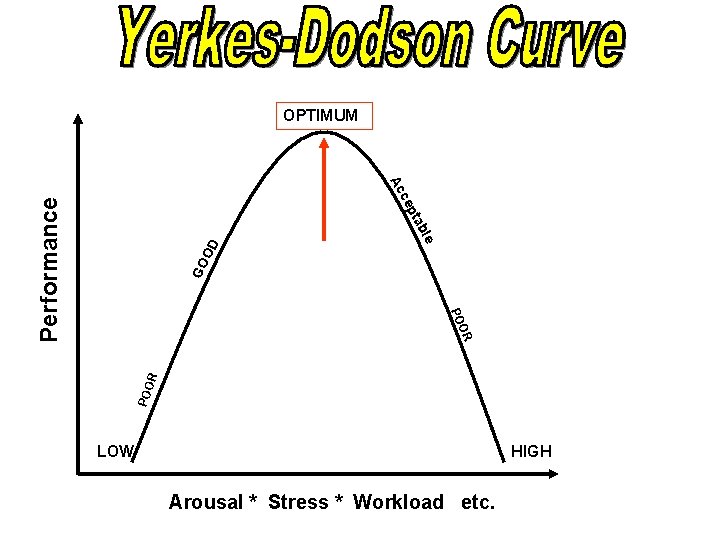
OPTIMUM GO le OD tab Performance p ce Ac POO R OR PO LOW HIGH Arousal * Stress * Workload etc.
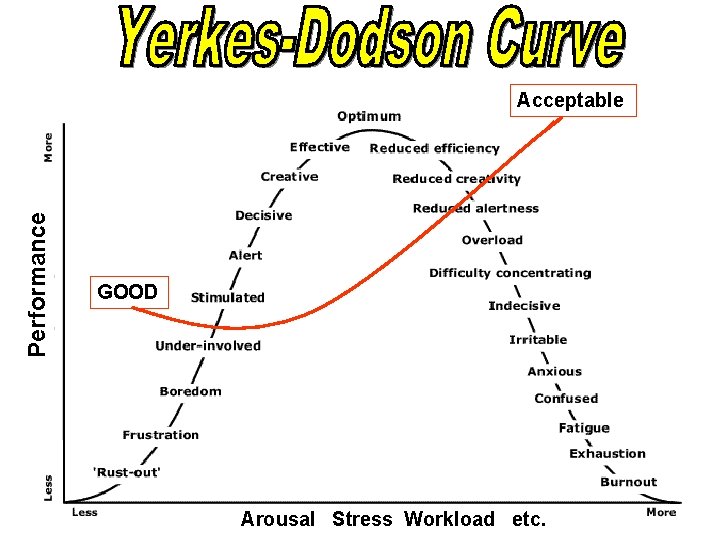
Performance Acceptable GOOD Arousal Stress Workload etc.
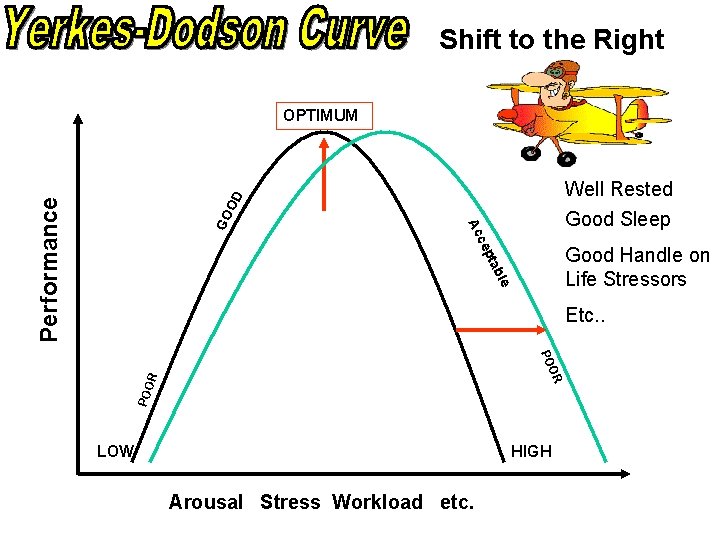
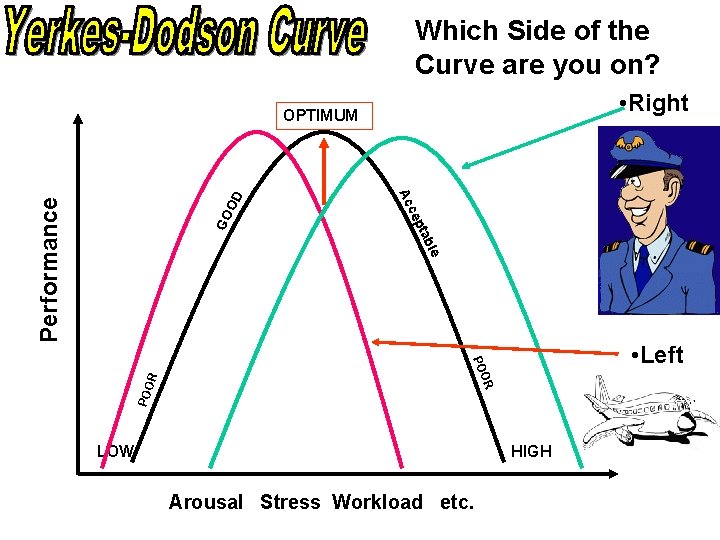
Shift to the Right ce Performance Well Rested Good Sleep Ac GO OD OPTIMUM ble pta Good Handle on Life Stressors Etc. . POO R OR PO LOW HIGH Arousal Stress Workload etc.
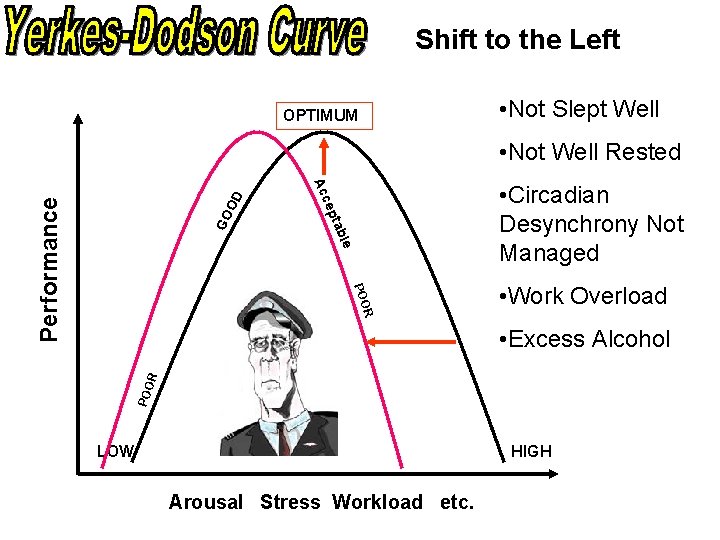
Shift to the Left • Not Slept Well OPTIMUM • Circadian Desynchrony Not Managed le tab cep Performance Ac GO OD • Not Well Rested POO • Work Overload R POO R • Excess Alcohol LOW HIGH Arousal Stress Workload etc.
General Idea:
NOT a good example of a person with reserves and spare mental capacity
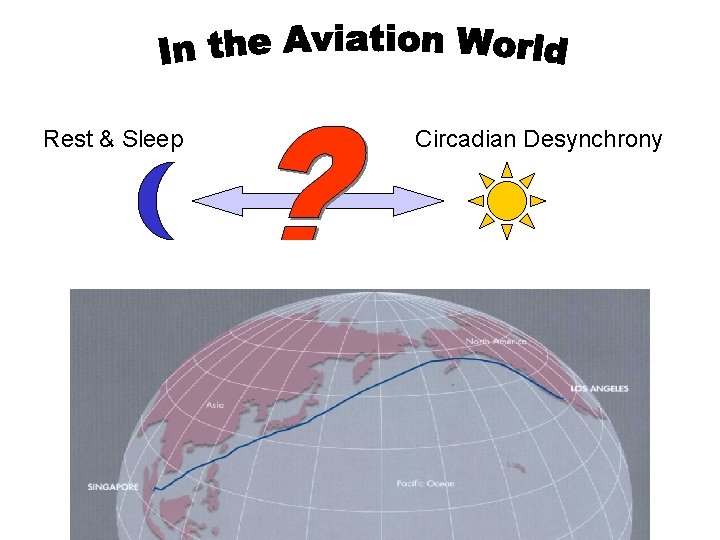
Rest & Sleep Circadian Desynchrony
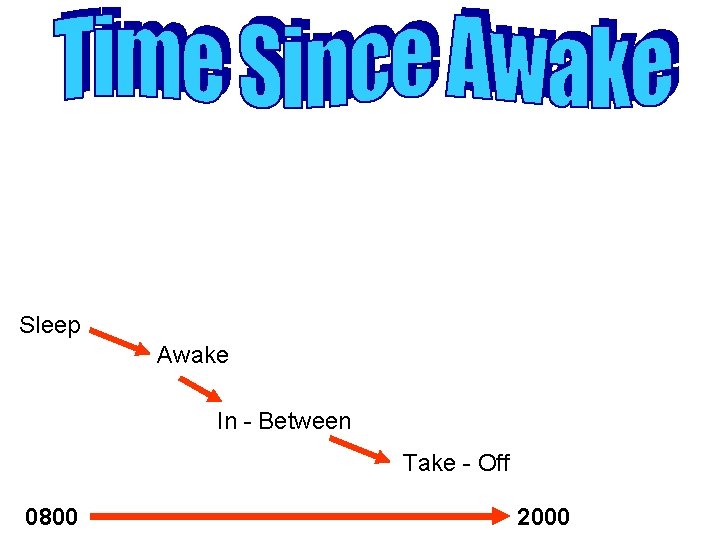
Sleep Awake In - Between Take - Off 0800 2000
Which Side of the Curve are you on? • Right Performance • Left POO OR PO R ble pta ce Ac GO OD OPTIMUM LOW HIGH Arousal Stress Workload etc.
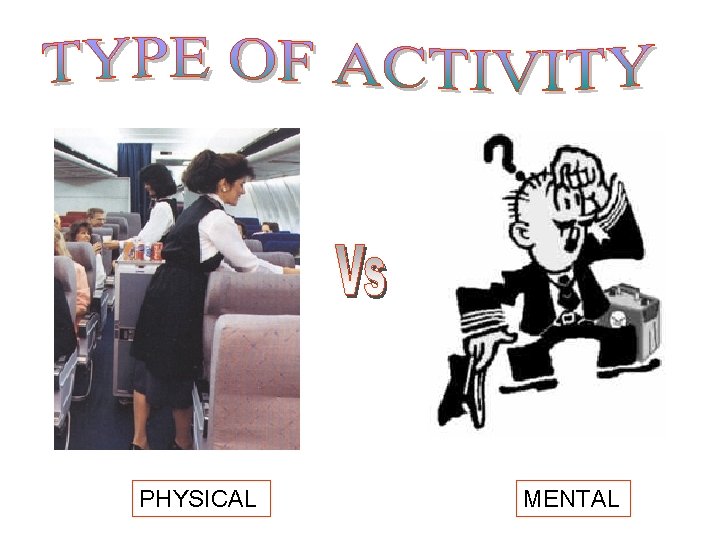
PHYSICAL MENTAL
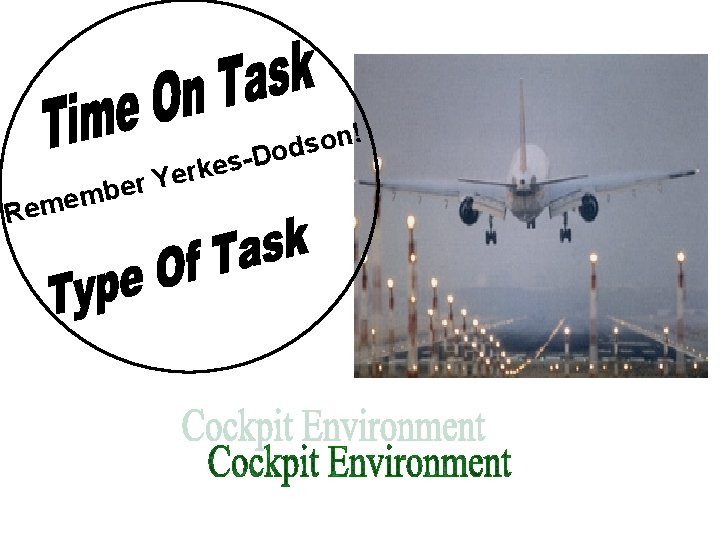
! n o s d o D rkes Rem e Y r e emb
A
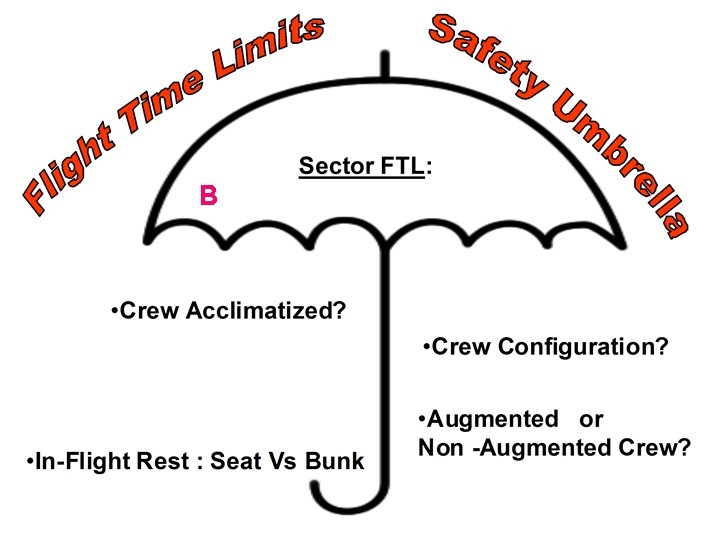
B
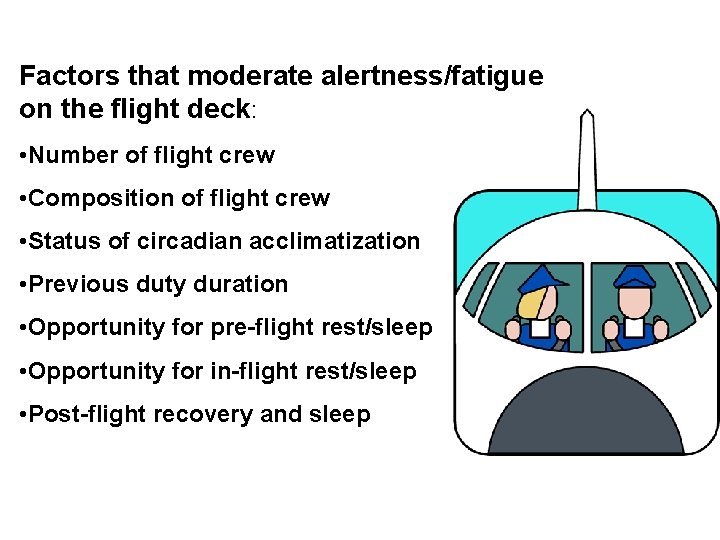
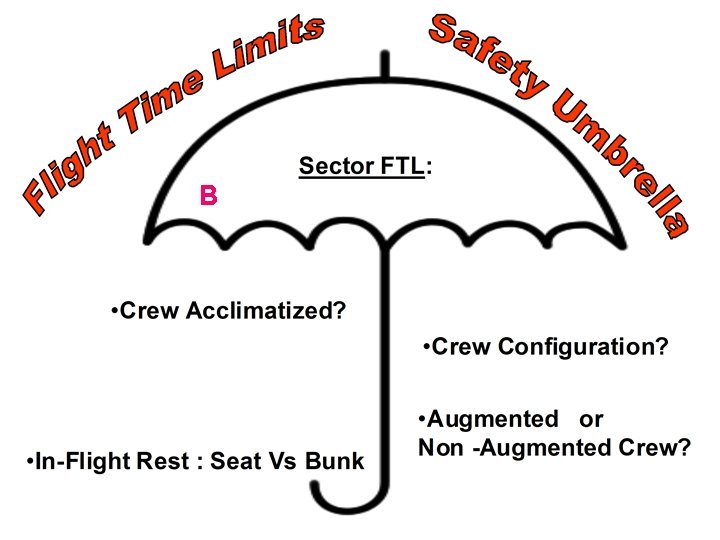
Factors that moderate alertness/fatigue on the flight deck: • Number of flight crew • Composition of flight crew • Status of circadian acclimatization • Previous duty duration • Opportunity for pre-flight rest/sleep • Opportunity for in-flight rest/sleep • Post-flight recovery and sleep
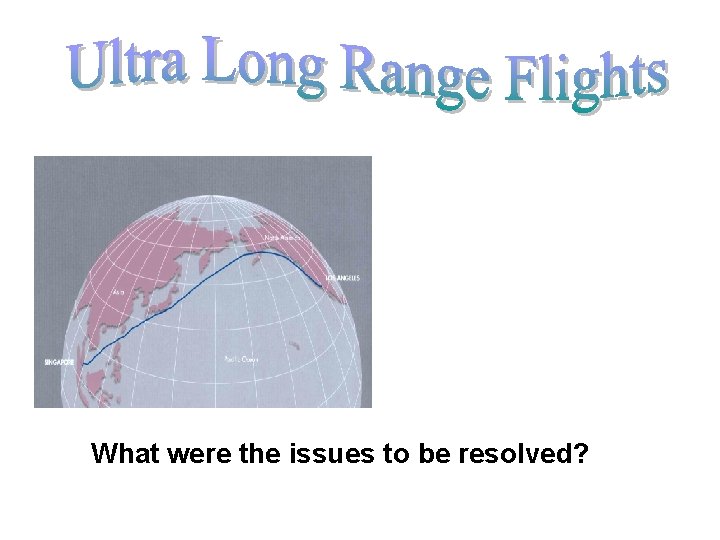
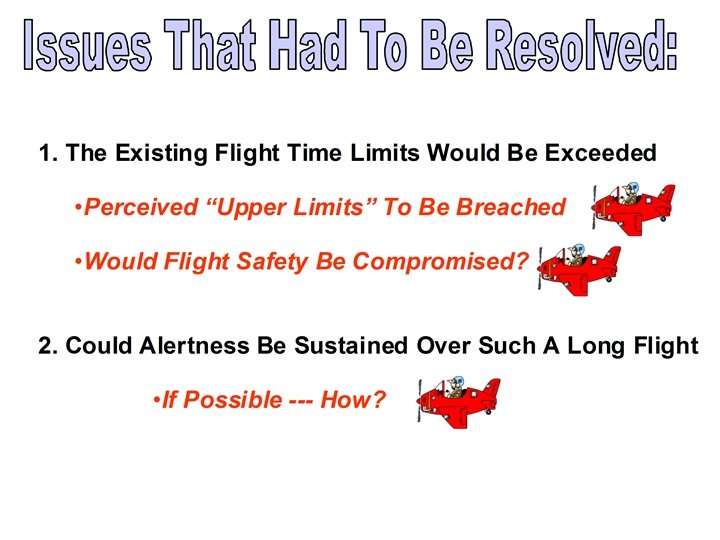
What were the issues to be resolved?
B
Departure windows that factor in circadian shifts and a systematically thought out plan for rest/sleep in the overall duty cycle, alongside appropriate crewing, are the key to maintaining alertness.
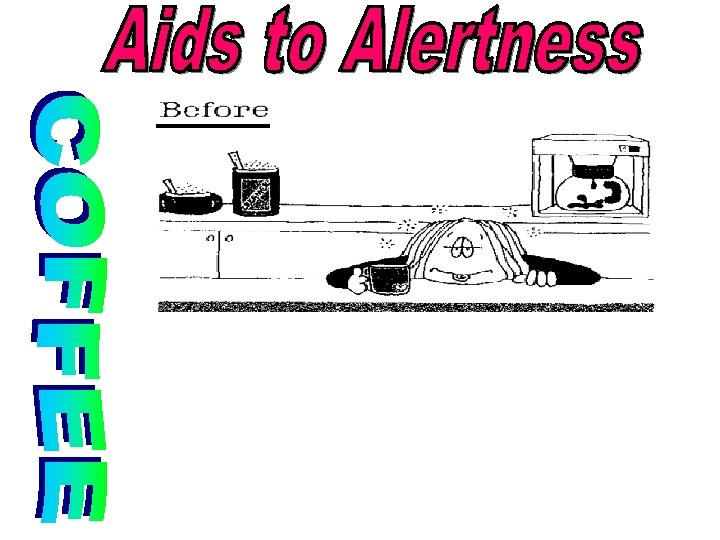
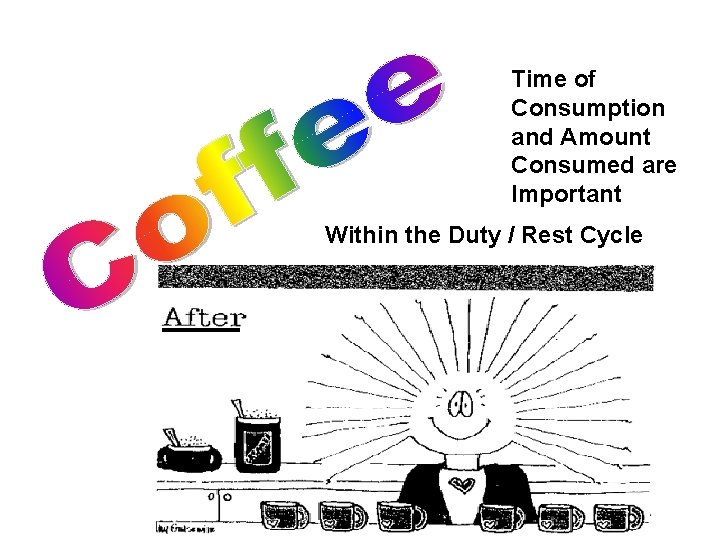
Time of Consumption and Amount Consumed are Important Within the Duty / Rest Cycle
What a coincidence, so does he
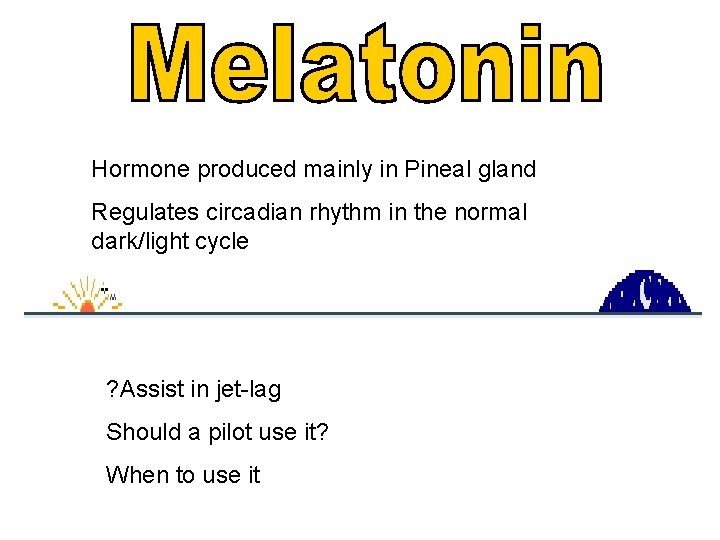
Hormone produced mainly in Pineal gland Regulates circadian rhythm in the normal dark/light cycle ? Assist in jet-lag Should a pilot use it? When to use it
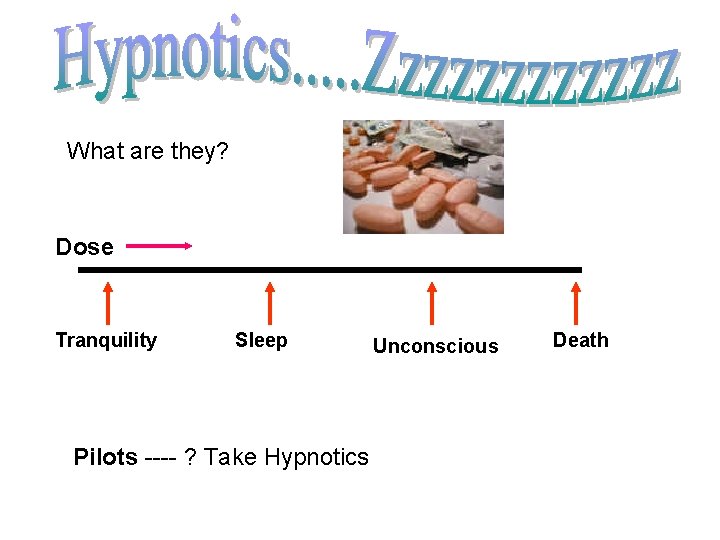
What are they? Dose Tranquility Sleep Pilots ---- ? Take Hypnotics Unconscious Death
Humans (like all animals) are creatures of habit Establish sleep habits --- follow the routine Healthy Life Style Essential Moderation is the key
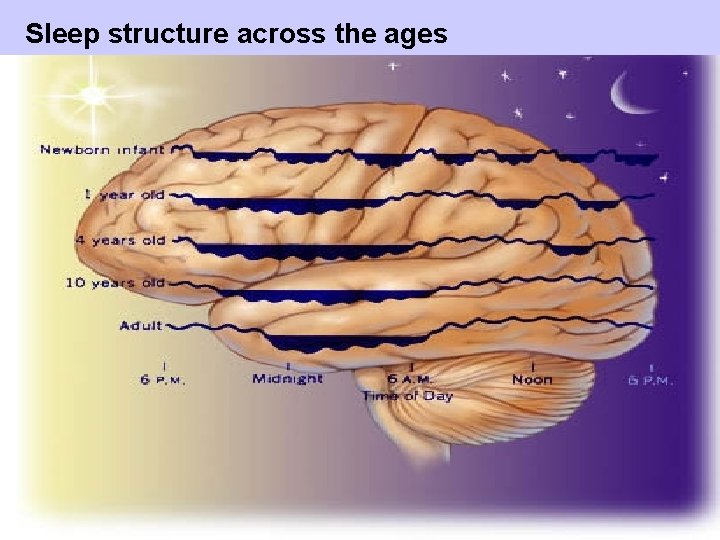
Sleep structure across the ages
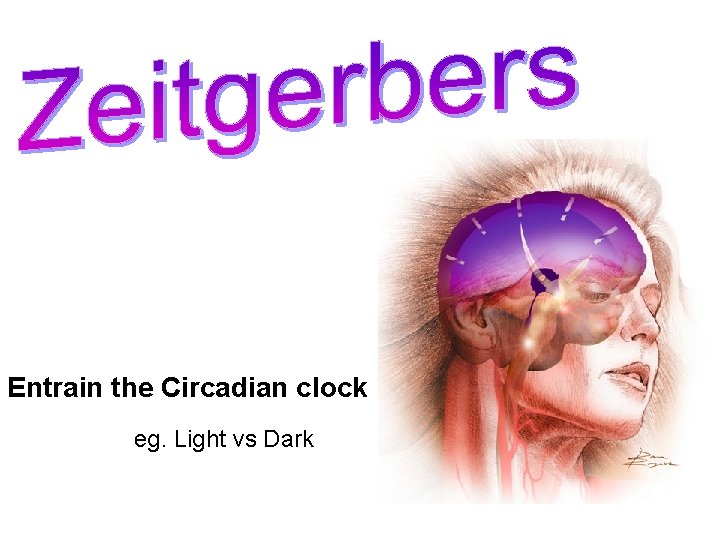
Entrain the Circadian clock eg. Light vs Dark
CAP 371 We know the factors leading to fatigue. Fatigue is difficult to quantify “Cut-off” points for fatigue cannot be determined Avoidance of Fatigue Factors is the BEST Bet
Are Saying The Same Thing It Is Just Packaged Differently
1. Fatigue remains a problem among pilots 2. Regulators, Pilots and Airline Operators all have a part to play 3. Current regulations (FTLs) require revision 4. Definitions within the regulations need to be crafted/refined to remove ambiguity (of interpretation) 5. Overarching prescriptive limits likely to remain 6. Fatigue Risk Management will come in within the ambit of the overarching prescriptive limits