
Dr C Mercy Assistant professor PG Department of


- Slides: 22
Dr. C. Mercy, Assistant professor, PG Department of zoology, Sarah Tucker College, Tirunelveli.
LIPIDS Defenition Easters of alcohol and fatty acids Lipids are water insoulable. , oil , soluable in nonpolar organic solvent
l • Lipids was first introduced by german • biochemist BLOOR in 1943. lipids are important constituent of due to higher energy value. one gram lipid yeilds 9. 3 kilocalories. same amount cho or protein 4. 2. • The lipids heterogenous group of compounds • Reiated to fatty acids.
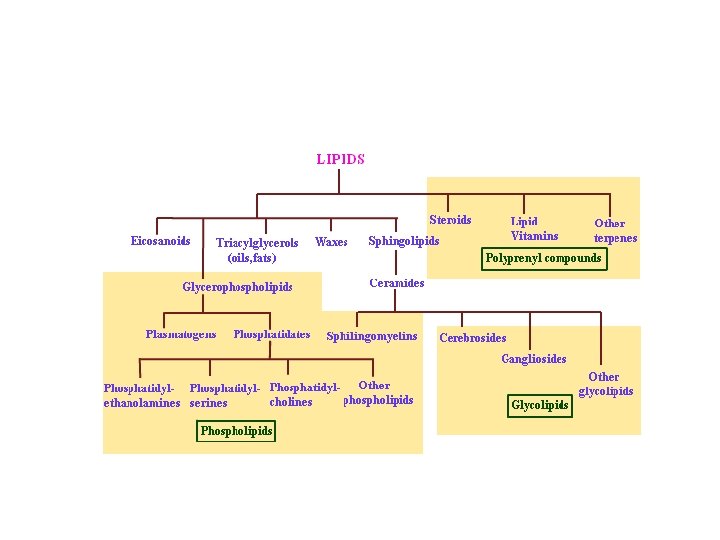
• • • • COMMON LIPIDS Fats Oils Waxes Phospholipids Glycolipids Cerebrosides Sulpholipids Steroids Terpens Carotnoids Someharmones vitamines
• Chemical Properties • Lipids are hydrophobic, which means that they repel water or do not dissolve in water. The tail of all lipid molecules is hydrophobic, while the head of some lipid molecules, like phospholipids and fatty acids, is hydrophilic, or water loving. Because those lipids have two opposing ends with different polarity, they are non-polar, while water is polar. This explains why, when an oil or fat is added to water, it does not mix and you can visibly see the different solutions.
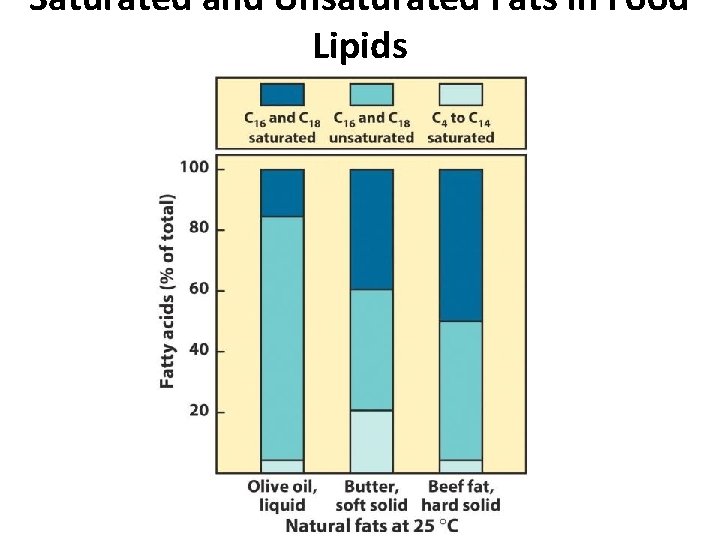
• Organic Compounds • All lipids are organic compounds, which means that they all contain carbon in their chemical makeup. The structure and chemical bonding of the carbon atoms differs among the different types of lipid molecules, which gives each lipid a slightly different property. For example, fats that have many hydrogen bonds, called hydrogenated fats, are often solid at room temperature, whereas fats with more double bonds between the carbons and fewer hydrogen bonds are often liquid at room temperature
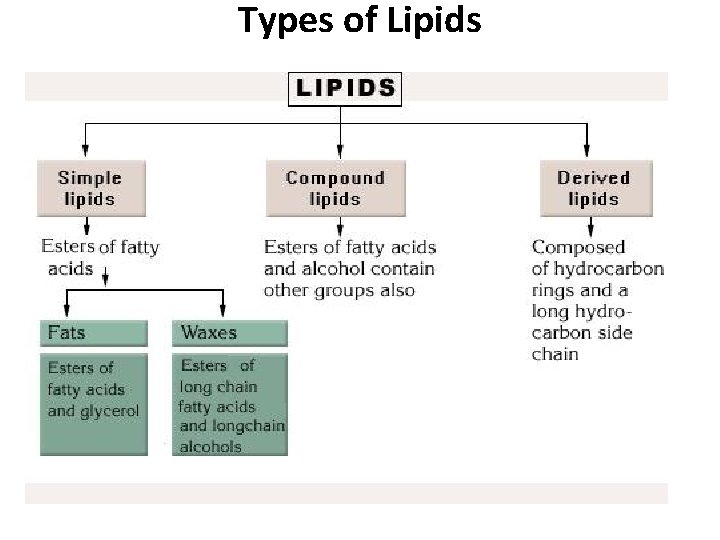
Types of Lipids •
• Simple Lipids or Homolipids • Simple lipids are the esters of fatty acids with various alcohols. Fats and Oils (triglycerides and triacylglycerols) - These are esters of fatty acids with a trihydroxy alcohol, glycerol. A fat is solid at ordinary room temperature, an oil is liquid. Simple Triglycerides - Simple triglycerides are one in which three fatty acids radicles are similar or are of the same type. Example: Tristearin, Triolein. Mixed Triglycerides are one in which the three fatty acids radicles are different from each other. Example: distearo-olein, .
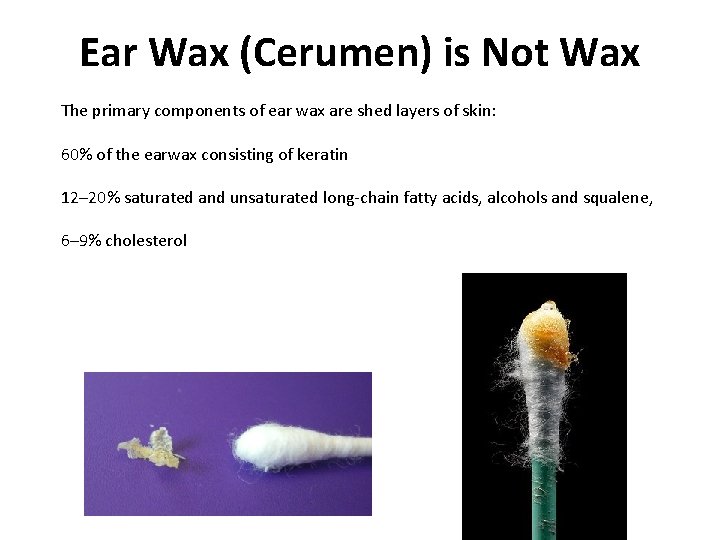
Ear Wax (Cerumen) is Not Wax The primary components of ear wax are shed layers of skin: 60% of the earwax consisting of keratin 12– 20% saturated and unsaturated long-chain fatty acids, alcohols and squalene, 6– 9% cholesterol
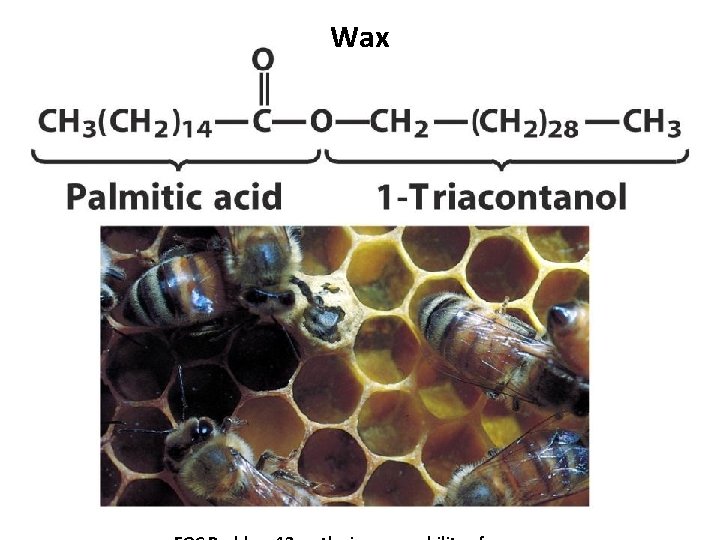
Wax
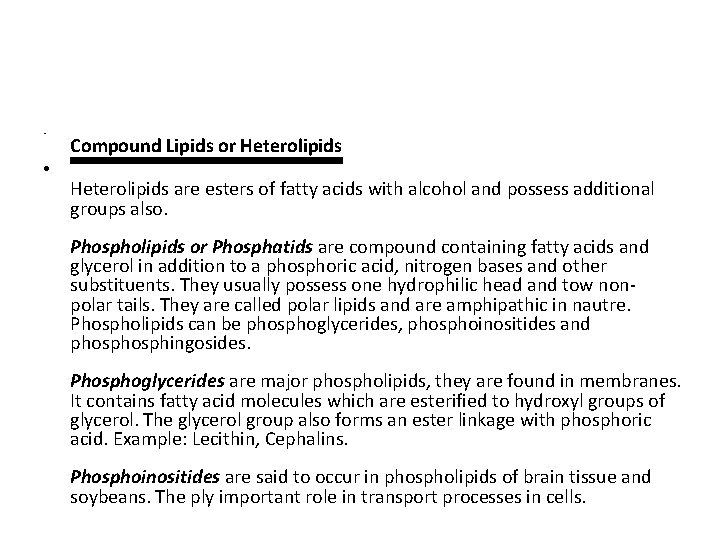
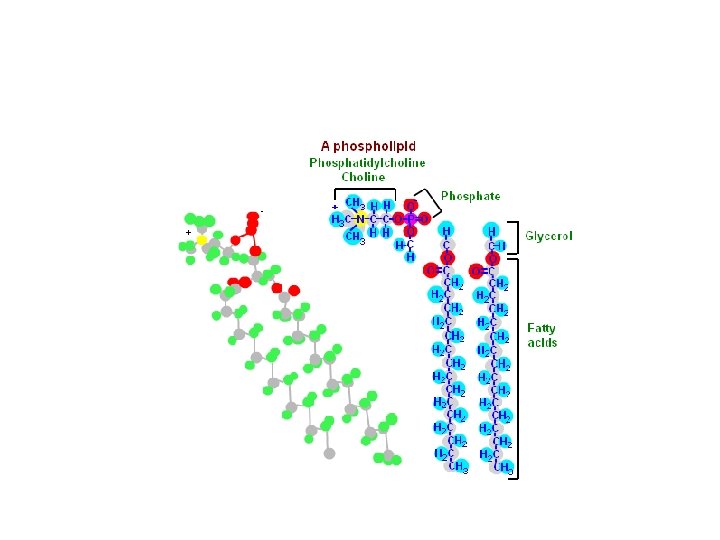
• • Compound Lipids or Heterolipids are esters of fatty acids with alcohol and possess additional groups also. Phospholipids or Phosphatids are compound containing fatty acids and glycerol in addition to a phosphoric acid, nitrogen bases and other substituents. They usually possess one hydrophilic head and tow nonpolar tails. They are called polar lipids and are amphipathic in nautre. Phospholipids can be phosphoglycerides, phosphoinositides and phosphingosides. Phosphoglycerides are major phospholipids, they are found in membranes. It contains fatty acid molecules which are esterified to hydroxyl groups of glycerol. The glycerol group also forms an ester linkage with phosphoric acid. Example: Lecithin, Cephalins. Phosphoinositides are said to occur in phospholipids of brain tissue and soybeans. The ply important role in transport processes in cells.
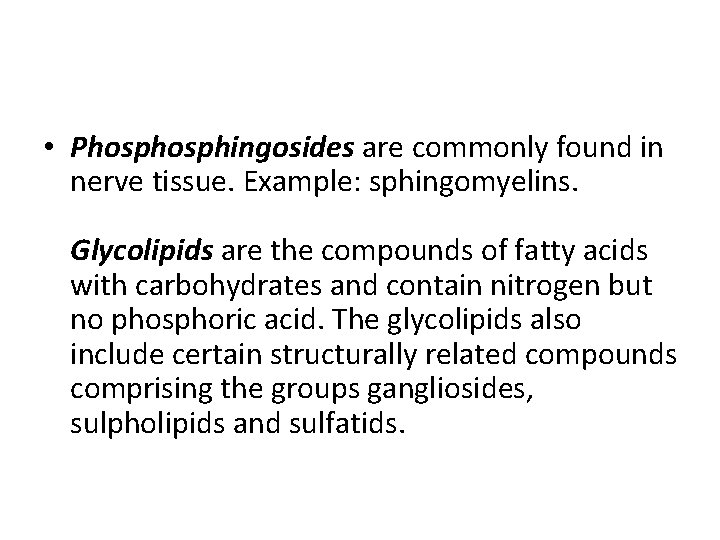
• Phosphingosides are commonly found in nerve tissue. Example: sphingomyelins. Glycolipids are the compounds of fatty acids with carbohydrates and contain nitrogen but no phosphoric acid. The glycolipids also include certain structurally related compounds comprising the groups gangliosides, sulpholipids and sulfatids.
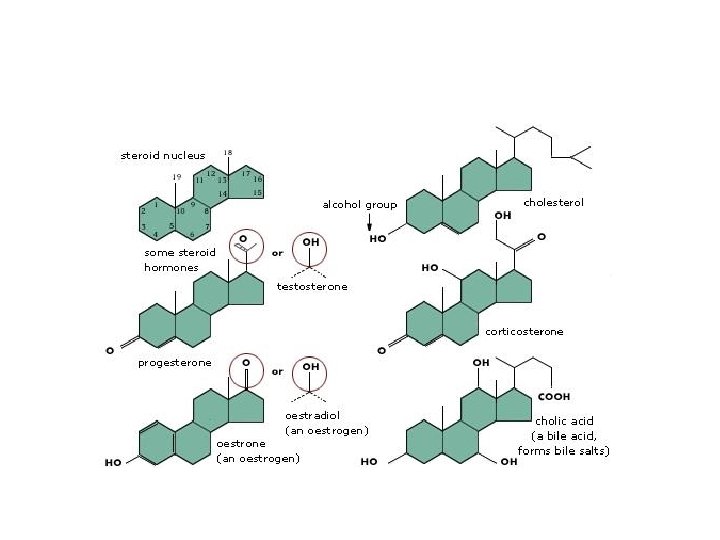
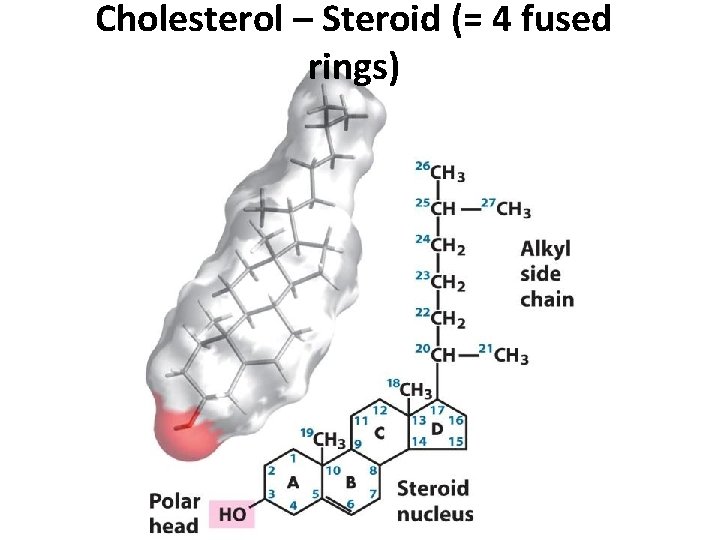
• Derived Lipids • Derived lipids are the substances derived from simple and compound lipids by hydrolysis. These includes fatty acids, alcohols, monoglycerides and diglycerides, steroids, terpenes, carotenoids. The most common derived lipids are steroids, terpenes and carotenoids. Steroids do not contain fatty acids, they are nonsaponifiable, and are not hydrolyzed on heating. They are widely distributed in animals, where they are associated with physiological processes. Example: Estranes, androstranes, etc.
• terpenes in majority are found in plants. Example: Natural rubber. gernoil, etc. Carotenoids are tetraterpenes. They are widely distributed in both plants and animals. They are exclusively of plant origin. Due to the presence of many conjugated double bonds, they are colored or yellow. Example: Lycopreene, carotenes, Xanthophylls.
Cholesterol – Steroid (= 4 fused rings)
Saturated and Unsaturated Fats in Food Lipids
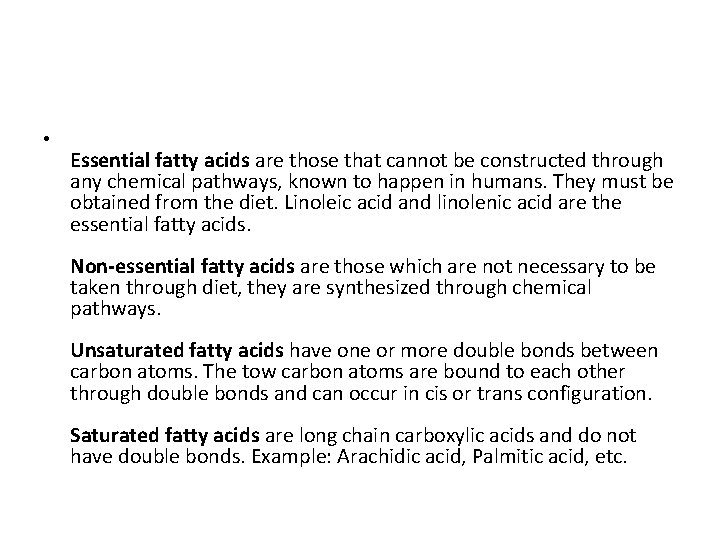
• Essential fatty acids are those that cannot be constructed through any chemical pathways, known to happen in humans. They must be obtained from the diet. Linoleic acid and linolenic acid are the essential fatty acids. Non-essential fatty acids are those which are not necessary to be taken through diet, they are synthesized through chemical pathways. Unsaturated fatty acids have one or more double bonds between carbon atoms. The tow carbon atoms are bound to each other through double bonds and can occur in cis or trans configuration. Saturated fatty acids are long chain carboxylic acids and do not have double bonds. Example: Arachidic acid, Palmitic acid, etc.
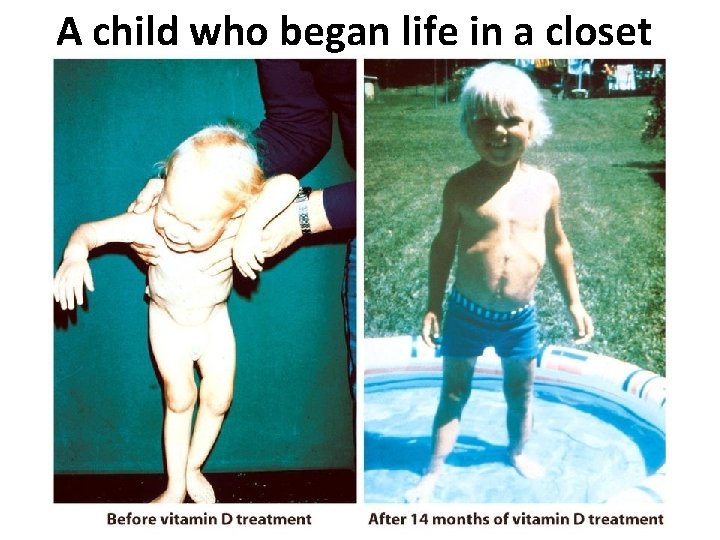
A child who began life in a closet