
Do Now Rank the maps on the back
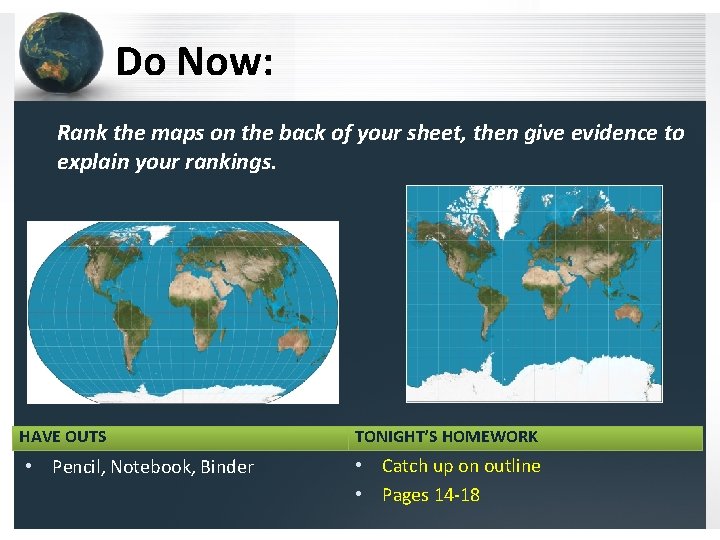
Do Now: Rank the maps on the back of your sheet, then give evidence to explain your rankings. HAVE OUTS • Pencil, Notebook, Binder TONIGHT’S HOMEWORK • Catch up on outline • Pages 14 -18
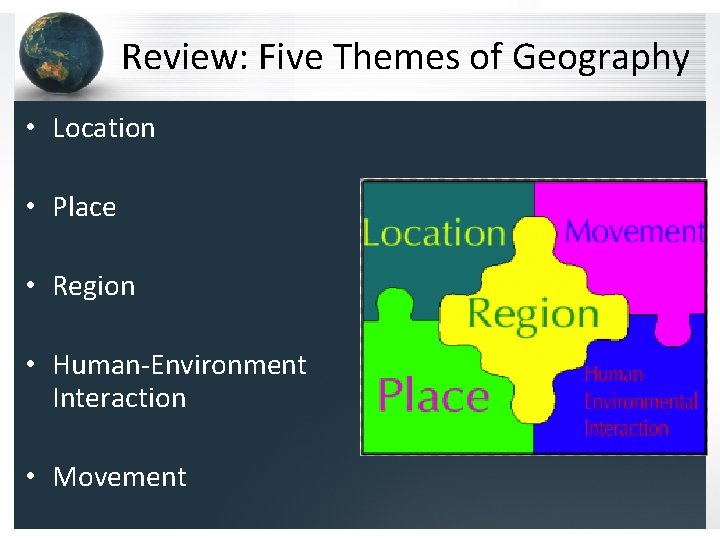
Review: Five Themes of Geography • Location • Place • Region • Human-Environment Interaction • Movement
Extra: Cultural Landscape • Cultural landscape = the visible imprint of human activity on the landscape – Ex. Sequent occupance: when multiple societies leave an imprint on a place
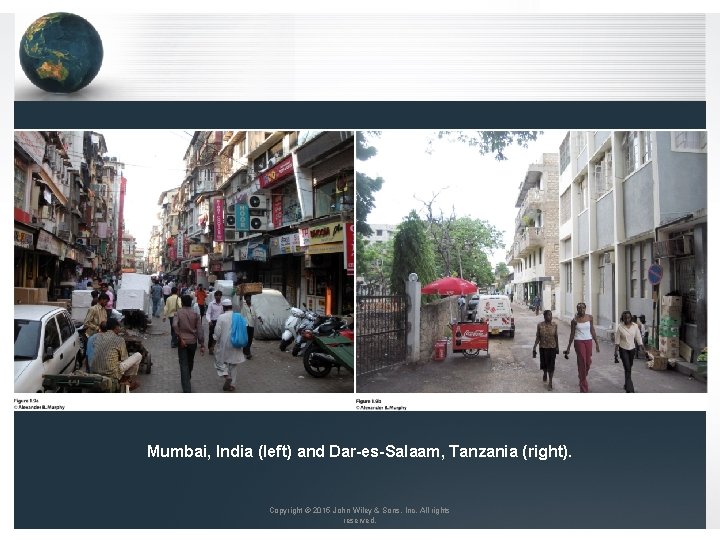
Mumbai, India (left) and Dar-es-Salaam, Tanzania (right). Copyright © 2015 John Wiley & Sons, Inc. All rights reserved.
AP Human Geography Day 4: Maps & Cartography
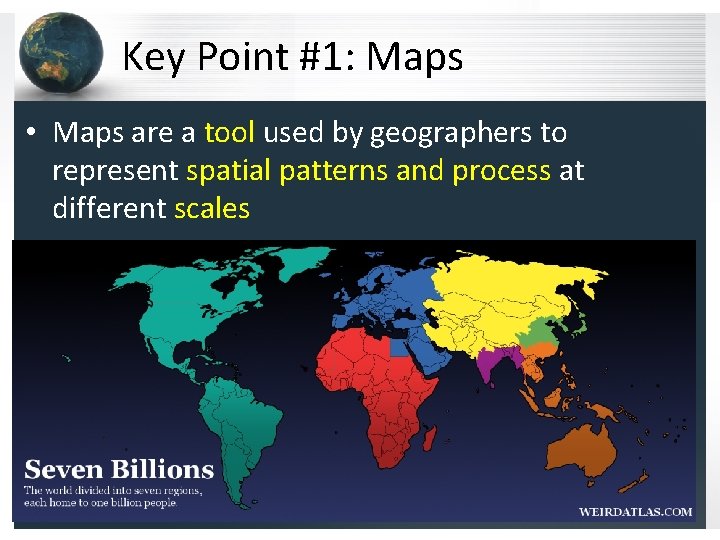
Key Point #1: Maps • Maps are a tool used by geographers to represent spatial patterns and process at different scales
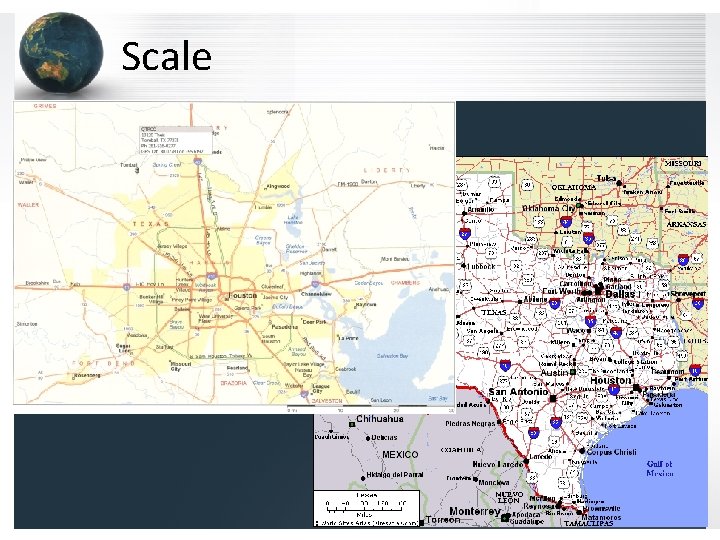
Scale
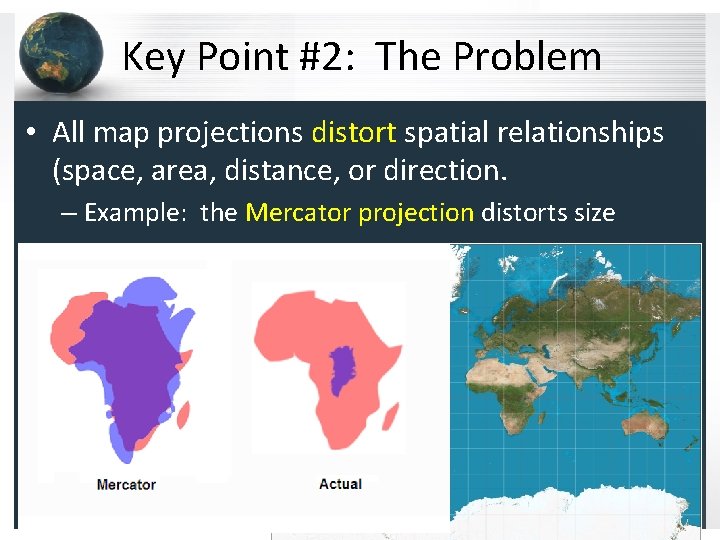
Key Point #2: The Problem • All map projections distort spatial relationships (space, area, distance, or direction. – Example: the Mercator projection distorts size
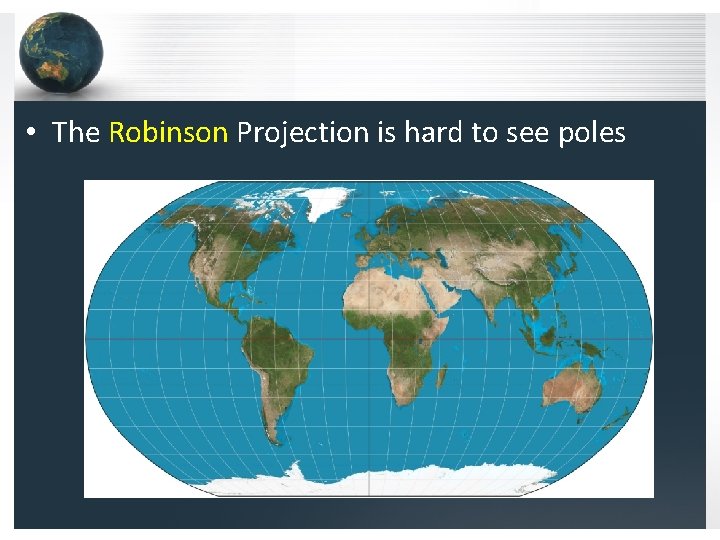
• The Robinson Projection is hard to see poles
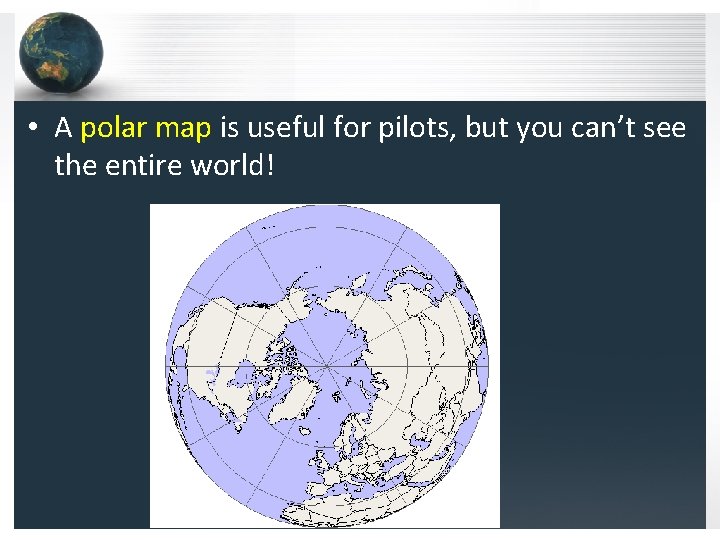
• A polar map is useful for pilots, but you can’t see the entire world!
Key Point #4: Types of Maps 1. Reference 2. Thematic
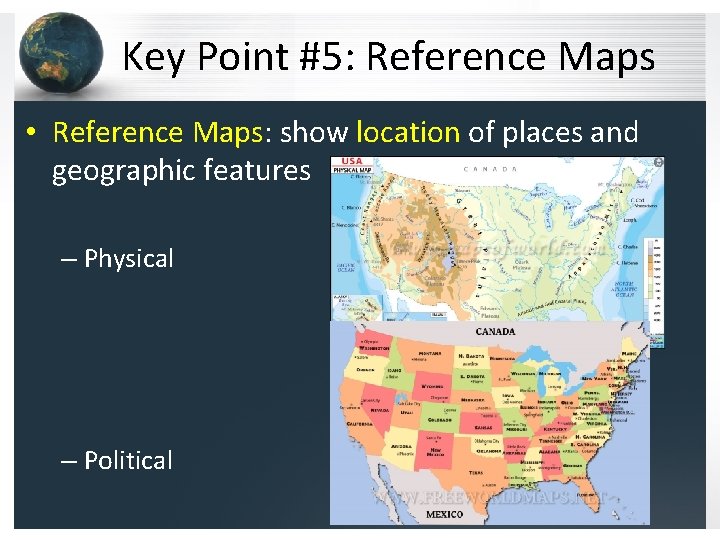
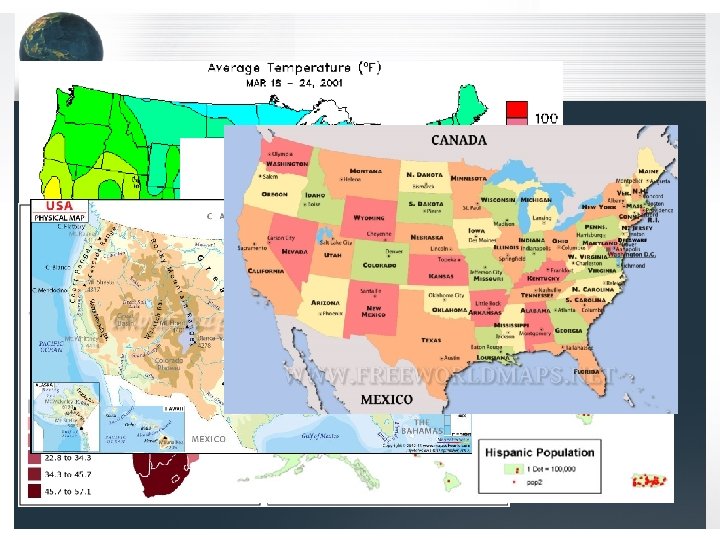
Key Point #5: Reference Maps • Reference Maps: show location of places and geographic features – Physical – Political
Key Point #6: Thematic Maps • Thematic Maps: tell stories, showing the degree of a movement or attribute – Dot – Cholropleth – Isolene – Graduated Symbol – Cartogram
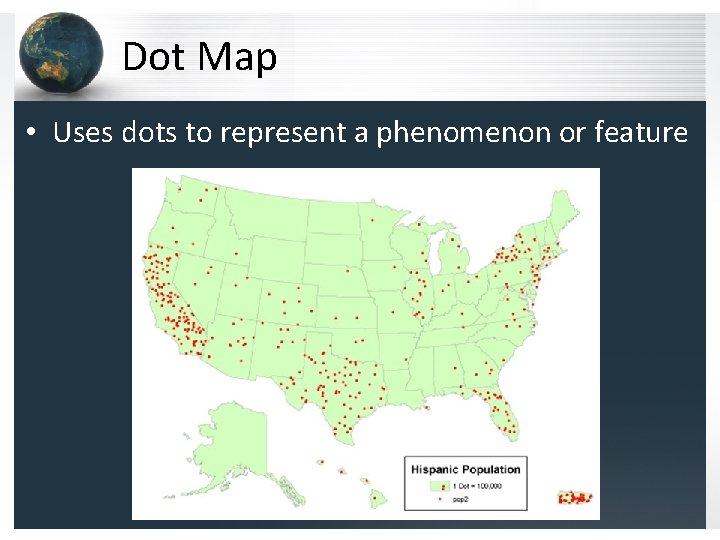
Dot Map • Uses dots to represent a phenomenon or feature
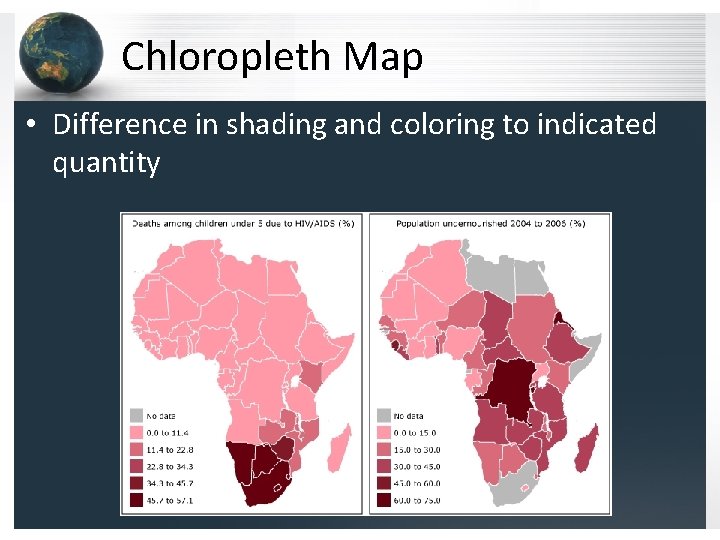
Chloropleth Map • Difference in shading and coloring to indicated quantity
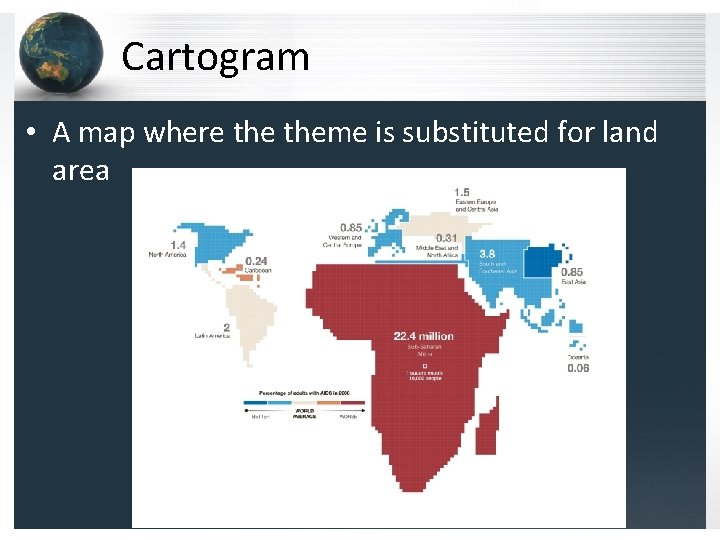
Cartogram • A map where theme is substituted for land area
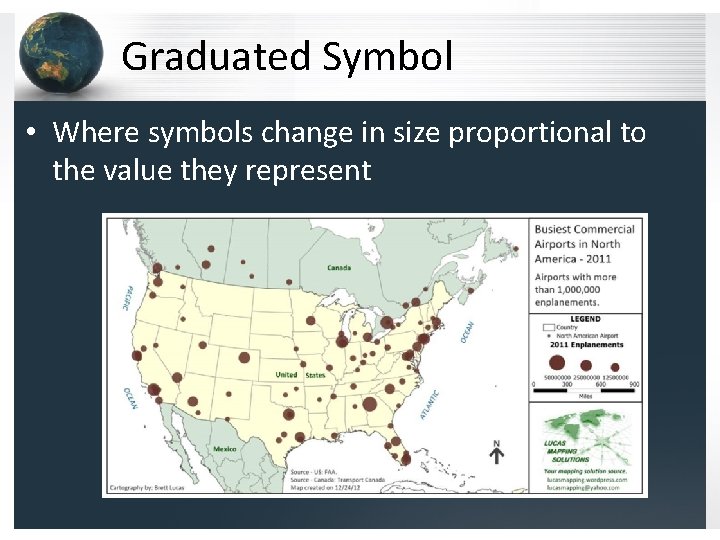
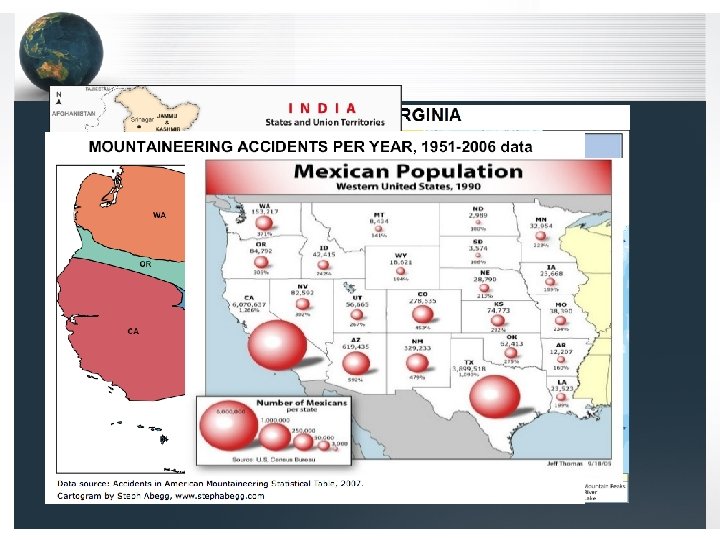
Graduated Symbol • Where symbols change in size proportional to the value they represent
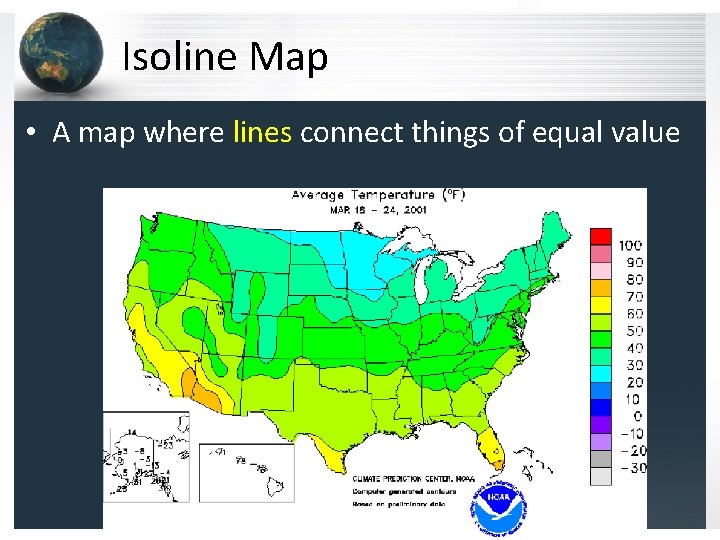
Isoline Map • A map where lines connect things of equal value
- Slides: 20