
Do Now Please complete the following 1 Put
- Slides: 23
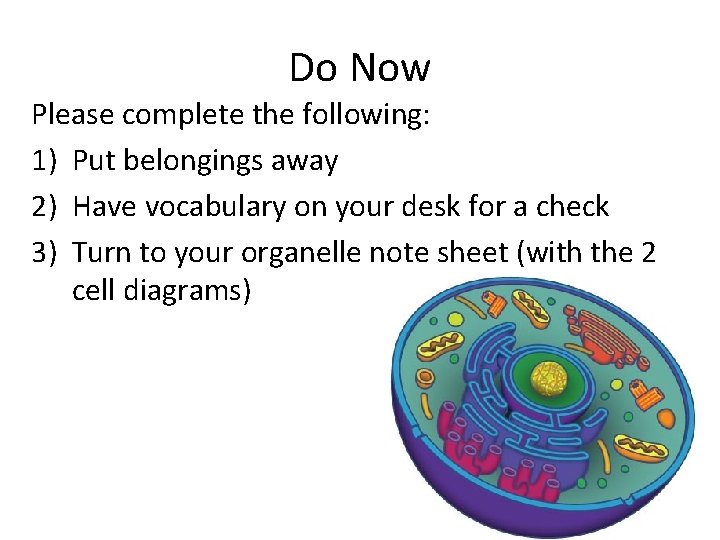
Do Now Please complete the following: 1) Put belongings away 2) Have vocabulary on your desk for a check 3) Turn to your organelle note sheet (with the 2 cell diagrams)
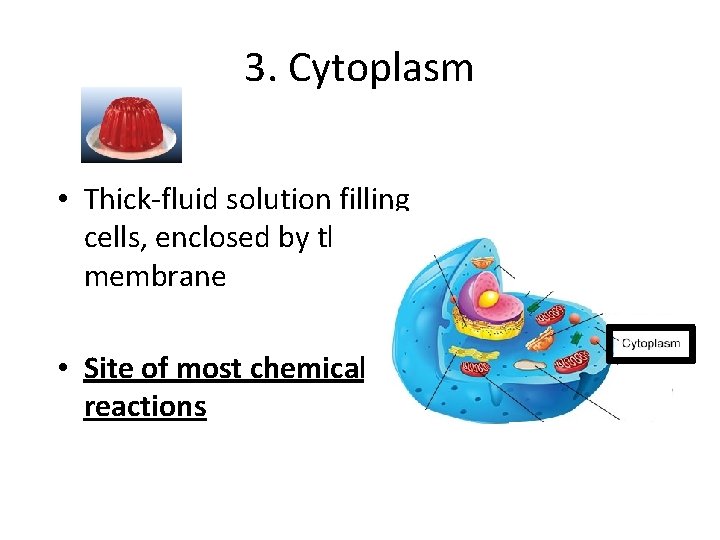
3. Cytoplasm • Thick-fluid solution filling cells, enclosed by the membrane • Site of most chemical reactions
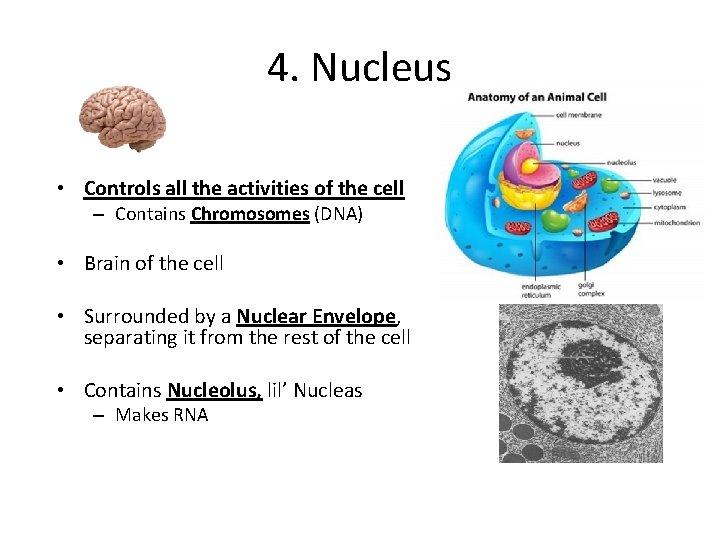
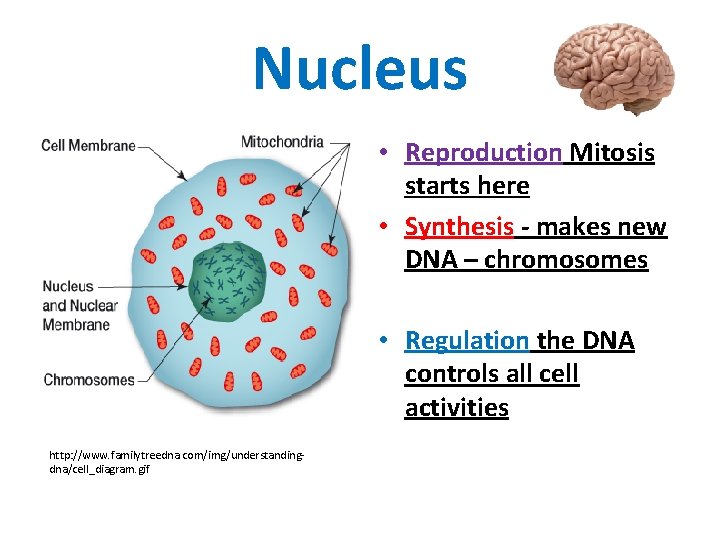
4. Nucleus • Controls all the activities of the cell – Contains Chromosomes (DNA) • Brain of the cell • Surrounded by a Nuclear Envelope, separating it from the rest of the cell • Contains Nucleolus, lil’ Nucleas – Makes RNA
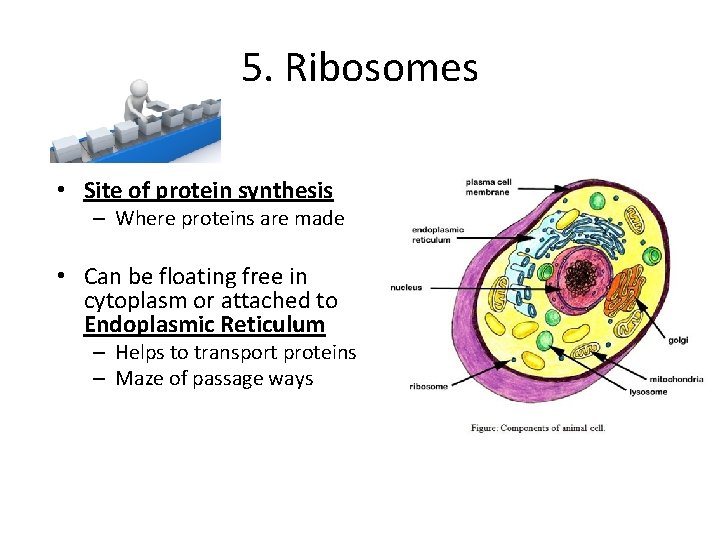
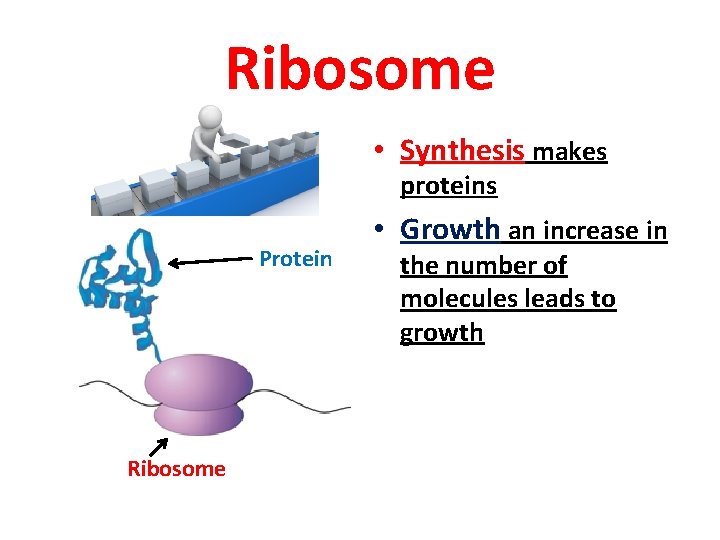
5. Ribosomes • Site of protein synthesis – Where proteins are made • Can be floating free in cytoplasm or attached to Endoplasmic Reticulum – Helps to transport proteins – Maze of passage ways
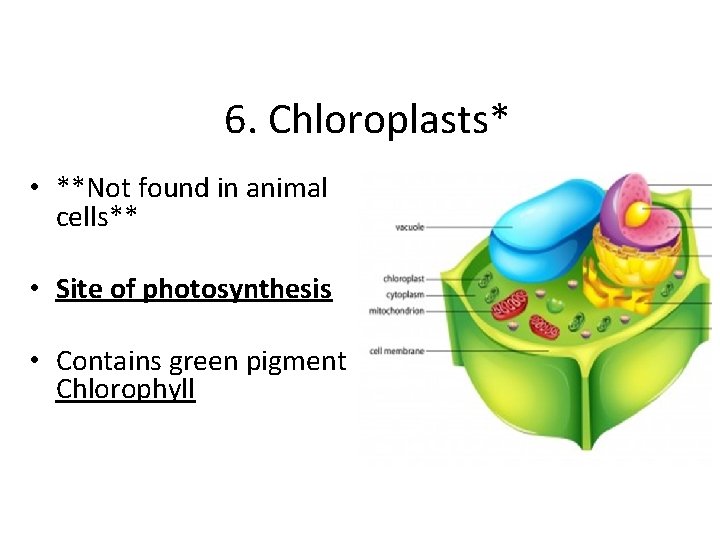
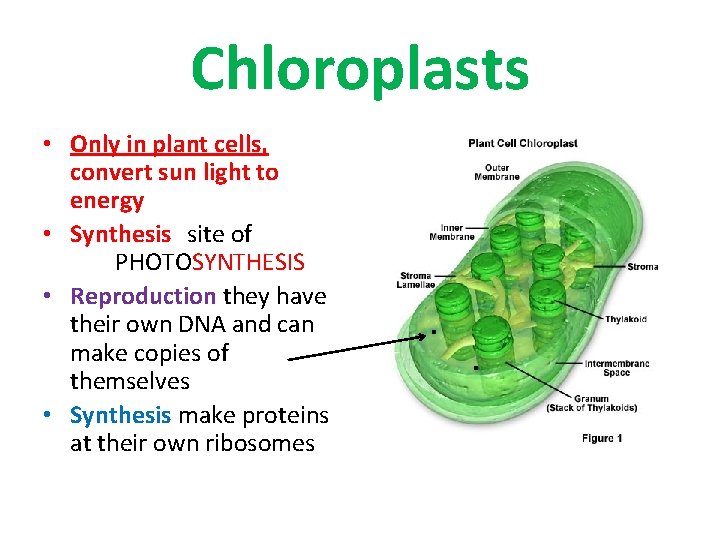
6. Chloroplasts* • **Not found in animal cells** • Site of photosynthesis • Contains green pigment Chlorophyll
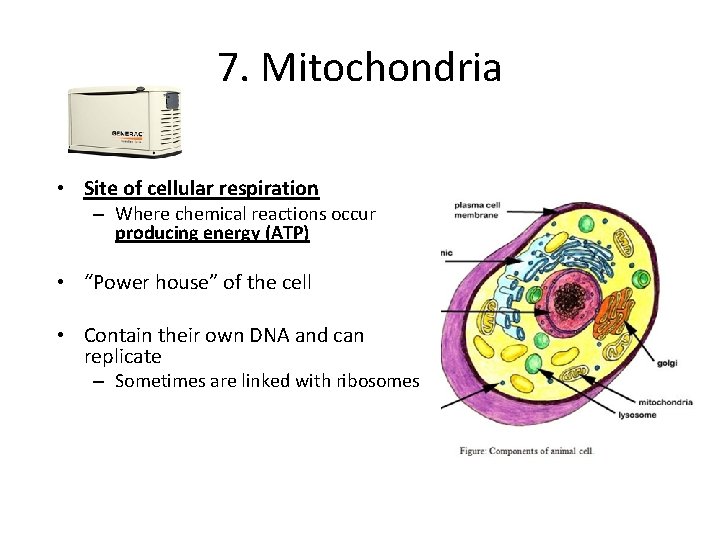
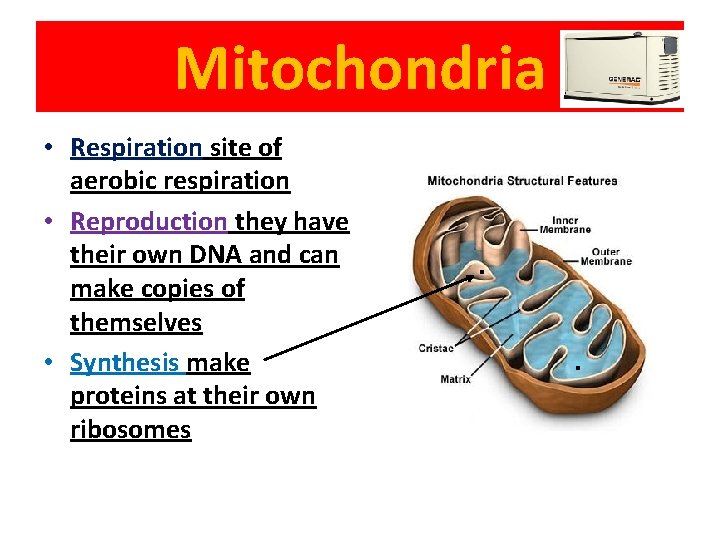
7. Mitochondria • Site of cellular respiration – Where chemical reactions occur producing energy (ATP) • “Power house” of the cell • Contain their own DNA and can replicate – Sometimes are linked with ribosomes
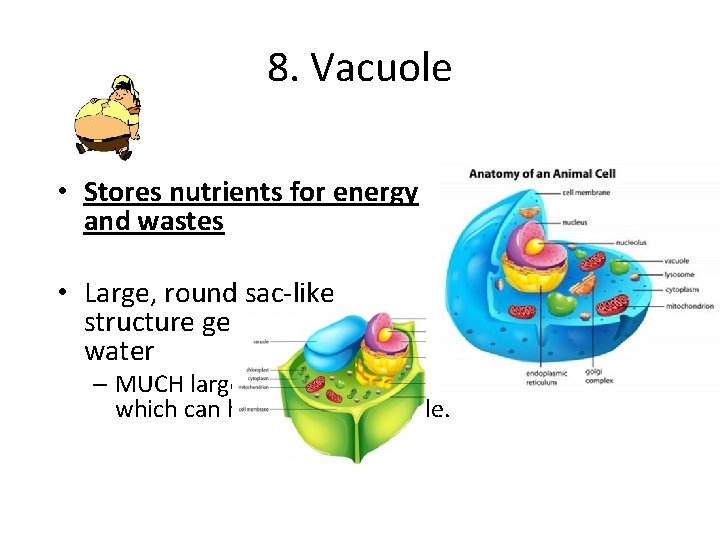
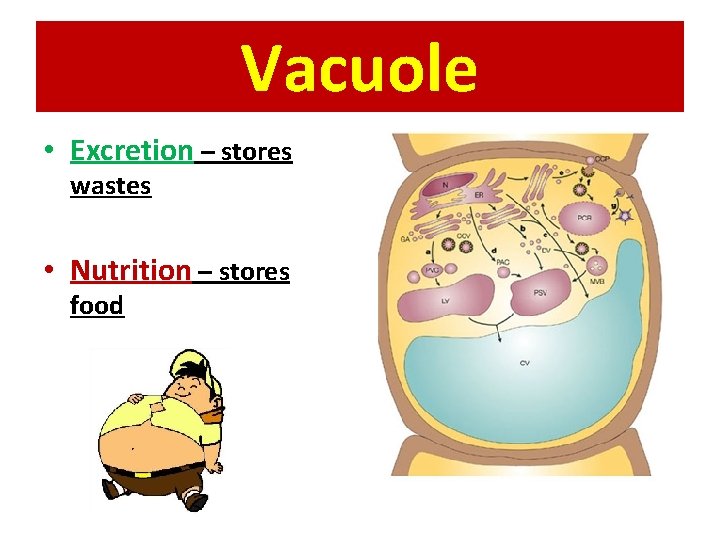
8. Vacuole • Stores nutrients for energy and wastes • Large, round sac-like structure generally storing water – MUCH larger in plant cells which can have central vacuole.
CELLS and how they relate to Life Functions
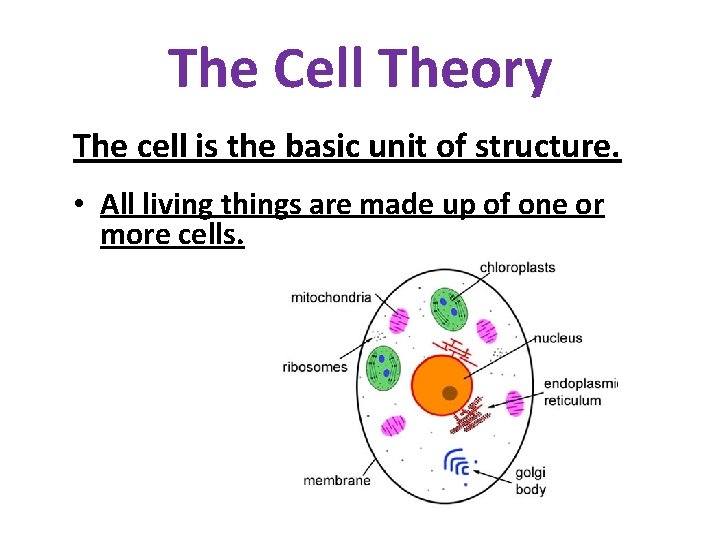
The Cell Theory The cell is the basic unit of structure. • All living things are made up of one or more cells.
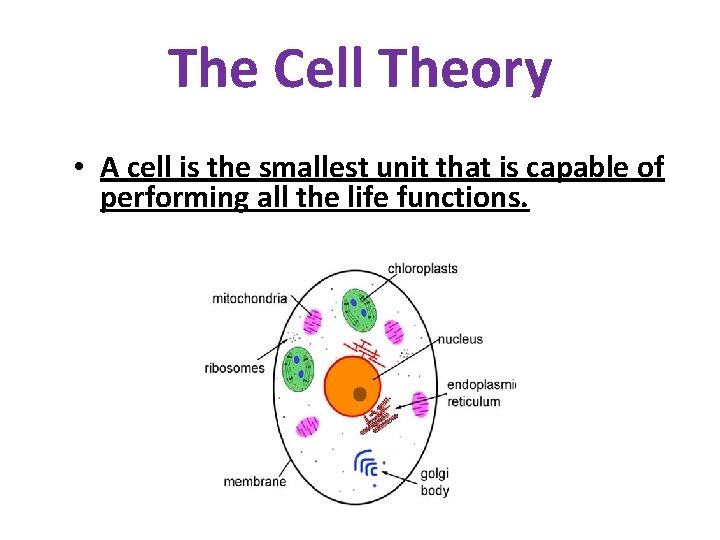
The Cell Theory • A cell is the smallest unit that is capable of performing all the life functions.
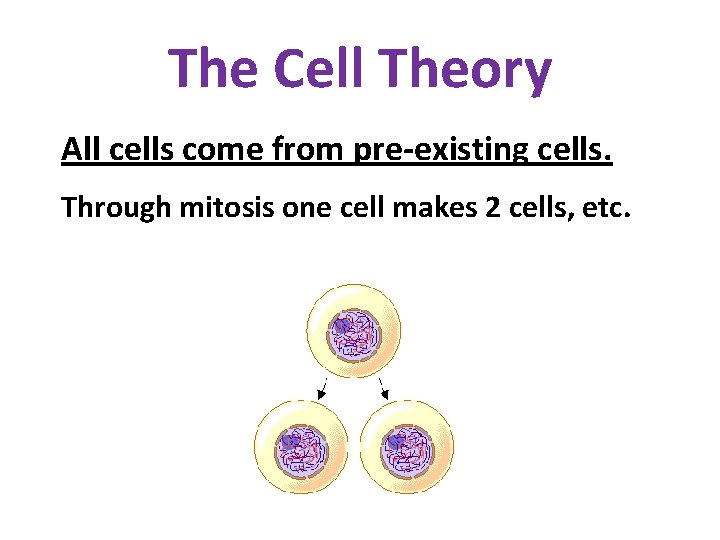
The Cell Theory All cells come from pre-existing cells. Through mitosis one cell makes 2 cells, etc.
Exceptions to the Theory • Viruses: Cannot replicate except in a host • Mitochondria & Chloroplasts have their own DNA and can replicate
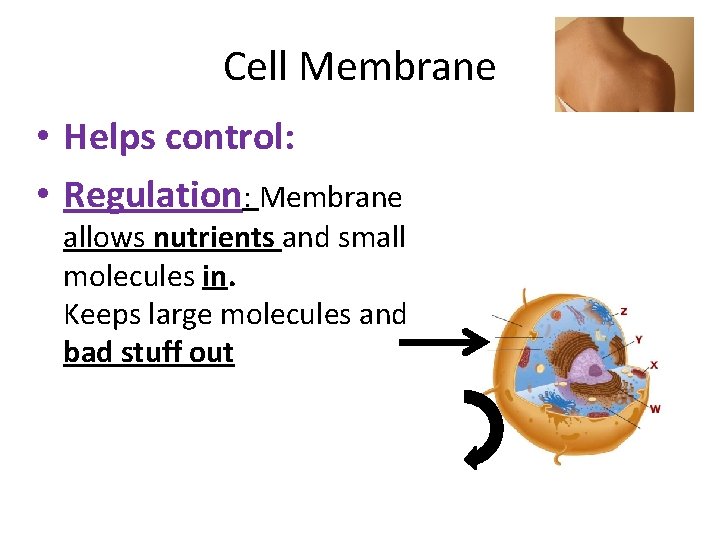
Cell Membrane • Helps control: • Regulation: Membrane allows nutrients and small molecules in. Keeps large molecules and bad stuff out
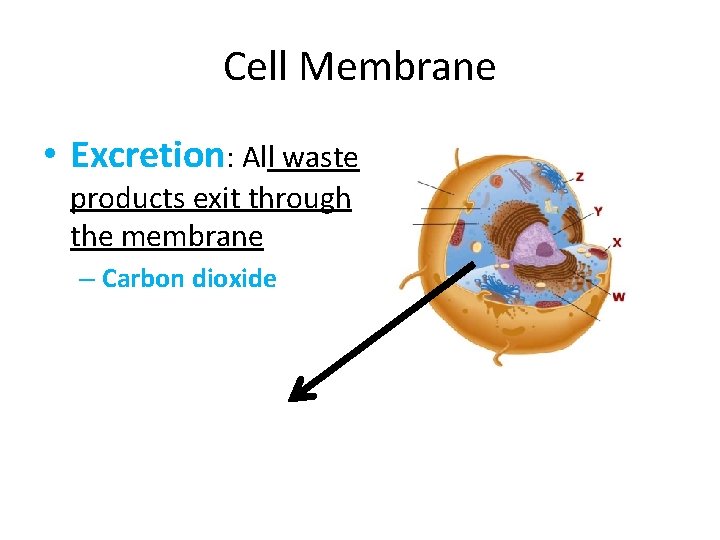
Cell Membrane • Excretion: All waste products exit through the membrane – Carbon dioxide
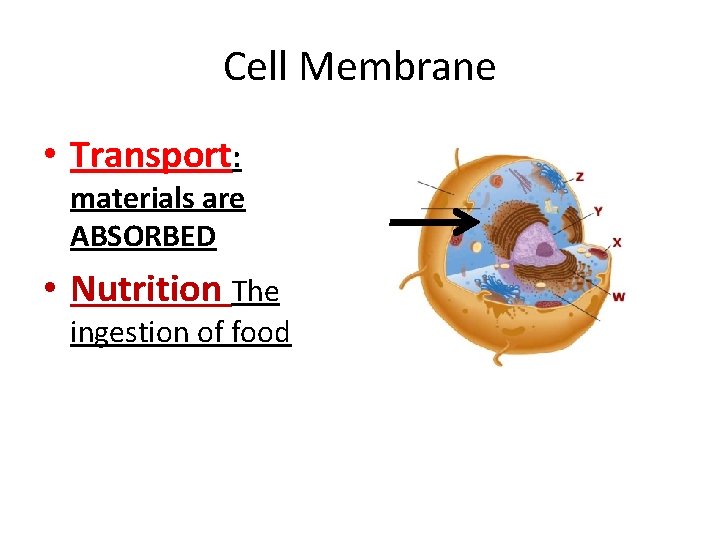
Cell Membrane • Transport: materials are ABSORBED • Nutrition The ingestion of food
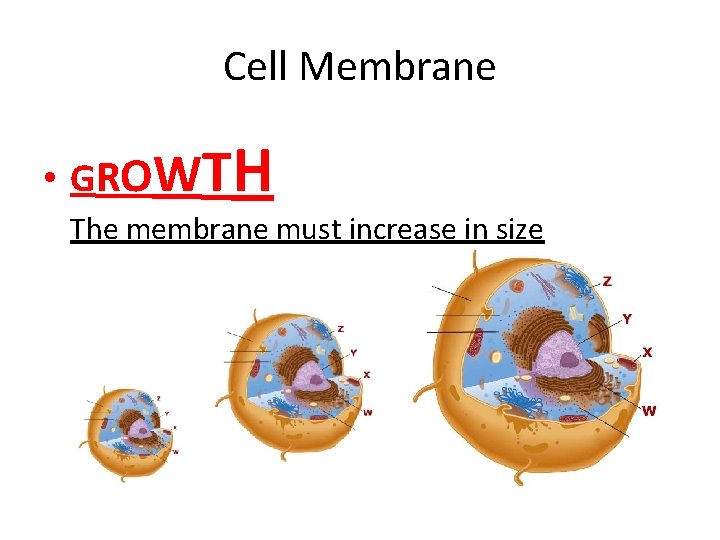
Cell Membrane • GR O W T H The membrane must increase in size
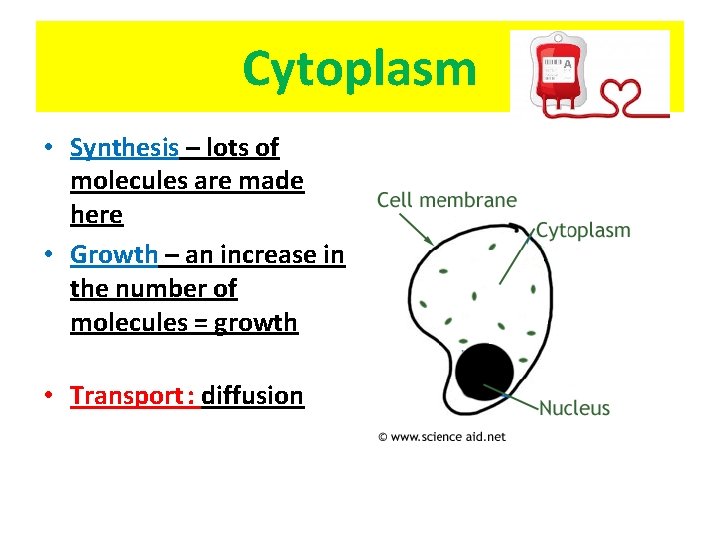
Cytoplasm • Synthesis – lots of molecules are made here • Growth – an increase in the number of molecules = growth • Transport : diffusion
Chloroplasts • Only in plant cells, convert sun light to energy • Synthesis site of PHOTOSYNTHESIS • Reproduction they have their own DNA and can make copies of themselves • Synthesis make proteins at their own ribosomes
Mitochondria • Respiration site of aerobic respiration • Reproduction they have their own DNA and can make copies of themselves • Synthesis make proteins at their own ribosomes
Nucleus • Reproduction Mitosis starts here • Synthesis - makes new DNA – chromosomes • Regulation the DNA controls all cell activities http: //www. familytreedna. com/img/understandingdna/cell_diagram. gif
Ribosome • Synthesis makes proteins Protein Ribosome • Growth an increase in the number of molecules leads to growth
Vacuole • Excretion – stores wastes • Nutrition – stores food
Exit Ticket