
DO NOW Lincoln begins the Gettysburg Address with
DO NOW • Lincoln begins the Gettysburg Address with the words, “Four score and seven years ago. . . ” To what is Lincoln referring? And why does he open his speech in this way?
612: the Gettysburg Address (1/12)
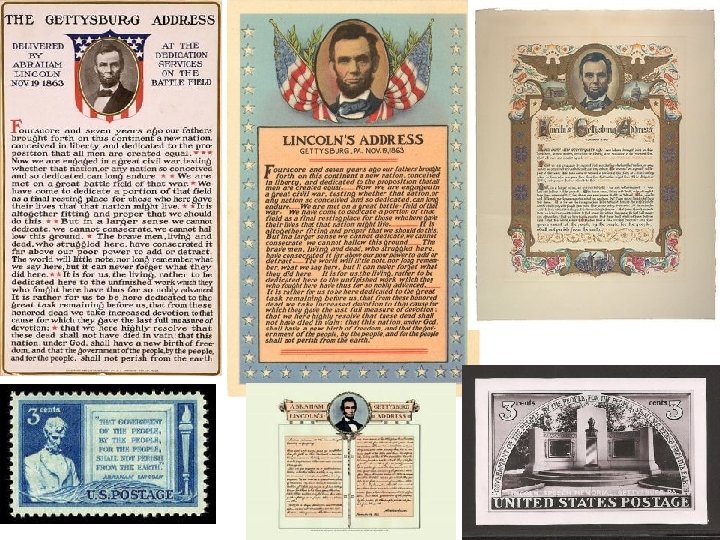
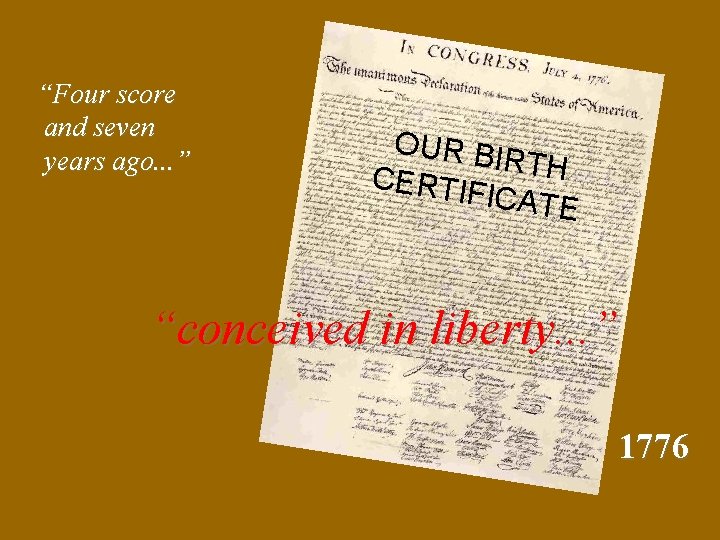
“Four score and seven years ago. . . ” OUR BI RTH CERTIF ICATE “conceived in liberty. . . ” 1776
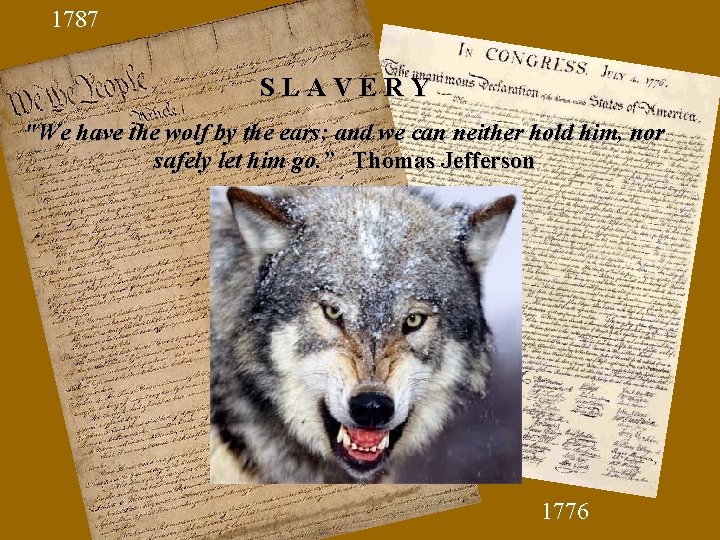
1787 SLAVERY "We have the wolf by the ears; and we can neither hold him, nor safely let him go. ” Thomas Jefferson 1776
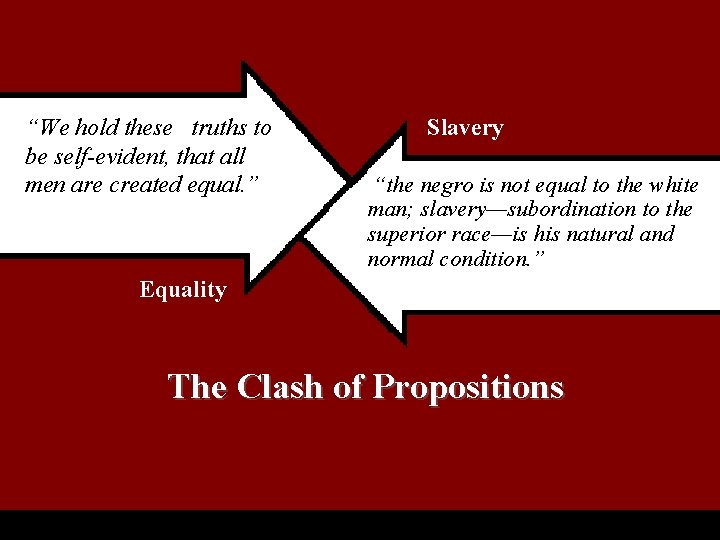
“We hold these truths to be self-evident, that all men are created equal. ” Slavery “the negro is not equal to the white man; slavery—subordination to the superior race—is his natural and normal condition. ” Equality The Clash of Propositions
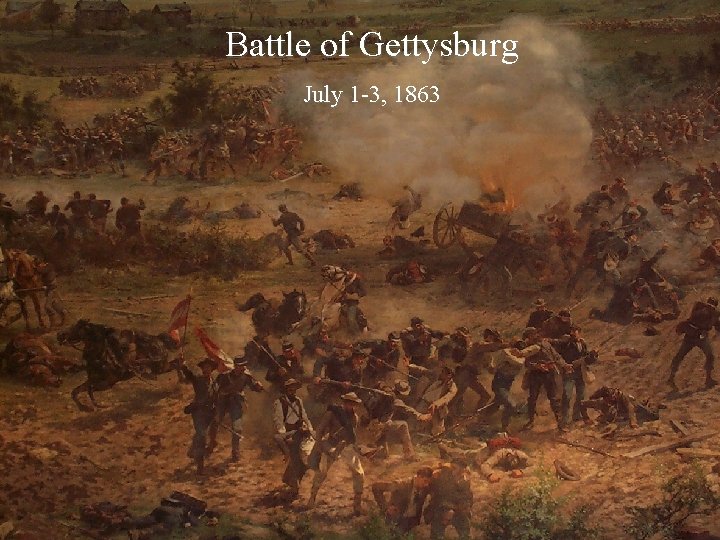
Battle of Gettysburg July 1 -3, 1863
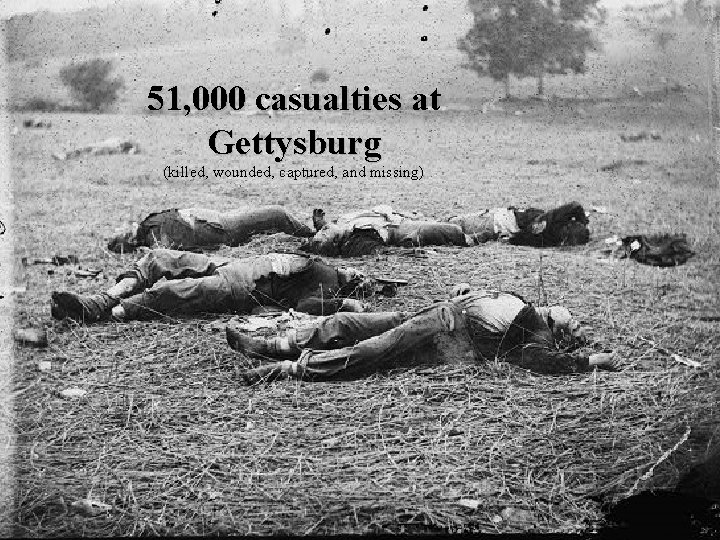
51, 000 casualties at Gettysburg (killed, wounded, captured, and missing)
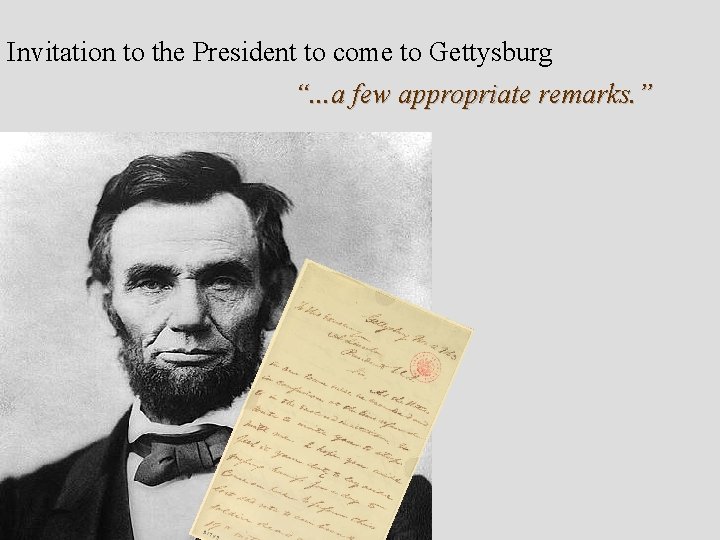
Invitation to the President to come to Gettysburg “. . . a few appropriate remarks. ”
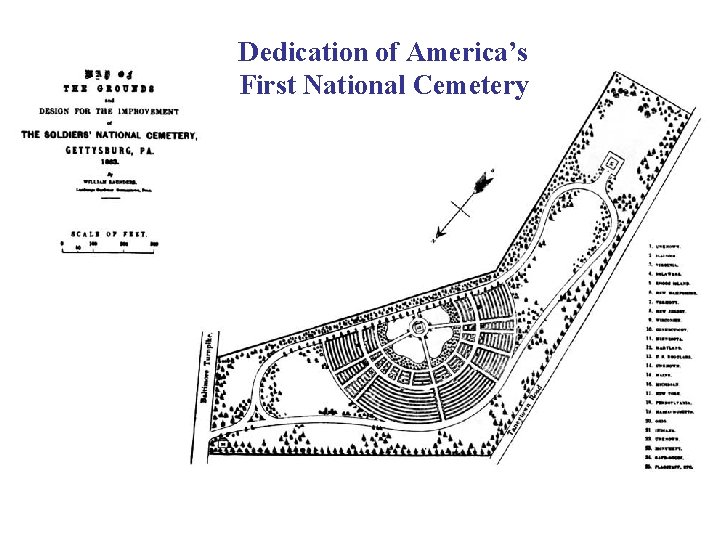
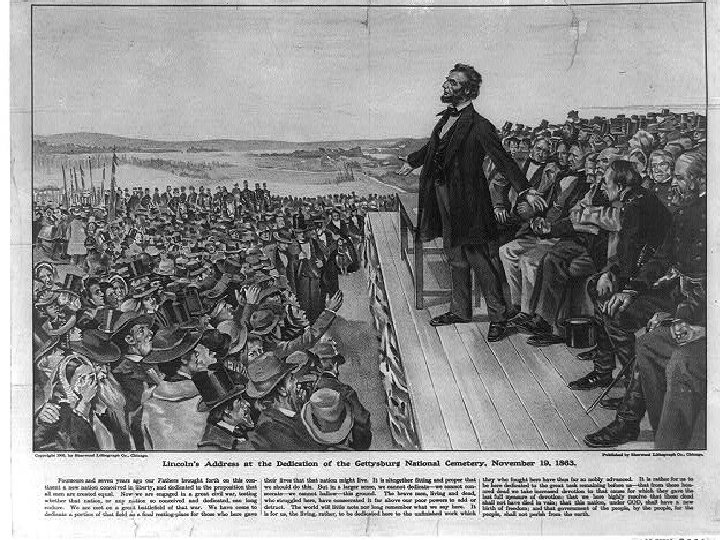
Dedication of America’s First National Cemetery
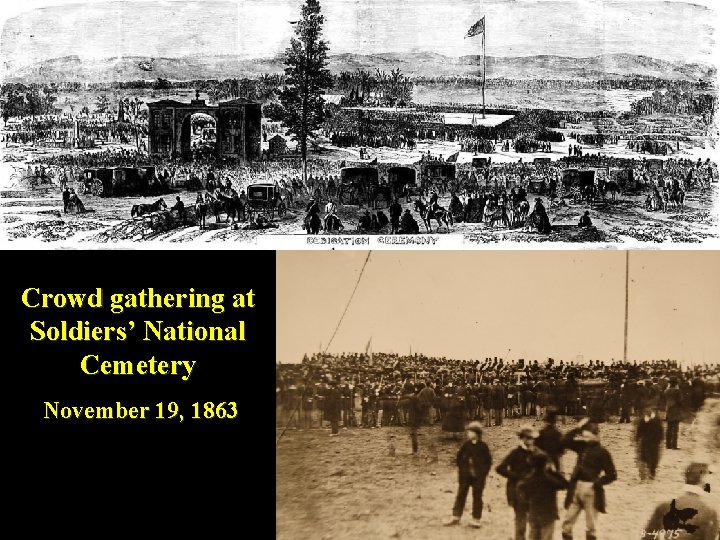
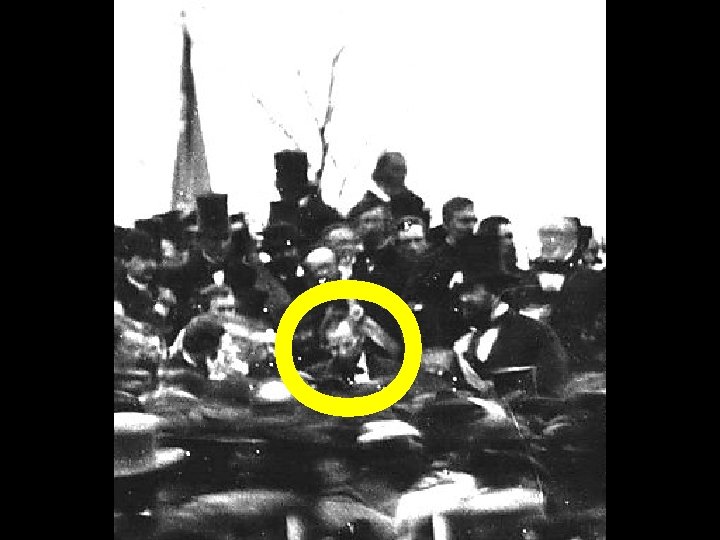
Crowd gathering at Soldiers’ National Cemetery November 19, 1863
O
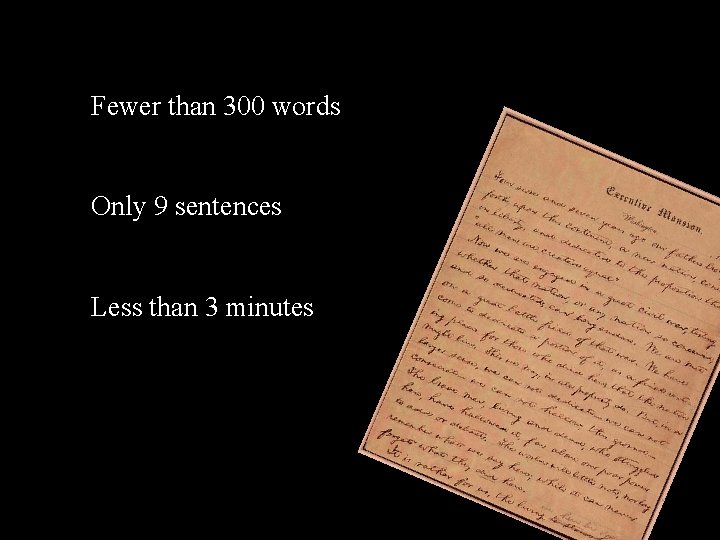
Fewer than 300 words Only 9 sentences Less than 3 minutes

Chicago Times • "The cheek of every American must tingle with shame as he reads the silly, flat and dishwatery utterances of the man who has to be pointed out to intelligent foreigners as the President of the United States. "
Springfield Republican • “. . . a perfect gem" that was "deep in feeling, compact in thought and expression, and tasteful and elegant in every word and comma. ”
The Times of London • "The ceremony [at Gettysburg] was rendered ludicrous by some of the sallies of that poor President Lincoln. "[
• https: //www. youtube. com/watch? v=e. EMit 4 pljs • Lincoln open
Questions (p. R 50) 1. Look at the first two sentences of the address, and the last sentence of the address. According to Lincoln, what was the Civil War all about? 2. How does Lincoln connect the Declaration of Independence and the Civil War? Explain. 3. Are there any lines that you find ironic in Lincoln’s speech? There is one in particular (dramatic irony—the reader knows something the author doesn’t). 4. What reason does Lincoln give his people to fight and die for the Union? Use evidence from the document to explain. Is this a worthy reason to fight? 5. (Bonus): Edward Everett, the keynote speaker at Gettysburg, who spoke for more than two hours before Lincoln, said this of Lincoln’s speech: “I should be glad, if I could flatter myself that I came as near the central idea of the occasion in two hours, as you did in two minutes. ” What was it about Lincoln’s simple words that you think he found so moving?
• Slavery was not always the moral compass of the Civil War, but ultimately became the cause of the North. Assess the validity of this statement – is this true? Explain.
- Slides: 20