
Do Now Habeas corpus the idea that a
Do Now! Habeas corpus: the idea that a person may not be imprisoned unless charged with a crime English Bill of Rights: a document signed by King William and Queen Mary guaranteeing a number of freedoms Magna Carta: a document that protected English nobles from taxes and guaranteed them due process
EQ: How did English ideas about government and the economy influence life in the 13 colonies? Students will be able to analyze and evaluate the economy for the 13 colonies.
Ch 3 Sec 2: The American Colonies and England • Compared with the Spanish or French rulers, the English monarch exercised little direct control over the colonists. The English monarchs were bound to uphold the provisions of the Magna Carta. This document limited the king’s ability to tax nobles; it also guaranteed due process, or the right to a trial. During the 1300 s, the lawmaking body known as Parliament evolved.
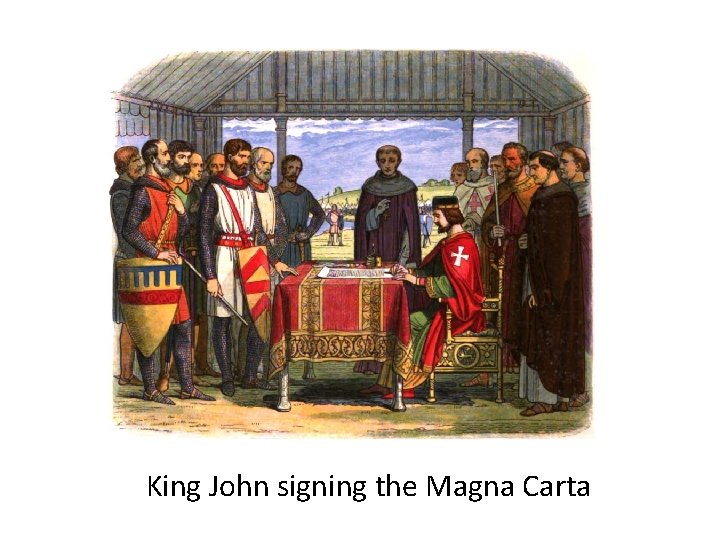
King John signing the Magna Carta
• Most settlers in the English colonies asserted that they were entitled to the same rights as any other English subject. In 1689, the colonists learned that James II had been overthrown in England during the Glorious Revolution. The new monarchs signed an English Bill of Rights guaranteeing a number of freedoms, including that of habeas corpus—the idea that no one can be held in prison without being charged with a specific crime. The Glorious Revolution encouraged England to adopt a policy of salutory neglect, which allowed its colonies virtual self-rule. In return for allowing salutory neglect, England expected colonial cooperation with its economic policies.
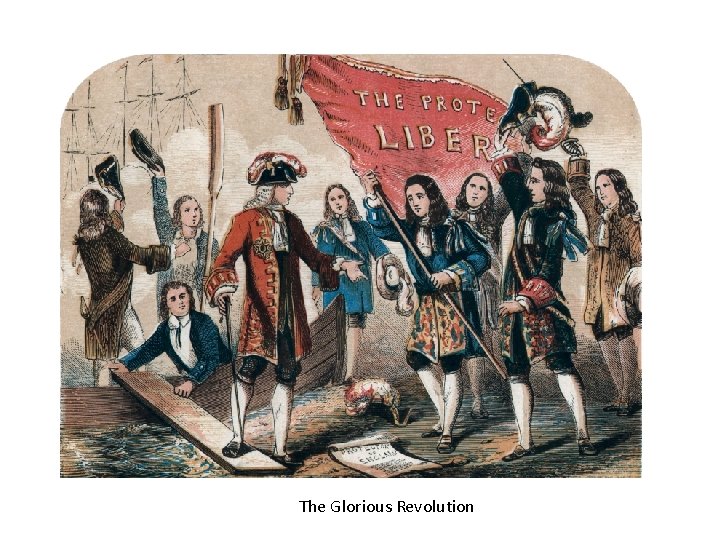
The Glorious Revolution
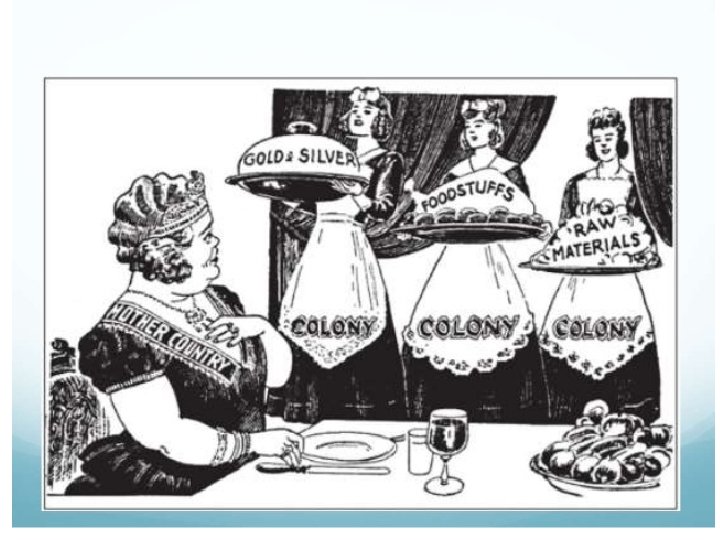
• In the mid-1600 s, Parliament passed a series of trade laws in order to control colonial commerce. The Navigation Acts were a series of trade laws that stated that only English ships with English sailors can trade with English colonies. These acts expressed an economic philosophy known as mercantilism, which means that a nation can build wealth and power by increasing exported goods and decreasing imported goods.
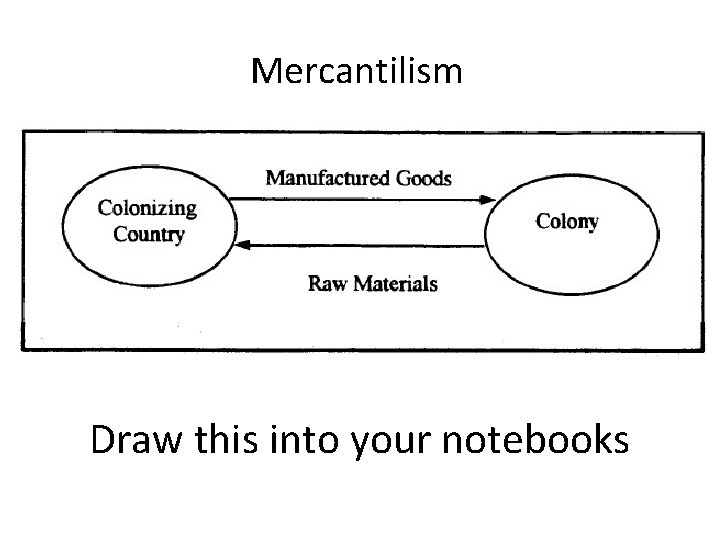
Mercantilism Draw this into your notebooks
• The Navigation Acts promoted the dramatic growth of English colonial commerce. The expanding transatlantic commerce produced a “consumer revolution” that brought more and cheaper goods to the colonies.
• During the 1600 s and 1700 s, Europe experienced an intellectual movement known as the Enlightenment. The Enlightenment challenged old ways of thinking about science, religion, and government. Enlightenment ideas changed the way American colonists such as Benjamin Franklin viewed the world as well.
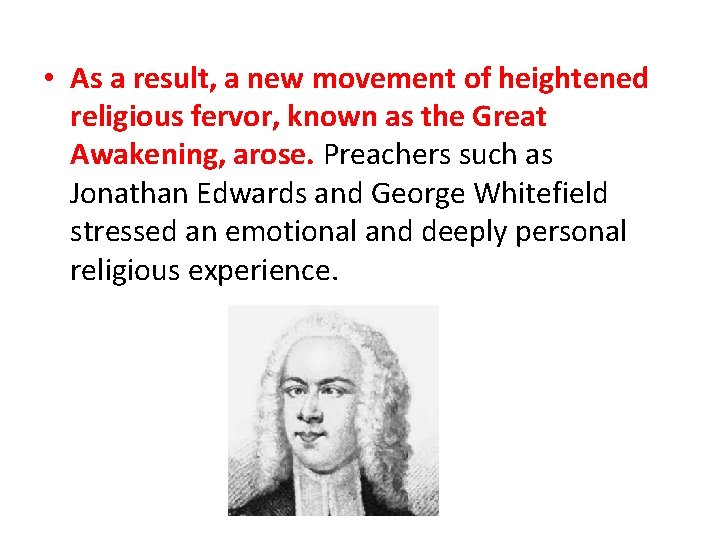
• As a result, a new movement of heightened religious fervor, known as the Great Awakening, arose. Preachers such as Jonathan Edwards and George Whitefield stressed an emotional and deeply personal religious experience.
• The Great Awakening inspired the American people with a sense of their own power as individuals. It also led many colonists to belief that if they could choose their method of worship, they could decide on their form of government.
EXIT SLIP According to theory of mercantilism, the principal purpose of the thirteen original colonies was to provide Great Britain with A) naval bases B) raw materials and markets C) workers and manufactured goods D) military recruits
EXIT SLIP According to theory of mercantilism, the principal purpose of the thirteen original colonies was to provide Great Britain with A) naval bases B) raw materials and markets C) workers and manufactured goods D) military recruits
- Slides: 15