
Do Now Complete You have 5 minutes to
- Slides: 30
Do Now – Complete ü You have 5 minutes to complete the multiple choice test ü Simply circle the letter to indicate your choice A B C D E ü No consultation with your peers please!
Building Knowledge Tuesday 1 st September
Building student memory Key questions: 1. How does memory work? 2. How can we teach to build memory?
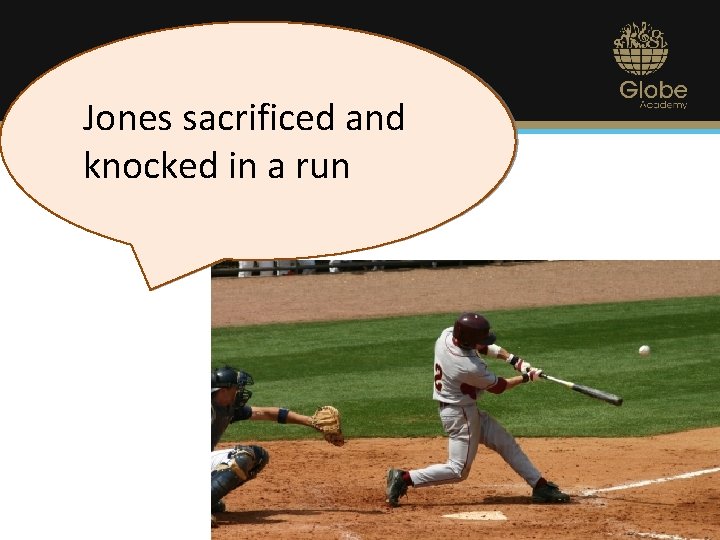
Jones sacrificed and knocked in a run
Jones sacrificed and knocked in a run
Mass exodus of Jews from Warsaw
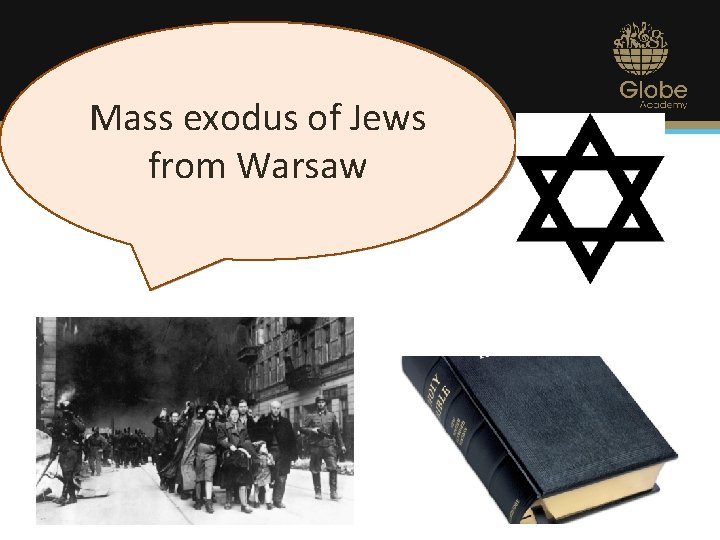
Mass exodus of Jews from Warsaw
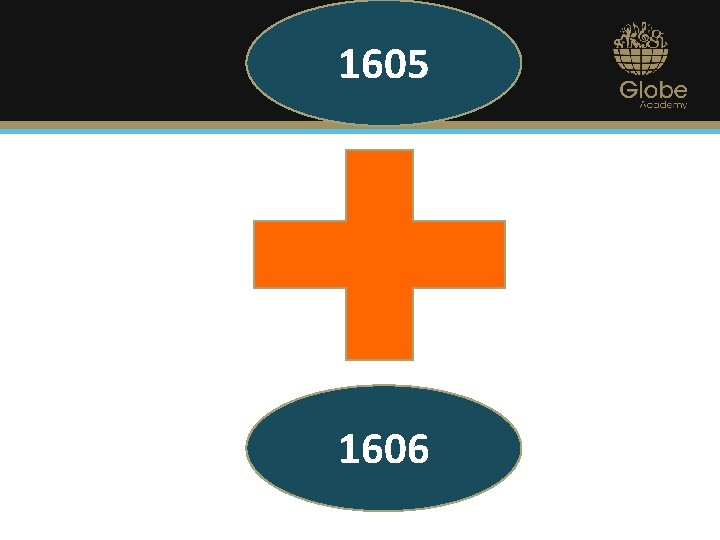
1605 1606
‘Memory is the residue of thought. ’
‘Learning is deeper and more durable when it’s effortful. ’
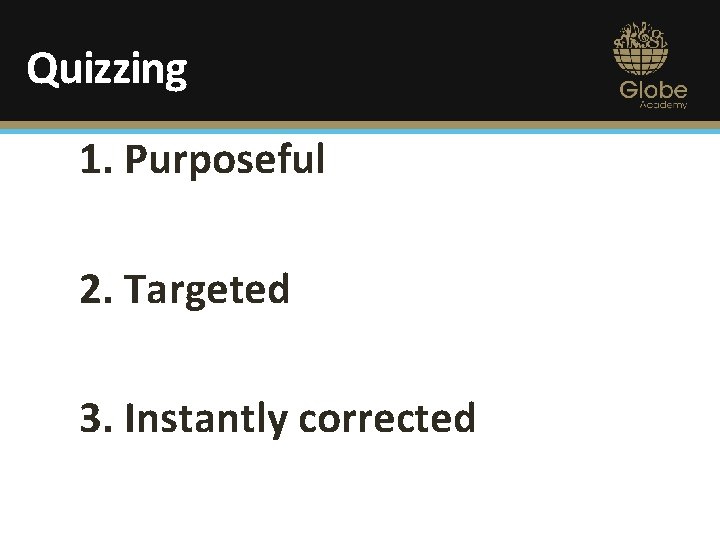
Quizzing 1. Purposeful 2. Targeted 3. Instantly corrected
Practice 1. Knowledge maps: why and how? 2. Multiple Choice Questions: why and how?
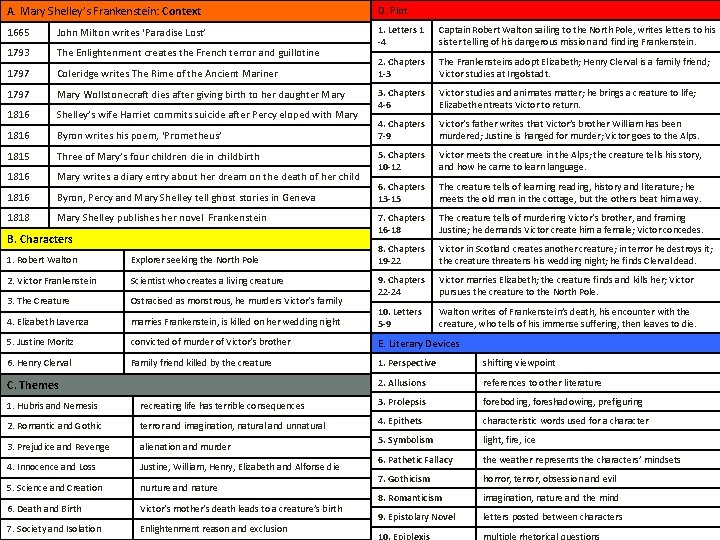
A. Mary Shelley’s Frankenstein: Context D. Plot 1665 John Milton writes ‘Paradise Lost’ 1793 The Enlightenment creates the French terror and guillotine 1. Letters 1 -4 Captain Robert Walton sailing to the North Pole, writes letters to his sister telling of his dangerous mission and finding Frankenstein. 1797 Coleridge writes The Rime of the Ancient Mariner 2. Chapters 1 -3 The Frankensteins adopt Elizabeth; Henry Clerval is a family friend; Victor studies at Ingolstadt. 1797 Mary Wollstonecraft dies after giving birth to her daughter Mary 1816 Shelley’s wife Harriet commits suicide after Percy eloped with Mary 3. Chapters 4 -6 Victor studies and animates matter; he brings a creature to life; Elizabeth entreats Victor to return. 1816 Byron writes his poem, ‘Prometheus’ 4. Chapters 7 -9 Victor’s father writes that Victor’s brother William has been murdered; Justine is hanged for murder; Victor goes to the Alps. 1815 Three of Mary’s four children die in childbirth 1816 Mary writes a diary entry about her dream on the death of her child 5. Chapters 10 -12 Victor meets the creature in the Alps; the creature tells his story, and how he came to learn language. 1816 Byron, Percy and Mary Shelley tell ghost stories in Geneva 6. Chapters 13 -15 The creature tells of learning reading, history and literature; he meets the old man in the cottage, but the others beat him away. 1818 Mary Shelley publishes her novel Frankenstein 7. Chapters 16 -18 The creature tells of murdering Victor’s brother, and framing Justine; he demands Victor create him a female; Victor concedes. 8. Chapters 19 -22 Victor in Scotland creates another creature; in terror he destroys it; the creature threatens his wedding night; he finds Clerval dead. 9. Chapters 22 -24 Victor marries Elizabeth; the creature finds and kills her; Victor pursues the creature to the North Pole. Walton writes of Frankenstein’s death, his encounter with the creature, who tells of his immense suffering, then leaves to die. B. Characters 1. Robert Walton Explorer seeking the North Pole 2. Victor Frankenstein Scientist who creates a living creature 3. The Creature Ostracised as monstrous, he murders Victor’s family 4. Elizabeth Lavenza marries Frankenstein, is killed on her wedding night 10. Letters 5 -9 5. Justine Moritz convicted of murder of Victor’s brother E. Literary Devices 6. Henry Clerval Family friend killed by the creature 1. Perspective shifting viewpoint 2. Allusions references to other literature 3. Prolepsis foreboding, foreshadowing, prefiguring 4. Epithets characteristic words used for a character 5. Symbolism light, fire, ice 6. Pathetic Fallacy the weather represents the characters’ mindsets 7. Gothicism horror, terror, obsession and evil 8. Romanticism imagination, nature and the mind 9. Epistolary Novel letters posted between characters 10. Epiplexis multiple rhetorical questions C. Themes 1. Hubris and Nemesis recreating life has terrible consequences 2. Romantic and Gothic terror and imagination, natural and unnatural 3. Prejudice and Revenge alienation and murder 4. Innocence and Loss Justine, William, Henry, Elizabeth and Alfonse die 5. Science and Creation nurture and nature 6. Death and Birth Victor’s mother’s death leads to a creature’s birth 7. Society and Isolation Enlightenment reason and exclusion
Why use knowledge maps? 1. Decisions 2. Clarity 3. Revision
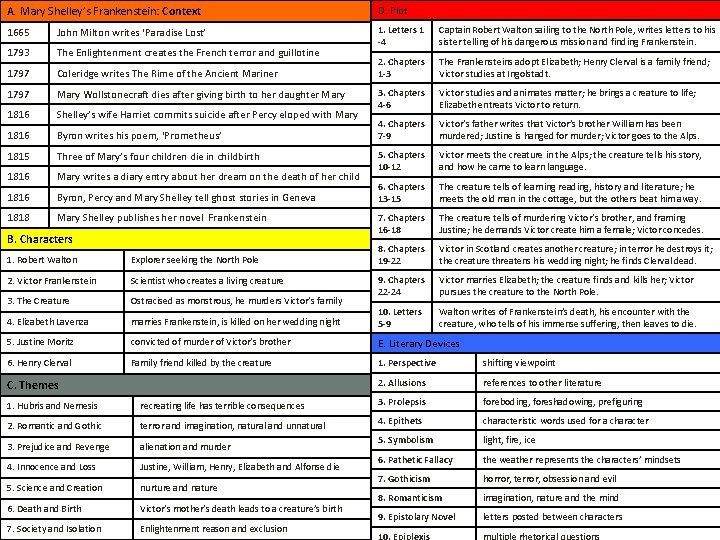
A. Mary Shelley’s Frankenstein: Context D. Plot 1665 John Milton writes ‘Paradise Lost’ 1793 The Enlightenment creates the French terror and guillotine 1. Letters 1 -4 Captain Robert Walton sailing to the North Pole, writes letters to his sister telling of his dangerous mission and finding Frankenstein. 1797 Coleridge writes The Rime of the Ancient Mariner 2. Chapters 1 -3 The Frankensteins adopt Elizabeth; Henry Clerval is a family friend; Victor studies at Ingolstadt. 1797 Mary Wollstonecraft dies after giving birth to her daughter Mary 1816 Shelley’s wife Harriet commits suicide after Percy eloped with Mary 3. Chapters 4 -6 Victor studies and animates matter; he brings a creature to life; Elizabeth entreats Victor to return. 1816 Byron writes his poem, ‘Prometheus’ 4. Chapters 7 -9 Victor’s father writes that Victor’s brother William has been murdered; Justine is hanged for murder; Victor goes to the Alps. 1815 Three of Mary’s four children die in childbirth 1816 Mary writes a diary entry about her dream on the death of her child 5. Chapters 10 -12 Victor meets the creature in the Alps; the creature tells his story, and how he came to learn language. 1816 Byron, Percy and Mary Shelley tell ghost stories in Geneva 6. Chapters 13 -15 The creature tells of learning reading, history and literature; he meets the old man in the cottage, but the others beat him away. 1818 Mary Shelley publishes her novel Frankenstein 7. Chapters 16 -18 The creature tells of murdering Victor’s brother, and framing Justine; he demands Victor create him a female; Victor concedes. 8. Chapters 19 -22 Victor in Scotland creates another creature; in terror he destroys it; the creature threatens his wedding night; he finds Clerval dead. 9. Chapters 22 -24 Victor marries Elizabeth; the creature finds and kills her; Victor pursues the creature to the North Pole. Walton writes of Frankenstein’s death, his encounter with the creature, who tells of his immense suffering, then leaves to die. B. Characters 1. Robert Walton Explorer seeking the North Pole 2. Victor Frankenstein Scientist who creates a living creature 3. The Creature Ostracised as monstrous, he murders Victor’s family 4. Elizabeth Lavenza marries Frankenstein, is killed on her wedding night 10. Letters 5 -9 5. Justine Moritz convicted of murder of Victor’s brother E. Literary Devices 6. Henry Clerval Family friend killed by the creature 1. Perspective shifting viewpoint 2. Allusions references to other literature 3. Prolepsis foreboding, foreshadowing, prefiguring 4. Epithets characteristic words used for a character 5. Symbolism light, fire, ice 6. Pathetic Fallacy the weather represents the characters’ mindsets 7. Gothicism horror, terror, obsession and evil 8. Romanticism imagination, nature and the mind 9. Epistolary Novel letters posted between characters 10. Epiplexis multiple rhetorical questions C. Themes 1. Hubris and Nemesis recreating life has terrible consequences 2. Romantic and Gothic terror and imagination, natural and unnatural 3. Prejudice and Revenge alienation and murder 4. Innocence and Loss Justine, William, Henry, Elizabeth and Alfonse die 5. Science and Creation nurture and nature 6. Death and Birth Victor’s mother’s death leads to a creature’s birth 7. Society and Isolation Enlightenment reason and exclusion
Knowledge maps 1. Selective 2. Defined 3. Organised
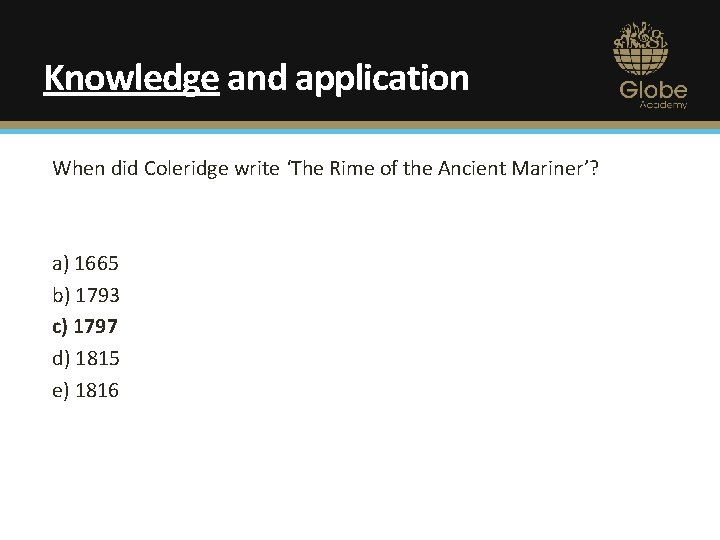
Knowledge and application When did Coleridge write ‘The Rime of the Ancient Mariner’? a) 1665 b) 1793 c) 1797 d) 1815 e) 1816
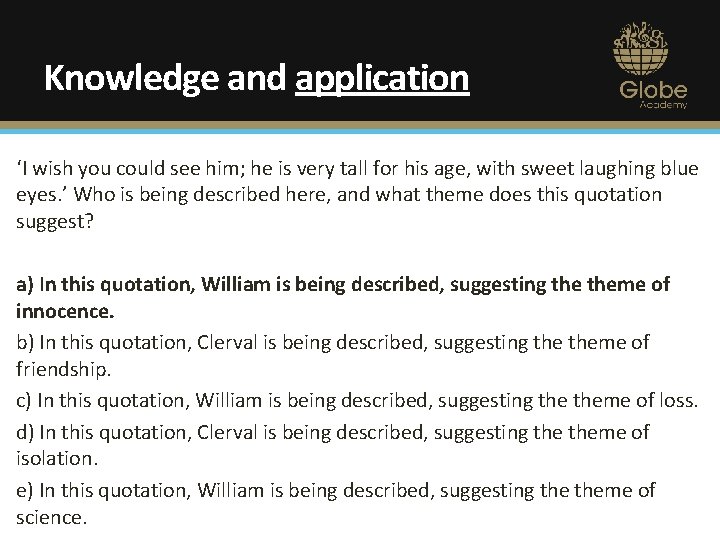
Knowledge and application ‘I wish you could see him; he is very tall for his age, with sweet laughing blue eyes. ’ Who is being described here, and what theme does this quotation suggest? a) In this quotation, William is being described, suggesting theme of innocence. b) In this quotation, Clerval is being described, suggesting theme of friendship. c) In this quotation, William is being described, suggesting theme of loss. d) In this quotation, Clerval is being described, suggesting theme of isolation. e) In this quotation, William is being described, suggesting theme of science.
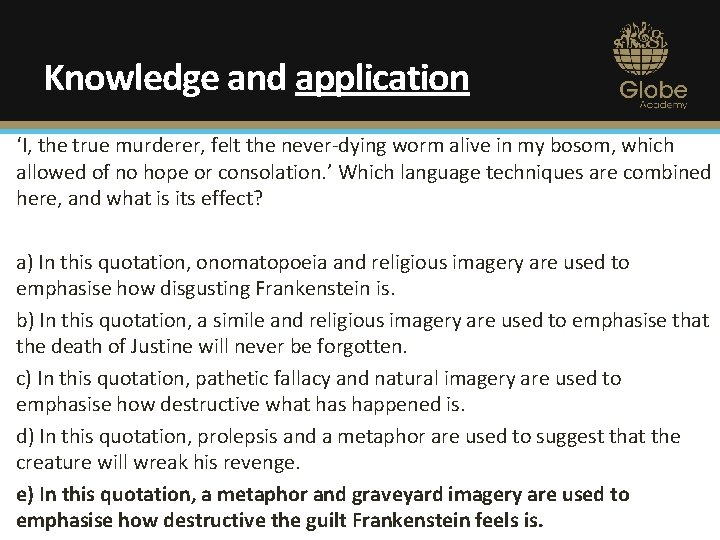
Knowledge and application ‘I, the true murderer, felt the never-dying worm alive in my bosom, which allowed of no hope or consolation. ’ Which language techniques are combined here, and what is its effect? a) In this quotation, onomatopoeia and religious imagery are used to emphasise how disgusting Frankenstein is. b) In this quotation, a simile and religious imagery are used to emphasise that the death of Justine will never be forgotten. c) In this quotation, pathetic fallacy and natural imagery are used to emphasise how destructive what has happened is. d) In this quotation, prolepsis and a metaphor are used to suggest that the creature will wreak his revenge. e) In this quotation, a metaphor and graveyard imagery are used to emphasise how destructive the guilt Frankenstein feels is.
Why use multiple choice questions? 1. Workload 2. Diagnosis 3. Breadth
How to design multiple choice questions 1. Five options 2. Plausible distractors 3. Unambiguously wrong distractors 4. Misconceptions as distractors 5. Multiple correct options
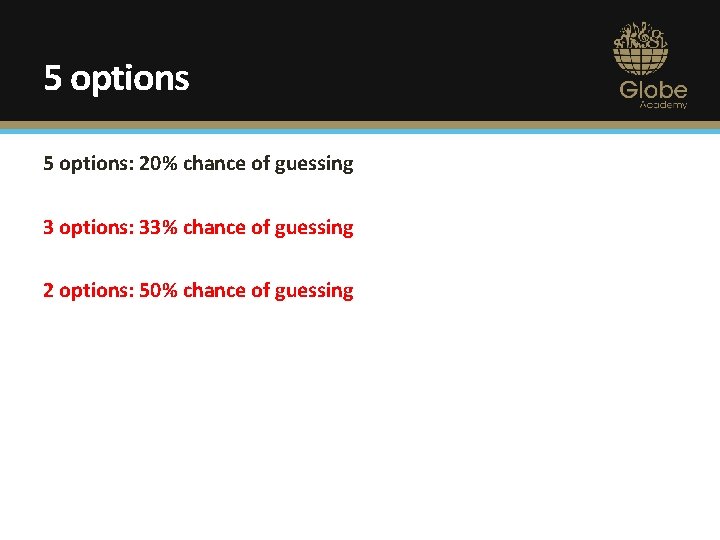
5 options: 20% chance of guessing 3 options: 33% chance of guessing 2 options: 50% chance of guessing
Implausible distractor How did Boudicca die? a) She was drowned in a tub of soup.
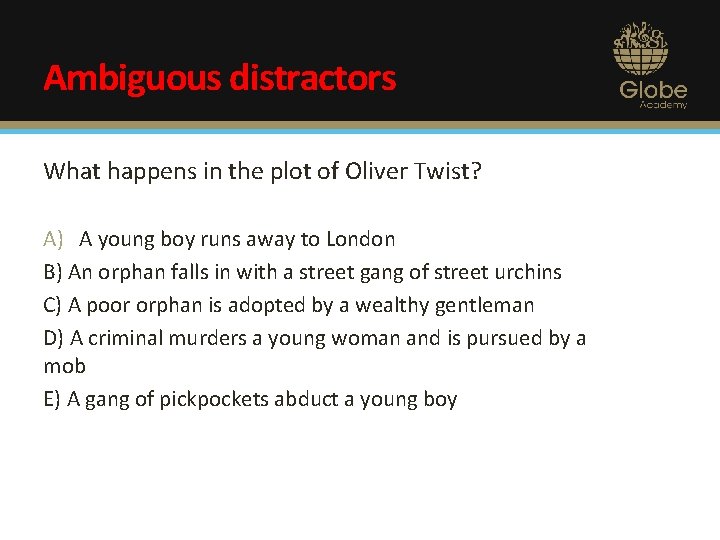
Ambiguous distractors What happens in the plot of Oliver Twist? A) A young boy runs away to London B) An orphan falls in with a street gang of street urchins C) A poor orphan is adopted by a wealthy gentleman D) A criminal murders a young woman and is pursued by a mob E) A gang of pickpockets abduct a young boy
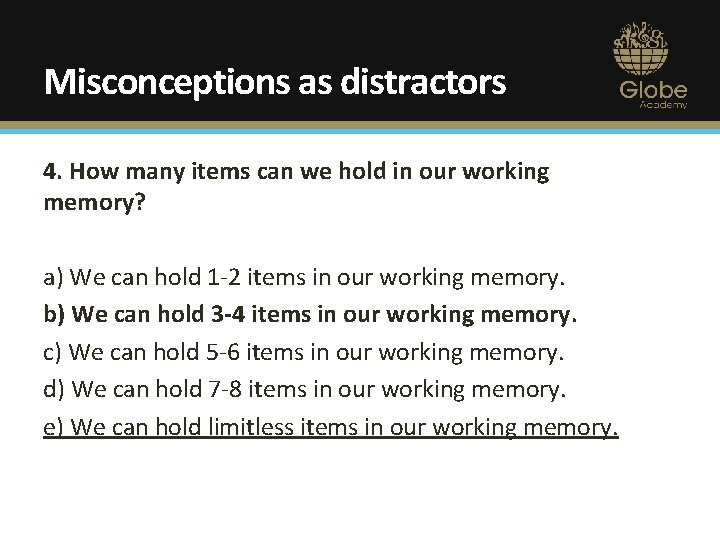
Misconceptions as distractors 4. How many items can we hold in our working memory? a) We can hold 1 -2 items in our working memory. b) We can hold 3 -4 items in our working memory. c) We can hold 5 -6 items in our working memory. d) We can hold 7 -8 items in our working memory. e) We can hold limitless items in our working memory.
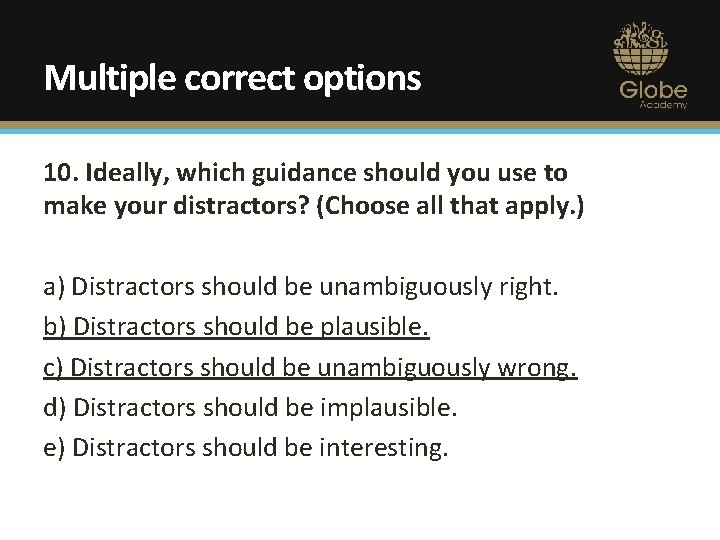
Multiple correct options 10. Ideally, which guidance should you use to make your distractors? (Choose all that apply. ) a) Distractors should be unambiguously right. b) Distractors should be plausible. c) Distractors should be unambiguously wrong. d) Distractors should be implausible. e) Distractors should be interesting.
Multiple choice questions 1. Five options 2. Plausible distractors 3. Unambiguously wrong distractors 4. Misconceptions as distractors 5. Multiple correct options
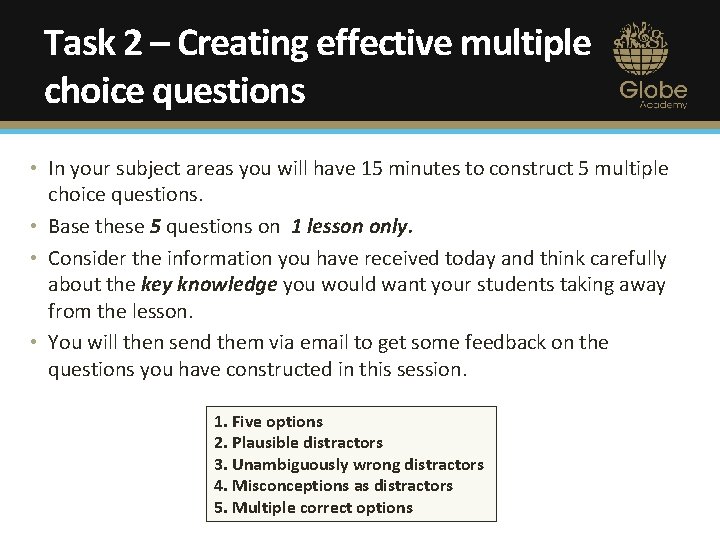
Task 2 – Creating effective multiple choice questions • In your subject areas you will have 15 minutes to construct 5 multiple choice questions. • Base these 5 questions on 1 lesson only. • Consider the information you have received today and think carefully about the key knowledge you would want your students taking away from the lesson. • You will then send them via email to get some feedback on the questions you have constructed in this session. 1. Five options 2. Plausible distractors 3. Unambiguously wrong distractors 4. Misconceptions as distractors 5. Multiple correct options
Plenary • Alone, try the multiple choice quiz again. • This will help us to work out which concepts to revisit in future CPD sessions. • Write any questions you have about knowledge, memory, knowledge maps or multiple choice questions at the bottom of your quiz.