
Do niche shifts explain the recent range expansion

- Slides: 27
Do niche shifts explain the recent range expansion and invasion of Bactrocera invadens into South Africa? ©Kaja Raghunath Matthew P. Hill and John S. Terblanche @Insect. Ecology
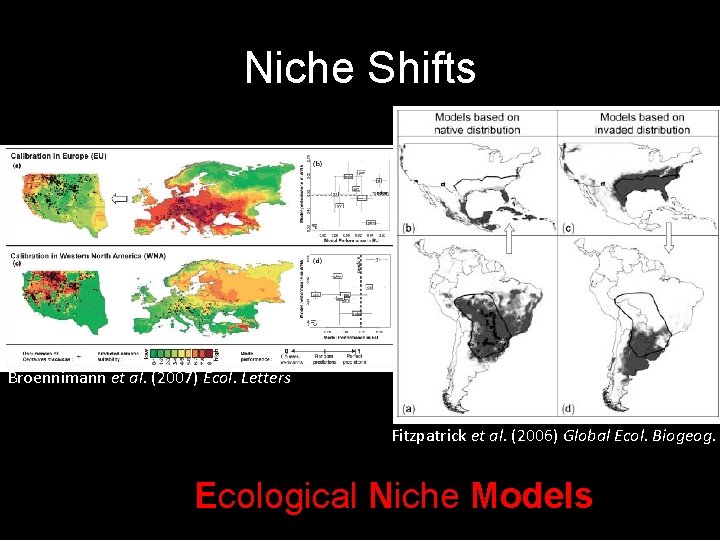
Niche Shifts Broennimann et al. (2007) Ecol. Letters Fitzpatrick et al. (2006) Global Ecol. Biogeog. Ecological Niche Models
Niche Shifts ISSUES • Rapidly changing realised niche • Non-equilibrium with environment • Modelling caveats – Background selection – Multicolinearity – Transferability – Taxonomic identification
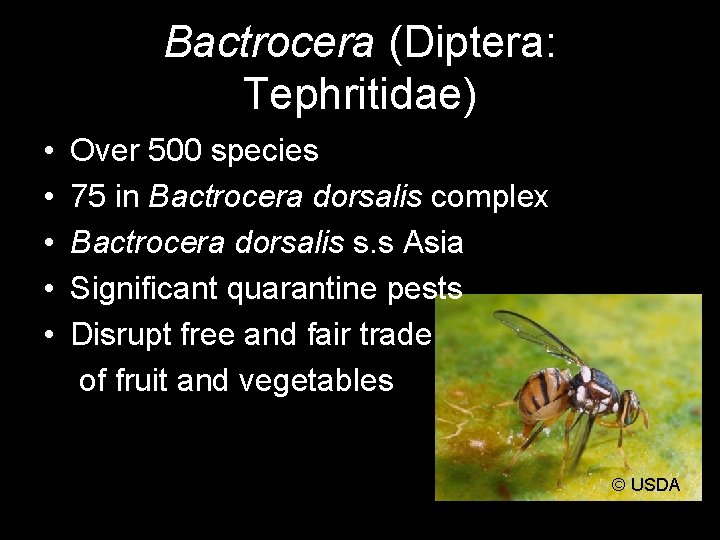
Bactrocera (Diptera: Tephritidae) • • • Over 500 species 75 in Bactrocera dorsalis complex Bactrocera dorsalis s. s Asia Significant quarantine pests Disrupt free and fair trade of fruit and vegetables © USDA
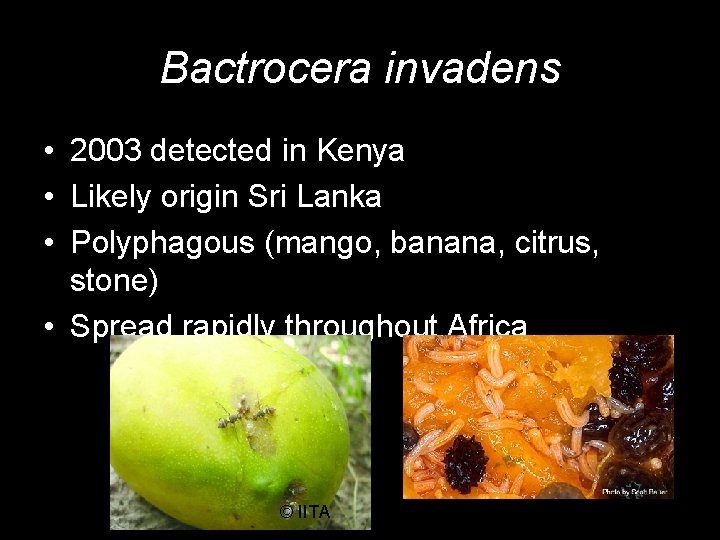
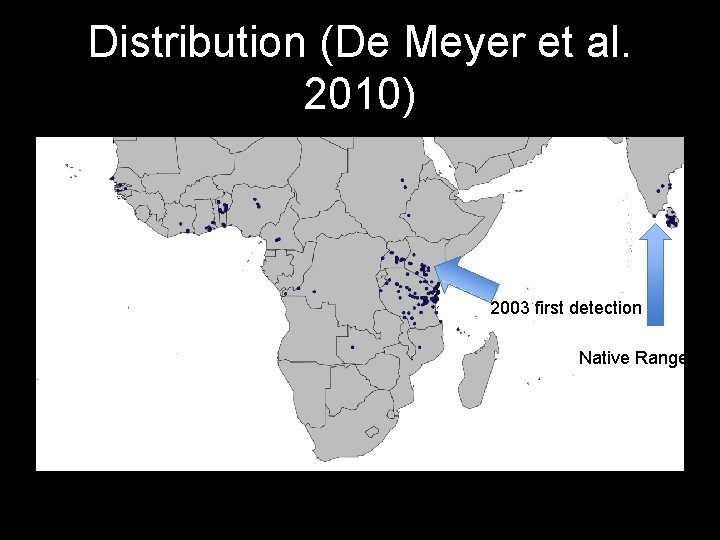
Bactrocera invadens • 2003 detected in Kenya • Likely origin Sri Lanka • Polyphagous (mango, banana, citrus, stone) • Spread rapidly throughout Africa © IITA
Distribution (De Meyer et al. 2010) 2003 first detection Native Range
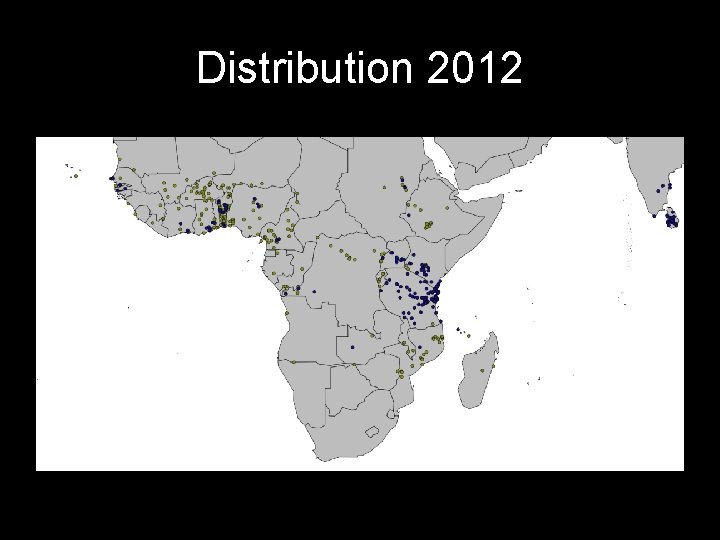
Distribution 2012
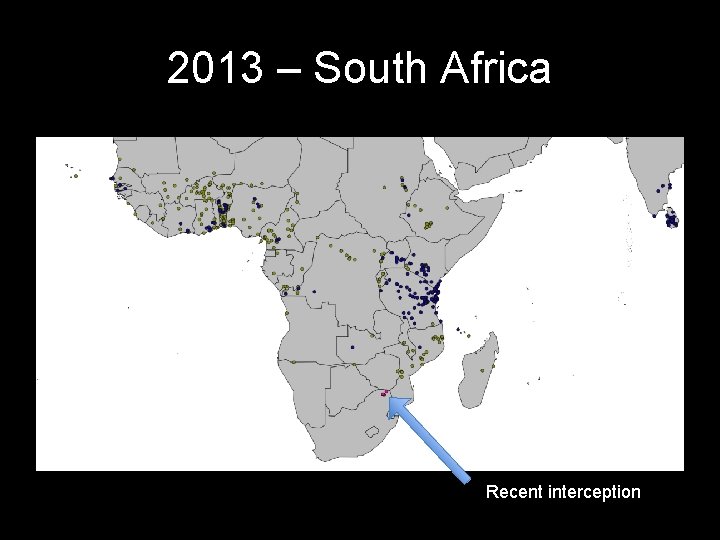
2013 – South Africa Recent interception
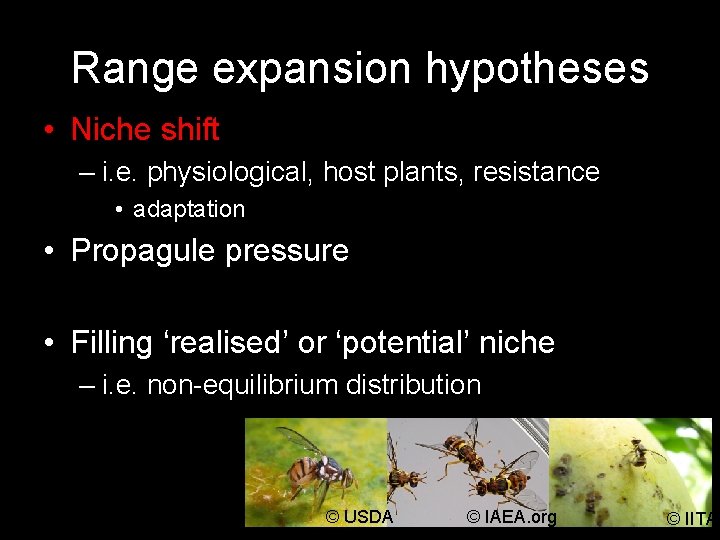
Range expansion hypotheses • Niche shift – i. e. physiological, host plants, resistance • adaptation • Propagule pressure • Filling ‘realised’ or ‘potential’ niche – i. e. non-equilibrium distribution © USDA © IAEA. org © IITA
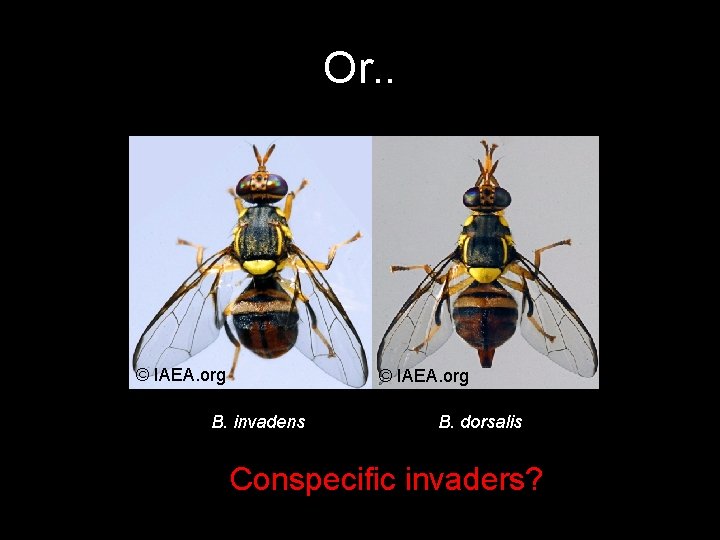
Or. . © IAEA. org B. invadens B. dorsalis Conspecific invaders?
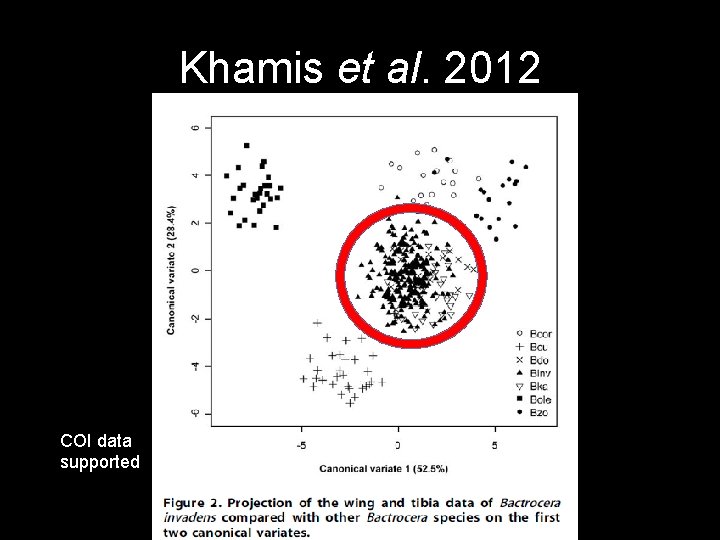
Khamis et al. 2012 COI data supported
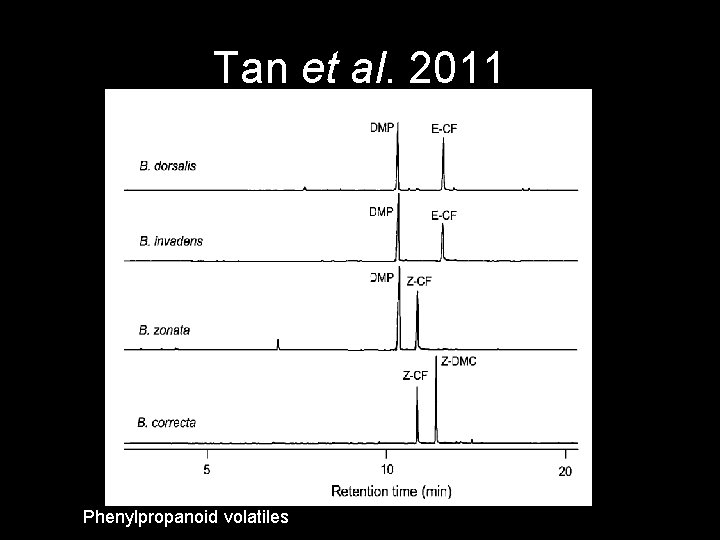
Tan et al. 2011 Phenylpropanoid volatiles
Hypotheses • Conspecific species (B. invadens & B. dorsalis) • Combined data better explain understand range expansion • Considering as single species will give better predictions of global invasion potential © USDA © IAEA. org © IITA
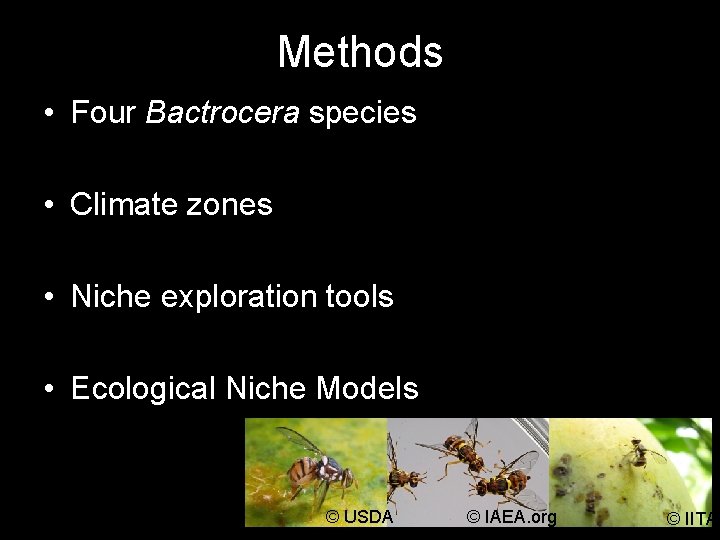
Methods • Four Bactrocera species • Climate zones • Niche exploration tools • Ecological Niche Models © USDA © IAEA. org © IITA
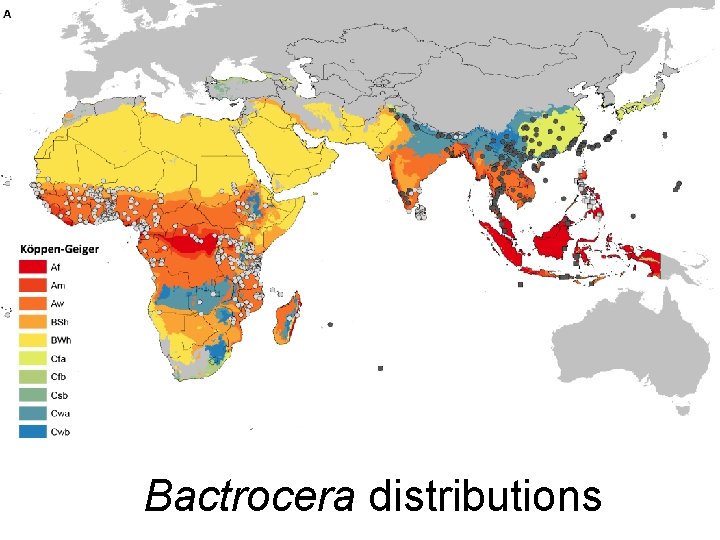
Bactrocera distributions
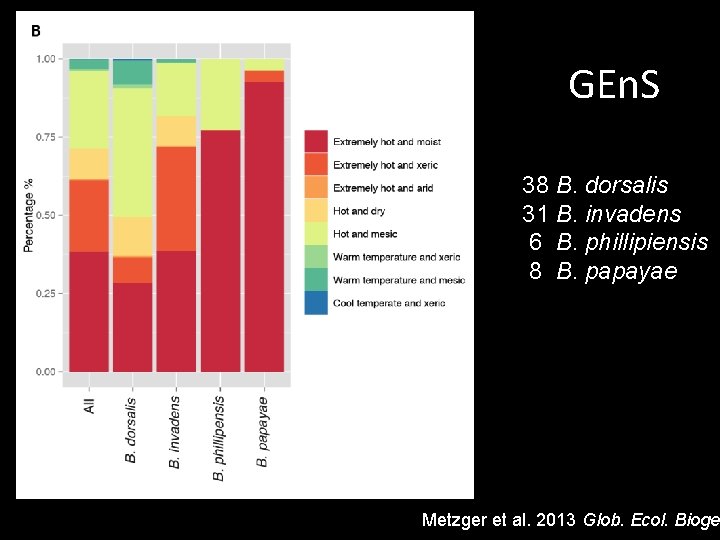
GEn. S 38 B. dorsalis 31 B. invadens 6 B. phillipiensis 8 B. papayae Metzger et al. 2013 Glob. Ecol. Bioge
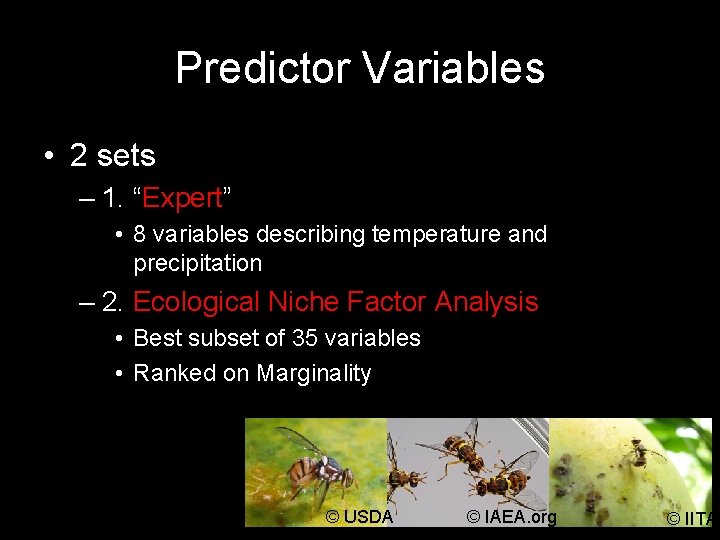
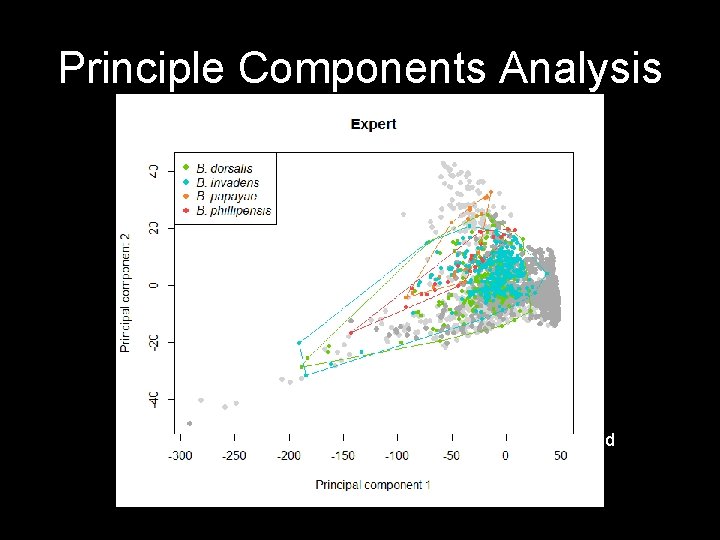
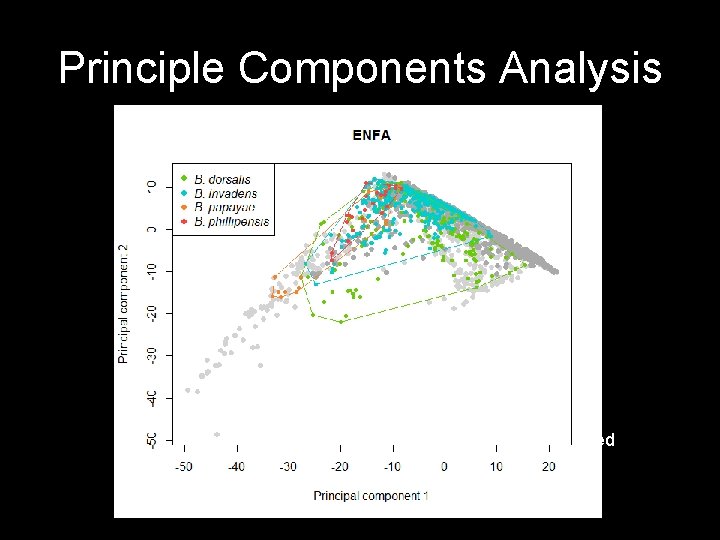
Predictor Variables • 2 sets – 1. “Expert” • 8 variables describing temperature and precipitation – 2. Ecological Niche Factor Analysis • Best subset of 35 variables • Ranked on Marginality © USDA © IAEA. org © IITA
Principle Components Analysis Expert ENFA-derived
Principle Components Analysis Expert ENFA-derived
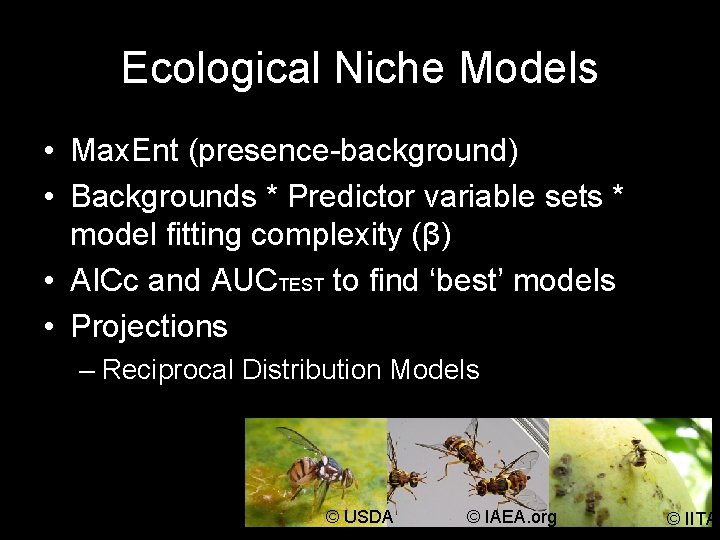
Ecological Niche Models • Max. Ent (presence-background) • Backgrounds * Predictor variable sets * model fitting complexity (β) • AICc and AUCTEST to find ‘best’ models • Projections – Reciprocal Distribution Models © USDA © IAEA. org © IITA
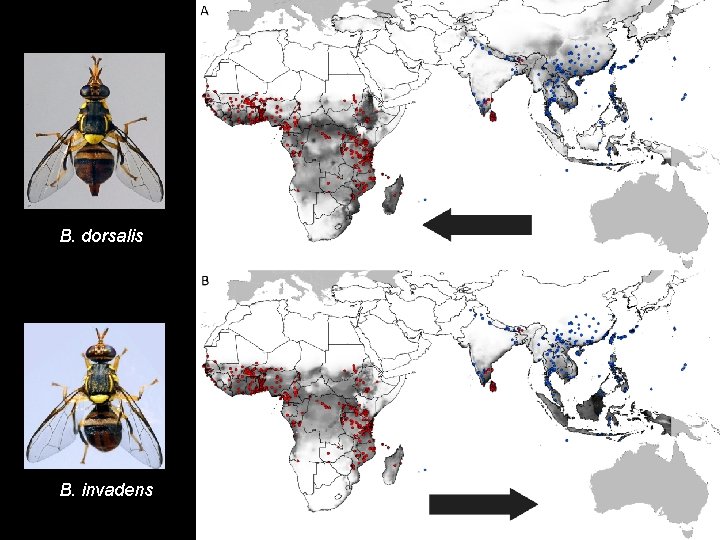
B. dorsalis B. invadens
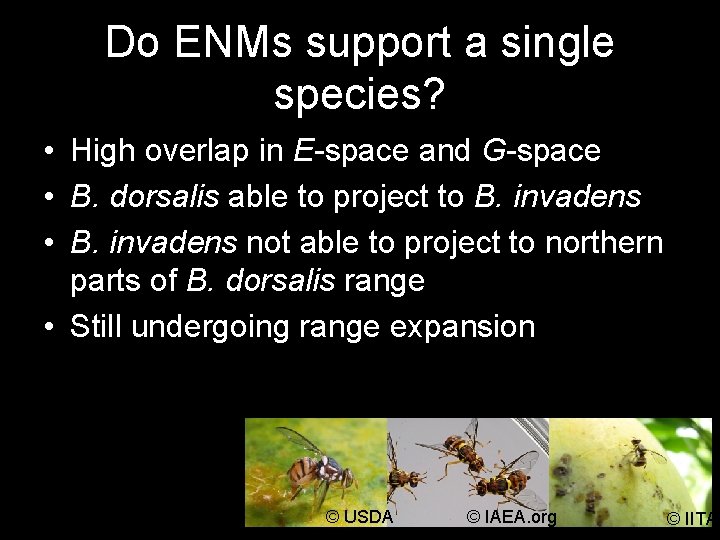
Do ENMs support a single species? • High overlap in E-space and G-space • B. dorsalis able to project to B. invadens • B. invadens not able to project to northern parts of B. dorsalis range • Still undergoing range expansion © USDA © IAEA. org © IITA
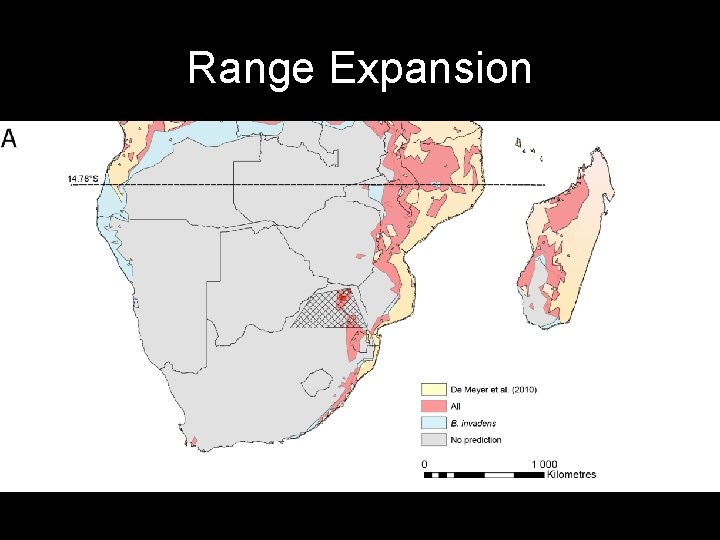
Range Expansion
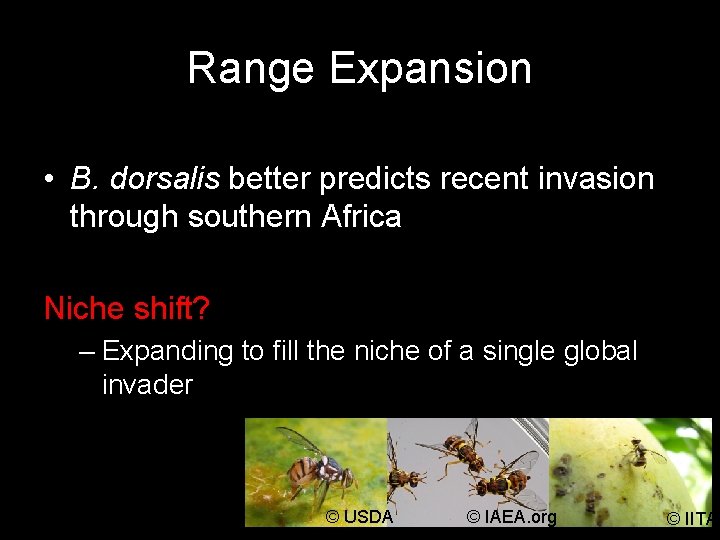
Range Expansion • B. dorsalis better predicts recent invasion through southern Africa Niche shift? – Expanding to fill the niche of a single global invader © USDA © IAEA. org © IITA
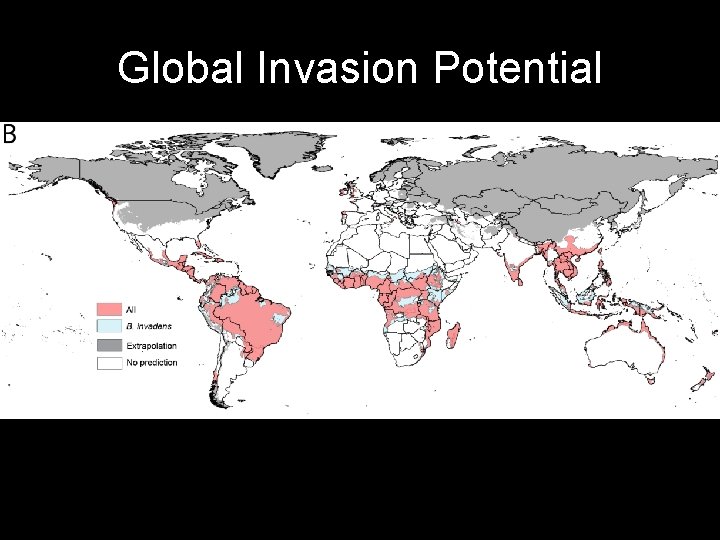
Global Invasion Potential
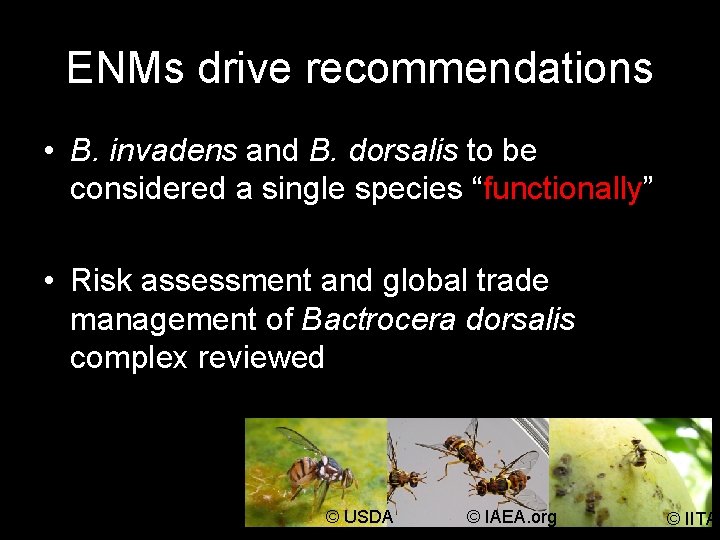
ENMs drive recommendations • B. invadens and B. dorsalis to be considered a single species “functionally” • Risk assessment and global trade management of Bactrocera dorsalis complex reviewed © USDA © IAEA. org © IITA
Thank you • • Matthew Addison Mark Shutze Mark De Meyer Andrea Stephens © IAEA. org