
DNA Replication Notes DNA A k a Deoxyribonucleic
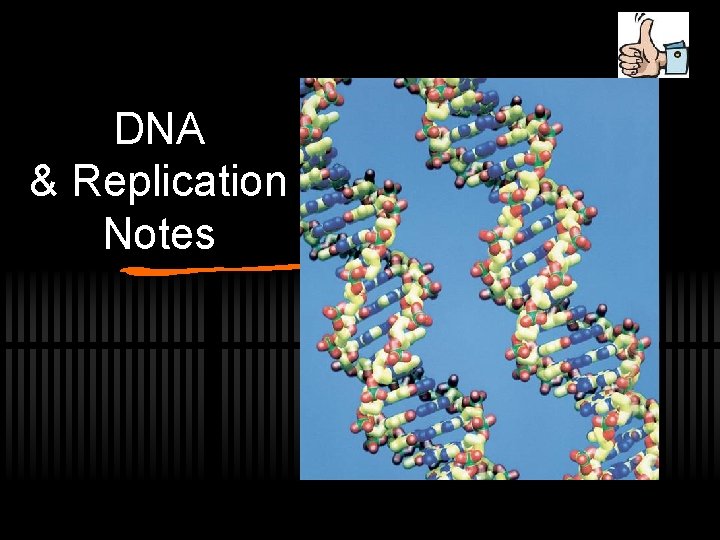
DNA & Replication Notes
DNA ü A. k. a. Deoxyribonucleic Acid ü Molecule present in all living cells ü Contains information that determines the traits that an organism inherits and needs to live

Rosalind Franklin ü Took one of the first photos of DNA using X-Ray Diffraction
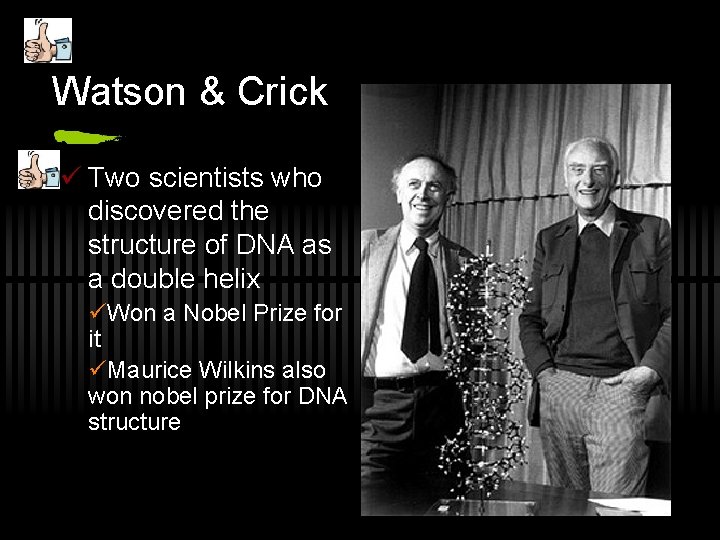
Watson & Crick ü Two scientists who discovered the structure of DNA as a double helix üWon a Nobel Prize for it üMaurice Wilkins also won nobel prize for DNA structure
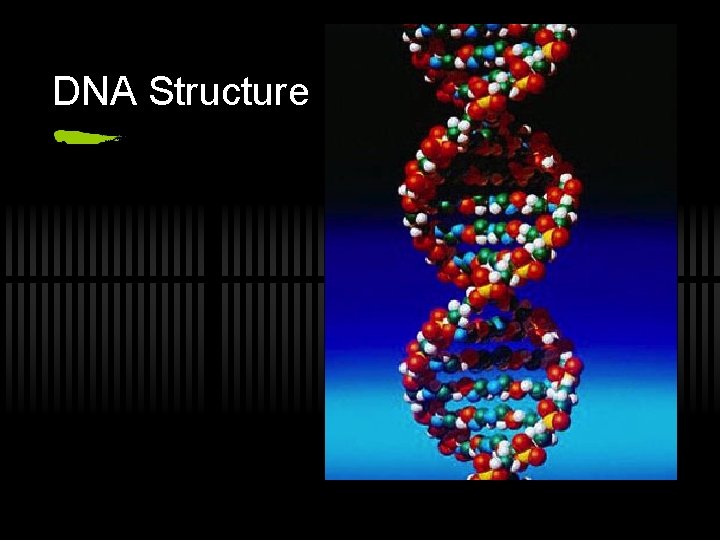
DNA Structure
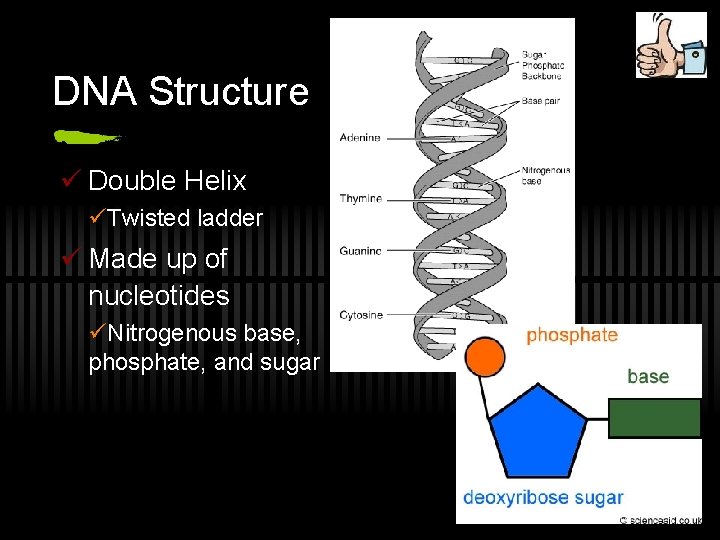
DNA Structure ü Double Helix üTwisted ladder ü Made up of nucleotides üNitrogenous base, phosphate, and sugar
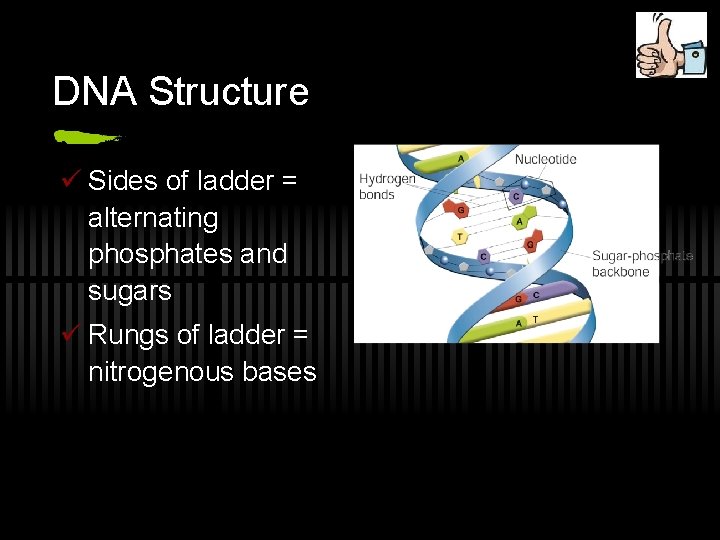
DNA Structure ü Sides of ladder = alternating phosphates and sugars ü Rungs of ladder = nitrogenous bases
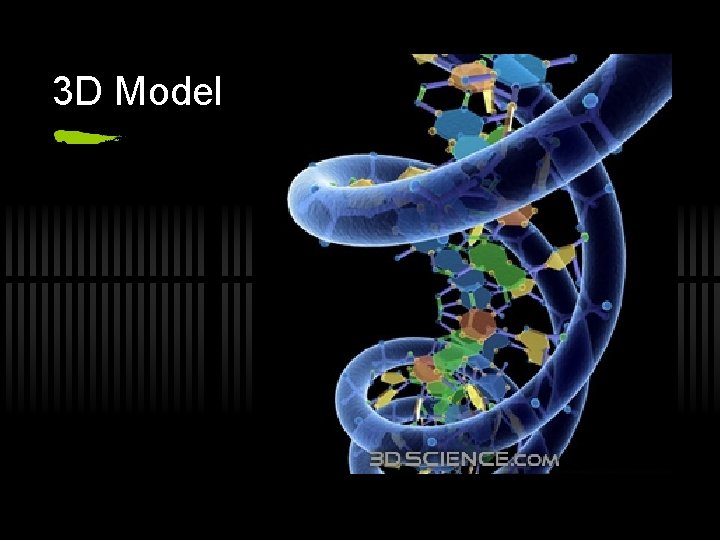
3 D Model
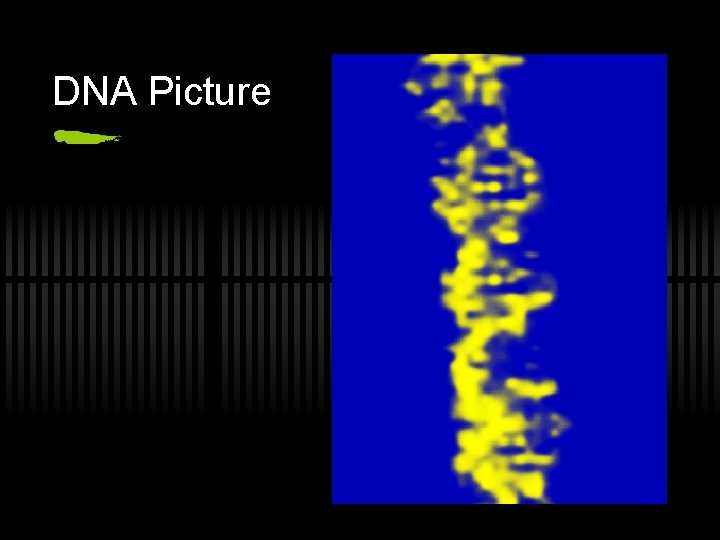
DNA Picture
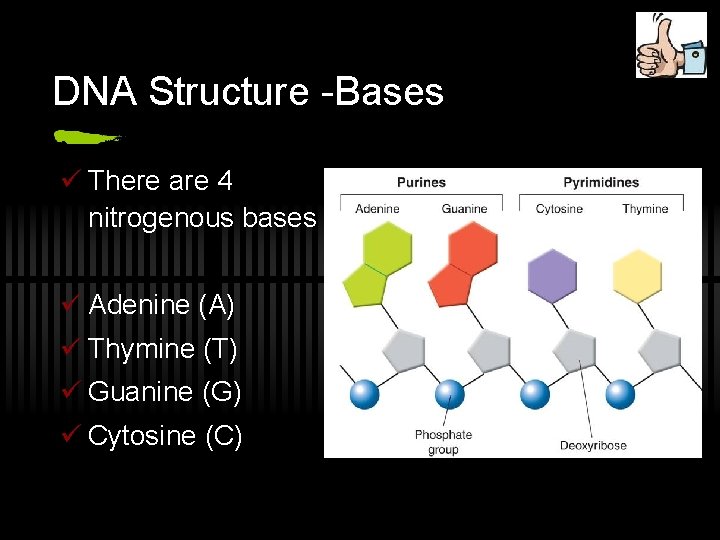
DNA Structure -Bases ü There are 4 nitrogenous bases ü Adenine (A) ü Thymine (T) ü Guanine (G) ü Cytosine (C)
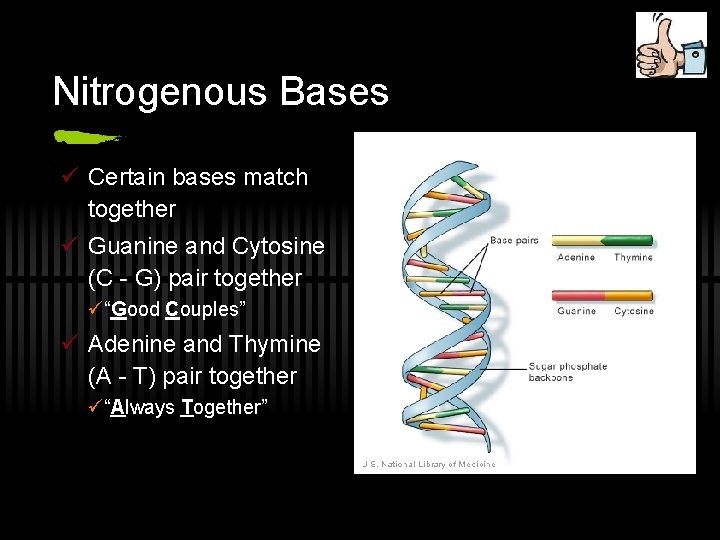
Nitrogenous Bases ü Certain bases match together ü Guanine and Cytosine (C - G) pair together ü“Good Couples” ü Adenine and Thymine (A - T) pair together ü“Always Together”
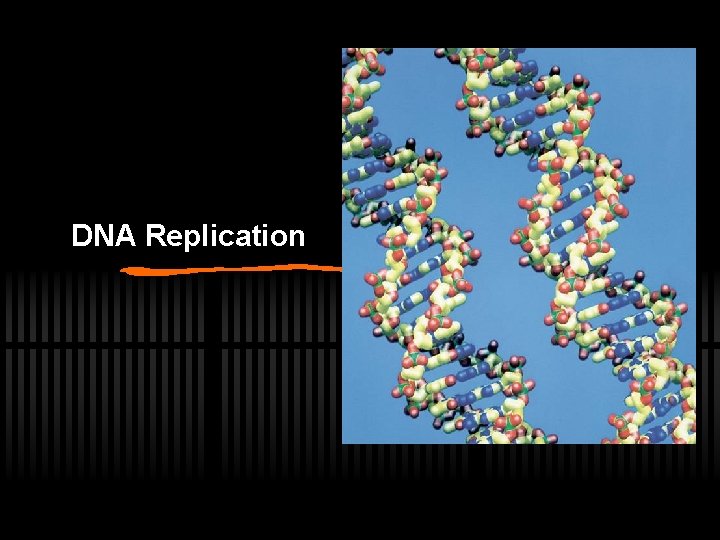
DNA Replication
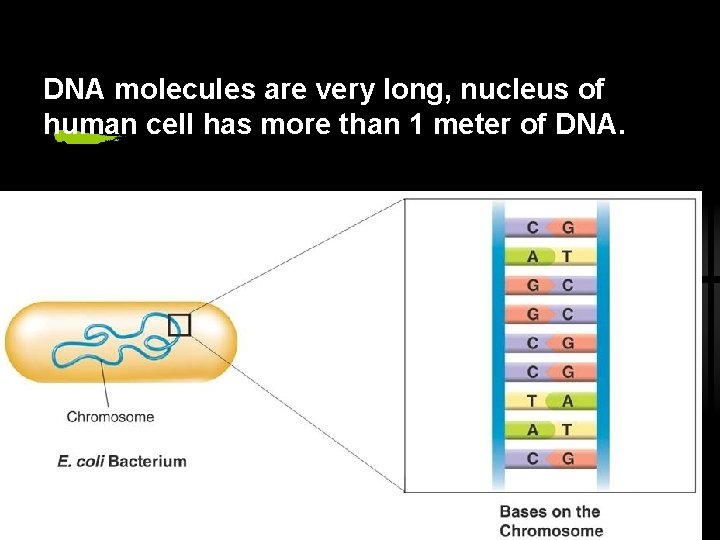
DNA molecules are very long, nucleus of human cell has more than 1 meter of DNA.
DNA Replication ü Each side of the DNA strand has all of the information needed to reconstruct the other half of the strand through the process of base pairing. ü Due to this process (base pairing), the strands are said to be complementary. üDNA replication happens at hundreds of places along the strand- makes the process very fast!
üReplication proceeds in both directions until each chromosome is completely copied. üSites where separation and replication happen are called replication forks.
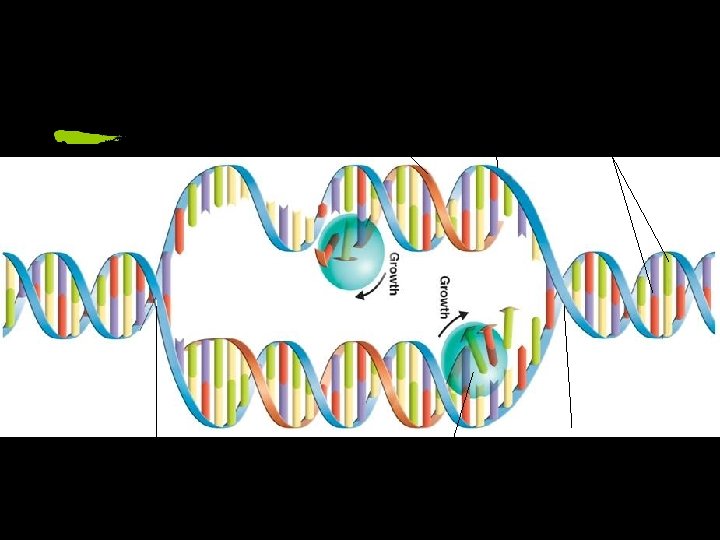
New Strand Original strand Nitrogen Bases Replication Fork DNA Polymerase
Duplicating DNA üReplication- the copying process in which a cell duplicates its DNA, before it divides into 2 cells with complete sets of DNA molecules.
Step 1 --> Pull old DNA Apart üDNA molecule separates into two strands üDNA polymerase is the principle enzyme involved in DNA replication. üIt pulls apart the old DNA strand so that each side can be copied
Step 2 --> Base Pairing üBases are added to each side following the rules of base pairing. üEach strand of the double helix DNA serves as a template, or model, for the new strand.
Step 3 =RESULT üResult is two DNA molecules identical to each other and the original molecule. üEach DNA molecule from replication has one original strand one new strand.
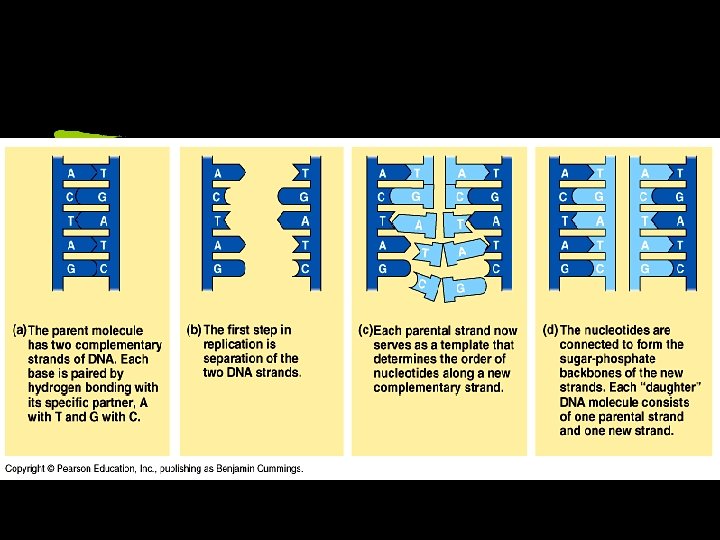
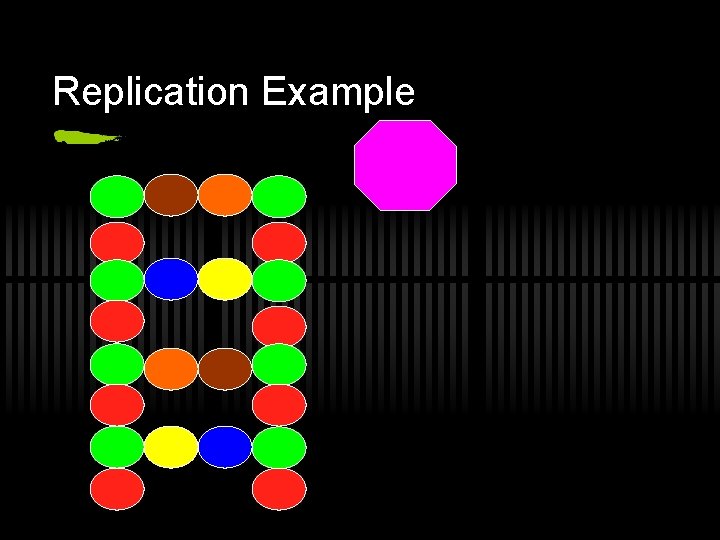
Replication Example
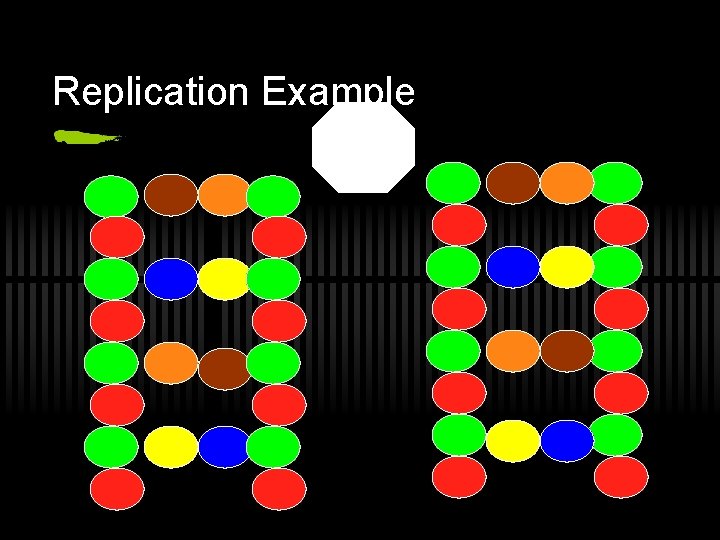
Replication Example
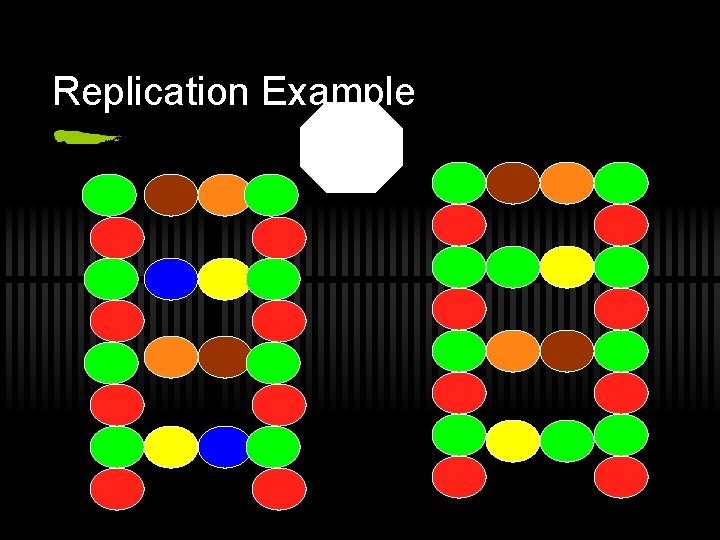
Replication Example
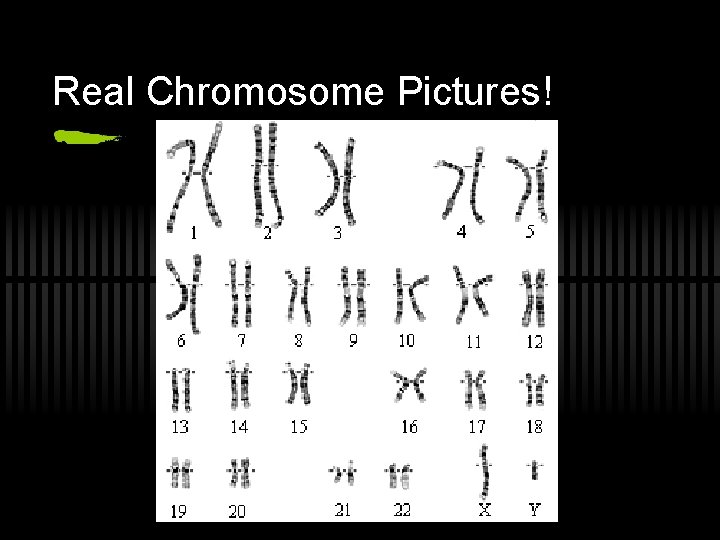
Real Chromosome Pictures!
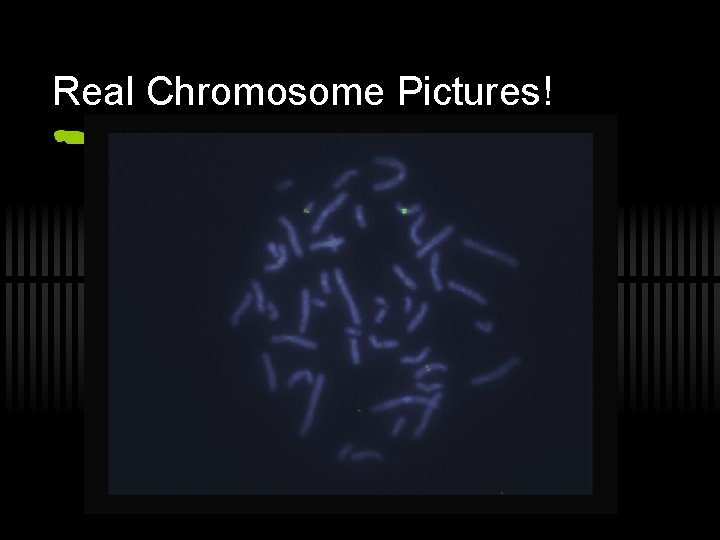
Real Chromosome Pictures!
DNA Replication Video ü http: //www. dnalc. org/resources/3 d/DNA Replication. Basic_w_FX. html
- Slides: 27