
DNA REPLICATION Making sister chromatids DNA Structure Double
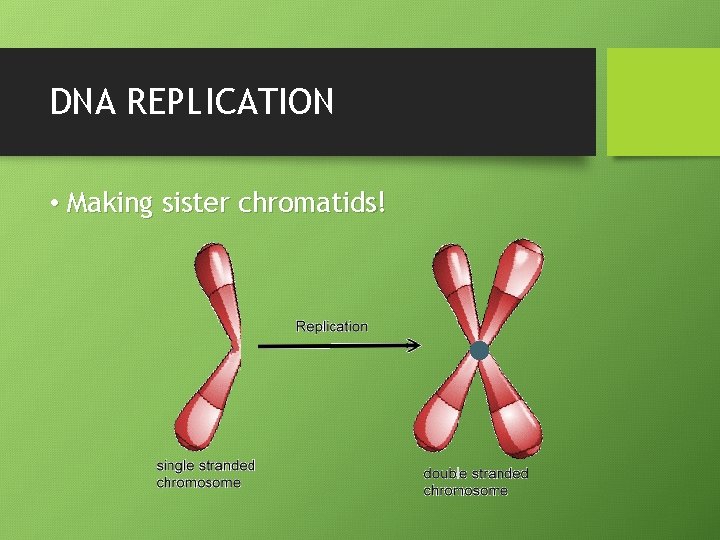
DNA REPLICATION • Making sister chromatids!
DNA Structure • Double Stranded • Backbone • Phosphate • Sugar (deoxyribose) • “Rungs of the Ladder” • Nitrogenous Base (Adenine, Cytosine, Guanine, Thymine) • Two stands twist together to form double helix
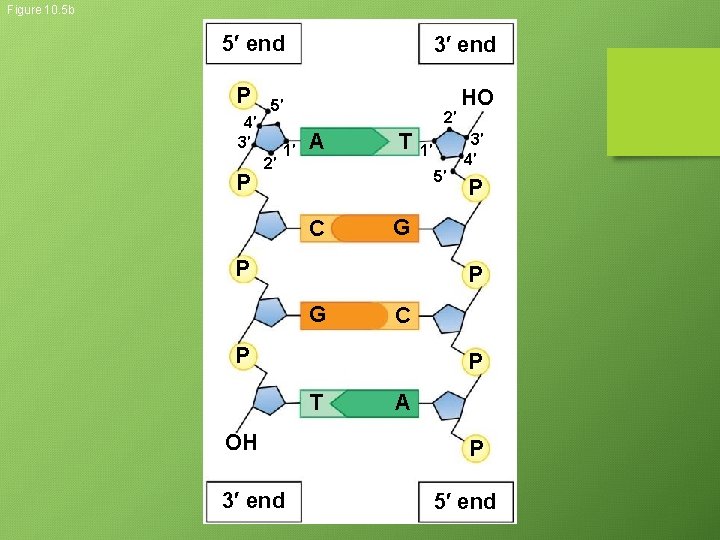
Figure 10. 5 b 5′ end P 4′ 3′ P 3′ end 5′ 2′ 1′ 2′ A T 5′ C P P G C P P T 3′ end 3′ 4′ G P OH 1′ HO A P 5′ end
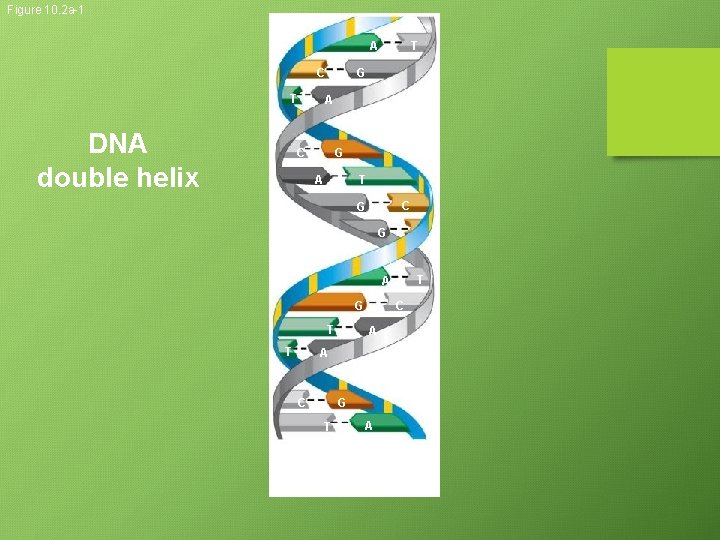
Figure 10. 2 a-1 A G C T DNA double helix T A C G G T A C G T T A A C G T A
DNA replication: depends on specific base pairing • DNA replication follows a semiconservative model • The two DNA strands separate. • Each strand then becomes a template for the assembly of a complementary strand • Each new DNA helix has one old strand with one new strand.
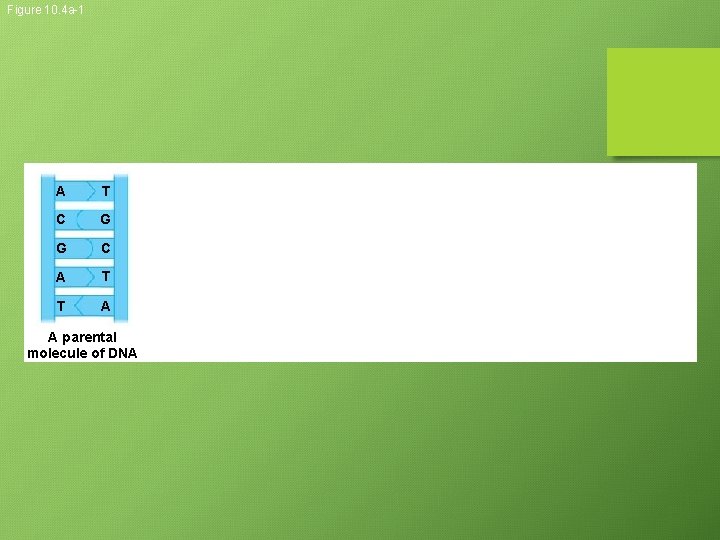
Figure 10. 4 a-1 A T C G G C A T T A A parental molecule of DNA
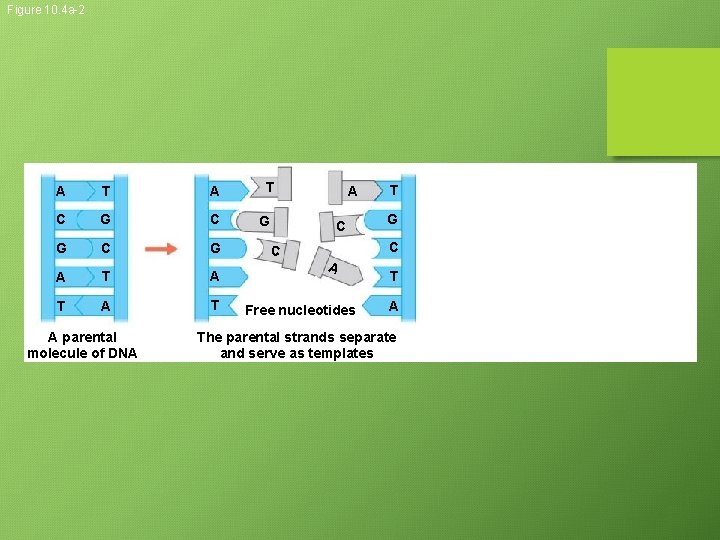
Figure 10. 4 a-2 A T A C G C G A T A T A parental molecule of DNA T G A C C T G C A Free nucleotides T A The parental strands separate and serve as templates
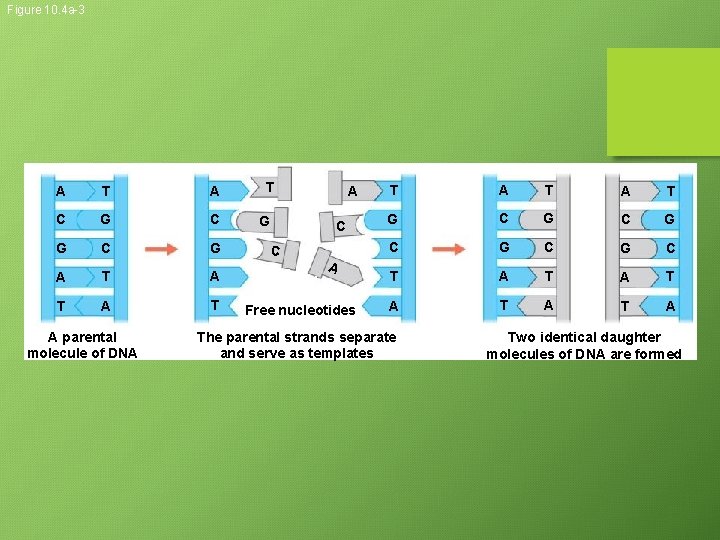
Figure 10. 4 a-3 A T A C G C G A T A T A parental molecule of DNA T G A C C A Free nucleotides T A T G C G C G C T A T A T A The parental strands separate and serve as templates Two identical daughter molecules of DNA are formed
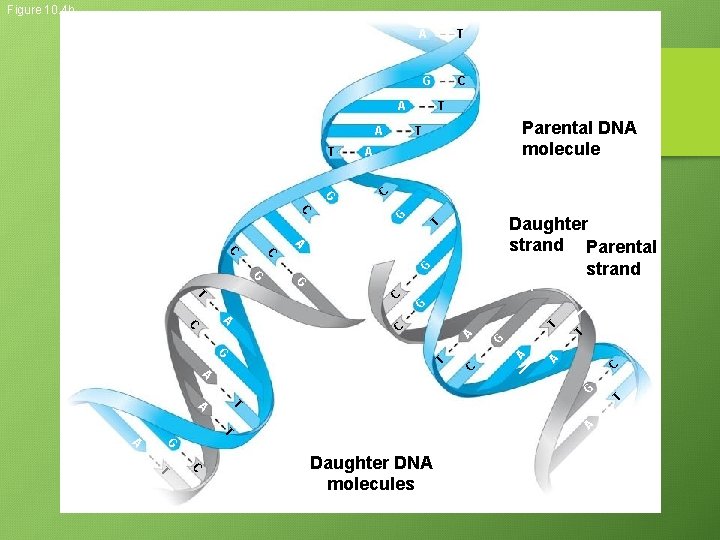
Figure 10. 4 b A T G C A A Parental DNA molecule T A T C Daughter strand Parental strand G G C T T A G C C G G T T G C C A T A G A C C T A A T G A T T A C T Daughter DNA molecules
DNA replication proceeds in two directions at many sites simultaneously • Replication of a DNA molecule begins at sites called origins of replication: short stretches of DNA having a specific sequence of nucleotides. • Proteins that initiate DNA replication • attach to the DNA at the origin of replication and • separate the two strands of the double helix. • Replication then proceeds in both directions, creating replication “bubbles. ”

Figure 10. 5 a Parental DNA molecule Origin of replication “Bubble” Two daughter DNA molecules © 2015 Pearson Education, Inc. Parental strand Daughter strand
DNA replication proceeds in two directions at many sites simultaneously • DNA replication occurs in the 5 to 3 direction. • • • DNA polymerase only reads the template 3 to 5. New strand then goes 5 to 3 as it is built. Because of this: Replication is discontinuous on the 5 to 3 template, forming short Okazaki fragments. • An enzyme, called DNA ligase, links (or ligates) the pieces together into a single DNA strand.
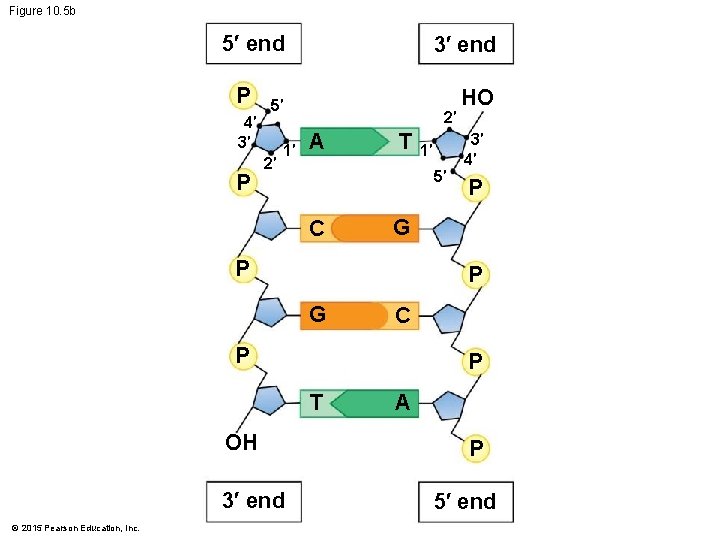
Figure 10. 5 b 5′ end P 4′ 3′ P 3′ end 5′ 2′ 1′ 2′ A T 5′ C C P P T © 2015 Pearson Education, Inc. P P G 3′ end 3′ 4′ G P OH 1′ HO A P 5′ end
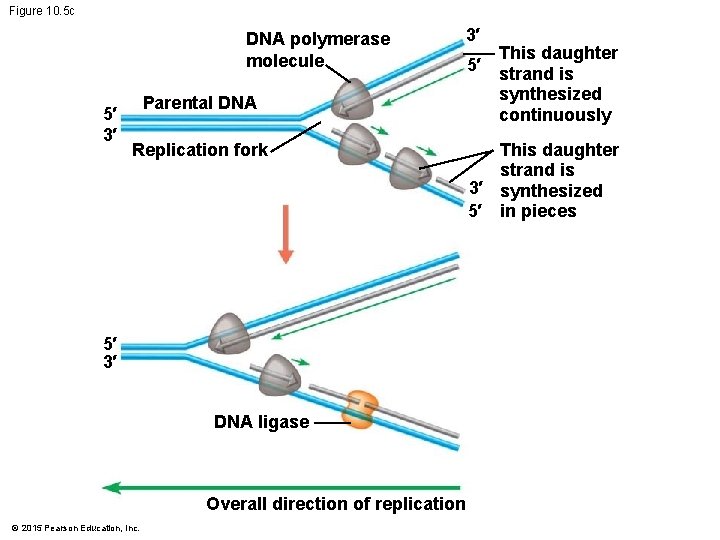
Figure 10. 5 c DNA polymerase molecule 5′ 3′ Parental DNA Replication fork 5′ 3′ DNA ligase Overall direction of replication © 2015 Pearson Education, Inc. 3′ This daughter 5′ strand is synthesized continuously This daughter strand is 3′ synthesized 5′ in pieces
DNA replication proceeds in two directions at many sites simultaneously • DNA polymerases and DNA ligase also repair DNA damaged by harmful radiation and toxic chemicals. • DNA replication ensures that all the somatic cells in a multicellular organism carry the same genetic information.
- Slides: 15