
DNA REPLICATION 109 1010 DNA stores genetic information
- Slides: 18
DNA REPLICATION 10/9 & 10/10
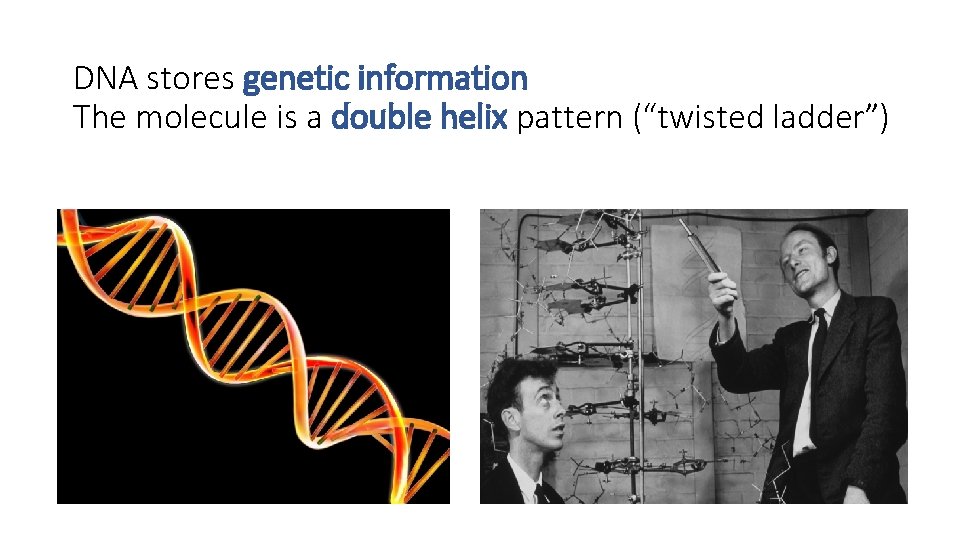
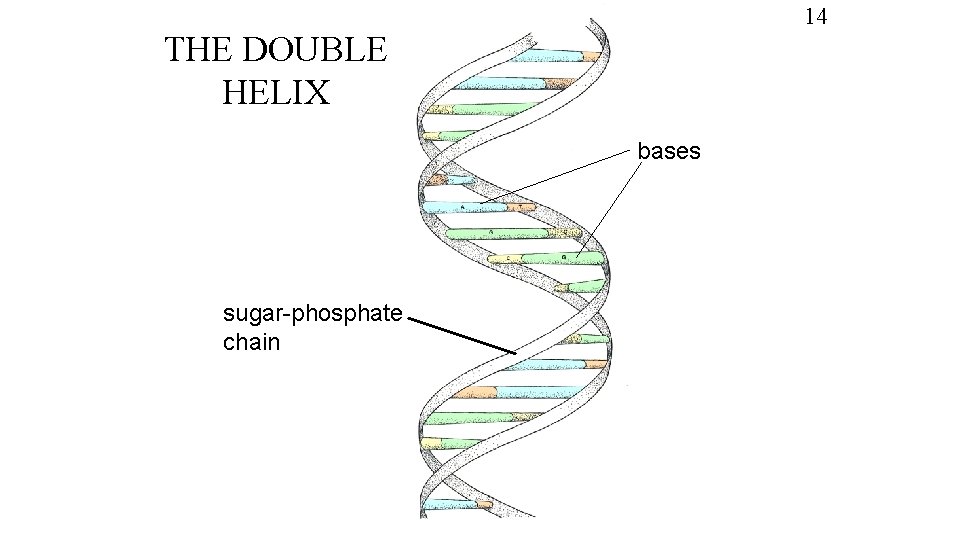
DNA stores genetic information The molecule is a double helix pattern (“twisted ladder”)
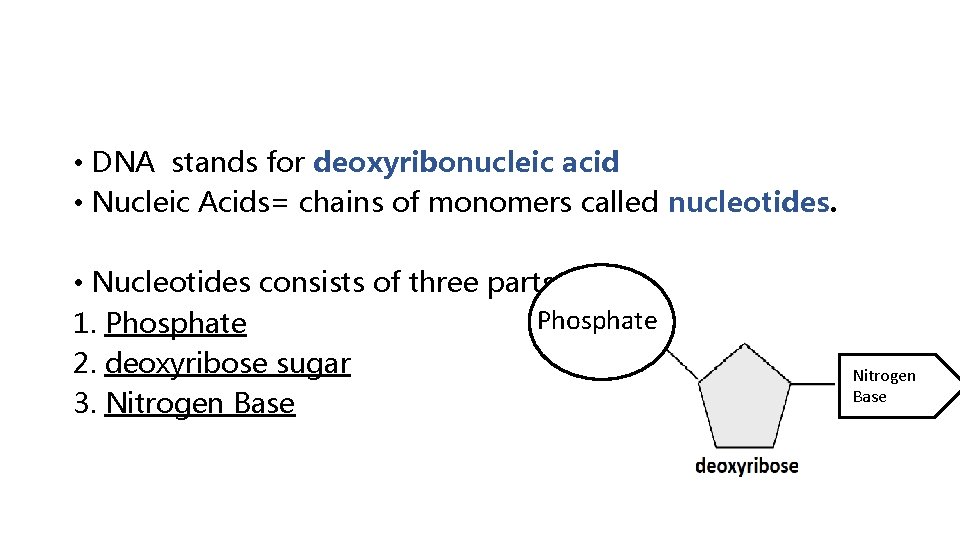
• DNA stands for deoxyribonucleic acid • Nucleic Acids= chains of monomers called nucleotides. • Nucleotides consists of three parts: Phosphate 1. Phosphate 2. deoxyribose sugar 3. Nitrogen Base
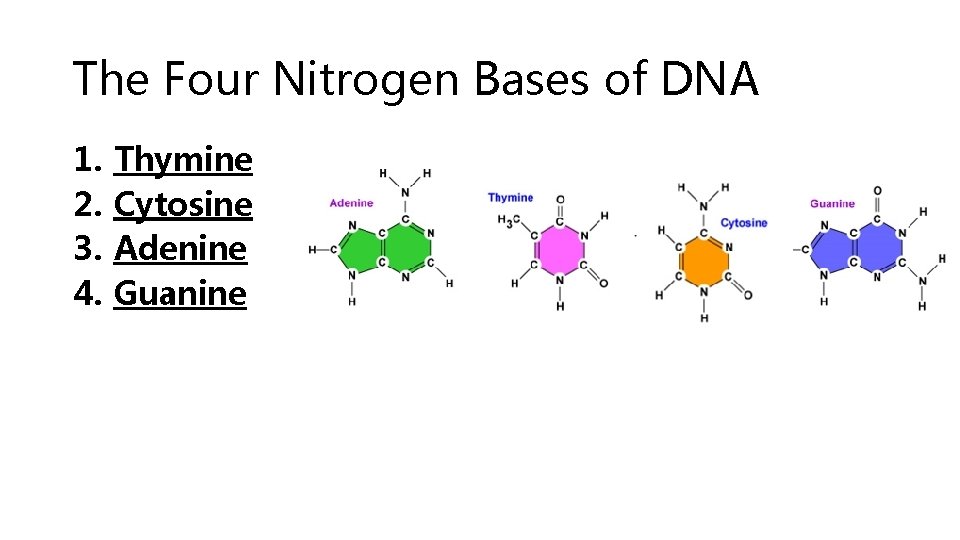
The Four Nitrogen Bases of DNA 1. 2. 3. 4. Thymine Cytosine Adenine Guanine
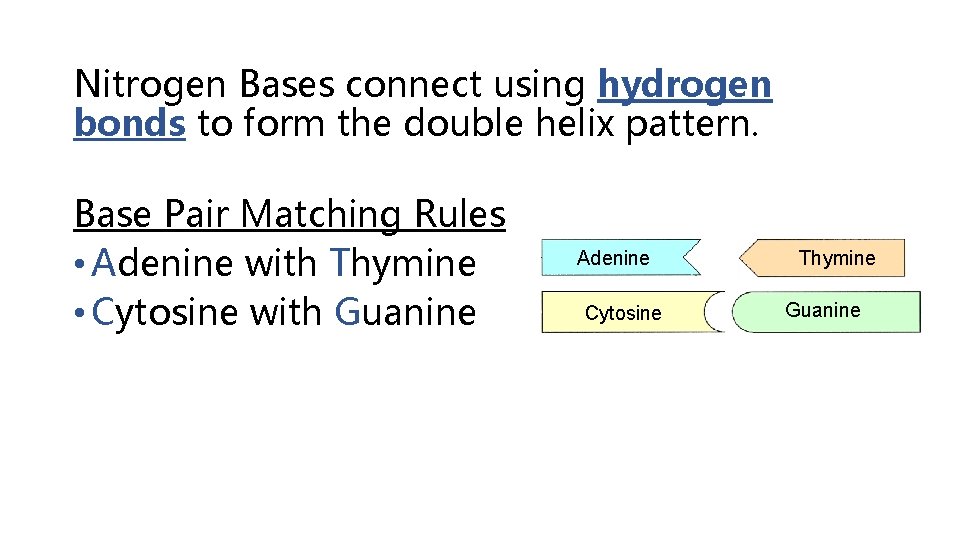
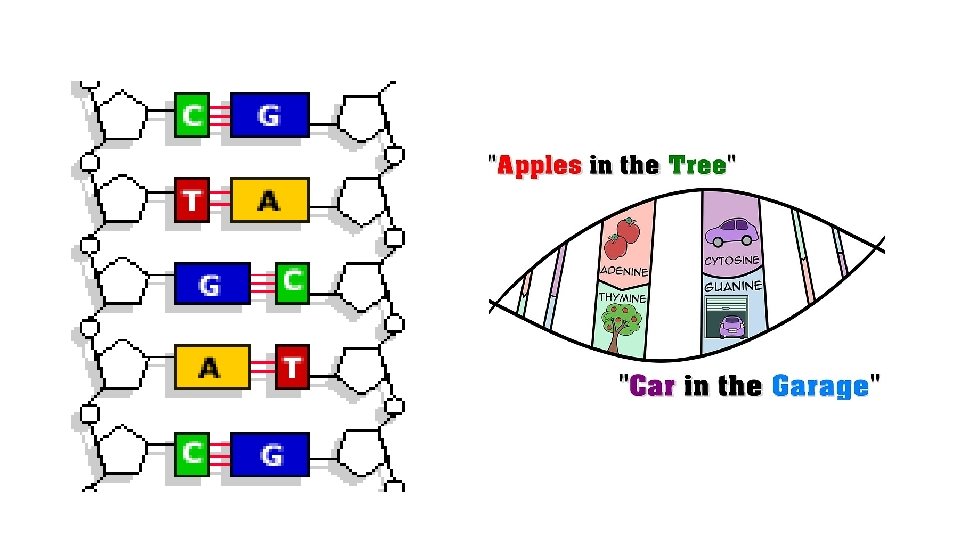
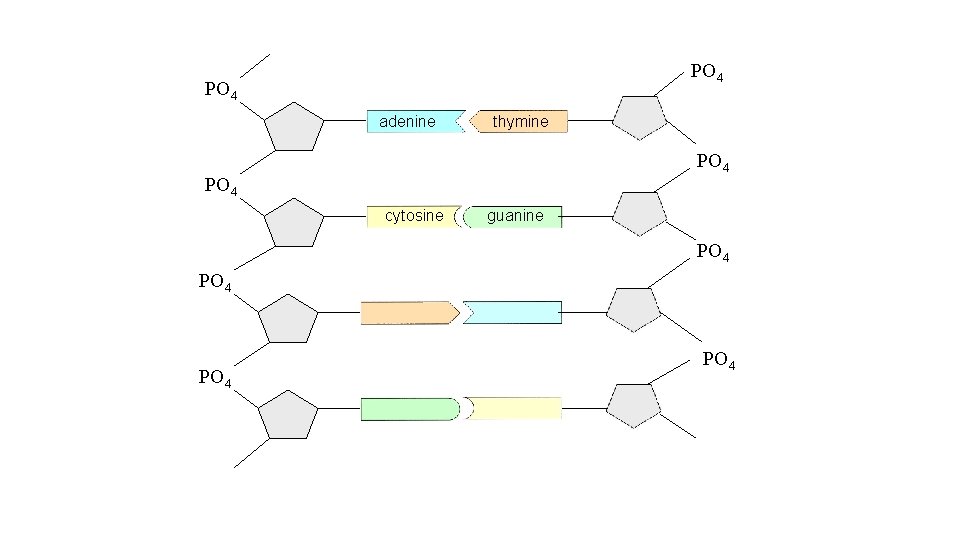
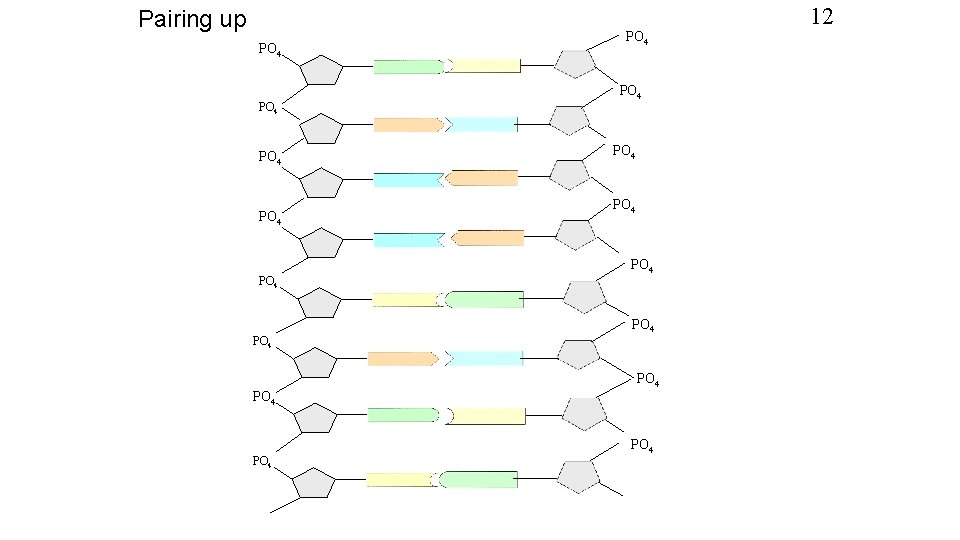
Nitrogen Bases connect using hydrogen bonds to form the double helix pattern. Base Pair Matching Rules • Adenine with Thymine • Cytosine with Guanine Adenine Cytosine Thymine Guanine
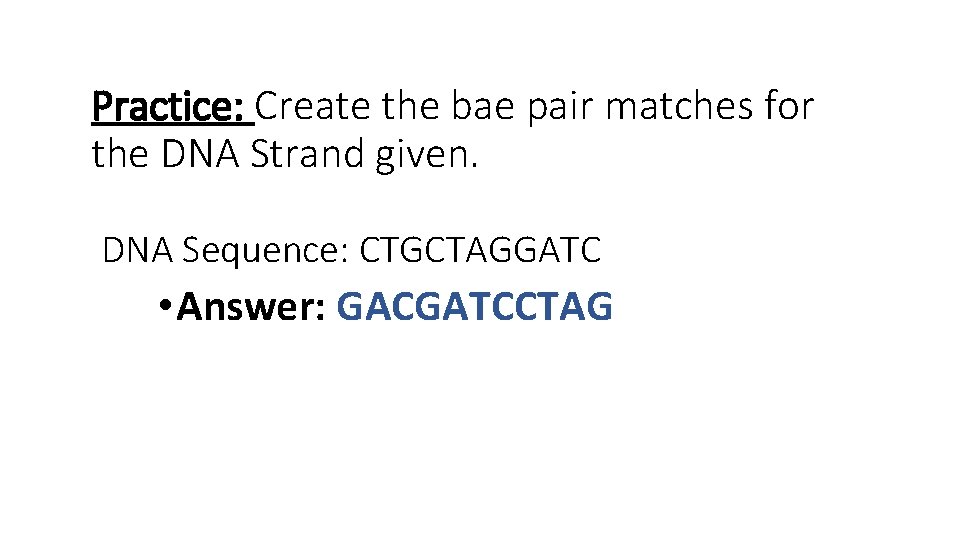
Practice: Create the bae pair matches for the DNA Strand given. DNA Sequence: CTGCTAGGATC • Answer: GACGATCCTAG
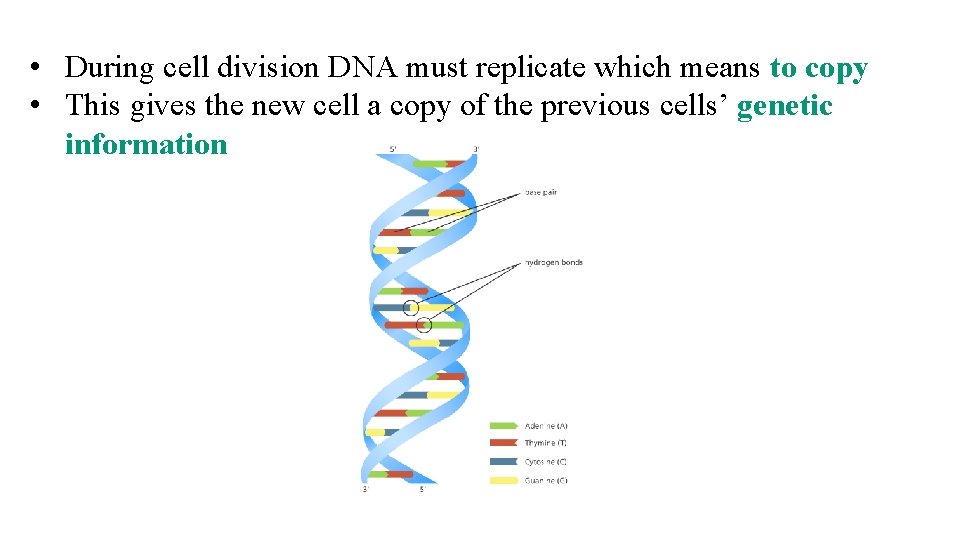
• During cell division DNA must replicate which means to copy • This gives the new cell a copy of the previous cells’ genetic information
PO 4 adenine thymine PO 4 cytosine guanine PO 4
Pairing up PO 4 PO 4 PO 4 PO 4 12
14 THE DOUBLE HELIX bases sugar-phosphate chain
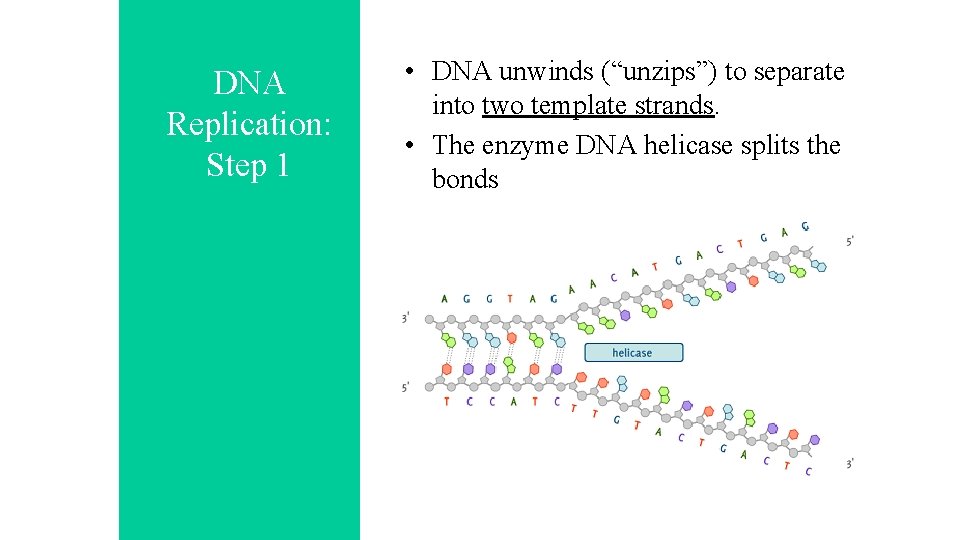
DNA Replication: Step 1 • DNA unwinds (“unzips”) to separate into two template strands. • The enzyme DNA helicase splits the bonds
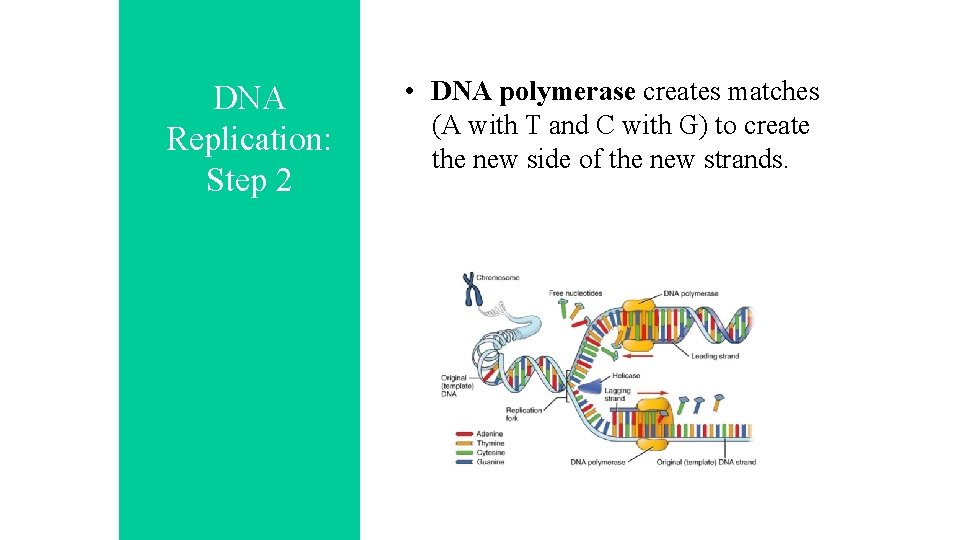
DNA Replication: Step 2 • DNA polymerase creates matches (A with T and C with G) to create the new side of the new strands.
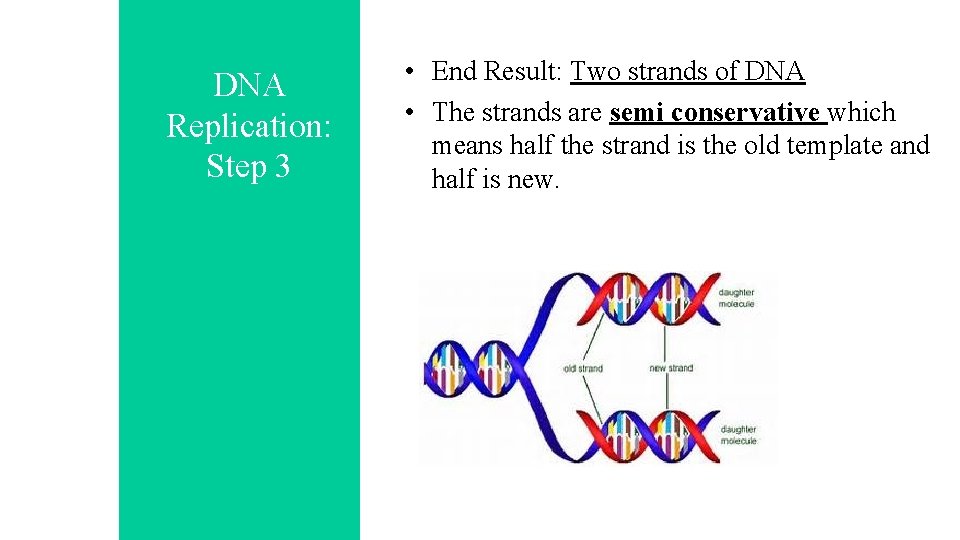
DNA Replication: Step 3 • End Result: Two strands of DNA • The strands are semi conservative which means half the strand is the old template and half is new.
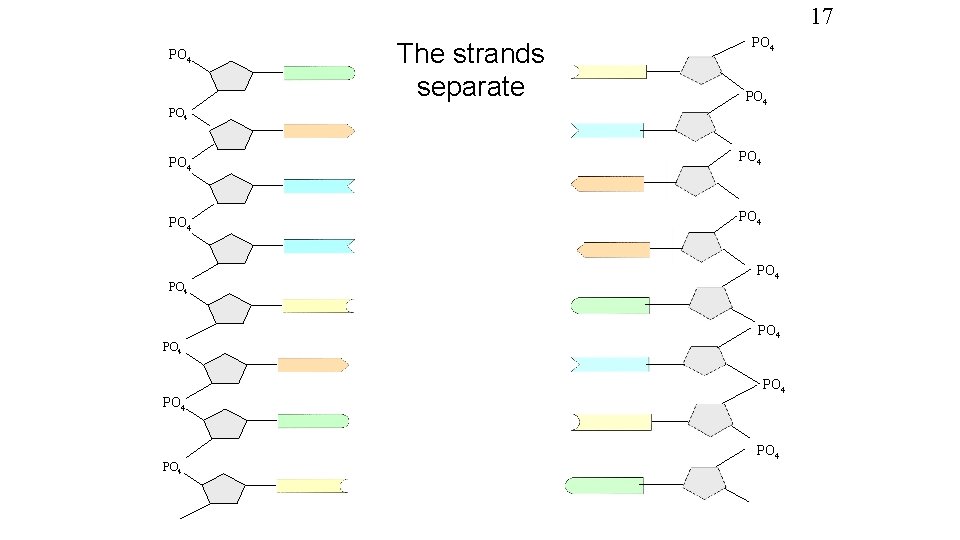
17 PO 4 The strands separate PO 4 PO 4 PO 4 PO 4
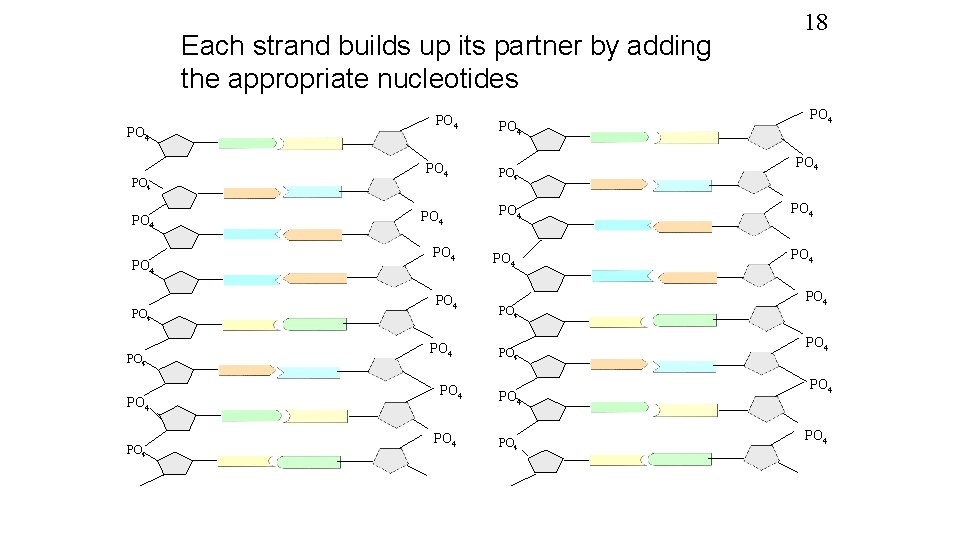
Each strand builds up its partner by adding the appropriate nucleotides PO 4 PO 4 PO 4 PO 4 PO 4 PO 4 18 PO 4 PO 4
Replication happens very quickly at many locations at the same time. DNA polymerase proof reads the DNA making sure there are no mistakes.
DNA Rep Exit Slip • 1. Watson and Crick confirmed that _______ is genetic material • 2. What is the monomer of DNA? • 3. What shape does DNA form? (*Hint: two words) • 4. Adenine (A) pairs with _________ and Cytosine (C) always pairs with __________ • 5. BONUS: What type of macromolecule carries out the process of replication?