
DNA Packing of Eukaryotic DNA HISTONES Special positively

- Slides: 11
DNA Packing of Eukaryotic DNA
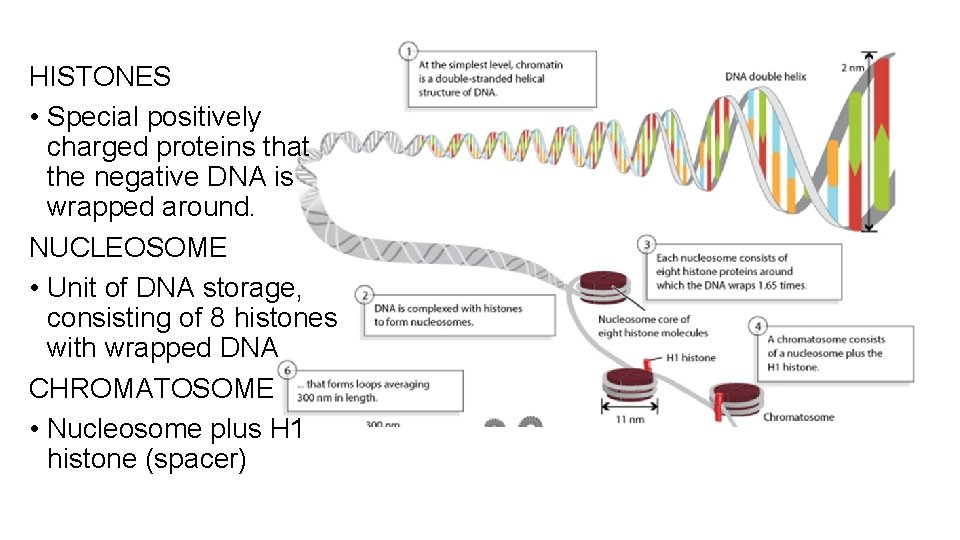
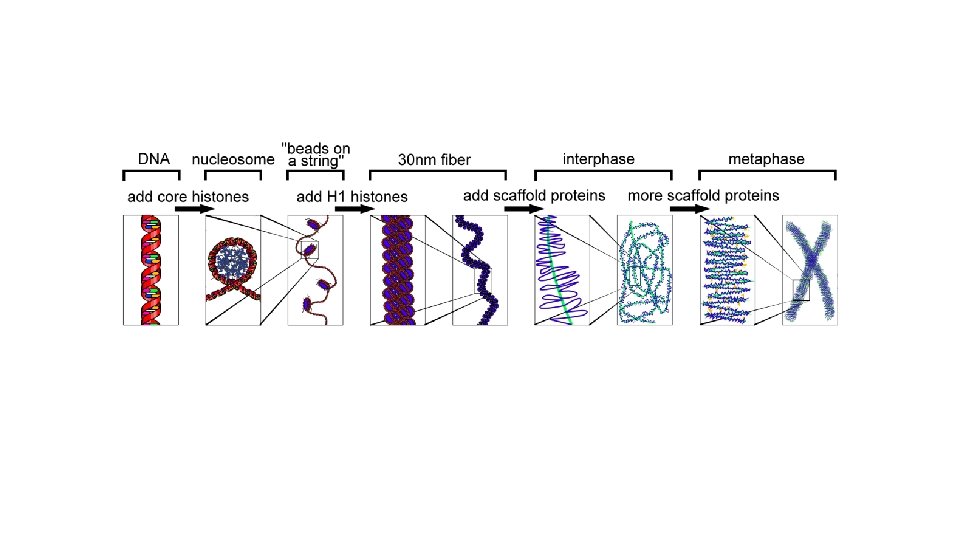
HISTONES • Special positively charged proteins that the negative DNA is wrapped around. NUCLEOSOME • Unit of DNA storage, consisting of 8 histones with wrapped DNA CHROMATOSOME • Nucleosome plus H 1 histone (spacer)
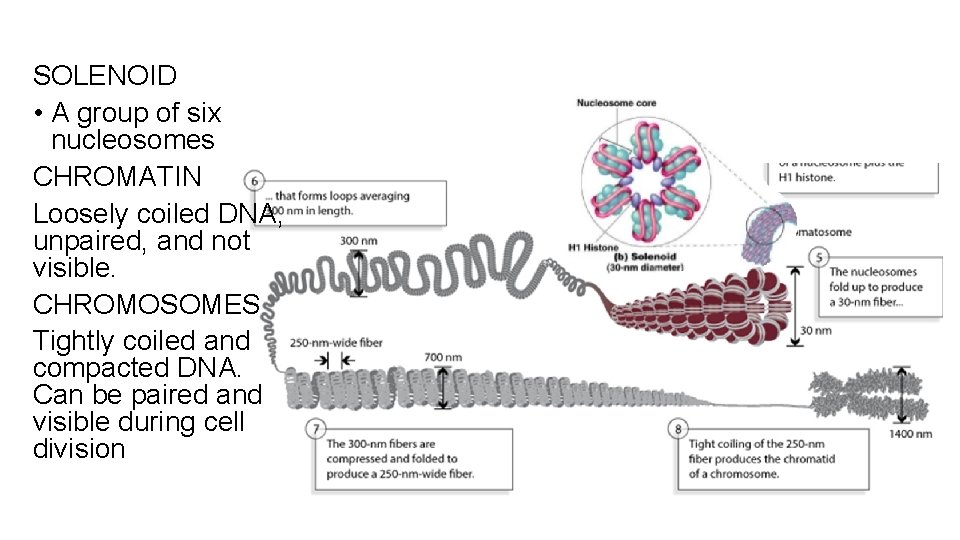
SOLENOID • A group of six nucleosomes CHROMATIN Loosely coiled DNA, unpaired, and not visible. CHROMOSOMES Tightly coiled and compacted DNA. Can be paired and visible during cell division
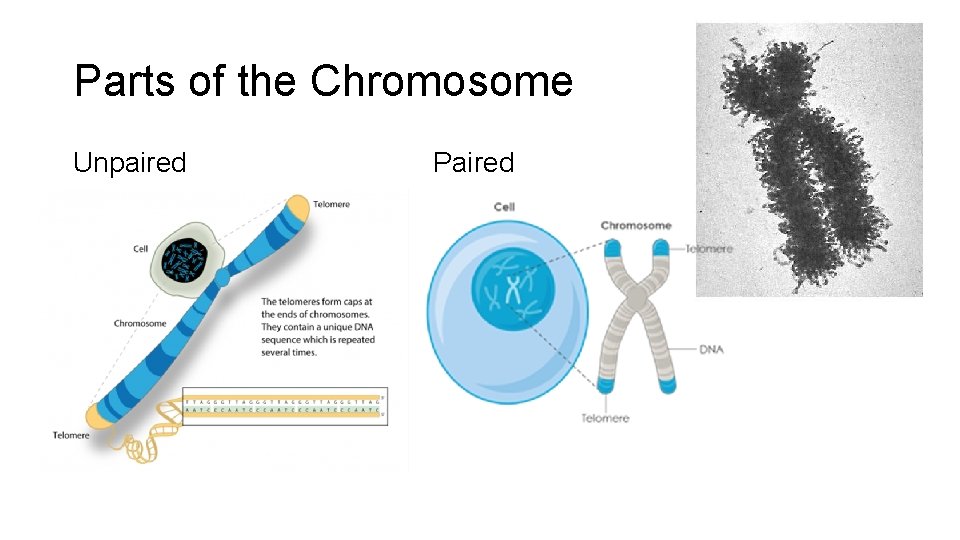
Parts of the Chromosome Unpaired Paired
The Science of Aging ACTIVITY
Before Viewing • What is today’s average lifespan of a human being? • What was the average lifespan of a human 100 years ago, 1000 years ago? • How old do you consider old? • What is the meaning of life expectancy? • What kinds of things affect the “normal” process of aging? • Do you think it is likely that scientists will be able to “control” the aging process or does that sound like science fiction? • If you were to stud the aging process, what would make a good test subject (plant or animal species) and why? Consider life span, gestation period, space available, care needed.
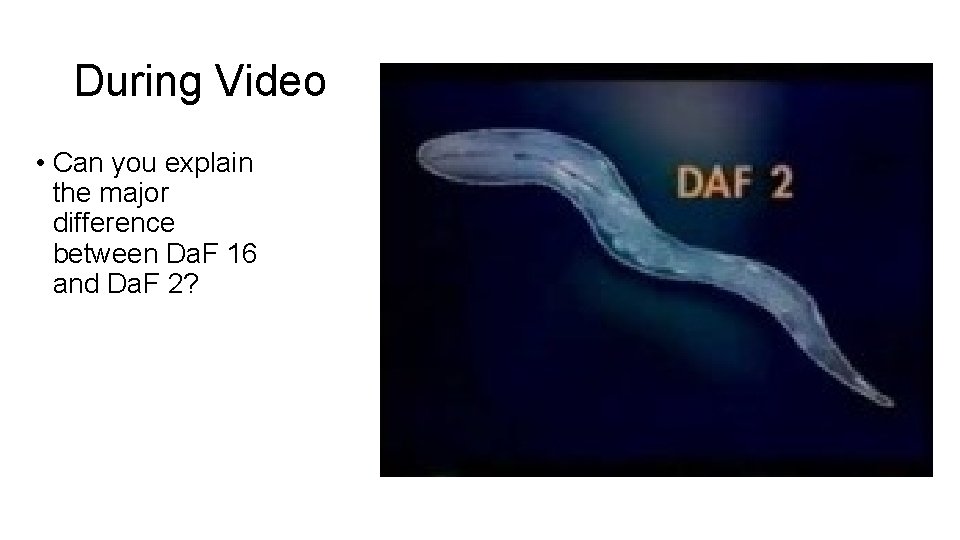
During Video • Can you explain the major difference between Da. F 16 and Da. F 2?
After viewing • What new idea is the scientist in this video proposing that is different from the widespread view on aging? • Can you give four reasons why this scientist uses round worms in this study on aging? • Why must scientists be careful about drawing conclusions about human aging based on animal studies? • What does “spry” mean? Why is the title “spry worms” appropriate for this video?
Group Activity B • Read Student Handout A: Science of Aging • You’re your teams break out group. Discuss and answer the following questions
Activity C Read the article, answer the questions, submit to Edsby