
Divisions of the Skeleton Axial Skeleton n Includes
- Slides: 32
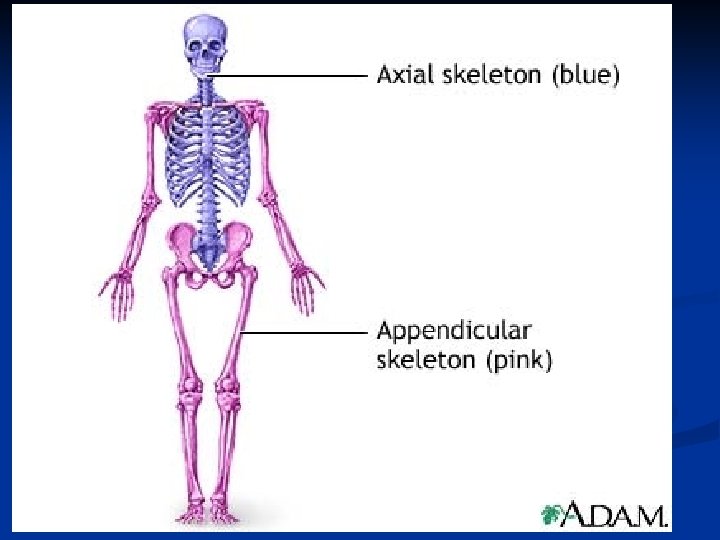
Divisions of the Skeleton
Axial Skeleton n. Includes skull, spine, and ribs.
Skull n. Made up of 22 Bones: n. Facial bones = 14 n. Cranium =8
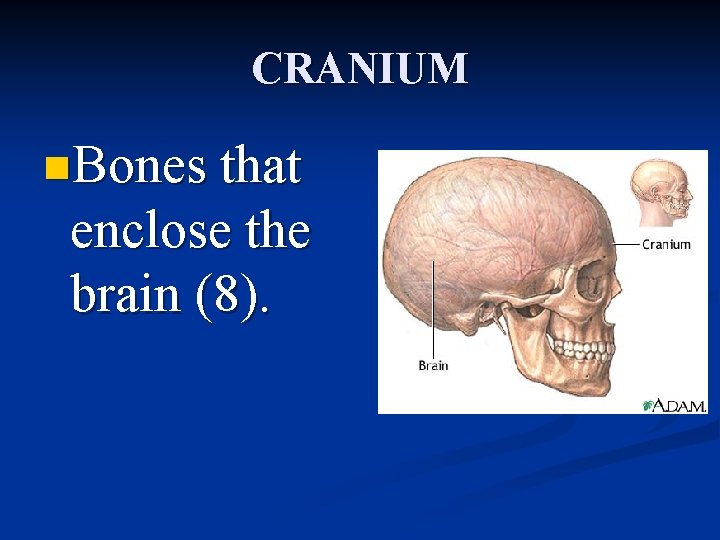
CRANIUM n. Bones that enclose the brain (8).
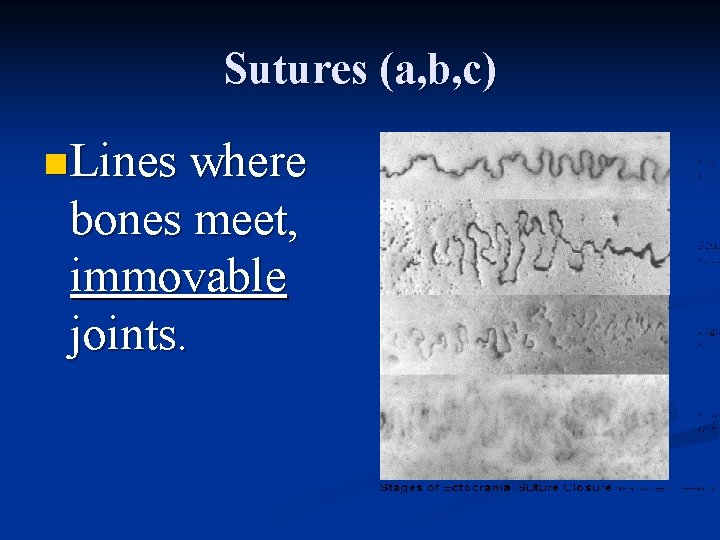
COLOR CODE n. Color code letters A-L on the skull. n. Sutures (a, b, c)
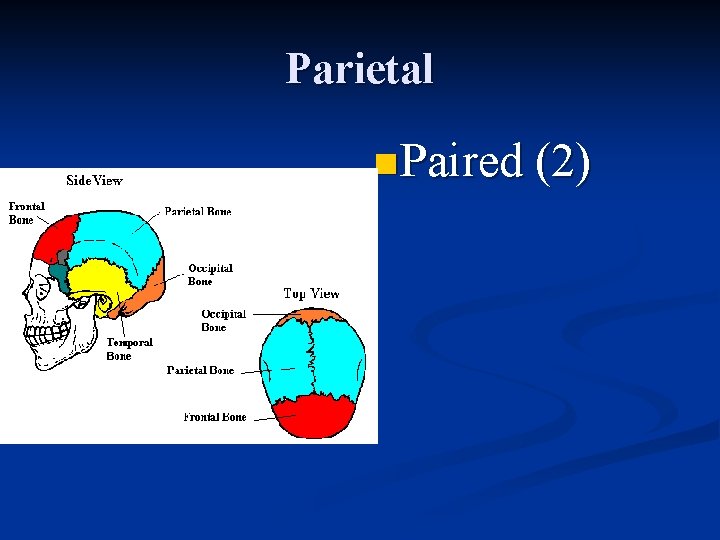
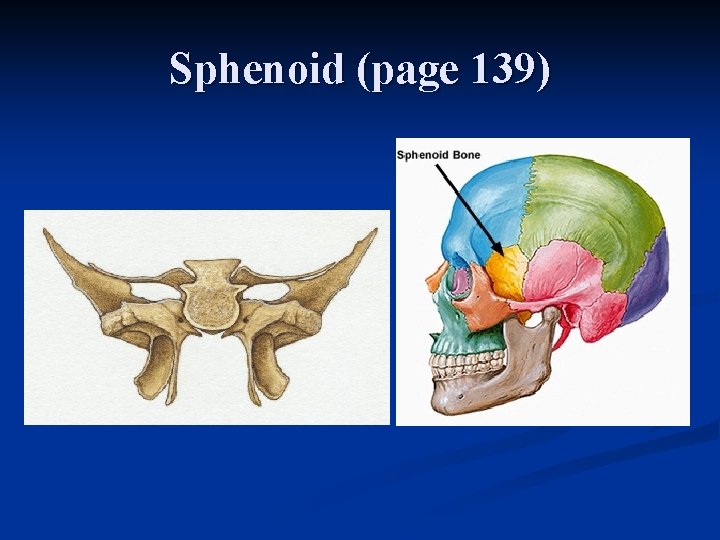
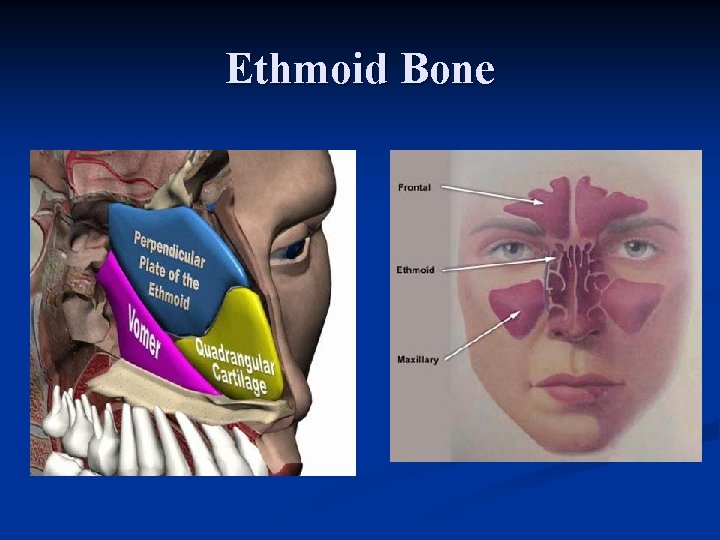
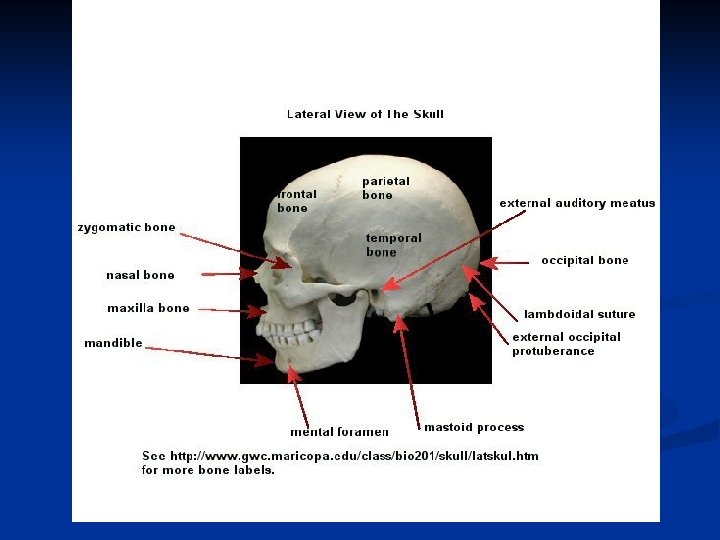
A. Frontal bone n B. Pariatal bone (paired) n C. Occipital bone n D. Temporal bone (paired) n E. Sphenoid (connects cranium to facial) n F. Ethmoid (roof and sides of the nasal passage) n
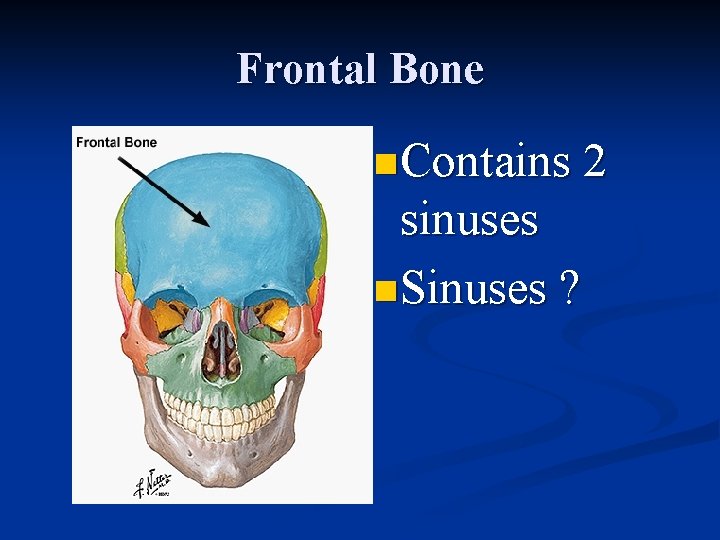
Frontal Bone n Contains 2 sinuses n Sinuses ?
Parietal n Paired (2)
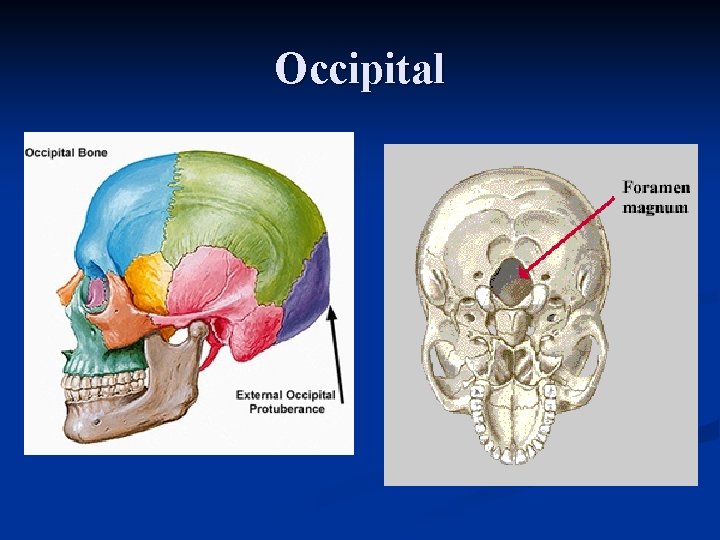
Occipital
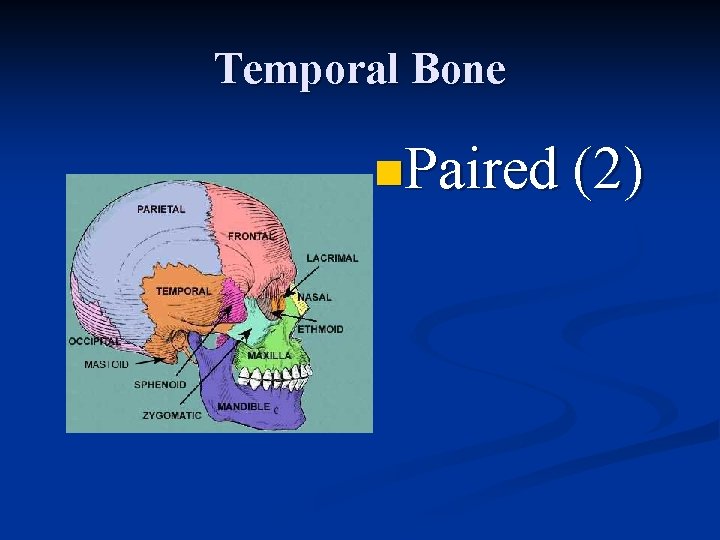
Temporal Bone n. Paired (2)
Sphenoid (page 139)
Ethmoid Bone
Sutures (a, b, c) n Lines where bones meet, immovable joints.
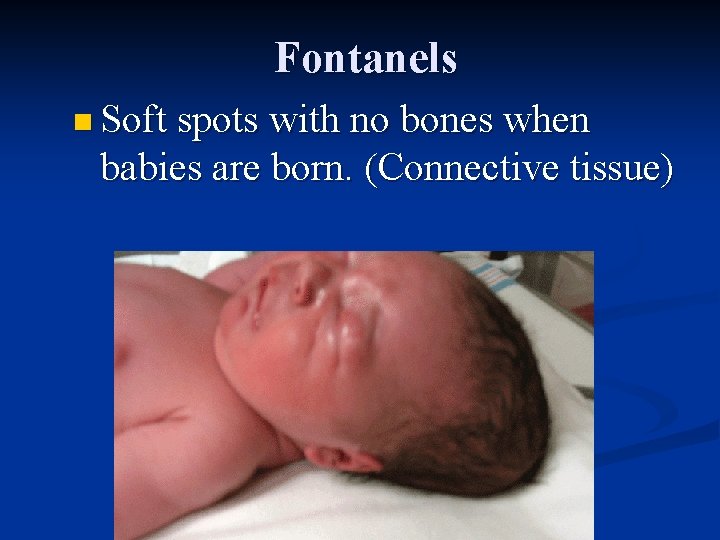
Fontanels n Soft spots with no bones when babies are born. (Connective tissue)
Fontanels n As a fetus develops, its brain grows rapidly. The skull is growing as well but can not keep up. Fusion of the bones begins, but will complete after birth. A new born generally has 2 frontal bones, 4 occipital bones, and several sphenoid and temporal bones. These bones are held together by fontanels.
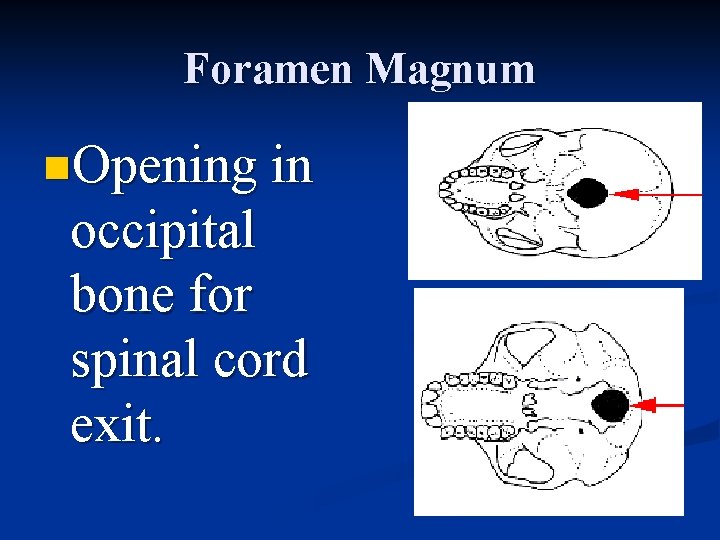
Foramen Magnum n. Opening in occipital bone for spinal cord exit.
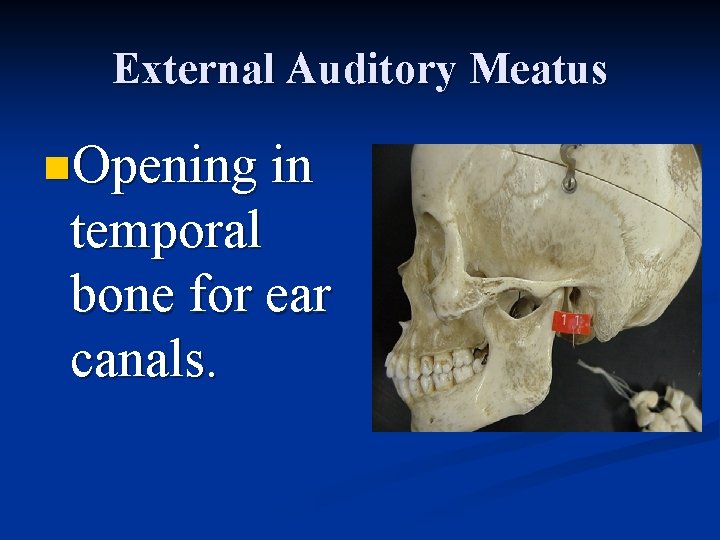
External Auditory Meatus n. Opening in temporal bone for ear canals.
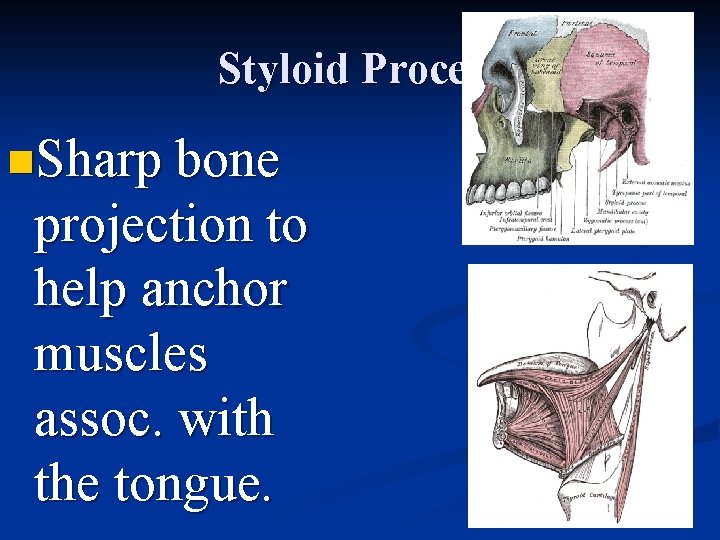
Styloid Process n. Sharp bone projection to help anchor muscles assoc. with the tongue.
Facial n. Bones NOT enclosing brains (13 immovable + 1 movable = 14).
Facial bones n G. Lacrimal (2) n H. Nasal Bone (2) n I. Zygomatic (2) Cheek bones n J. Maxilla (2) upper jaw n K. Mandible *Only movable joint in the skull.
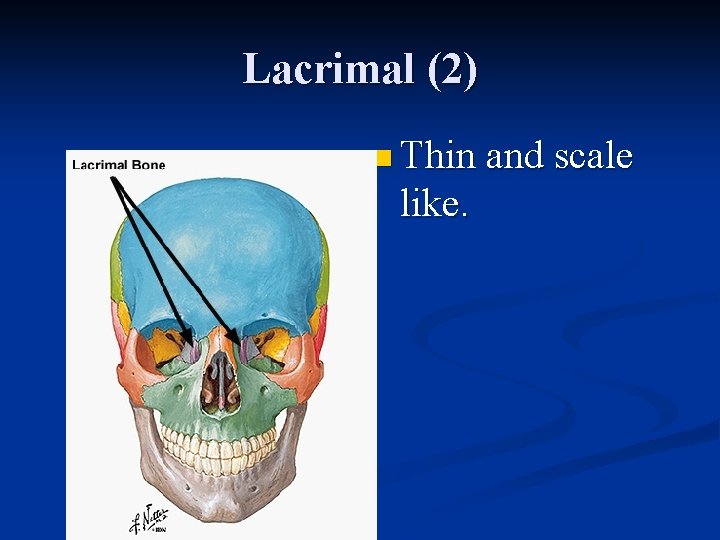
Lacrimal (2) n Thin and scale like.
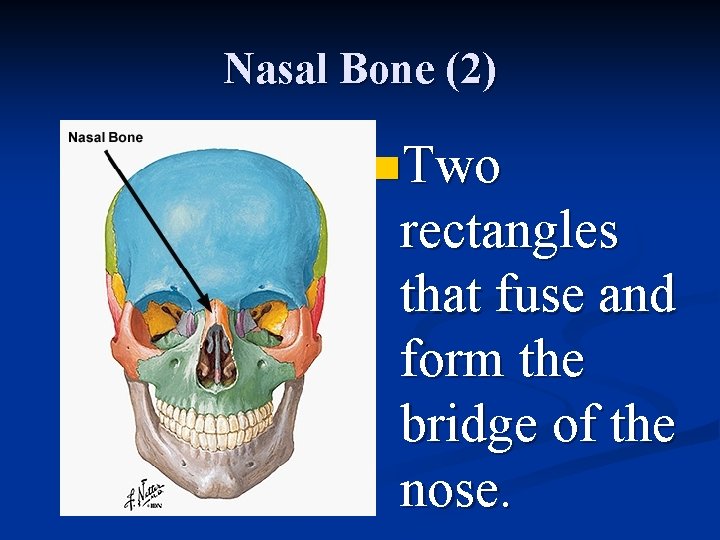
Nasal Bone (2) n. Two rectangles that fuse and form the bridge of the nose.
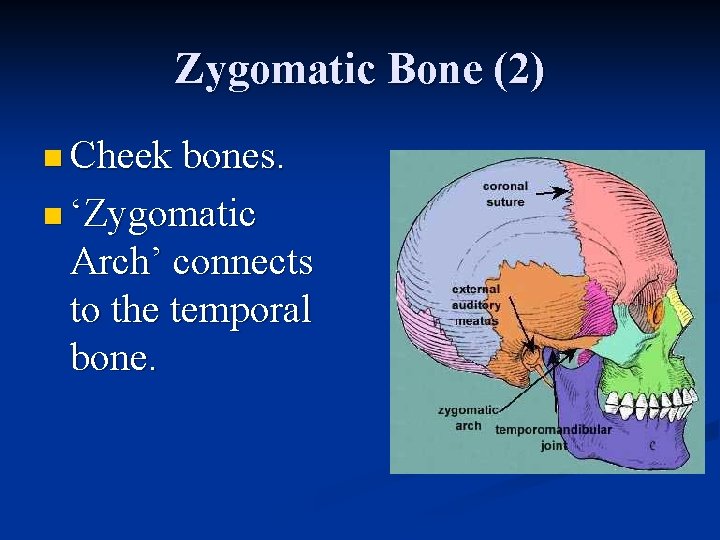
Zygomatic Bone (2) n Cheek bones. n ‘Zygomatic Arch’ connects to the temporal bone.
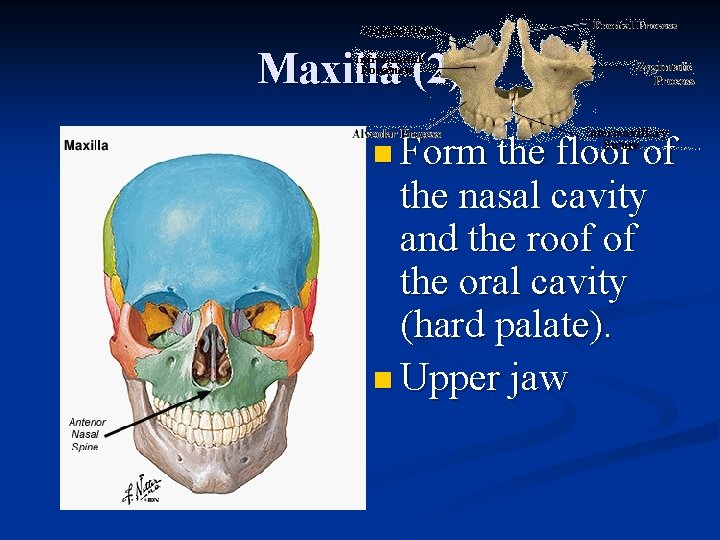
Maxilla (2) n Form the floor of the nasal cavity and the roof of the oral cavity (hard palate). n Upper jaw
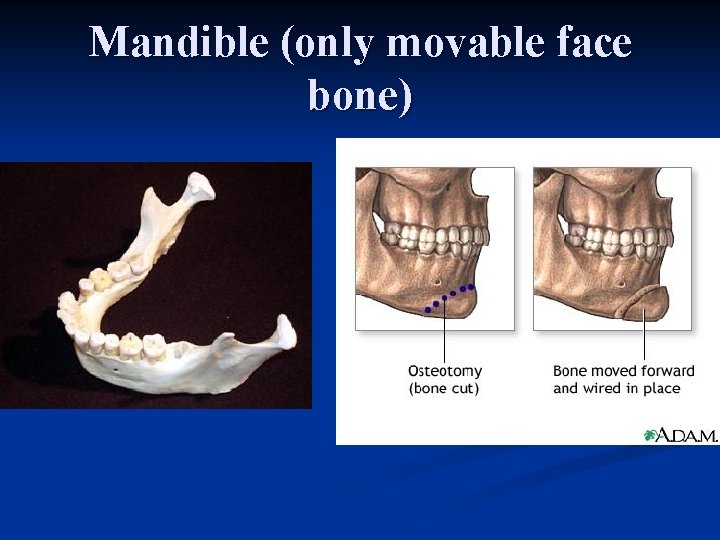
Mandible (only movable face bone)
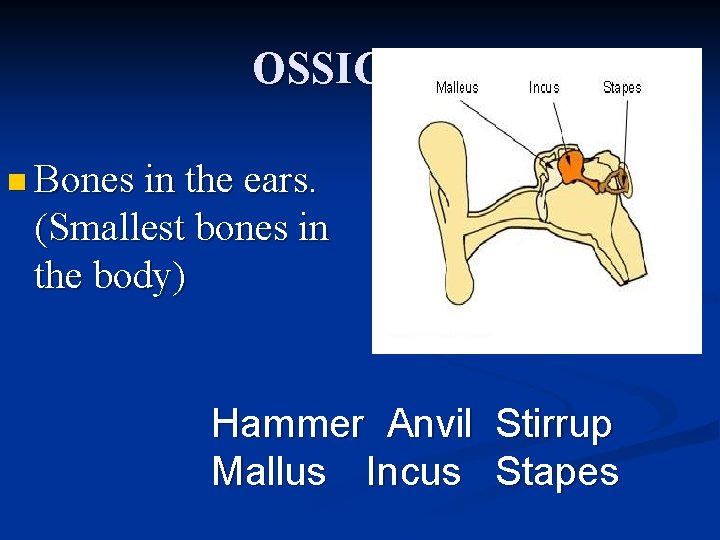
OSSICLES n Bones in the ears. (Smallest bones in the body) Hammer Anvil Stirrup Mallus Incus Stapes
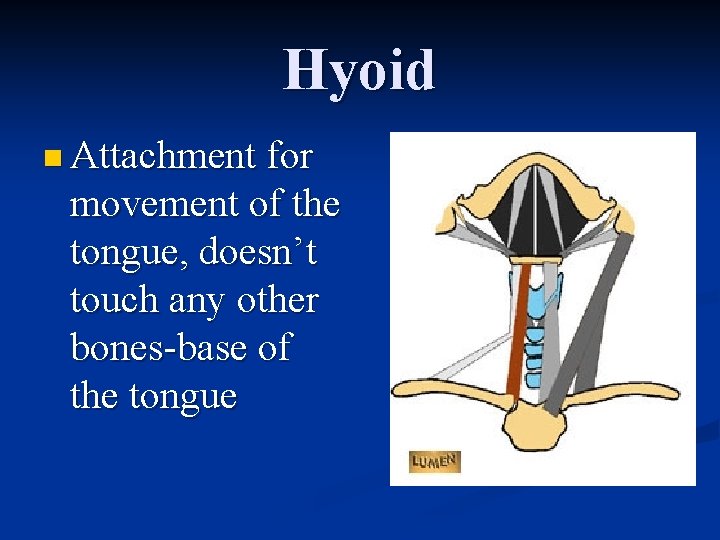
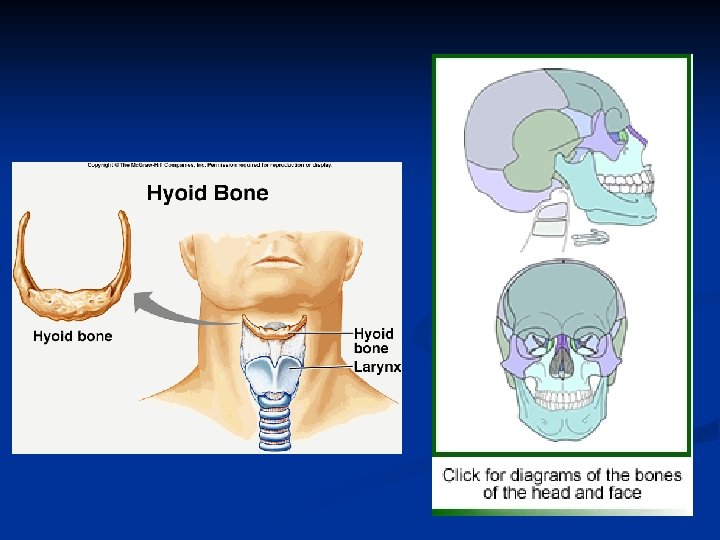
Hyoid n Attachment for movement of the tongue, doesn’t touch any other bones-base of the tongue