
Diuretics Kidney Diseases Urine RM Yanal A Shafagoj
- Slides: 24
Diuretics, Kidney Diseases Urine R&M Yanal A. Shafagoj, MD, Ph. D
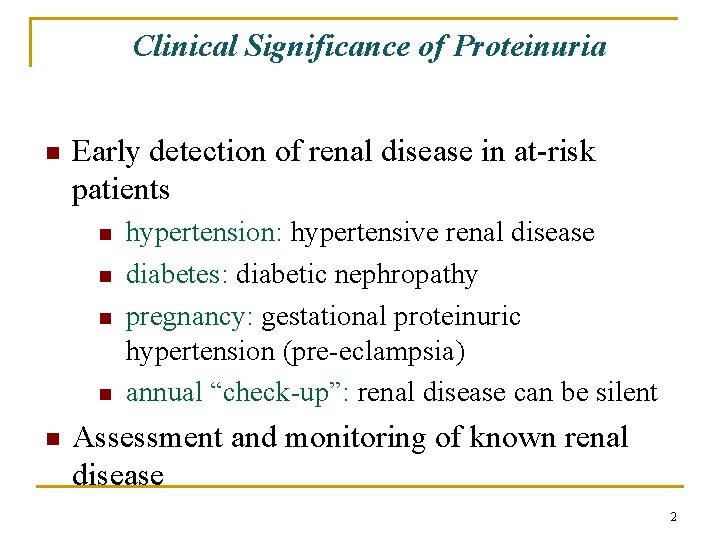
Clinical Significance of Proteinuria n Early detection of renal disease in at-risk patients n n n hypertension: hypertensive renal disease diabetes: diabetic nephropathy pregnancy: gestational proteinuric hypertension (pre-eclampsia) annual “check-up”: renal disease can be silent Assessment and monitoring of known renal disease 2
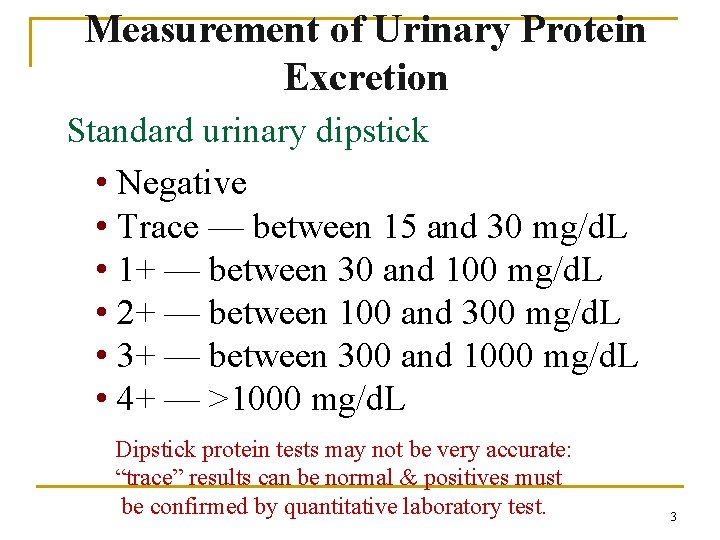
Measurement of Urinary Protein Excretion Standard urinary dipstick • Negative • Trace — between 15 and 30 mg/d. L • 1+ — between 30 and 100 mg/d. L • 2+ — between 100 and 300 mg/d. L • 3+ — between 300 and 1000 mg/d. L • 4+ — >1000 mg/d. L Dipstick protein tests may not be very accurate: “trace” results can be normal & positives must be confirmed by quantitative laboratory test. 3
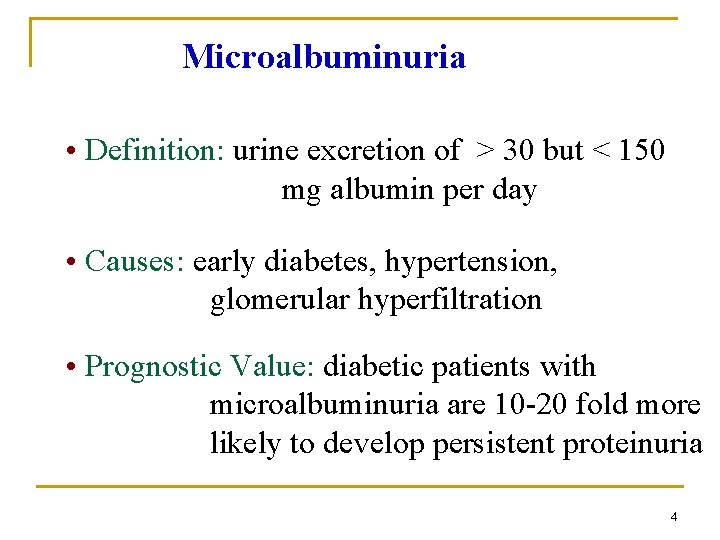
Microalbuminuria • Definition: urine excretion of > 30 but < 150 mg albumin per day • Causes: early diabetes, hypertension, glomerular hyperfiltration • Prognostic Value: diabetic patients with microalbuminuria are 10 -20 fold more likely to develop persistent proteinuria 4
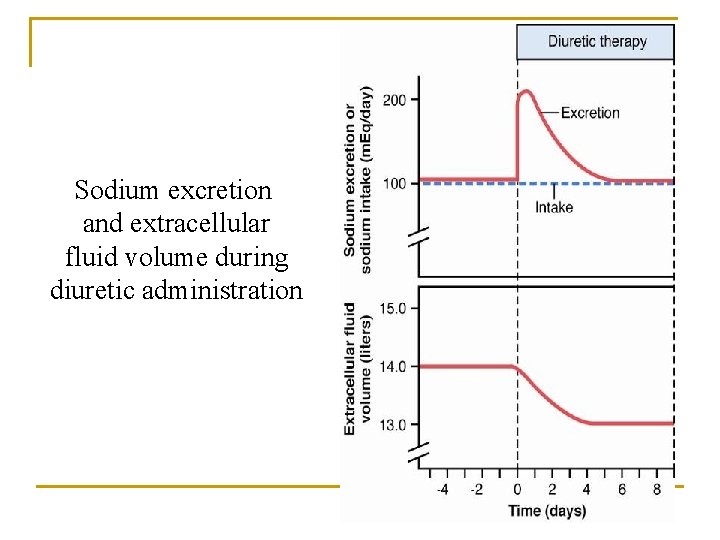
Sodium excretion and extracellular fluid volume during diuretic administration
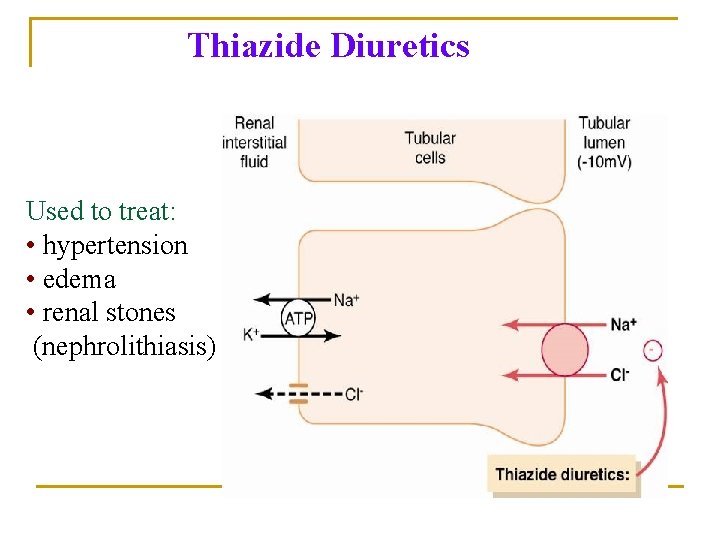
Thiazide Diuretics Used to treat: • hypertension • edema • renal stones (nephrolithiasis)
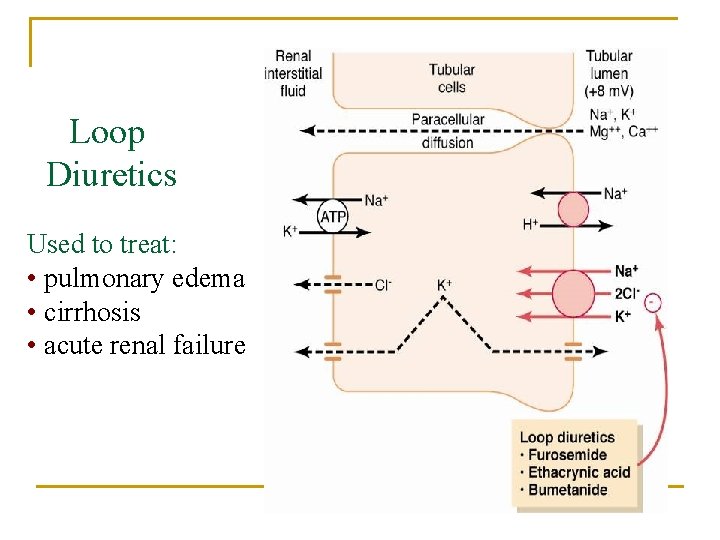
Loop Diuretics Used to treat: • pulmonary edema • cirrhosis • acute renal failure
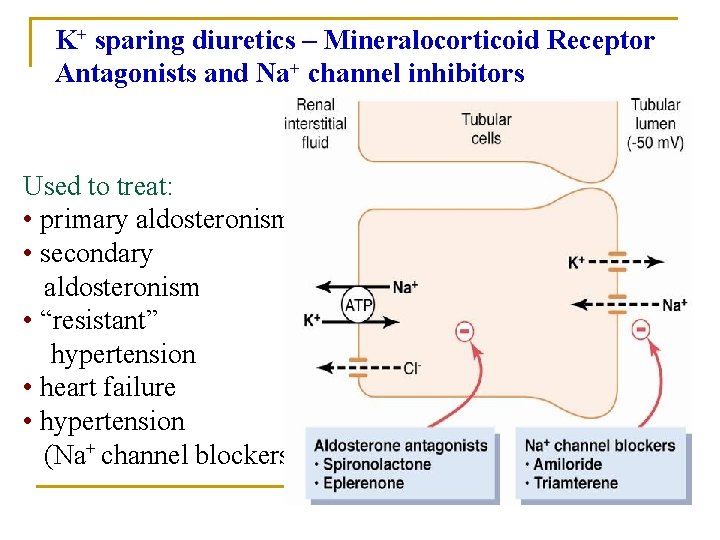
K+ sparing diuretics – Mineralocorticoid Receptor Antagonists and Na+ channel inhibitors Used to treat: • primary aldosteronism • secondary aldosteronism • “resistant” hypertension • heart failure • hypertension (Na+ channel blockers)
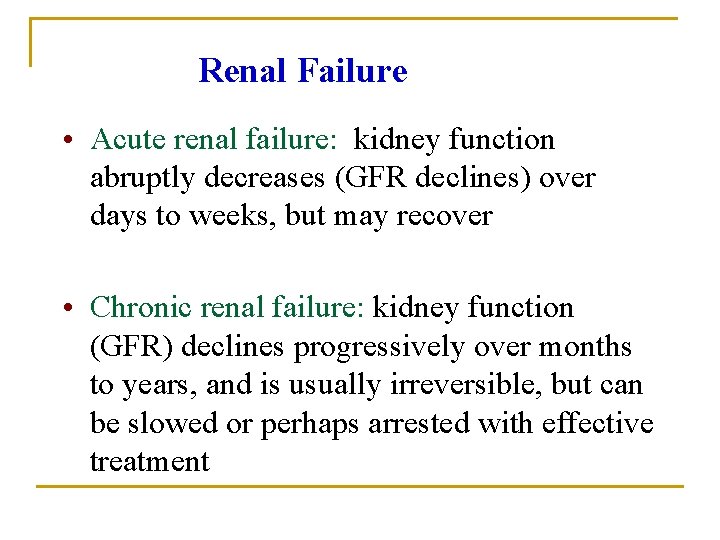
Renal Failure • Acute renal failure: kidney function abruptly decreases (GFR declines) over days to weeks, but may recover • Chronic renal failure: kidney function (GFR) declines progressively over months to years, and is usually irreversible, but can be slowed or perhaps arrested with effective treatment
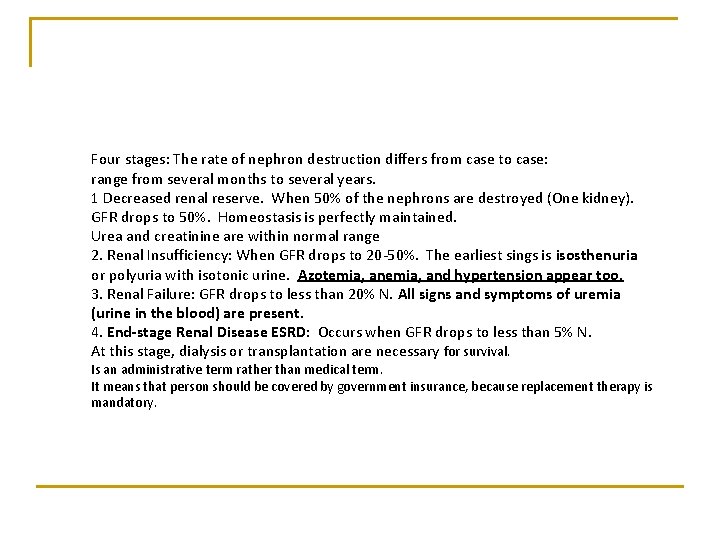
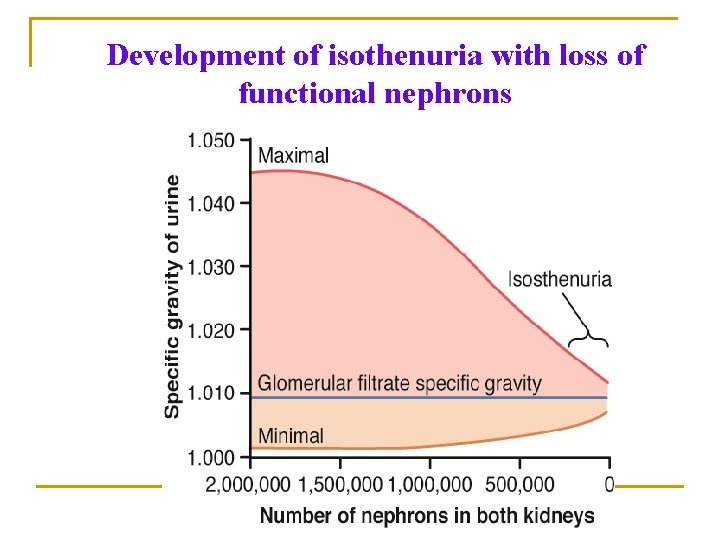
Four stages: The rate of nephron destruction differs from case to case: range from several months to several years. 1 Decreased renal reserve. When 50% of the nephrons are destroyed (One kidney). GFR drops to 50%. Homeostasis is perfectly maintained. Urea and creatinine are within normal range 2. Renal Insufficiency: When GFR drops to 20 -50%. The earliest sings is isosthenuria or polyuria with isotonic urine. Azotemia, and hypertension appear too. 3. Renal Failure: GFR drops to less than 20% N. All signs and symptoms of uremia (urine in the blood) are present. 4. End-stage Renal Disease ESRD: Occurs when GFR drops to less than 5% N. At this stage, dialysis or transplantation are necessary for survival. Is an administrative term rather than medical term. It means that person should be covered by government insurance, because replacement therapy is mandatory.
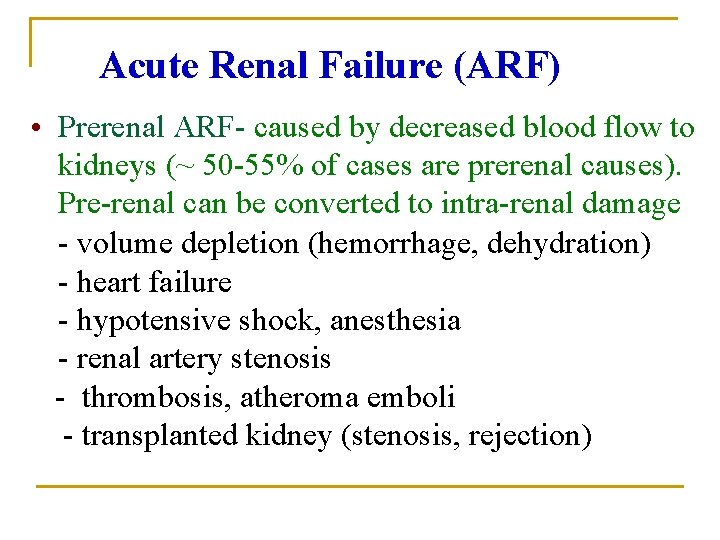
Acute Renal Failure (ARF) • Prerenal ARF- caused by decreased blood flow to kidneys (~ 50 -55% of cases are prerenal causes). Pre-renal can be converted to intra-renal damage - volume depletion (hemorrhage, dehydration) - heart failure - hypotensive shock, anesthesia - renal artery stenosis - thrombosis, atheroma emboli - transplanted kidney (stenosis, rejection)
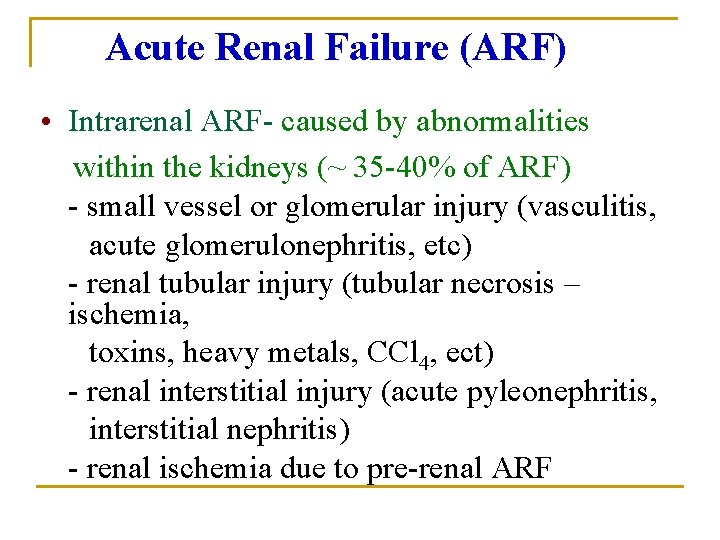
Acute Renal Failure (ARF) • Intrarenal ARF- caused by abnormalities within the kidneys (~ 35 -40% of ARF) - small vessel or glomerular injury (vasculitis, acute glomerulonephritis, etc) - renal tubular injury (tubular necrosis – ischemia, toxins, heavy metals, CCl 4, ect) - renal interstitial injury (acute pyleonephritis, interstitial nephritis) - renal ischemia due to pre-renal ARF
Acute Renal Failure (ARF) • Postrenal ARF- caused by abnormalities in the lower urinary tract (~ 5% of ARF) - kidney stones - prostatic hypertrophy - bladder cancer
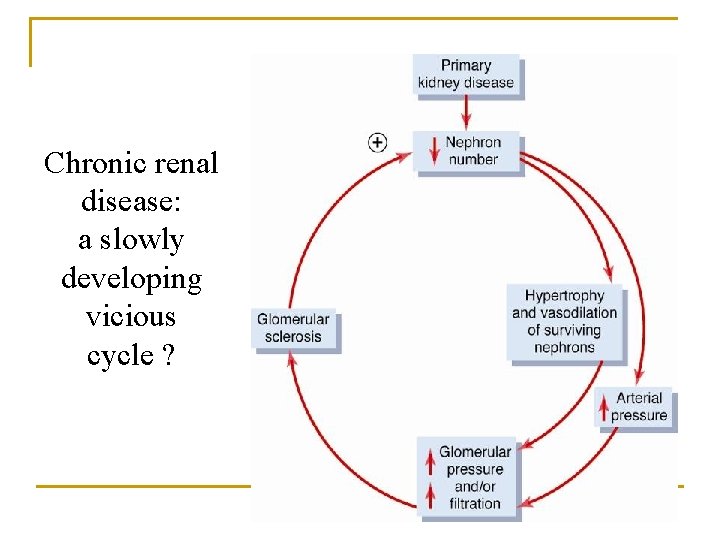
Chronic renal disease: a slowly developing vicious cycle ?
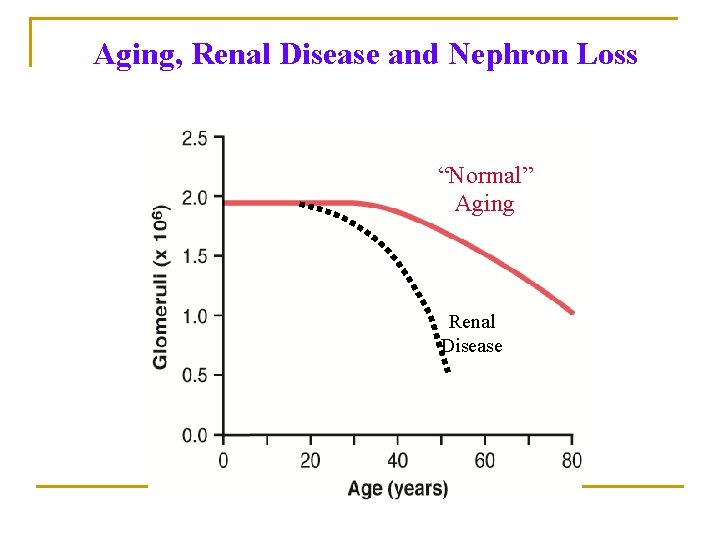
Aging, Renal Disease and Nephron Loss “Normal” Aging Renal Disease
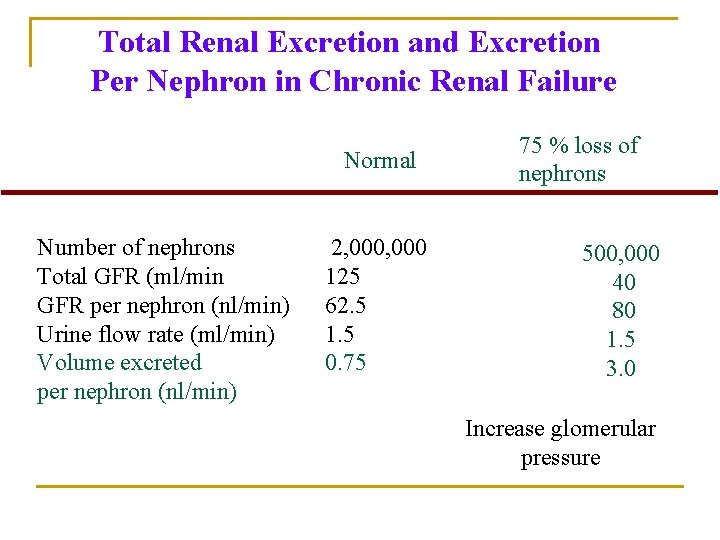
Total Renal Excretion and Excretion Per Nephron in Chronic Renal Failure Normal Number of nephrons Total GFR (ml/min GFR per nephron (nl/min) Urine flow rate (ml/min) Volume excreted per nephron (nl/min) 2, 000 125 62. 5 1. 5 0. 75 75 % loss of nephrons 500, 000 40 80 1. 5 3. 0 Increase glomerular pressure
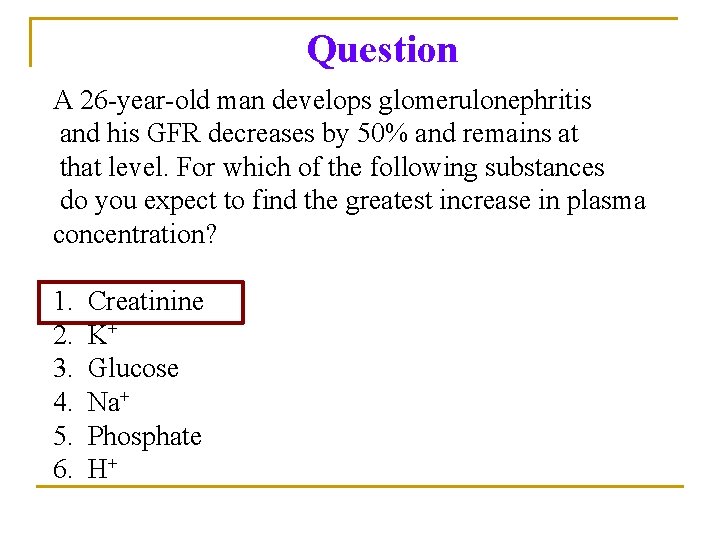
Question A 26 -year-old man develops glomerulonephritis and his GFR decreases by 50% and remains at that level. For which of the following substances do you expect to find the greatest increase in plasma concentration? 1. Creatinine 2. K+ 3. Glucose 4. Na+ 5. Phosphate 6. H+
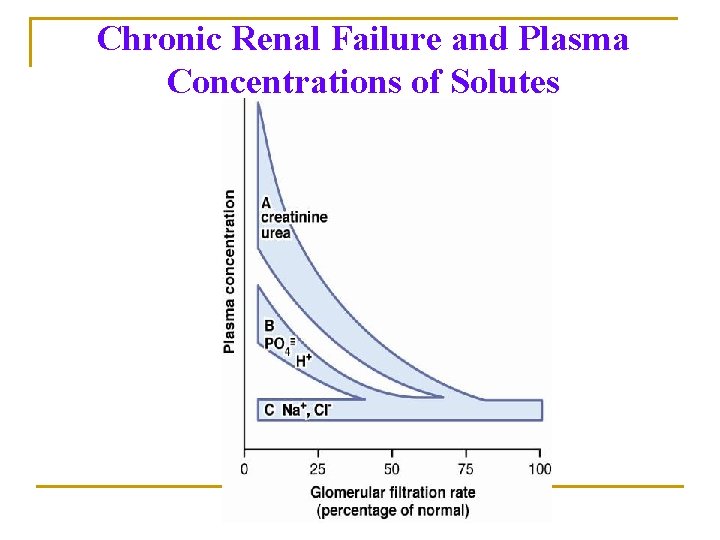
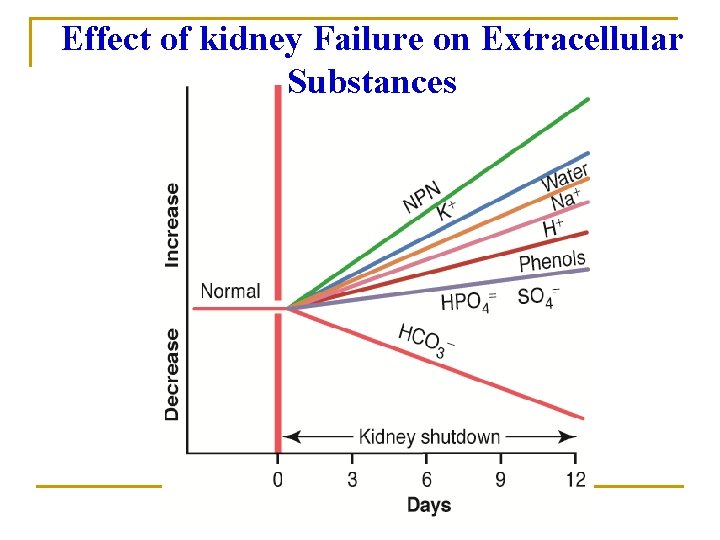
Chronic Renal Failure and Plasma Concentrations of Solutes
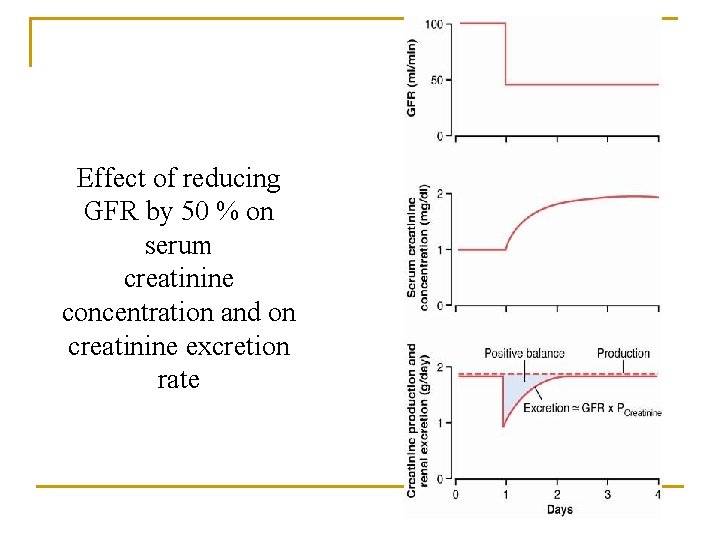
Effect of reducing GFR by 50 % on serum creatinine concentration and on creatinine excretion rate
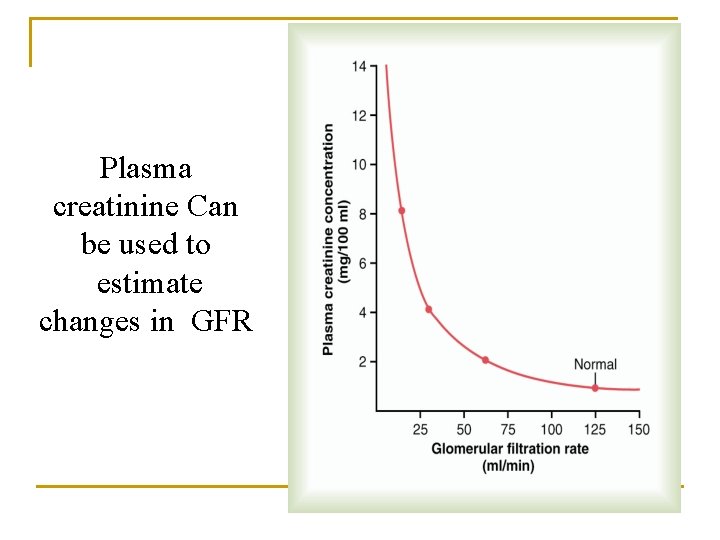
Plasma creatinine Can be used to estimate changes in GFR
Development of isothenuria with loss of functional nephrons
Effect of kidney Failure on Extracellular Substances
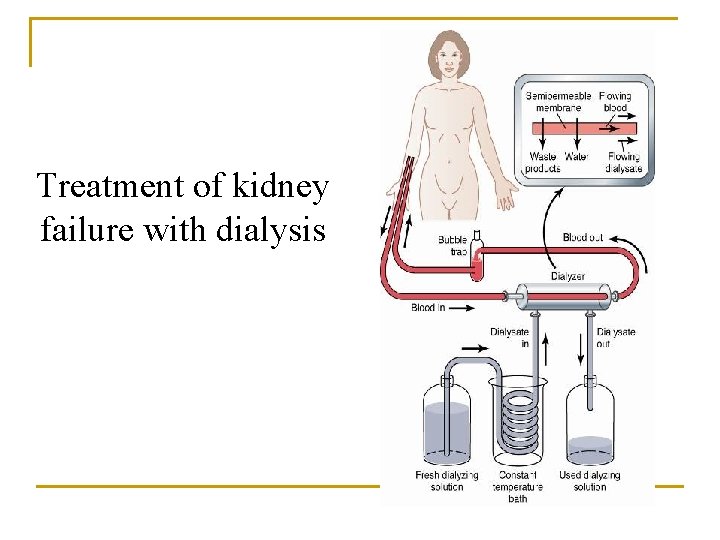
Treatment of kidney failure with dialysis
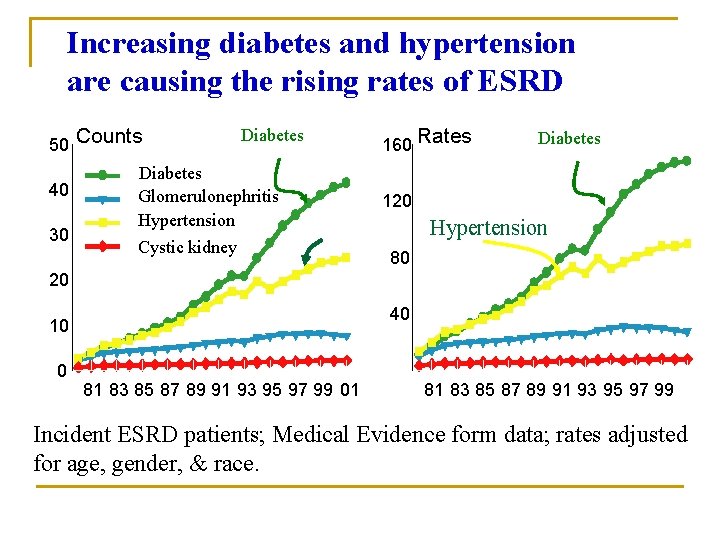
Increasing diabetes and hypertension are causing the rising rates of ESRD 50 Counts 40 30 Diabetes Glomerulonephritis Hypertension Cystic kidney 160 Rates Diabetes 120 Hypertension 80 20 40 10 0 81 83 85 87 89 91 93 95 97 99 01 Incident ESRD patients; Medical Evidence form data; rates adjusted for age, gender, & race.