
Distances of the Stars Scientists use parallax to
- Slides: 37
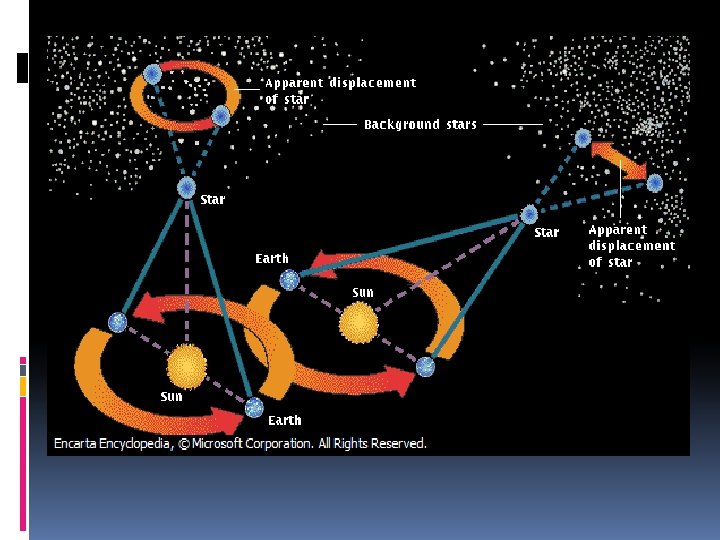
Distances of the Stars Scientists use parallax to determine how far away a star is from Earth. Parallax is an apparent change in the position of an object caused by the change in the position of an observer.
Light Year Used by scientists to express the distances between the stars It is the distance traveled by light in one year at a speed of 300, 000 km/s. A light year is about 9. 5 trillion km. Few stars are within 10 light years away. The closest star, Proxima Centauri is 4. 2 light years from Earth.
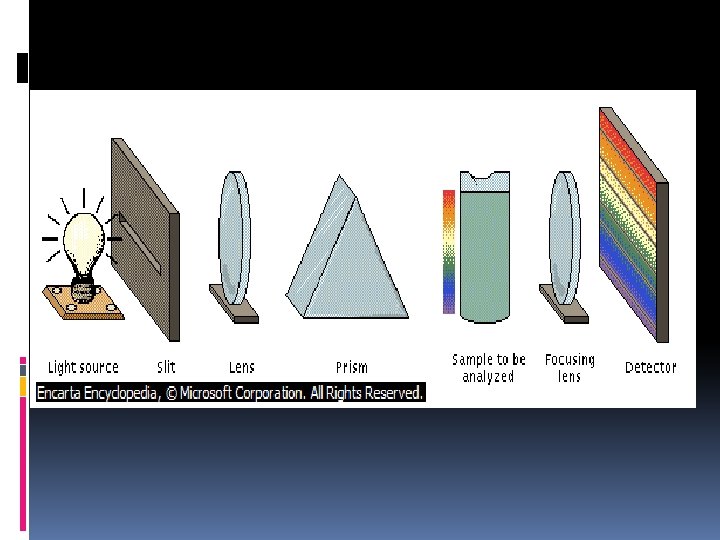
Composition of Stars Spectroscope is the instrument used by astronomers to find out the chemical composition of the stars. Almost all stars have the same general chemical make up. Most common element in stars is hydrogen. It makes up 60 to 80 percent of the total mass of the sun.
Composition of Stars Helium is the second common element. Combination of hydrogen and helium make up about 96 to 99 percent of a star’s mass Oxygen, neon, carbon and nitrogen are found in other stars
Composition of Stars Helium is the second common element. Combination of hydrogen and helium make up about 96 to 99 percent of a star’s mass Oxygen, neon, carbon and nitrogen are found in other stars
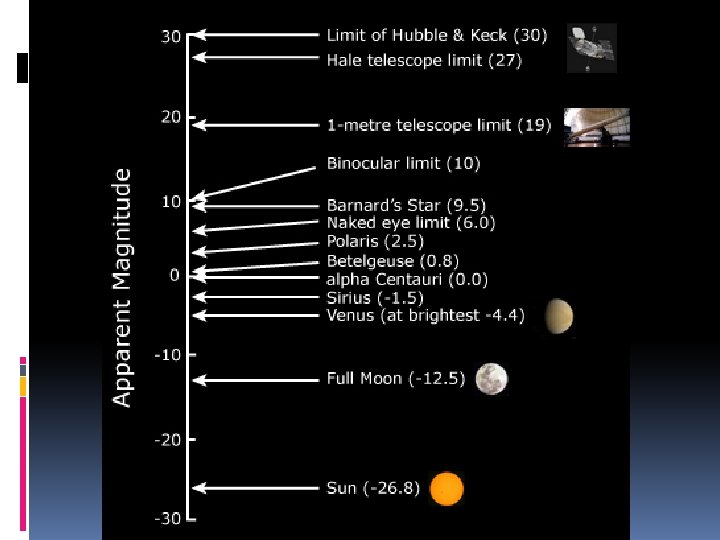
Magnitude of Stars Astronomers compare the brightness of stars in terms of the star’s magnitude. Astronomers first ranked stars in the night sky by their apparent magnitude, or relative brightness. Apparent magnitude is the brightness of a star as viewed from Earth.
Magnitude of Stars Absolute, or intrinsic, magnitude of a star is its actual brightness as viewed from a set distance away from the star.
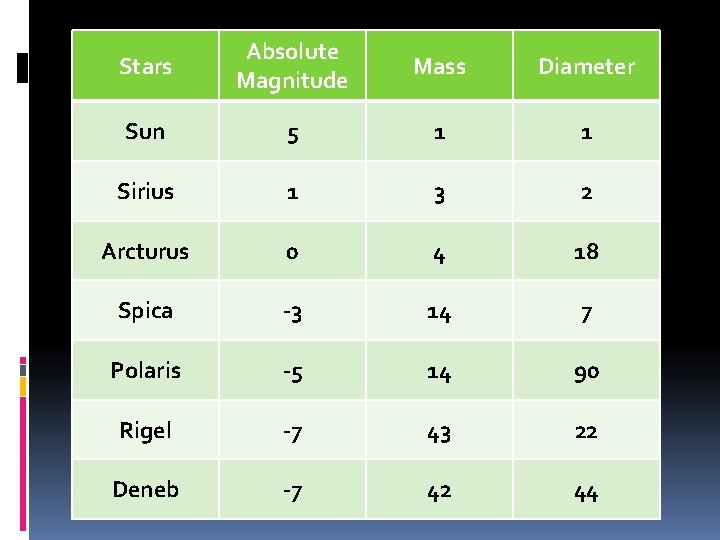
Stars Absolute Magnitude Mass Diameter Sun 5 1 1 Sirius 1 3 2 Arcturus 0 4 18 Spica -3 14 7 Polaris -5 14 90 Rigel -7 43 22 Deneb -7 42 44
Magnitude and Temperature
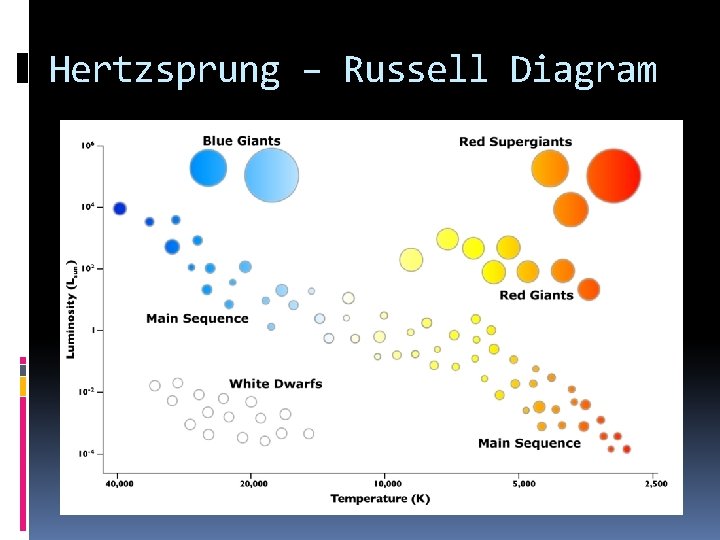
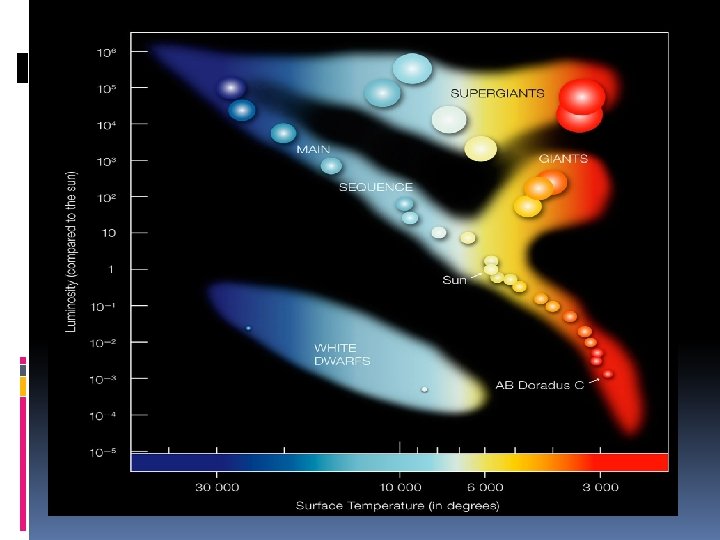
Hertzsprung – Russell Diagram
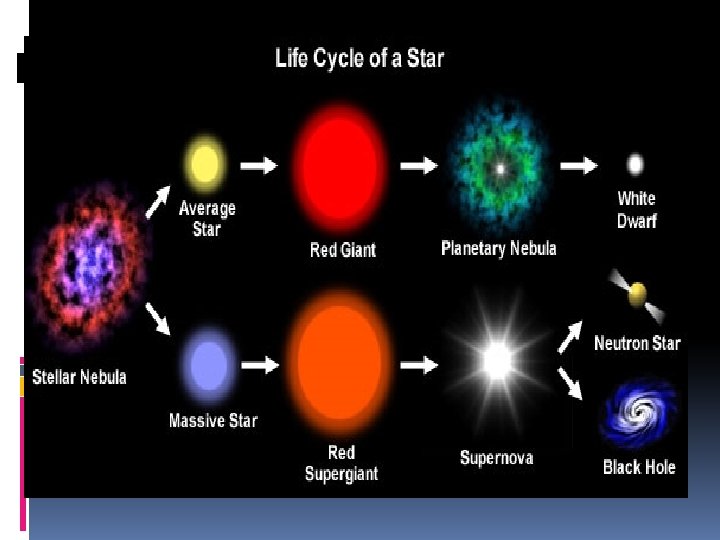
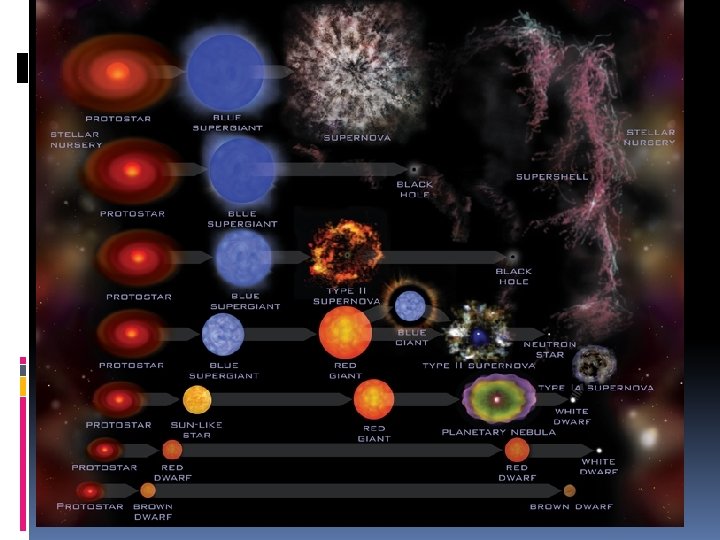
Life Cycle of a Stars have life cycle. A star is born, changes, then dies. Life cycle of a typical star spans billions of years. Every star is at a certain stage in its life cycle. Stars have different age.
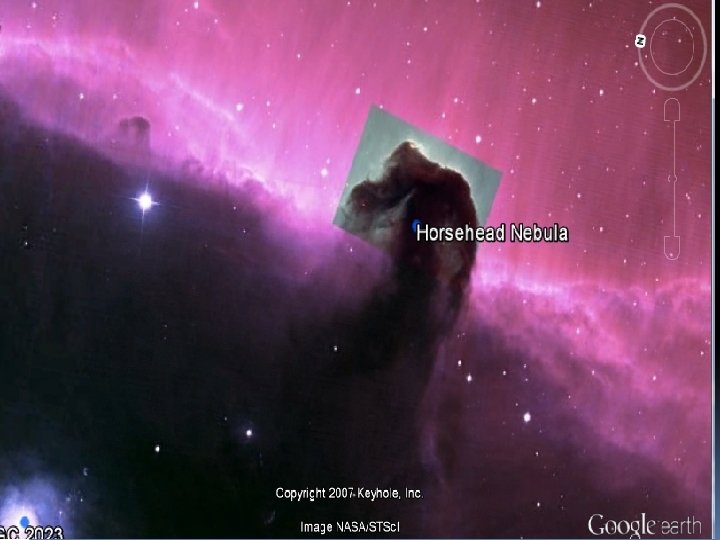
Nebula Star begins with nebula It is a cloud of hydrogen, helium and dust in space
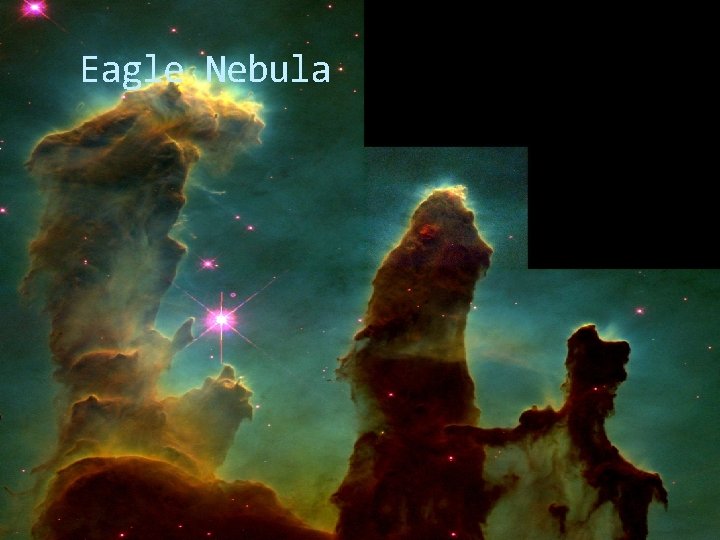
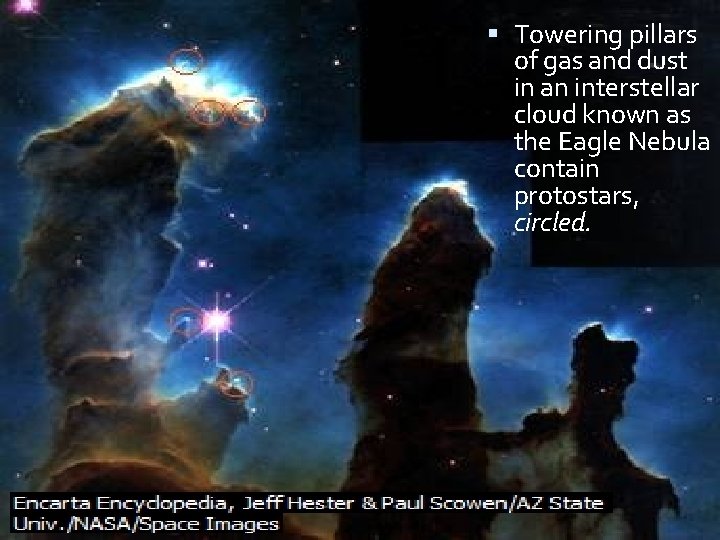
Eagle Nebula
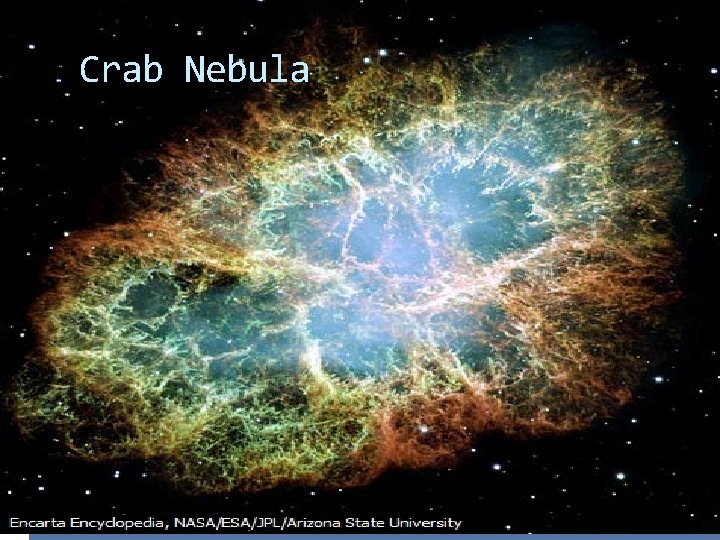
Crab Nebula
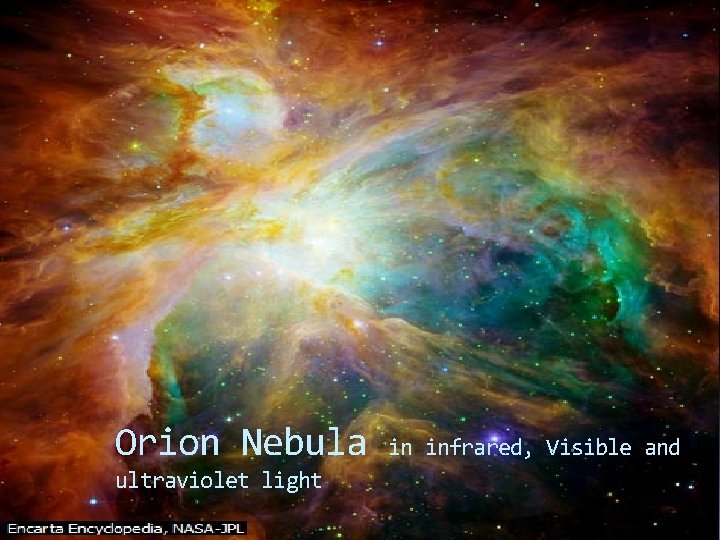
Orion Nebula ultraviolet light in infrared, Visible and
Protostar a clump of a giant molecular cloud that is collapsing rapidly, but has not yet formed a star.
Towering pillars of gas and dust in an interstellar cloud known as the Eagle Nebula contain protostars, circled.
What comes next after protostar? The next stage of a star’s life cycle varies depending upon its mass. Average stars have different stages in their cycle compared to massive stars.
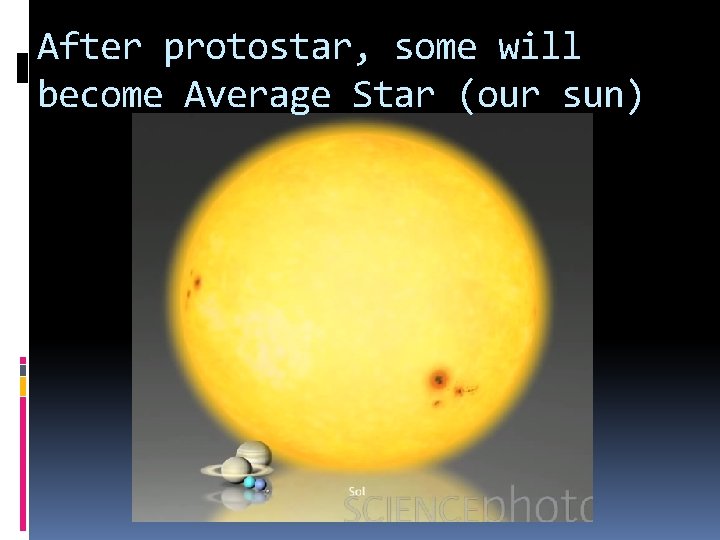
After protostar, some will become Average Star (our sun)
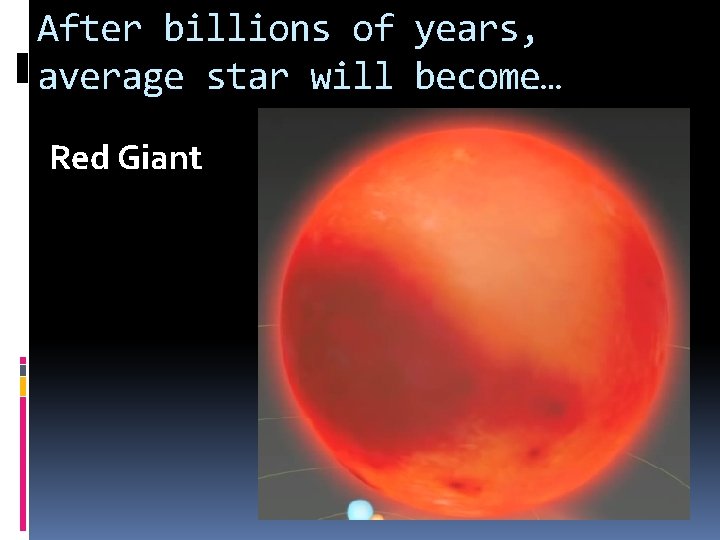
After billions of years, average star will become… Red Giant
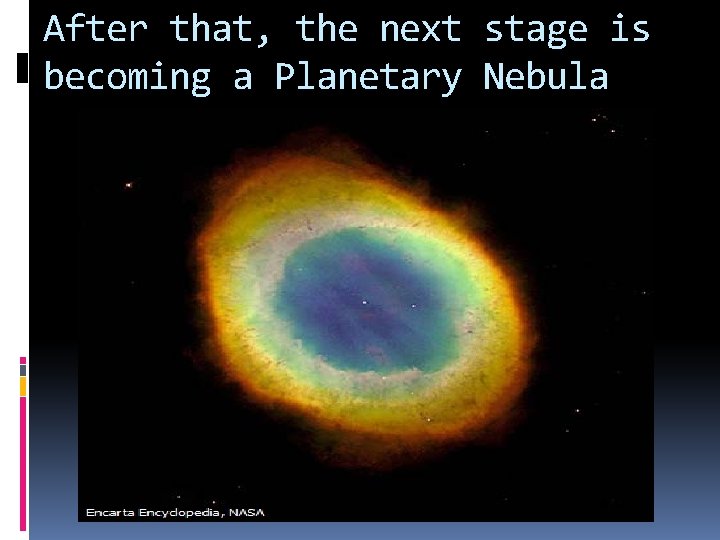
After that, the next stage is becoming a Planetary Nebula
And later, it will become a White Dwarf
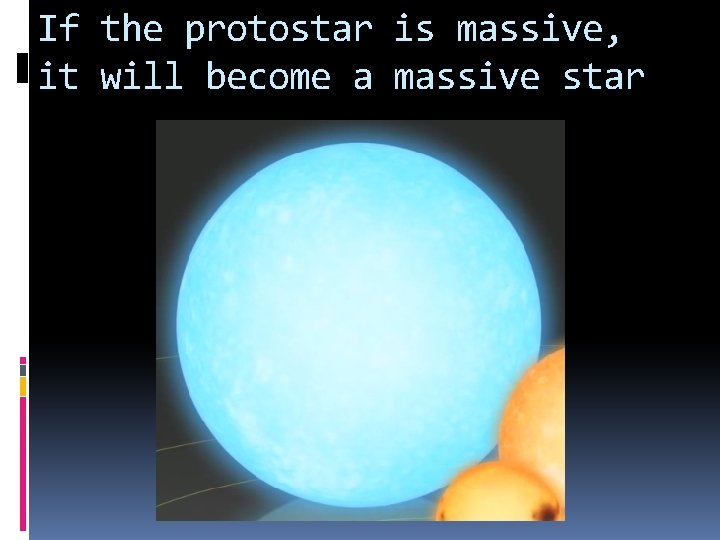
If the protostar is massive, it will become a massive star
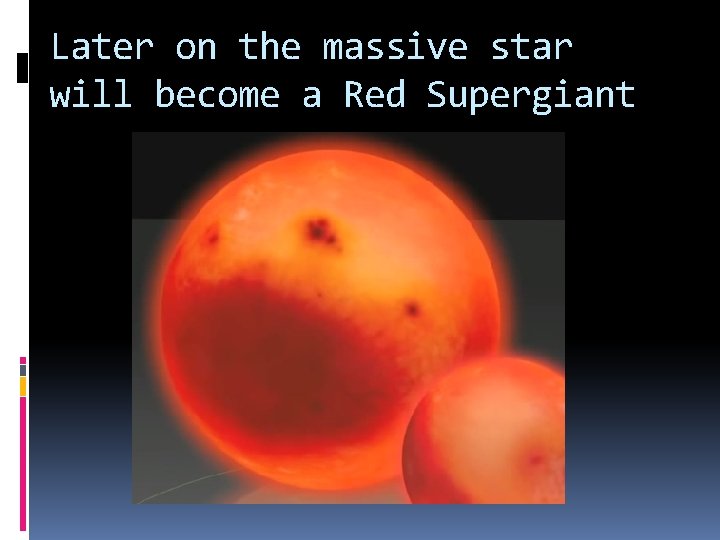
Later on the massive star will become a Red Supergiant
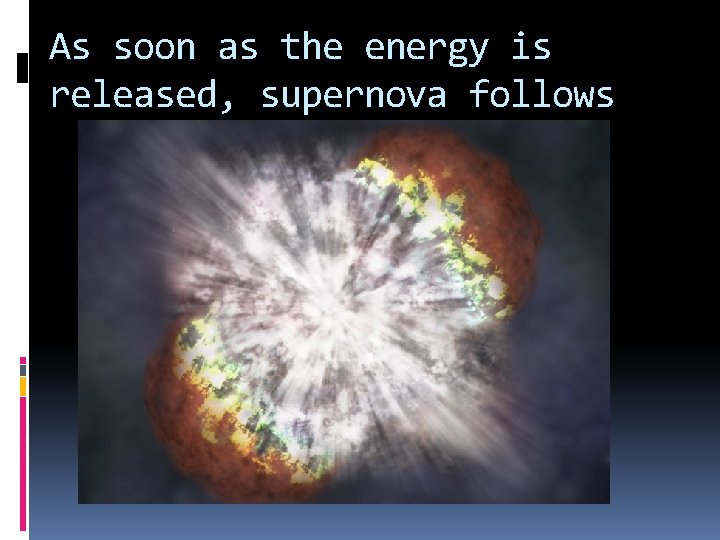
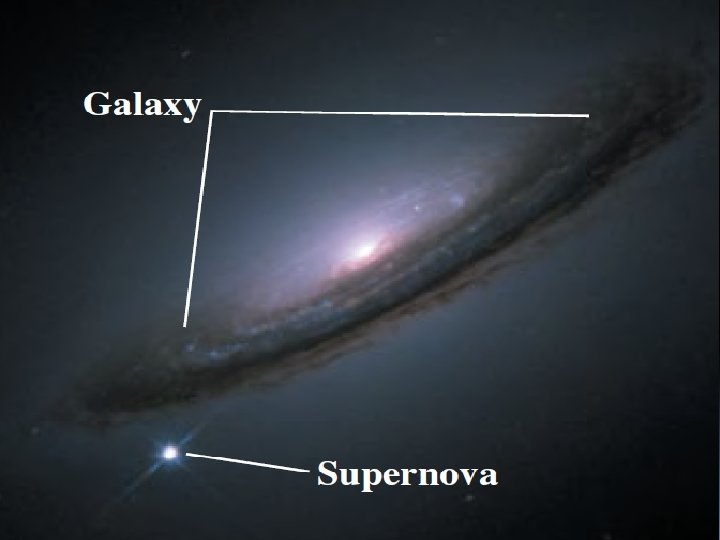
As soon as the energy is released, supernova follows
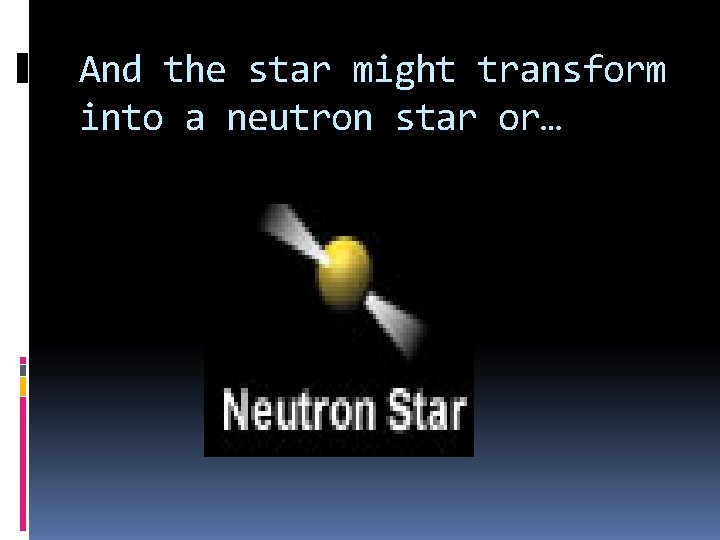
And the star might transform into a neutron star or…
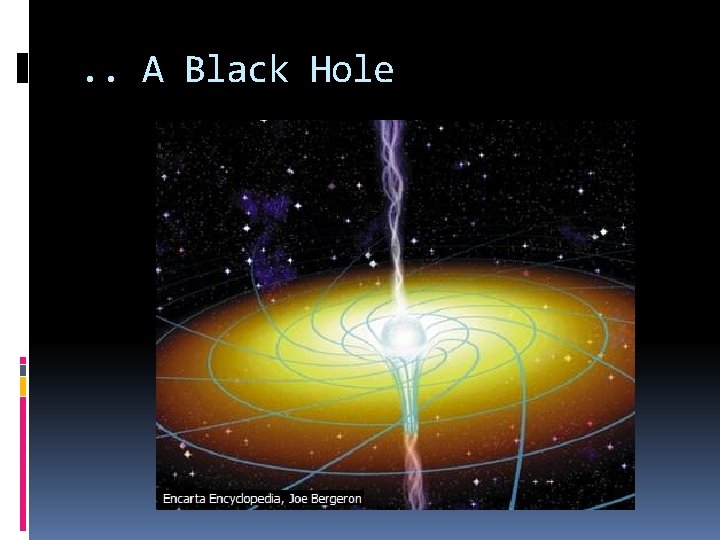
. . A Black Hole