
DISSIMILATORY IRON REDUCTION Carbon Dioxide H 2 O
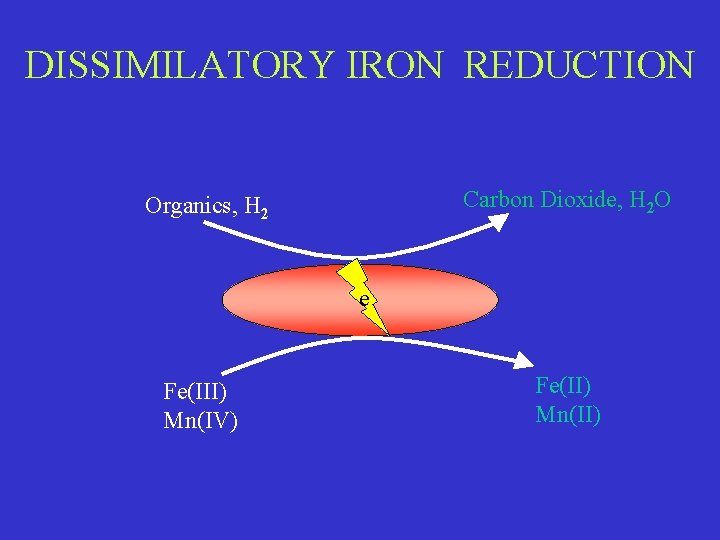
DISSIMILATORY IRON REDUCTION Carbon Dioxide, H 2 O Organics, H 2 e Fe(III) Mn(IV) Fe(II) Mn(II)
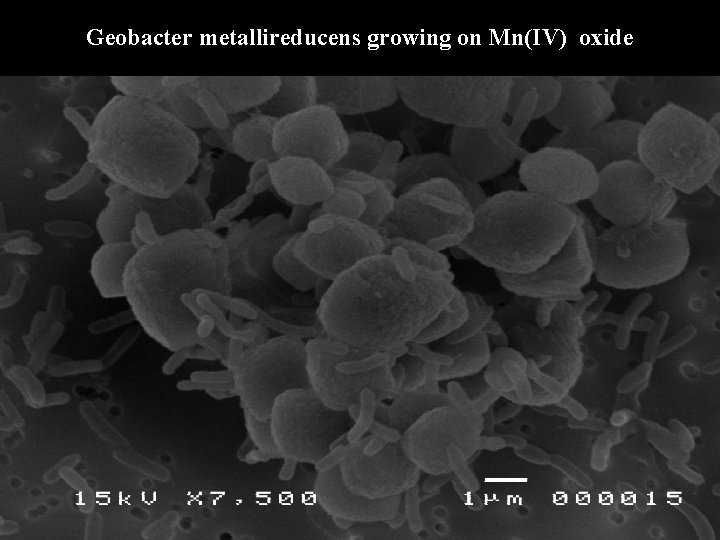
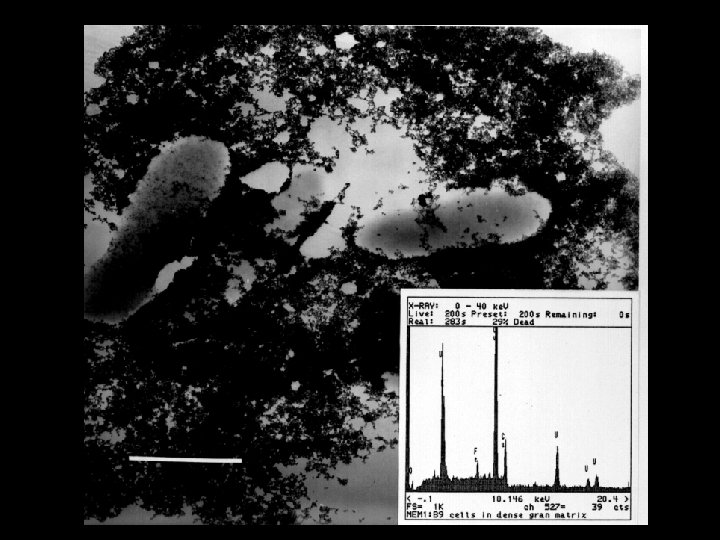
Geobacter metallireducens growing on Mn(IV) oxide
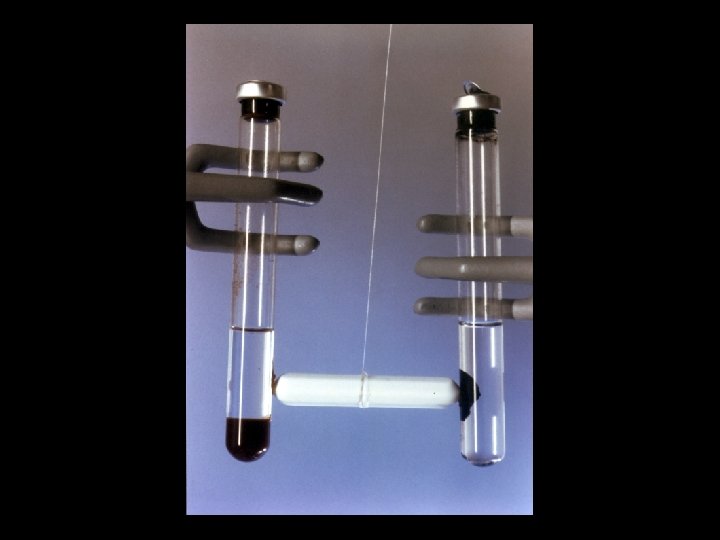
"If it were not for the bacterium GS-15 we would not have radio and television today. " Gerrit L. Verschuur in Hidden Attraction: The History and Mystery of Magnetism, Oxford University Press, 1993
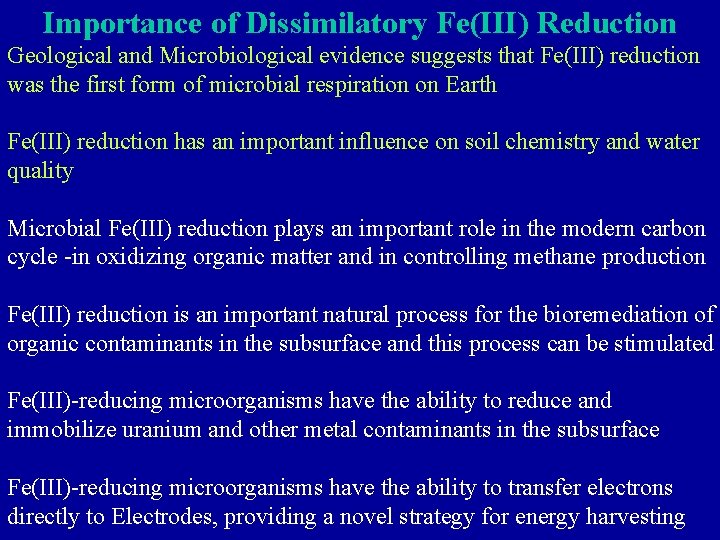
Importance of Dissimilatory Fe(III) Reduction Geological and Microbiological evidence suggests that Fe(III) reduction was the first form of microbial respiration on Earth Fe(III) reduction has an important influence on soil chemistry and water quality Microbial Fe(III) reduction plays an important role in the modern carbon cycle -in oxidizing organic matter and in controlling methane production Fe(III) reduction is an important natural process for the bioremediation of organic contaminants in the subsurface and this process can be stimulated Fe(III)-reducing microorganisms have the ability to reduce and immobilize uranium and other metal contaminants in the subsurface Fe(III)-reducing microorganisms have the ability to transfer electrons directly to Electrodes, providing a novel strategy for energy harvesting
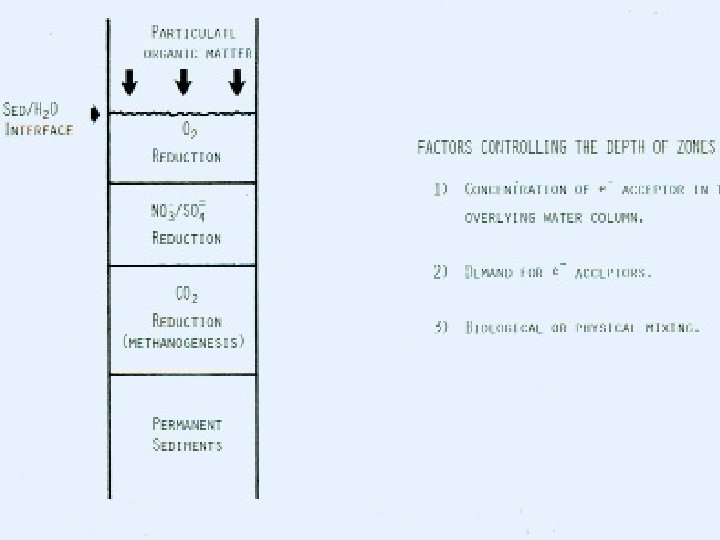
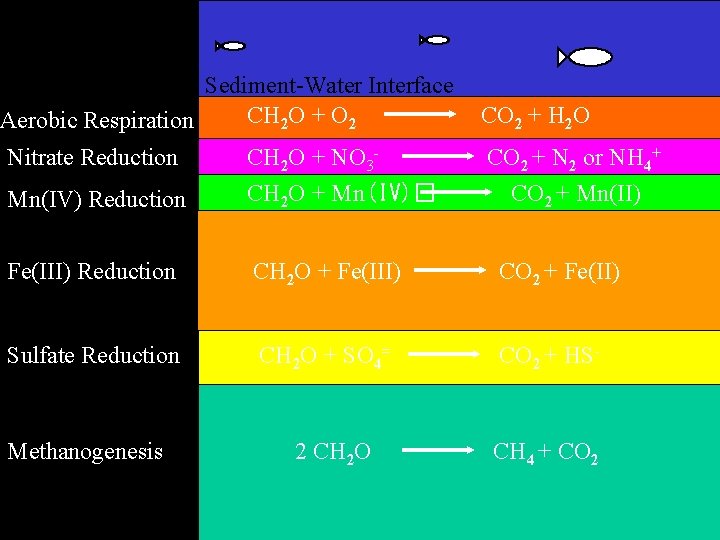
Fe(III) Sediment-Water Interface CH 2 O + O 2 Aerobic Respiration Nitrate Reduction Mn(IV) Reduction CH 2 O + NO 3 CH 2 O + Mn(IV)� Fe(III) Reduction CH 2 O + Fe(III) CO 2 + H 2 O CO 2 + N 2 or NH 4+ Fe(III) CO 2 + Mn(II) Fe(II) CO 2 + Fe(II) Sulfate Reduction Methanogenesis CH 2 O + SO 4= 2 CH 2 O CO 2 + HS- CH 4 + CO 2
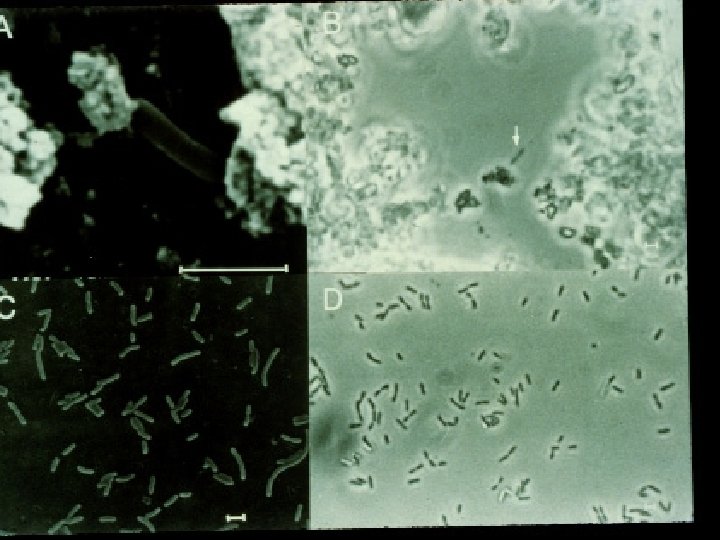
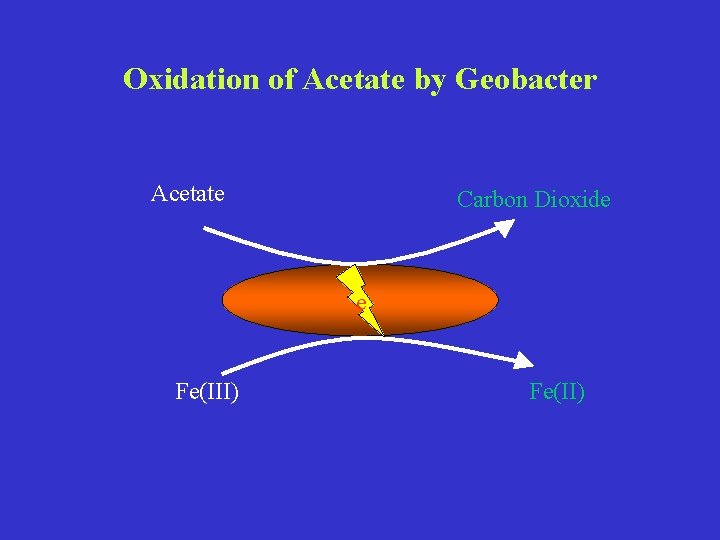
Oxidation of Acetate by Geobacter Acetate Carbon Dioxide e Fe(III) Fe(II)
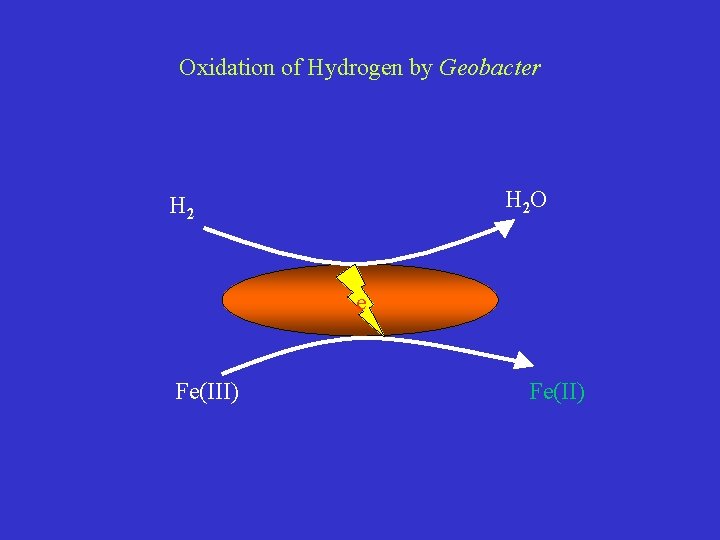
Oxidation of Hydrogen by Geobacter H 2 O H 2 e Fe(III) Fe(II)
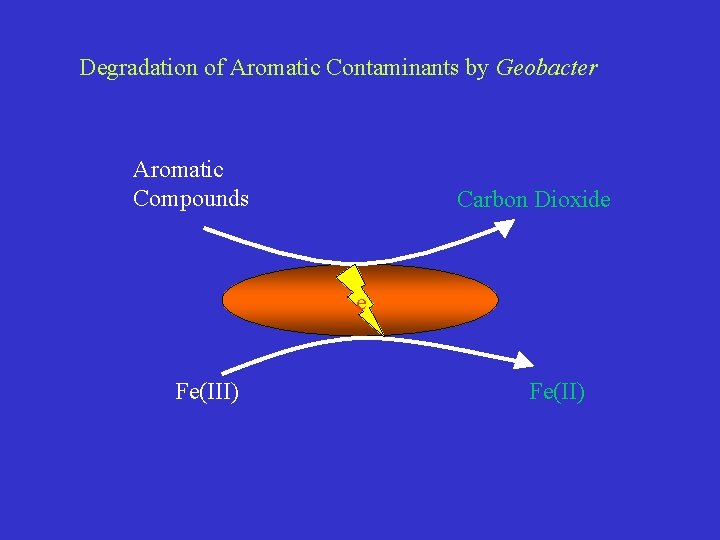
Degradation of Aromatic Contaminants by Geobacter Aromatic Compounds Carbon Dioxide e Fe(III) Fe(II)
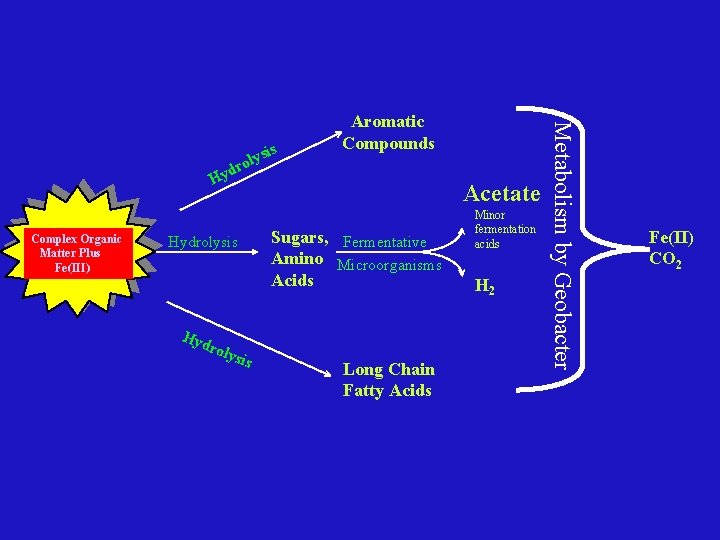
d Hy Complex Organic Matter Plus Fe(III) Hydrolysis Hyd roly sis Acetate Sugars, Fermentative Amino Microorganisms Acids Long Chain Fatty Acids Minor fermentation acids H 2 Metabolism by Geobacter is ys rol Aromatic Compounds Fe(II) CO 2
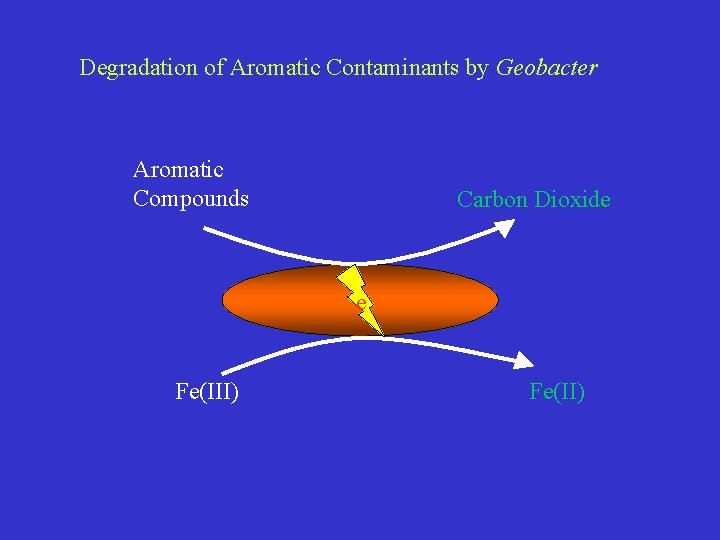
Degradation of Aromatic Contaminants by Geobacter Aromatic Compounds Carbon Dioxide e Fe(III) Fe(II)
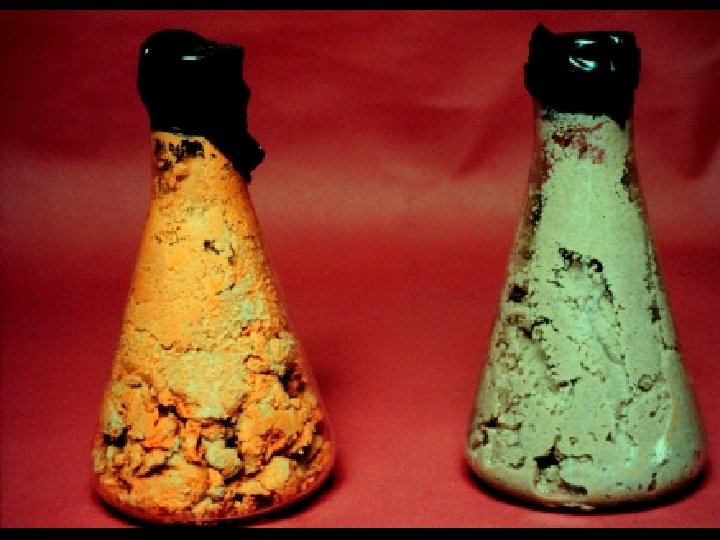
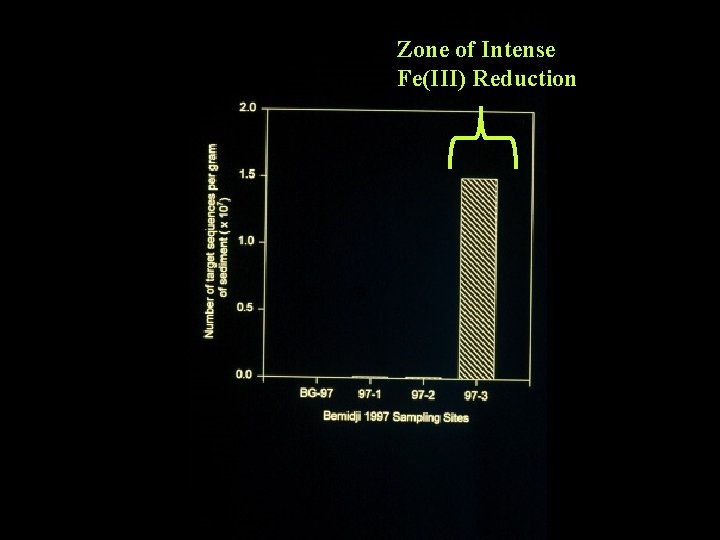
Zone of Intense Fe(III) Reduction
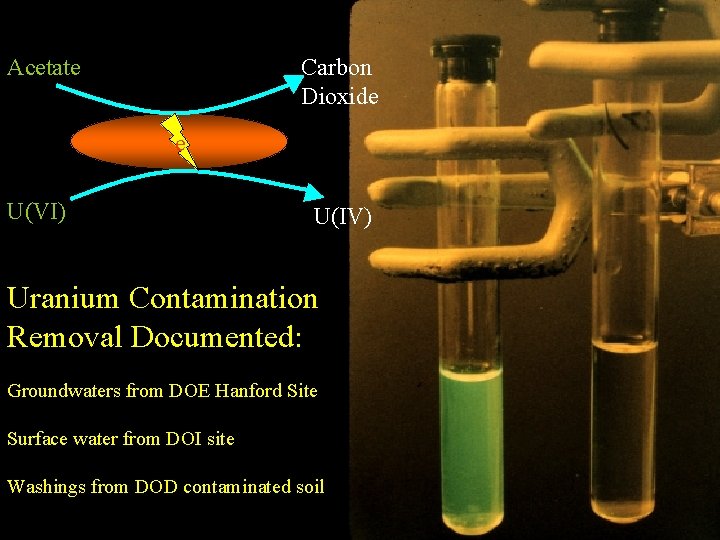
Acetate Carbon Dioxide e U(VI) U(IV) Uranium Contamination Removal Documented: Groundwaters from DOE Hanford Site Surface water from DOI site Washings from DOD contaminated soil
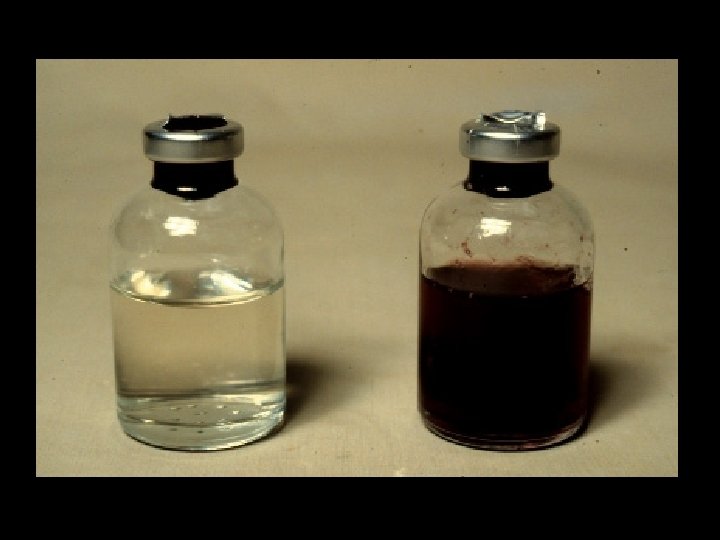
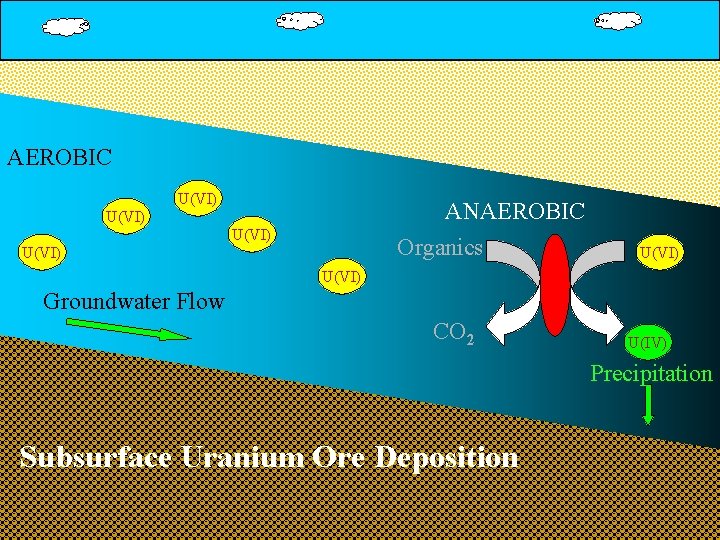
AEROBIC U(VI) ANAEROBIC Organics U(VI) U(VI) Groundwater Flow CO 2 U(IV) Precipitation Subsurface Uranium Ore Deposition
% Fe (II) U(VI) (µM) and NO 3 - (m. M) Acetate-Dependent Metal Reduction at Site 1103

% of total clones recovered as Geobacteraceae
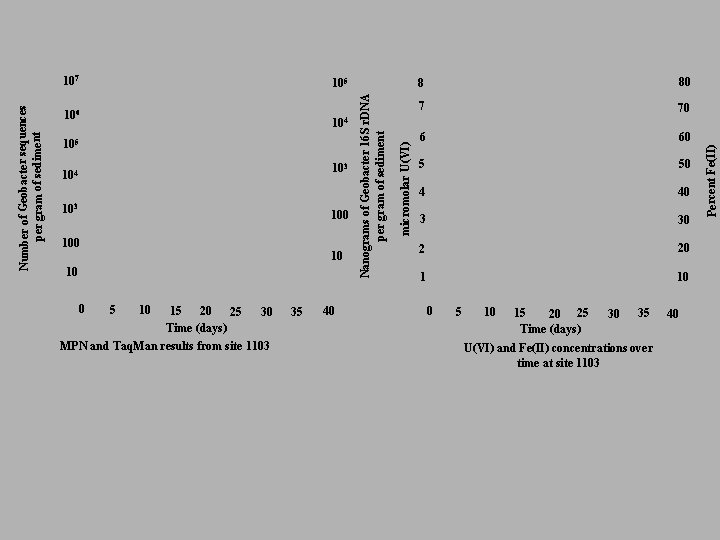
104 105 103 104 103 100 10 10 0 5 10 15 20 25 Time (days) 30 MPN and Taq. Man results from site 1103 35 40 8 80 7 70 6 60 5 50 4 40 3 30 2 20 1 10 0 5 10 15 20 25 Time (days) 30 35 U(VI) and Fe(II) concentrations over time at site 1103 40 Percent Fe(II) 106 micromolar U(VI) 105 Nanograms of Geobacter 16 S r. DNA per gram of sediment Number of Geobacter sequences per gram of sediment 107
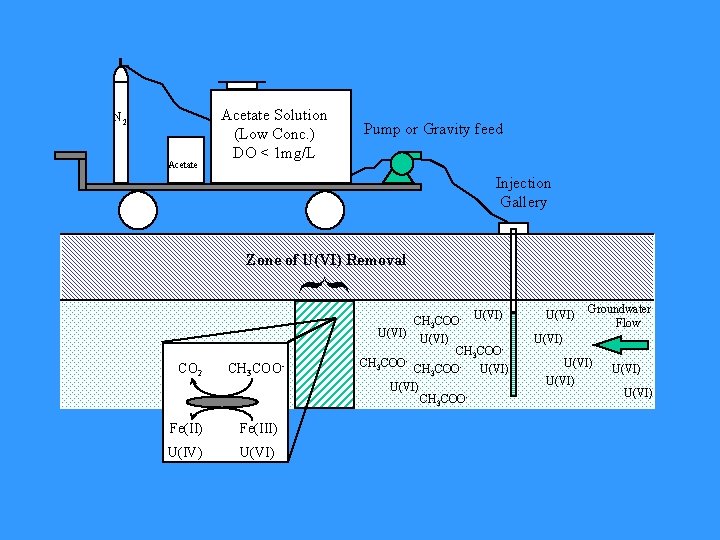
N 2 Acetate Solution (Low Conc. ) DO < 1 mg/L Pump or Gravity feed Injection Gallery } Zone of U(VI) Removal CO 2 CH 3 COO- Fe(II) Fe(III) U(IV) U(VI) CH 3 COO- U(VI) CH 3 COO CH COO- U(VI) 3 U(VI) CH 3 COO- U(VI) Groundwater Flow U(VI) U(VI)
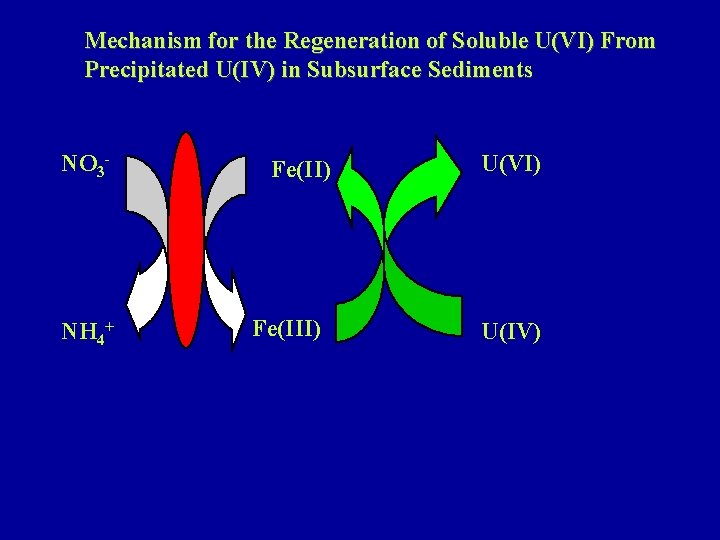
Mechanism for the Regeneration of Soluble U(VI) From Precipitated U(IV) in Subsurface Sediments NO 3 - NH 4+ Fe(II) Fe(III) U(VI) U(IV)
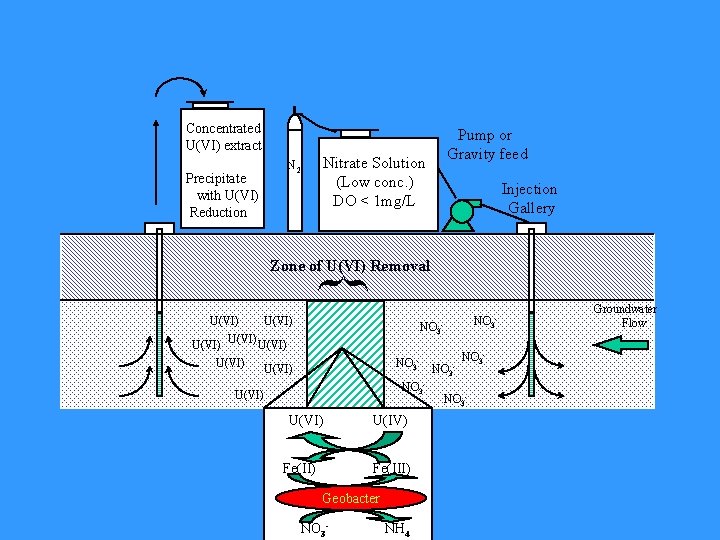
Concentrated U(VI) extract Nitrate Solution (Low conc. ) DO < 1 mg/L N 2 Precipitate with U(VI) Reduction Pump or Gravity feed Injection Gallery } Zone of U(VI) Removal U(VI) U(VI) NO 3 SO 42 - U(VI) NO 3 U(VI) Fe(II) U(IV) Fe(III) Geobacter NO 3 - NH 4 NO 3 - - NO 3 - Groundwater Flow
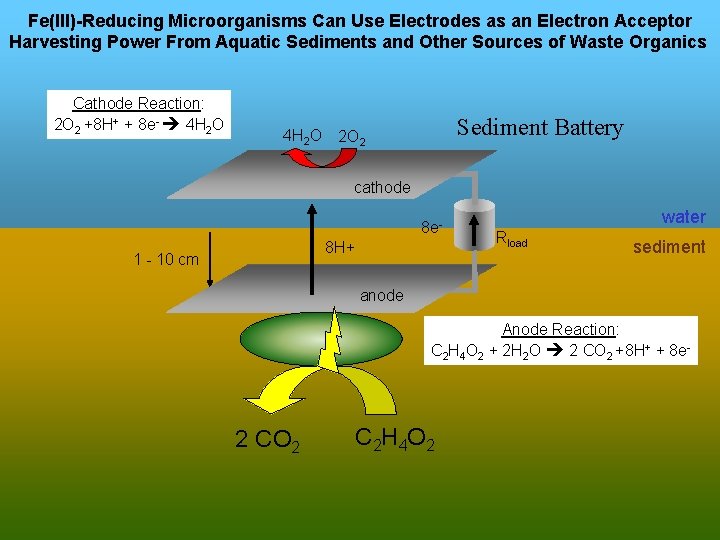
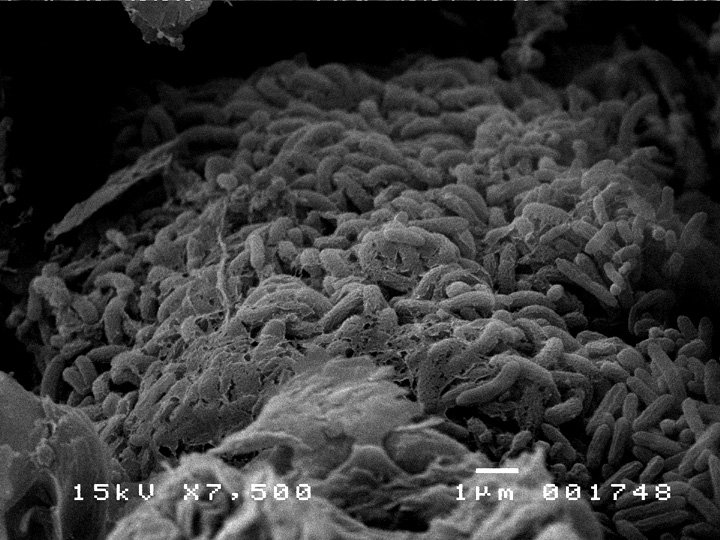
Fe(III)-Reducing Microorganisms Can Use Electrodes as an Electron Acceptor Harvesting Power From Aquatic Sediments and Other Sources of Waste Organics Cathode Reaction: 2 O 2 +8 H+ + 8 e- 4 H 2 O Sediment Battery 2 O 2 cathode 8 e 8 H+ 1 - 10 cm water Rload sediment anode Anode Reaction: C 2 H 4 O 2 + 2 H 2 O 2 CO 2 +8 H+ + 8 e- 2 CO 2 C 2 H 4 O 2
% of clone library Who is enriched on the “anaerobic” (anode) electrode? Delta-proteobacteria enriched to over 75% of population
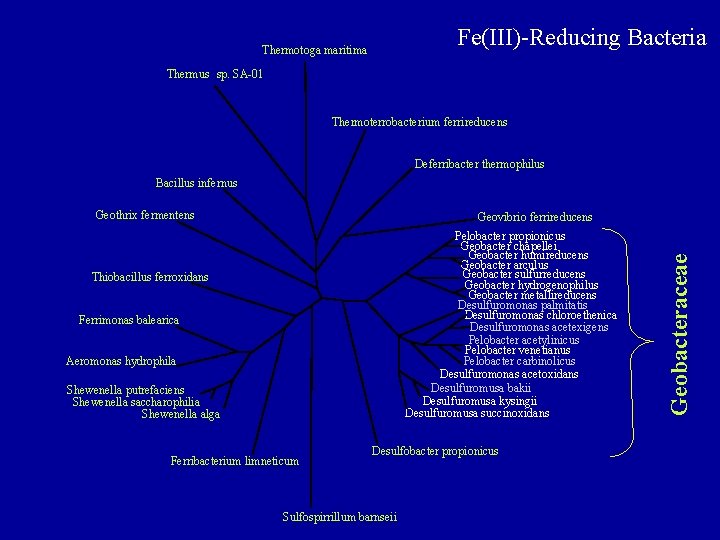
Fe(III)-Reducing Bacteria Thermotoga maritima Thermus sp. SA-01 Thermoterrobacterium ferrireducens Deferribacter thermophilus Bacillus infernus Geothrix fermentens Pelobacter propionicus Geobacter chapellei Geobacter humireducens Geobacter arculus Geobacter sulfurreducens Geobacter hydrogenophilus Geobacter metallireducens Desulfuromonas palmitatis Desulfuromonas chloroethenica Desulfuromonas acetexigens Pelobacter acetylinicus Pelobacter venetianus Pelobacter carbinolicus Desulfuromonas acetoxidans Desulfuromusa bakii Desulfuromusa kysingii Desulfuromusa succinoxidans Thiobacillus ferroxidans Ferrimonas balearica Aeromonas hydrophila Shewenella putrefaciens Shewenella saccharophilia Shewenella alga Ferribacterium limneticum Desulfobacter propionicus Sulfospirrillum barnseii Geobacteraceae Geovibrio ferrireducens
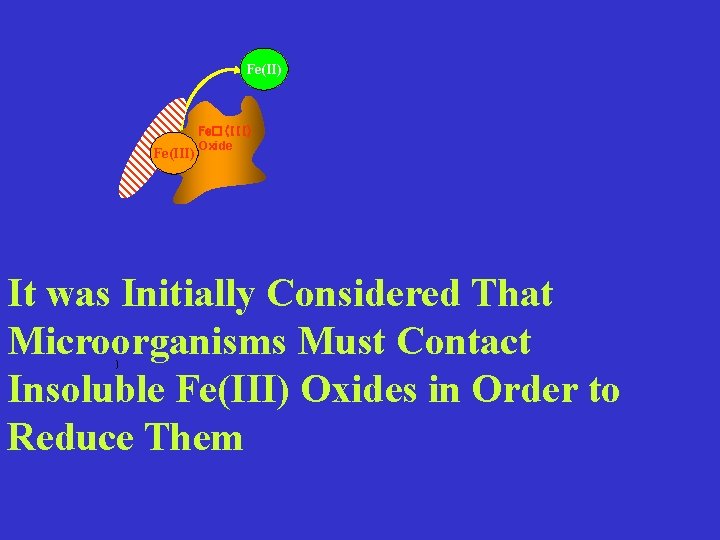
Fe(II) Fe(III) Fe�(III) Oxide It was Initially Considered That Microorganisms Must Contact Insoluble Fe(III) Oxides in Order to Reduce Them )
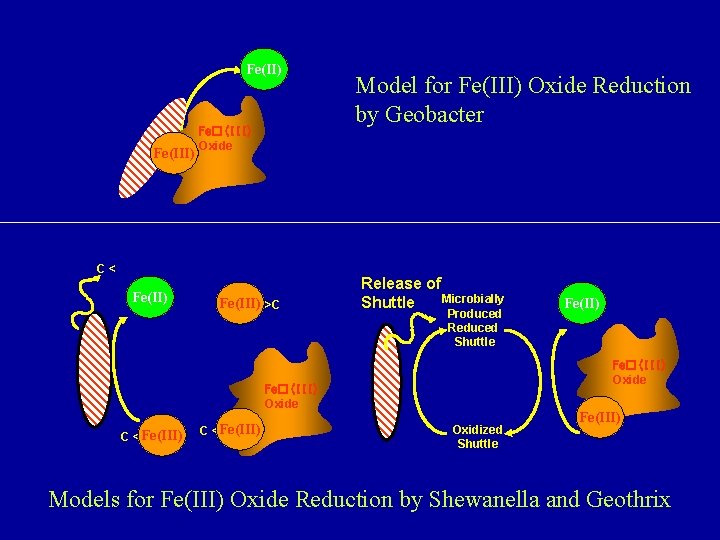
Fe(II) Fe(III) Fe�(III) Oxide C< Fe(II) Fe(III) >C Model for Fe(III) Oxide Reduction by Geobacter Release of Microbially Shuttle Produced Reduced Shuttle ) Fe�(III) Oxide C < Fe(III) Fe(II) Oxidized Shuttle Fe(III) Models for Fe(III) Oxide Reduction by Shewanella and Geothrix
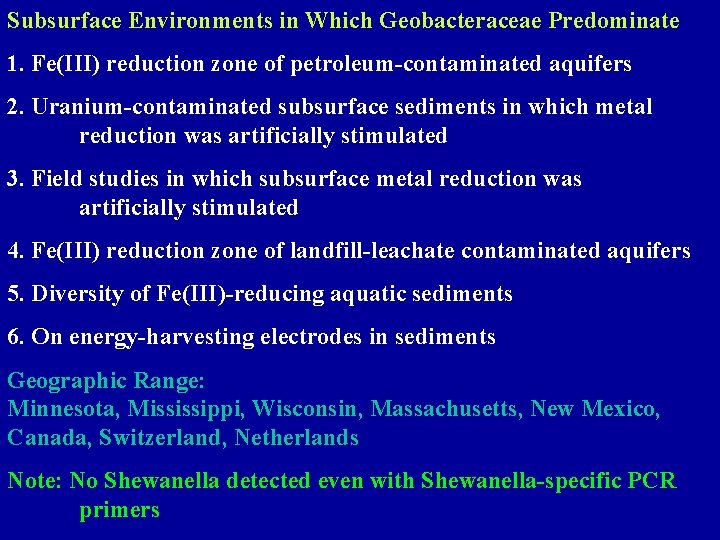
Subsurface Environments in Which Geobacteraceae Predominate 1. Fe(III) reduction zone of petroleum-contaminated aquifers 2. Uranium-contaminated subsurface sediments in which metal reduction was artificially stimulated 3. Field studies in which subsurface metal reduction was artificially stimulated 4. Fe(III) reduction zone of landfill-leachate contaminated aquifers 5. Diversity of Fe(III)-reducing aquatic sediments 6. On energy-harvesting electrodes in sediments Geographic Range: Minnesota, Mississippi, Wisconsin, Massachusetts, New Mexico, Canada, Switzerland, Netherlands Note: No Shewanella detected even with Shewanella-specific PCR primers
Environmental Genomics with Geobacter provides a rare instance in Environmental Microbiology in which it is possible to study organisms in pure culture that are closely related to the microorganisms that are known to be responsible for an process of interest in the environment. The study of Geobacter physiology is likely not only to indicate how these organisms reduce metals and electrodes in the subsurface, but also to elucidate other physiological factors which make microorganisms effective competitors in subsurface environments.
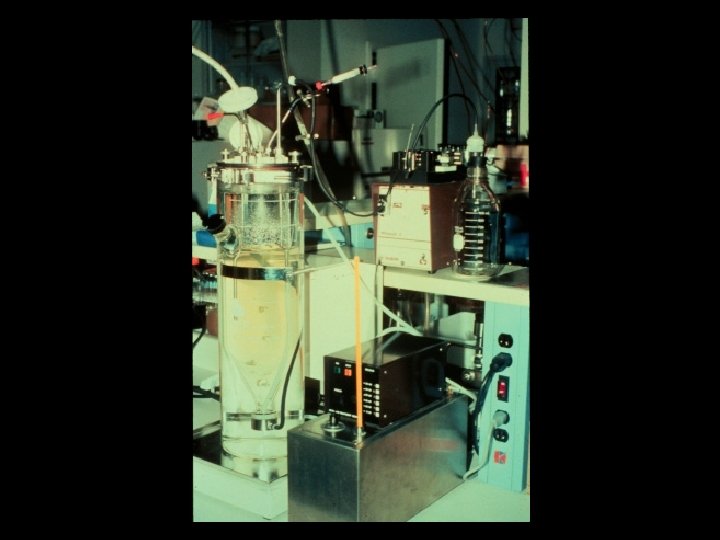
Elucidation of the Mechanisms for Electron Transfer in G. sulfurreducens • Closely related to Geobacters that predominate in various environments • Genome of G. sulfurreducens available • Genetic system has been developed • Methods for mass culturing available • Techniques available for anaerobic biochemistry • Can readily be grown in chemostats to provide physiologically consistent cells
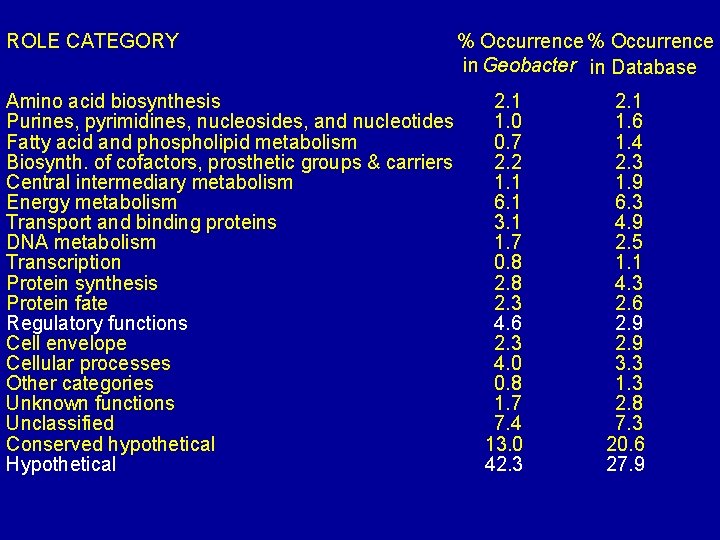
ROLE CATEGORY Amino acid biosynthesis Purines, pyrimidines, nucleosides, and nucleotides Fatty acid and phospholipid metabolism Biosynth. of cofactors, prosthetic groups & carriers Central intermediary metabolism Energy metabolism Transport and binding proteins DNA metabolism Transcription Protein synthesis Protein fate Regulatory functions Cell envelope Cellular processes Other categories Unknown functions Unclassified Conserved hypothetical Hypothetical % Occurrence in Geobacter in Database 2. 1 1. 0 0. 7 2. 2 1. 1 6. 1 3. 1 1. 7 0. 8 2. 3 4. 6 2. 3 4. 0 0. 8 1. 7 7. 4 13. 0 42. 3 2. 1 1. 6 1. 4 2. 3 1. 9 6. 3 4. 9 2. 5 1. 1 4. 3 2. 6 2. 9 3. 3 1. 3 2. 8 7. 3 20. 6 27. 9
r 2= 0. 70 p< 0. 01 GS AF PA AA
e Fe(III)-NTA Fe(III)-Oxide
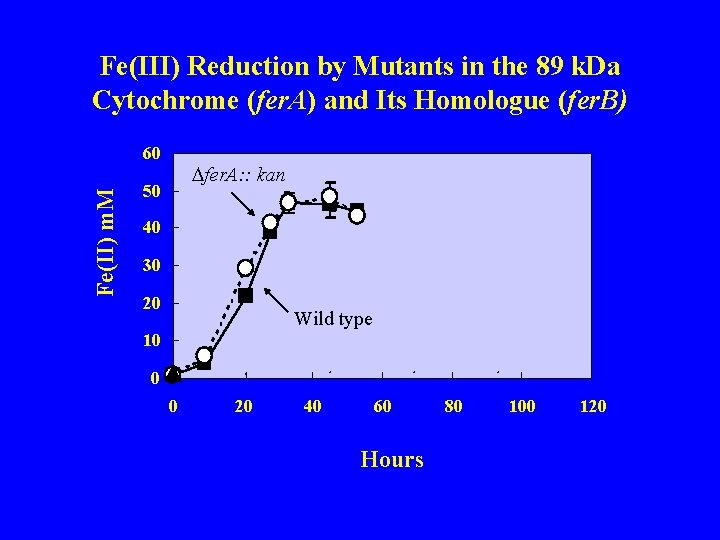
Fe(III) Reduction by Mutants in the 89 k. Da Cytochrome (fer. A) and Its Homologue (fer. B) Fe(II) m. M 60 fer. A: : kan 50 40 30 20 Wild type 10 0 0 20 40 60 Hours 80 100 120
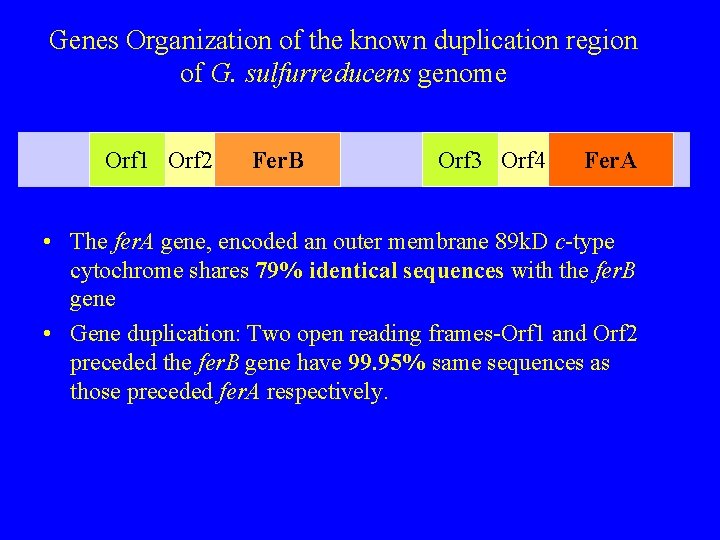
Genes Organization of the known duplication region of G. sulfurreducens genome Orf 1 Orf 2 Fer. B Orf 3 Orf 4 Fer. A • The fer. A gene, encoded an outer membrane 89 k. D c-type cytochrome shares 79% identical sequences with the fer. B gene • Gene duplication: Two open reading frames-Orf 1 and Orf 2 preceded the fer. B gene have 99. 95% same sequences as those preceded fer. A respectively.
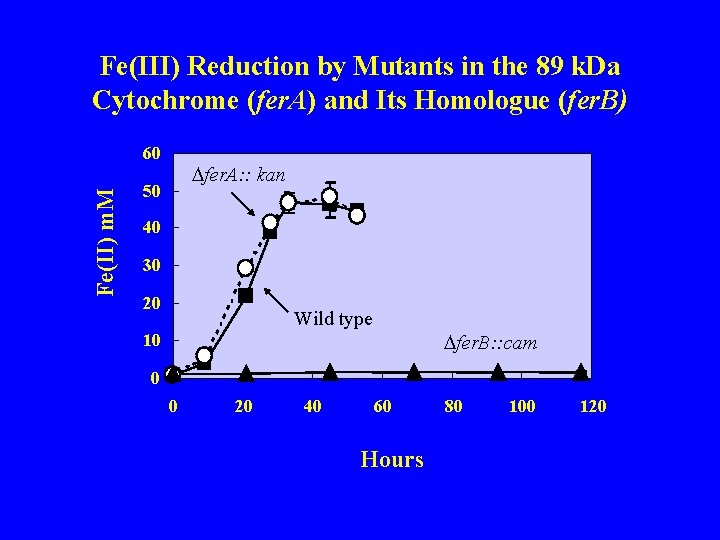
Fe(III) Reduction by Mutants in the 89 k. Da Cytochrome (fer. A) and Its Homologue (fer. B) Fe(II) m. M 60 fer. A: : kan 50 40 30 20 Wild type fer. B: : cam 10 0 0 20 40 60 Hours 80 100 120
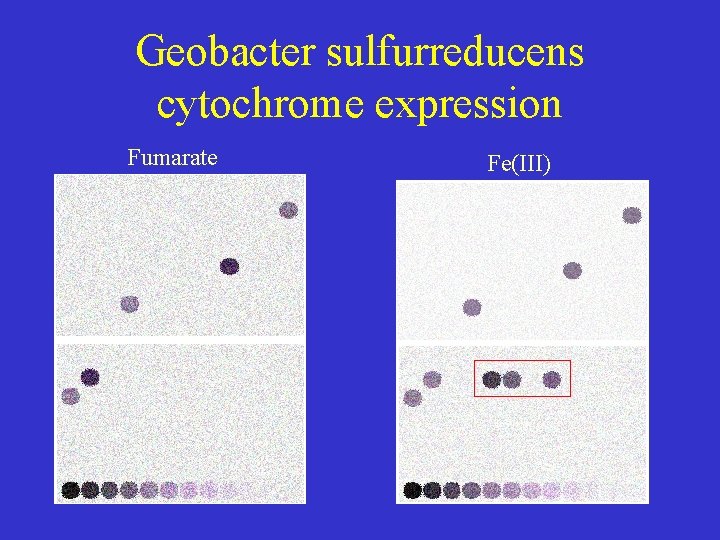
Geobacter sulfurreducens cytochrome expression Fumarate Fe(III)
Cytochrome Expression Patterns
Specific production of flagella by Geobacter when grown on insoluble substrates Soluble Fe(III)OOHin Bar = 1µm Mn(IV)OOHin
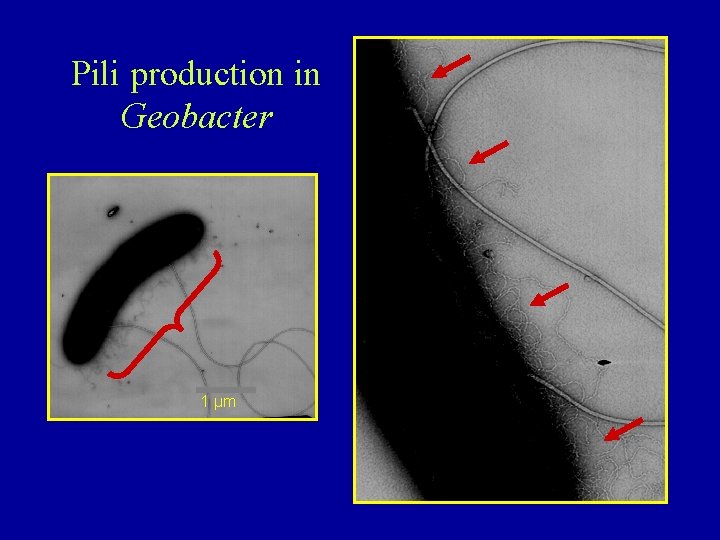
Pili production in Geobacter 1 µm
Fe(III) oxide reduction of pil. A mutant
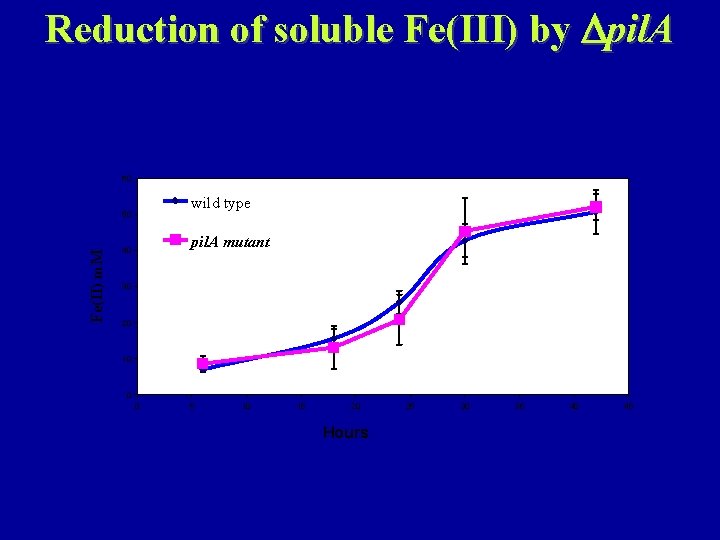
Reduction of soluble Fe(III) by pil. A 60 wild type Fe(II) m. M 50 pil. A mutant 40 30 20 10 0 0 5 10 15 20 Hours 25 30 35 40 45
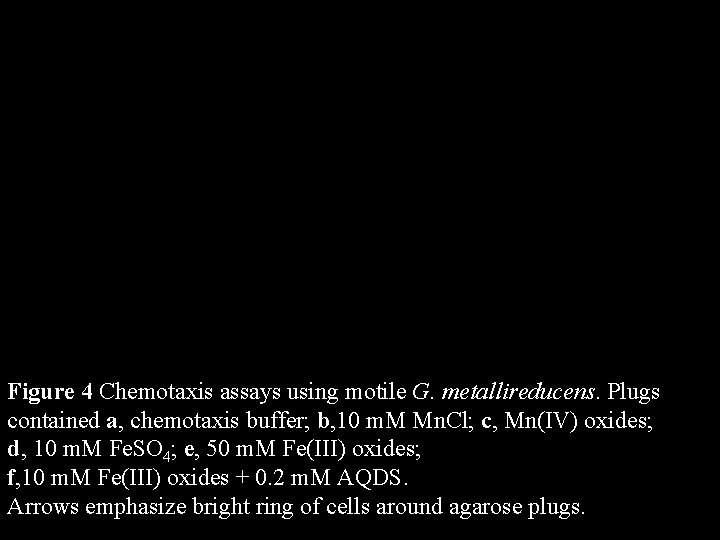
Figure 4 Chemotaxis assays using motile G. metallireducens. Plugs contained a, chemotaxis buffer; b, 10 m. M Mn. Cl; c, Mn(IV) oxides; d, 10 m. M Fe. SO 4; e, 50 m. M Fe(III) oxides; f, 10 m. M Fe(III) oxides + 0. 2 m. M AQDS. Arrows emphasize bright ring of cells around agarose plugs.
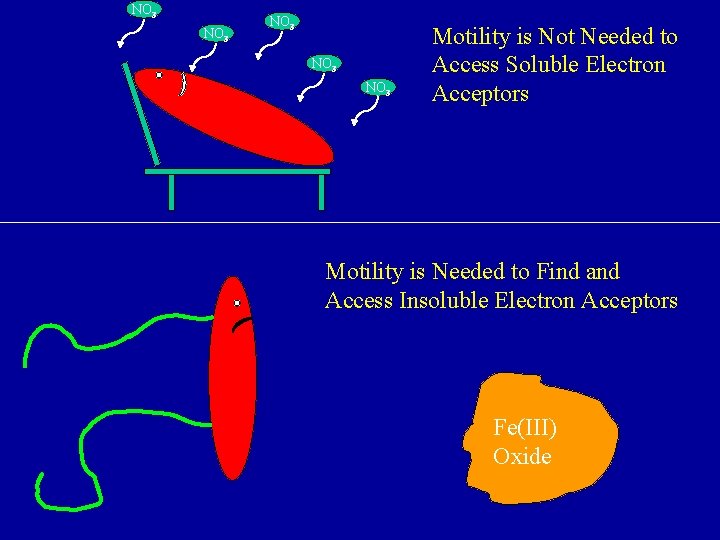
NO 3 NO 3 Motility is Not Needed to Access Soluble Electron Acceptors Motility is Needed to Find and Access Insoluble Electron Acceptors Fe(III) Oxide
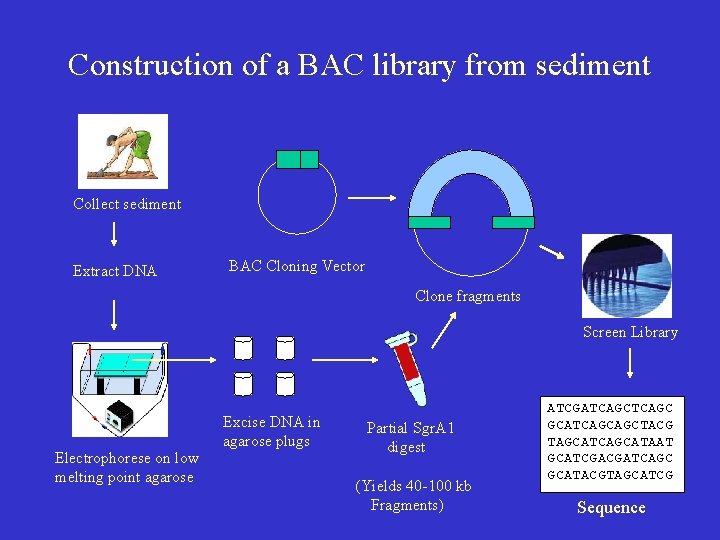
Construction of a BAC library from sediment Collect sediment Extract DNA BAC Cloning Vector Clone fragments Screen Library Electrophorese on low melting point agarose Excise DNA in agarose plugs Partial Sgr. A 1 digest (Yields 40 -100 kb Fragments) ATCGATCAGC GCATCAGCAGCTACG TAGCATCAGCATAAT GCATCGACGATCAGC GCATACGTAGCATCG Sequence
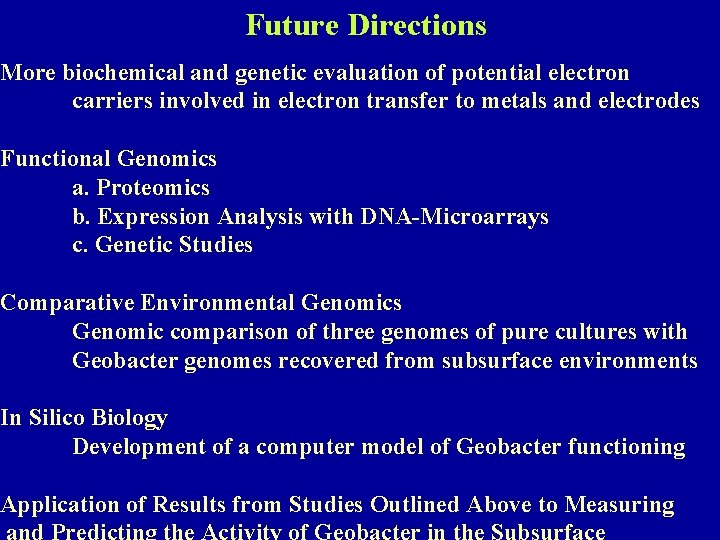
Future Directions More biochemical and genetic evaluation of potential electron carriers involved in electron transfer to metals and electrodes Functional Genomics a. Proteomics b. Expression Analysis with DNA-Microarrays c. Genetic Studies Comparative Environmental Genomics Genomic comparison of three genomes of pure cultures with Geobacter genomes recovered from subsurface environments In Silico Biology Development of a computer model of Geobacter functioning Application of Results from Studies Outlined Above to Measuring
- Slides: 57