
Discrete Mathematics Scheduling Task the job that has
Discrete Mathematics Scheduling

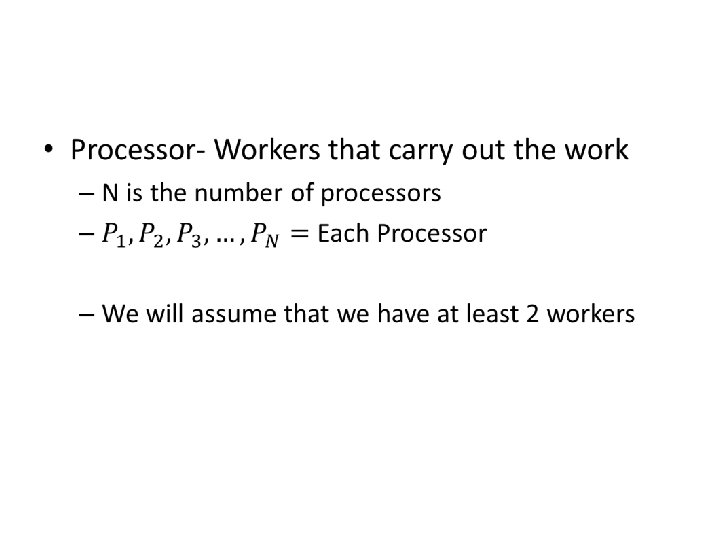
• Task- the job that has to be done – Denoted with a capital letter or abbreviation • A, B, WE, TC

• Tasks can be in 4 states – Ineligible (something must be done first) – Ready (Not started but can) – In execution (Already started) – Completed (Done)


Impossible Cycle
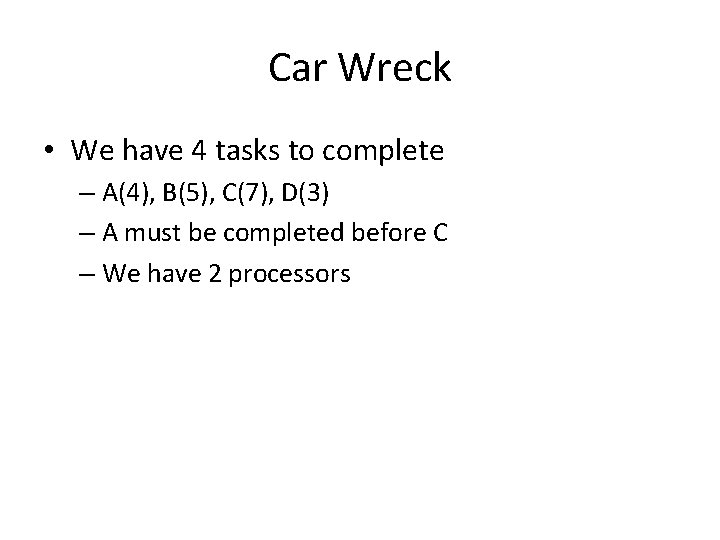
Car Wreck • We have 4 tasks to complete – A(4), B(5), C(7), D(3) – A must be completed before C – We have 2 processors
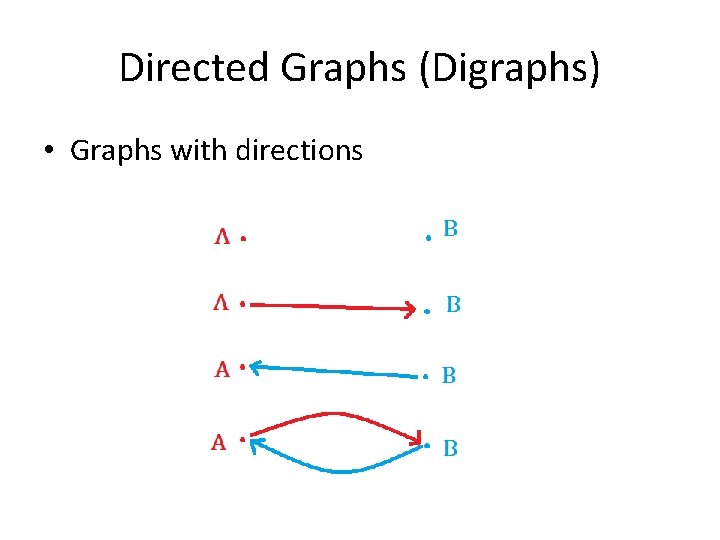
Directed Graphs (Digraphs) • Graphs with directions

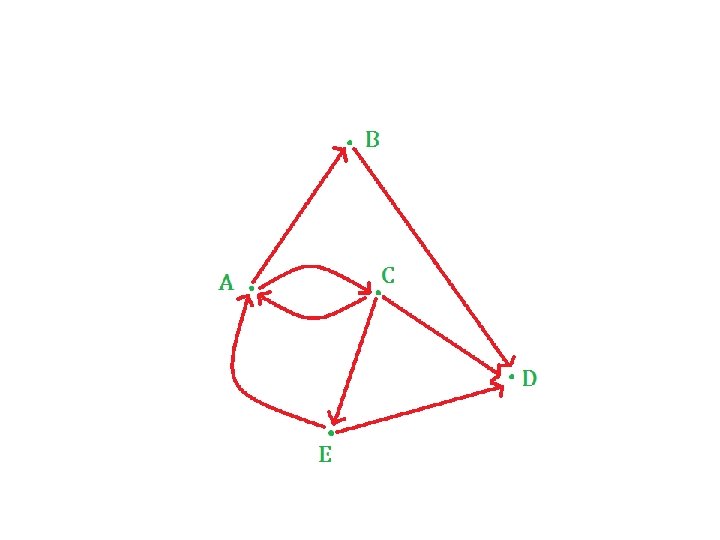
• Path, Cycle • Outdegree- Number if degrees starting at a vertex • Indegree- Number if degrees ending at a vertex
Homework Page 307 #4, 6, 8, 10, 17, 18
Priority List • Priority List- list of the importance of finishing certain tasks • We can say X, Y, Z which will mean that we want to do X over Y and Y over Z. • Possible number of lists equals M! – M is the number of tasks
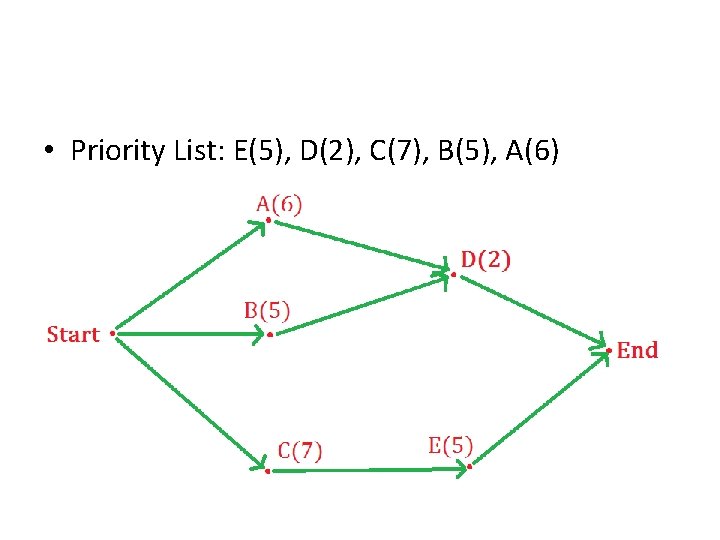
• Priority List: E(5), D(2), C(7), B(5), A(6)
Decreasing-Time Algorithm • The priority list will be from the task that takes the longest to the task that takes the least amount of time.

Critical Path • Critical Path: For task X is the path from X to the end with the longest processing time. • The longest time is called the Critical Time.
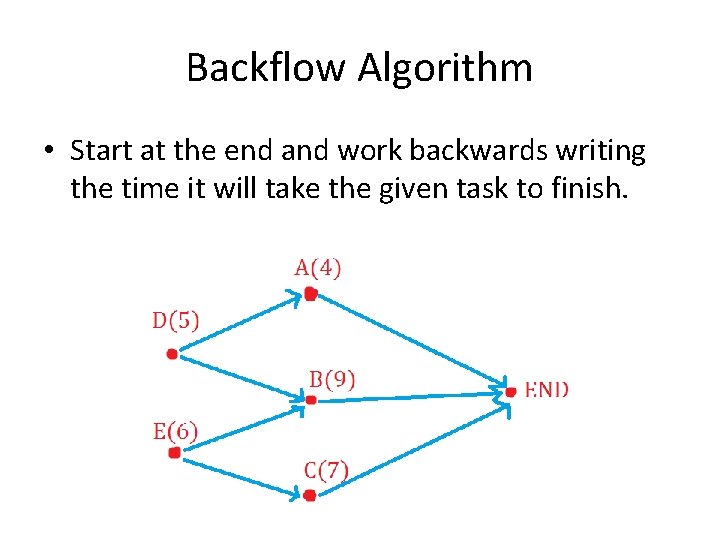
Backflow Algorithm • Start at the end and work backwards writing the time it will take the given task to finish.
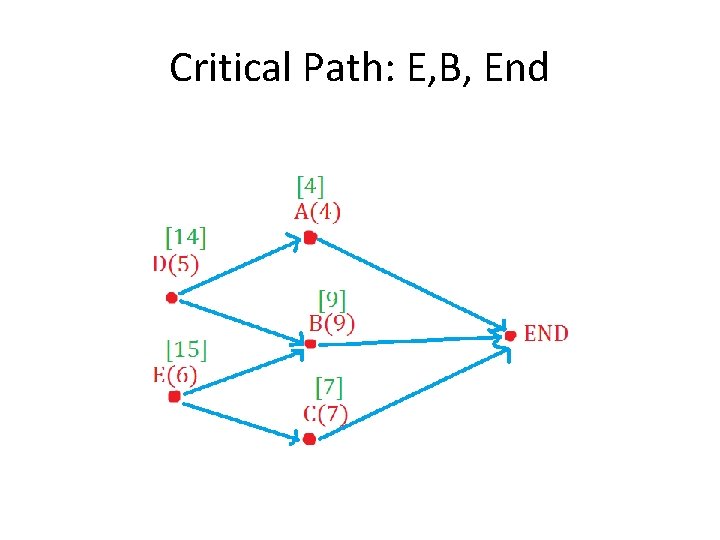
Critical Path: E, B, End
Critical Path Algorithm • After you have created the backflow of the Digraph • Create a priority list of the tasks from largest to smallest based on their critical times
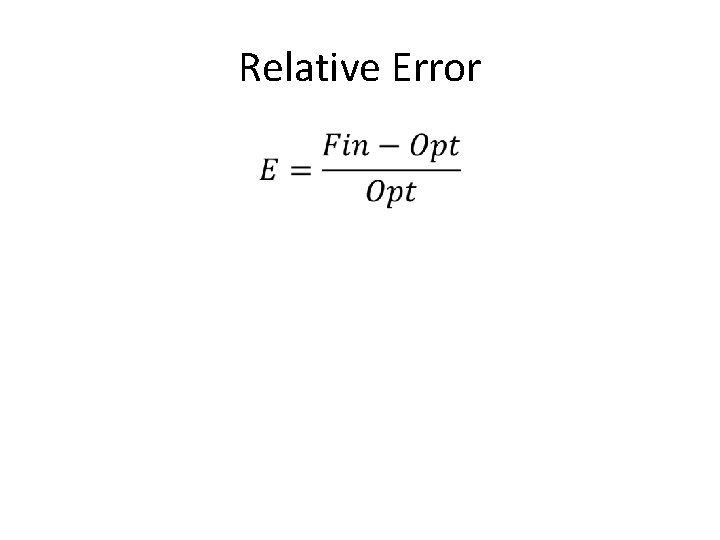
Relative Error •
Problems Page 310 -313 #24, 29 -32, 36, 38, 40, 42, 45, 46, 48, 49, 50
- Slides: 23