
Discovery Learning By Anush Akopian David Dombroski Jayne
Discovery Learning By: Anush Akopian, David Dombroski, Jayne Min, Stephanie Ellerbe

What is discovery learning? Discovery learning is an inquiry-based, learning theory in which the students depend on their past experiences and current knowledge to discover facts and relationships about new concepts. Students look for solutions by exploring and manipulating objects, grappling with questions and performing experiments. As a result of this hands-on approach to learning, students are more likely to internalize concepts with deeper understanding. Models that are based upon discovery learning model include: ● ● guided discovery, problem-based learning simulation-based learning, case-based learning, etc
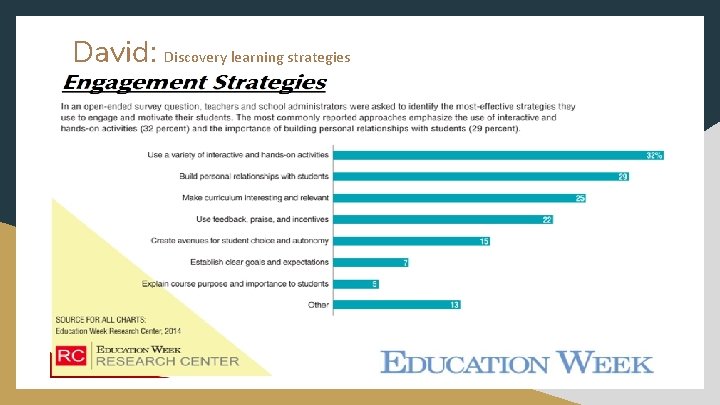
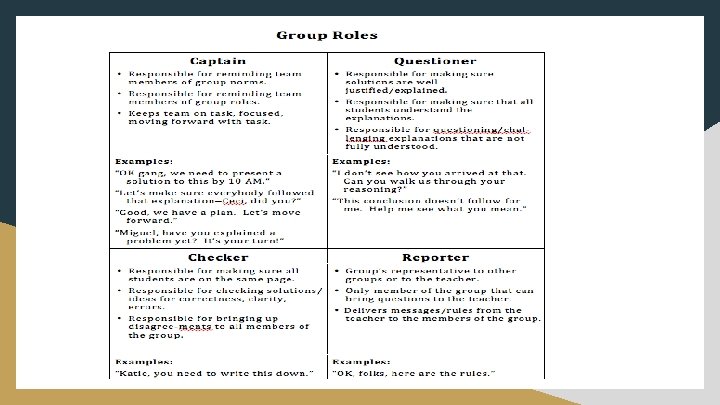
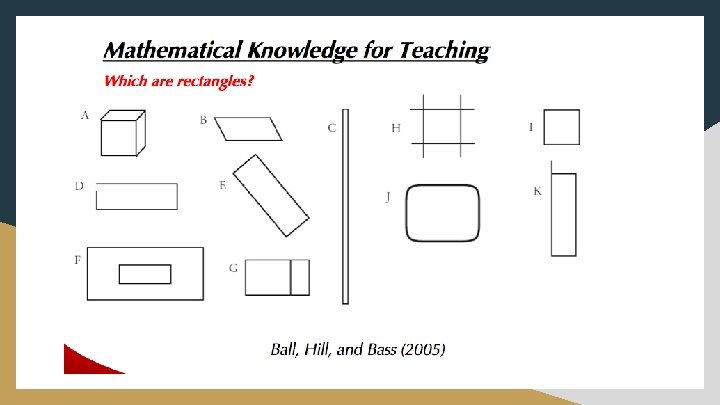
David: Discovery learning strategies


Jayne Pros and Cons of Discovery Learning Why choose Discovery Learning? Discovery learning promotes student exploration and collaboration with teachers and peers to solve problems. Children are also able to direct their own inquiry and be actively involved in the learning process which helps with student motivation. Why steer away from it? Students who are presented with problems without foundational knowledge may not have the ability to work through solutions. In fact, any learning taking place may have errors, misconceptions, or be confusing/frustrating to the learner. Students are left to self-discover the topics.
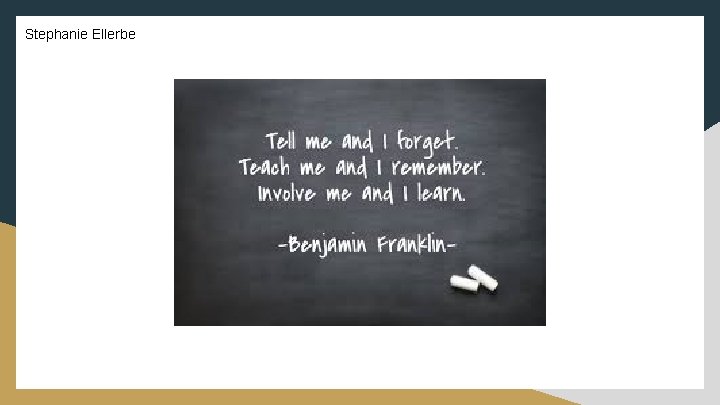
Stephanie Ellerbe Conclusion When used appropriately discovery learning allows students to take an active role in their learning. Students are actively applying their problem solving skills to make connections and solutions using past experiences or prior knowledge. This constructivist theory is based on the idea that by completing inquirybased projects or assignments will help the students form a deeper understanding of the concepts being taught. - Student engagement -Motivation - Develops creativity and problem-solving skills - collaboration/independence
Stephanie Ellerbe
- Slides: 12