
Discerning potentials impairments from disabilities in developmental dyslexia
“Discerning potentials, impairments from disabilities in developmental dyslexia for optimal remediation” Sunita Gudwani Is it ?
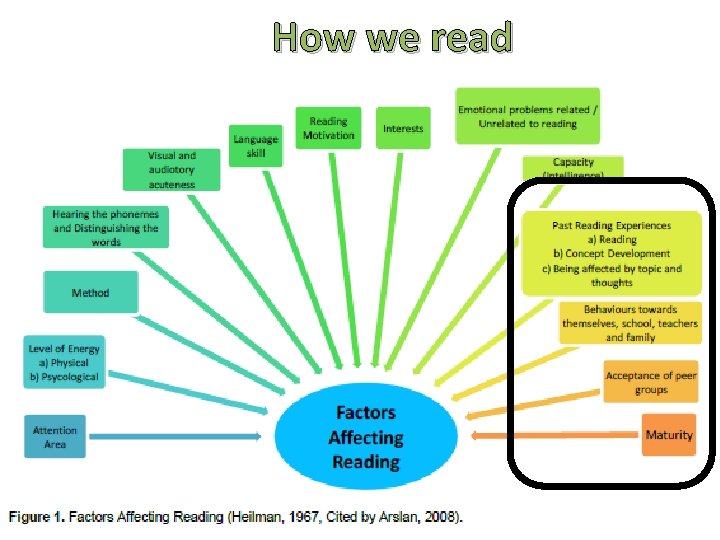
How we read
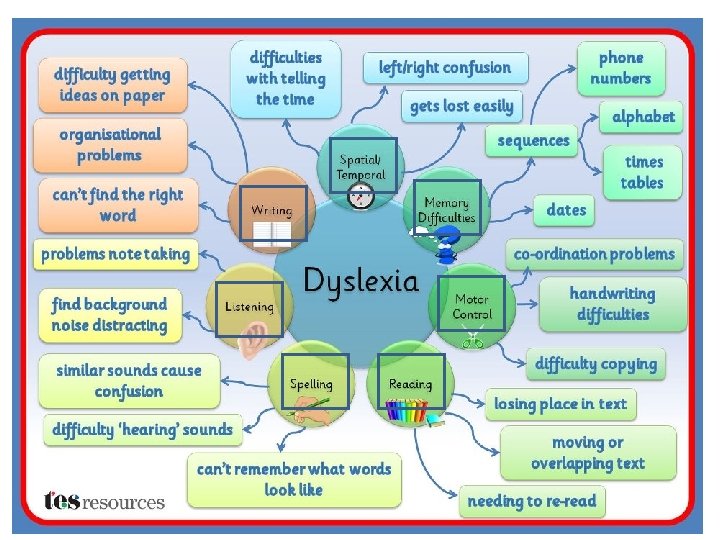
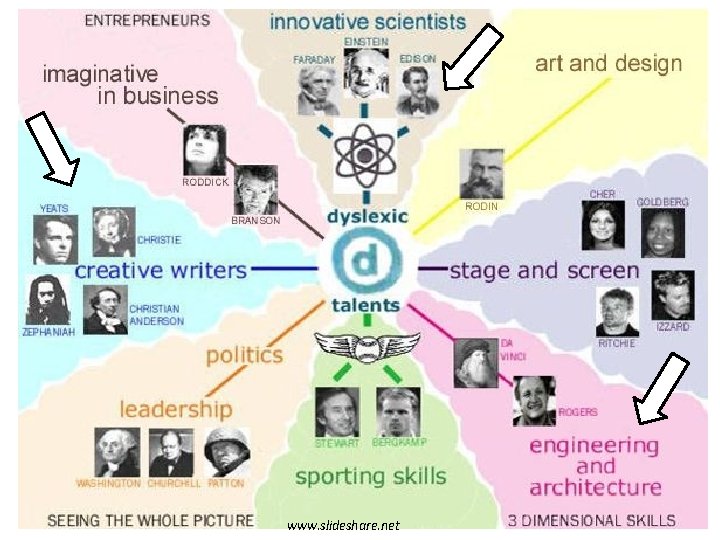
www. slideshare. net
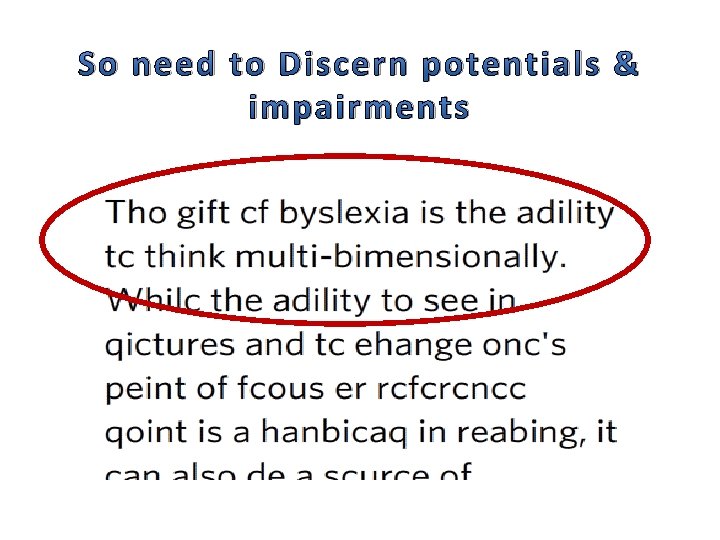
So need to Discern potentials & impairments
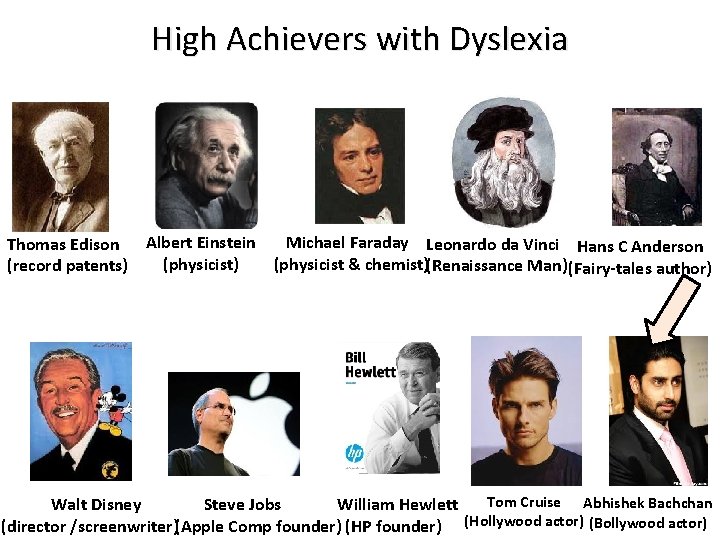
High Achievers with Dyslexia Michael Faraday Leonardo da Vinci Hans C Anderson Thomas Edison Albert Einstein (physicist) (physicist & chemist)(Renaissance Man) (Fairy‐tales author) (record patents) Tom Cruise Abhishek Bachchan Walt Disney Steve Jobs William Hewlett (director /screenwriter)(Apple Comp founder) (HP founder) (Hollywood actor) (Bollywood actor)
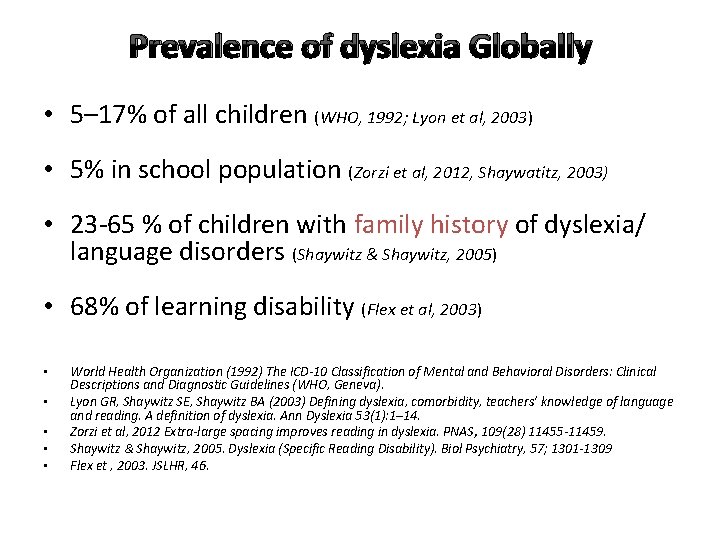
Prevalence of dyslexia Globally • 5– 17% of all children (WHO, 1992; Lyon et al, 2003) • 5% in school population (Zorzi et al, 2012, Shaywatitz, 2003) • 23 -65 % of children with family history of dyslexia/ language disorders (Shaywitz & Shaywitz, 2005) • 68% of learning disability (Flex et al, 2003) • • • World Health Organization (1992) The ICD-10 Classification of Mental and Behavioral Disorders: Clinical Descriptions and Diagnostic Guidelines (WHO, Geneva). Lyon GR, Shaywitz SE, Shaywitz BA (2003) Defining dyslexia, comorbidity, teachers’ knowledge of language and reading. A definition of dyslexia. Ann Dyslexia 53(1): 1– 14. Zorzi et al, 2012 Extra-large spacing improves reading in dyslexia. PNAS, 109(28) 11455 -11459. Shaywitz & Shaywitz, 2005. Dyslexia (Specific Reading Disability). Biol Psychiatry, 57; 1301 -1309 Flex et , 2003. JSLHR, 46.
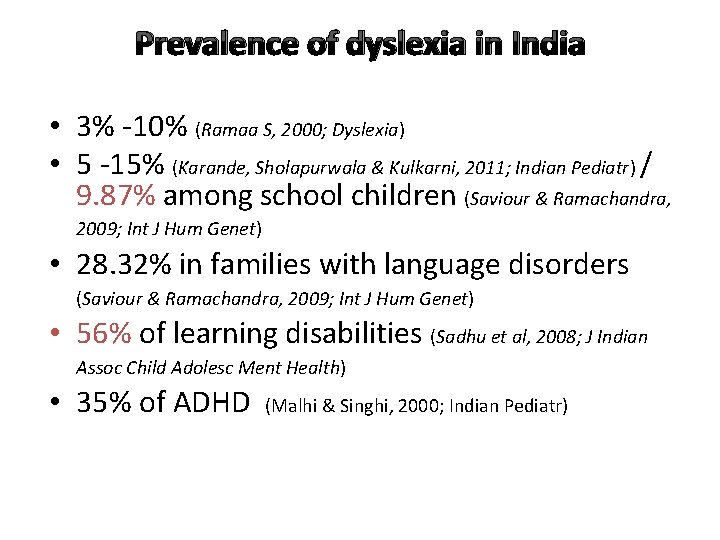
Prevalence of dyslexia in India • 3% -10% (Ramaa S, 2000; Dyslexia) • 5 -15% (Karande, Sholapurwala & Kulkarni, 2011; Indian Pediatr) / 9. 87% among school children (Saviour & Ramachandra, 2009; Int J Hum Genet) • 28. 32% in families with language disorders (Saviour & Ramachandra, 2009; Int J Hum Genet) • 56% of learning disabilities (Sadhu et al, 2008; J Indian Assoc Child Adolesc Ment Health) • 35% of ADHD (Malhi & Singhi, 2000; Indian Pediatr)
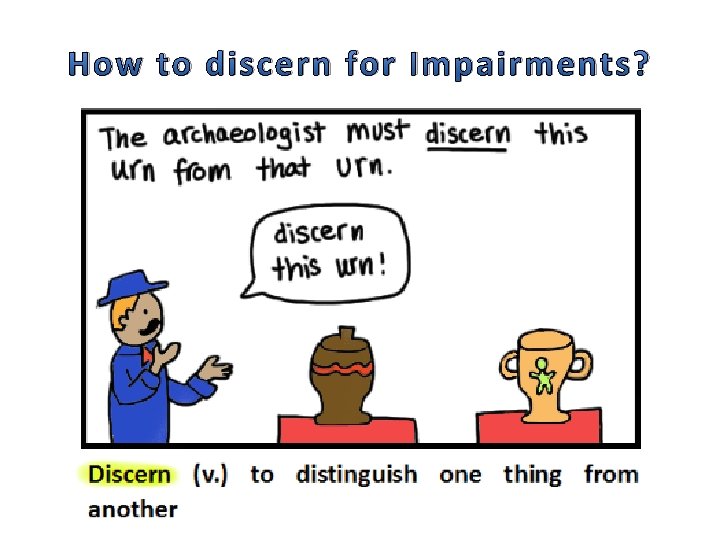
How to discern for Impairments?
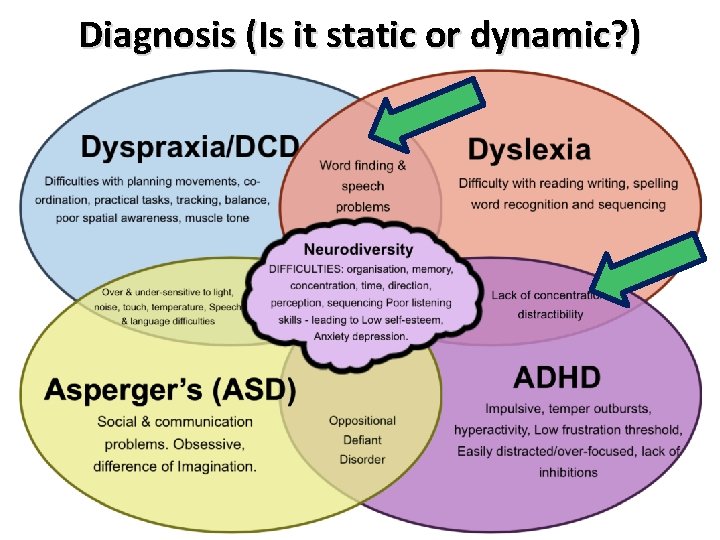
Diagnosis (Is it static or dynamic? )
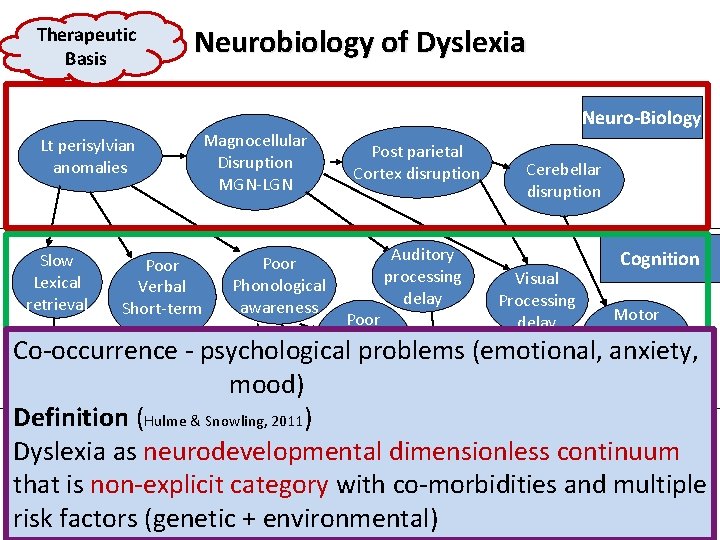
Therapeutic Basis Neurobiology of Dyslexia Neuro‐Biology Lt perisylvian anomalies Slow Lexical retrieval Poor Verbal Short-term memory Magnocellular Disruption MGN-LGN Poor Phonological awareness Post parietal Cortex disruption Auditory processing delay Cerebellar disruption Visual Processing delay Cognition Motor Poor Processing grapheme. Co-occurrence - psychological problems (emotional, anxiety, delay phoneme mood) mapping Definition ( Hulme & Snowling, 2011) Slow Poor frequency Automatic Poor Dyslexia as neurodevelopmental dimensionless continuum Poor Digit discrimination naming Coherent Poor Intelligibility span that is non-explicit category with co-morbidities and multiple Clumsiness Motion reading Of speech detection Behavior risk factors (genetic + environmental)
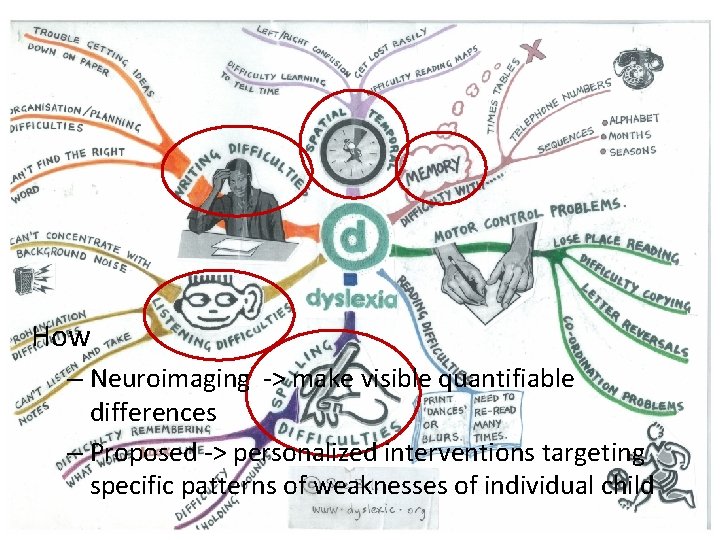
Individualized Aspect of Rx Why • Underlying cause are still disputed • High variability • Multi-facet disorder • No protocol /Rx technique -> optimal outcome How – Neuroimaging -> make visible quantifiable differences – Proposed -> personalized interventions targeting specific patterns of weaknesses of individual child
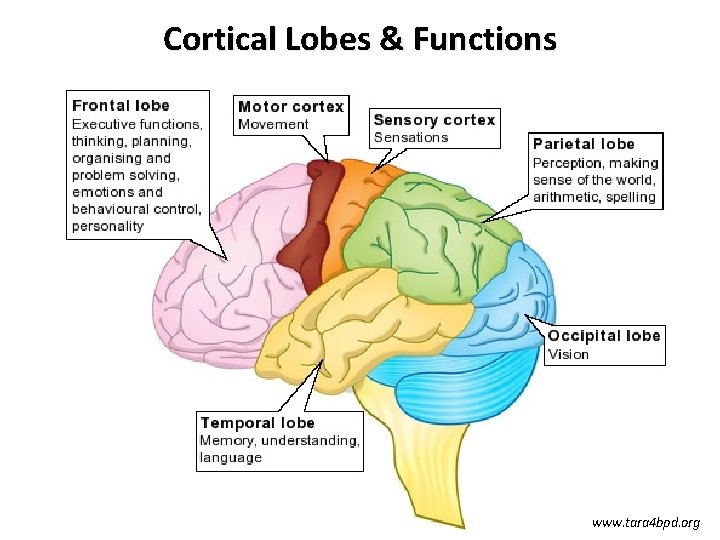
Cortical Lobes & Functions www. tara 4 bpd. org
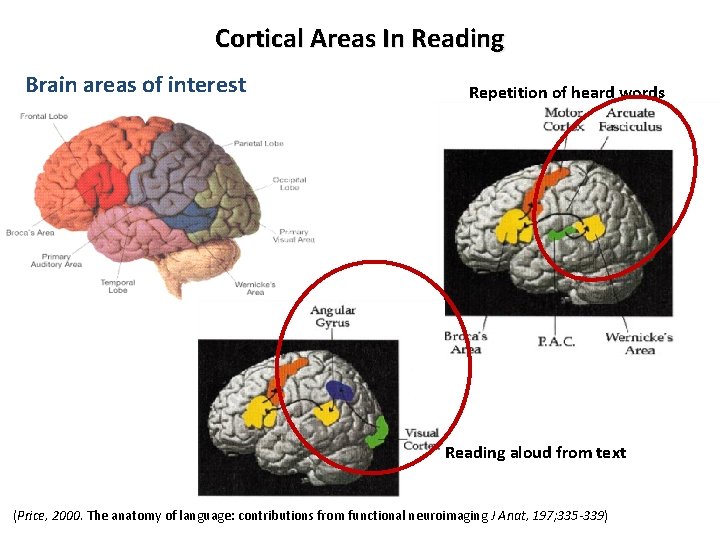
Cortical Areas In Reading Brain areas of interest Repetition of heard words Reading aloud from text (Price, 2000. The anatomy of language: contributions from functional neuroimaging J Anat, 197; 335 -339)
For Neural‐plasticity “The key to treating is to encourage the brain to change. ” Kolb, 2006 Kashmir Convener http: //brainconnection. brainhq. com/
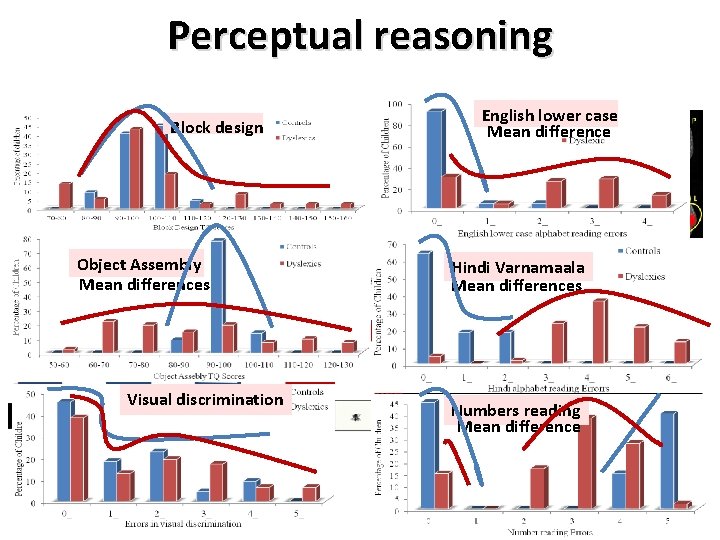
Perceptual reasoning Block design Aspect Picture completion English lower case Mean difference • Nonlinguistic • Visual perception (picture completion) • Visuospatial reasoning & executive control –Object Block designing Assembly differences –Mean Object assembly Hindi Varnamaala Mean differences Linguistic • Visual discrimination (pattern recognition) • Symbolic reading (alphabets & number) Visual discrimination Numbers reading • Visuo-motor execution speed (coding) Mean difference Auditory perception • Discrimination of minimal pairs
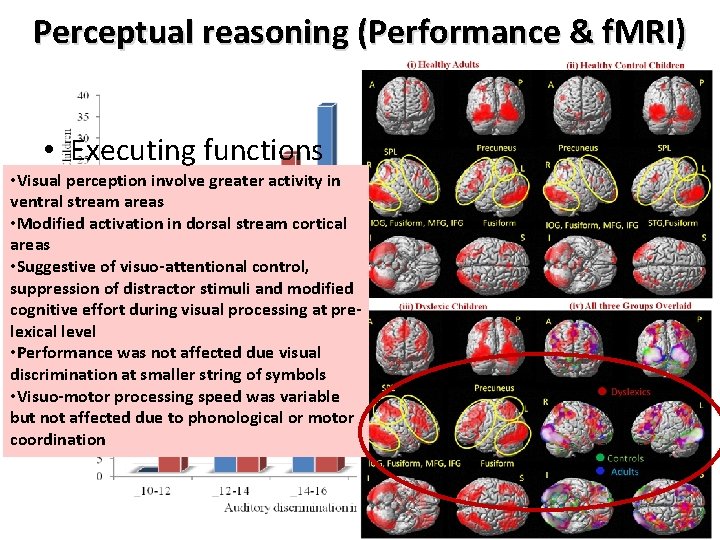
Perceptual reasoning (Performance & f. MRI) • Executing functions • Visual perception involve greater activity in ventral stream areas • Modified activation in dorsal stream cortical areas • Suggestive of visuo‐attentional control, suppression of distractor stimuli and modified cognitive effort during visual processing at pre‐ lexical level • Performance was not affected due visual discrimination at smaller string of symbols • Visuo‐motor processing speed was variable but not affected due to phonological or motor coordination English auditory discrimination Mean difference Coding (visuo‐motor & speed) 38. 3% slower 7. 2% faster Hindi auditory discrimination English Writing Errors Mean difference Case confusion
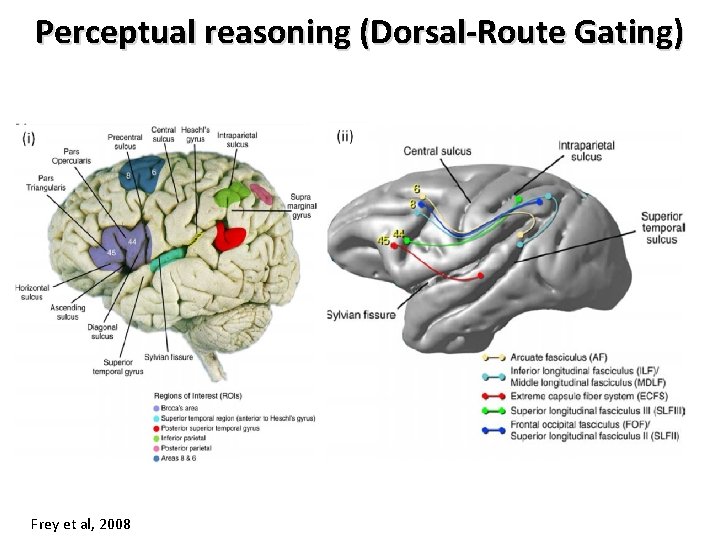
Perceptual reasoning (Dorsal‐Route Gating) Frey et al, 2008
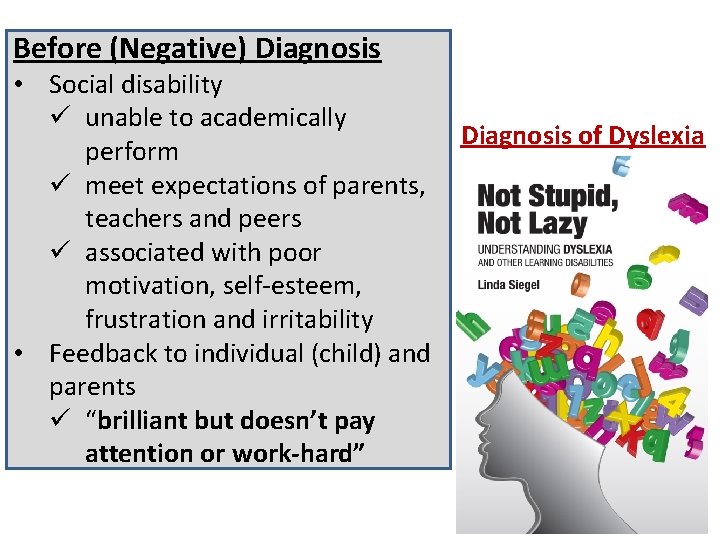
Before (Negative) Diagnosis • Social disability ü unable to academically Diagnosis of Dyslexia perform ü meet expectations of parents, teachers and peers ü associated with poor motivation, self-esteem, frustration and irritability • Feedback to individual (child) and parents ü “brilliant but doesn’t pay attention or work‐hard”
Disorder (Dyslexia) => Label Child level => Label
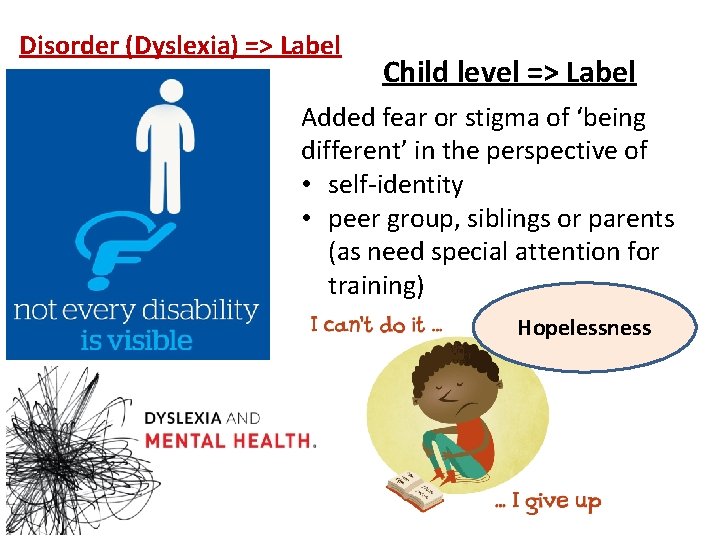
Disorder (Dyslexia) => Label Child level => Label Added fear or stigma of ‘being different’ in the perspective of • self-identity • peer group, siblings or parents (as need special attention for training) Hopelessness
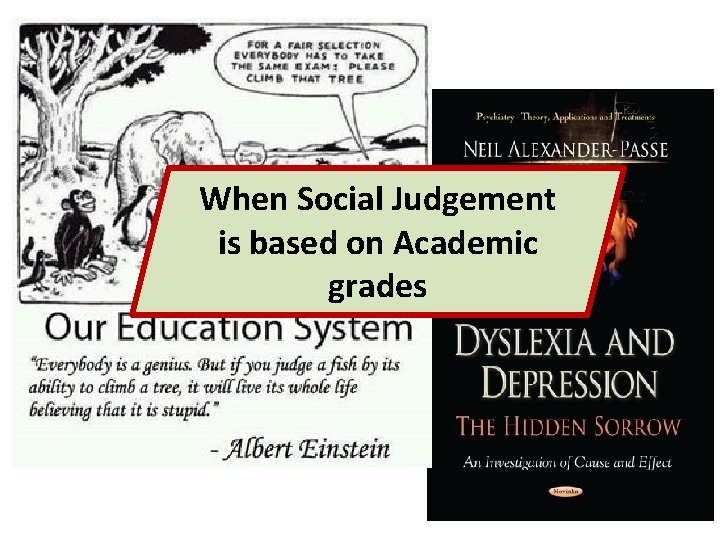
When Social Judgement is based on Academic grades
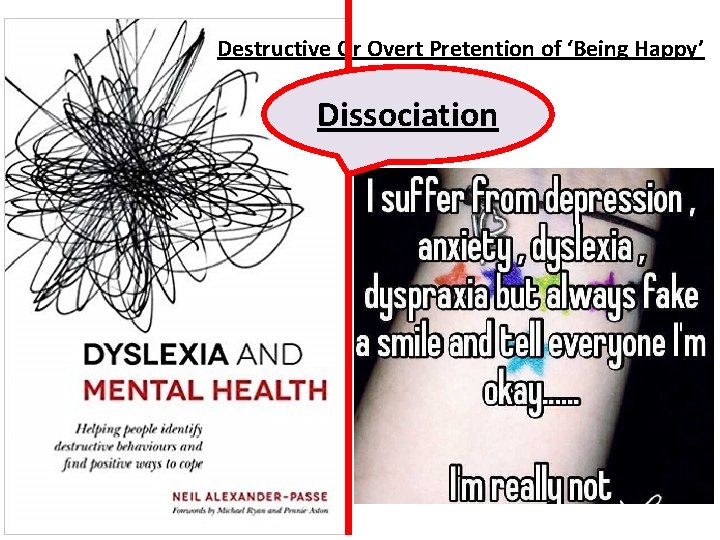
Destructive Or Overt Pretention of ‘Being Happy’ Dissociation
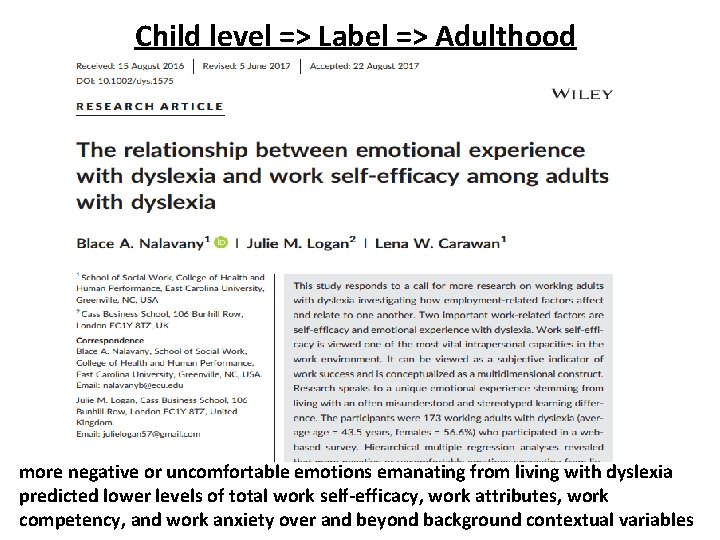
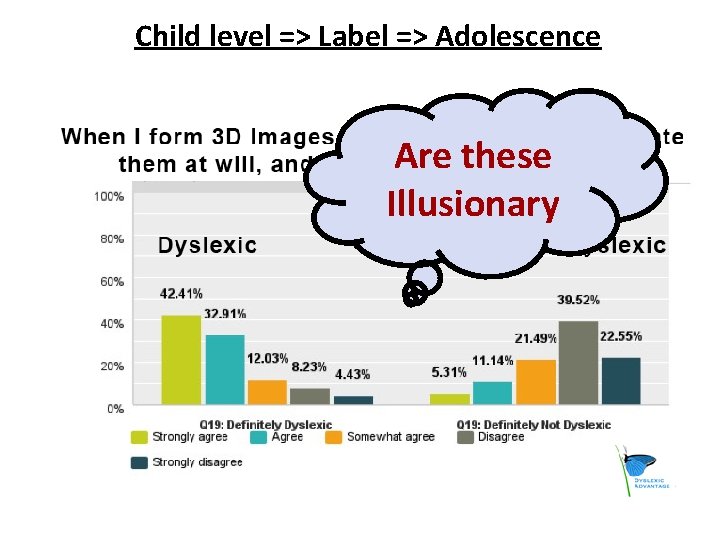
Child level => Label => Adulthood more negative or uncomfortable emotions emanating from living with dyslexia predicted lower levels of total work self‐efficacy, work attributes, work competency, and work anxiety over and beyond background contextual variables
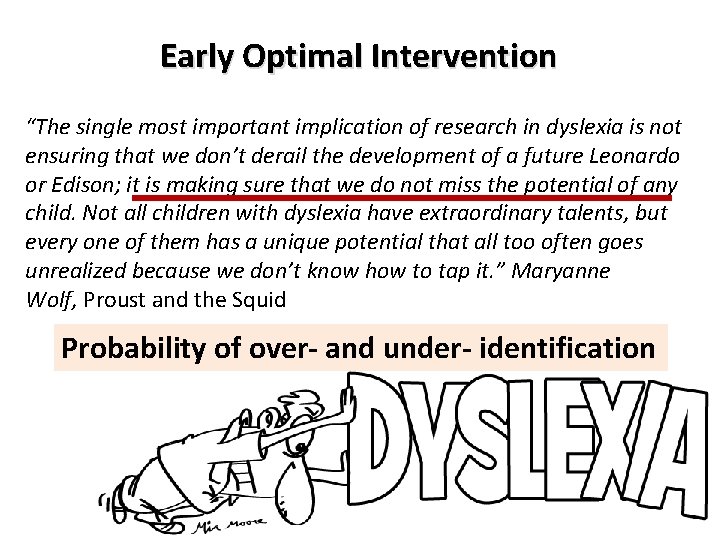
Early Optimal Intervention “The single most important implication of research in dyslexia is not ensuring that we don’t derail the development of a future Leonardo or Edison; it is making sure that we do not miss the potential of any child. Not all children with dyslexia have extraordinary talents, but every one of them has a unique potential that all too often goes unrealized because we don’t know how to tap it. ” Maryanne Wolf, Proust and the Squid Probability of over‐ and under‐ identification
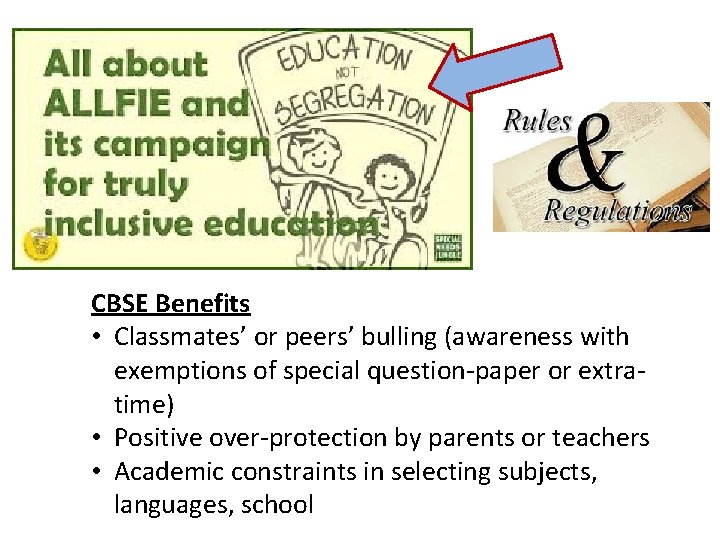
CBSE Benefits • Classmates’ or peers’ bulling (awareness with exemptions of special question-paper or extratime) • Positive over-protection by parents or teachers • Academic constraints in selecting subjects, languages, school
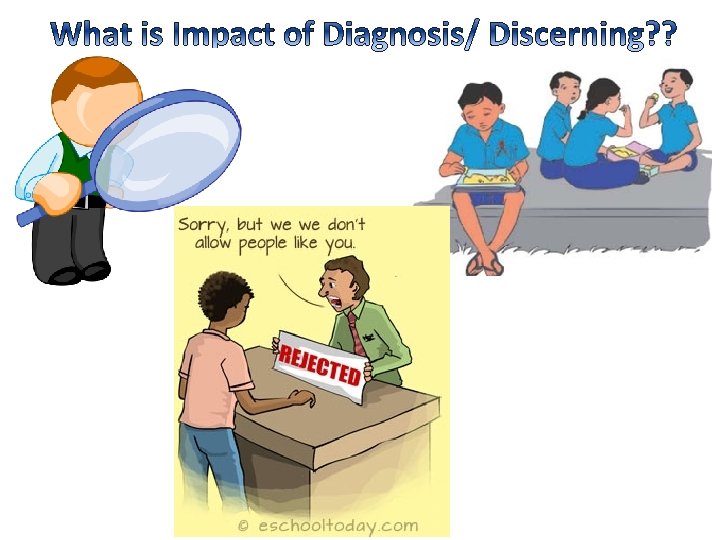
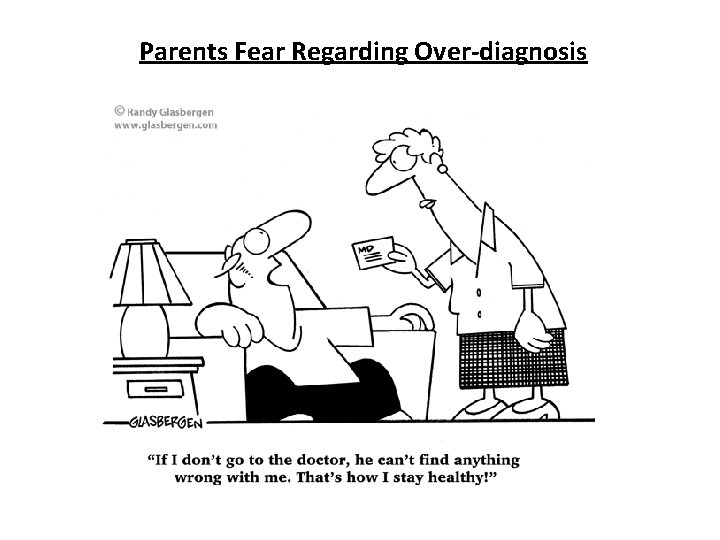
Parents Fear Regarding Over‐diagnosis
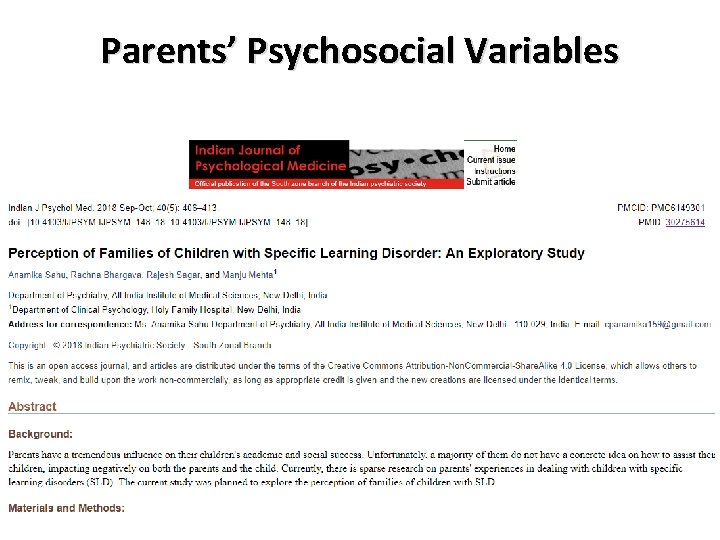
Parents’ Psychosocial Variables • self-identity or long acceptance (denial, anger, guilt, bargain, depression, acceptance) • reluctance burden seesaw • need of special attention, • overconcern about training or intervention • additional financial burden • Social fear • Over-emphasis to get Disability exemptions/ benefits which child may not accept
Parents’ Psychosocial Variables
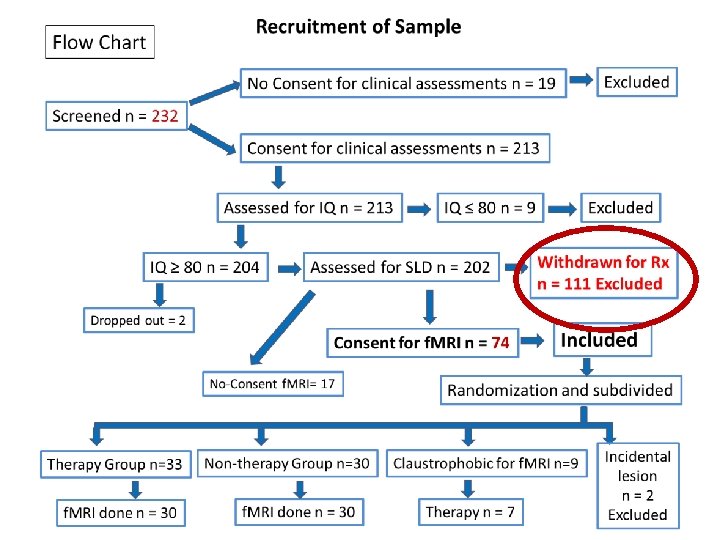
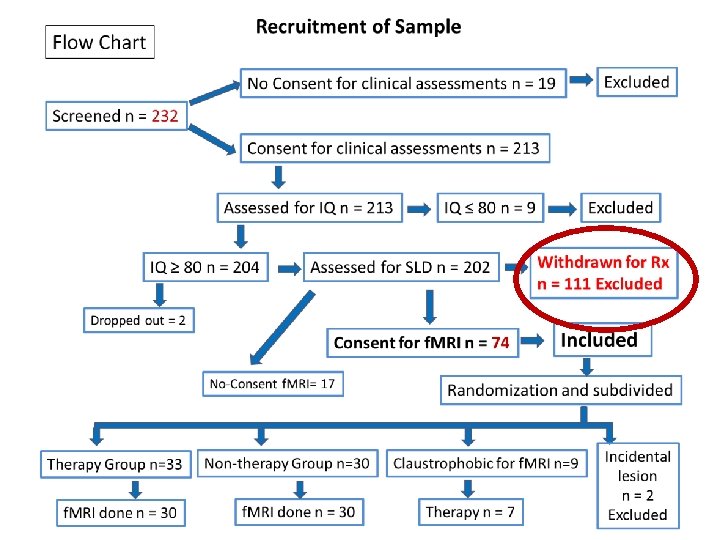
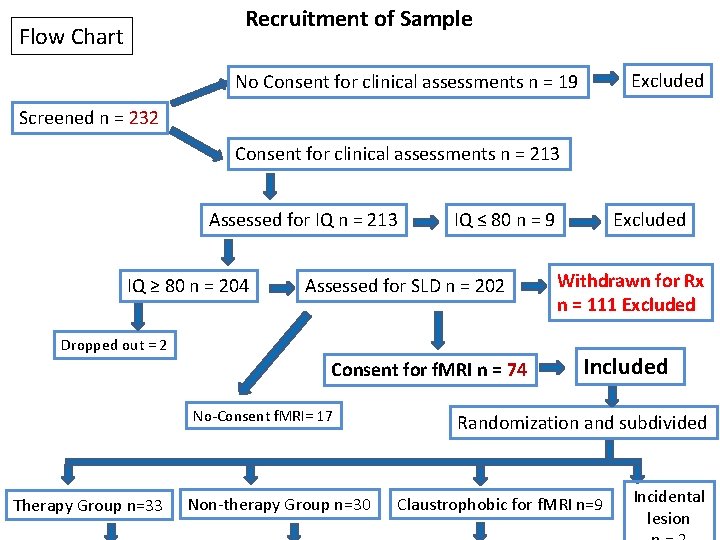
Discerning potentials, impairments from disabilities Association with social‐disabilities rather than actual impairments • parents’/childs’ who did not consent/ascent for therapy (n = 83 out of 111), • reluctance or poor-motivation (n = 58) ü Subjects’ psychosocial variables (n = 27) ü Parents’ psychosocial variables (n = 31) • Unable to execute home-training (n = 7) • Financial/ logistic reasons for not consenting (n= 18) • No specific reasons reported (n = 28)
Child level => Label => Adolescence Are these Illusionary
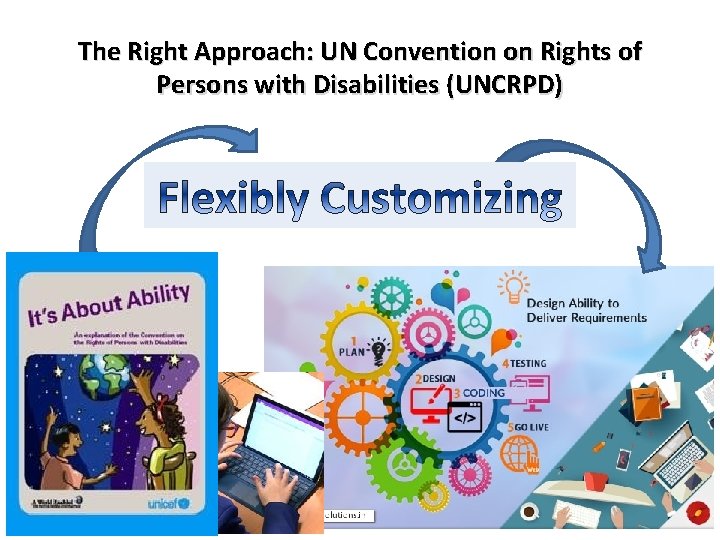
The Right Approach: UN Convention on Rights of Persons with Disabilities (UNCRPD)
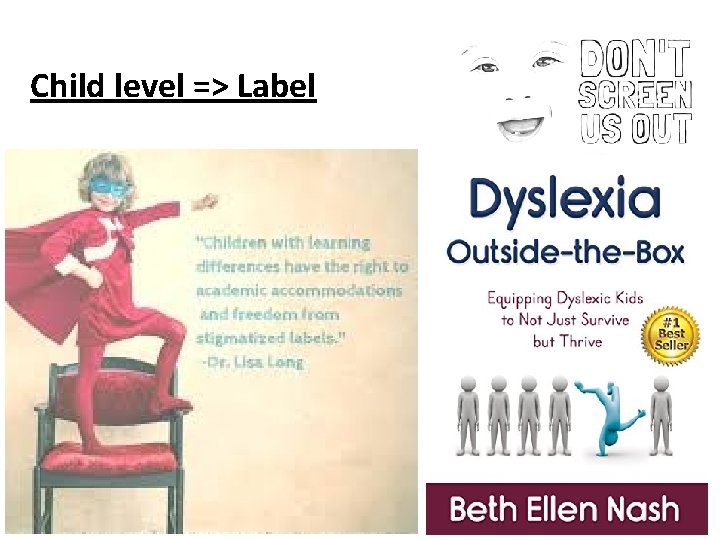
Child level => Label
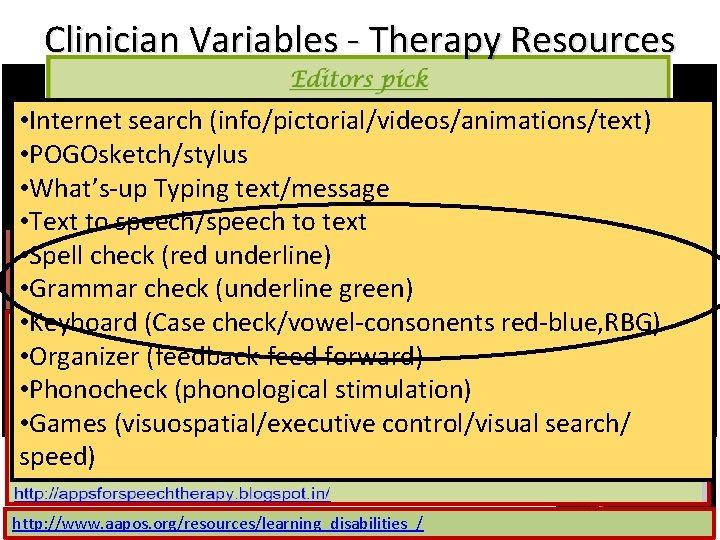
Clinician Variables - Therapy Resources • Internet search (info/pictorial/videos/animations/text) • POGOsketch/stylus incredibly • What’s-up Typing text/message • Text to speech/speech to text • Spell check (red underline) • Grammar check (underline green) • Keyboard (Case check/vowel-consonents red-blue, RBG) • Organizer (feedback-feed forward) • Phonocheck (phonological stimulation) • Games (visuospatial/executive control/visual search/ speed) http: //www. aapos. org/resources/learning_disabilities_/
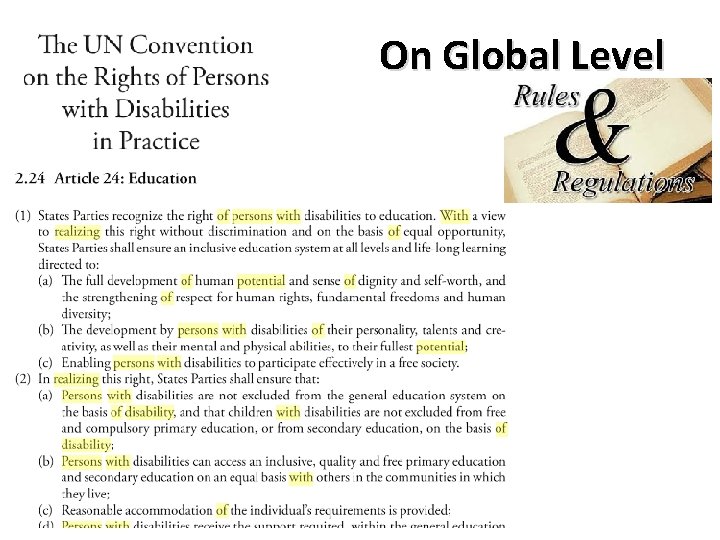
On Global Level
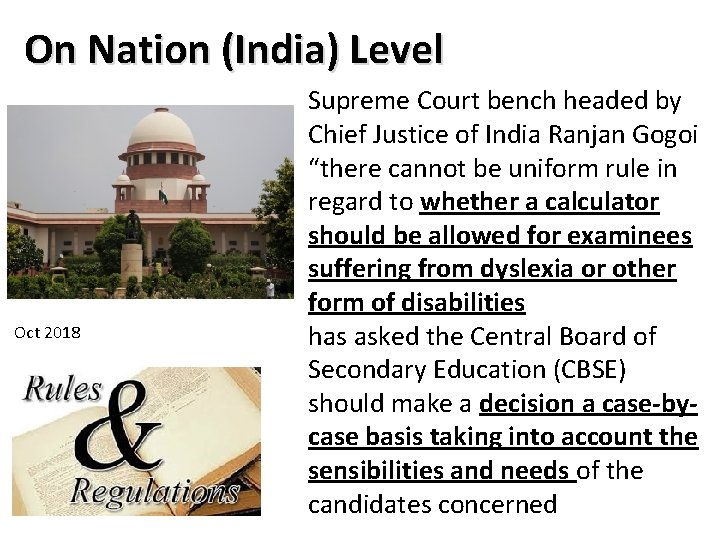
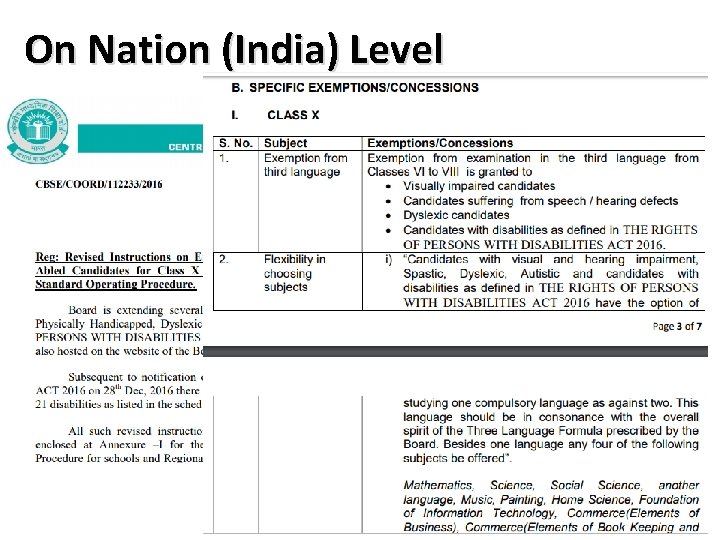
On Nation (India) Level Oct 2018 Supreme Court bench headed by Chief Justice of India Ranjan Gogoi “there cannot be uniform rule in regard to whether a calculator should be allowed for examinees suffering from dyslexia or other form of disabilities has asked the Central Board of Secondary Education (CBSE) should make a decision a case‐by‐ case basis taking into account the sensibilities and needs of the candidates concerned
On Nation (India) Level
Collaborators Dr. S. Senthil Kumaran Additional Professor Department NMR & MRI Facility, AIIMS, New Delhi. Dr. Manju Mehta Ex-Professor of Clinical Psychology Dept of Psychiatry, AIIMS, New Delhi. Dr. Rajesh Sagar Professor Dept of Psychiatry, AIIMS, New Delhi. Dr. Vaishna Narang Ex-Professor & Chairperson Center of Linguistics and English, JNU, New Delhi. Dr. Madhuri Behari Professor Dept of Neurology, Fortis, Vasant Kunj, New Delhi. Dr. S. N. Dwivedi Professor, Dept of Biostatistics, AIIMS, New Delhi. Dr. N. R. Jagannathan Professor & Head Department NMR & MRI, AIIMS, New Delhi.
Take home message
Recruitment of Sample Flow Chart Excluded No Consent for clinical assessments n = 19 Screened n = 232 Consent for clinical assessments n = 213 Assessed for IQ n = 213 IQ ≥ 80 n = 204 IQ ≤ 80 n = 9 Assessed for SLD n = 202 Dropped out = 2 Consent for f. MRI n = 74 No-Consent f. MRI= 17 Therapy Group n=33 Non-therapy Group n=30 Excluded Withdrawn for Rx n = 111 Excluded Included Randomization and subdivided Claustrophobic for f. MRI n=9 Incidental lesion
- Slides: 49