
DISASTERTRIAGE DR S R PAHLAVANPOOR MDMPHPHTLS INSTRUCTOR DISASTERTRIAGE


- Slides: 47
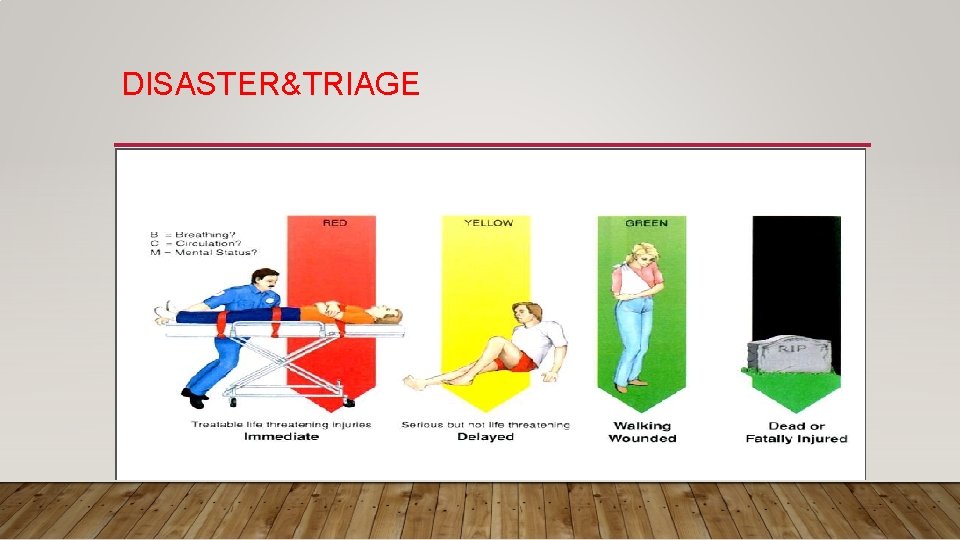
DISASTER&TRIAGE DR. S. R. PAHLAVANPOOR MD-MPH-PHTLS INSTRUCTOR
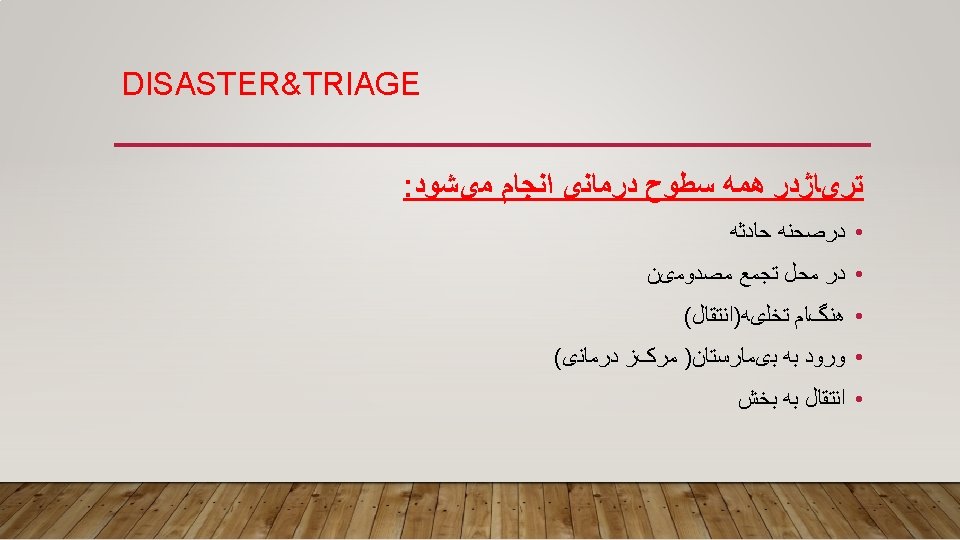
DISASTER&TRIAGE
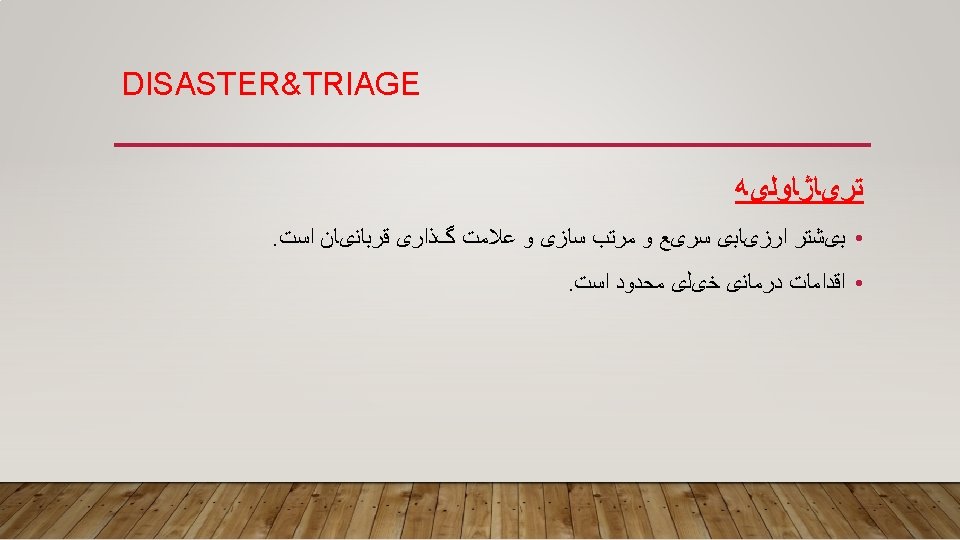
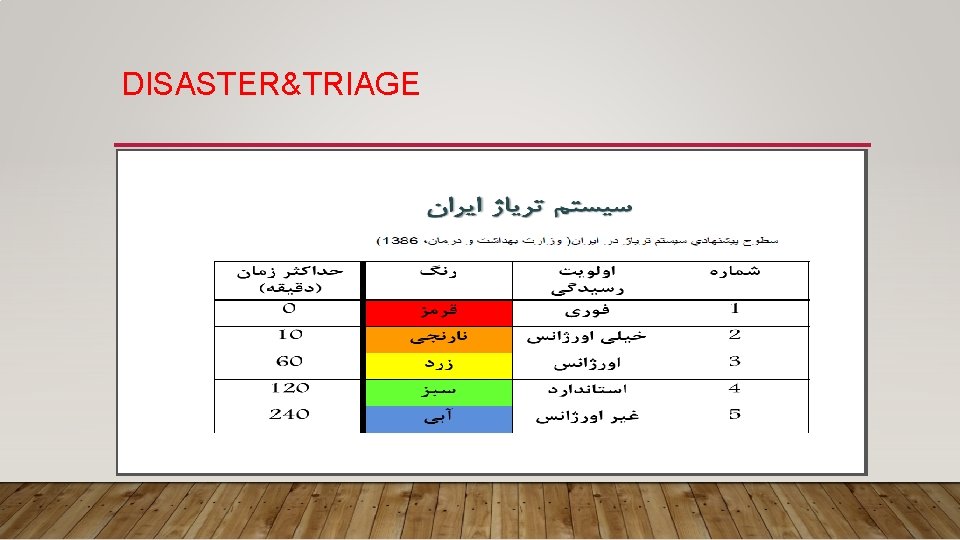
DISASTER&TRIAGE
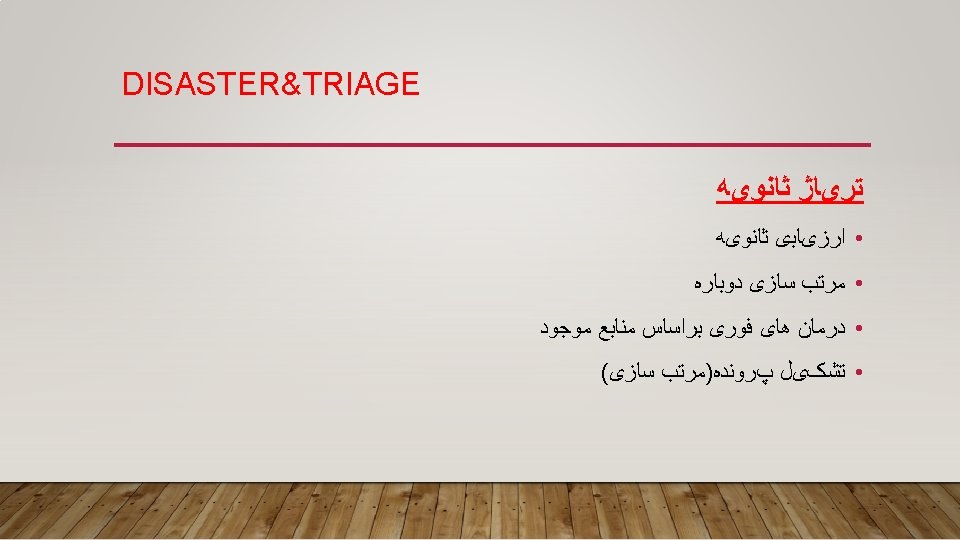
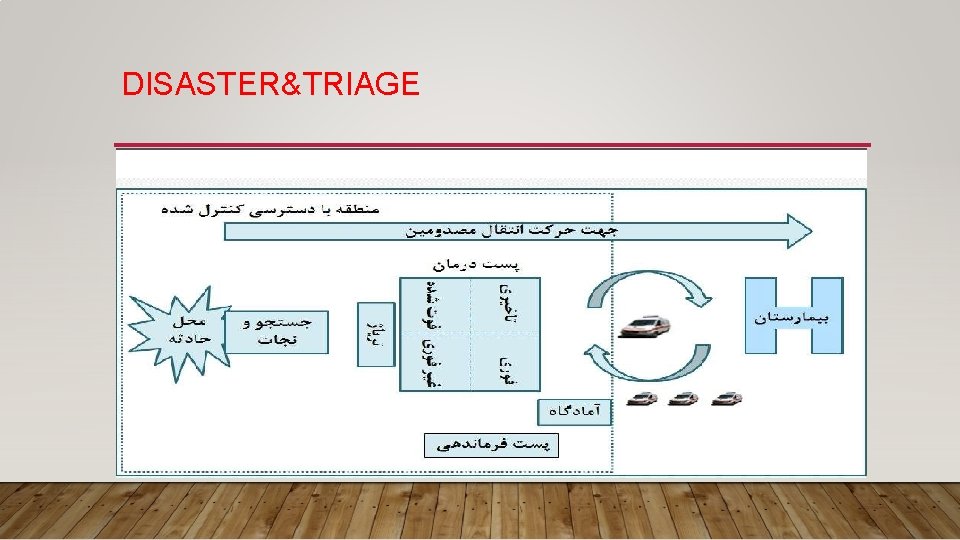
DISASTER&TRIAGE
dr. pahlavanpoor@gmail. com
dr. pahlavanpoor@gmail. com
dr. pahlavanpoor@gmail. com
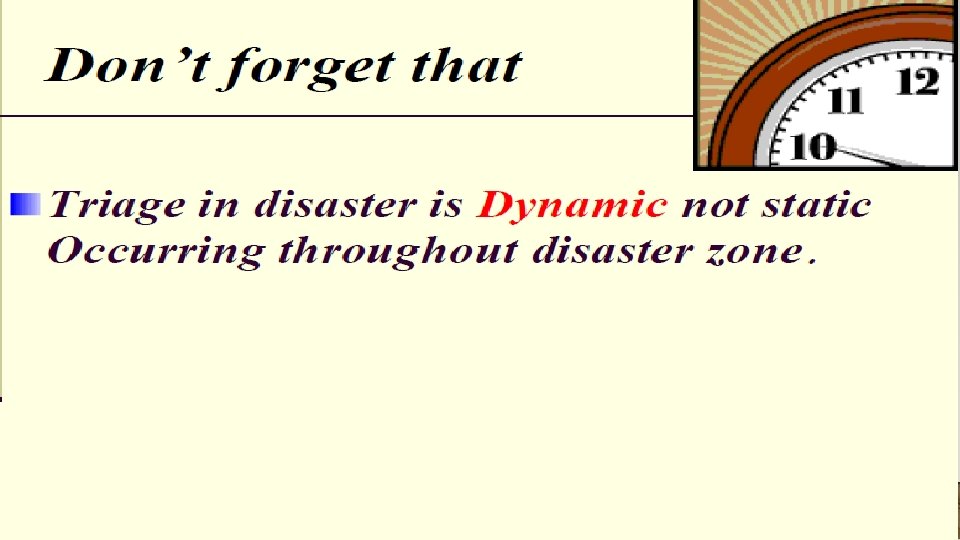
DISASTER&TRIAGE
DISASTER&TRIAGE
DISASTER&TRIAGE
DISASTER&TRIAGE
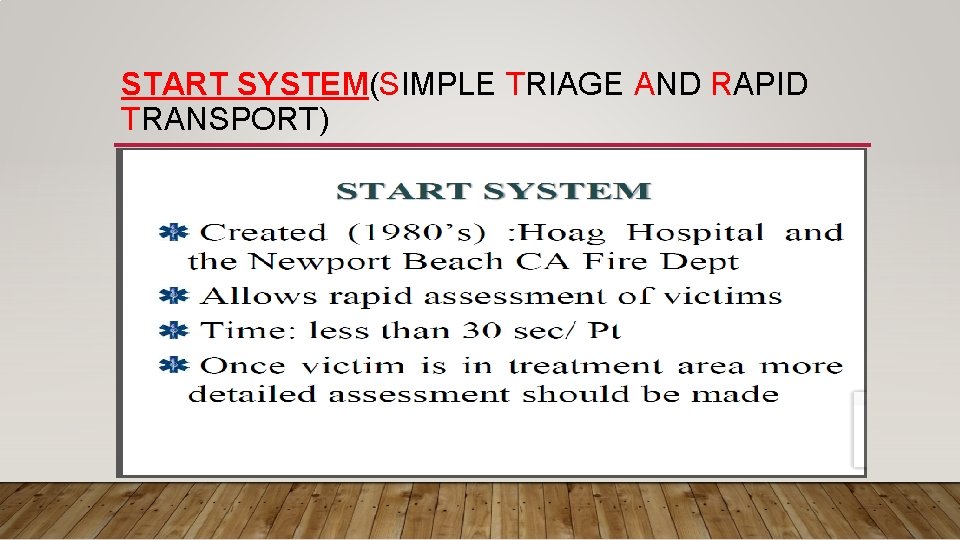
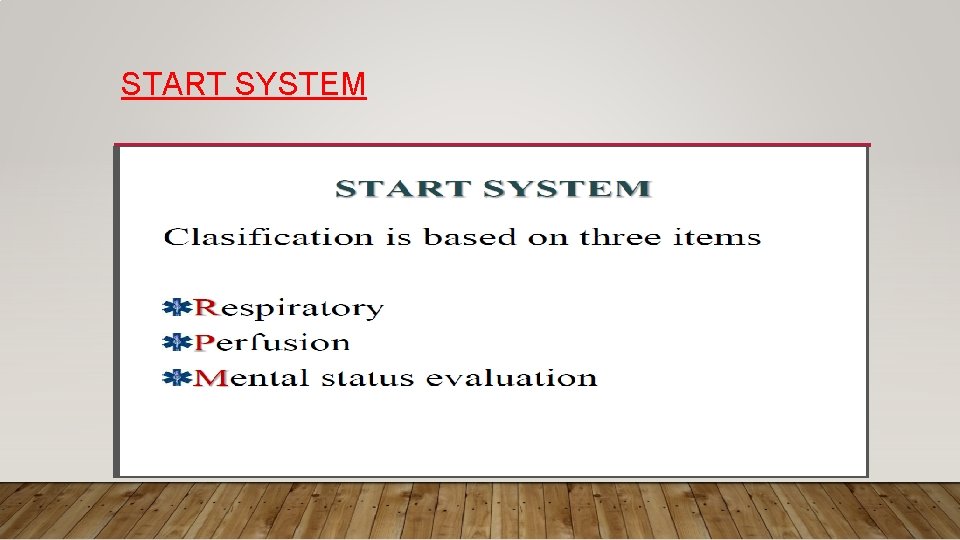
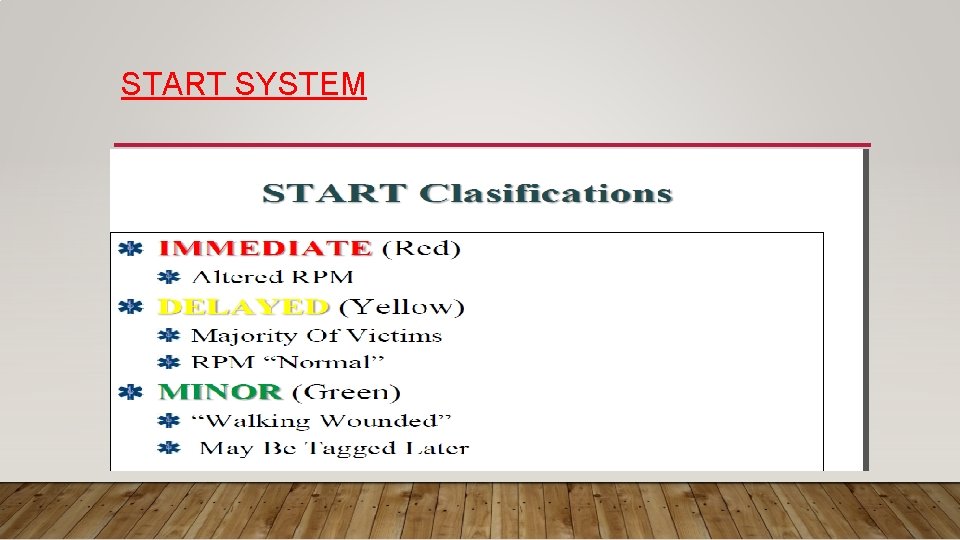
START SYSTEM(SIMPLE TRIAGE AND RAPID TRANSPORT)
START SYSTEM
START SYSTEM
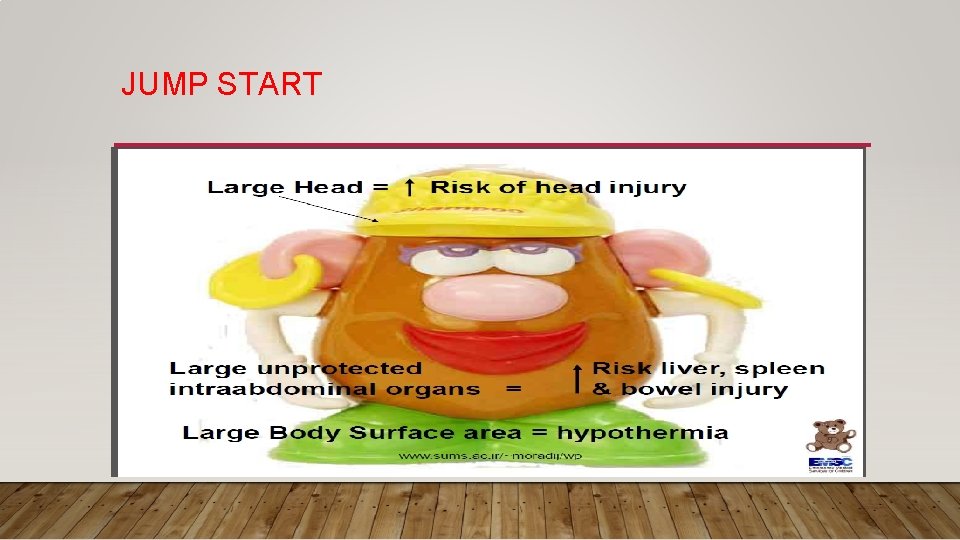
JUMP START
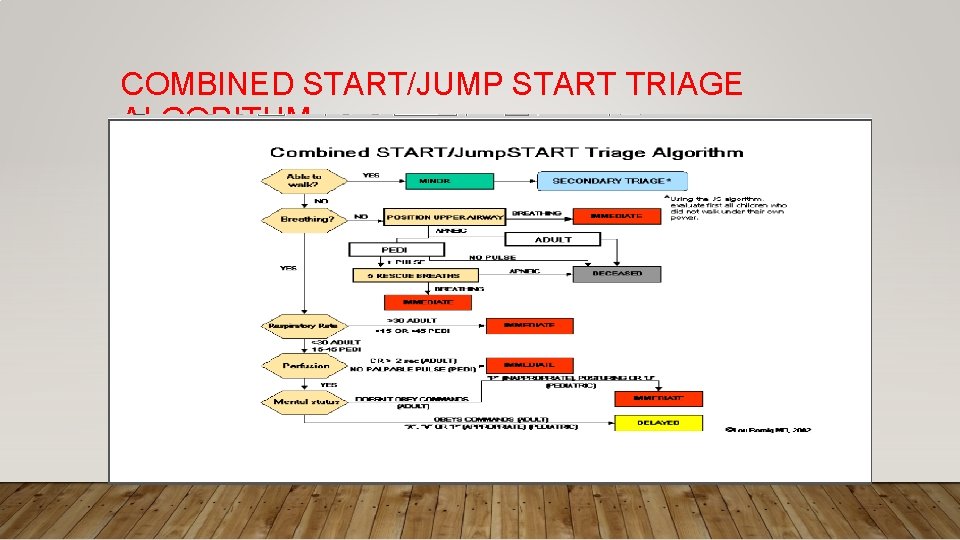
COMBINED START/JUMP START TRIAGE ALGORITHM
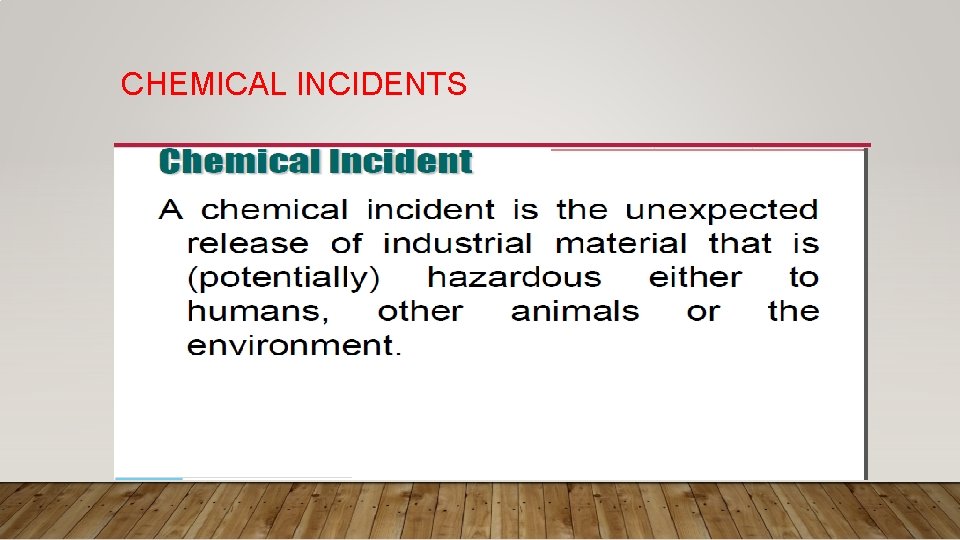
CHEMICAL INCIDENTS
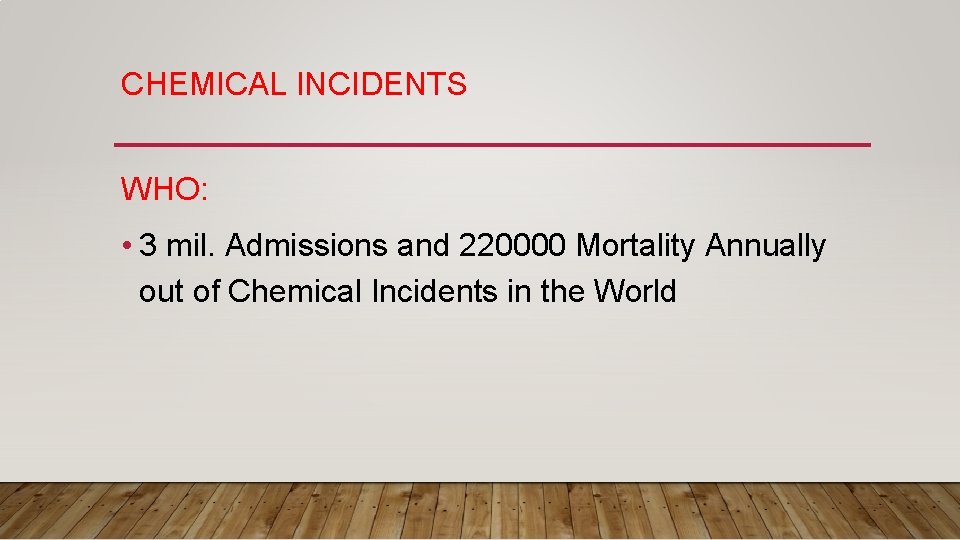
CHEMICAL INCIDENTS WHO: • 3 mil. Admissions and 220000 Mortality Annually out of Chemical Incidents in the World
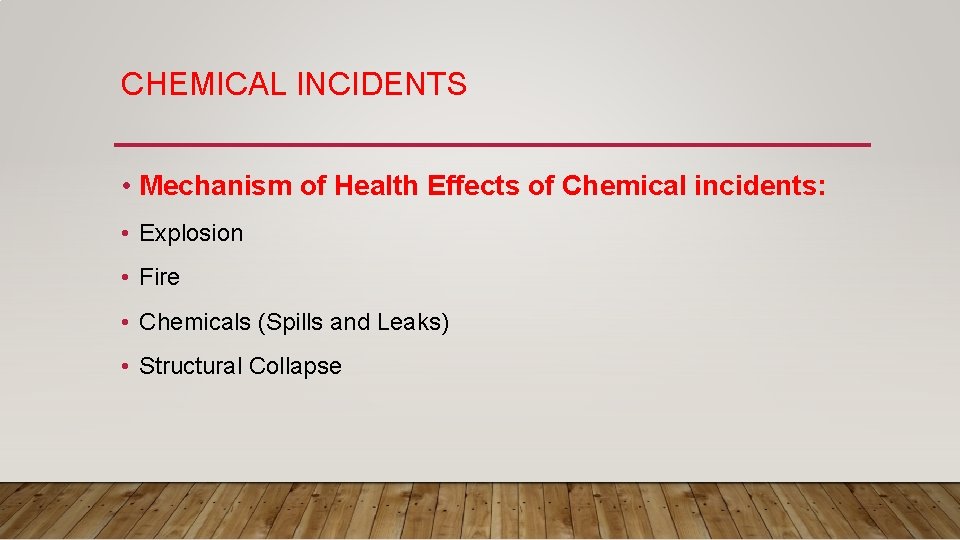
CHEMICAL INCIDENTS • Mechanism of Health Effects of Chemical incidents: • Explosion • Fire • Chemicals (Spills and Leaks) • Structural Collapse
CHEMICAL INCIDENTS • Most Common Fatal Injuries: • Trauma (65%) • Thermal burns (16%) • Respiratory irritation with airway obstruction &/or respiratory failure (10%) • Chemical burns (6%) • Other causes (3%)
CHEMICAL INCIDENTS • What is wrong with the patient • Physical Trauma • Exposure to Chemical HAZMAT • Inhalation(Most common) • Skin & mucous membranes(Common) • Ingestion & Injection(Unlikely) • Toxicity(Local-Systemic)
CHEMICAL INCIDENTS General Indicators of Possible Haz. Mat Event • Unusual occurrence of dead or dying animals (such as dead birds) • Unexplained casualties (multiple victims with the similar signs and symptoms such as skin, respiratory system, vision, and nervous system involvement) • Increase in the frequency of those with the aforementioned signs and symptoms in the direction of prevailing winds • Unusual liquid or vapor clouds (droplets, unexplained odor, or taste) • Mass casualties without any conventional injuries
CHEMICAL INCIDENTS Hazmat Incident Priorities • Communication and coordination • Protection of emergency responders • Prevention of secondary contamination • Decreasing morbidity & mortality • Medical management
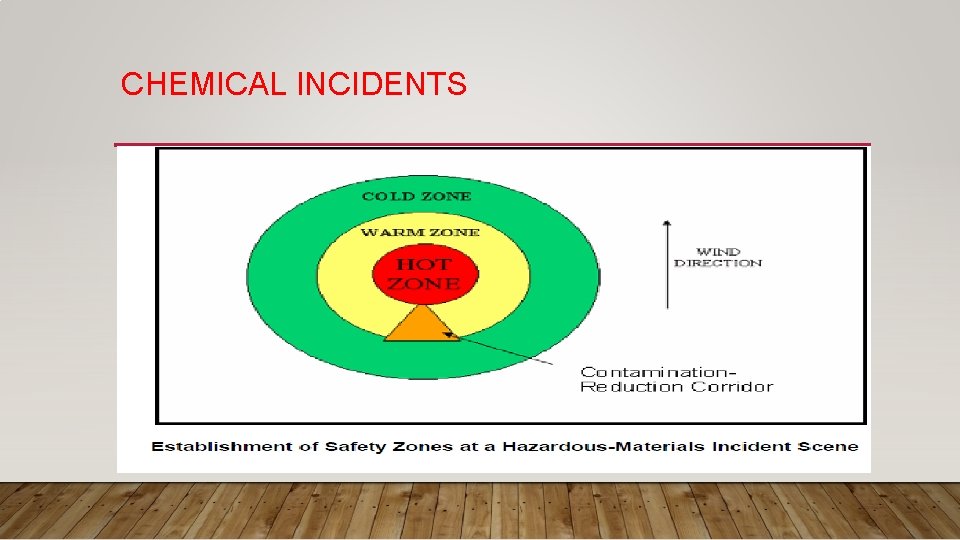
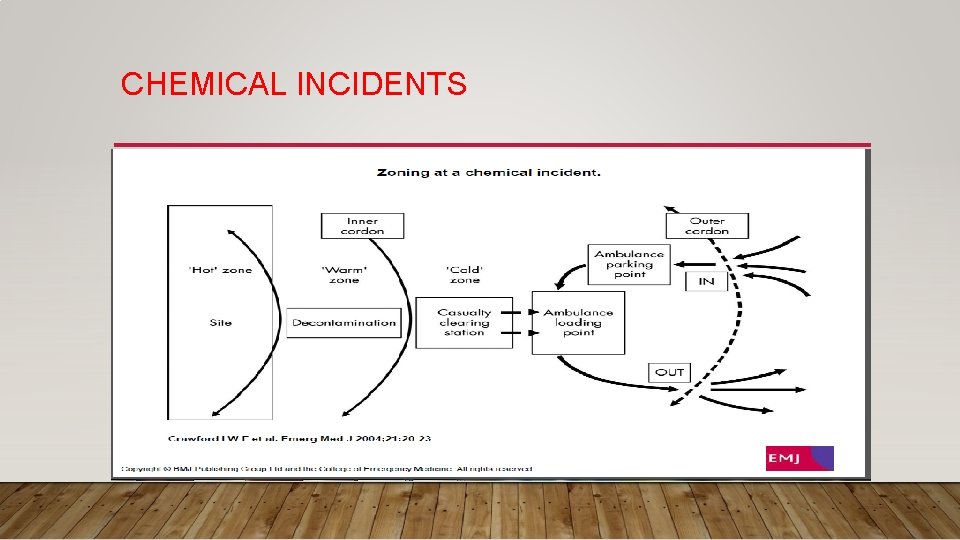
CHEMICAL INCIDENTS Protection of Responders: Hazmat Scene Control Zones • Hot Zone Primary contamination • Warm Zone Decon of victims, rescue personnel, & equipment • Cold Zone Incident command center Definitive Triage and immediate treatment of decontaminated patients
CHEMICAL INCIDENTS Medical Management of Hazmat Victims • Decon • Primary Survey & Resuscitation • Hazmat Patient Assessment • AMPLE History • Secondary Survey • Poisoning Treatment
CHEMICAL INCIDENTS • Skin Decontamination (Decon): 2 goals • Prevent secondary contamination • Alter absorption • Is skin decon necessary? • Usually not for gases & vapors(Unless irritant gas causes signs or symptoms) Necessary for adherent solids or liquids, including aerosols • If water-soluble, then use water • If not, then use water & mild liquid detergent • Dilution is the solution to pollution • Performed in warm zone
CHEMICAL INCIDENTS • Skin Decon 2 -step process • 1 st -Remove all clothing, jewelry, shoes, & adherent material • Bag, tag, & leave possessions at scene • Brush away adherent solids • Blot away adherent liquids • 2 nd–Meticulously wash with large quantities of water • Use mild liquid detergent if adherent solids or liquids are not water-soluble or are unknown materials • Pay attention to exposed skin in skin folds
CHEMICAL INCIDENTS • Eye Decon • Irrigate exposed, symptomatic eyes immediately & continuously • Use water or saline • Water is best • Readily available in large quantity • Efficient • Check for & remove contact lenses
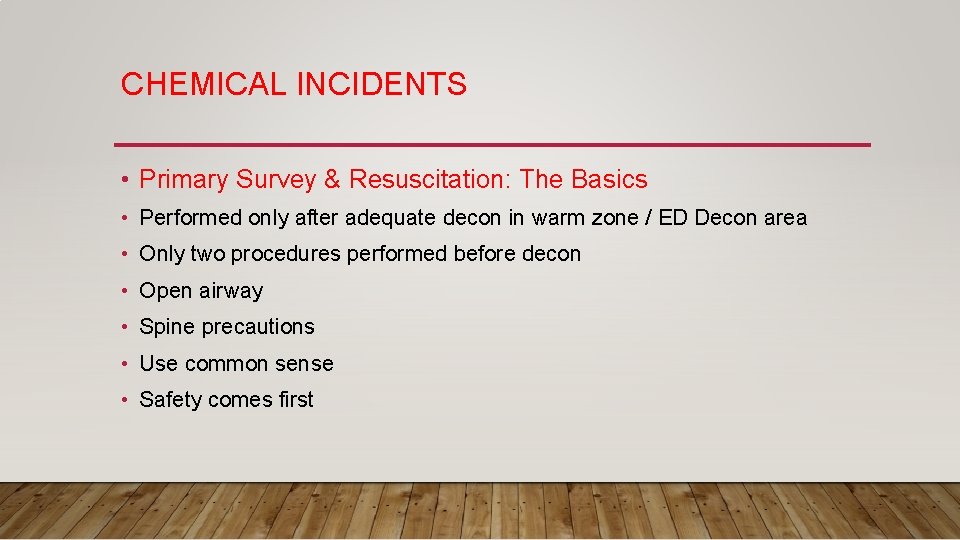
CHEMICAL INCIDENTS • Primary Survey & Resuscitation: The Basics • Performed only after adequate decon in warm zone / ED Decon area • Only two procedures performed before decon • Open airway • Spine precautions • Use common sense • Safety comes first
CHEMICAL INCIDENTS
CHEMICAL INCIDENTS
CHEMICAL INCIDENTS
CHEMICAL INCIDENTS
• Any question? • Good Luck