
Disability and Computing Terrill Thompson tftuw edu The
Disability and Computing Terrill Thompson, tft@uw. edu
The Alliance for Access to Computing Careers UW Department of Computer Science & Engineering DO-IT (Disabilities, Opportunities, Internetworking & Technology)
Goal • To increase the participation of students with disabilities in computing careers.
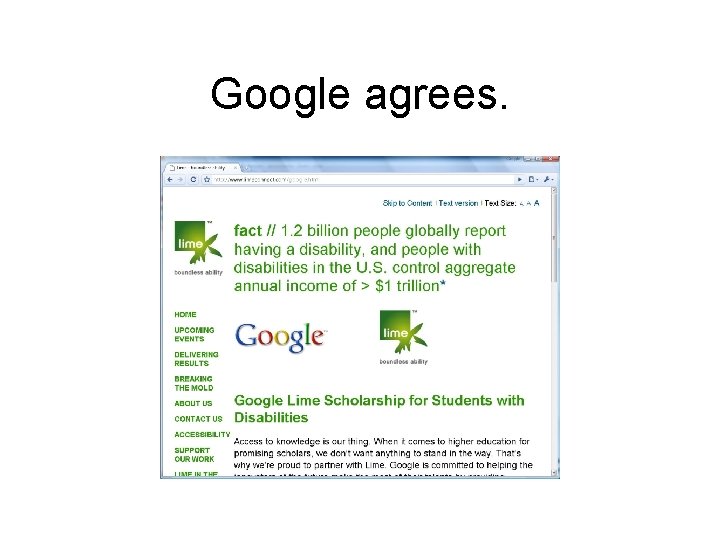
Google agrees.
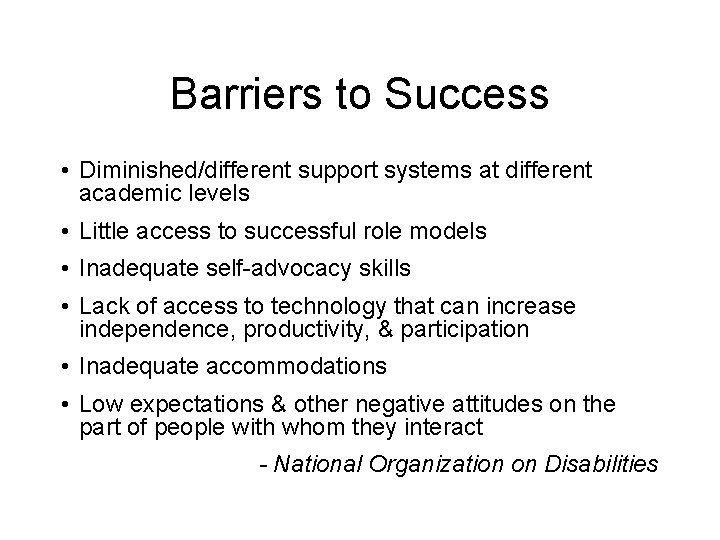
Barriers to Success • Diminished/different support systems at different academic levels • Little access to successful role models • Inadequate self-advocacy skills • Lack of access to technology that can increase independence, productivity, & participation • Inadequate accommodations • Low expectations & other negative attitudes on the part of people with whom they interact - National Organization on Disabilities
Lack of access & Inadequate accommodations
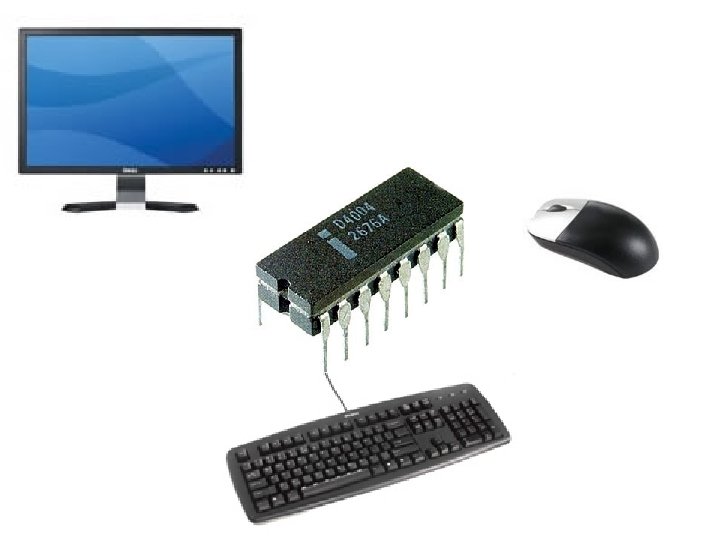
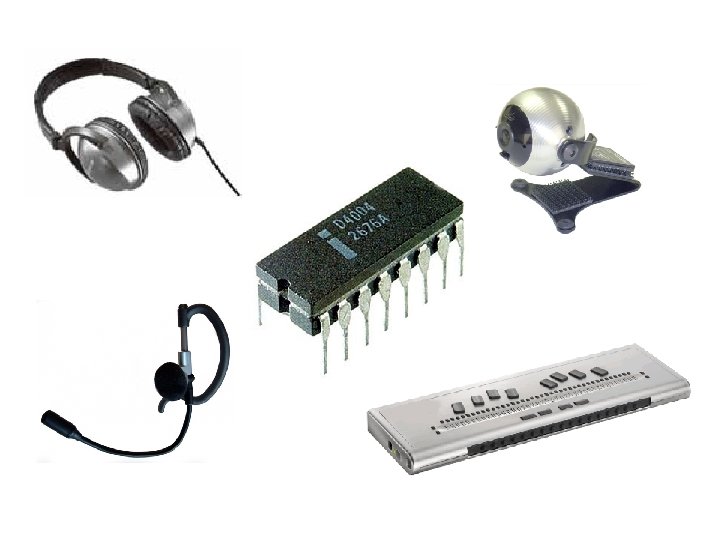
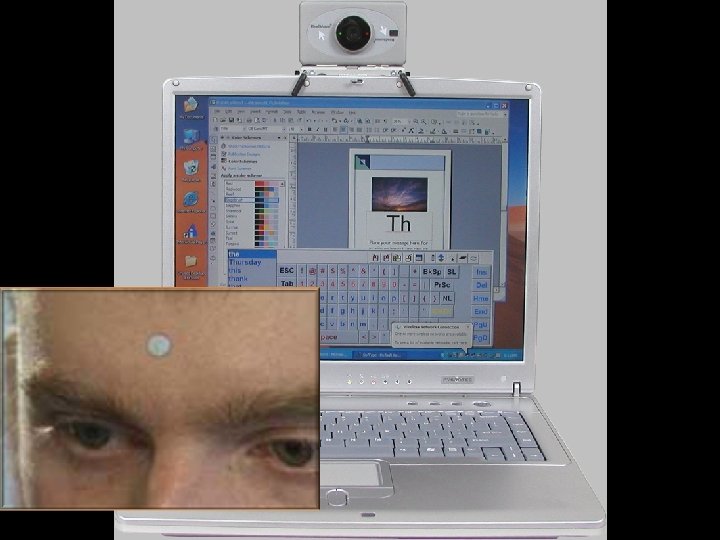
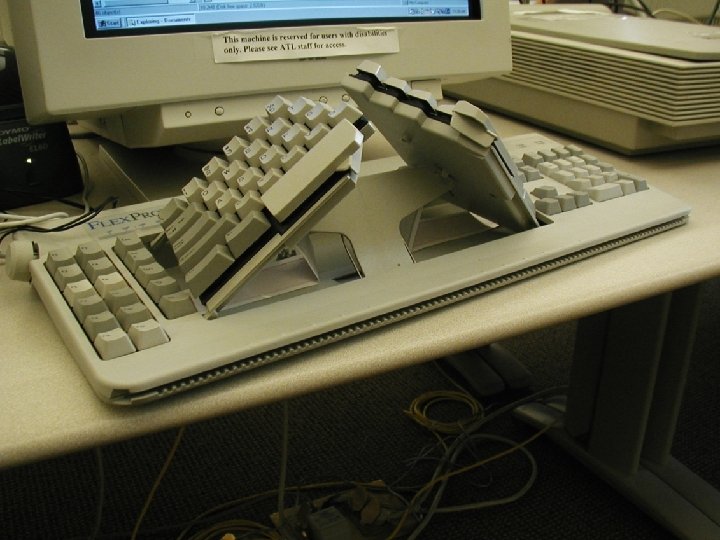
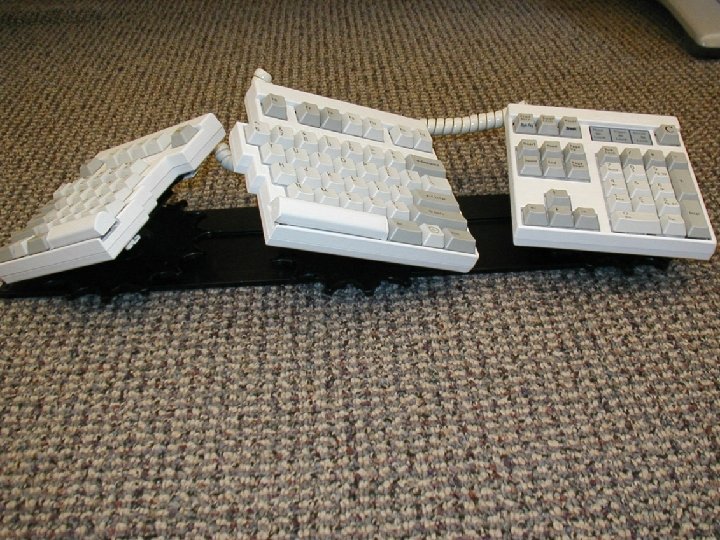
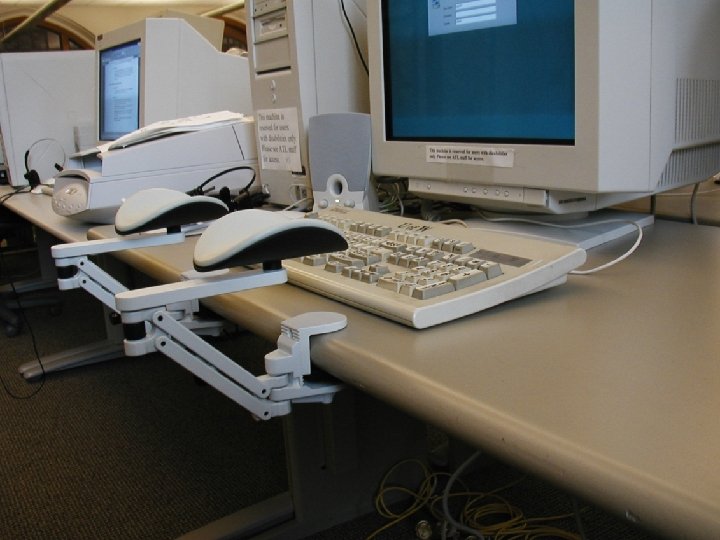
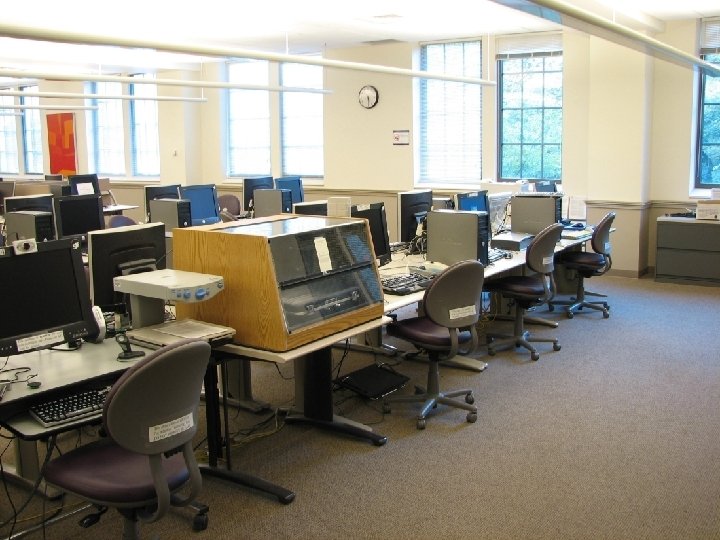
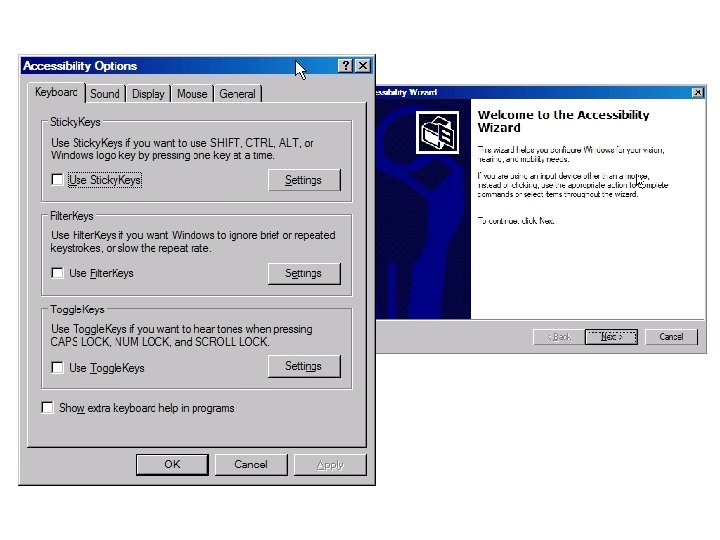
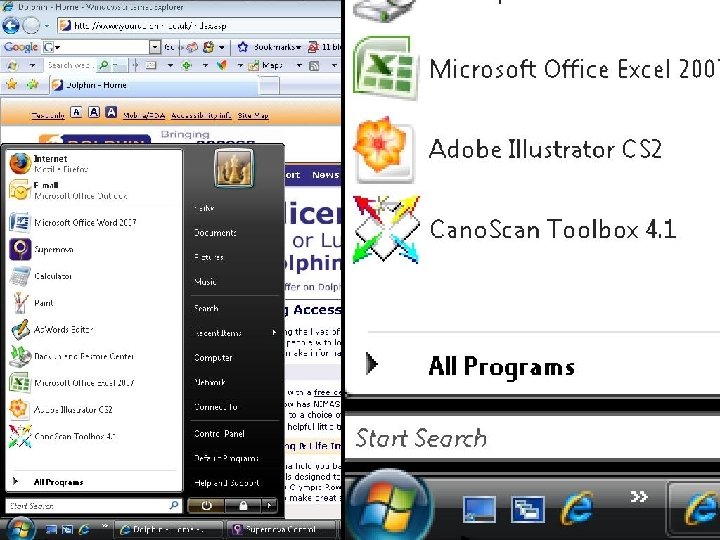
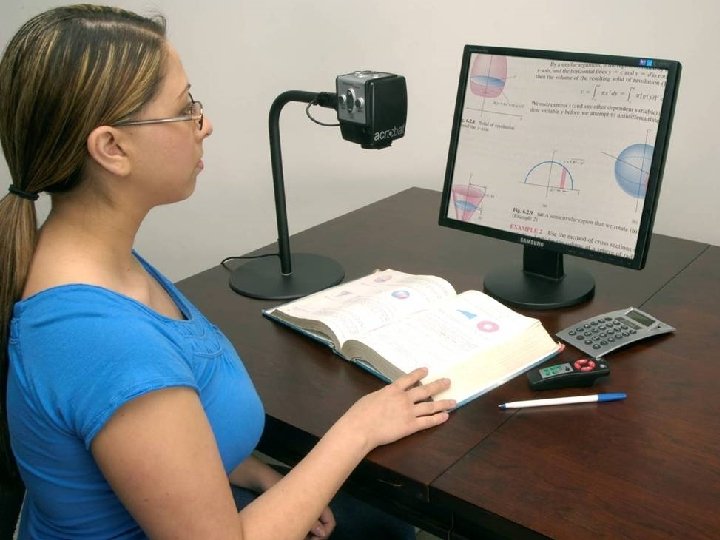
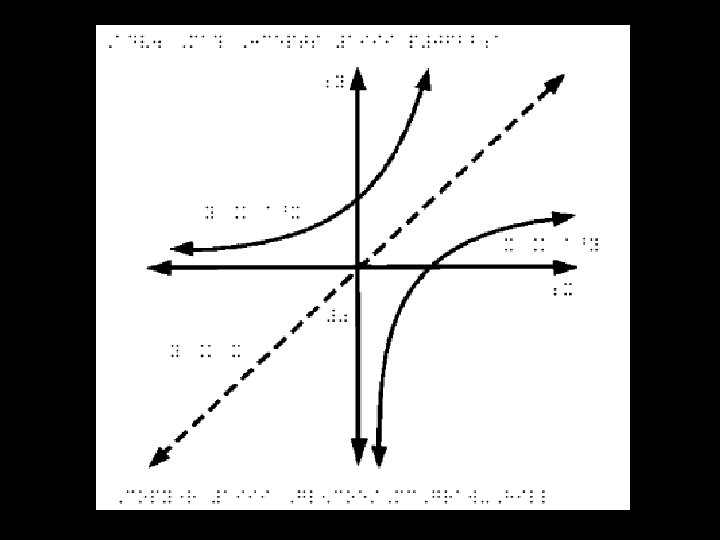
Assistive technology may be part of the solution, but AT alone does not remove all barriers.
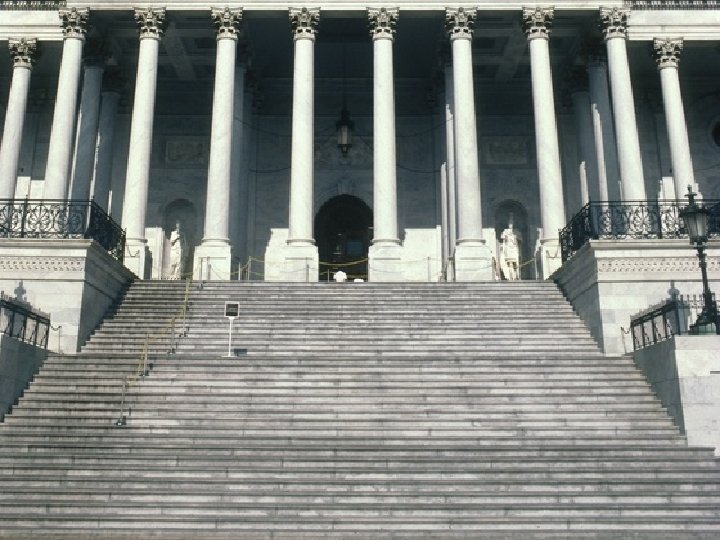
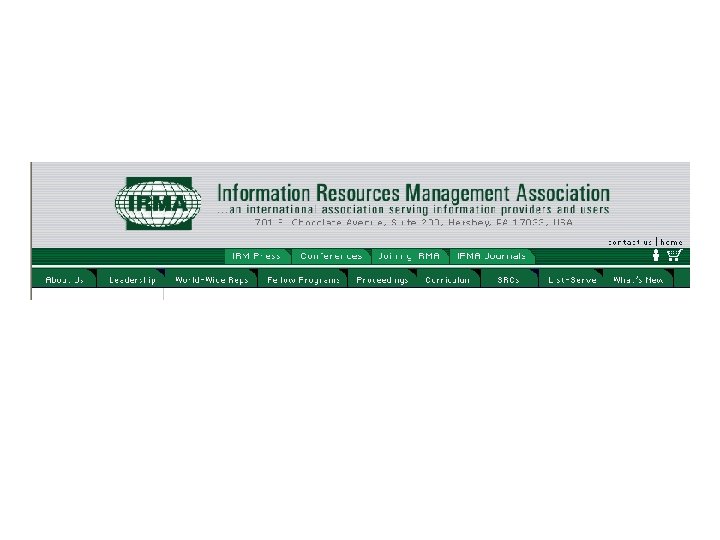
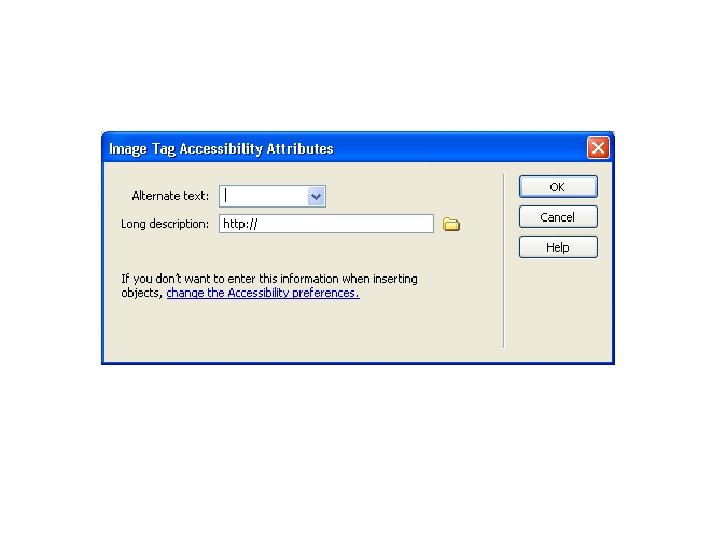
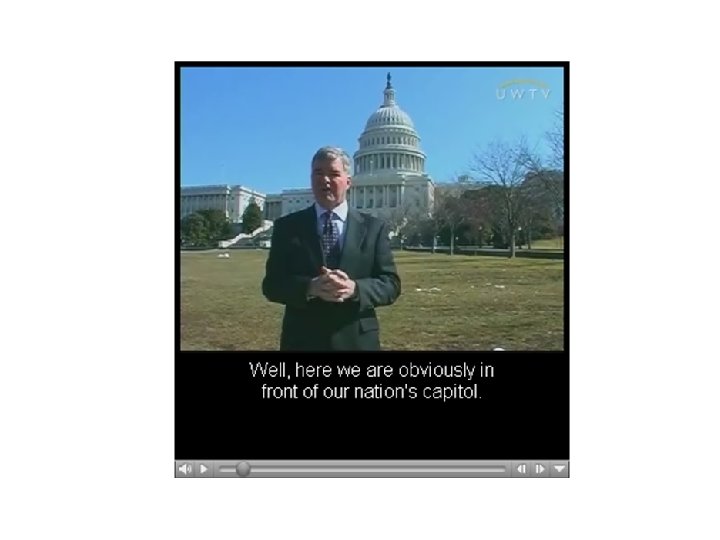
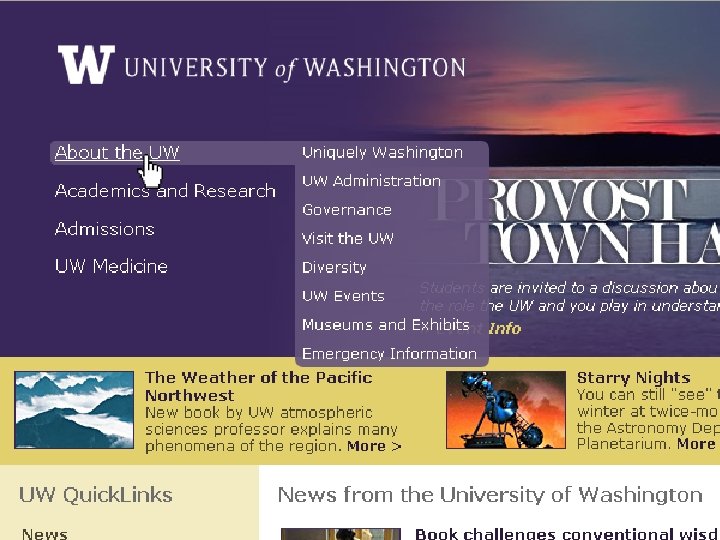
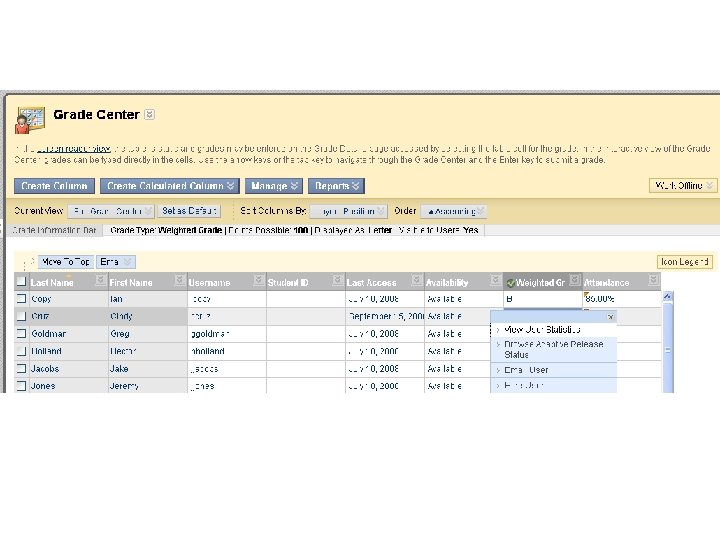
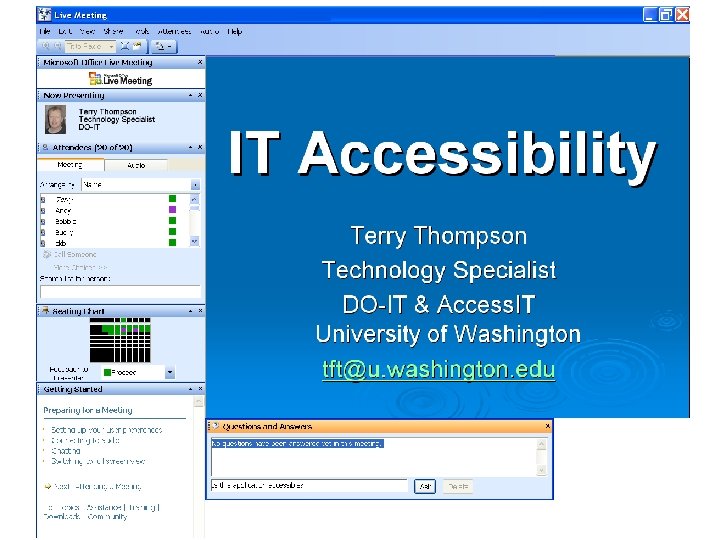
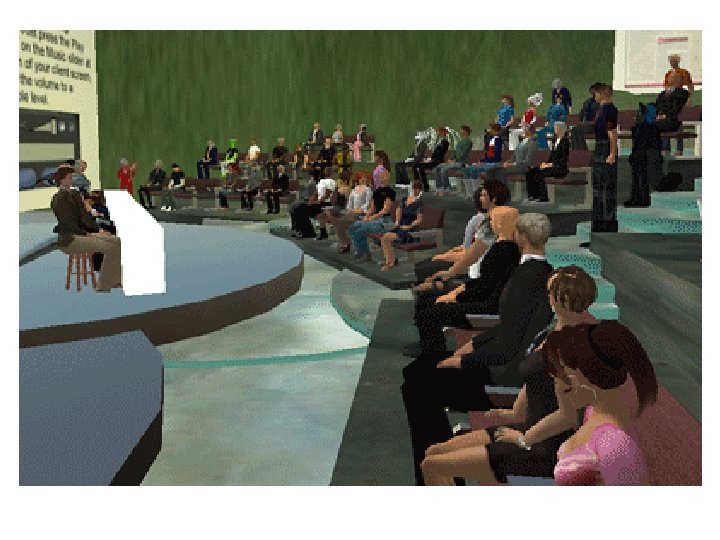
As we create, purchase, teach, and use new technologies, how can we ensure that they don’t erect new barriers?
Legal Requirements • Section 504 of the Rehabilitation (1973) • Americans with Disabilities Act (1990) • Section 508 of the Rehabilitation Act, Amended in 1998
Guidelines & Standards • W 3 C Web Content Accessibility Guidelines 2. 0 – Perceivable – Operable – Understandable – Robust • Section 508 Standards
Barriers to Success (Revisited) • Diminished/different support systems at different academic levels • Little access to successful role models • Inadequate self-advocacy skills • Lack of access to technology that can increase independence, productivity, & participation • Inadequate accommodations • Low expectations & other negative attitudes on the part of people with whom they interact - National Organization on Disabilities
Exploring This Problem Today • Student Perspective • Other Stakeholders – What can we do to help? – How can we collaborate? • Everyone – What are the problems? – What are the solutions? – What are the next steps?
- Slides: 32