
Directional Changes 3 Importance of Directional Changes Potentially



- Slides: 16
Directional Changes #3
Importance of Directional Changes • • Potentially more profitable Captures moves of markets better (Intrinsic time) A new risk measurement (Overshoots) Scaling law (Trading strategies)
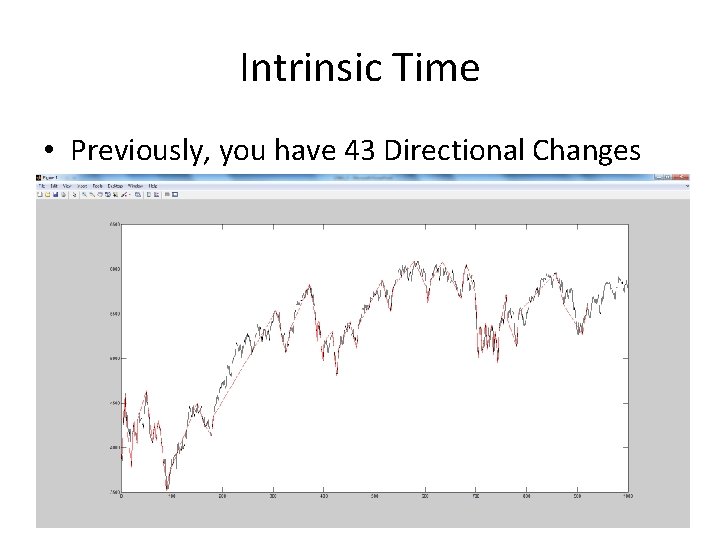
Intrinsic Time • Previously, you have 43 Directional Changes
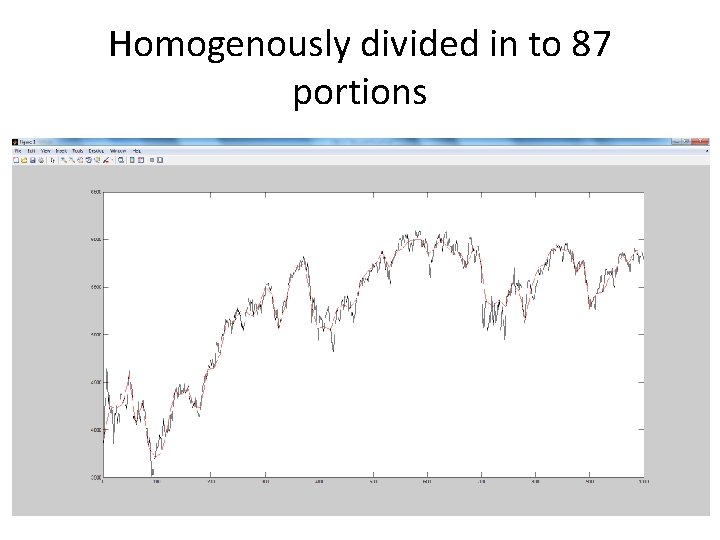
Homogenously divided in to 87 portions
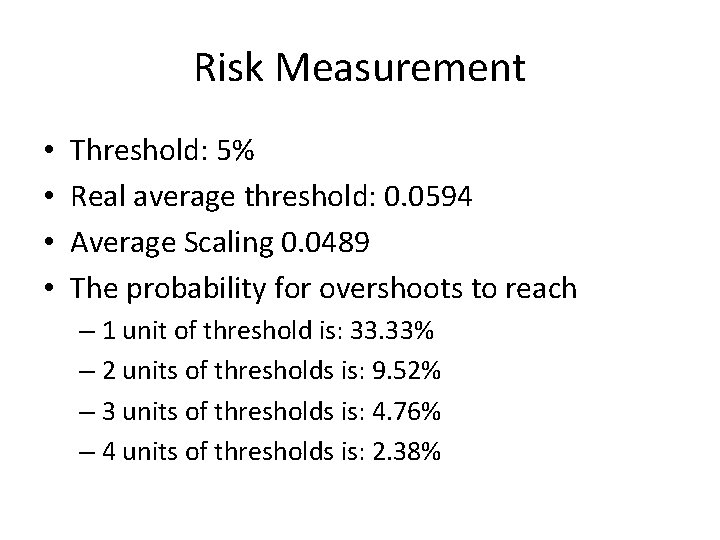
Risk Measurement • • Threshold: 5% Real average threshold: 0. 0594 Average Scaling 0. 0489 The probability for overshoots to reach – 1 unit of threshold is: 33. 33% – 2 units of thresholds is: 9. 52% – 3 units of thresholds is: 4. 76% – 4 units of thresholds is: 2. 38%
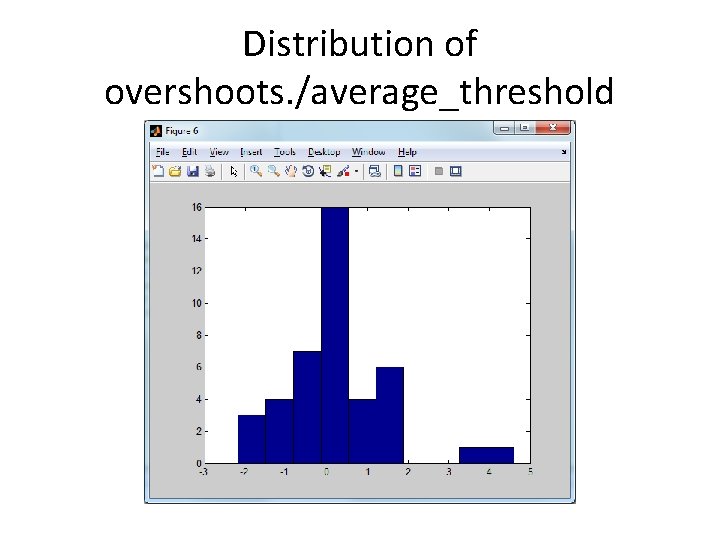
Distribution of overshoots. /average_threshold
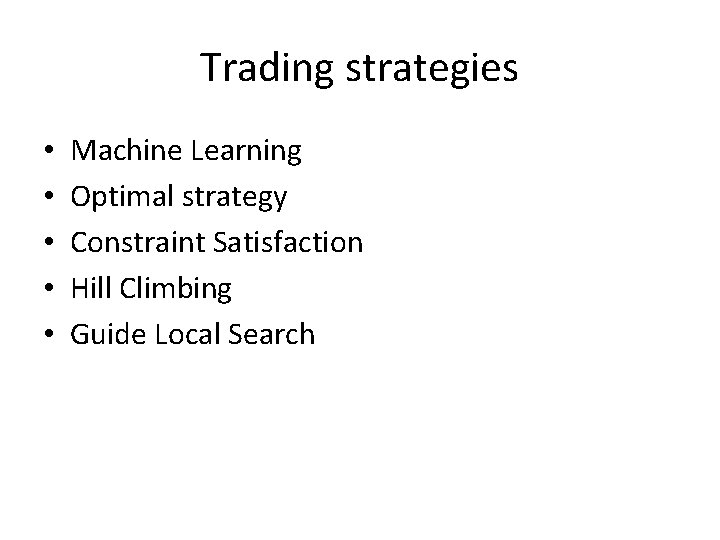
Trading strategies • • • Machine Learning Optimal strategy Constraint Satisfaction Hill Climbing Guide Local Search
Constraint Satisfaction • Any problems can be formulised in following way are CSP, and can be deal with constraint satisfaction techniques: - Variables (Decisions) - Domains - Constraints
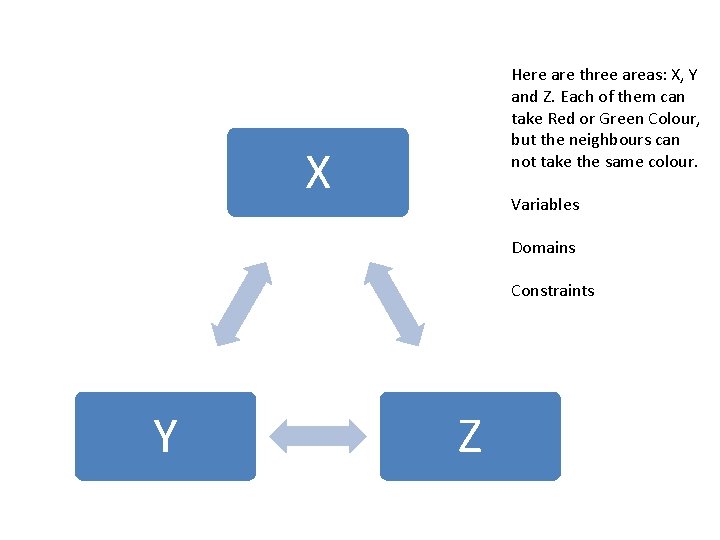
Here are three areas: X, Y and Z. Each of them can take Red or Green Colour, but the neighbours can not take the same colour. X Variables Domains Constraints Y Z
Here are three areas: X, Y and Z. Each of them can take Red or Green Colour, but the neighbours can not take the same colour. X Variables: X, Y, Z Domains: {Red, Green} Constraints: X ≠ Y, Y ≠ Z, Z ≠ X Y Z
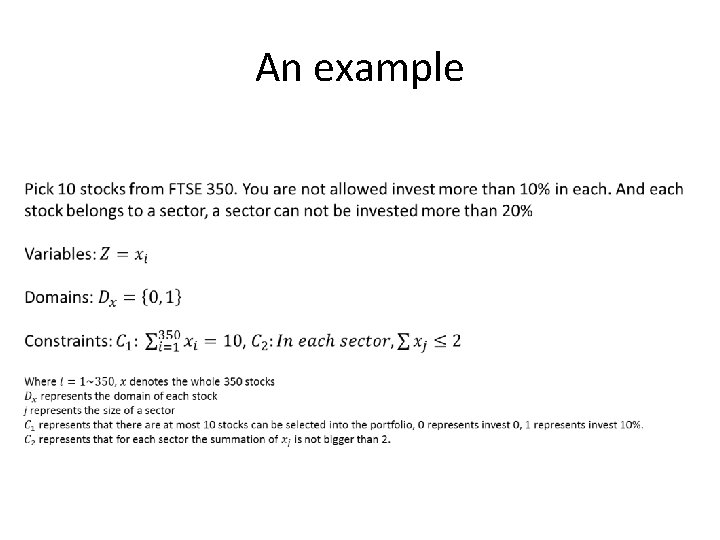
An example
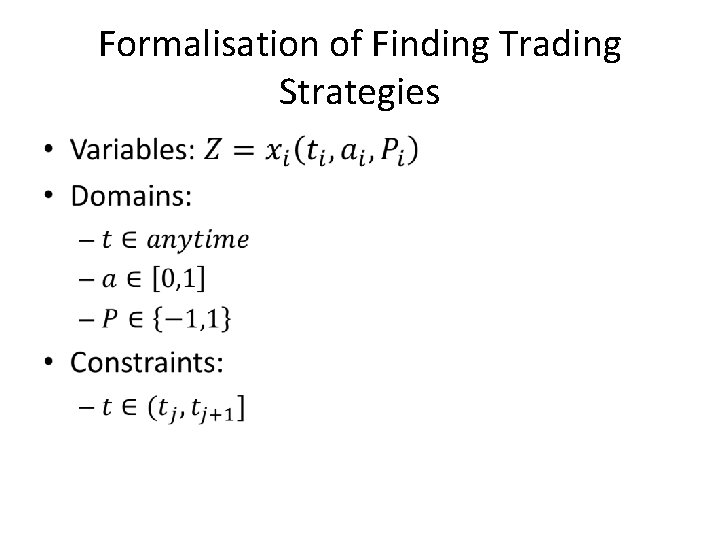
Formalisation of Finding Trading Strategies •
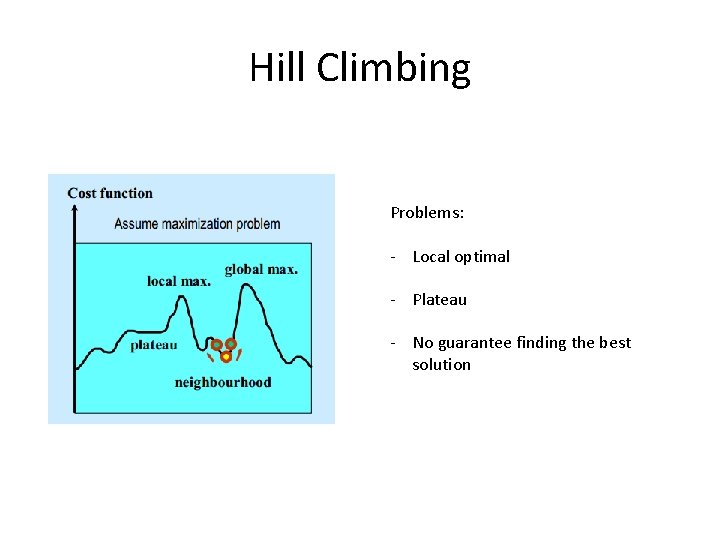
Hill Climbing Problems: - Local optimal - Plateau - No guarantee finding the best solution
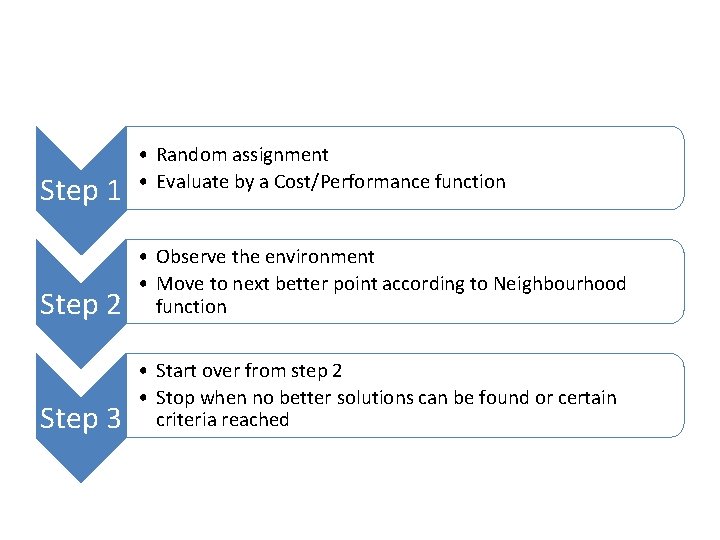
Step 1 • Random assignment • Evaluate by a Cost/Performance function Step 2 • Observe the environment • Move to next better point according to Neighbourhood function Step 3 • Start over from step 2 • Stop when no better solutions can be found or certain criteria reached
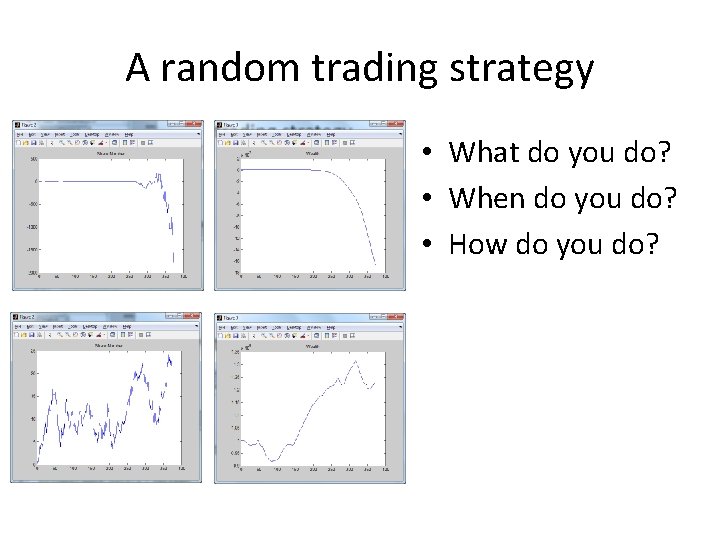
A random trading strategy • What do you do? • When do you do? • How do you do?