
Direct and Indirect Speech PAST SIMPLE TENSE Past
- Slides: 15
Прямая и Косвенная речь Direct and Indirect Speech
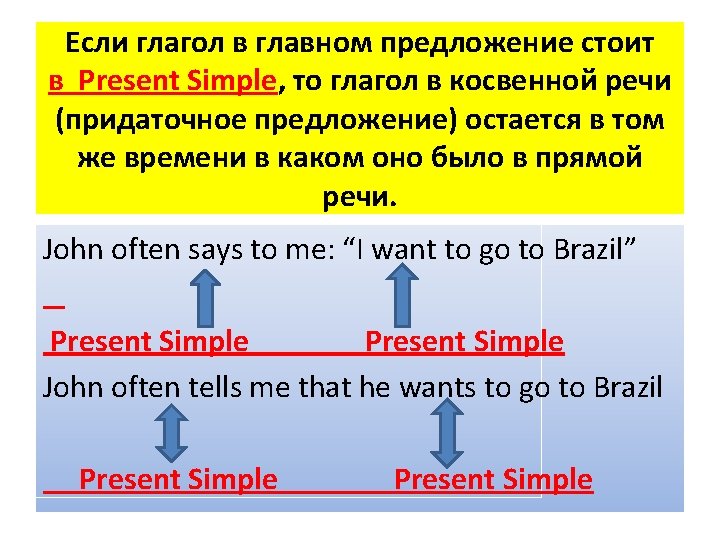
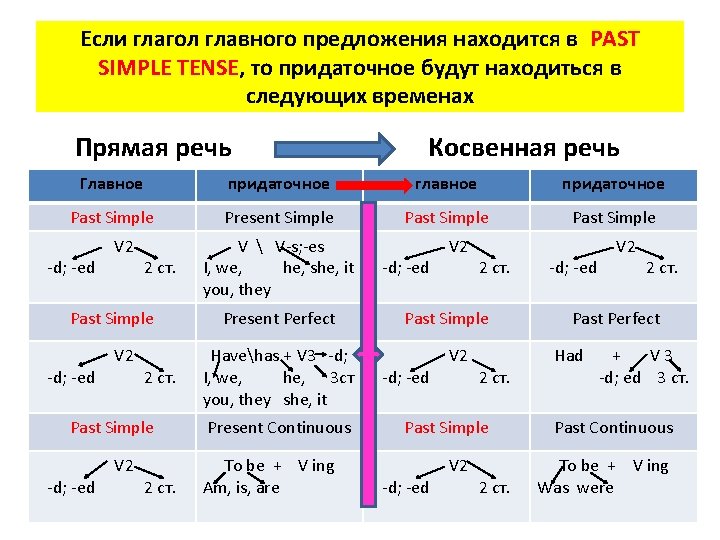
Если глагол главного предложения находится в PAST SIMPLE TENSE, то придаточное будут находиться в следующих временах Прямая речь Косвенная речь Главное придаточное главное придаточное Past Simple Present Simple Past Simple -d; -ed V 2 2 ст. V V-s; -es I, we, he, she, it you, they Present Perfect Havehas + V 3 -d; I, we, he, 3 ст you, they she, it Present Continuous To be + V ing Am, is, are -d; -ed V 2 2 ст. Past Simple -d; -ed V 2 2 ст. Past Perfect Had + V 3 -d; ed 3 ст. Past Continuous To be + V ing Was were
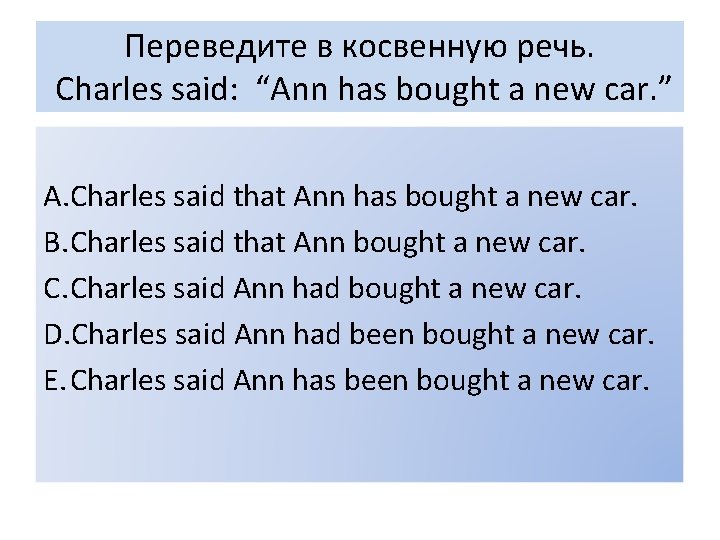
Переведите в косвенную речь. Charles said: “Ann has bought a new car. ” A. Charles said that Ann has bought a new car. B. Charles said that Ann bought a new car. C. Charles said Ann had bought a new car. D. Charles said Ann had been bought a new car. E. Charles said Ann has been bought a new car.
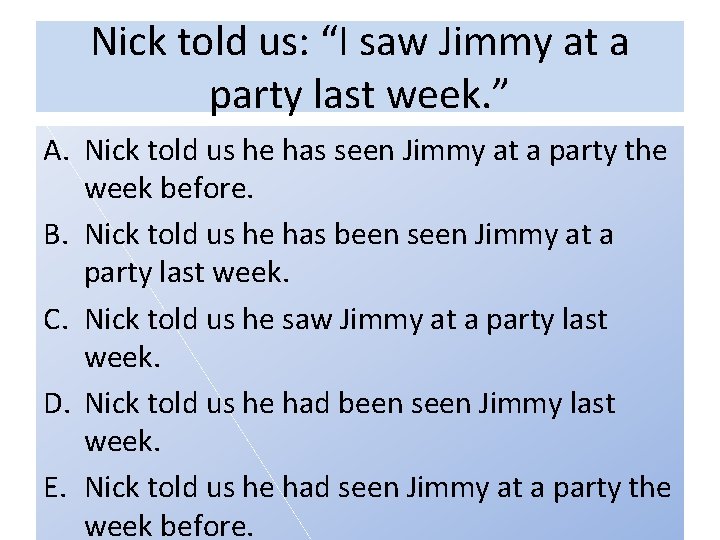
Nick told us: “I saw Jimmy at a party last week. ” A. Nick told us he has seen Jimmy at a party the week before. B. Nick told us he has been seen Jimmy at a party last week. C. Nick told us he saw Jimmy at a party last week. D. Nick told us he had been seen Jimmy last week. E. Nick told us he had seen Jimmy at a party the week before.
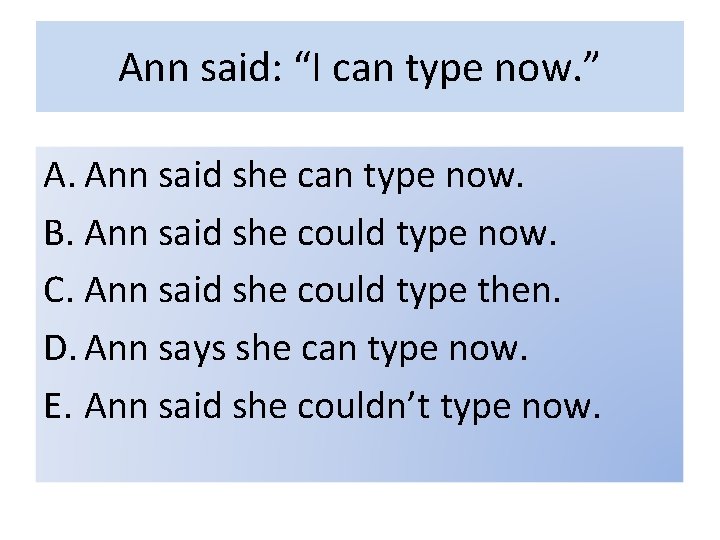
Ann said: “I can type now. ” A. Ann said she can type now. B. Ann said she could type now. C. Ann said she could type then. D. Ann says she can type now. E. Ann said she couldn’t type now.
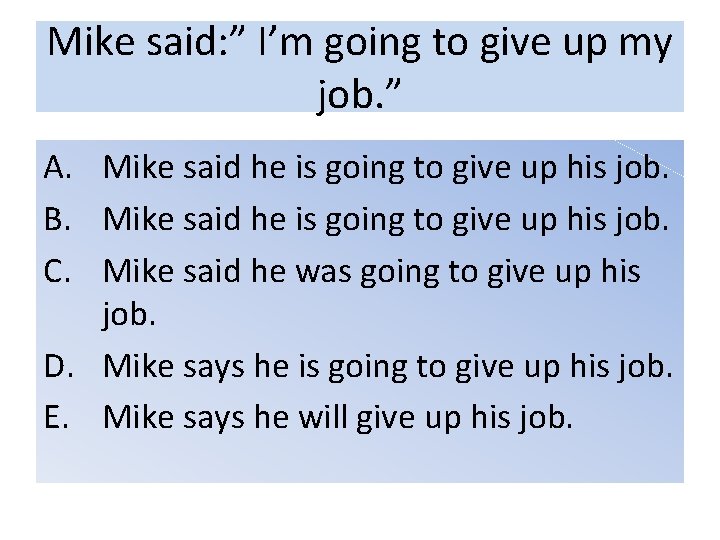
Mike said: ” I’m going to give up my job. ” A. Mike said he is going to give up his job. B. Mike said he is going to give up his job. C. Mike said he was going to give up his job. D. Mike says he is going to give up his job. E. Mike says he will give up his job.
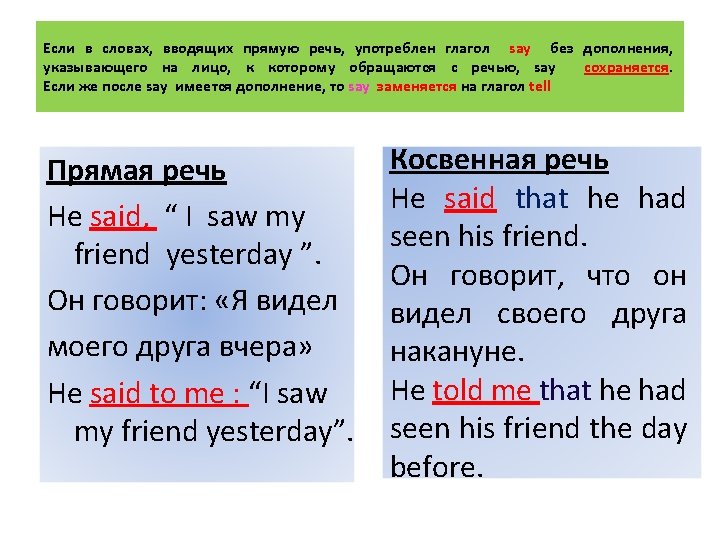
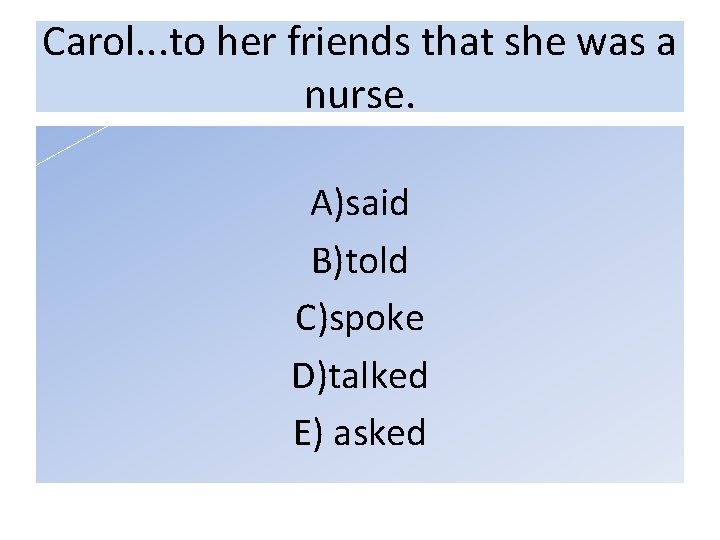
Carol. . . to her friends that she was a nurse. A)said B)told C)spoke D)talked E) asked