
Digital Radiography Chapter 22 History of Digital Radiography
- Slides: 23
Digital Radiography Chapter 22
History of Digital Radiography n Slower process of conversion because no pressing need to convert to digital radiography. n Requires a large amount of digital data.
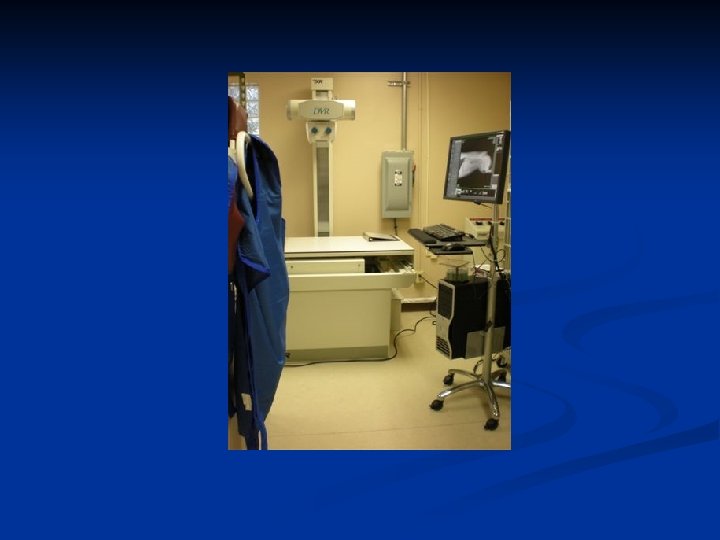
Overview n n Primary difference is that digital radiographs are electronically captured, recorded and viewed at a computer terminal which replaces the radiographic film and the view box. Screen and cassette is replaced by a reusable image receptor or detector. Receptor receives x-rays and exposes a digital plate that transforms light to an electrical image. Hardware is essentially same (X-ray tube, stand, etc).
n Once digital radiographic image is made, it is transferred to a dedicated digital radiography computer for “image processing”. n Image can then be adjusted, rotated, etc.
Limitations of Conventional Screen-film Radiography n Limitations: Require fairly narrow exposure factors to produce a diagnostic quality radiograph. n Radiographic image can not be adjusted once it is made. n Requires physical handling and storage. n
Advantages of Digital Radiography n The image Image can be adjusted after exposure. n Need for re-takes are minimized. n Computer manipulation of the digital image is possible. n Able to see soft tissue and bony detail in single image. n Studies show that digital films are equal or better than traditional film for evaluating most body parts. n
n Time Reduces time takes to produce image. n Reduces time taken in re-takes. n Reduces processing time. n Time to correctly label and store. n
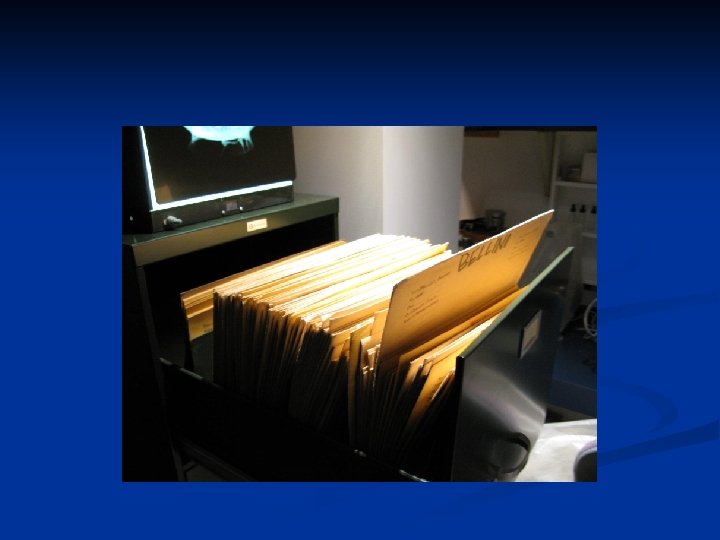
n Image storage and Transport Stored in computer and not physically stored in clinic. n Quick access to digital image. n Ease of transfer of image. n
n Cost Savings and Increasing Profits Overall initial cost is higher, but due to saving time and materials, actually will be cheaper in the long term. n Digital improves quality of imaging studies, which leads to better diagnosis. n n Follow-up Radiography Comparison to previous radiographs is easier. n Not worried about lost or misplaced radiographs. n
Disadvantages of Digital Radiography n Training and Learning Curve Must learn machinery, technology and positioning. n Must still adhere to good technique for acquiring images. n n Equipment cost Initial cost is high compared with traditional radiography. n Other technology costs associated with digital radiology (computers, servers, etc). n
Image Management Software and Image Processing Some digital radiology machines have preset selections based on species, body part of interest, and radiographic view to further identify the study type. n Images will be sent to workstation or printed on transparent film for viewing. n
Analog-to-Digital Radiographic Signal Conversion Conventional radiograph is produced by a series of analog signals, from x-ray formation and interaction with the patient, to capture of x-rays by the intensifying screen, which converts to light which produces image on the film. n Digital x-ray converts the analog signal of the light to a digital signal. Converts the waves to a digital signal. n
Digital Computers Digital waveform is represented numerically by binary numbers. n Computer memory and storage consist of bits (binary digits). n Eight bits become one byte. n
Pixels and Image Matrix X-ray beam is converted into a electronic form that is digitized and converted to squares of information known as pixels. n The smaller the pixel, the better the image quality. n
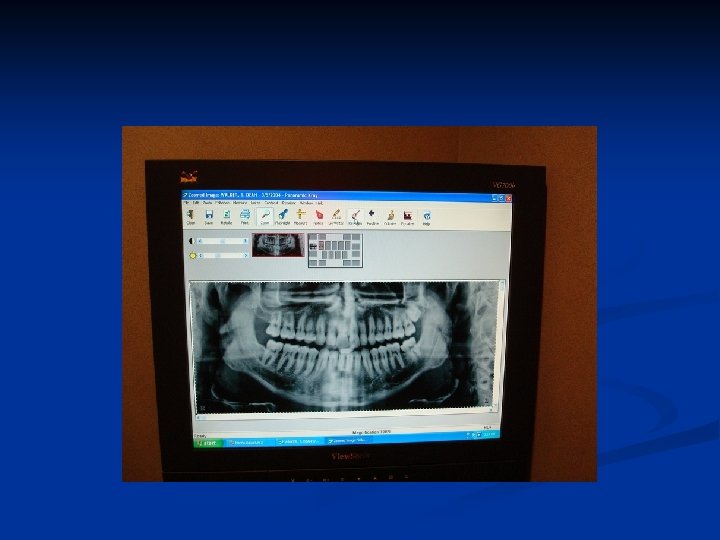
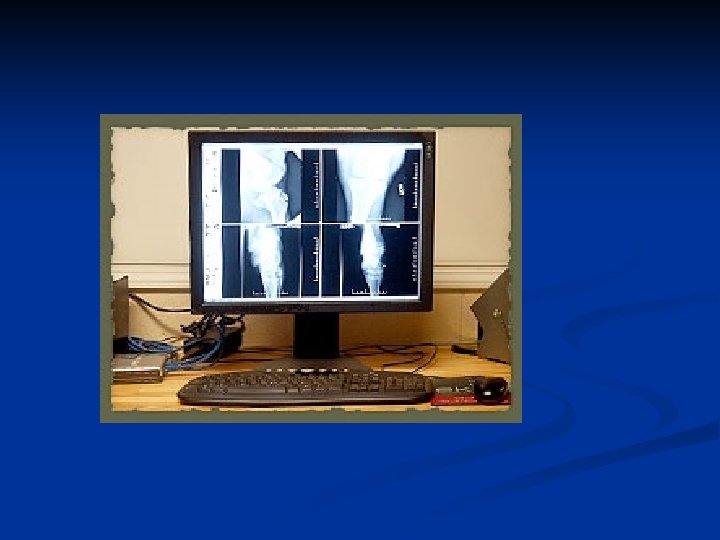
Viewing Digital Images n Display Monitors n n Consideration given to size and type Film and Paper n Should be printed on high-quality, transparent laser film and can be viewed on viewbox.
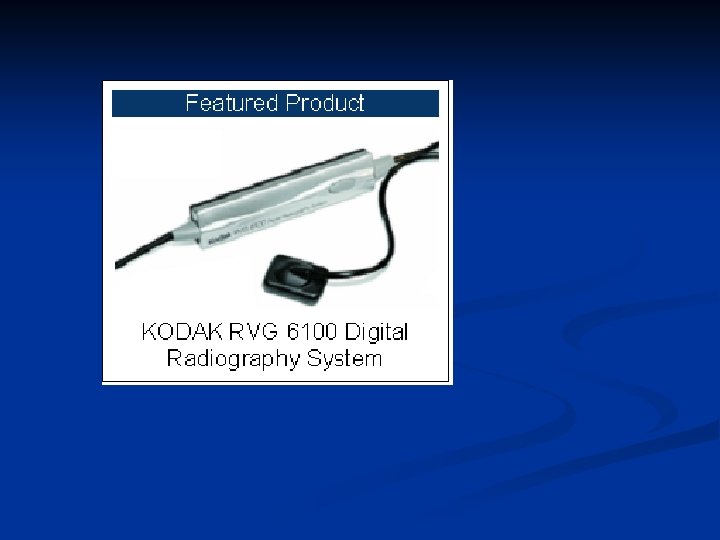
Digital Receptors Available in Veterinary Medicine n Computed Radiography (CR) n n Flat Panel Detectors n n Similar to traditional radiography where CR cassette is exposed, opened and image is removed from CR plate, then plate is erased and returned to cassette for reuse. Detectors in a panel that is hard wired to a computer. Charged Coupled Device (CCD) n Small flat panel that is capable of producing images from visible light.
Digital Artifacts n Image plate artifacts n n Cracks and bends in plates Image processing artifacts n Halo effects, computer artifacts