
Digestive System Oral Cavity Mouth Teeth tongue and
- Slides: 19
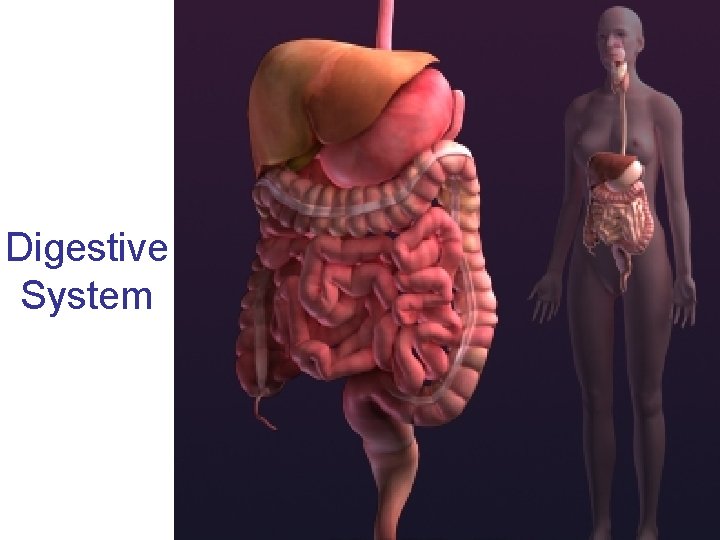
Digestive System
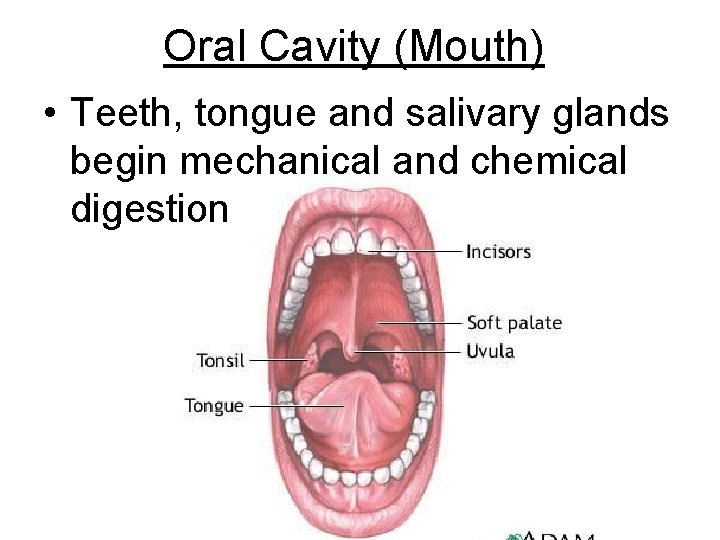
Oral Cavity (Mouth) • Teeth, tongue and salivary glands begin mechanical and chemical digestion
Salivary Glands • Made up of 2 types of secretory cells –Serous cells produce a watery secretion containing enzymes, ions and a tiny bit of mucin –Mucous cells produce a stringy, viscous solution called mucous
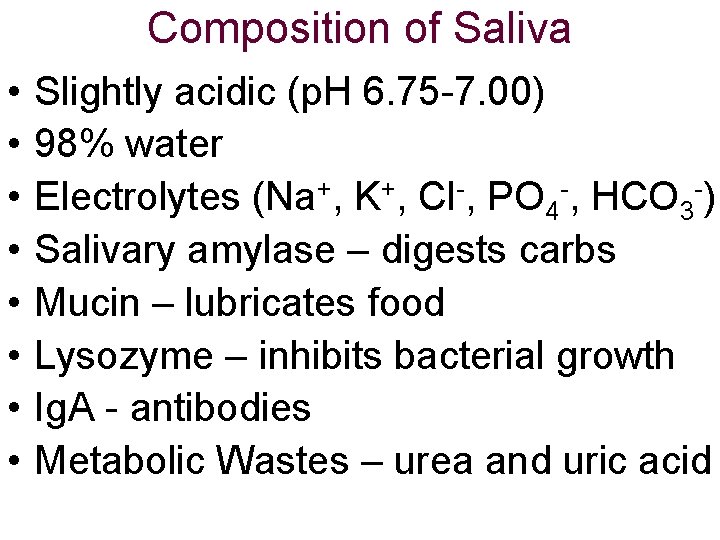
Composition of Saliva • • Slightly acidic (p. H 6. 75 -7. 00) 98% water Electrolytes (Na+, K+, Cl-, PO 4 -, HCO 3 -) Salivary amylase – digests carbs Mucin – lubricates food Lysozyme – inhibits bacterial growth Ig. A - antibodies Metabolic Wastes – urea and uric acid
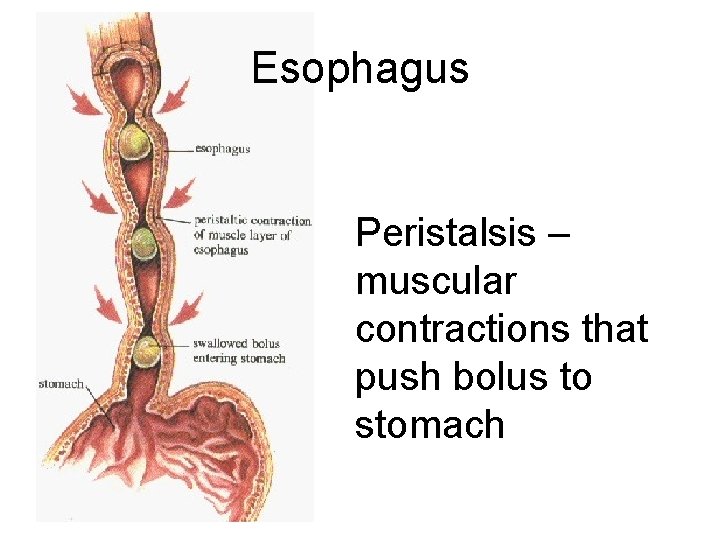
Esophagus Peristalsis – muscular contractions that push bolus to stomach
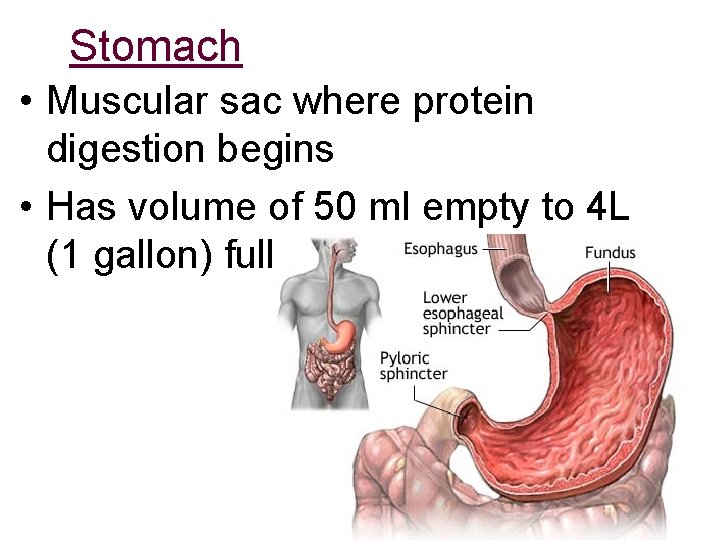
Stomach • Muscular sac where protein digestion begins • Has volume of 50 ml empty to 4 L (1 gallon) full
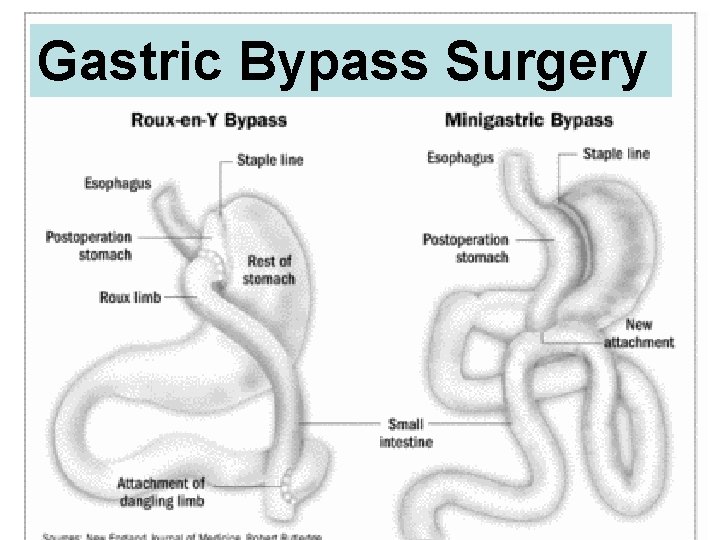
Gastric Bypass Surgery
What happens in the stomach? • Churning action mechanically breaks down food • HCl denatures proteins to prepare for digestion • Pepsin chemically digests proteins • Intrinsic factor is secreted – needed for vit. B 12 absorption in small intestine • Food is changed into a creamy paste called chyme
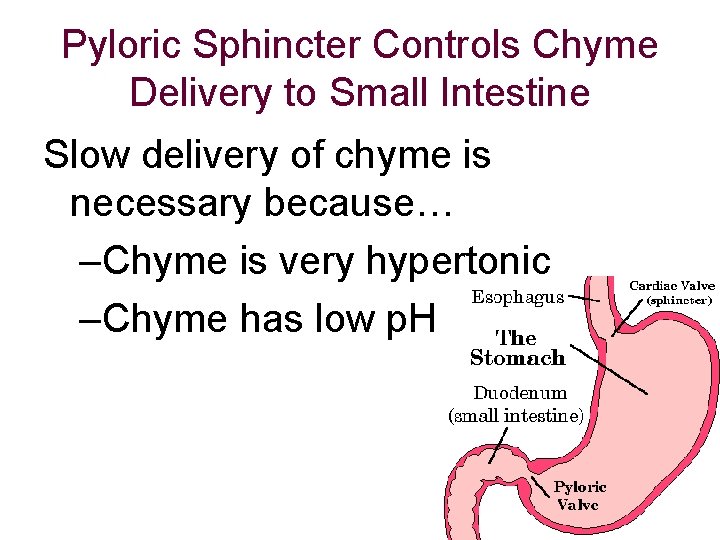
Pyloric Sphincter Controls Chyme Delivery to Small Intestine Slow delivery of chyme is necessary because… –Chyme is very hypertonic –Chyme has low p. H
Accessory Organs for Digestion • Liver – makes bile which emulsifies fats • Gallbladder – stores bile and delivers it to small intestine • Pancreas – creates digestive enzymes to complete digestion and secretes bicarbonate to neutralize the acidic contents of the stomach
What is Bile? ? • Bile salts emulsify fats (makes small droplets) and helps fat absorption • Bilirubin is the breakdown product of hemeglobin (green). The breakdown product of bilirubin gives feces its brown color. • The liver produces 500 -1000 ml daily
Small Intestine • Duodenum – (25 cm) bile duct and pancreatic duct attach here • Jejunum (2. 5 m) • Ileum (3. 6 m) – Chemical digestion is completed and absorption of nutrients occurs here – It takes 3 -6 hours for chyme to travel through
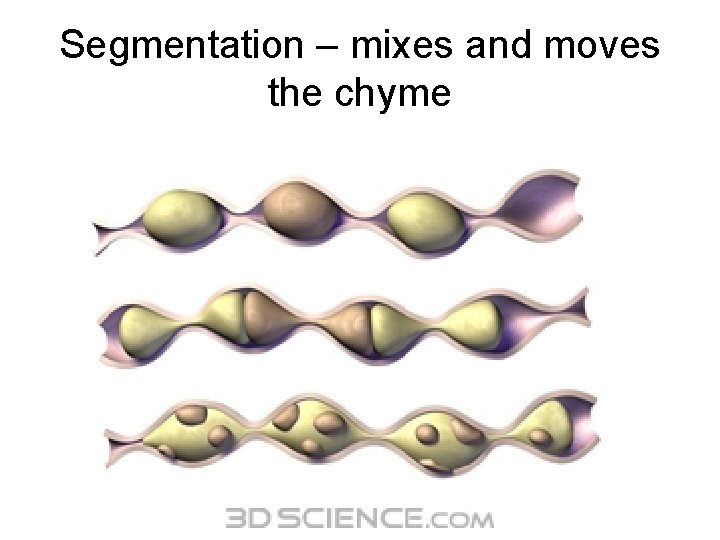
Segmentation – mixes and moves the chyme
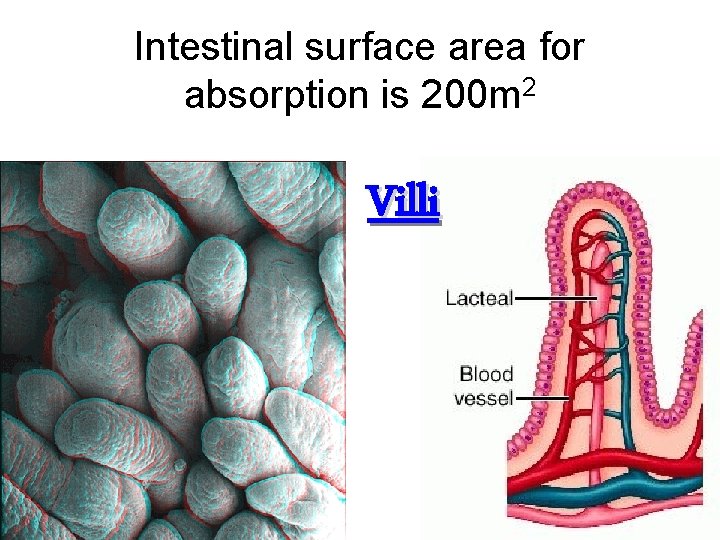
Intestinal surface area for absorption is 200 m 2 Villi
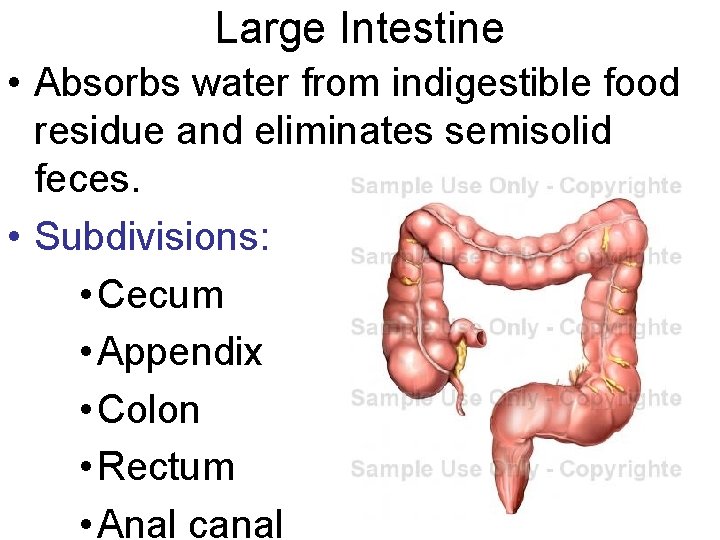
Large Intestine • Absorbs water from indigestible food residue and eliminates semisolid feces. • Subdivisions: • Cecum • Appendix • Colon • Rectum • Anal canal
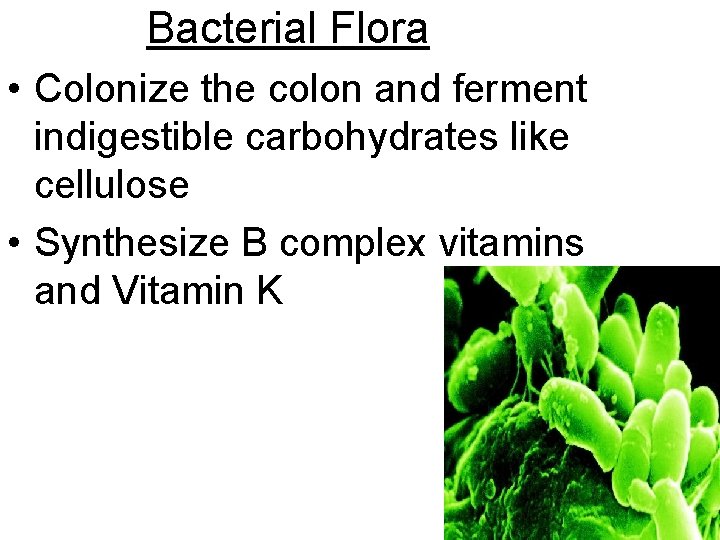
Bacterial Flora • Colonize the colon and ferment indigestible carbohydrates like cellulose • Synthesize B complex vitamins and Vitamin K
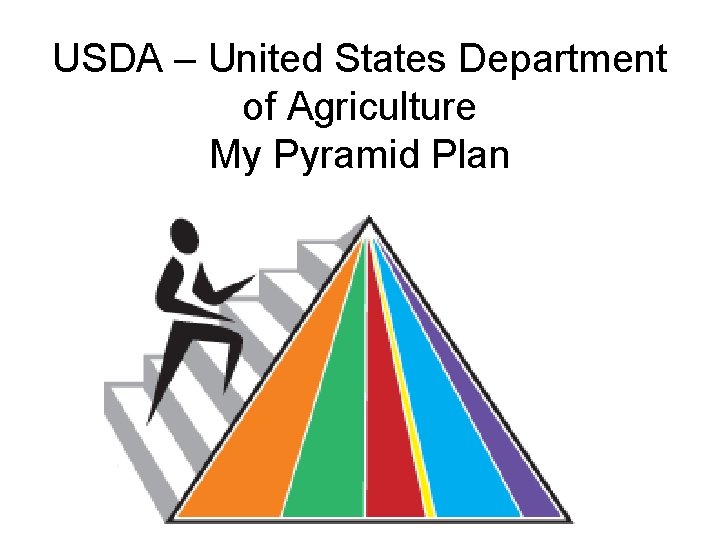
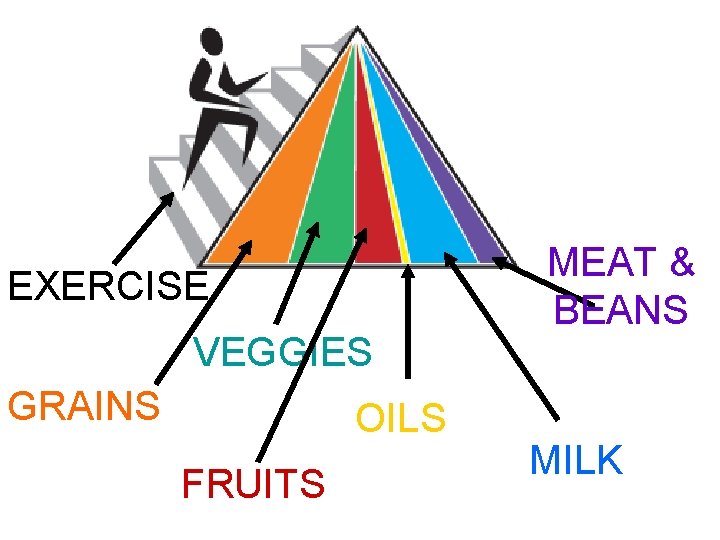
USDA – United States Department of Agriculture My Pyramid Plan
EXERCISE VEGGIES GRAINS OILS FRUITS MEAT & BEANS MILK