
Digestive System of Ruminants Feed on plant cellulose

- Slides: 47
Digestive System of Ruminants • • Feed on plant – cellulose Need cellulase to digest it But ruminants do not produce cellulase However their digestive system are specially adapted to carry out cellulose digestion
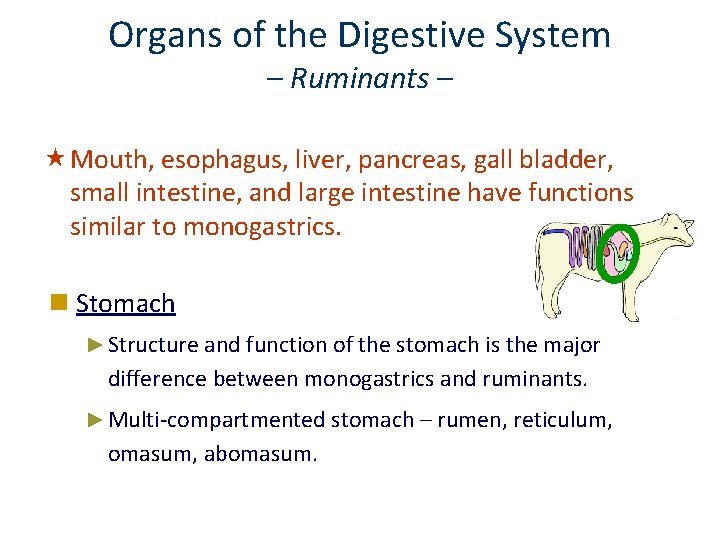
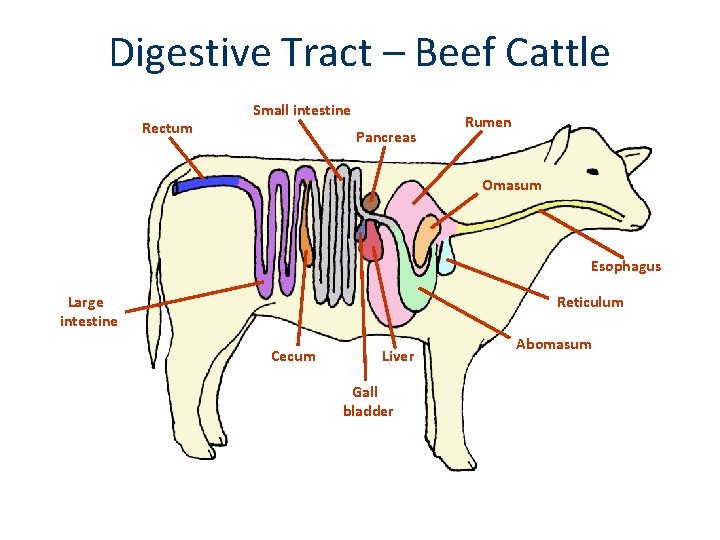
Organs of the Digestive System – Ruminants – « Mouth, esophagus, liver, pancreas, gall bladder, small intestine, and large intestine have functions similar to monogastrics. n Stomach ► Structure and function of the stomach is the major difference between monogastrics and ruminants. ► Multi-compartmented stomach – rumen, reticulum, omasum, abomasum.
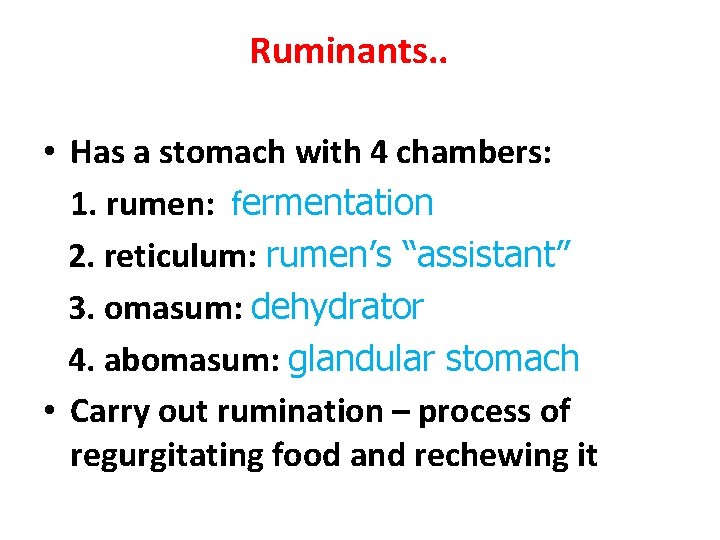
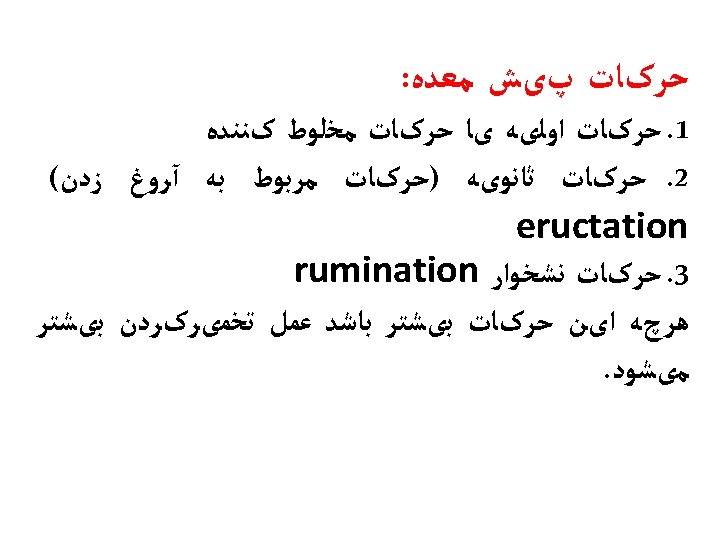
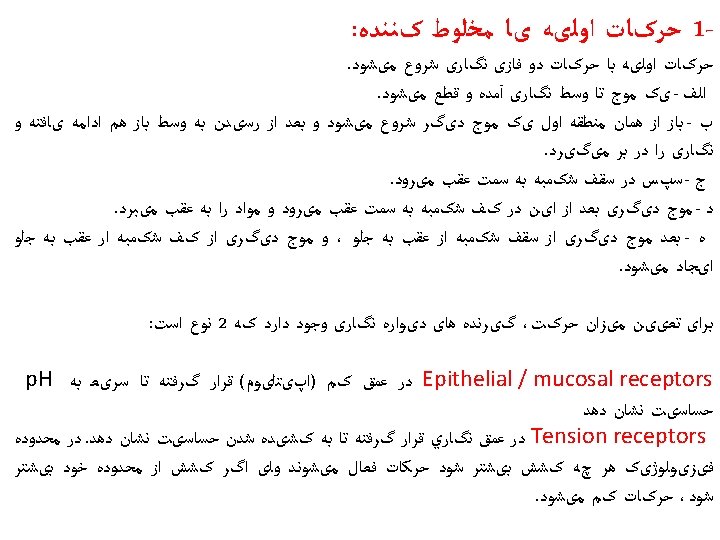
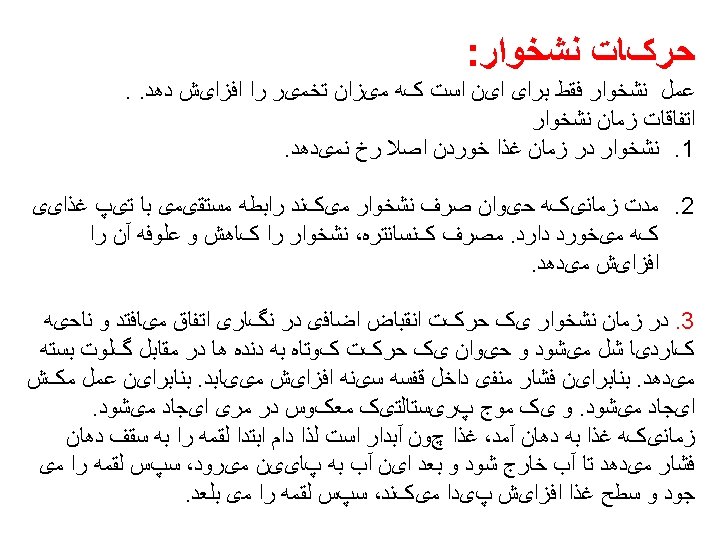
Ruminants. . • Has a stomach with 4 chambers: 1. rumen: fermentation 2. reticulum: rumen’s “assistant” 3. omasum: dehydrator 4. abomasum: glandular stomach • Carry out rumination – process of regurgitating food and rechewing it
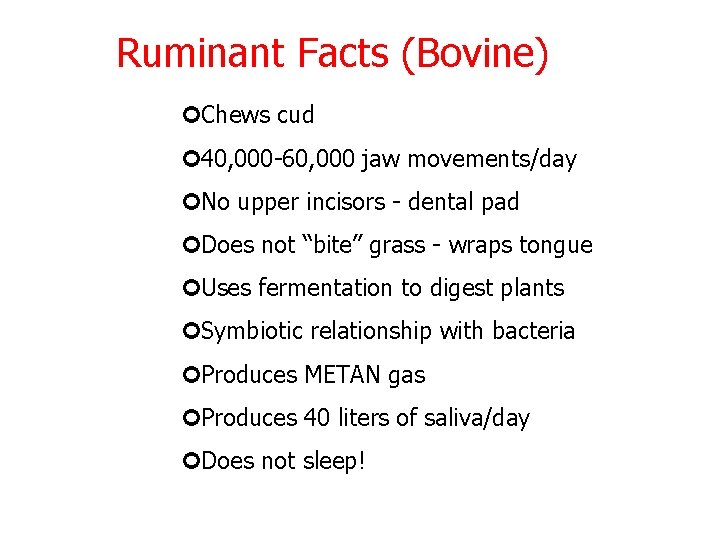
¢Chews cud ¢ 40, 000 -60, 000 jaw movements/day ¢No upper incisors - dental pad ¢Does not “bite” grass - wraps tongue ¢Uses fermentation to digest plants ¢Symbiotic relationship with bacteria ¢Produces METAN gas ¢Produces 40 liters of saliva/day ¢Does not sleep! Agriscience Ruminant Facts (Bovine)
Digestive Tract – Beef Cattle Rectum Small intestine Pancreas Rumen Omasum Esophagus Large intestine Reticulum Cecum Liver Gall bladder Abomasum
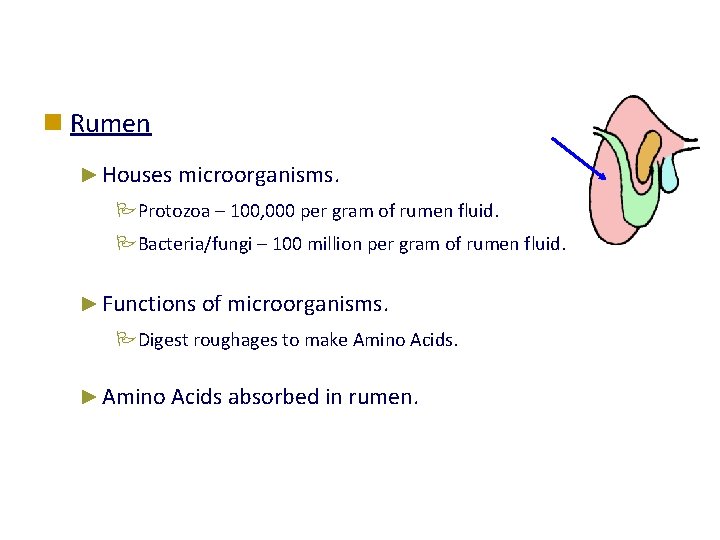
n Rumen ► Houses microorganisms. PProtozoa – 100, 000 per gram of rumen fluid. PBacteria/fungi – 100 million per gram of rumen fluid. ► Functions of microorganisms. PDigest roughages to make Amino Acids. ► Amino Acids absorbed in rumen.
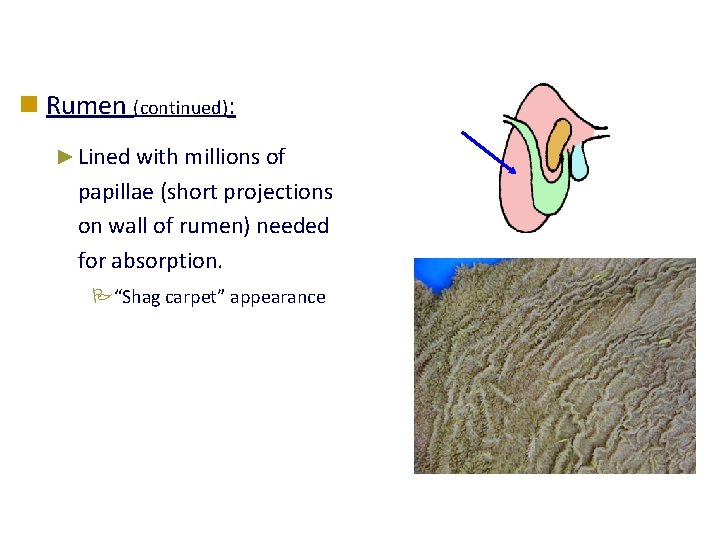
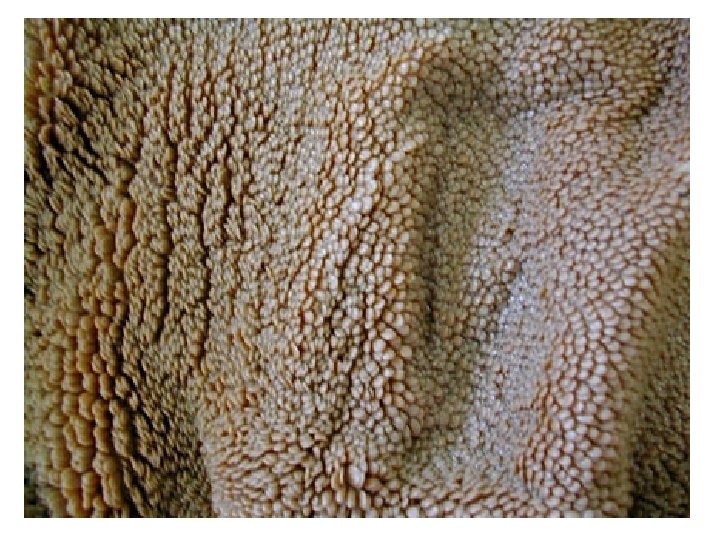
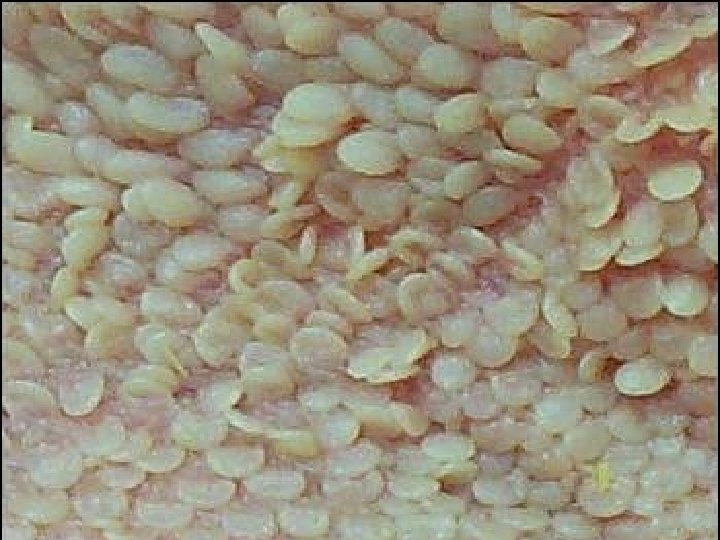
n Rumen (continued): ► Lined with millions of papillae (short projections on wall of rumen) needed for absorption. P“Shag carpet” appearance
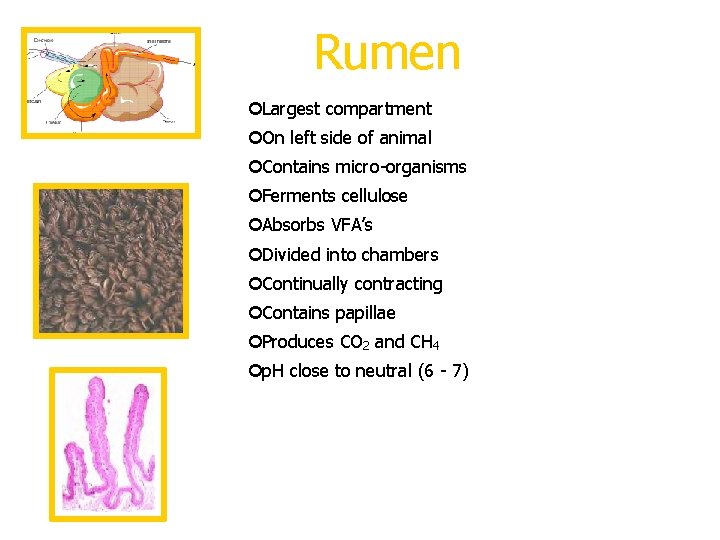
¢Largest compartment ¢On left side of animal ¢Contains micro-organisms ¢Ferments cellulose ¢Absorbs VFA’s ¢Divided into chambers ¢Continually contracting ¢Contains papillae ¢Produces CO 2 and CH 4 ¢p. H close to neutral (6 - 7) Agriscience Rumen
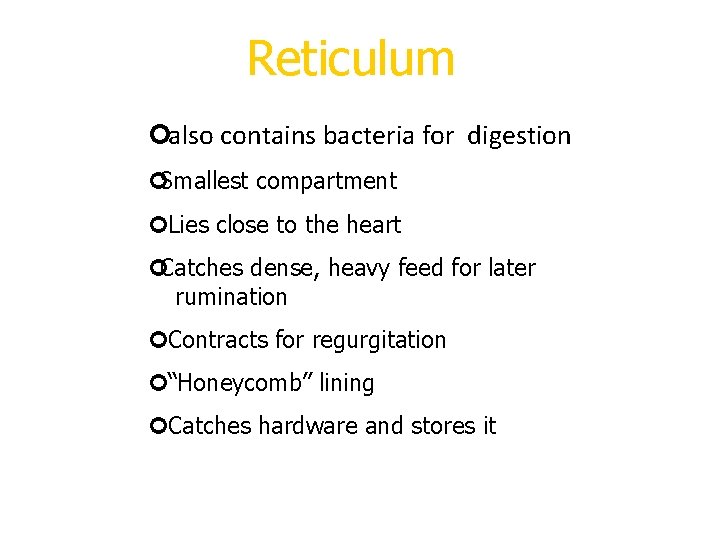
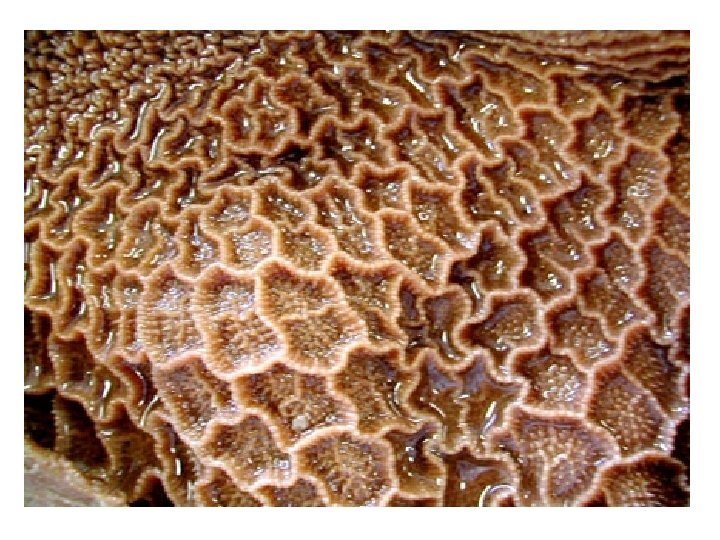
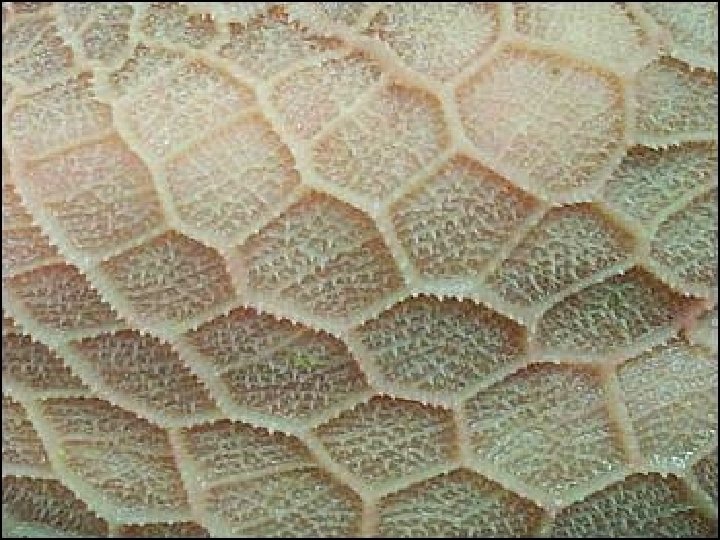
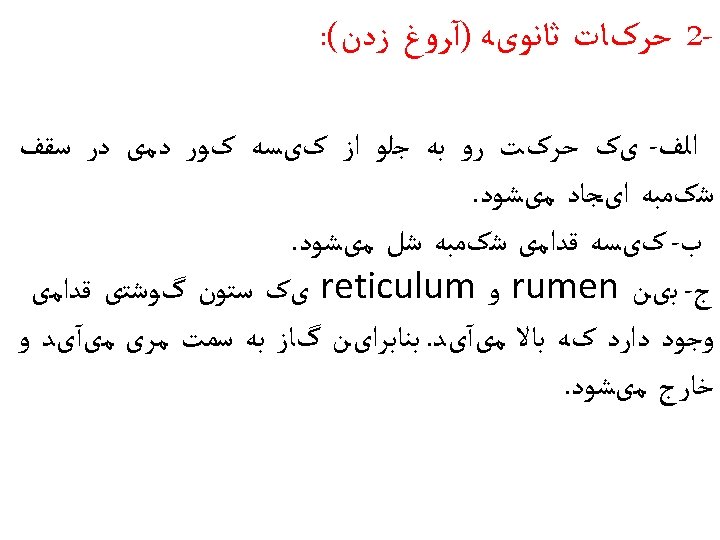
¢also contains bacteria for digestion ¢Smallest compartment ¢Lies close to the heart ¢Catches dense, heavy feed for later rumination ¢Contracts for regurgitation ¢“Honeycomb” lining ¢Catches hardware and stores it Agriscience Reticulum
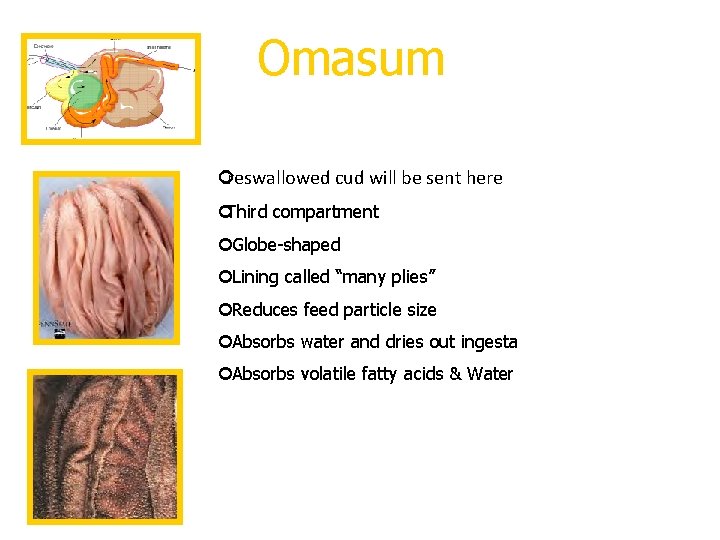
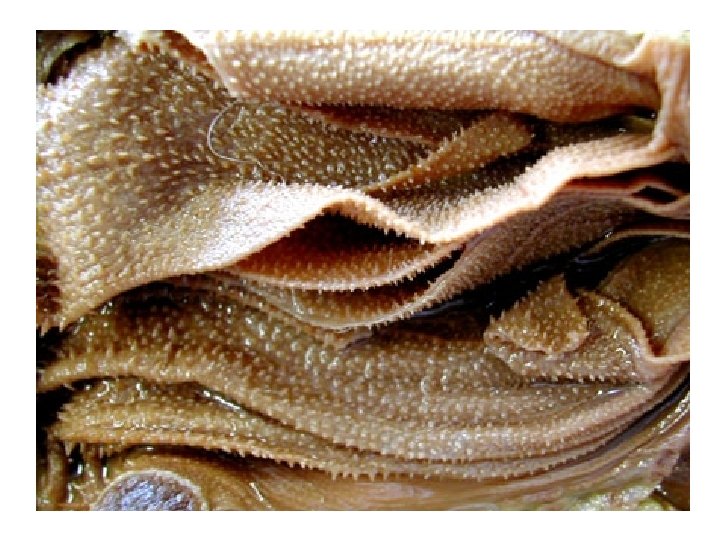
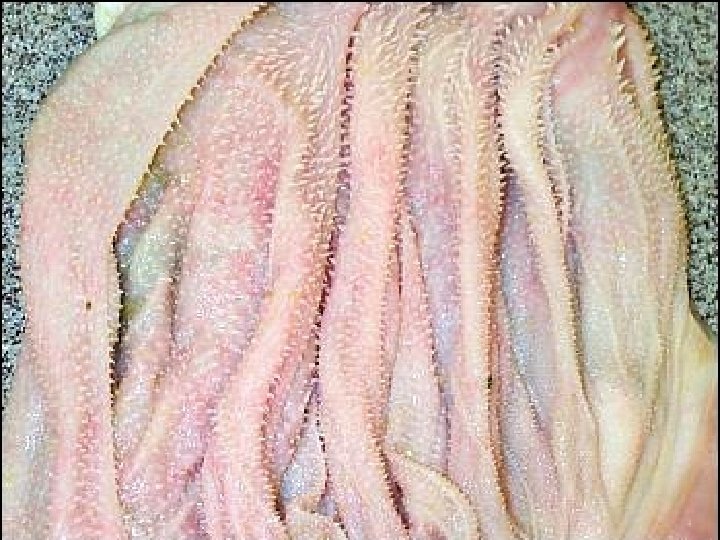
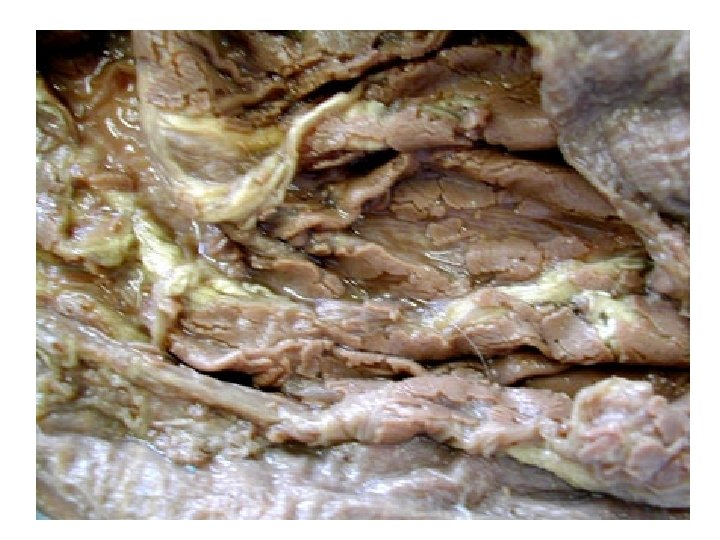
¢reswallowed cud will be sent here ¢Third compartment ¢Globe-shaped ¢Lining called “many plies” ¢Reduces feed particle size ¢Absorbs water and dries out ingesta ¢Absorbs volatile fatty acids & Water Agriscience Omasum
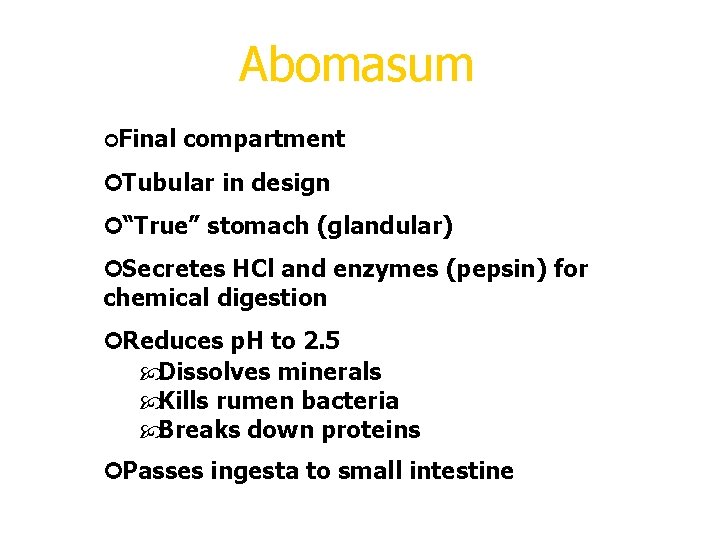
¢Final compartment ¢Tubular in design ¢“True” stomach (glandular) ¢Secretes HCl and enzymes (pepsin) for chemical digestion ¢Reduces p. H to 2. 5 Dissolves minerals Kills rumen bacteria Breaks down proteins ¢Passes ingesta to small intestine Agriscience Abomasum
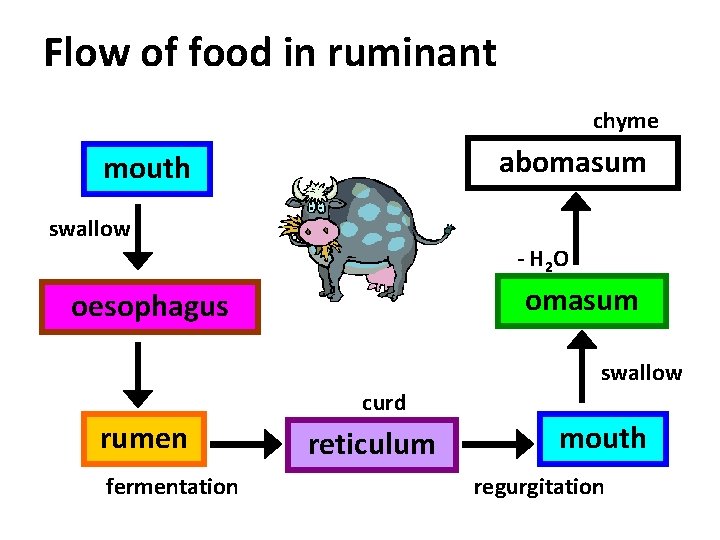
Flow of food in ruminant chyme abomasum mouth swallow - H 2 O omasum oesophagus swallow curd rumen fermentation reticulum mouth regurgitation
Newborn ¢Only abomasum is functional ¢Sucking action forms esophageal groove ¢Milk passes directly to abomasum ¢Milk curdles and digests slowly ¢Rumen does not develop as long as calf is on milk only Agriscience Calf Digestive Tract Development
12 -16 Weeks ¢Feed (grain) consumption causes rumen to develop ¢Rumen is populated with micro-organisms from environment ¢Bacteria produce VFA’s which cause rumen to develop papillae and increase in size ¢Calf can digest hay and grass once rumen develops Agriscience Calf Digestive Tract Development
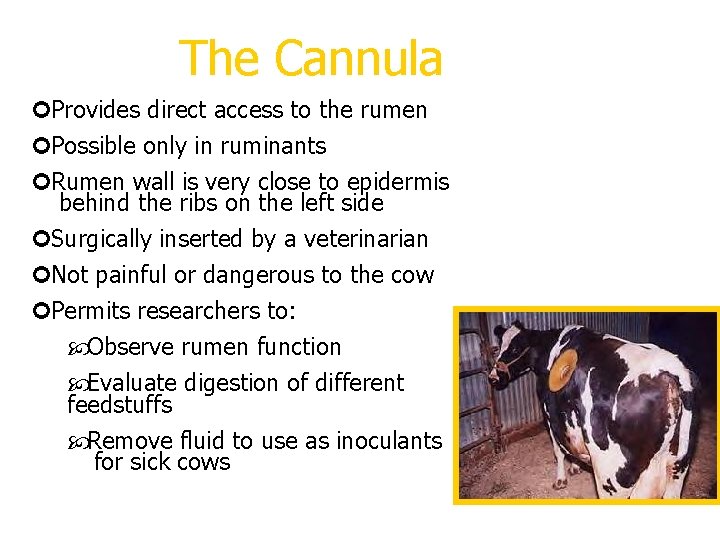
¢Provides direct access to the rumen ¢Possible only in ruminants ¢Rumen wall is very close to epidermis behind the ribs on the left side ¢Surgically inserted by a veterinarian ¢Not painful or dangerous to the cow ¢Permits researchers to: Observe rumen function Evaluate digestion of different feedstuffs Remove fluid to use as inoculants for sick cows Agriscience The Cannula
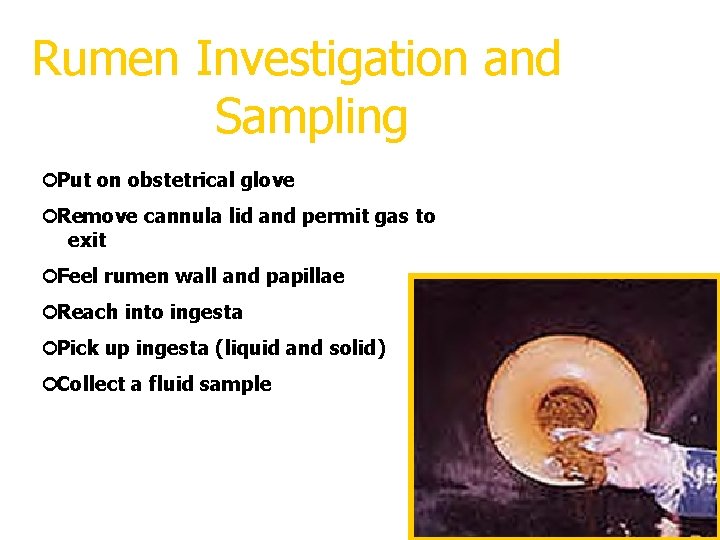
¢Put on obstetrical glove ¢Remove cannula lid and permit gas to exit ¢Feel rumen wall and papillae ¢Reach into ingesta ¢Pick up ingesta (liquid and solid) ¢Collect a fluid sample Agriscience Rumen Investigation and Sampling
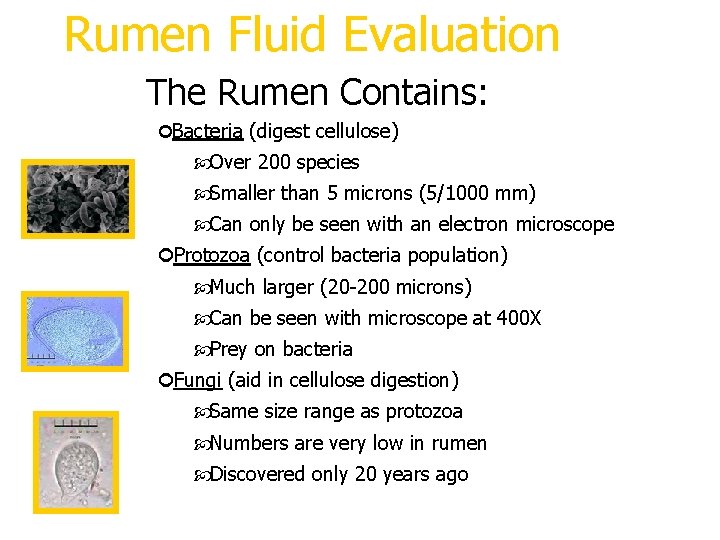
The Rumen Contains: ¢Bacteria (digest cellulose) Over 200 species Smaller than 5 microns (5/1000 mm) Can only be seen with an electron microscope ¢Protozoa (control bacteria population) Much larger (20 -200 microns) Can be seen with microscope at 400 X Prey on bacteria ¢Fungi (aid in cellulose digestion) Same size range as protozoa Numbers are very low in rumen Discovered only 20 years ago Agriscience Rumen Fluid Evaluation
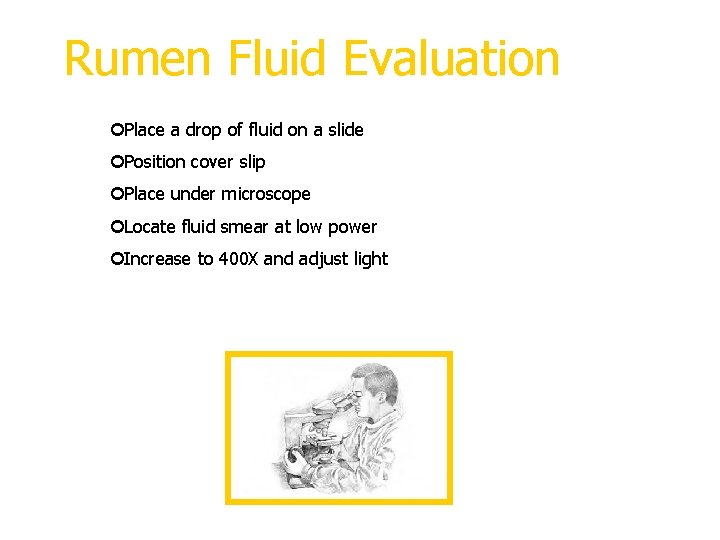
¢Place a drop of fluid on a slide ¢Position cover slip ¢Place under microscope ¢Locate fluid smear at low power ¢Increase to 400 X and adjust light Agriscience Rumen Fluid Evaluation
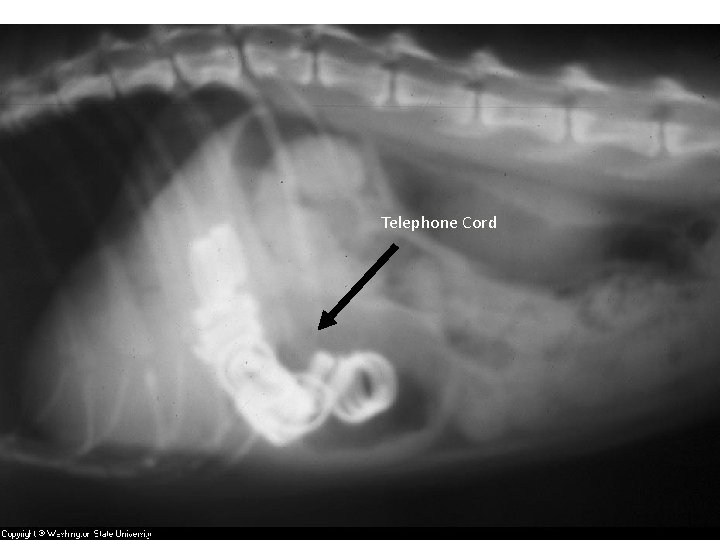
Telephone Cord
Poultry
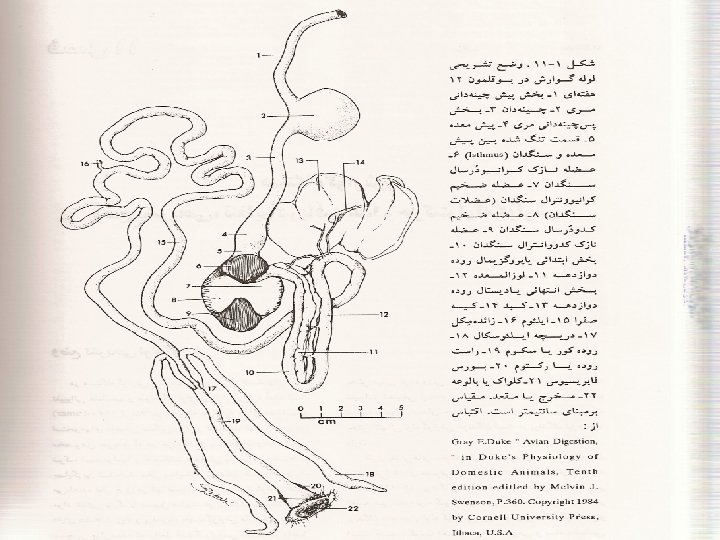
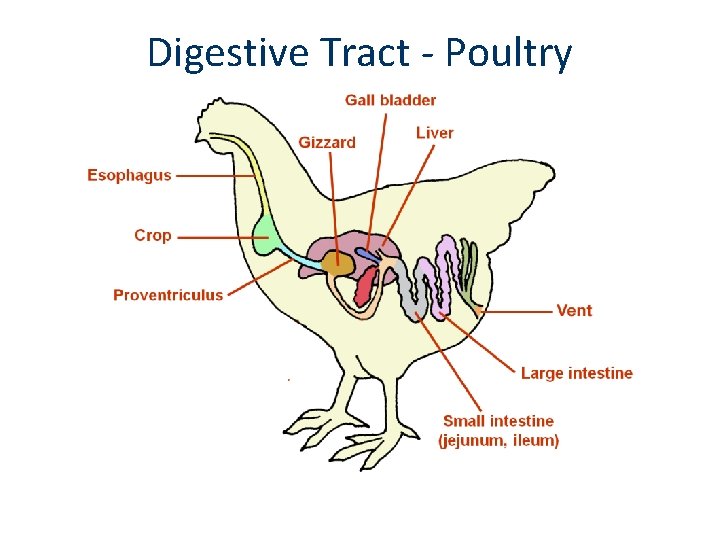
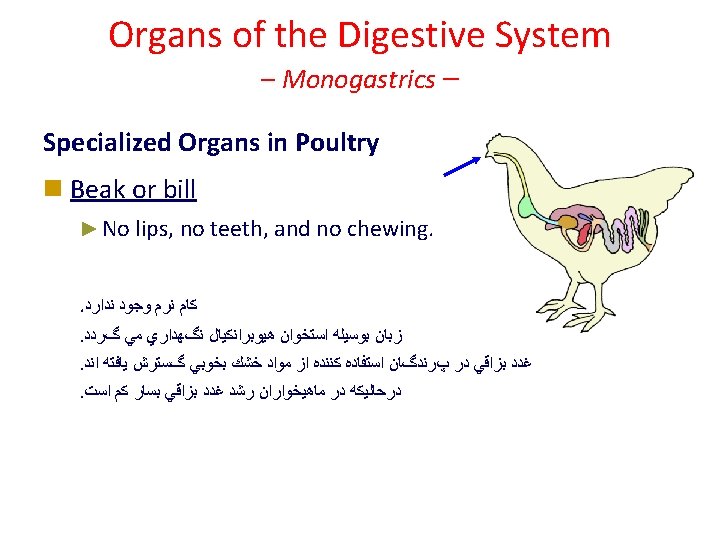
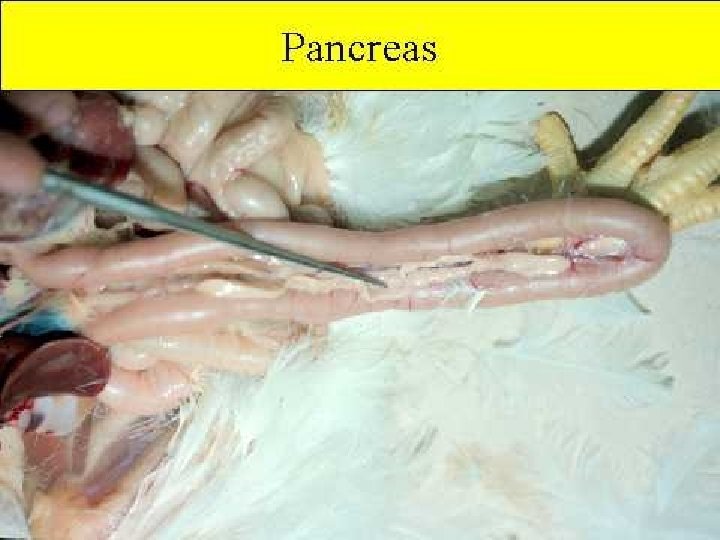
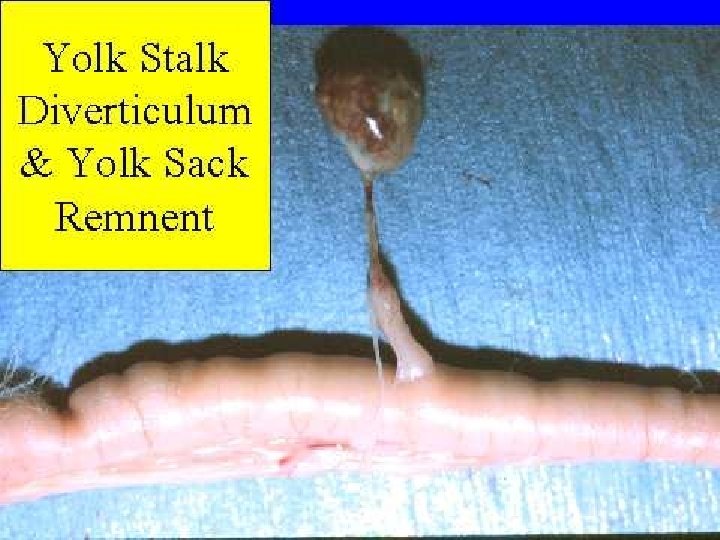
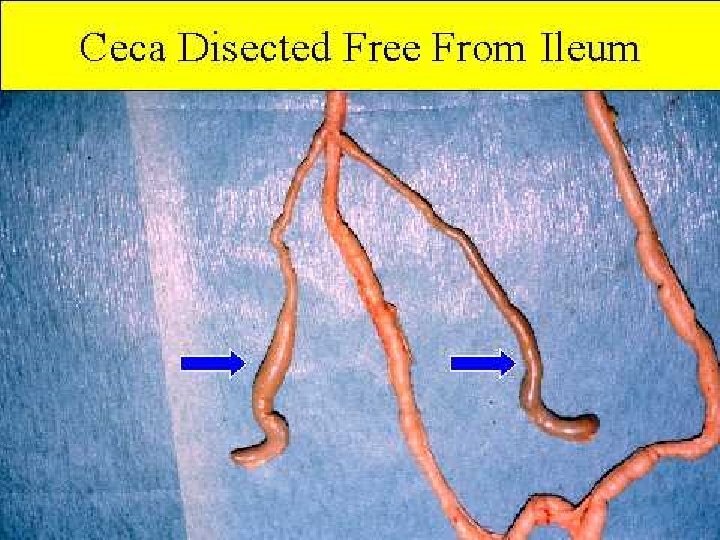
Digestive Tract - Poultry
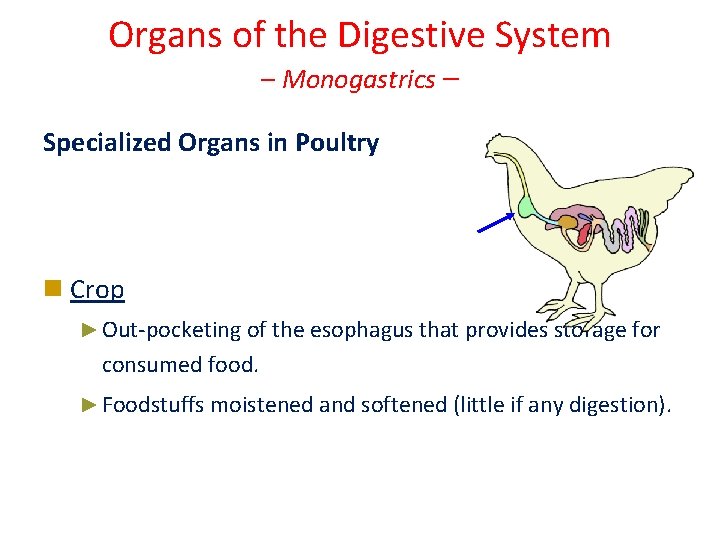
Organs of the Digestive System – Monogastrics – Specialized Organs in Poultry n Crop ► Out-pocketing of the esophagus that provides storage for consumed food. ► Foodstuffs moistened and softened (little if any digestion).
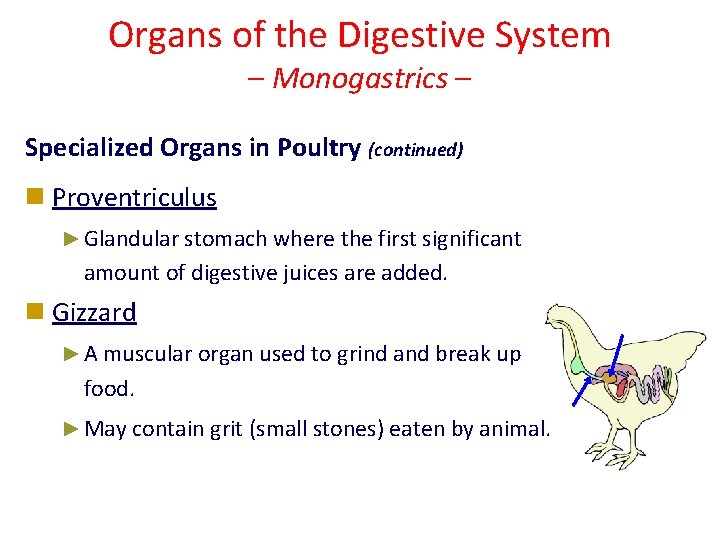
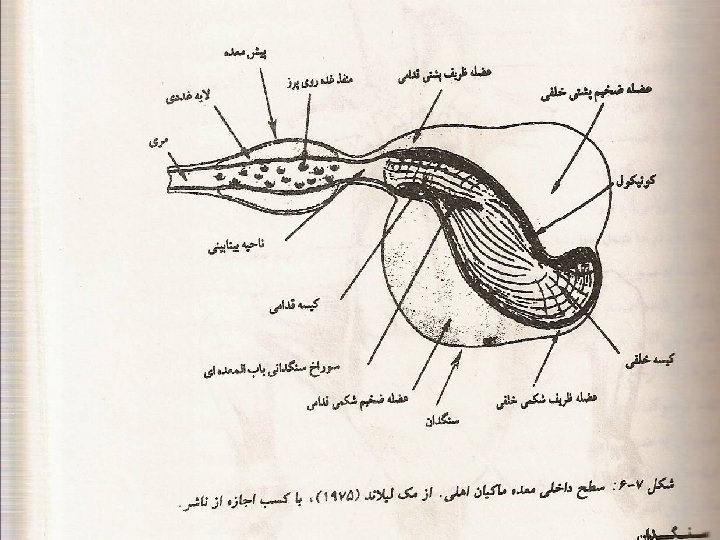
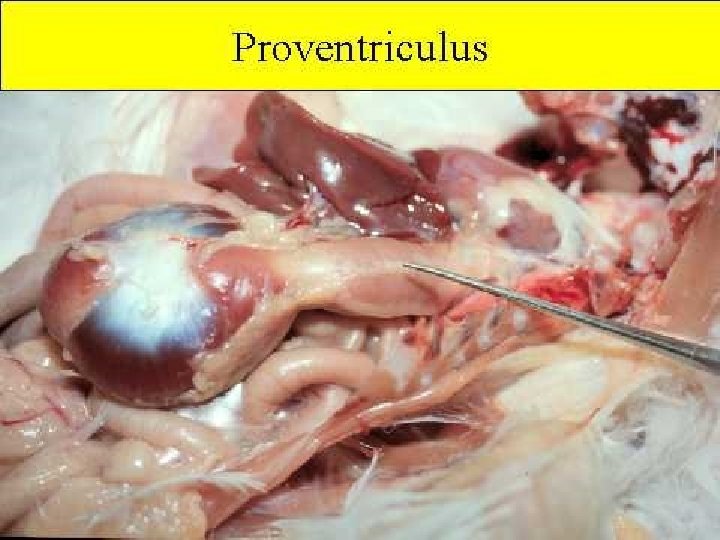
Organs of the Digestive System – Monogastrics – Specialized Organs in Poultry (continued) n Proventriculus ► Glandular stomach where the first significant amount of digestive juices are added. n Gizzard ► A muscular organ used to grind and break up food. ► May contain grit (small stones) eaten by animal.
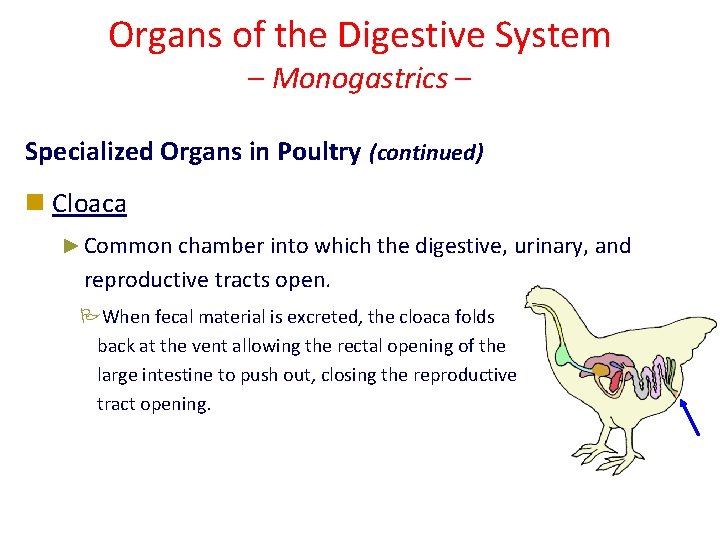
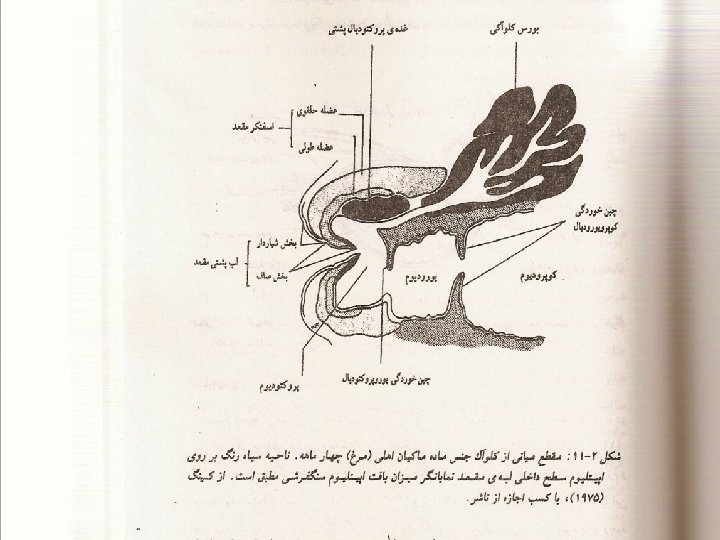
Organs of the Digestive System – Monogastrics – Specialized Organs in Poultry (continued) n Cloaca ► Common chamber into which the digestive, urinary, and reproductive tracts open. PWhen fecal material is excreted, the cloaca folds back at the vent allowing the rectal opening of the large intestine to push out, closing the reproductive tract opening.
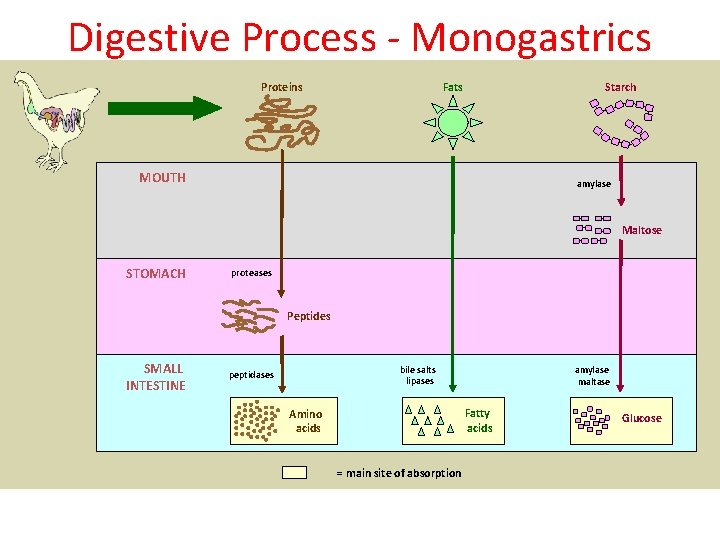
Digestive Process - Monogastrics Proteins Fats Starch MOUTH amylase Maltose STOMACH proteases Peptides SMALL INTESTINE amylase maltase bile salts lipases peptidases Fatty acids Amino acids = main site of absorption Glucose
finish