
Digestive System Anatomy and Physiology Dr Nichols Coronado

- Slides: 34
Digestive System Anatomy and Physiology Dr. Nichols Coronado HS
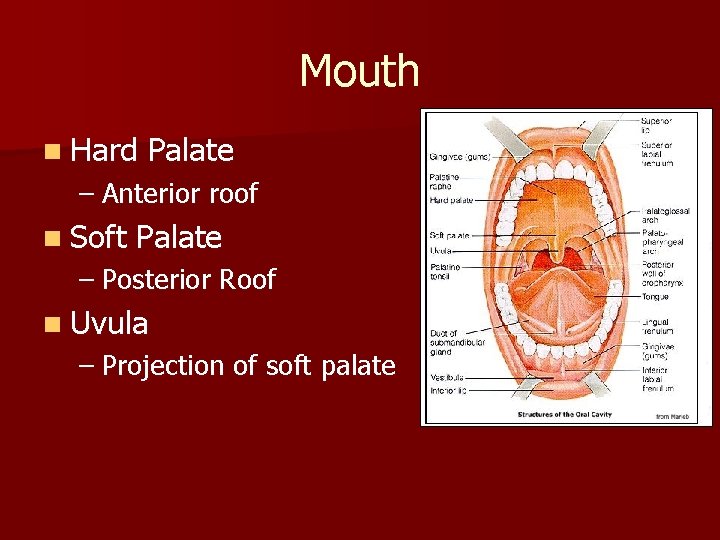
Mouth n Hard Palate – Anterior roof n Soft Palate – Posterior Roof n Uvula – Projection of soft palate
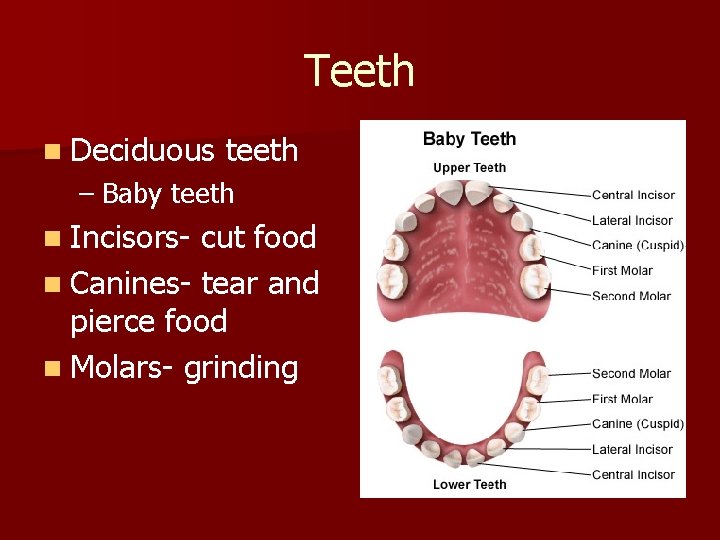
Teeth n Deciduous teeth – Baby teeth n Incisors- cut food n Canines- tear and pierce food n Molars- grinding
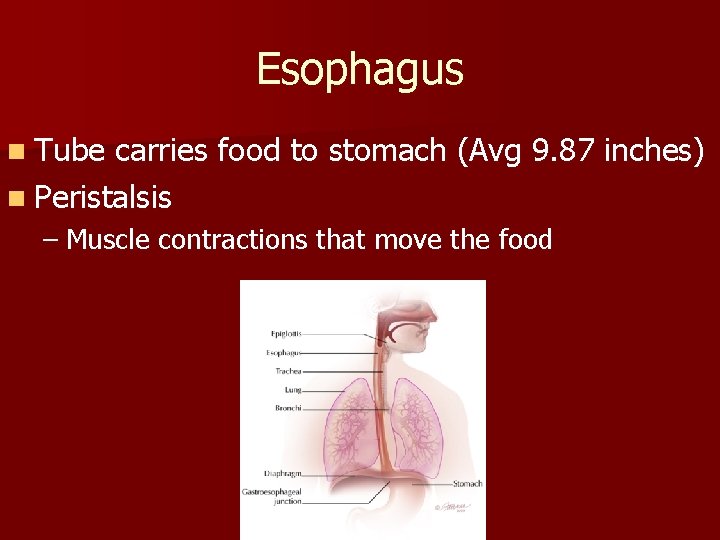
Esophagus n Tube carries food to stomach (Avg 9. 87 inches) n Peristalsis – Muscle contractions that move the food
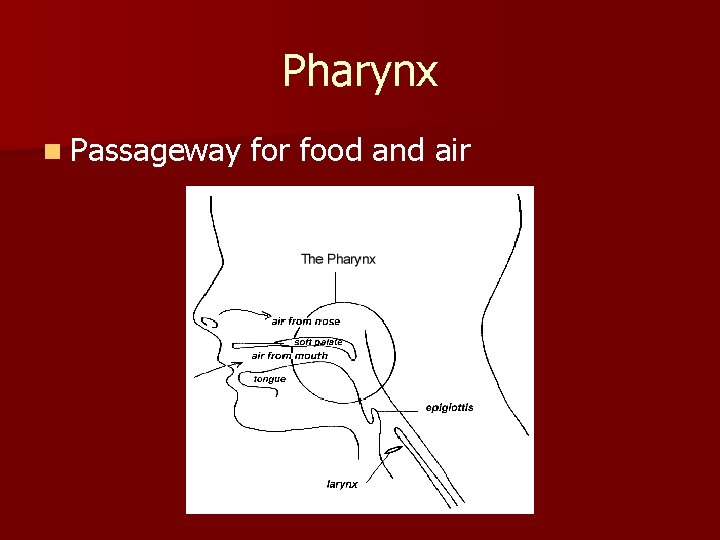
Pharynx n Passageway for food and air
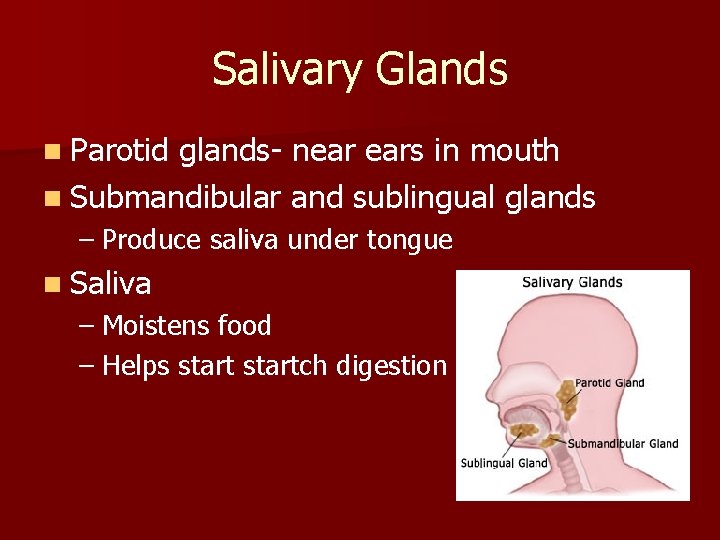
Salivary Glands n Parotid glands- near ears in mouth n Submandibular and sublingual glands – Produce saliva under tongue n Saliva – Moistens food – Helps startch digestion
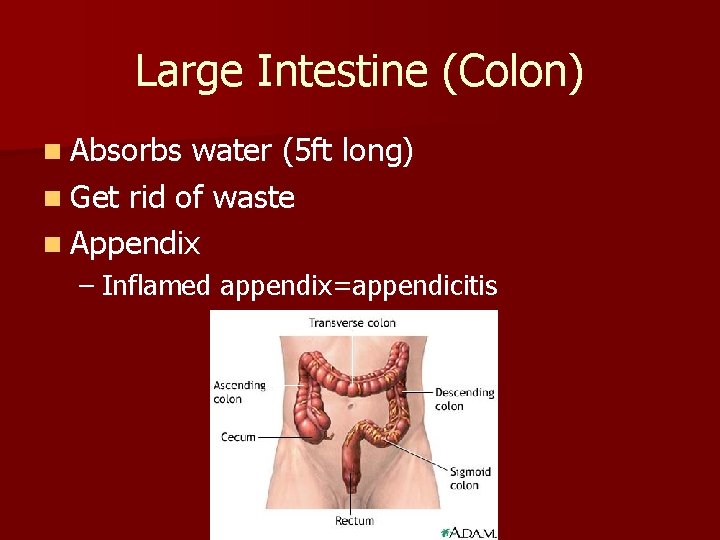
Large Intestine (Colon) n Absorbs water (5 ft long) n Get rid of waste n Appendix – Inflamed appendix=appendicitis
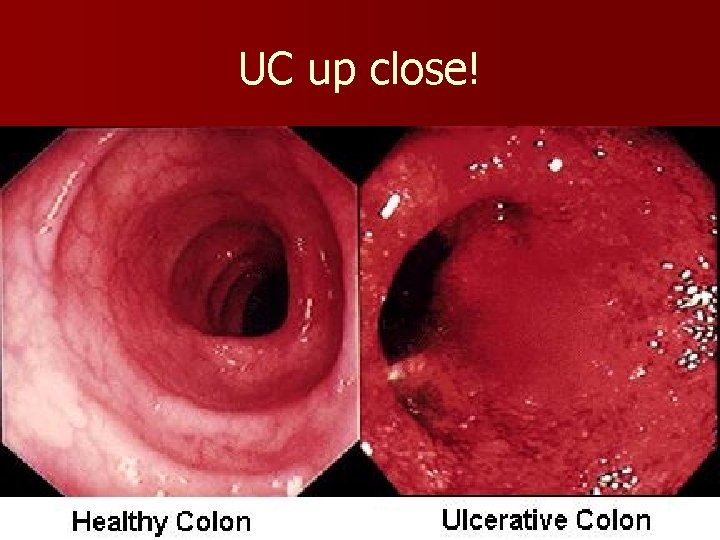
UC up close!
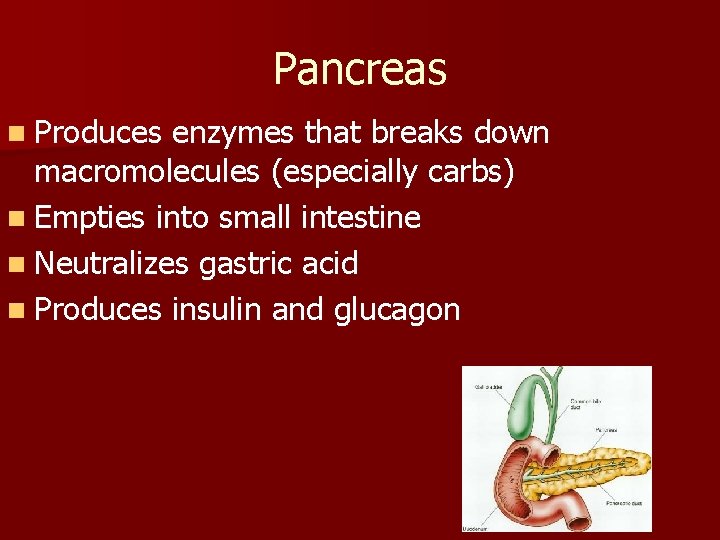
Pancreas n Produces enzymes that breaks down macromolecules (especially carbs) n Empties into small intestine n Neutralizes gastric acid n Produces insulin and glucagon
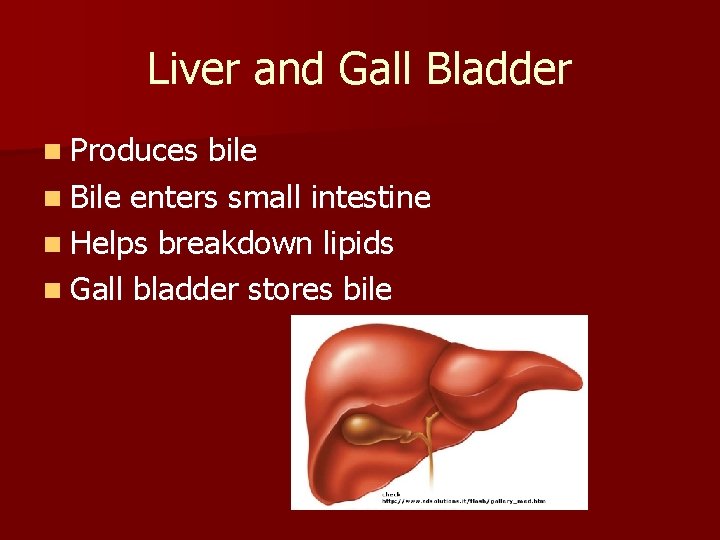
Liver and Gall Bladder n Produces bile n Bile enters small intestine n Helps breakdown lipids n Gall bladder stores bile
How the stomach produces Gastric Juice. n Gastric acid is produced by parietal cells in the stomach. Its secretion is a complex and relatively energetically expensive process. n Parietal cells contain an extensive secretory network from which the gastric acid is secreted into the lumen (Inside surface) of the stomach.
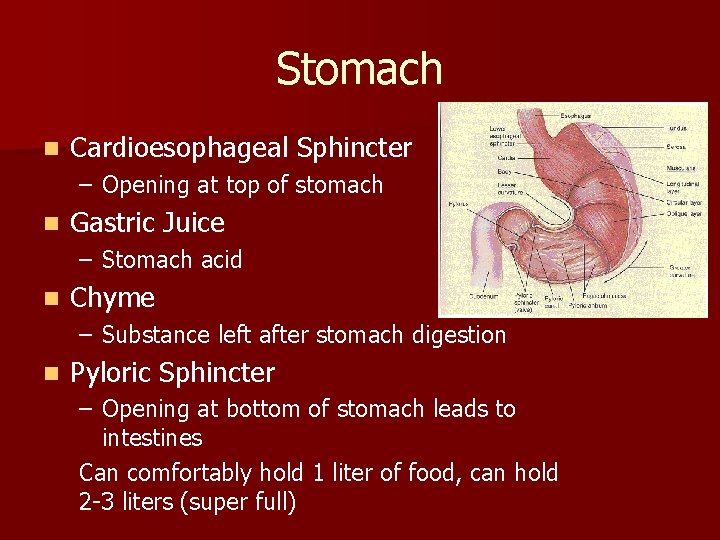
Stomach n Cardioesophageal Sphincter – Opening at top of stomach n Gastric Juice – Stomach acid n Chyme – Substance left after stomach digestion n Pyloric Sphincter – Opening at bottom of stomach leads to intestines Can comfortably hold 1 liter of food, can hold 2 -3 liters (super full)
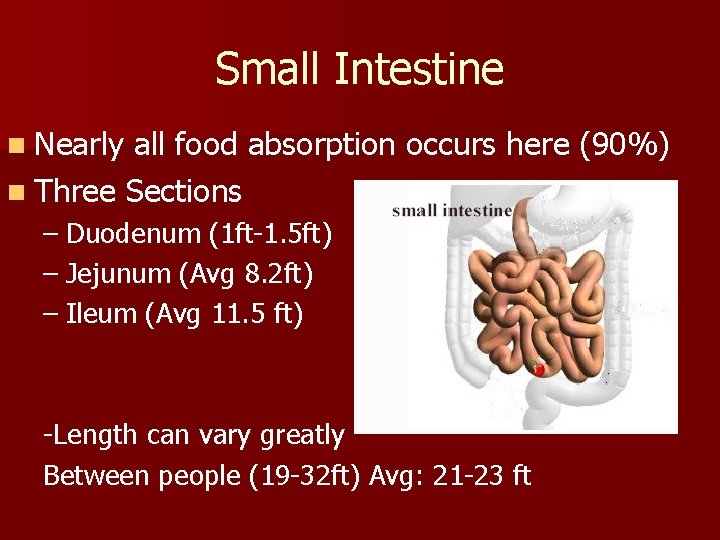
Small Intestine n Nearly all food absorption occurs here (90%) n Three Sections – Duodenum (1 ft-1. 5 ft) – Jejunum (Avg 8. 2 ft) – Ileum (Avg 11. 5 ft) -Length can vary greatly Between people (19 -32 ft) Avg: 21 -23 ft
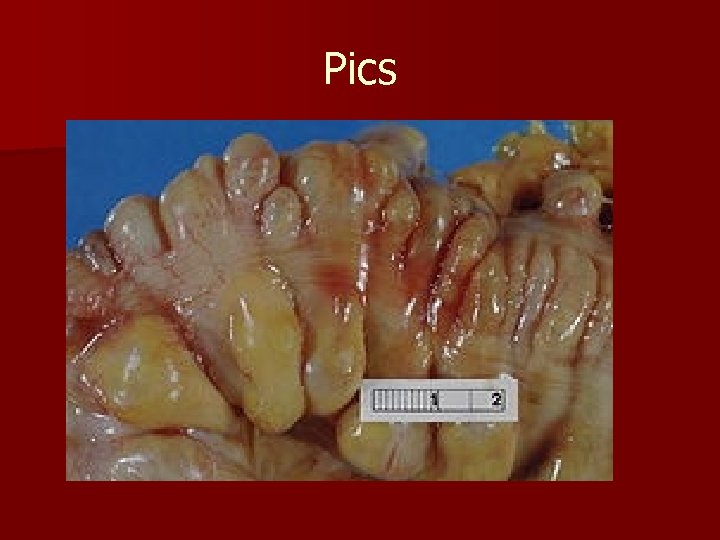
Pics
Disorder of the Day! n Hepatitis (Plural Hepatitides) n There are five main types of hepatitis that are caused by a virus, A, B, C, D, and E n -Inflammation of the Liver. n Two types of Hepatitis n Acute- Flu like symptoms, muscle and joint ache, fever, nausea or vomitting, headache ect. Key Sign: Dark Urine, jaundice.
Second Type n Chronic n Extensive Damage and scarring of the liver (cirrhosis), this leads to excessive weight loss, easy bruising and bleeding tendencies.
Treatments n Hepatitis A - this is caused by eating infected food or water. The food or water is infected with a virus called HAV (Hepatitis A Virus). Nearly everyone who develops Hepatitis A makes a full recovery - it does not lead to chronic disease. n Hepatitis B - This is an STD. It is caused by the virus HBV (Hepatitis B Virus) and is spread by contact with infected blood, semen, and some other body fluids.
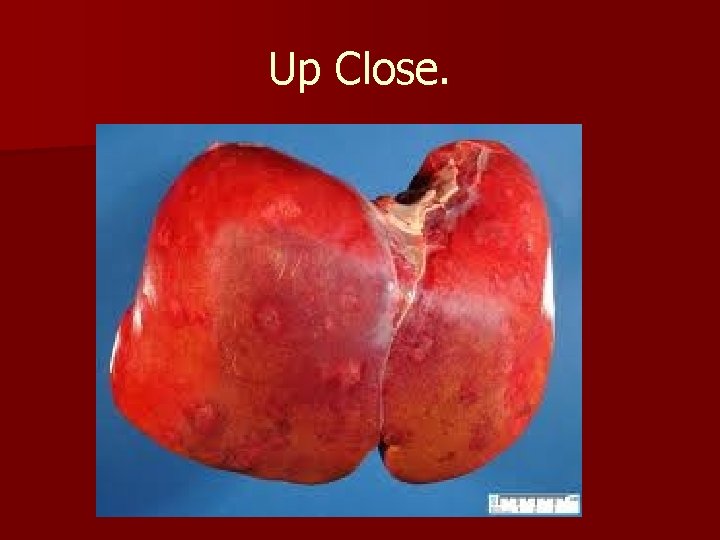
Up Close.
Disorder of the Day! n Crohn’s Diseaseis a type of inflammatory bowel disease that may affect any part of the gastrointestinal tract from mouth to anus, causing a wide variety of symptoms. n Cause: Unknown but there are theories, dietary and stress or genetics.
Symptoms n It primarily causes abdominal pain, diarrhea (which may be bloody if inflammation is at its worst), vomiting (can be continuous), or weight loss, but may also cause complications outside the gastrointestinal tract such as skin rashes, arthritis, inflammation of the eye, tiredness, and lack of concentration.
Treatment n Mild Symptoms: Ciprofloxacin, metronidazole. n Severe Cases: Treated with steroids through IV, the disease and symptoms must be controls
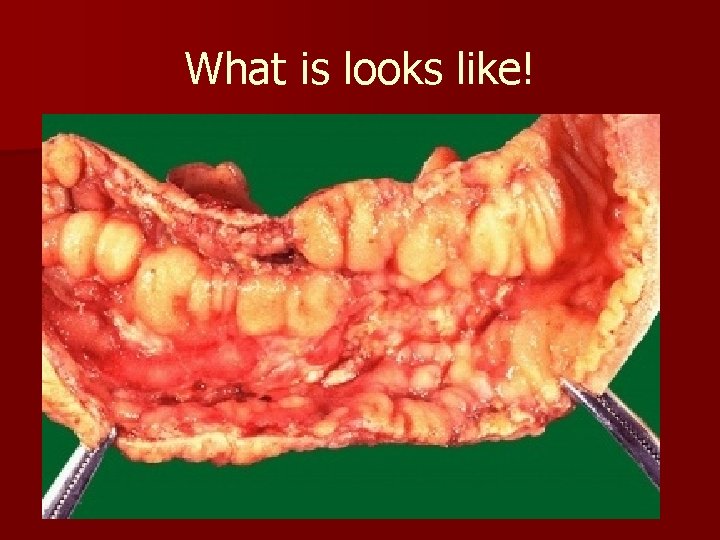
What is looks like!
Disorder of the Day n Diverticulitis n -When a pouch forms in the wall of the colon, the pouch typically becomes inflamed or infected. n This becomes very painful.
Symptoms n Belly pain, usually in the lower left side, that is sometimes worse when you move. This is the most common symptom. n Fever and chills. n Bloating and gas. n Diarrhea or constipation. n Nausea and sometimes vomiting. n Not feeling like eating.
Treatment n For mild cramps and belly pain: n Use a heating pad, set on low, on your belly. n Relax. For example, try meditation or slow, deep breathing in a quiet room. n Take medicine, such as acetaminophen (Tylenol, for example).
Dietary Changes n You may be able to prevent diverticulitis if you drink plenty of water, get regular exercise, and eat a high-fiber diet. A highfiber diet includes whole grains, fresh fruits, and vegetables.
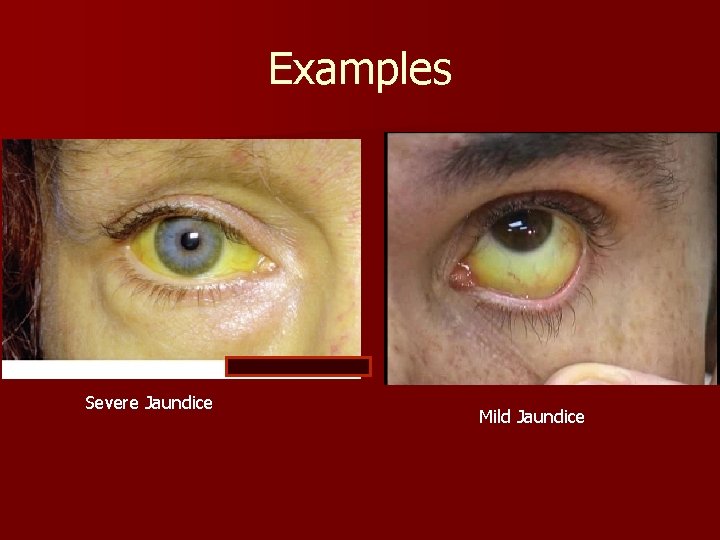
Disease of the Day n Jaundice n -Literally means ‘yellow’ in French. n -Yellowing of the skin and whites of the eyes from the backup of bile into body tissues. n -May result from a blockage of ducts of the liver which empty bile into intestines.
Examples Severe Jaundice Mild Jaundice
Treatments n Mild to moderate Jaundice usually go away with out treatment in 5 -7 days. n Other cases require a treatment called ‘Phototherapy, ’ this treatment breaks down ‘bilirubin’ in the skin to non-toxic levels. n Pro Tip: Blood transfusions accelerate the rate of jaundice recovery. Why?
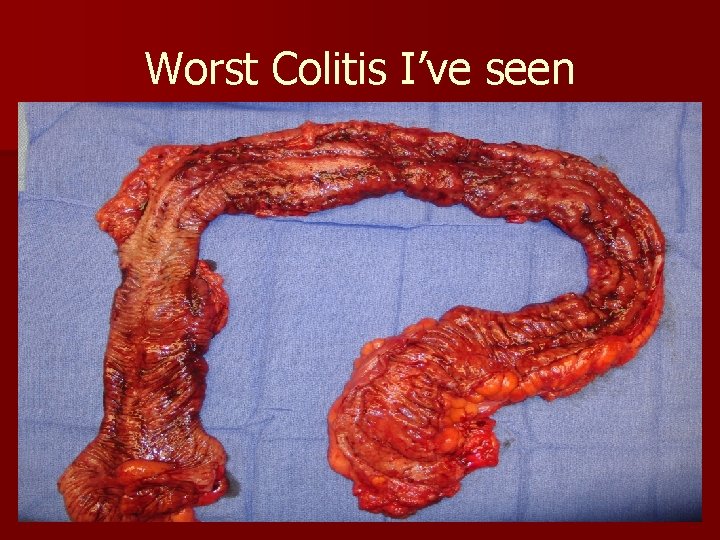
Disorder of the Day! n Ulcerative colitis (Colitis ulcerosa, UC) n. A form of ‘Inflammatory Bowel Disease (IBD), UC is a form of colitis, a disease of a colon. No known cure. n Characterized n Ulcer- by peptic ulcers, or open sores. A break in a body membrane.
Causes n Like Crohn’s Disease, scientists have no definitive cause identified. n 1. ) Immune System: Virus or bacterium may trigger UC, the digestive tract becomes inflamed as the immune system attacks the microorganism. n 2. ) Heredity: A random mutation or inherited genes may cause the disorder.
Symptoms n 1. ) Diarrhea mixed with blood, often a gradual onset. n 2. ) Rectal pain n 3. ) Swelling of the abdomen n 4. ) Painful bowel movements.
Treatments n The goal of medical treatment is to reduce the inflammation that triggers your signs and symptoms. n Anti-Inflammatory Corticosteroids. n Surgery Drugs: Sulfasalazine, to repair/remove the ulcer.
Worst Colitis I’ve seen