
DIGESTIVE DISEASES DISORDERS Celiac Disease Celiac Disease Celiac
- Slides: 19
DIGESTIVE DISEASES & DISORDERS
Celiac Disease
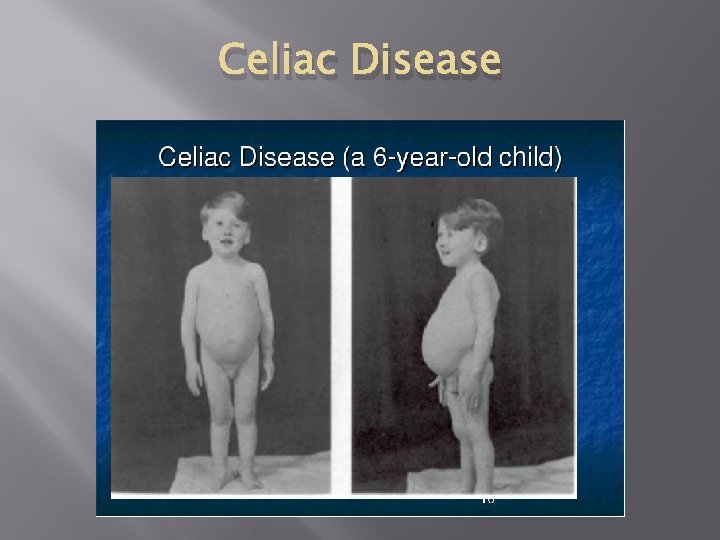
Celiac Disease � � Celiac disease: an ___________ to eating gluten, a protein found in ______, _______ and _____. If you have celiac disease, eating _______ triggers an immune response in your small intestine, producing ______ that damages the small intestine's lining and prevents ______________. The intestinal damage can cause weight loss, _____ and sometimes ______. Eventually, your ______, nervous system, _______, liver and other organs can be deprived of vital nourishment.
Lactose Intolerance
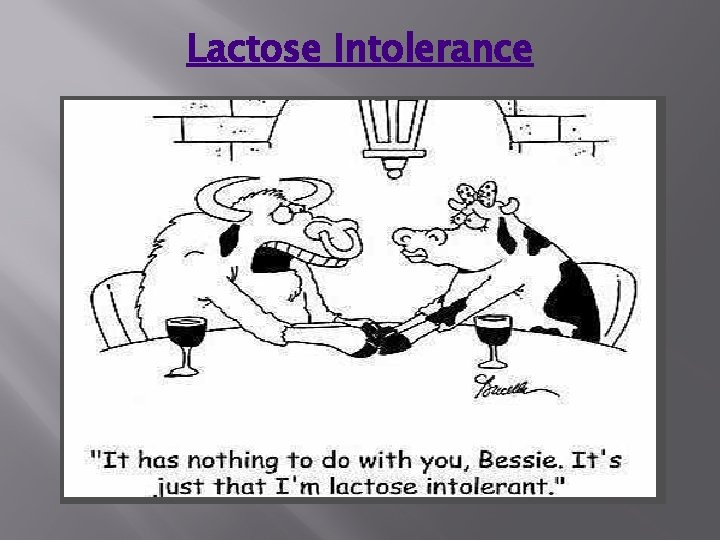
Lactose Intolerance � � Lactose intolerance, is the _____ to digest _____, a sugar found in milk and milk-derived dairy products. Lactose intolerant individuals have insufficient levels of an ____ in their digestive system. In most cases this causes symptoms which may include abdominal bloating and ____, flatulence, diarrhea, _____, or vomiting after consuming significant amounts of lactose.
GERD
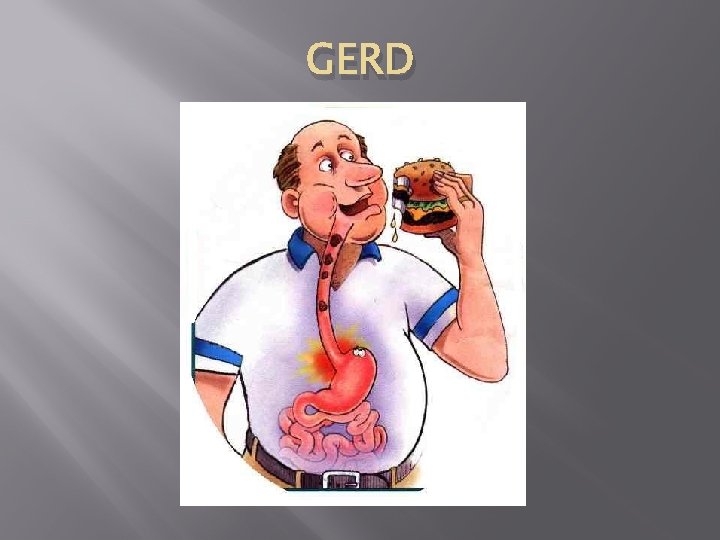
Gastroesophageal Reflux Disease � � � GERD is a chronic digestive disease that occurs when ________ or, occasionally, bile flows back into your food pipe (______). Signs of GERD include acid reflux and ______. When these signs and symptoms occur at least twice each week or interfere with your daily life, doctors call this GERD. People with GERD may need stronger medications, or even ______, to reduce symptoms.
Irritable Bowel Syndrome
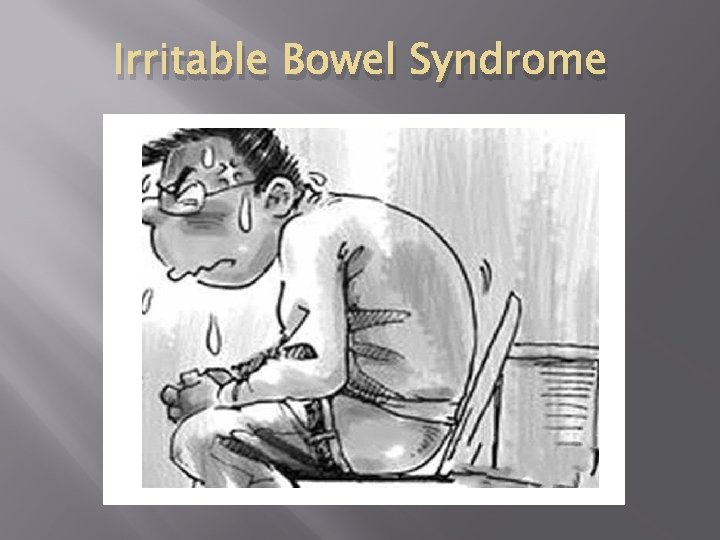
IBS � � Irritable bowel syndrome (IBS) is a common disorder that affects your ________ (colon). Irritable bowel syndrome commonly causes ______, abdominal pain, bloating gas, diarrhea and ________. Most people with IBS find that symptoms improve as they learn to _____ their condition. Despite these uncomfortable signs and symptoms, IBS doesn't cause ________ damage to your colon.
Peptic Ulcer
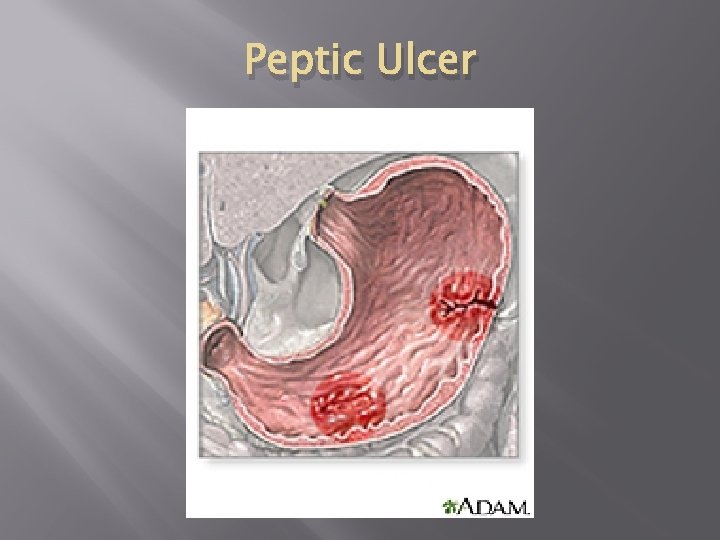
Peptic Ulcer � � � Peptic ulcers are _______ that develop on the inside lining of your esophagus, stomach and the upper portion of your small intestine. The most common symptom of a peptic ulcer is _______ pain. It's a myth that spicy foods or a stressful job can cause peptic ulcers. Doctors now know that a _________or some medications — not stress or diet — cause most peptic ulcers.
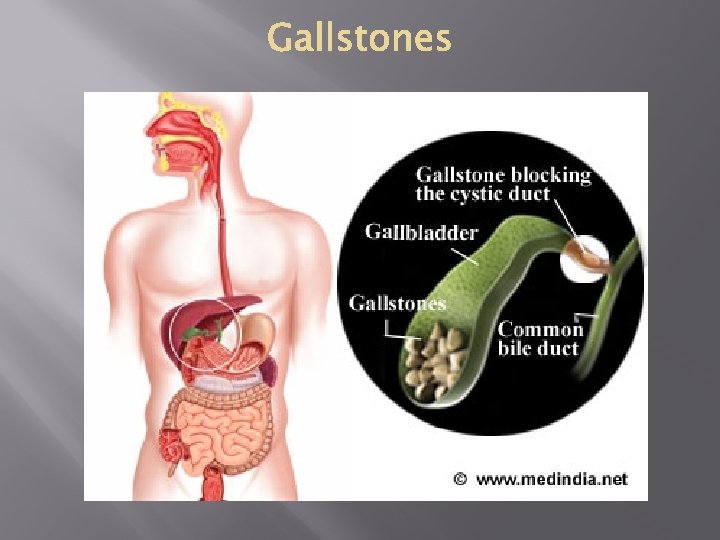
Gallstones � � Gallstones are hardened deposits of ______________ that can form in your gallbladder. Gallstones range in size from as small as a ________ to as large as a ______. Some people develop just one gallstone, while others develop _____ gallstones at the same time. People who experience symptoms from their gallstones usually require gallbladder removal ________.
Ulcerative Colitis
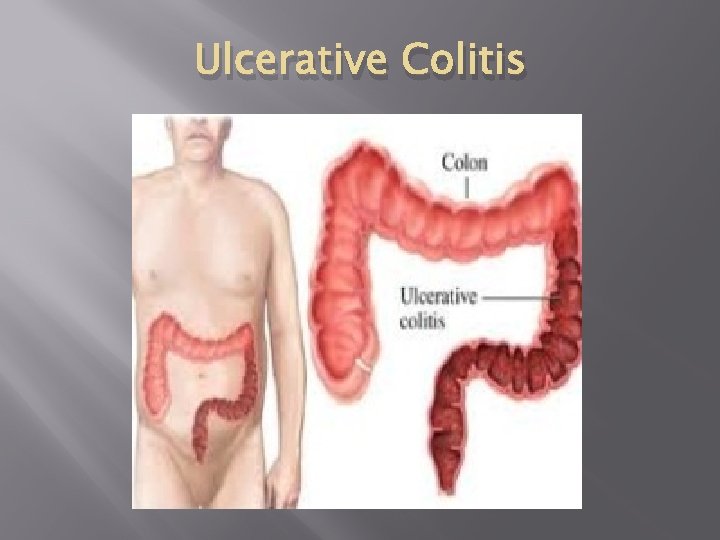
Ulcerative Colitis � � Ulcerative colitis (UC) is a disease that causes inflammation and ______, called ulcers, in the lining of the rectum and colon. UC can happen at any age, but it usually starts between the ages of _____ and _____. It tends to run in families. The most common symptoms are pain in the abdomen and _______ or _______ in diarrhea. In severe cases, doctors must remove the ____.
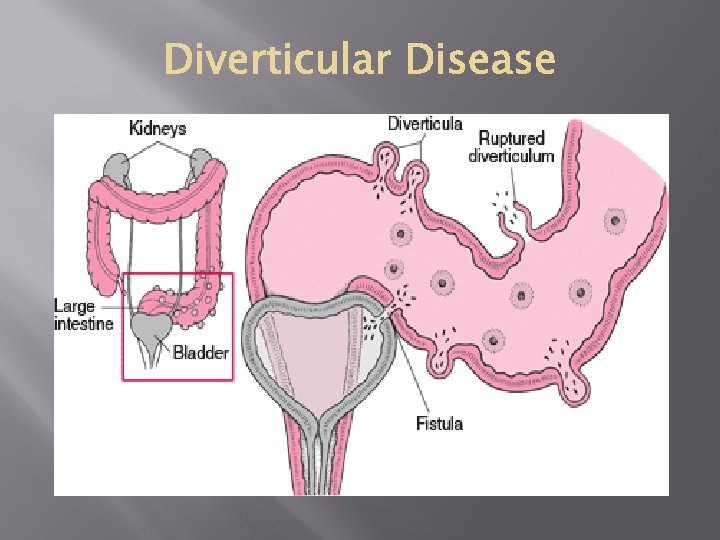
� � � Diverticulosis is the formation of numerous tiny _____, or diverticula, in the lining of the bowel. The pockets can range from _____ to much larger, are formed by increased pressure on weakened spots of the intestinal ______. Diverticula can form while straining during a bowel movement, such as with _________. Diverticulitis occurs when there is inflammation and _________ in one or more diverticula. This usually happens when the pockets become blocked with _____, allowing bacteria to build up, causing infection. Symptoms include alternating diarrhea with constipation, painful ______ or tenderness in the lower abdomen, chills or ________.
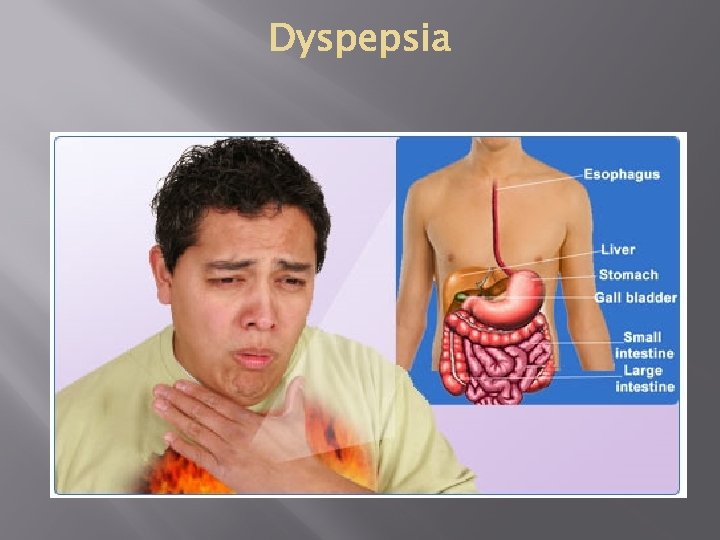
Dyspepsia � � Dyspepsia (indigestion) is a common condition and usually describes a ______ of symptoms. Symptoms can include _______ pain or discomfort, bloating, feeling uncomfortably full after eating, nausea, loss of appetite, _______ or burping up food or liquid (________). Chocolate, mint, and _____ can make dyspepsia worse, as can ______ foods, foods that have a lot of acid (like tomatoes and oranges), and ______. Treatment depends on what is causing the problem. If no specific cause is found, treatment focuses on relieving symptoms with ______ such as ______ or prescription drugs.