
Digestion Excretion Chapter 3 Lesson 3 4 Chapter
- Slides: 9
Digestion & Excretion Chapter 3 Lesson 3 & 4 Chapter 5 Lesson 3
The Digestive Process • Organs of digestive system have 3 functions: ▫ Digestion �Process through which body breaks down food into small nutrient molecules ▫ Absorption �Process through which nutrient molecules pass through the wall of digestive system into the blood ▫ Elimination �Large intestine eliminates materials that are not absorbed
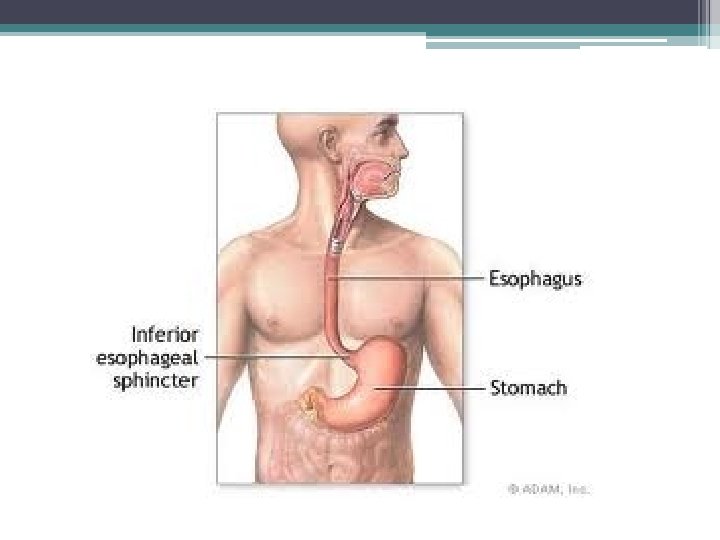
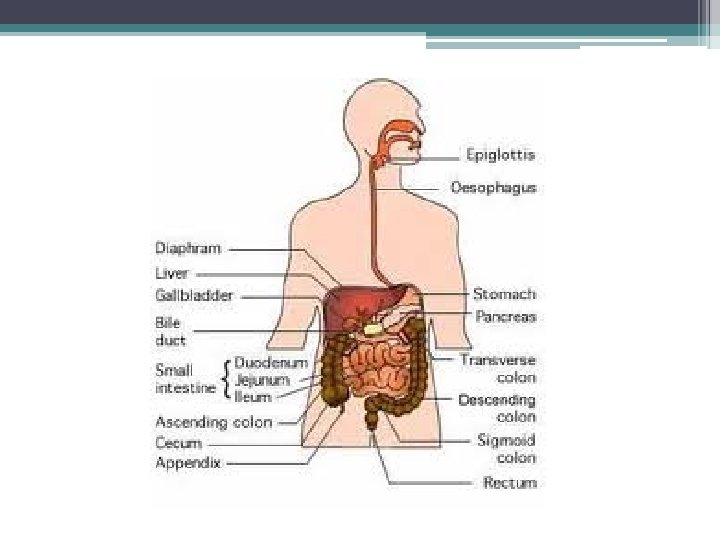
Role of Organs in Digestive System • Organs perform both mechanical and chemical digestion ▫ Mouth �Teeth and tongue involved in mechanical digestion. �Saliva begins chemical digestion ▫ Esophagus �Muscular tube connecting mouth to stomach ▫ Stomach �Completes mechanical digestion. Chemical digestion continues as food mixes with digestive juices containing pepsin.
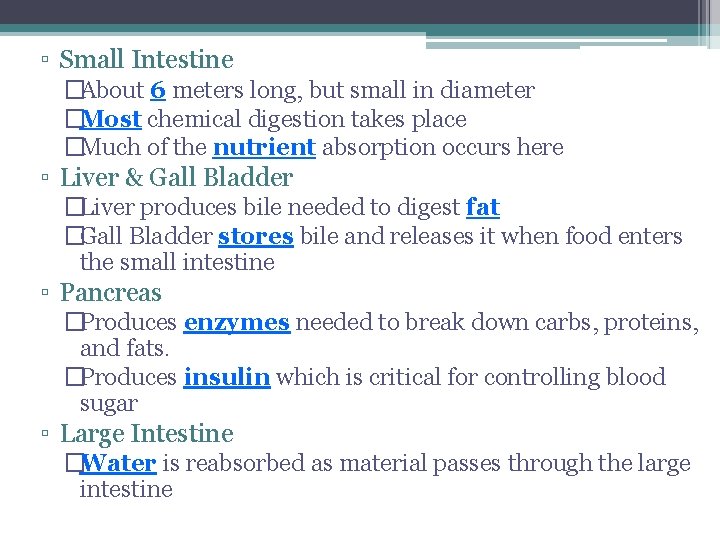
▫ Small Intestine �About 6 meters long, but small in diameter �Most chemical digestion takes place �Much of the nutrient absorption occurs here ▫ Liver & Gall Bladder �Liver produces bile needed to digest fat �Gall Bladder stores bile and releases it when food enters the small intestine ▫ Pancreas �Produces enzymes needed to break down carbs, proteins, and fats. �Produces insulin which is critical for controlling blood sugar ▫ Large Intestine �Water is reabsorbed as material passes through the large intestine
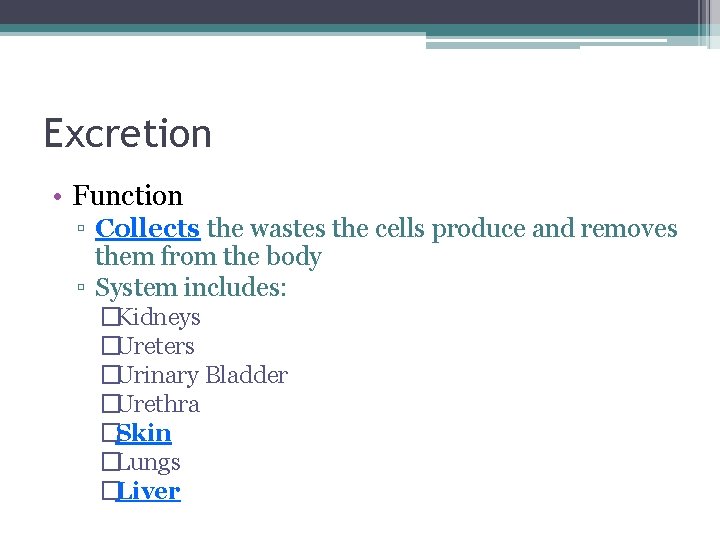
Excretion • Function ▫ Collects the wastes the cells produce and removes them from the body ▫ System includes: �Kidneys �Ureters �Urinary Bladder �Urethra �Skin �Lungs �Liver
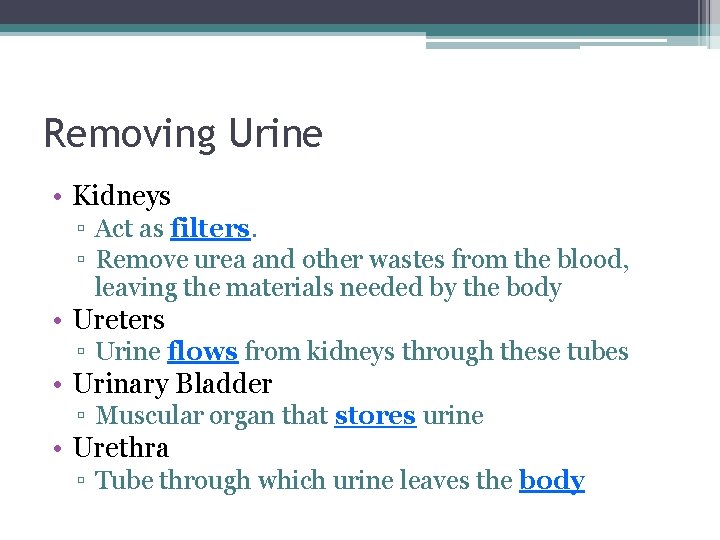
Removing Urine • Kidneys ▫ Act as filters. ▫ Remove urea and other wastes from the blood, leaving the materials needed by the body • Ureters ▫ Urine flows from kidneys through these tubes • Urinary Bladder ▫ Muscular organ that stores urine • Urethra ▫ Tube through which urine leaves the body
Removing other wastes • Lungs ▫ Carbon dioxide & some water removed from body via the lungs • Skin ▫ Sweat glands produce perspiration that contains water and urea • Liver ▫ Makes urea from the breakdown of proteins