
Digestion Core Stephen Taylor iBiology net Liver Secretion
Digestion (Core) Stephen Taylor i-Biology. net
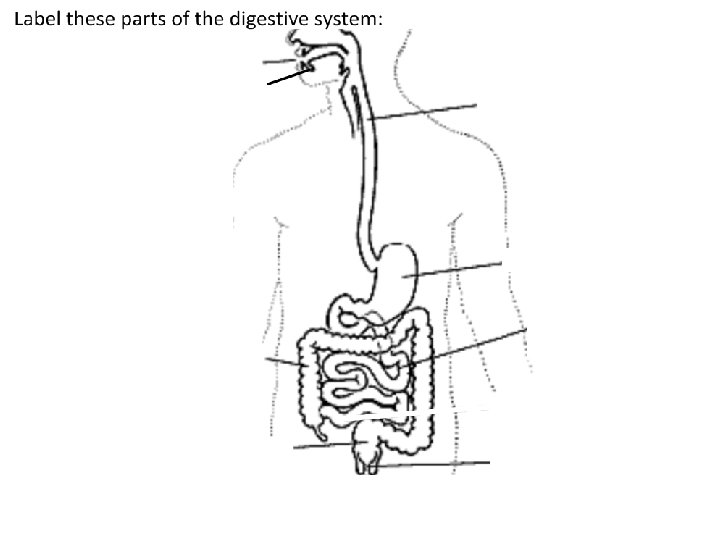
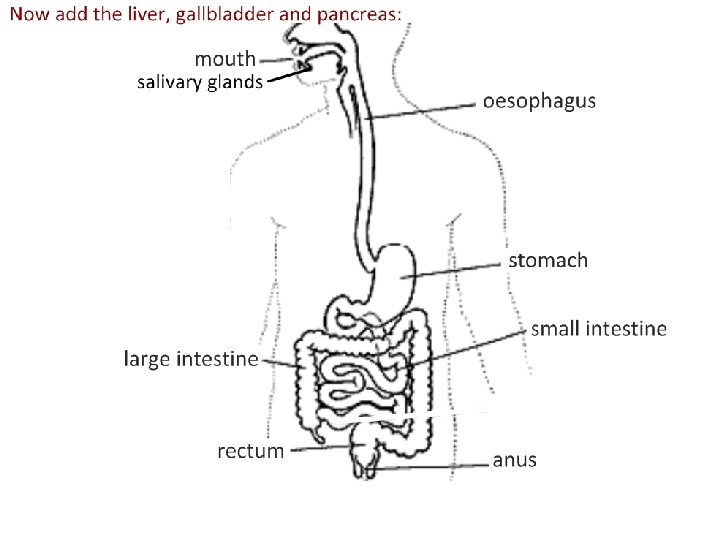
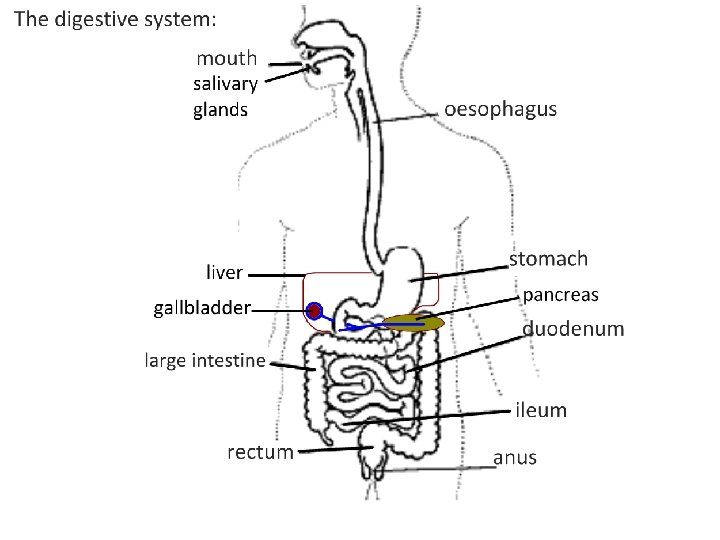
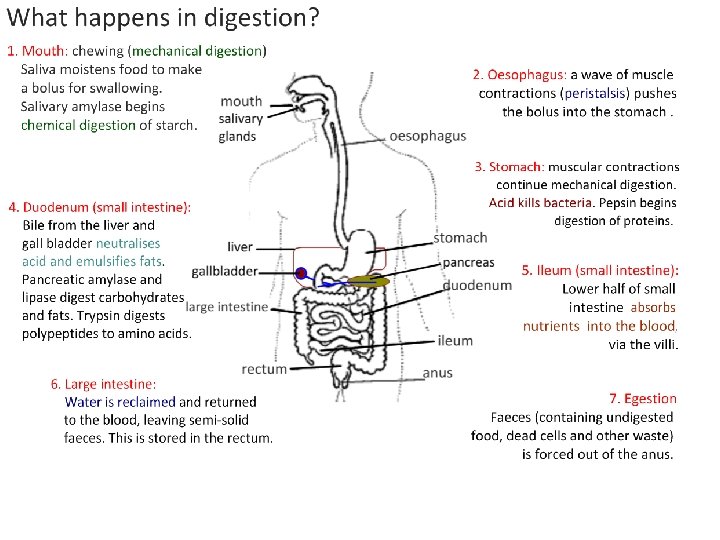
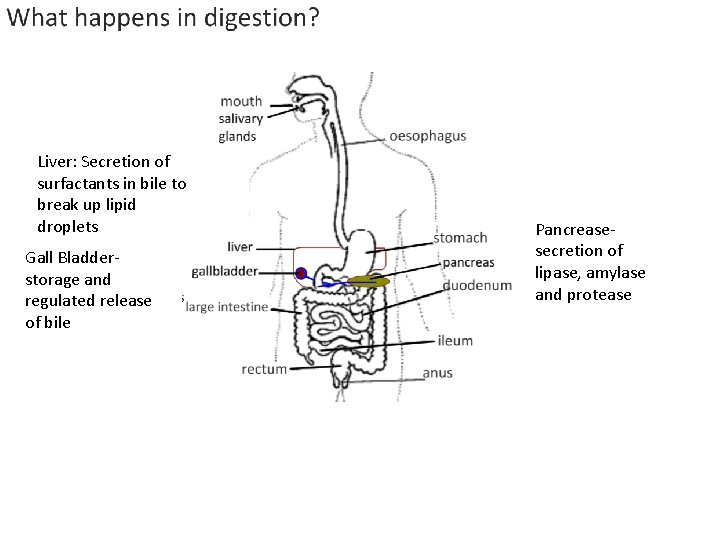
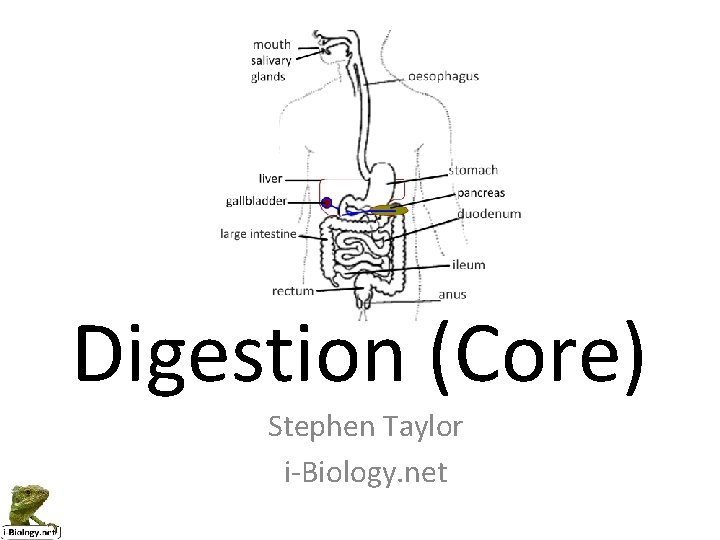
Liver: Secretion of surfactants in bile to break up lipid droplets Gall Bladderstorage and regulated release Gall of bile Pancreasesecretion of lipase, amylase and protease
Peristalsis • 2 functions in the GI tract. 1. Propulsive movement of food forward at an appropriate rate for digestion and absorption. 2. Mixing movements – caused by peristalsis and local intermittent contractions.
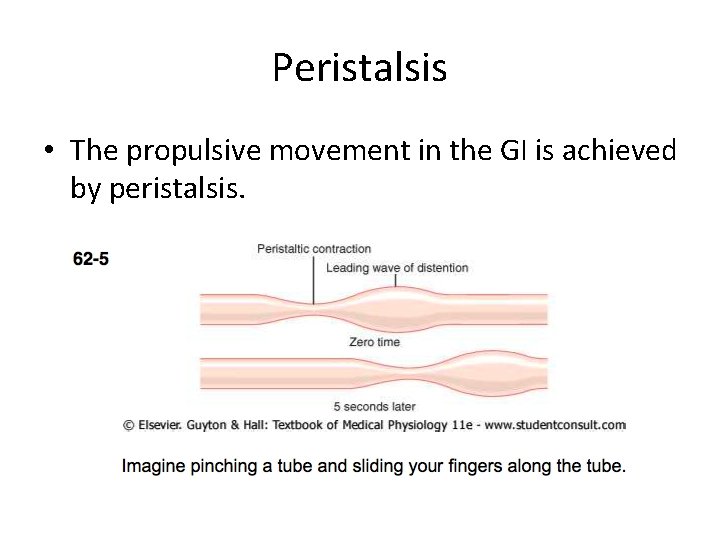
Peristalsis • The propulsive movement in the GI is achieved by peristalsis.
Peristalsis • Constriction of circular muscles behind the food constricts muscles behind the food preventing it from being pushed back towards the mouth
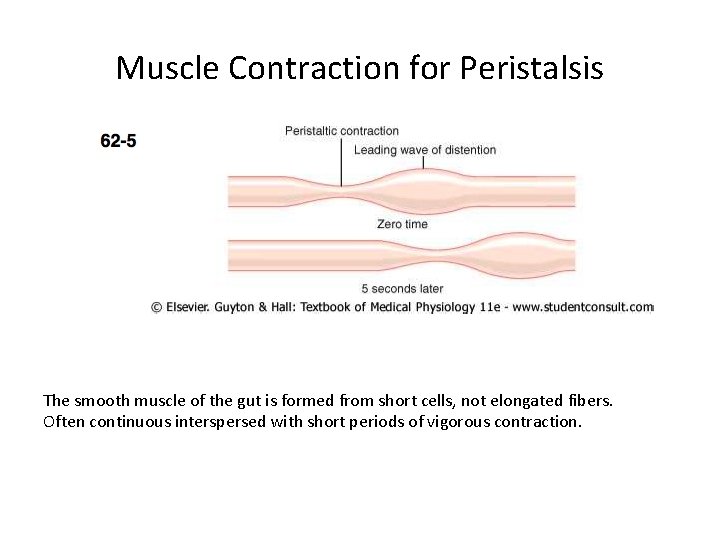
Muscle Contraction for Peristalsis The smooth muscle of the gut is formed from short cells, not elongated fibers. Often continuous interspersed with short periods of vigorous contraction.
Peristalsis • Occurs in one direction • Vomiting uses abdominal muscles
Enzymes review: • What type of biological molecule is an enzyme? • How do enzymes work? • How are enzymes produced through protein synthesis? • What are the effects of temperature, p. H and substrate concentration on the rate of enzyme activity? • How are immobilized enzymes used in the production of lactosefree milk?
http: //www. northland. cc. mn. us/biology 1111/animations/enzyme. html
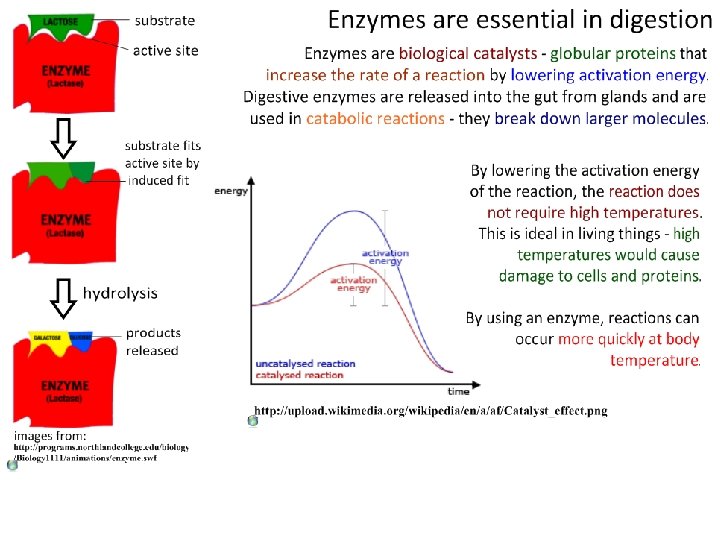
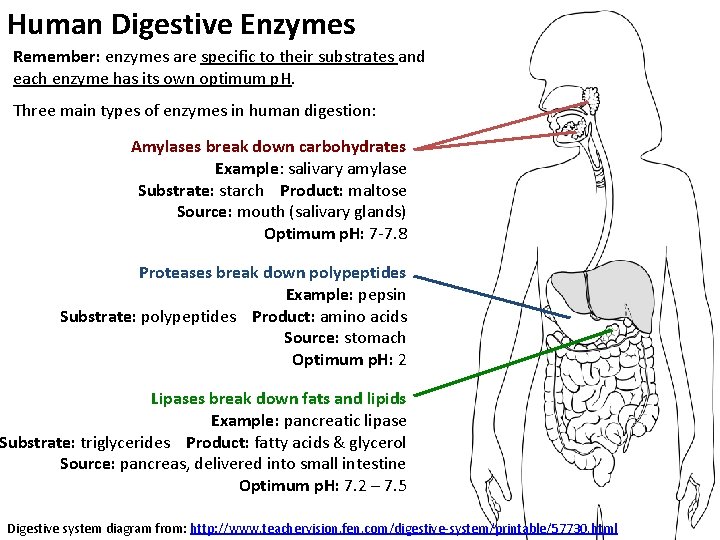
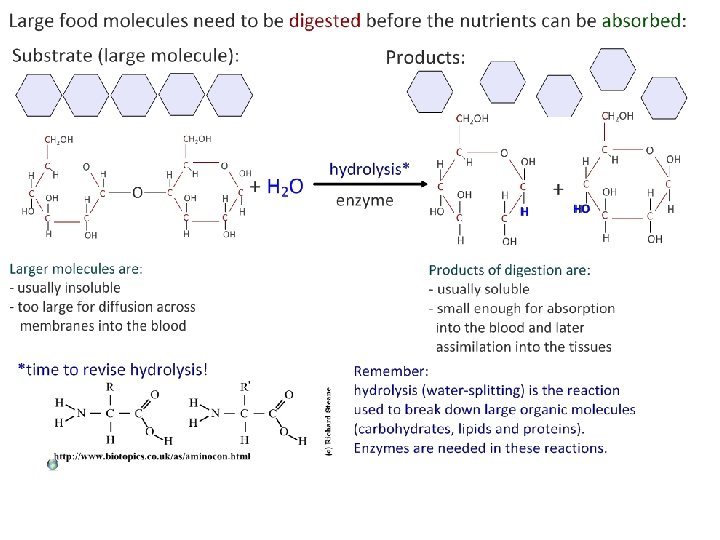
Human Digestive Enzymes Remember: enzymes are specific to their substrates and each enzyme has its own optimum p. H. Three main types of enzymes in human digestion: Amylases break down carbohydrates Example: salivary amylase Substrate: starch Product: maltose Source: mouth (salivary glands) Optimum p. H: 7 -7. 8 Proteases break down polypeptides Example: pepsin Substrate: polypeptides Product: amino acids Source: stomach Optimum p. H: 2 Lipases break down fats and lipids Example: pancreatic lipase Substrate: triglycerides Product: fatty acids & glycerol Source: pancreas, delivered into small intestine Optimum p. H: 7. 2 – 7. 5 Digestive system diagram from: http: //www. teachervision. fen. com/digestive-system/printable/57730. html
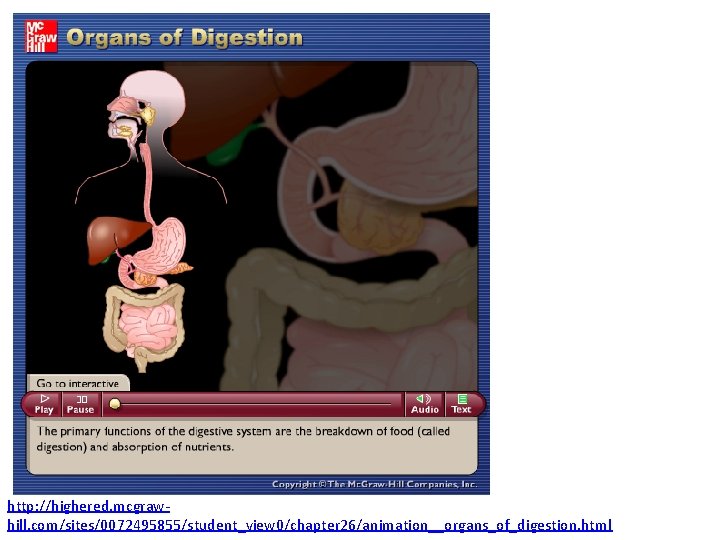
http: //highered. mcgrawhill. com/sites/0072495855/student_view 0/chapter 26/animation__organs_of_digestion. html
Pancreatic • 2 types gland tissue – Islets of Langerhans secrete hormones insulin and glucagon into blood – Reminder synthesizes and secretes digestive enzymes into gut in response to eating – Glands secrete enzymes into ducts then into intestions
Pancreatic Juice Contains enzymes digesting 3 macromolecules – Amylase: starch – Lipases: trigycerides, phospholipids – Proteases: proteins, peptides
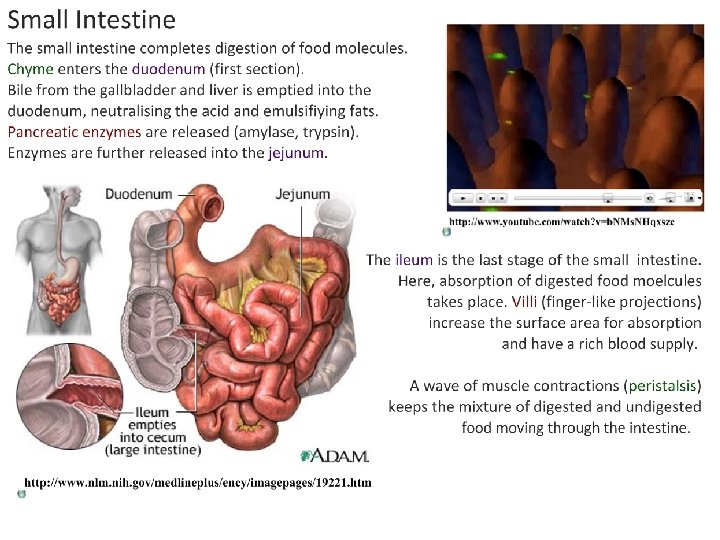
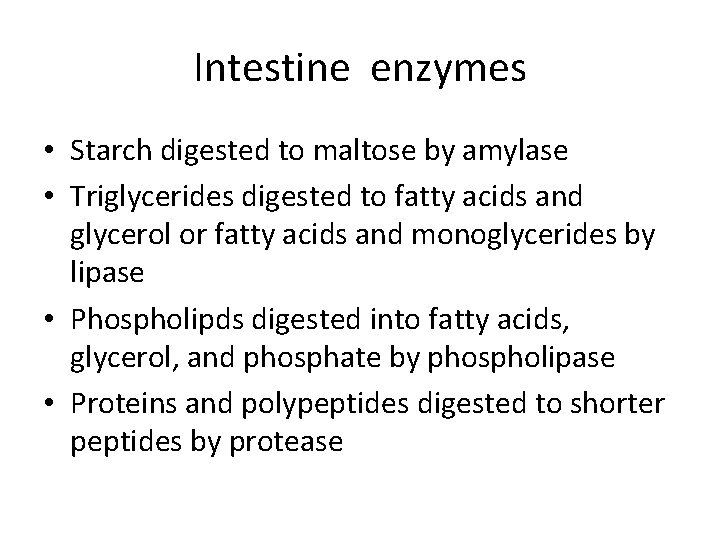
Intestine enzymes • Starch digested to maltose by amylase • Triglycerides digested to fatty acids and glycerol or fatty acids and monoglycerides by lipase • Phospholipds digested into fatty acids, glycerol, and phosphate by phospholipase • Proteins and polypeptides digested to shorter peptides by protease
Intestine enzymes • Small intestine produces • Nucleases digest DNA and RNA into nucleotides • Maltase digests maltose into glucose • Lactase digests lactose into glucose and galactose • Sucrase digests sucrose into glucose and fructose • Exopeptidases digest peptids into dipeptides • Dipeptidesases digest dipeptides
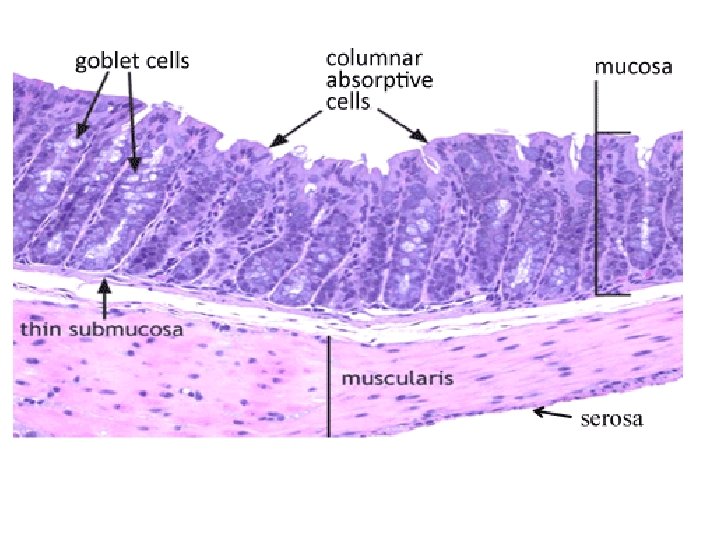
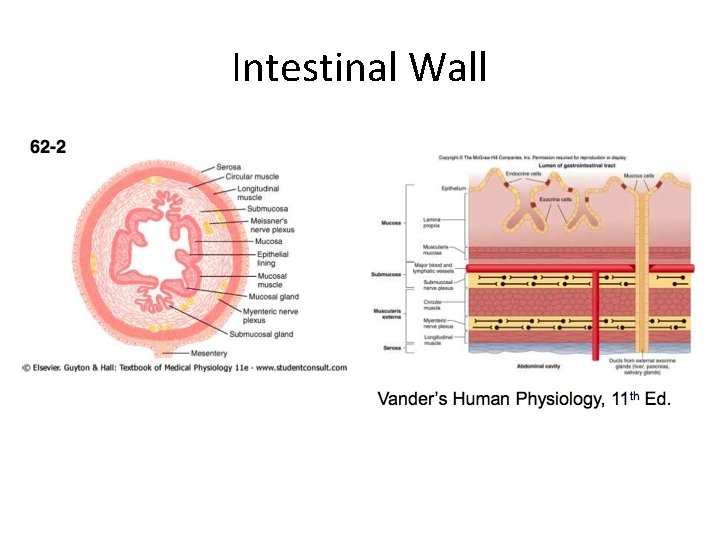
Intestinal Wall
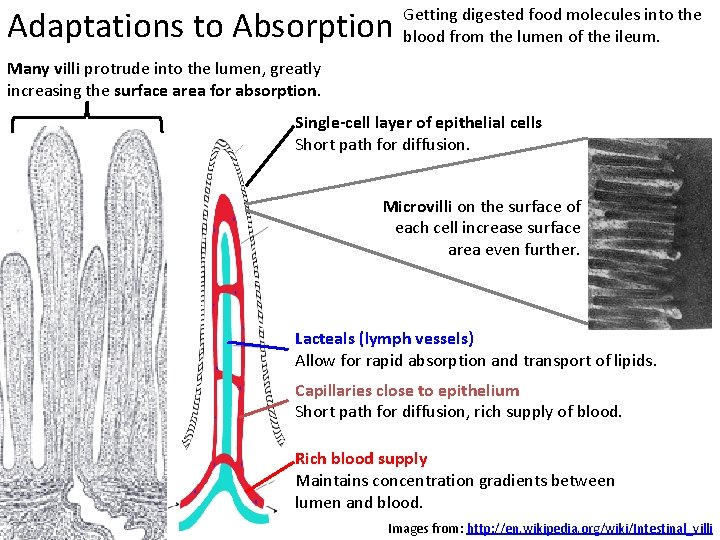
Adaptations to Absorption Getting digested food molecules into the blood from the lumen of the ileum. Many villi protrude into the lumen, greatly increasing the surface area for absorption. Single-cell layer of epithelial cells Short path for diffusion. Microvilli on the surface of each cell increase surface area even further. Lacteals (lymph vessels) Allow for rapid absorption and transport of lipids. Capillaries close to epithelium Short path for diffusion, rich supply of blood. Rich blood supply Maintains concentration gradients between lumen and blood. Images from: http: //en. wikipedia. org/wiki/Intestinal_villi
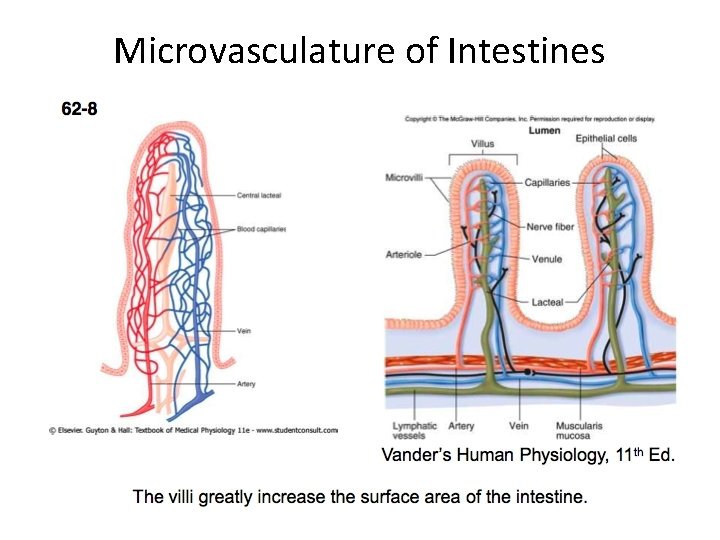
Microvasculature of Intestines
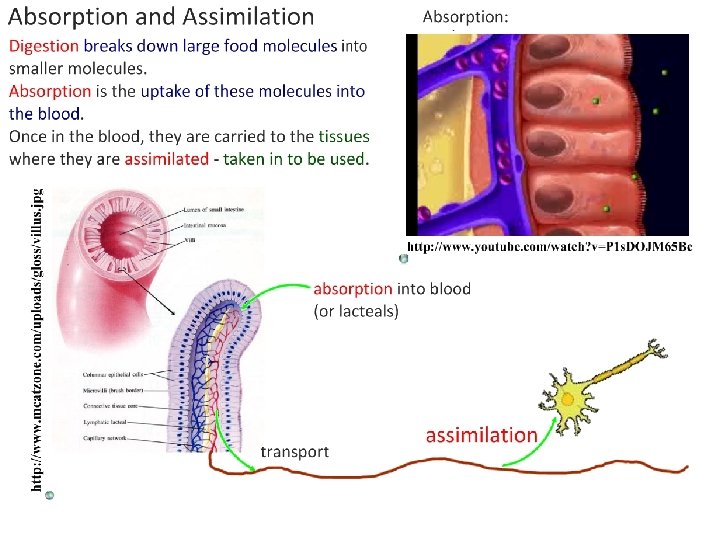
Methods of absorption • Triglycerides digested into fatty acids and monoglycerides, absorbed into villus by diffusion • Fatty acids also absorbed by facilitated diffusion using protein pumps called fatty acid transporters • Inside the epithelium cells, fatty acids combine w/ monoglycerides producing triglycerides
Methods of absorption • Triglycerides coalesce w/ cholesterol to form lipoprotein (droplets coated in phospholipids and protein) • Lipoproteins released by exocytosis through plasma membrane where they enter the lacteal or enter blood stream
Methods of absorption • Glucose cannot pass through plasma membrane by simple diffusion • Sodium-potassium pump • Sodium-glucose co-transporter proteins in microvilli transfer sodium and glucose together from lumen to cytoplasm of epithelium. Passive facilitated fusion • Glucose channels allow facilitated diffusion from villus into blood capillaries.

@IBiology. Stephen Please consider a donation to charity via Biology 4 Good. Click here for more information about Biology 4 Good charity donations. This is a Creative Commons presentation. It may be linked and embedded but not sold or re-hosted.
- Slides: 33