
Different types of still camera shots Extreme Long
- Slides: 13
Different types of still camera shots
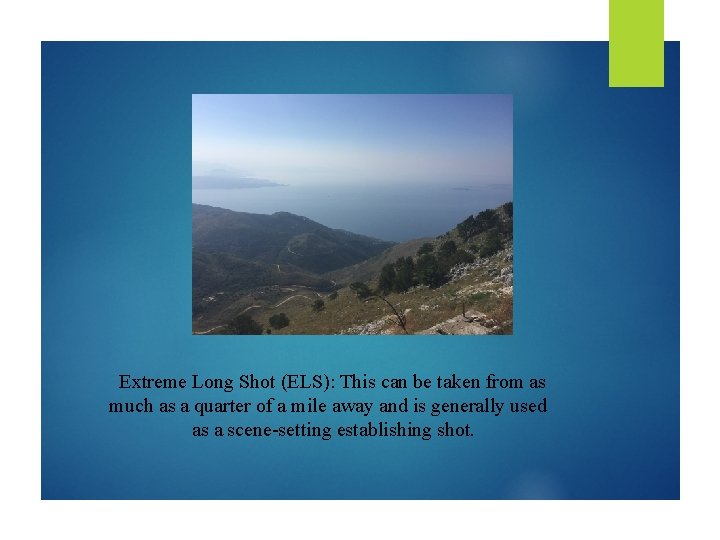
Extreme Long Shot (ELS): This can be taken from as much as a quarter of a mile away and is generally used as a scene-setting establishing shot.
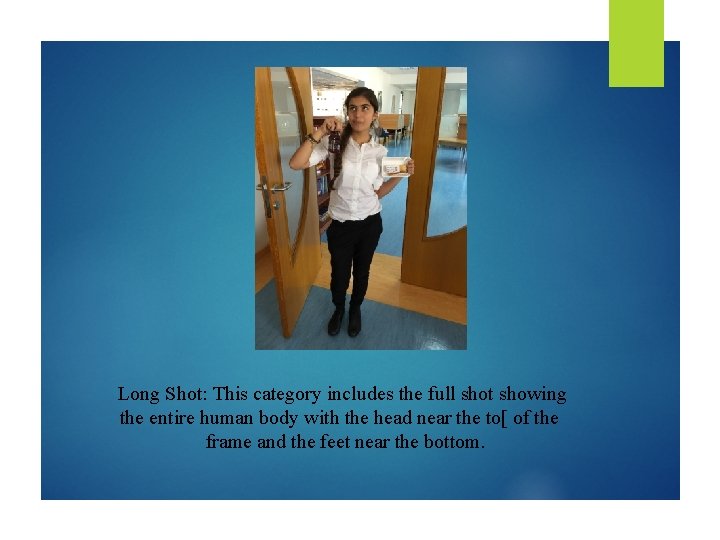
Long Shot: This category includes the full shot showing the entire human body with the head near the to[ of the frame and the feet near the bottom.
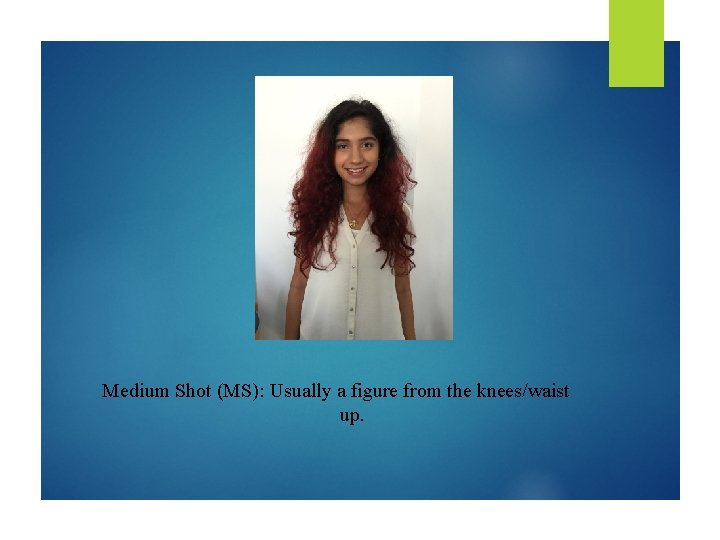
Medium Shot (MS): Usually a figure from the knees/waist up.
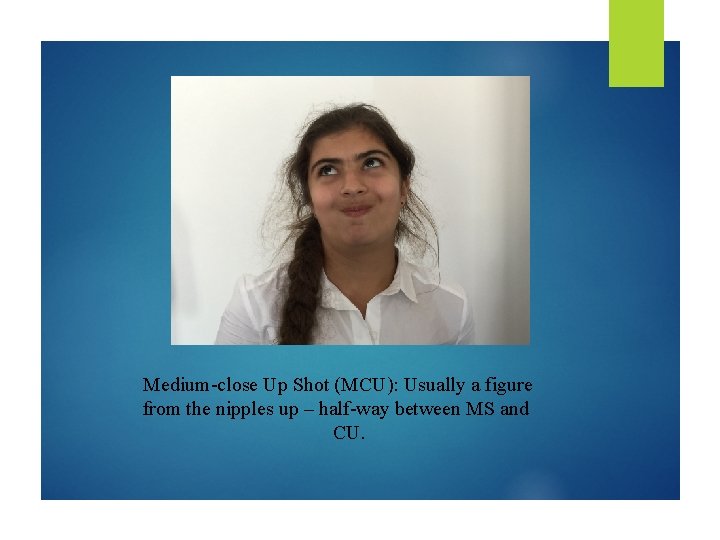
Medium-close Up Shot (MCU): Usually a figure from the nipples up – half-way between MS and CU.
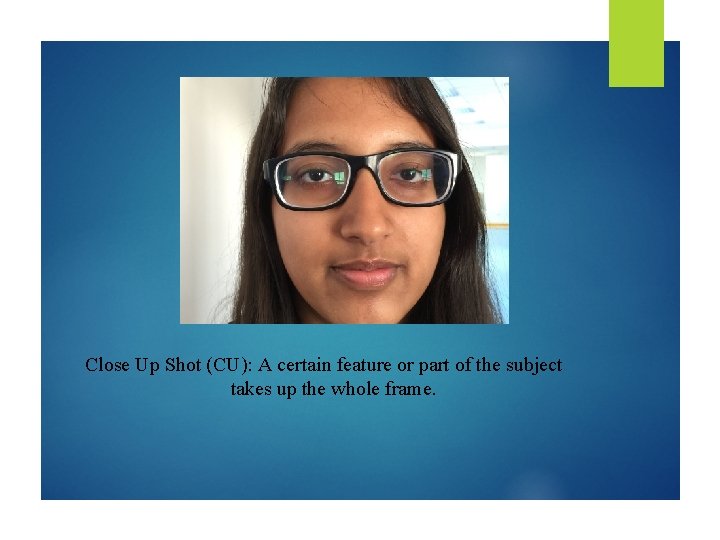
Close Up Shot (CU): A certain feature or part of the subject takes up the whole frame.
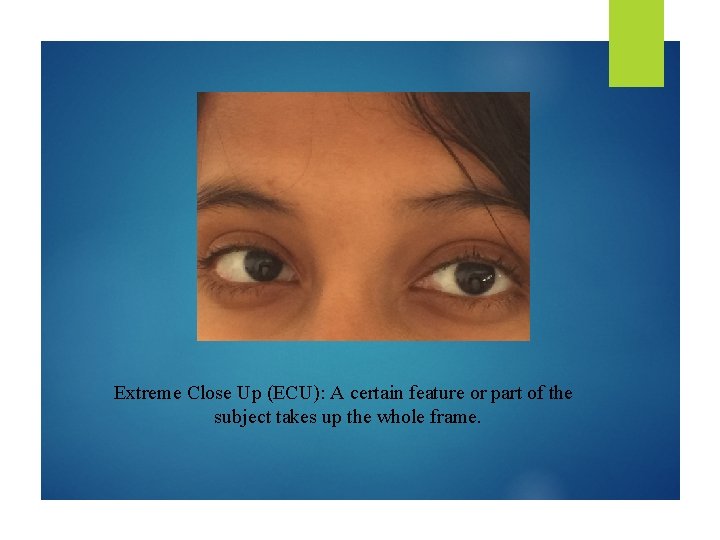
Extreme Close Up (ECU): A certain feature or part of the subject takes up the whole frame.
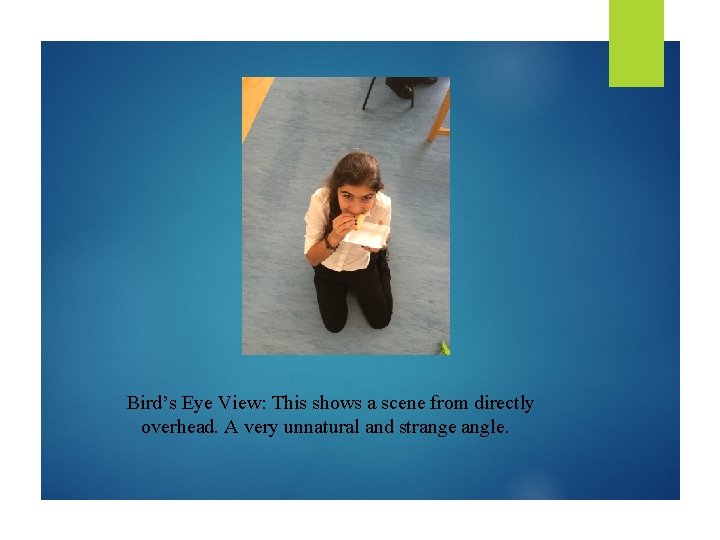
Bird’s Eye View: This shows a scene from directly overhead. A very unnatural and strange angle.
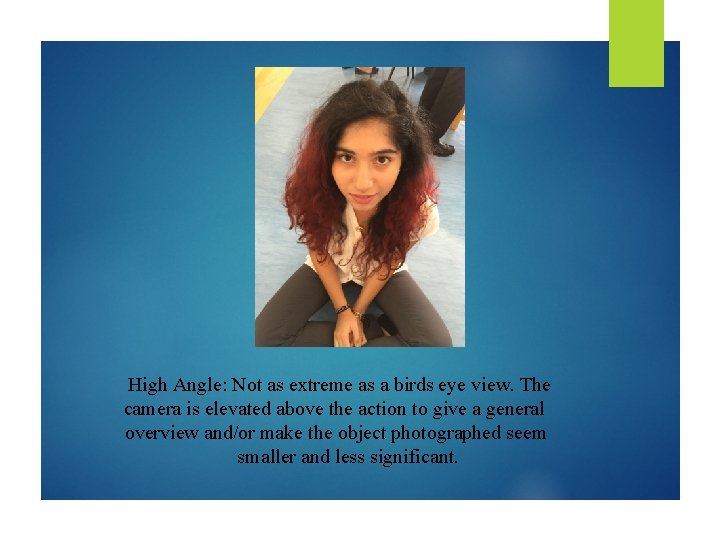
High Angle: Not as extreme as a birds eye view. The camera is elevated above the action to give a general overview and/or make the object photographed seem smaller and less significant.
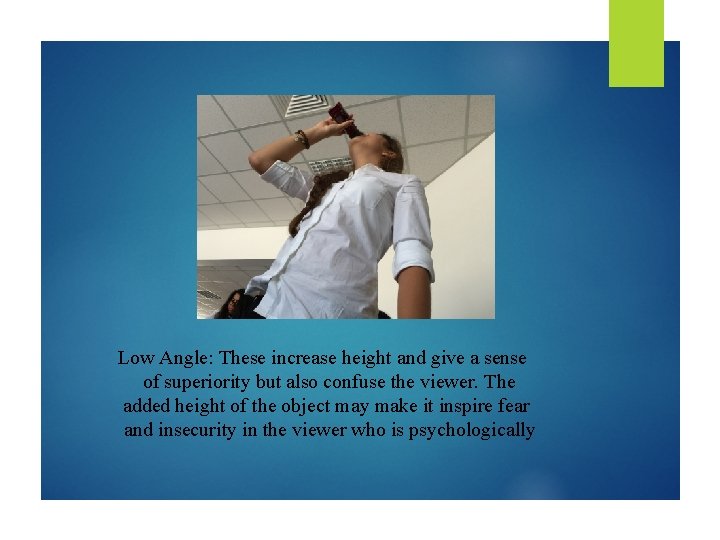
Low Angle: These increase height and give a sense of superiority but also confuse the viewer. The added height of the object may make it inspire fear and insecurity in the viewer who is psychologically
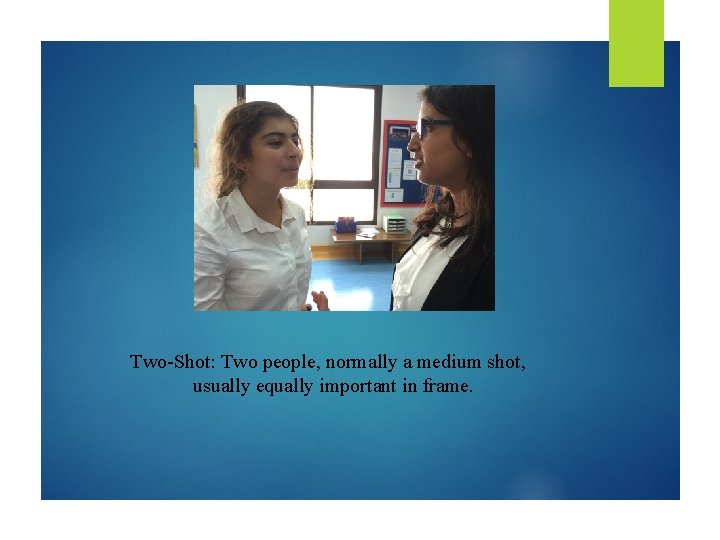
Two-Shot: Two people, normally a medium shot, usually equally important in frame.
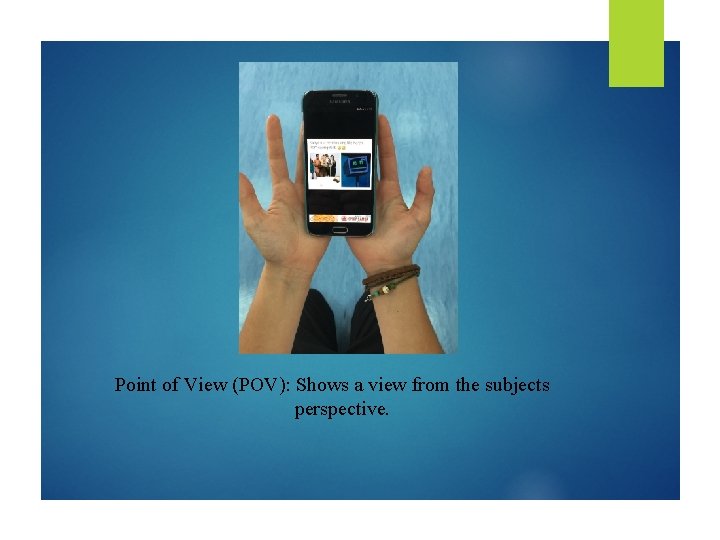
Point of View (POV): Shows a view from the subjects perspective.
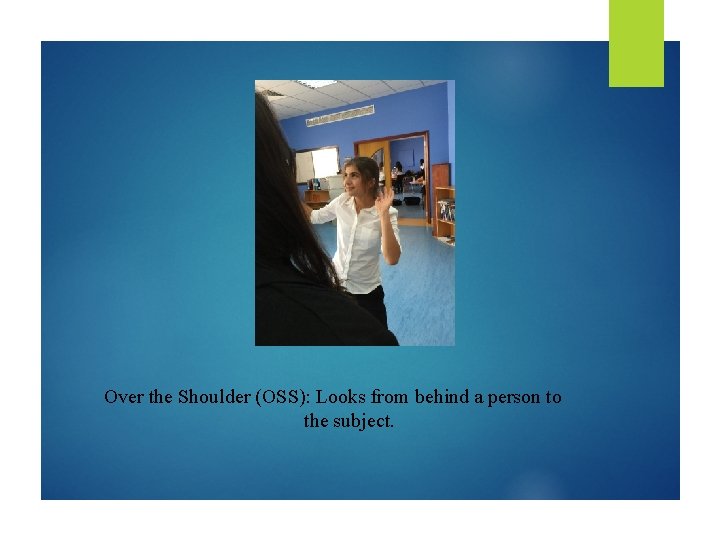
Over the Shoulder (OSS): Looks from behind a person to the subject.