
Different faces of Dementia Neeraj Gupta Pallavi Dham



- Slides: 56
Different faces of Dementia Neeraj Gupta & Pallavi Dham OPMHS, Glenside
> > > Basic Neuroanatomy Dementia overview Differential diagnosis Types of dementia Approach to differentiating Dementias
What is Cognition? > The term cognition (Latin: cognoscere, "to know", "to conceptualize" or "to recognize") refers to a faculty for the processing of information, applying knowledge, and changing preferences. > These processes include attention, memory, producing and understanding language, solving problems, and making decisions, higher order motor and sensory functions.
Brain areas and cognition Cortex > Frontal Lobe- executive functions, speech, movement > Parietal Lobeassociated with movement, perception of stimuli, orientation, recognition, > Occipital Lobeassociated with visual processing > Temporal Lobeassociated with perception and recognition of auditory stimuli, memory, and speech
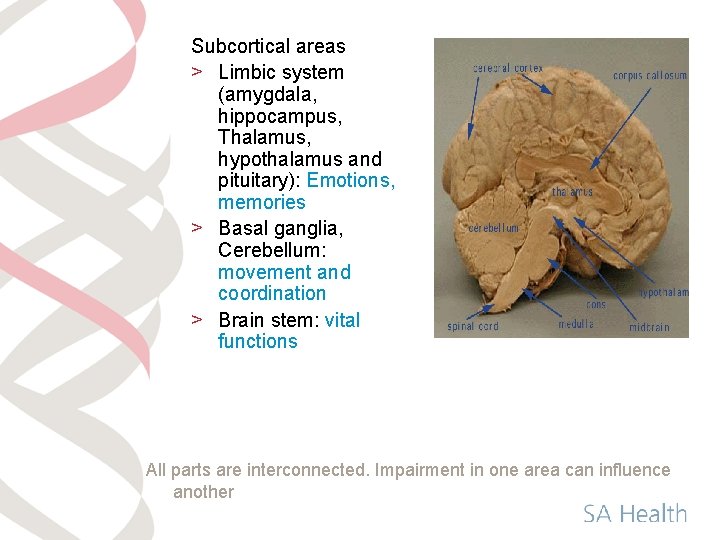
Subcortical areas > Limbic system (amygdala, hippocampus, Thalamus, hypothalamus and pituitary): Emotions, memories > Basal ganglia, Cerebellum: movement and coordination > Brain stem: vital functions All parts are interconnected. Impairment in one area can influence another
What is dementia? > Dementia (taken from Latin, originally meaning "madness", from de- "without" + ment, the root of mens "mind") > Differentiated from “madness” by Emil Kraepelin > Diagnosis made on clinical observations
DSM IV TR definition of Dementia > The essential feature of a dementia is the development of multiple cognitive deficits that include memory impairment and at least one of the following cognitive disturbances: • aphasia, apraxia, agnosia, or a disturbance in executive functioning. > The cognitive deficits must be sufficiently severe to cause impairment in occupational or social functioning and must represent a decline from a previously higher level of functioning
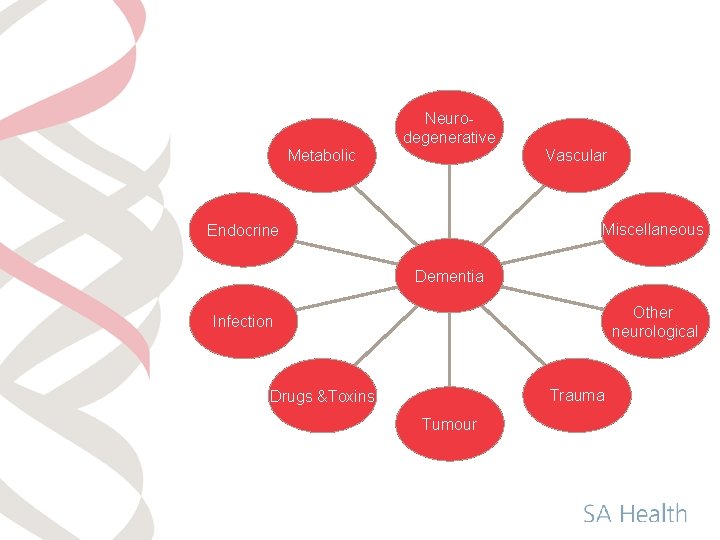
Neurodegenerative Metabolic Vascular Miscellaneous Endocrine Dementia Other neurological Infection Trauma Drugs &Toxins Tumour
Clinical Presentation in Dementia
Symptoms of Dementia > Memory impairment • refers to the inability to learn new information or to recall previously learned information. § Does he have difficulty remembering recent § § conversations? Is he frequently repetitive? Is he aware of current events? Does he misplace or lose things? Does he forget to turn off the stove?
Cognitive impairment contd > Aphasia, or language impairment • Does he have difficulty finding correct word? • Is it sometimes difficult for others to understand him? • Does he have difficulty remembering names? • Does he have difficulty maintaining or initiating conversations?
Cognitive impairment contd > Apraxia, or • impaired ability to carry out motor activities despite intact motor function § Does he have difficulty using familiar objects? § Does he have difficulty performing simple tasks at home? § Does he have trouble performing previously acquired skills (i. e. , knitting, woodworking)? § Is there any difficulty in dressing, bathing, or feeding?
Cognitive impairment contd > Agnosia • failure to recognize or identify objects despite intact sensory function, § Does he have difficulty recognizing people, objects or places? § Does he lack insight into his own impairment?
Cognitive impairment contd > Impairment in executive functioning • refers to disturbances in planning, organizing, sequencing, and abstracting. > Does he have difficulty relating to newspapers or television? > Is he still able to manage finances, the checkbook, medications or taxes? > Does he or she show problems in judgment or problem solving? > Does he have difficulty remembering short lists for shopping? > Does he need assistance with ADL’s?
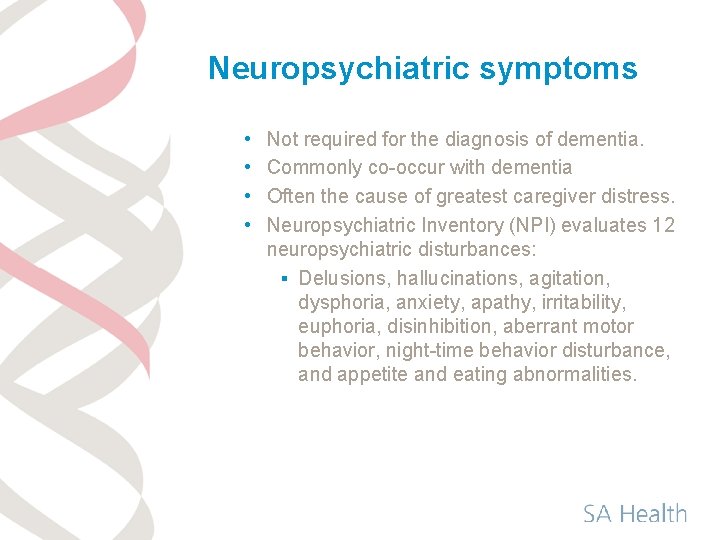
Neuropsychiatric symptoms • • Not required for the diagnosis of dementia. Commonly co-occur with dementia Often the cause of greatest caregiver distress. Neuropsychiatric Inventory (NPI) evaluates 12 neuropsychiatric disturbances: § Delusions, hallucinations, agitation, dysphoria, anxiety, apathy, irritability, euphoria, disinhibition, aberrant motor behavior, night-time behavior disturbance, and appetite and eating abnormalities.
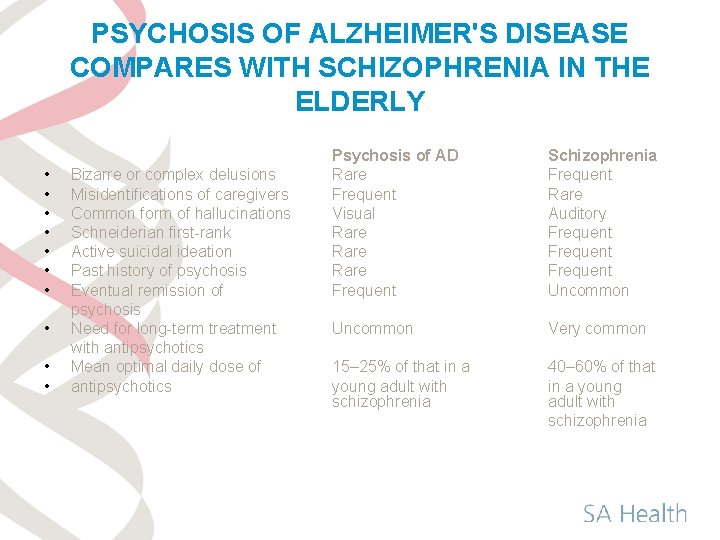
PSYCHOSIS OF ALZHEIMER'S DISEASE COMPARES WITH SCHIZOPHRENIA IN THE ELDERLY • • • Bizarre or complex delusions Misidentifications of caregivers Common form of hallucinations Schneiderian first-rank Active suicidal ideation Past history of psychosis Eventual remission of psychosis Need for long-term treatment with antipsychotics Mean optimal daily dose of antipsychotics Psychosis of AD Rare Frequent Visual Rare Frequent Schizophrenia Frequent Rare Auditory Frequent Uncommon Very common 15– 25% of that in a young adult with schizophrenia 40– 60% of that in a young adult with schizophrenia
http: //www. youtube. com/v/9 i. XPHhfk_7 E
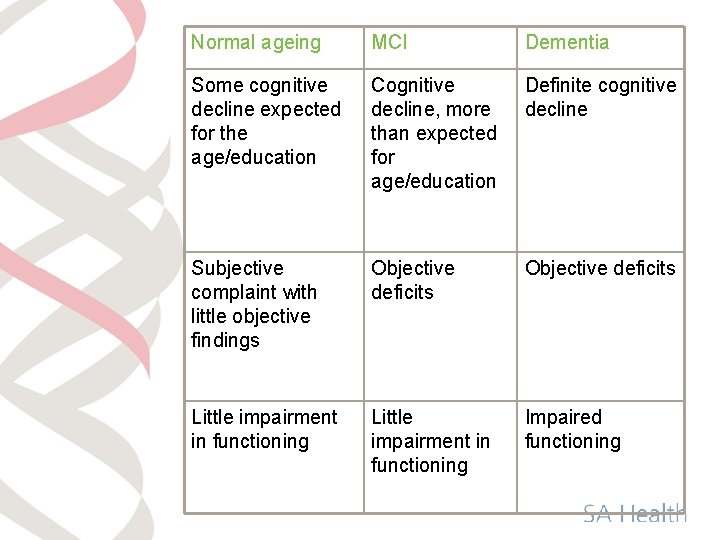
Normal ageing MCI Dementia Some cognitive decline expected for the age/education Cognitive decline, more than expected for age/education Definite cognitive decline Subjective complaint with little objective findings Objective deficits Little impairment in functioning Impaired functioning
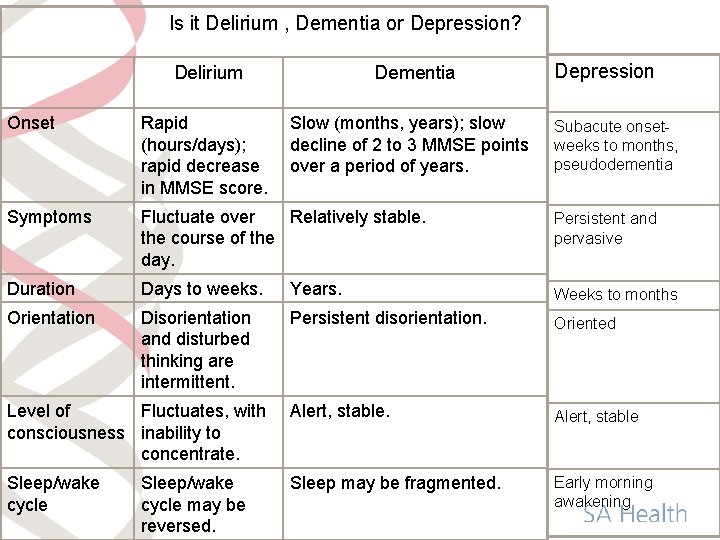
Is it Delirium , Dementia or Depression? Depression Delirium Dementia Onset Rapid (hours/days); rapid decrease in MMSE score. Slow (months, years); slow decline of 2 to 3 MMSE points over a period of years. Symptoms Fluctuate over Relatively stable. the course of the day. Persistent and pervasive Duration Days to weeks. Years. Weeks to months Orientation Disorientation and disturbed thinking are intermittent. Persistent disorientation. Oriented Level of Fluctuates, with consciousness inability to concentrate. Alert, stable Sleep/wake cycle Sleep may be fragmented. Early morning awakening Sleep/wake cycle may be reversed. Subacute onsetweeks to months, pseudodementia
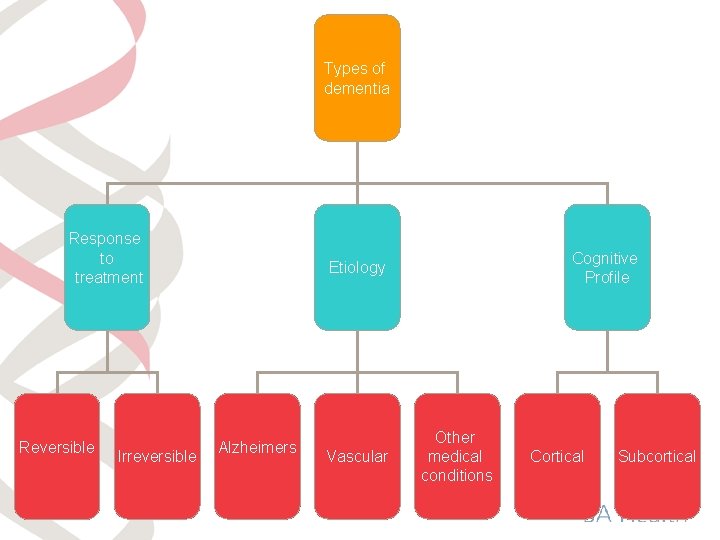
Types of dementia Response to treatment Reversible Irreversible Cognitive Profile Etiology Alzheimers Vascular Other medical conditions Cortical Subcortical
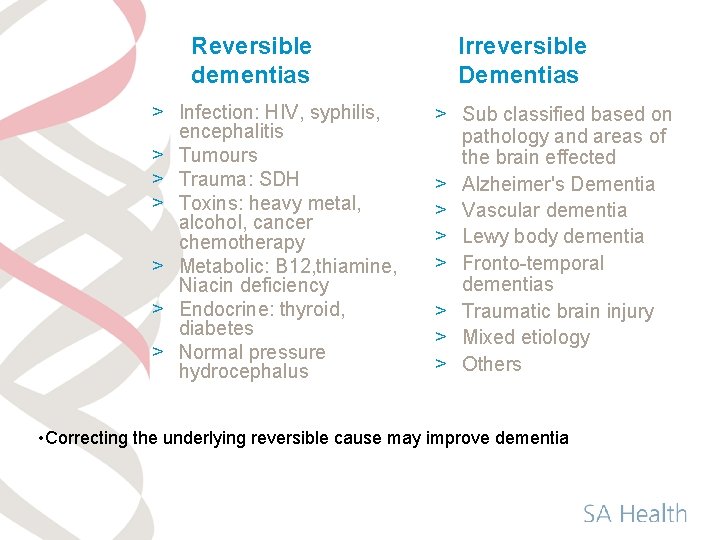
Reversible dementias > Infection: HIV, syphilis, encephalitis > Tumours > Trauma: SDH > Toxins: heavy metal, alcohol, cancer chemotherapy > Metabolic: B 12, thiamine, Niacin deficiency > Endocrine: thyroid, diabetes > Normal pressure hydrocephalus Irreversible Dementias > Sub classified based on pathology and areas of the brain effected > Alzheimer's Dementia > Vascular dementia > Lewy body dementia > Fronto-temporal dementias > Traumatic brain injury > Mixed etiology > Others • Correcting the underlying reversible cause may improve dementia
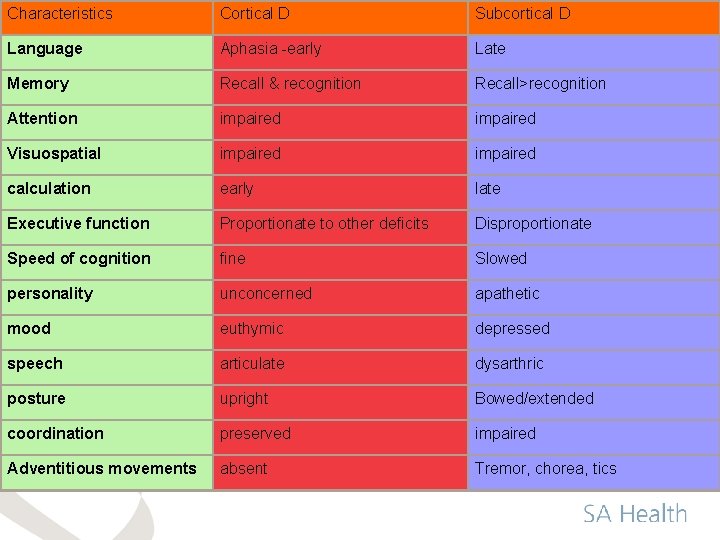
Characteristics Cortical D Subcortical D Language Aphasia -early Late Memory Recall & recognition Recall>recognition Attention impaired Visuospatial impaired calculation early late Executive function Proportionate to other deficits Disproportionate Speed of cognition fine Slowed personality unconcerned apathetic mood euthymic depressed speech articulate dysarthric posture upright Bowed/extended coordination preserved impaired Adventitious movements absent Tremor, chorea, tics
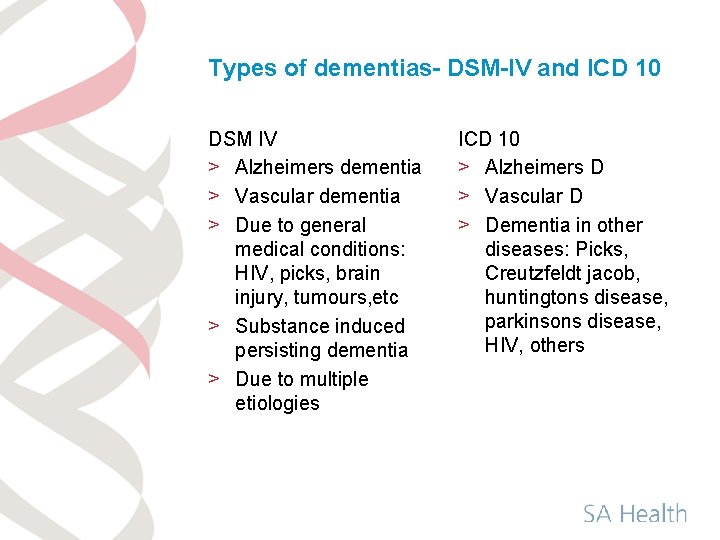
Types of dementias- DSM-IV and ICD 10 DSM IV > Alzheimers dementia > Vascular dementia > Due to general medical conditions: HIV, picks, brain injury, tumours, etc > Substance induced persisting dementia > Due to multiple etiologies ICD 10 > Alzheimers D > Vascular D > Dementia in other diseases: Picks, Creutzfeldt jacob, huntingtons disease, parkinsons disease, HIV, others
Alzheimer's Dementia
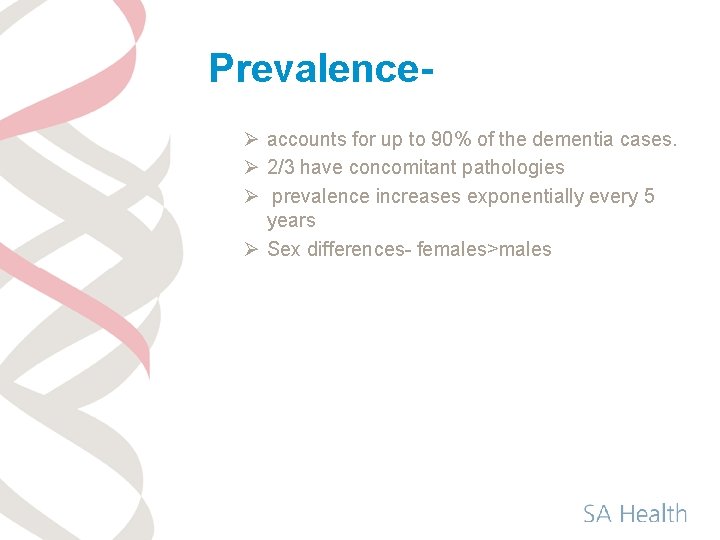
PrevalenceØ accounts for up to 90% of the dementia cases. Ø 2/3 have concomitant pathologies Ø prevalence increases exponentially every 5 years Ø Sex differences- females>males
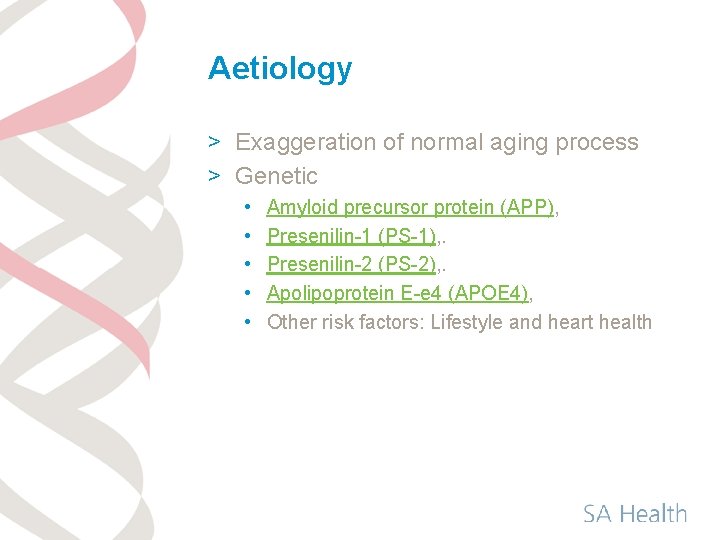
Aetiology > Exaggeration of normal aging process > Genetic • • • Amyloid precursor protein (APP), Presenilin-1 (PS-1), . Presenilin-2 (PS-2), . Apolipoprotein E-e 4 (APOE 4), Other risk factors: Lifestyle and heart health
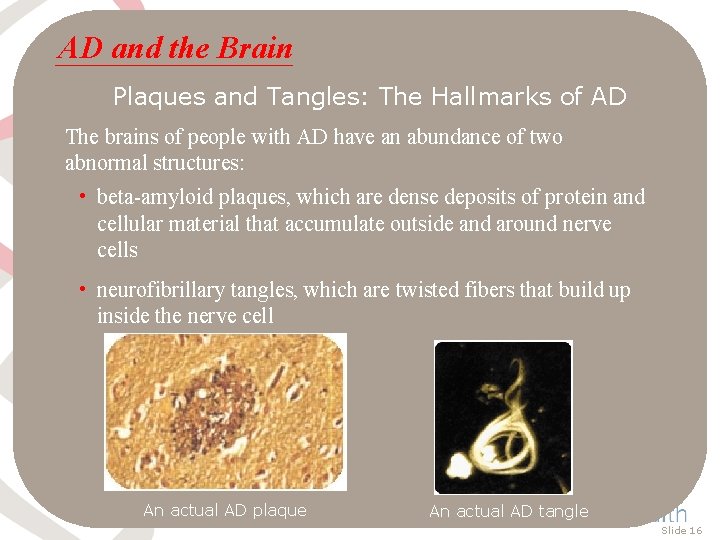
AD and the Brain Plaques and Tangles: The Hallmarks of AD The brains of people with AD have an abundance of two abnormal structures: • beta-amyloid plaques, which are dense deposits of protein and cellular material that accumulate outside and around nerve cells • neurofibrillary tangles, which are twisted fibers that build up inside the nerve cell An actual AD plaque An actual AD tangle Slide 16
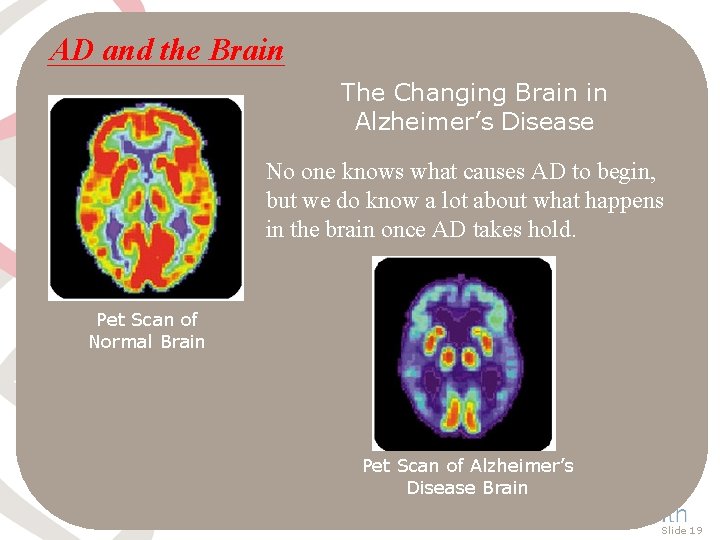
AD and the Brain The Changing Brain in Alzheimer’s Disease No one knows what causes AD to begin, but we do know a lot about what happens in the brain once AD takes hold. Pet Scan of Normal Brain Pet Scan of Alzheimer’s Disease Brain Slide 19
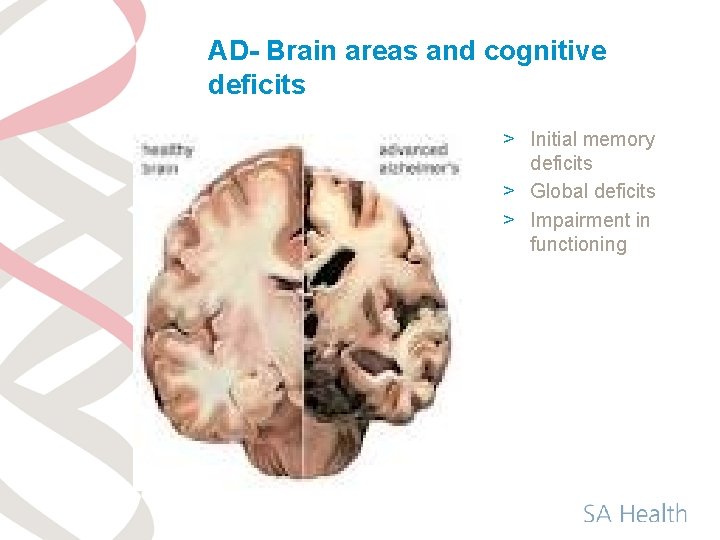
AD- Brain areas and cognitive deficits > Initial memory deficits > Global deficits > Impairment in functioning
AD- BPSD > Anosognosia- unaware of the illness/impact > Passivity-apathy -70%, 2 years prior to the diagnosis > Psychosis-later on > Depression, anxiety, catastrophic reactions > Aggression > Sun downing
AD- course and outcome > Gradual progressive decline > Average survival time -4 -6 years > Life expectancy reduced by 50%
Vascular Dementia
Vascular dementia > Temporal correlation between : • Cognitive decline • Cerebrovascular disease: neurological deficits or vascular damage evident on brain imaging
VD: > Account for about 17% of all dementias > Males> Females > Overall prevalence is increasing with ageing population > Risk factors: hypertension, diabetes, hypercholesterolemia, obesity, smoking, cardiovascular disorders
VD- types > Subcortical ischemia- frontal lobe and basal ganglia: executive dysfunction, slowed processing > Multi-infarct: disjointed deficits > Strategic infarcts: areas related to cognition > Mixed alzheimers and VD
Course and prognosis > Step ladder pattern of cognitive decline > Shorter life expectancy compared to Alzheimer's. Yet it is variable and depends on the age and underlying risks
Lewy Body Dementia
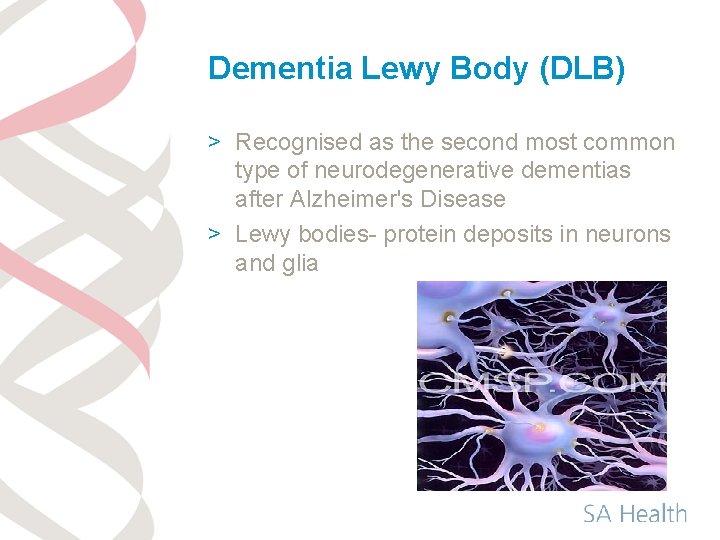
Dementia Lewy Body (DLB) > Recognised as the second most common type of neurodegenerative dementias after Alzheimer's Disease > Lewy bodies- protein deposits in neurons and glia
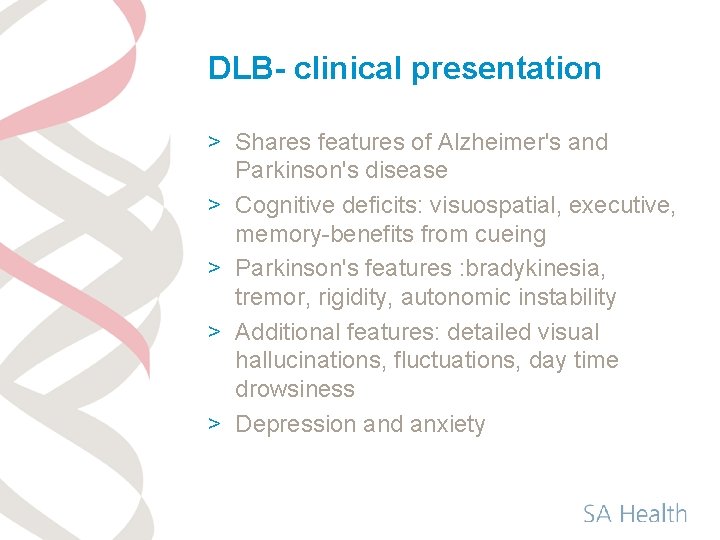
DLB- clinical presentation > Shares features of Alzheimer's and Parkinson's disease > Cognitive deficits: visuospatial, executive, memory-benefits from cueing > Parkinson's features : bradykinesia, tremor, rigidity, autonomic instability > Additional features: detailed visual hallucinations, fluctuations, day time drowsiness > Depression and anxiety
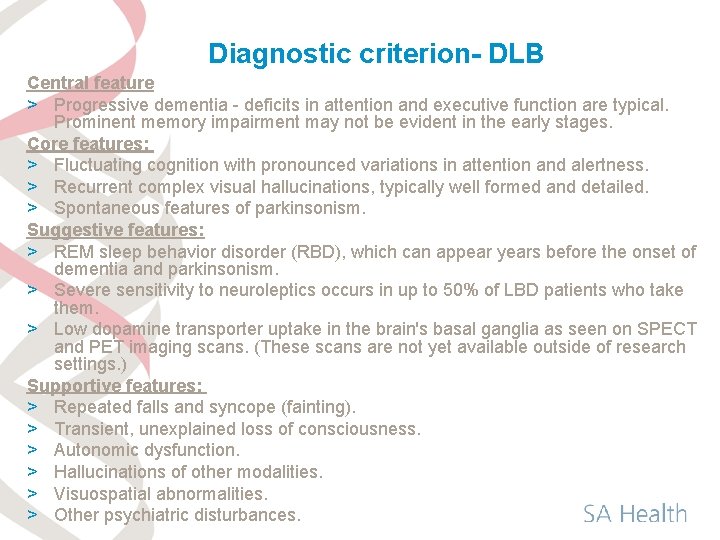
Diagnostic criterion- DLB Central feature > Progressive dementia - deficits in attention and executive function are typical. Prominent memory impairment may not be evident in the early stages. Core features: > Fluctuating cognition with pronounced variations in attention and alertness. > Recurrent complex visual hallucinations, typically well formed and detailed. > Spontaneous features of parkinsonism. Suggestive features: > REM sleep behavior disorder (RBD), which can appear years before the onset of dementia and parkinsonism. > Severe sensitivity to neuroleptics occurs in up to 50% of LBD patients who take them. > Low dopamine transporter uptake in the brain's basal ganglia as seen on SPECT and PET imaging scans. (These scans are not yet available outside of research settings. ) Supportive features: > Repeated falls and syncope (fainting). > Transient, unexplained loss of consciousness. > Autonomic dysfunction. > Hallucinations of other modalities. > Visuospatial abnormalities. > Other psychiatric disturbances.
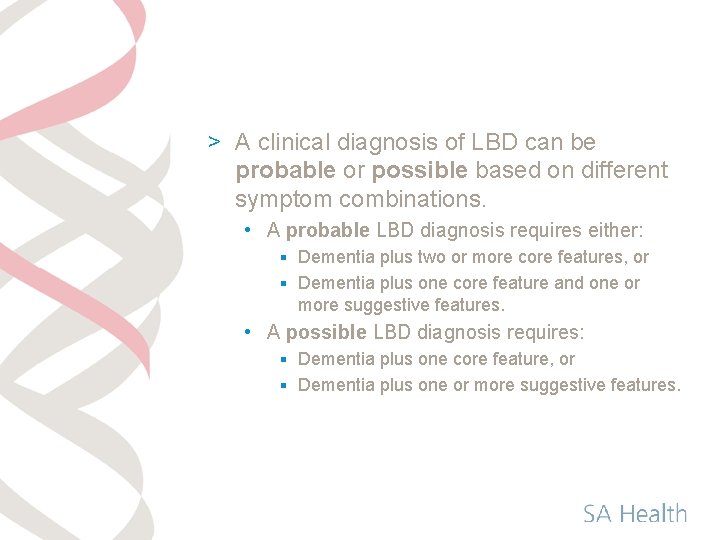
> A clinical diagnosis of LBD can be probable or possible based on different symptom combinations. • A probable LBD diagnosis requires either: § Dementia plus two or more core features, or § Dementia plus one core feature and one or more suggestive features. • A possible LBD diagnosis requires: § Dementia plus one core feature, or § Dementia plus one or more suggestive features.
Fronto-Temporal Dementia
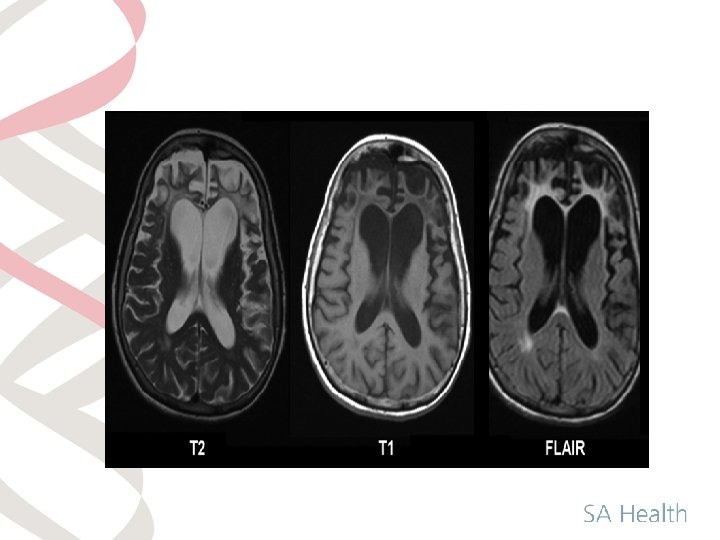
Fronto-temporal Dementia (FTD) > Occurs most commonly in the 50’s (less than 65 years) > Most common form of pre-senile dementia > Frontal and temporal lobe atrophy > 1/3 to ½- genetic aetiology > Nature of the pathological changes varypick body/ vacuolisation
FTD- clinical presentation > Changes in behaviour: • impulsive, apathetic, socially disinhibited, lack of empathy, judgement or insight, hypersexual, neglect, compulsive behaviours > Problems with language: • including difficulty making or understanding speech, often in conjunction with the behavioural type’s symptoms.
Dementia due to prion disease > Rapidly progressive neurodegerative disorder > Abnormal protein called prion > Sporadic, inherited or exposure to infected material > Rapidly progressive decline, ataxia, myoclonic jerks
Dementia due to brain damage - other causes > Head trauma- direct damage and increased predisposition to further degeneration > Huntingtons disease: familial, hyperkinesia, dementia > Parkinsons disease > Wilson’s disease > Leukodystrophies > Idiopathic basal ganglia calcification > Dementia due to mixed causation
Evaluation of Dementia > A thorough history • An assessment of each cognitive domain • Behavioral and neuropsychiatric symptoms • Degree of socio-occupational impairment > > A physical and neurological examination Mental status examination Bedside or detailed cognitive testing Investigations
ASSESSMENT • Common tools to assist include: • ADL (activities of daily living) and IADL (instrumental activities of daily living) checklists. • Cognitive screens (MMSE, RUDAS, KICA – for Indigenous clients). • Clock drawing test. • Animal naming (1 Minute). • Informal tests of frontal lobe functioning
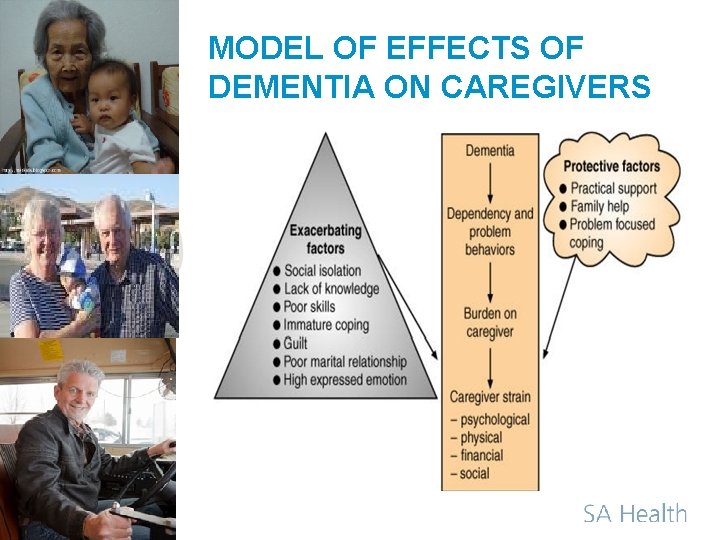
IMPACT ON FAMILY AND CAREGIVERS • Caregivers are at high risk for developing psychological distress. • The rates of depression and anxiety are increased compared with the general population. • Anger and resentment are emotions commonly felt by caregivers. • Reduced physical and mental health.
MODEL OF EFFECTS OF DEMENTIA ON CAREGIVERS
MANAGEMENT • Consider both non-pharmacological and pharmacological management strategies. • Base management on a detailed assessment of specific symptoms and contributing medical, psychological or environmental factors. • Treat underlying medical causes such as infection, delirium, pain. • Cease medications that are unnecessary, change medications that may aggravate the specific symptoms. • Address environmental factors such as under or over stimulation.
Role of medication > Controversial > Consent > Safety- side effects, stroke, cardiac, Lewy Body Dementia
SUPPORT AVAILABLE • Ideally it is best to assist the client to live as independently as possible in familiar surroundings, such as at home, whilst they can be managed with community support. • Home and Community Care (HACC). • Department Veteran Affairs (DVA). • Community Aged Care Package (CACP). • Extended Aged Care at Home (EACH). • Extended Aged Care at Home-Dementia (EACH-D). • Also consider psychosocial rehabilitation, Rapid Intensive Brokerage Service (RIBS) or Transition Care Package (TCP) (needs to be in or avoid hospital for RIBS and in hospital for TCP).
Conclusion > DEMENTIA is a • • • Complex neuropsychiatric illness Multiple etiologies Varied clinical manifestations Requires detailed evaluation Multidisciplinary management