
Difference of Color Stability and Fabric Tensile Strength

Difference of Color Stability and Fabric Tensile Strength Endurance of ZP Fabric Exposed to Sunlight Presented by: Mirko Djordjevic – Soko sokopt@aol. com
Implementation • To help determine service life of ZP canopies, • To help determine remaining life and value of used ZP canopies, • To determine if there is any significant difference between the colors used during the test, • Fading color – esthetic appearance, • Matching colors for patching purpose.
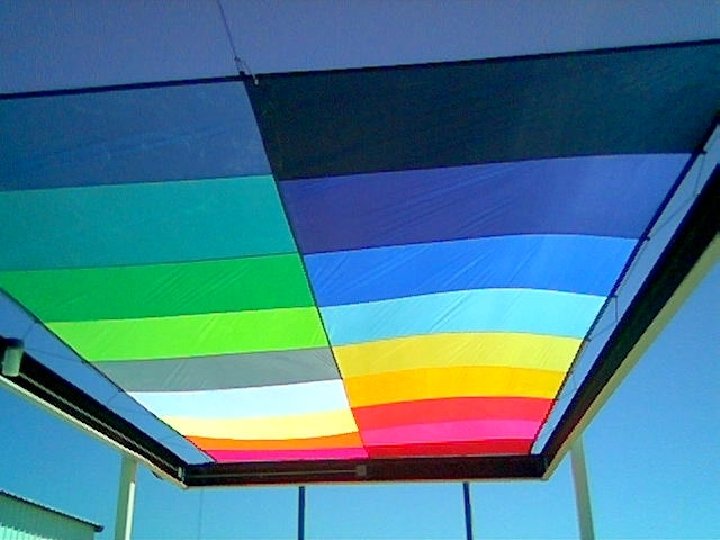
Testing Method • 18 different colors of ZP fabric exposed to sunlight – in horizontal position, elevated at 2. 70 meters (9 ft) above ground. • Daylight exposure in mostly sunny sky conditions (cloud coverage up to 3/8 and winds up to 11 m/s (25 mph))

Periodically testing the fabric samples exposed to sunlight by: - w/ 40 lb. Tensile Strength Test – progressive stretching force to maximum of 40 lbs for minimum of 3 seconds, until the fabric fails the test, or gets broken by wind - Scanning the fabric and analyzing the color to compare the appearance to the naked eye and objective color coding, using CMYK printing format.
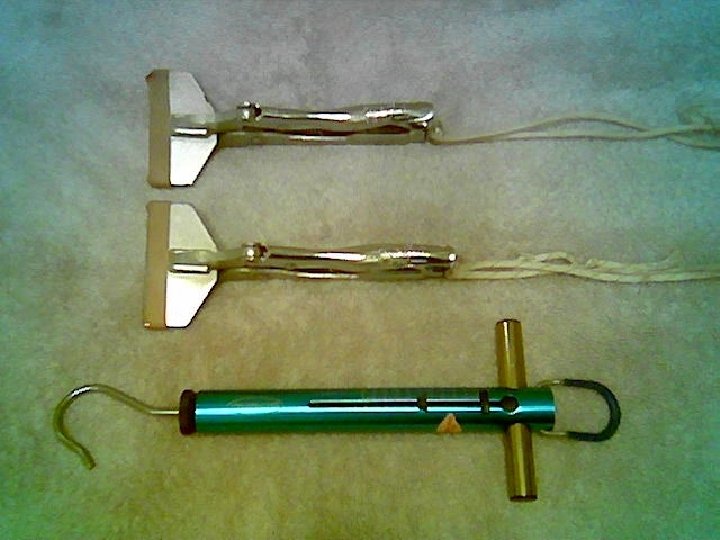
40 lb. Tensile Strength Test - As explained in The Parachute Manual Vol. 2, by Dan Pointer, Pg. 73. - Used on only one point per test – direction of pull – alongside warp fibers. Tools: - Fish scale (dynamometer) with sliding indicator of maximum force, - Flat clamps (2) - Marker to mark the tested areas
Scanning ZP fabric • • Desktop PC = E-machines Windows XP Home Edition Scanner: Visioneer One touch 9420 USB Adobe Photoshop 6. 0 - To import file – scanned picture • Scanned pictures of different colors saved in JPEG format - Using sampler tool (Adobe Photoshop) to get the info of color format in CMYK format - Average of 3 point sampling calculated with spread sheet program - Info transferred to Power Point.

CMYK color format
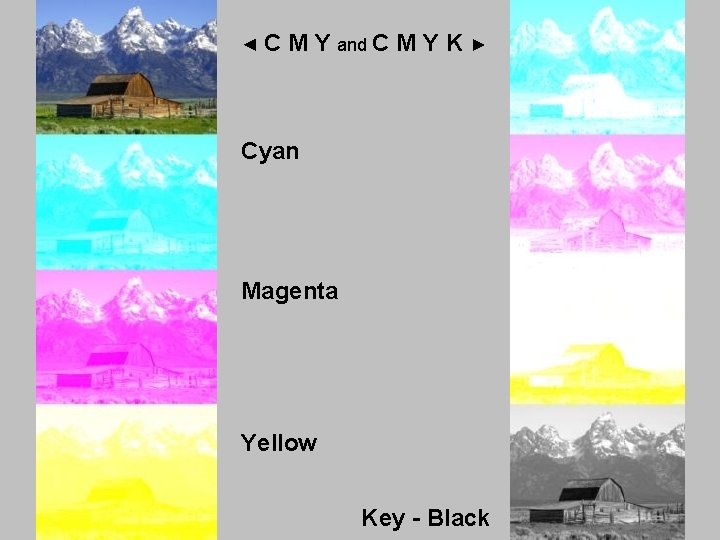
◄C M Y and C M Y K ► Cyan Magenta Yellow Key - Black
CMYK Color Code • Major advantage: very easy to understand meaning of the numbers • Each component color may be numerically presented in up to 100% • Also easy to represent the results related to color change (fading) and to present them graphically
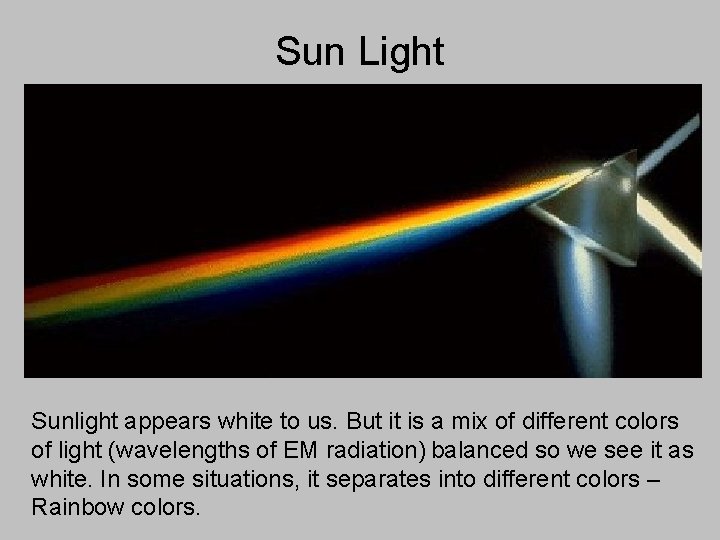
Sun Light Sunlight appears white to us. But it is a mix of different colors of light (wavelengths of EM radiation) balanced so we see it as white. In some situations, it separates into different colors – Rainbow colors.
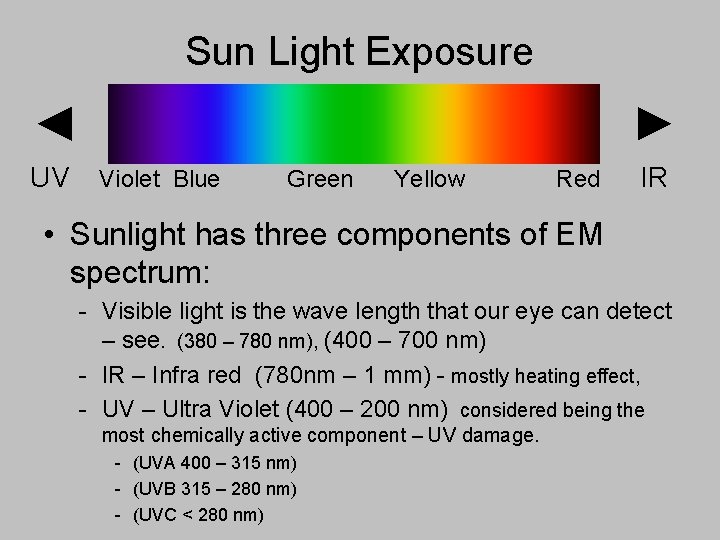
Sun Light Exposure ◄ UV ► Violet Blue Green Yellow Red IR • Sunlight has three components of EM spectrum: - Visible light is the wave length that our eye can detect – see. (380 – 780 nm), (400 – 700 nm) - IR – Infra red (780 nm – 1 mm) - mostly heating effect, - UV – Ultra Violet (400 – 200 nm) considered being the most chemically active component – UV damage. - (UVA 400 – 315 nm) - (UVB 315 – 280 nm) - (UVC < 280 nm)

Light – fabric interference Incoming light Reflected light Absorbed light Passed through This interference is for all wave lengths of light spectrum: IR, Visible and UV
ZP Fabric Colors Used 1. 2. 3. 4. 5. 6. 7. 8. 9. Blackberry Royal Blue Light Blue Yellow Gold Watermelon Neon Pink Red 10. Navy Blue 11. Jade 12. Kelly Green 13. Lime Green 14. Silver 15. White 16. Lemon 17. Tangerine 18. Magenta

First, one of the stable colors • Royal Blue
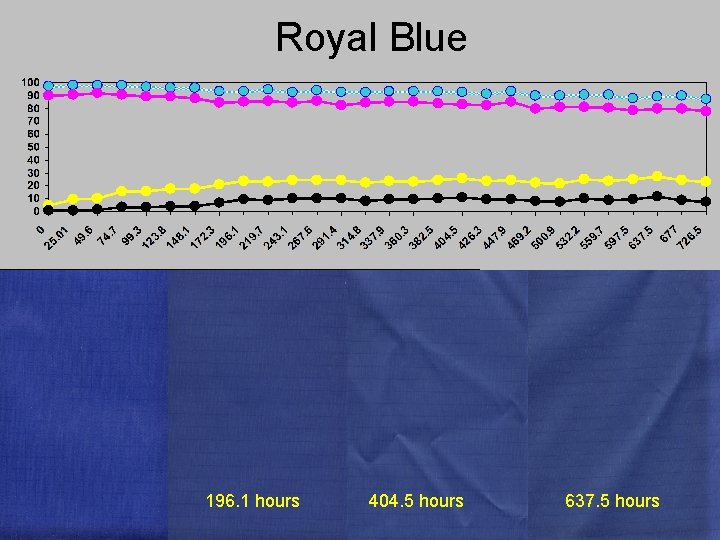
Royal Blue 196. 1 hours 404. 5 hours 637. 5 hours
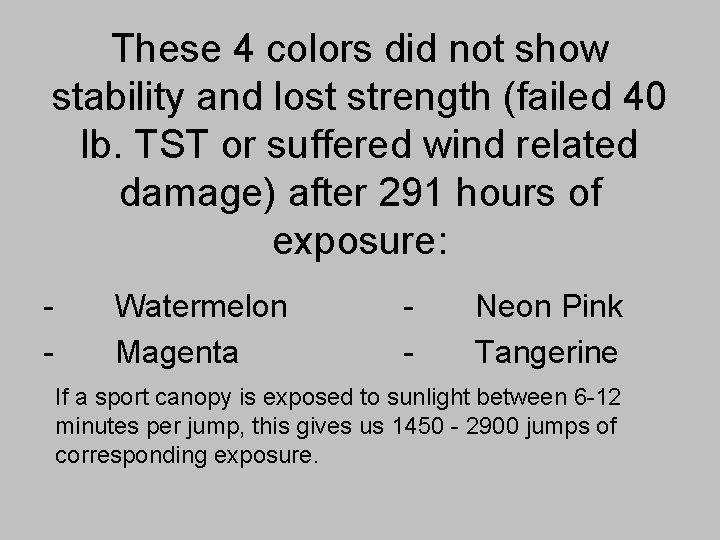
These 4 colors did not show stability and lost strength (failed 40 lb. TST or suffered wind related damage) after 291 hours of exposure: - Watermelon Magenta - Neon Pink Tangerine If a sport canopy is exposed to sunlight between 6 -12 minutes per jump, this gives us 1450 - 2900 jumps of corresponding exposure.
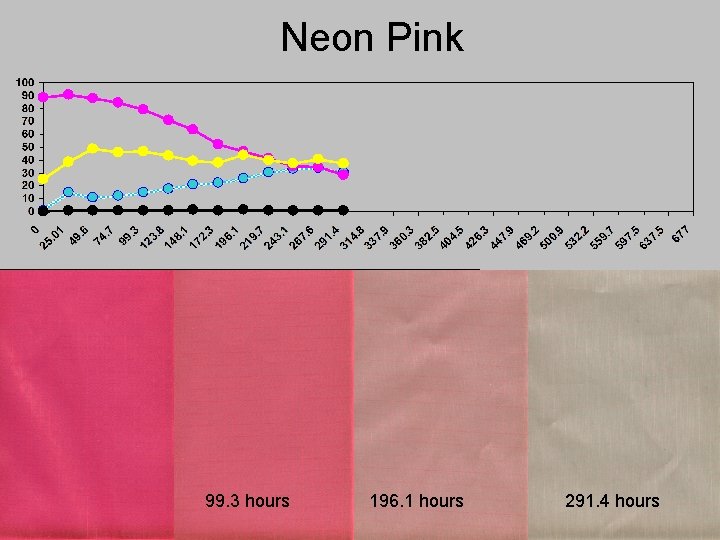
Neon Pink 99. 3 hours 196. 1 hours 291. 4 hours
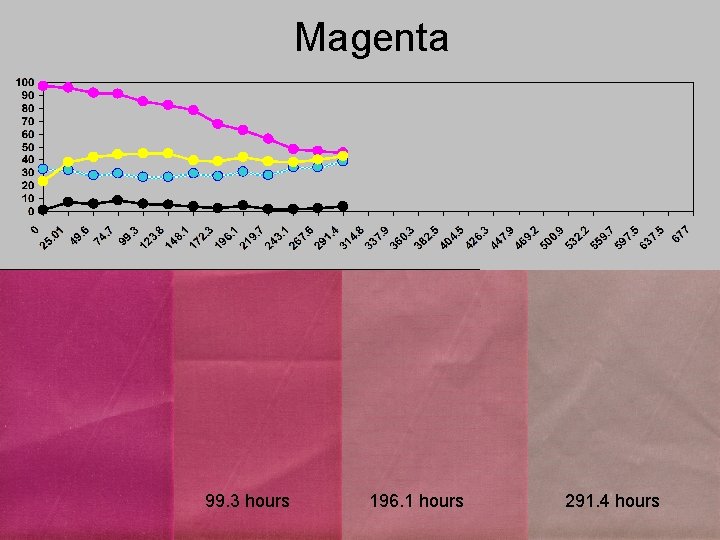
Magenta 99. 3 hours 196. 1 hours 291. 4 hours
Other colors which showed variable stability but good strength endurance 700 + hours • This means that canopies manufactured of ZP fabric of these colors may resist daylight (sunlight) exposure for more than 3500 – 7000 jumps.
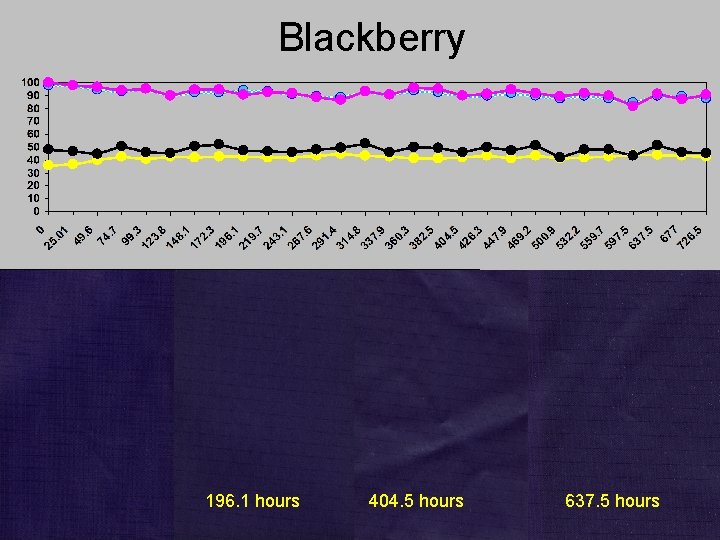
Blackberry 196. 1 hours 404. 5 hours 637. 5 hours
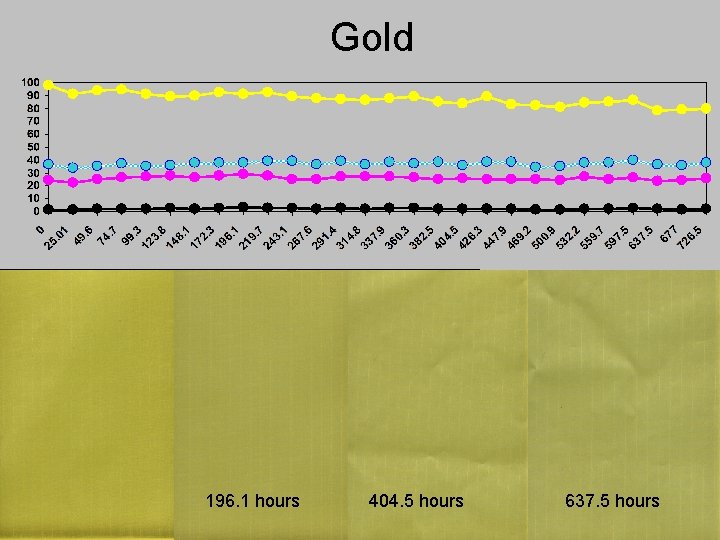
Gold 196. 1 hours 404. 5 hours 637. 5 hours
- Slides: 24