
Die kalte Sonne The cold Sun The Medieval

- Slides: 46
„Die kalte Sonne“ The cold Sun The Medieval Warm Period within the Context of Millennial Scale Climate Cycles Dr Sebastian Lüning
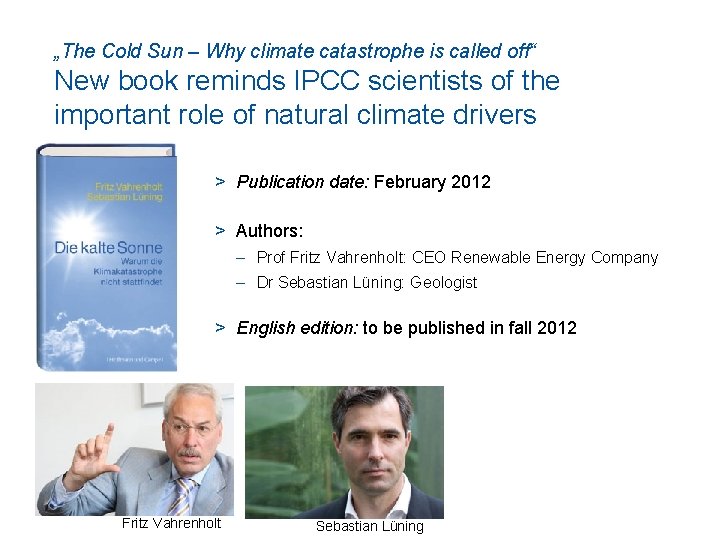
„The Cold Sun – Why climate catastrophe is called off“ New book reminds IPCC scientists of the important role of natural climate drivers > Publication date: February 2012 > Authors: – Prof Fritz Vahrenholt: CEO Renewable Energy Company – Dr Sebastian Lüning: Geologist > English edition: to be published in fall 2012 Fritz Vahrenholt Sebastian Lüning
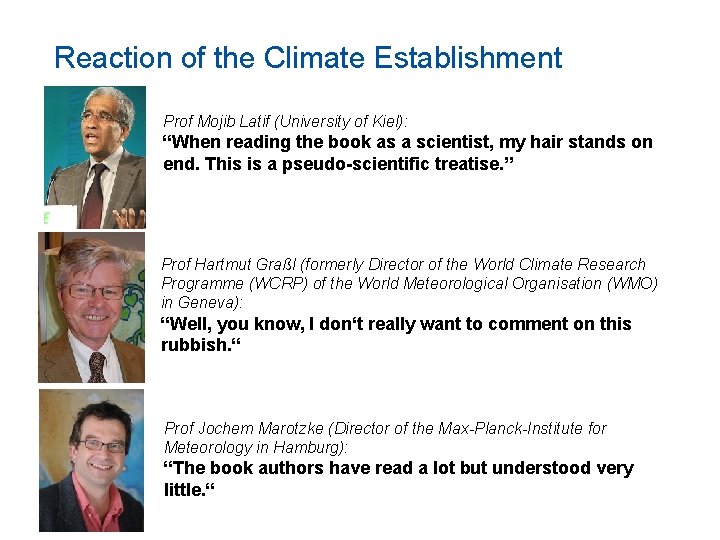
Reaction of the Climate Establishment Prof Mojib Latif (University of Kiel): “When reading the book as a scientist, my hair stands on end. This is a pseudo-scientific treatise. ” Prof Hartmut Graßl (formerly Director of the World Climate Research Programme (WCRP) of the World Meteorological Organisation (WMO) in Geneva): “Well, you know, I don‘t really want to comment on this rubbish. “ Prof Jochem Marotzke (Director of the Max-Planck-Institute for Meteorology in Hamburg): “The book authors have read a lot but understood very little. “
But there were also positive reactions Economy Program ECO of Swiss Television: Book Tip of the Week (23 April 2012) Hamburger Abendblatt: “Cora Stephan once criticised the intellectual doldrums in Germany. What an irony that a wind energy manager of all people has to experience this lull” PM Magazin: “Science is vulnerable to group think. Once a consensus has formed it becomes hard to express doubts. This is particularly true in the politically sensitive climate sciences. The subject is too important for that it could be allowed to suppress opinions deviating from the alleged consens. And this is why the climate discussion needs people like Vahrenholt. “
Daily Climate News on our Blog: www. kaltesonne. de
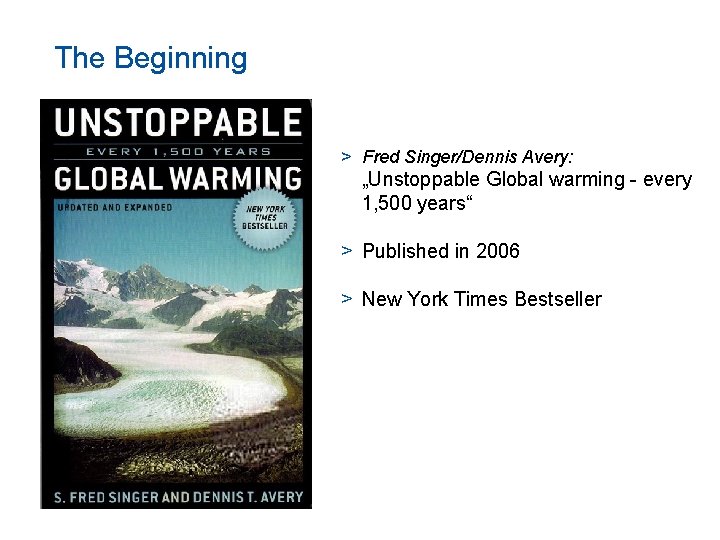
The Beginning > Fred Singer/Dennis Avery: „Unstoppable Global warming - every 1, 500 years“ > Published in 2006 > New York Times Bestseller
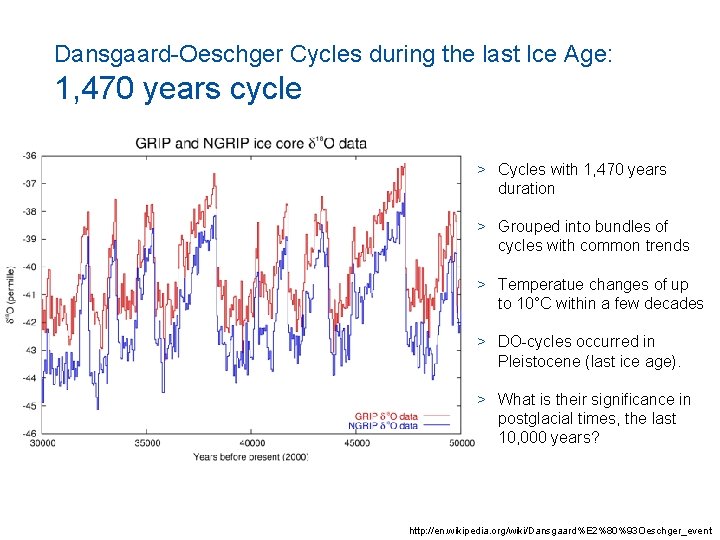
Dansgaard-Oeschger Cycles during the last Ice Age: 1, 470 years cycle > Cycles with 1, 470 years duration > Grouped into bundles of cycles with common trends > Temperatue changes of up to 10°C within a few decades > DO-cycles occurred in Pleistocene (last ice age). > What is their significance in postglacial times, the last 10, 000 years? http: //en. wikipedia. org/wiki/Dansgaard%E 2%80%93 Oeschger_event
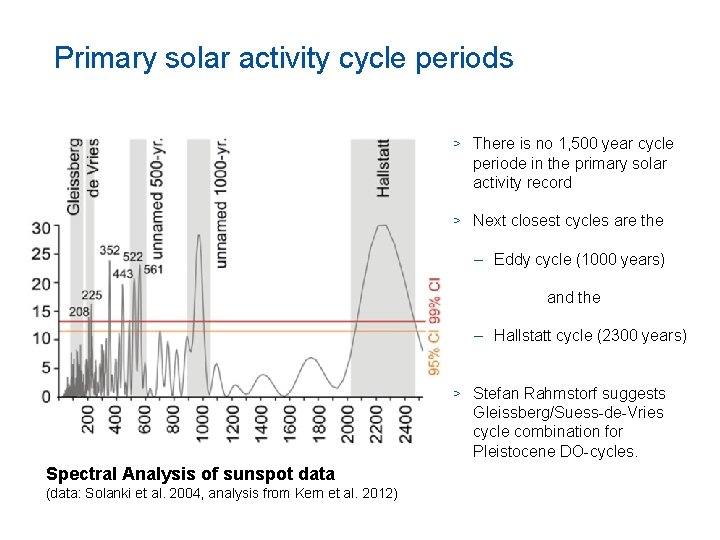
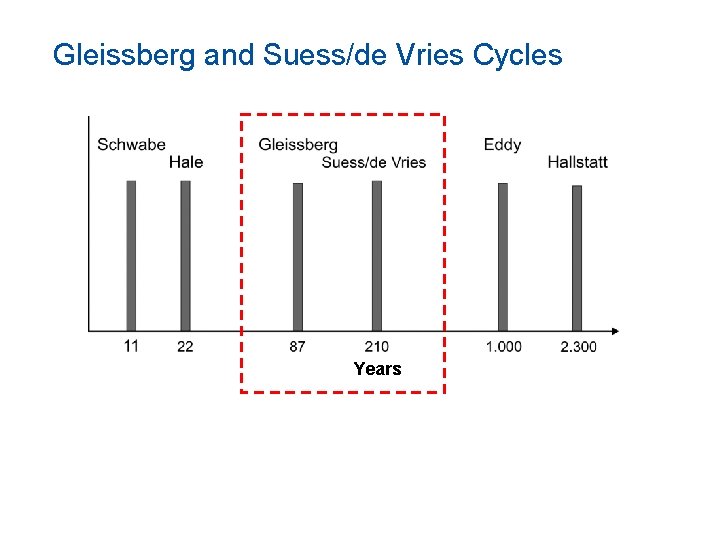
Primary solar activity cycle periods > There is no 1, 500 year cycle periode in the primary solar activity record > Next closest cycles are the – Eddy cycle (1000 years) and the – Hallstatt cycle (2300 years) > Stefan Rahmstorf suggests Gleissberg/Suess-de-Vries cycle combination for Pleistocene DO-cycles. Spectral Analysis of sunspot data (data: Solanki et al. 2004, analysis from Kern et al. 2012)
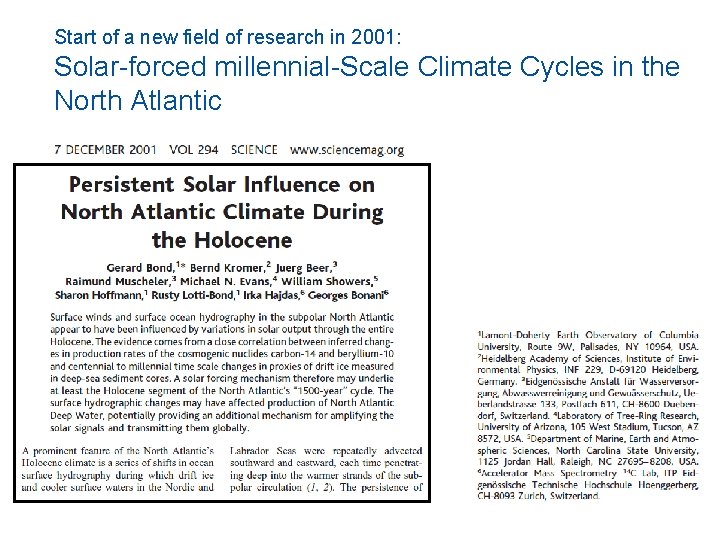
Start of a new field of research in 2001: Solar-forced millennial-Scale Climate Cycles in the North Atlantic
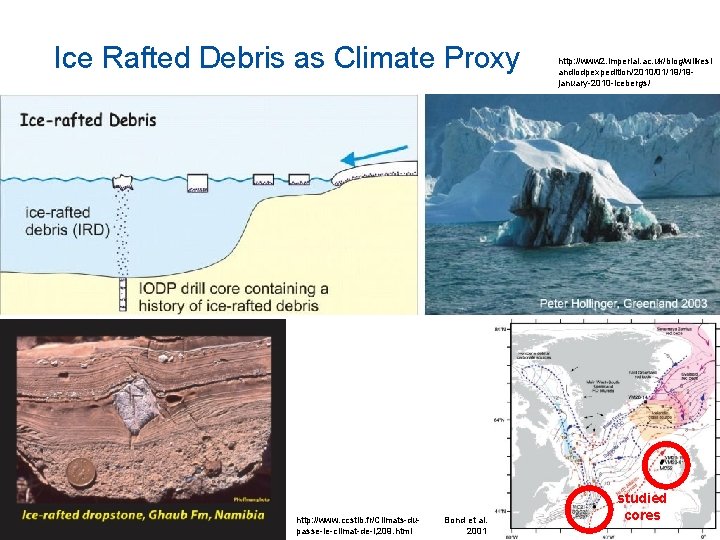
Ice Rafted Debris as Climate Proxy http: //www. ccstib. fr/Climats-dupasse-le-climat-de-l, 209. html Bond et al. 2001 http: //www 2. imperial. ac. uk/blog/wilkesl andiodpexpedition/2010/01/19/19 january-2010 -icebergs/ studied cores
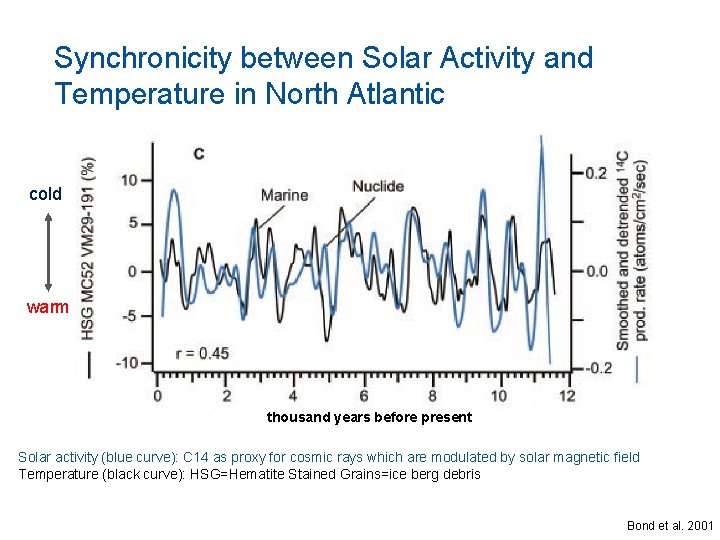
Synchronicity between Solar Activity and Temperature in North Atlantic cold warm thousand years before present Solar activity (blue curve): C 14 as proxy for cosmic rays which are modulated by solar magnetic field Temperature (black curve): HSG=Hematite Stained Grains=ice berg debris Bond et al. 2001
Gerard Bond (1940 -2005) http: //www. columbia. edu/cu/record/23/10/13. html
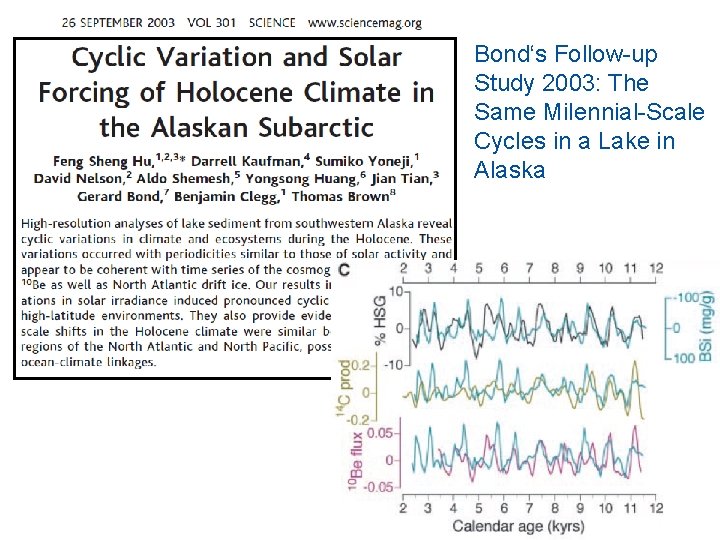
Bond‘s Follow-up Study 2003: The Same Milennial-Scale Cycles in a Lake in Alaska
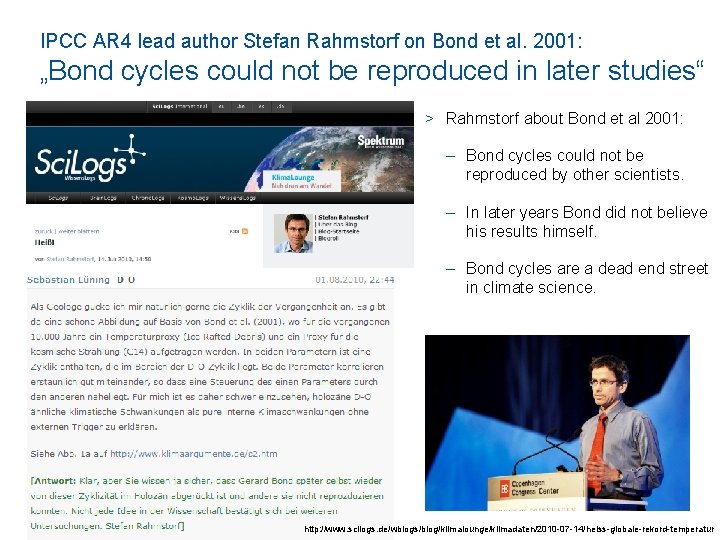
IPCC AR 4 lead author Stefan Rahmstorf on Bond et al. 2001: „Bond cycles could not be reproduced in later studies“ > Rahmstorf about Bond et al 2001: – Bond cycles could not be reproduced by other scientists. – In later years Bond did not believe his results himself. – Bond cycles are a dead end street in climate science. http: //www. scilogs. de/wblogs/blog/klimalounge/klimadaten/2010 -07 -14/heiss-globale-rekord-temperatur
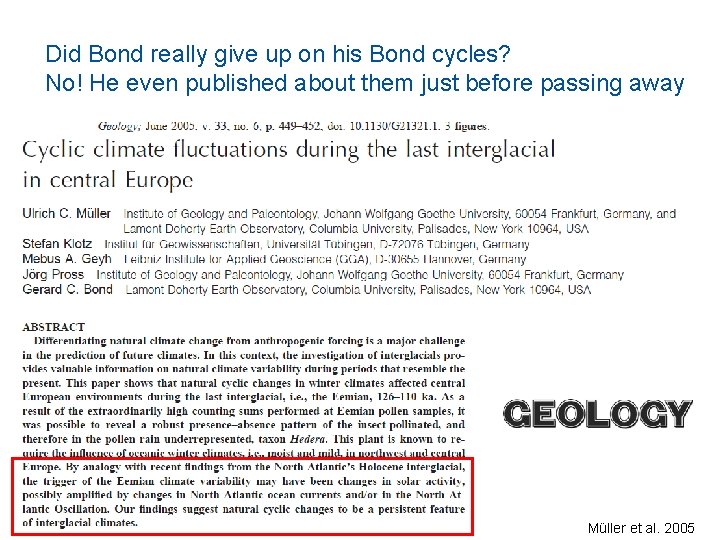
Did Bond really give up on his Bond cycles? No! He even published about them just before passing away Müller et al. 2005
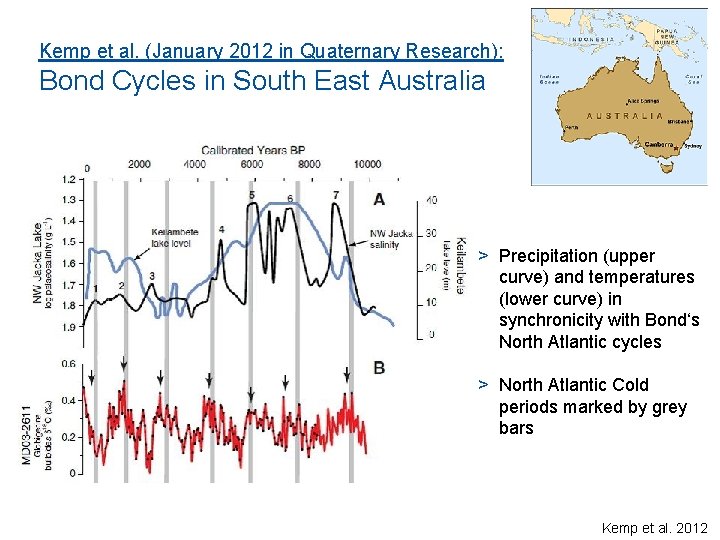
Kemp et al. (January 2012 in Quaternary Research): Bond Cycles in South East Australia > Precipitation (upper curve) and temperatures (lower curve) in synchronicity with Bond‘s North Atlantic cycles > North Atlantic Cold periods marked by grey bars Kemp et al. 2012
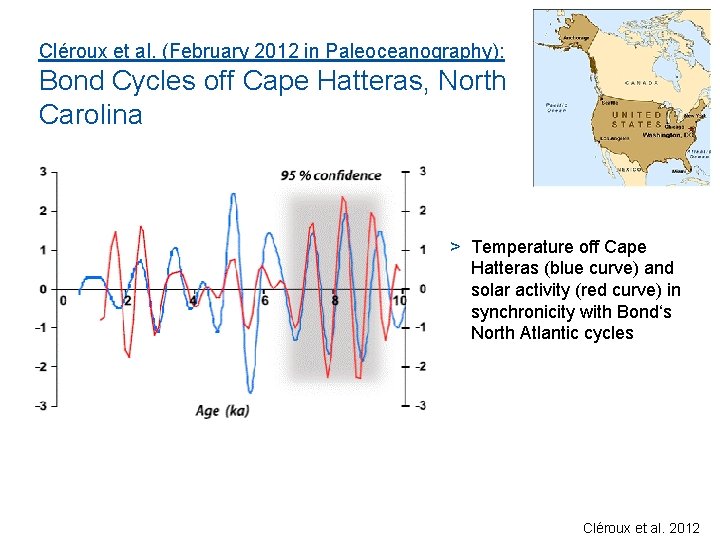
Cléroux et al. (February 2012 in Paleoceanography): Bond Cycles off Cape Hatteras, North Carolina > Temperature off Cape Hatteras (blue curve) and solar activity (red curve) in synchronicity with Bond‘s North Atlantic cycles Cléroux et al. 2012
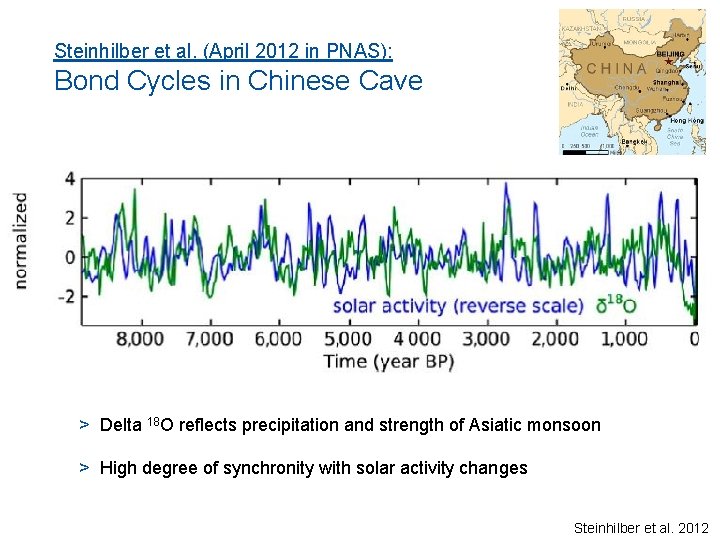
Steinhilber et al. (April 2012 in PNAS): Bond Cycles in Chinese Cave > Delta 18 O reflects precipitation and strength of Asiatic monsoon > High degree of synchronity with solar activity changes Steinhilber et al. 2012
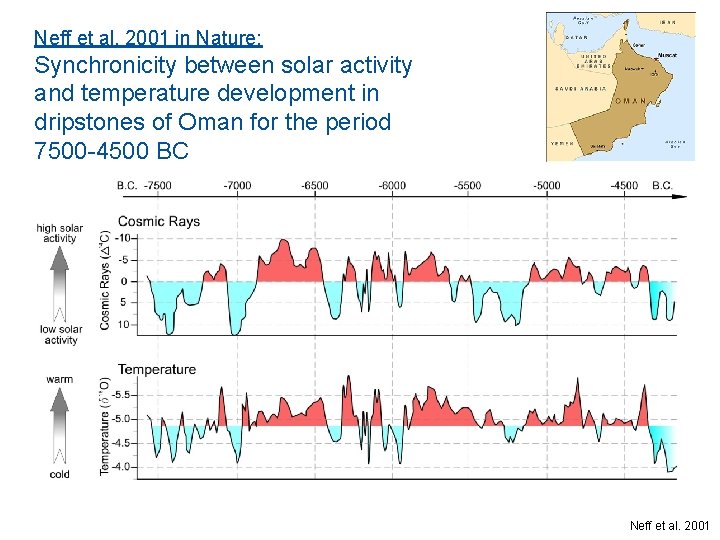
Neff et al. 2001 in Nature: Synchronicity between solar activity and temperature development in dripstones of Oman for the period 7500 -4500 BC Neff et al. 2001
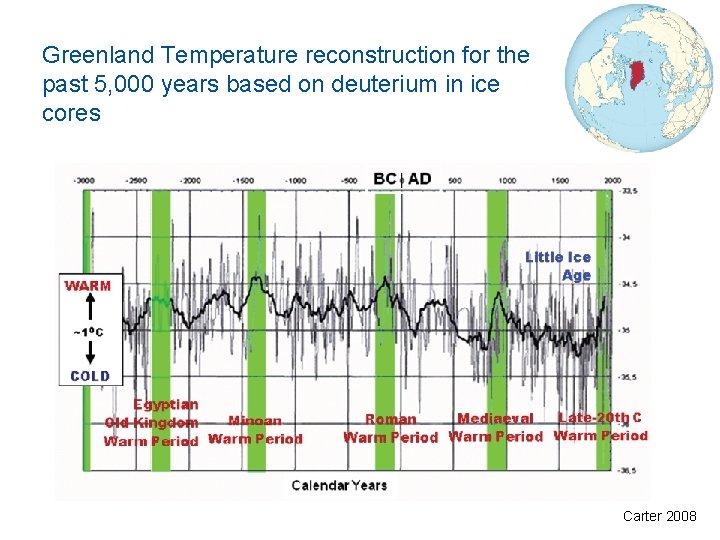
Greenland Temperature reconstruction for the past 5, 000 years based on deuterium in ice cores Carter 2008
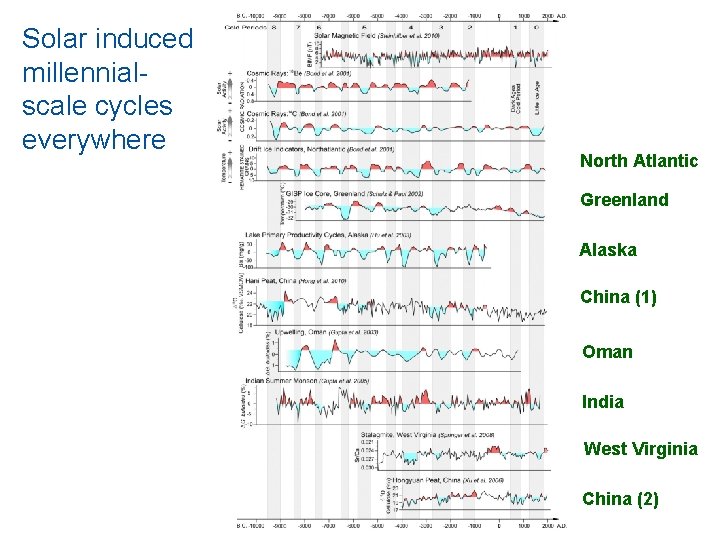
Solar induced millennialscale cycles everywhere North Atlantic Greenland Alaska China (1) Oman India West Virginia China (2)
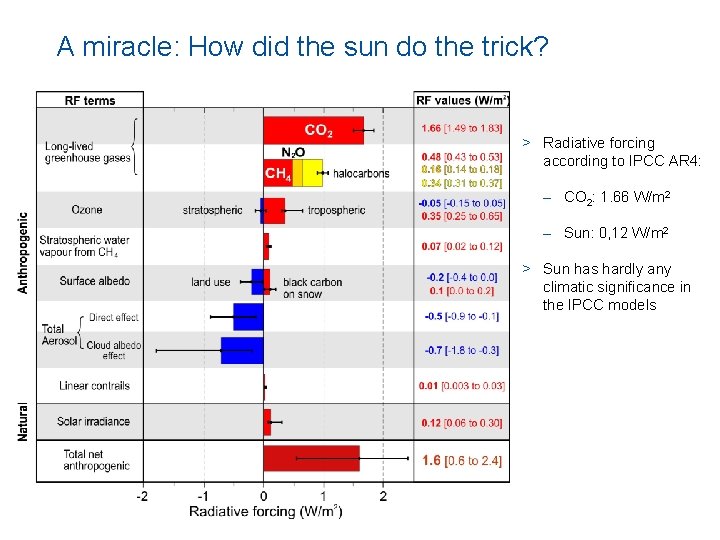
A miracle: How did the sun do the trick? > Radiative forcing according to IPCC AR 4: – CO 2: 1. 66 W/m 2 – Sun: 0, 12 W/m 2 > Sun has hardly any climatic significance in the IPCC models
Medieval Warm Period and Modern Warm Period as part of the Bond cycle
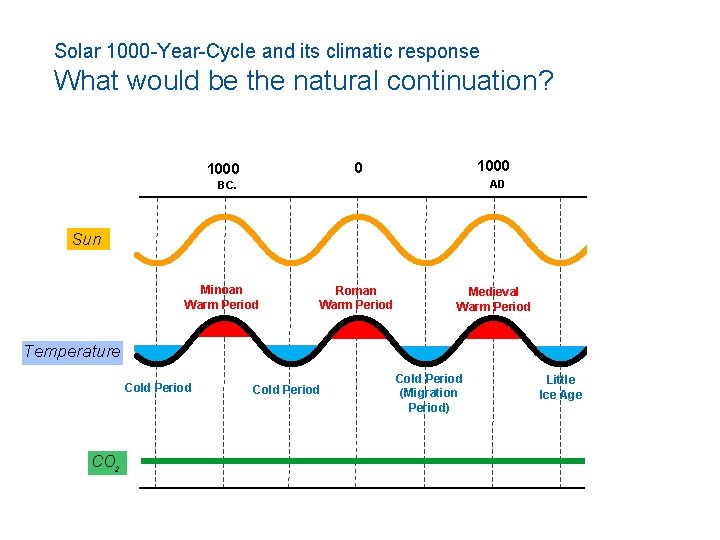
Solar 1000 -Year-Cycle and its climatic response What would be the natural continuation? 1850 1000 TODAY AD BC. Sun Minoan Warm Period Roman Warm Period Modern Warm Period Medieval Warm Period Temperature Cold Period CO 2 Cold Period (Migration Period) Little Ice Age
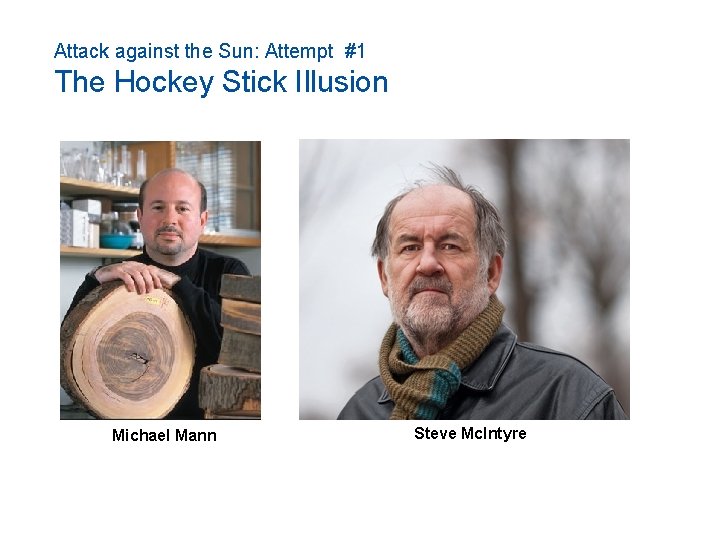
Attack against the Sun: Attempt #1 The Hockey Stick Illusion Michael Mann Steve Mc. Intyre
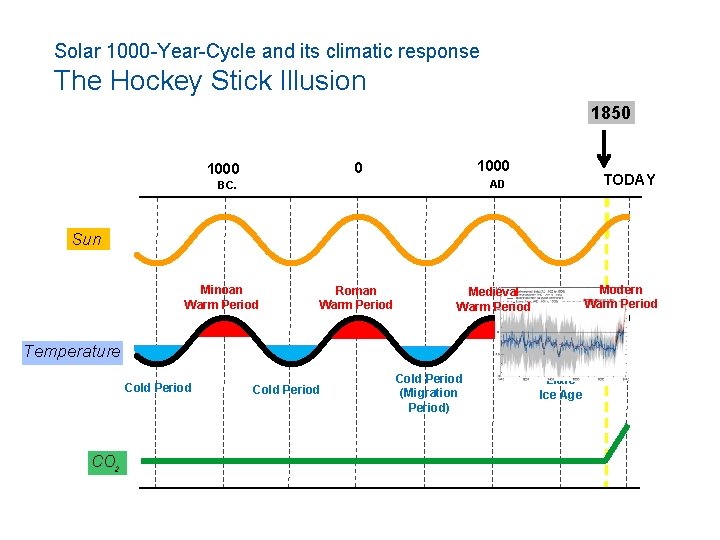
Solar 1000 -Year-Cycle and its climatic response The Hockey Stick Illusion 1850 1000 TODAY AD BC. Sun Minoan Warm Period Roman Warm Period Modern Warm Period Medieval Warm Period Temperature Cold Period CO 2 Cold Period (Migration Period) Little Ice Age
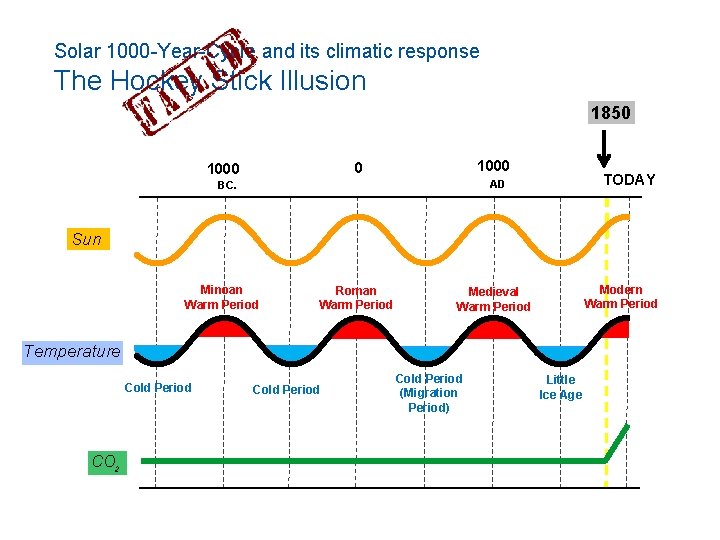
Solar 1000 -Year-Cycle and its climatic response The Hockey Stick Illusion 1850 1000 TODAY AD BC. Sun Minoan Warm Period Roman Warm Period Modern Warm Period Medieval Warm Period Temperature Cold Period CO 2 Cold Period (Migration Period) Little Ice Age
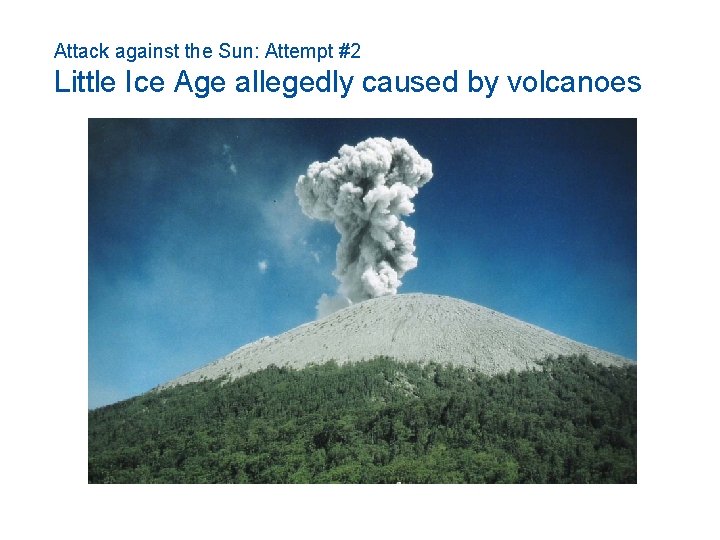
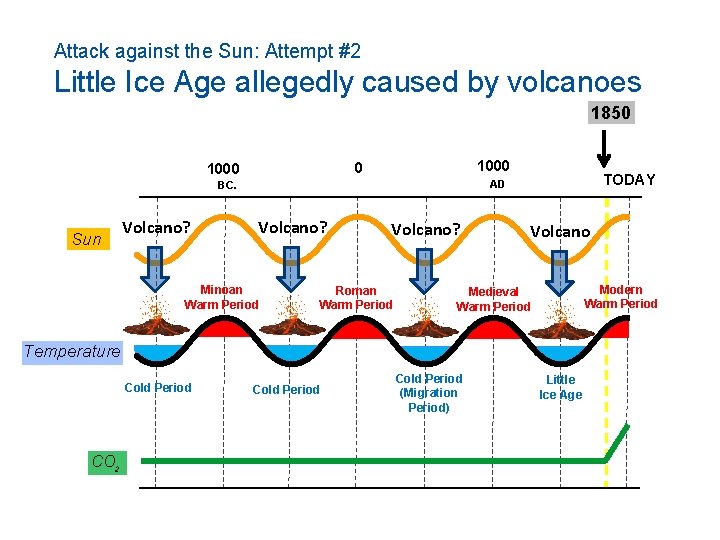
Attack against the Sun: Attempt #2 Little Ice Age allegedly caused by volcanoes
Attack against the Sun: Attempt #2 Little Ice Age allegedly caused by volcanoes 1850 1000 Sun Volcano? TODAY AD BC. Volcano? Minoan Warm Period Volcano? Roman Warm Period Volcano Modern Warm Period Medieval Warm Period Temperature Cold Period CO 2 Cold Period (Migration Period) Little Ice Age
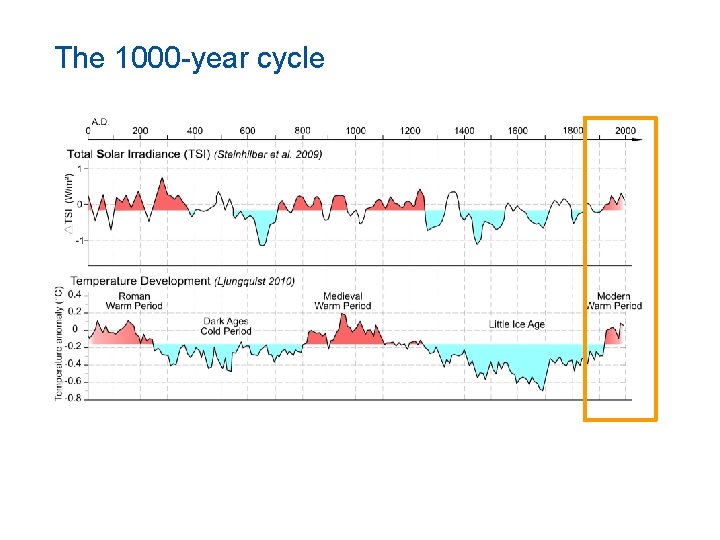
The 1000 -year cycle
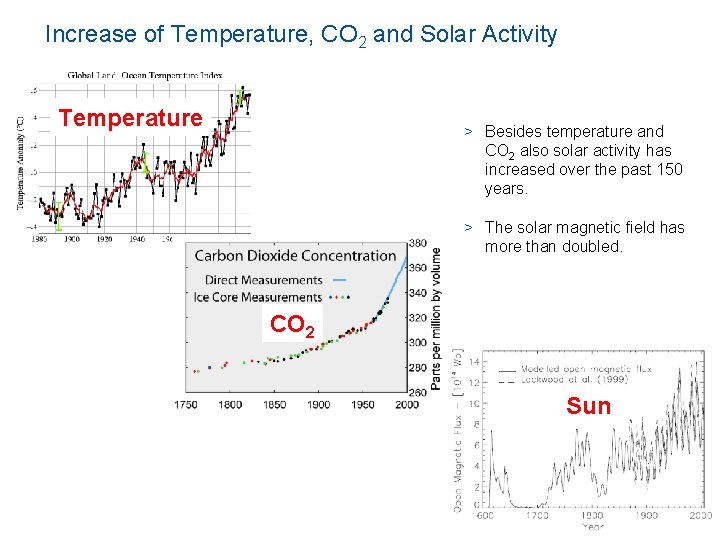
Increase of Temperature, CO 2 and Solar Activity Temperature > Besides temperature and CO 2 also solar activity has increased over the past 150 years. > The solar magnetic field has more than doubled. CO 2 Sun
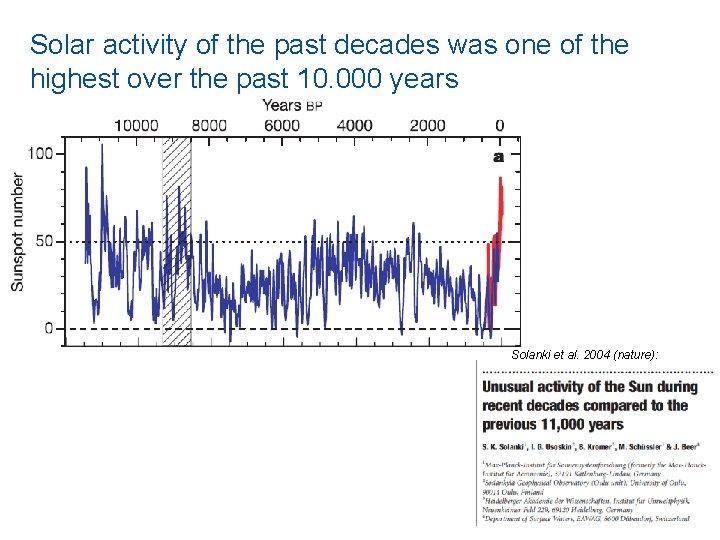
Solar activity of the past decades was one of the highest over the past 10. 000 years Solanki et al. 2004 (nature): 17
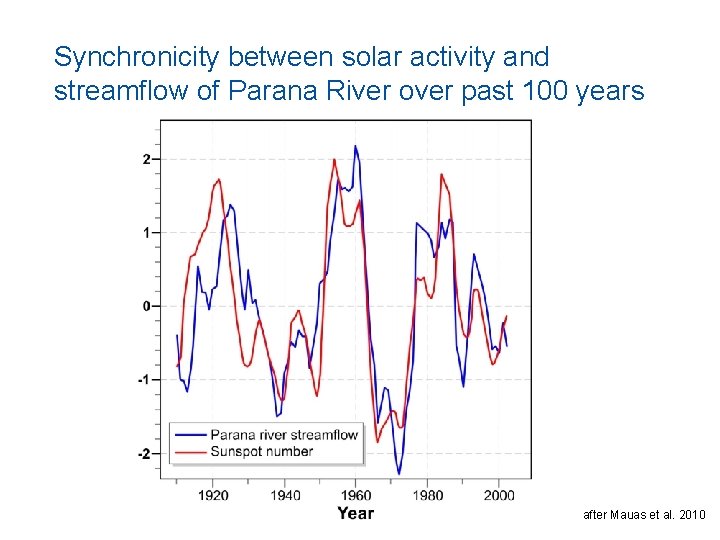
Synchronicity between solar activity and streamflow of Parana River over past 100 years after Mauas et al. 2010
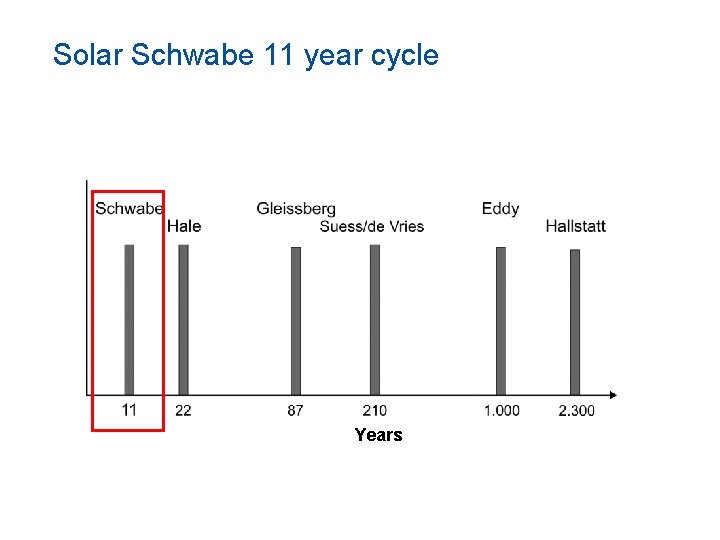
Solar Schwabe 11 year cycle Years
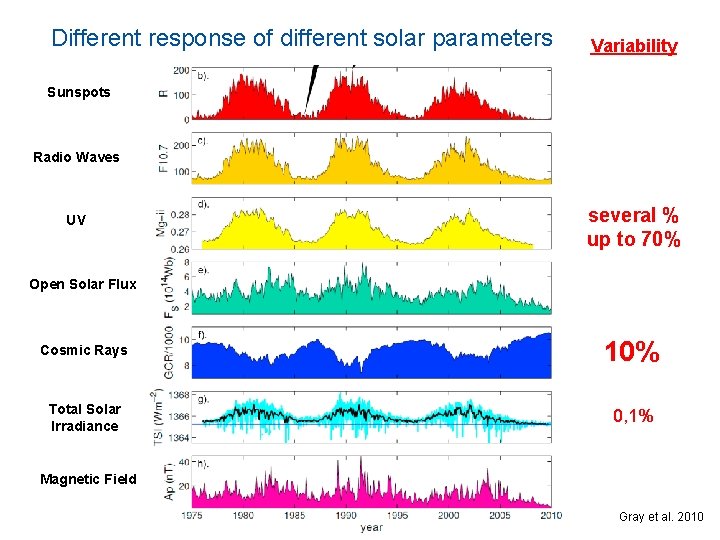
Different response of different solar parameters Variability Sunspots Radio Waves UV several % up to 70% Open Solar Flux Cosmic Rays 10% Total Solar Irradiance 0, 1% Magnetic Field Gray et al. 2010
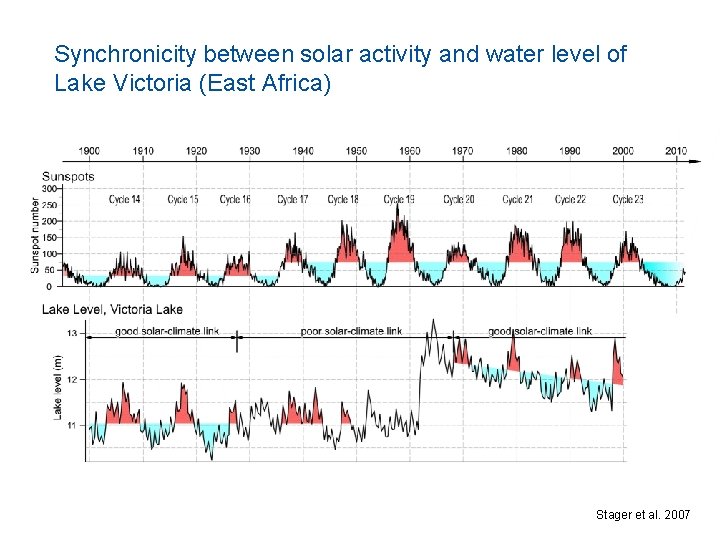
Synchronicity between solar activity and water level of Lake Victoria (East Africa) Stager et al. 2007
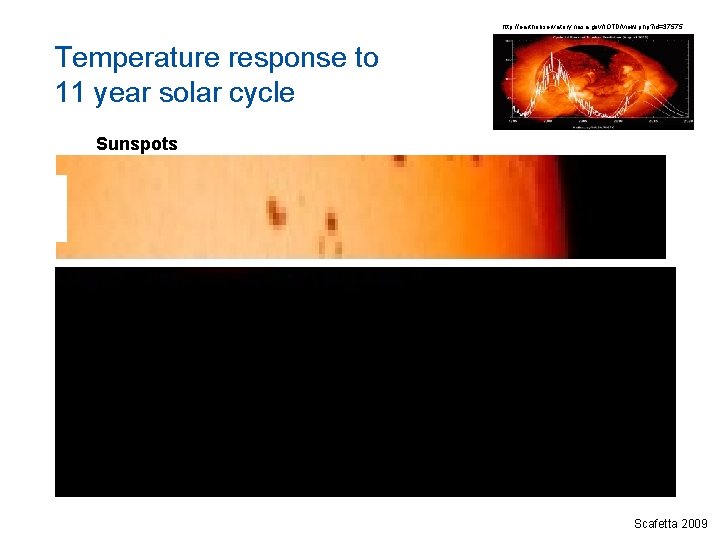
http: //earthobservatory. nasa. gov/IOTD/view. php? id=37575 Temperature response to 11 year solar cycle Sunspots Temperature (deducted: : El Nino & volcanoes) Scafetta 2009
What‘s next for Bond cycle?
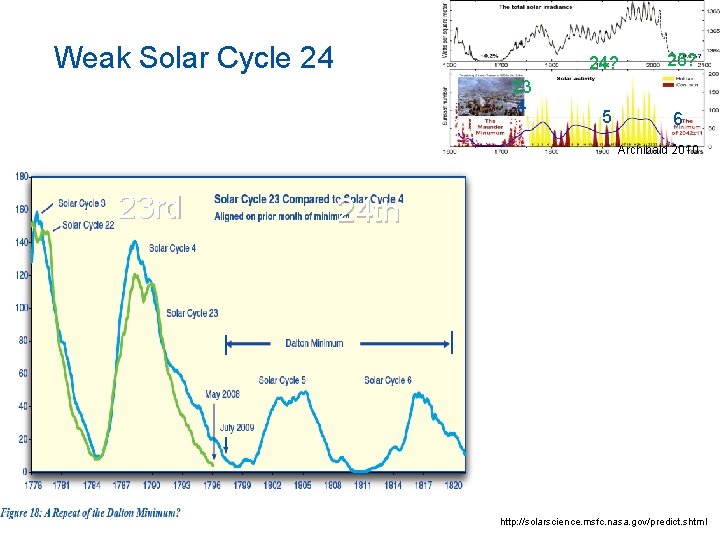
Weak Solar Cycle 24 23 4 24? 25? 5 6 Archibald 2010 23 rd 24 th http: //solarscience. msfc. nasa. gov/predict. shtml
Gleissberg and Suess/de Vries Cycles Years
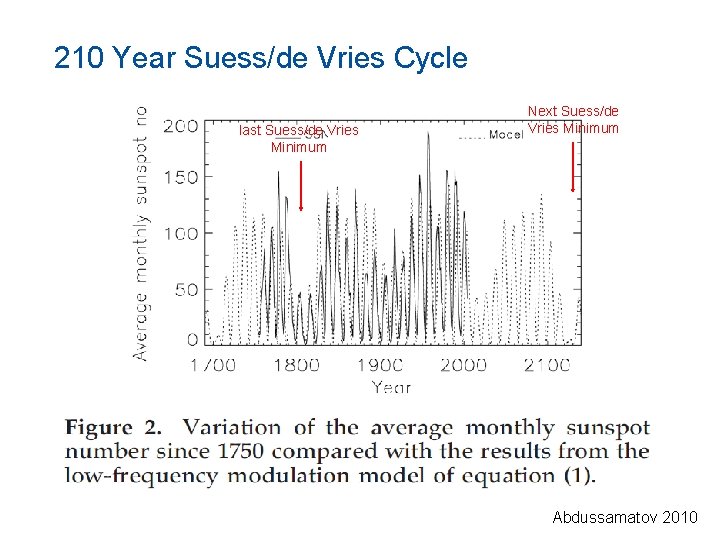
210 Year Suess/de Vries Cycle last Suess/de Vries Minimum Next Suess/de Vries Minimum Abdussamatov 2010
Prognosis of solar activity based on main solar cycles Clilverd et al. 2006
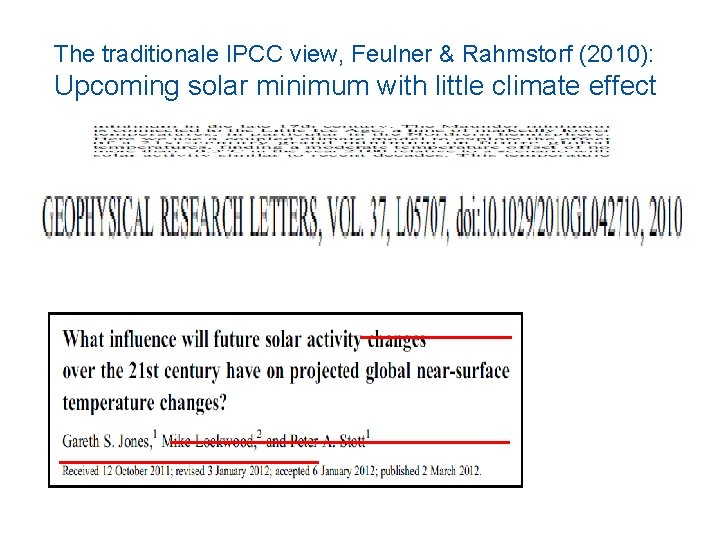
The traditionale IPCC view, Feulner & Rahmstorf (2010): Upcoming solar minimum with little climate effect
The traditional IPCC view, Jones et al. (2012): Upcoming solar minimum with little climate effect
Our Schematic Temperature Prognosis („Die kalte Sonne“)
Thank You