
Dianas teraputicas emergentes Nuevos inhibidores de tirosina kinasa
Dianas terapéuticas emergentes Nuevos inhibidores de tirosina kinasa y combinaciones En la vanguardia de la oncología traslacional Elena Garralda, MD MSc
Disclosures § CONSULTANT HONORARIA: Roche/Genentech - F. Hoffmann/La Roche - Ellipses Pharma Neomed Therapeutics 1 Inc - Boehringer Ingelheim - Janssen Global Services - Astra. Zeneca § TRAVEL GRANTS: Bristol-Mayers Squibb / Merck Sharp & Dohme / Menarini / Glycotope § SPEAKERS BUREAU: Bristol-Mayers Squibb / Merck Sharp & Dohme § RESEARCH: Novartis, Med. Inmune § CLINICAL TRIALS PI or subinv: Principia Biopharma Inc. - Lilly, S. A - Novartis Farmacéutica, S. A - Genentech Inc - Loxo Oncology Inc - F. Hoffmann La Roche Ltd - Symphogen A/S - Merck, Sharp & Dohme de España, S. A - Incyte Biosciences International - Pharma Mar, S. A. U . - Kura Oncology Inc - Macrogenics Inc – Glycotope Gmbh - Pierre Fabre Medicament - Cellestia Biotech - Menarini Ricerche Spa - Blueprint Medicines Corporation - Beigene Usa, Inc - Sierra Oncology, Inc - Genmab B. V.
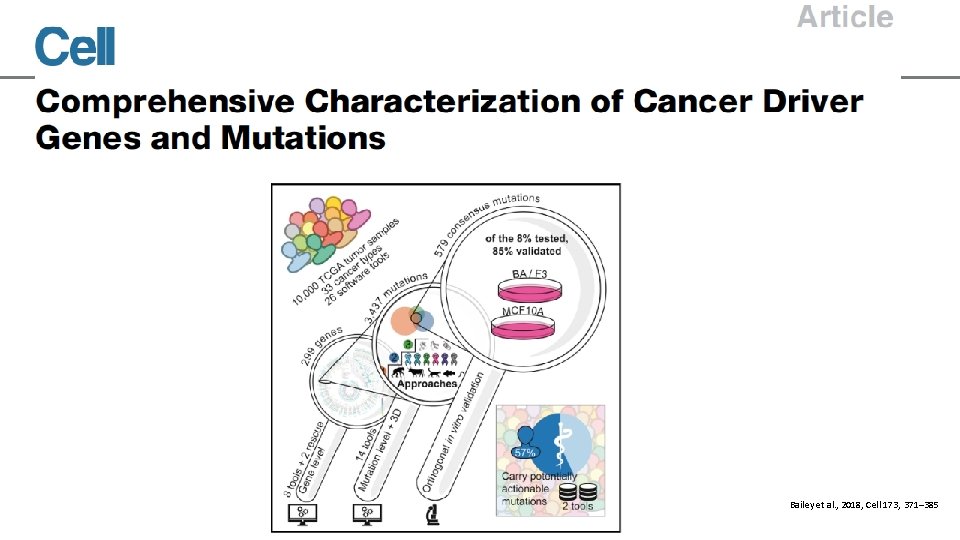
Bailey et al. , 2018, Cell 173, 371– 385 3

TRK fusions are rare but recurrent oncogenic drivers • Recurrent fusion events have been identified across diverse pediatric and adult cancers 7 -13 5’ partner LBD kinase domain TRK kinase domain P Tyr 5’ partner AAAA P ERK Dimerization domain TRK kinase domain P Tyr ‒ NTRK 1 (TRKA) Pain, thermoregulation ‒ NTRK 2 (TRKB) Movement, memory, mood, appetite, body weight ‒ NTRK 3 (TRKC) Proprioception Promoter Tyr • 3 structurally related TRK receptors encoded by 3 2 -6 distinct genes that regulate specific normal functions NTRK 1/2/3 Tyr • After embryonal development, tropomyosin receptor kinases (TRK) expression is primarily limited to the nervous system 1 AKT P 1. Vaishnavi et al. Cancer Discovery. 2014; 5(1): 1 -10. 2. Crowley et al. Cell. 1994; 76(6): 1001 -1011. 3. Smeyne et al. Nature. 1994; 368(6468): 246 -249. 4. Skaper. CNS Neurol Disord Drug Targets. 2008; 7(1): 46 -62. 5. Ammendrup-Johnsen I et al. J Neurosci. 2015; 35(36): 12425 -12431. 6. Huang et al. Annu Rev Neurosci. 2001; 24: 677 -736. 7. Chen et al. Anticancer Res. 2014; 34(4): 1595 -1600. 8. Fujimoto J et al. Proc Natl Acad Sci U S A. 1996; 93(9): 4181 -4186. 9. Dupain C et al. Mol Ther Nucleic Acids. 2017; 6: 315 -326. 10. Wang D et al. Comput Math Methods Med. 2015; 2015: 912742. 11. Tognon C et al. Cancer Res. 2001; 61(24): 8909 -8916. 12. Roccato E et al. Br J Cancer. 2002; 87(6): 645 -653. 13. Ardini E, et al. Mol Oncol. 2014; 8(8): 1495 -1507. 4
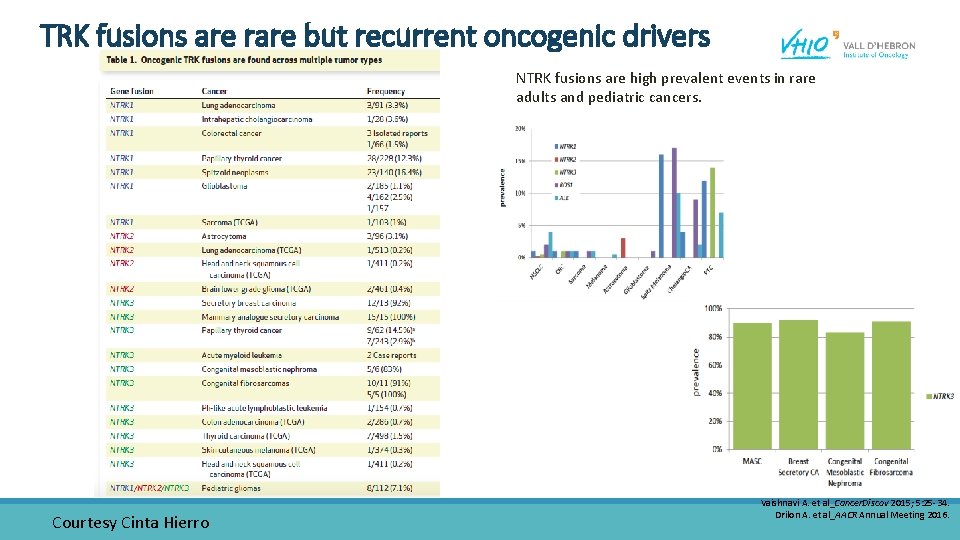
TRK fusions are rare but recurrent oncogenic drivers NTRK fusions are high prevalent events in rare adults and pediatric cancers. Courtesy Cinta Hierro Vaishnavi A. et al_Cancer. Discov 2015; 5: 25 -34. Drilon A. et al_AACR Annual Meeting 2016.
Entrectinib in NTRK Fusion-Positive Non-Small Cell Lung Cancer (NSCLC): Integrated Analysis of Patients Enrolled in Three Trials (STARTRK-2, STARTRK-1 and ALKA-372 -001) • Doebele RC 1, Paz-Ares L 2, Farago AF 3, Liu SV 4, Chawla SP 5, Tosi D 6, Blakely CM 7, Krauss JC 8, Sigal D 9, Bazhenova L 10, John T 11, Besse B 12, Wolf J 13, Seto T 14, Chow-Maneval E 15, Ye C 16, Simmons B 16, Demetri GD 17 • 1 University of Colorado, Aurora, CO, USA; 2 Hospital Universitario 12 de Octubre, Madrid, Spain; 3 Massachusetts General Hospital, Boston, MA, USA; 4 Georgetown University, Washington, DC, USA; 5 Sarcoma Oncology Research Center, Santa Monica, CA, USA; 6 Medical Oncology Departement, Institut du Cancer de Montpellier Inserm U 1194, Montpellier University, Montpellier, France ; 7 University of California San Francisco, CA, USA; 8 University of Michigan, Ann Arbor, MI, USA; 9 Scripps Clinic, La Jolla, CA, USA; 10 University of California, San Diego, CA, USA; 11 Olivia Newton-John Cancer Research Institute, Austin Health, Heidelberg, Victoria, Australia; 12 Gustave Roussy Cancer Campus, Villejuif Cedex, France; 13 University Hospital of Cologne, Germany; 14 National Kyushu Cancer Center, Fukuoka, Japan; 15 Ignyta, Inc. , San Diego, CA, USA; 16 Genentech, South San Francisco, CA, USA; 17 Dana-Farber Cancer Institute, Boston, MA, USA 6
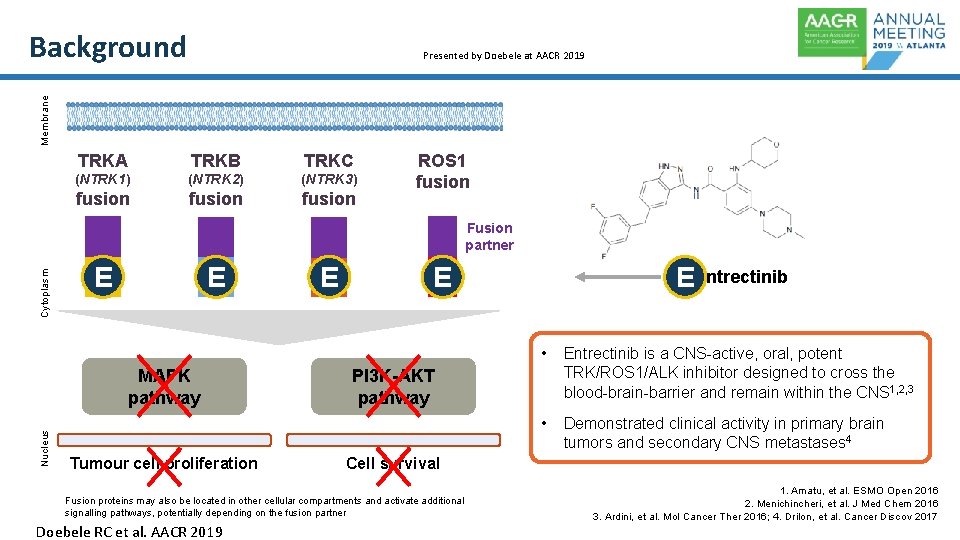
Background Membrane Presented by Doebele at AACR 2019 TRKA TRKB TRKC (NTRK 1) (NTRK 2) (NTRK 3) fusion ROS 1 fusion Cytoplasm Fusion partner E E Nucleus MAPK pathway Tumour cell proliferation E E ntrectinib • Entrectinib is a CNS-active, oral, potent TRK/ROS 1/ALK inhibitor designed to cross the blood-brain-barrier and remain within the CNS 1, 2, 3 • Demonstrated clinical activity in primary brain tumors and secondary CNS metastases 4 PI 3 K-AKT pathway Cell survival Fusion proteins may also be located in other cellular compartments and activate additional signalling pathways, potentially depending on the fusion partner Doebele RC et al. AACR 2019 E 1. Amatu, et al. ESMO Open 2016 2. Menichincheri, et al. J Med Chem 2016 3. Ardini, et al. Mol Cancer Ther 2016; 4. Drilon, et al. Cancer Discov 2017 7
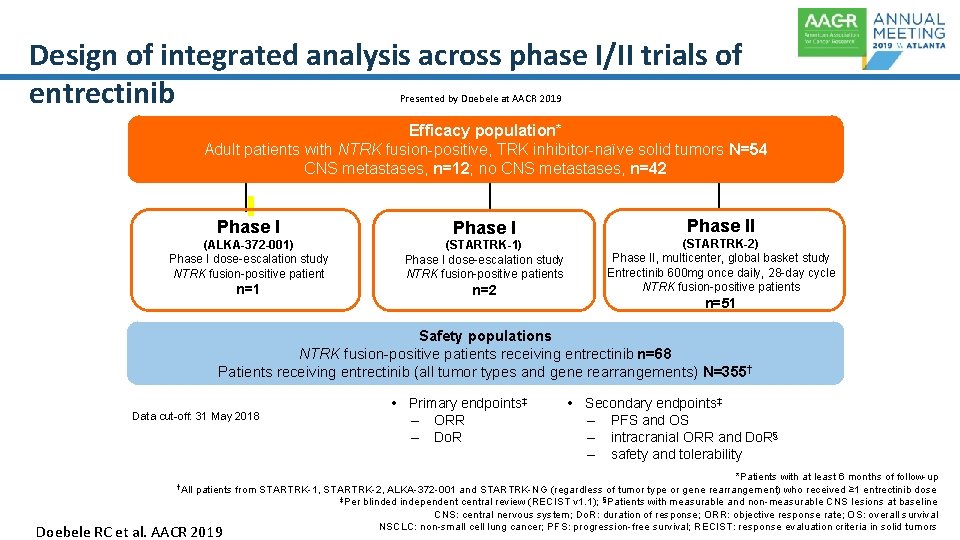
Design of integrated analysis across phase I/II trials of entrectinib Presented by Doebele at AACR 2019 Efficacy population* Adult patients with NTRK fusion-positive, TRK inhibitor-naïve solid tumors N=54 CNS metastases, n=12; no CNS metastases, n=42 Phase I (ALKA-372 -001) Phase I dose-escalation study NTRK fusion-positive patient (STARTRK-1) Phase I dose-escalation study NTRK fusion-positive patients n=1 n=2 Phase II (STARTRK-2) Phase II, multicenter, global basket study Entrectinib 600 mg once daily, 28 -day cycle NTRK fusion-positive patients n=51 Safety populations NTRK fusion-positive patients receiving entrectinib n=68 Patients receiving entrectinib (all tumor types and gene rearrangements) N=355† Data cut-off: 31 May 2018 †All • Primary endpoints‡ – ORR – Do. R • Secondary endpoints‡ – PFS and OS – intracranial ORR and Do. R§ – safety and tolerability *Patients with at least 6 months of follow-up patients from STARTRK-1, STARTRK-2, ALKA-372 -001 and STARTRK-NG (regardless of tumor type or gene rearrangement) who received ≥ 1 entrectinib dose ‡Per blinded independent central review (RECIST v 1. 1); §Patients with measurable and non-measurable CNS lesions at baseline CNS: central nervous system; Do. R: duration of response; ORR: objective response rate; OS: overall survival NSCLC: non-small cell lung cancer; PFS: progression-free survival; RECIST: response evaluation criteria in solid tumors Doebele RC et al. AACR 2019 8
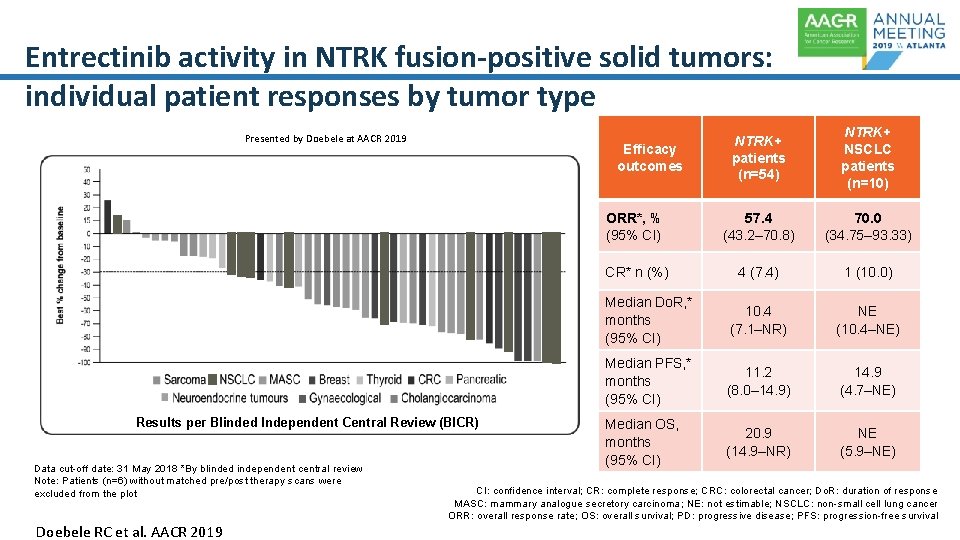
Entrectinib activity in NTRK fusion-positive solid tumors: individual patient responses by tumor type Presented by Doebele at AACR 2019 Doebele RC et al. AACR 2019 NTRK+ NSCLC patients (n=10) ORR*, % (95% CI) 57. 4 (43. 2– 70. 8) 70. 0 (34. 75– 93. 33) CR* n (%) 4 (7. 4) 1 (10. 0) Median Do. R, * months (95% CI) 10. 4 (7. 1–NR) NE (10. 4–NE) Median PFS, * months (95% CI) 11. 2 (8. 0– 14. 9) 14. 9 (4. 7–NE) Median OS, months (95% CI) 20. 9 (14. 9–NR) NE (5. 9–NE) Efficacy outcomes Results per Blinded Independent Central Review (BICR) Data cut-off date: 31 May 2018 *By blinded independent central review Note: Patients (n=6) without matched pre/post therapy scans were excluded from the plot NTRK+ patients (n=54) CI: confidence interval; CR: complete response; CRC: colorectal cancer; Do. R: duration of response MASC: mammary analogue secretory carcinoma; NE: not estimable; NSCLC: non-small cell lung cancer ORR: overall response rate; OS: overall survival; PD: progressive disease; PFS: progression-free survival 9
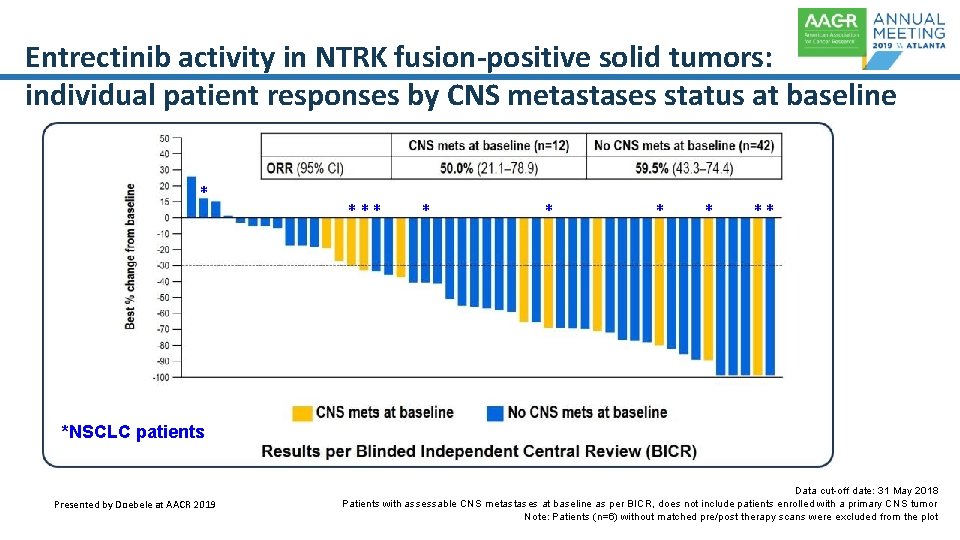
Entrectinib activity in NTRK fusion-positive solid tumors: individual patient responses by CNS metastases status at baseline * *** * * ** *NSCLC patients Presented by Doebele at AACR 2019 Data cut-off date: 31 May 2018 Patients with assessable CNS metastases at baseline as per BICR, does not include patients enrolled with a primary CNS tumor Note: Patients (n=6) without matched pre/post therapy scans were excluded from the plot 10
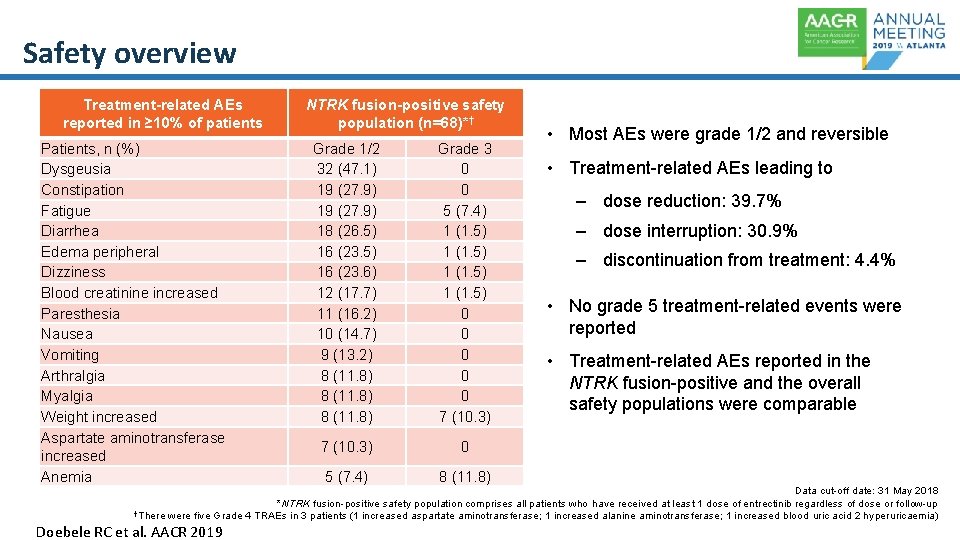
Safety overview Treatment-related AEs reported in ≥ 10% of patients Patients, n (%) Dysgeusia Constipation Fatigue Diarrhea Edema peripheral Dizziness Blood creatinine increased Paresthesia Nausea Vomiting Arthralgia Myalgia Weight increased Aspartate aminotransferase increased Anemia NTRK fusion-positive safety population (n=68)*† Grade 1/2 32 (47. 1) 19 (27. 9) 18 (26. 5) 16 (23. 6) 12 (17. 7) 11 (16. 2) 10 (14. 7) 9 (13. 2) 8 (11. 8) Grade 3 0 0 5 (7. 4) 1 (1. 5) 0 0 0 7 (10. 3) 0 5 (7. 4) 8 (11. 8) • Most AEs were grade 1/2 and reversible • Treatment-related AEs leading to – dose reduction: 39. 7% – dose interruption: 30. 9% – discontinuation from treatment: 4. 4% • No grade 5 treatment-related events were reported • Treatment-related AEs reported in the NTRK fusion-positive and the overall safety populations were comparable Data cut-off date: 31 May 2018 *NTRK fusion-positive safety population comprises all patients who have received at least 1 dose of entrectinib regardless of dose or follow-up †There were five Grade 4 TRAEs in 3 patients (1 increased aspartate aminotransferase; 1 increased alanine aminotransferase; 1 increased blood uric acid 2 hyperuricaemia) Doebele RC et al. AACR 2019 11
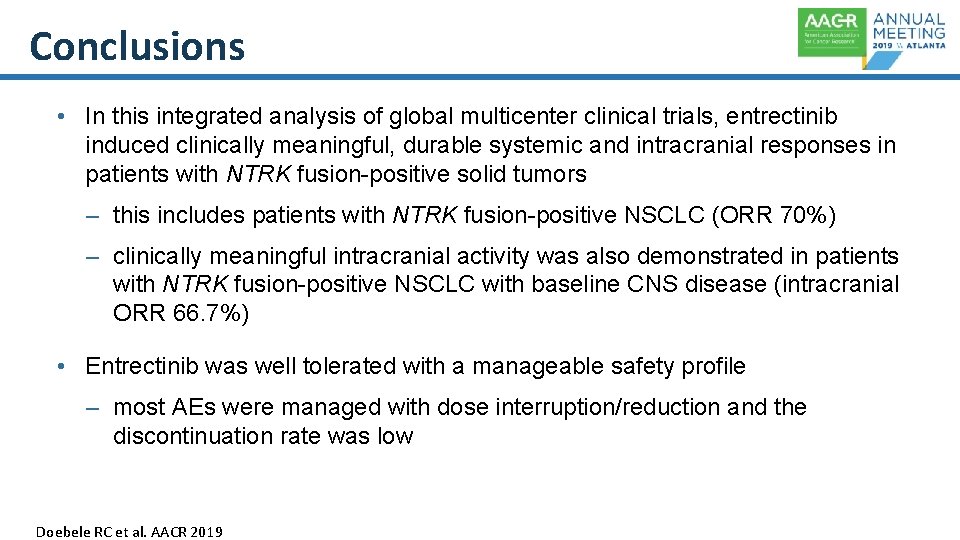
Conclusions • In this integrated analysis of global multicenter clinical trials, entrectinib induced clinically meaningful, durable systemic and intracranial responses in patients with NTRK fusion-positive solid tumors – this includes patients with NTRK fusion-positive NSCLC (ORR 70%) – clinically meaningful intracranial activity was also demonstrated in patients with NTRK fusion-positive NSCLC with baseline CNS disease (intracranial ORR 66. 7%) • Entrectinib was well tolerated with a manageable safety profile – most AEs were managed with dose interruption/reduction and the discontinuation rate was low Doebele RC et al. AACR 2019 12
Expanded Access Experience of LOXO-195 (BAY 2731954), a Selective Next-Generation TRK Inhibitor • David M. Hyman 1, Shivaani Kummar 2, Anna F. Farago 3, Birgit Geoerger 4, Morten Mau-Sorensen 5, Matthew Taylor 6, Elena Garralda 7, Ramamoorthy Nagasubramanian 8, Michael Nathenson 9, Lucy Song 10, Michael Capra 11, Mette Jorgensen 12, Alan Ho 1, Neerav Shukla 1, Steve Smith 13, Xin Huang 13, Brian Tuch 13, Nora Ku 13, Theodore W. Laetsch 14, Alexander Drilon 1, and David S. Hong 15 1. Memorial Sloan Kettering Cancer Center, New York, NY; 2. Stanford Cancer Center, Stanford University, Palo Alto, CA; 3. Massachusetts General Hospital, Boston, MA; 4. Gustave Roussy Cancer Center, Villejuif, France; 5. The Finsen Center Rigshospitalet, Copenhagen, Denmark; 6. Oregon Health & Science University; 7. Val D Hebron, Barcelona, Spain; 8. Nemours Children's Hospital, Orlando, FL; 9. Dana-Farber Cancer Institute, Boston, MA; 10. Kaiser Permanente Medical Center, Santa Clara, CA; 11. Our Lady’s Children’s Hospital, Dublin, Ireland; 12. Great Ormond Street Hospital for Children NHS Trust, London, UK; 13. Loxo Oncology, South San Francisco, CA; 14. University of Texas Southwestern Medical Center/Children’s Health, Dallas, TX; 15. MD Anderson Cancer Center, Houston, Tx, USA 13 13
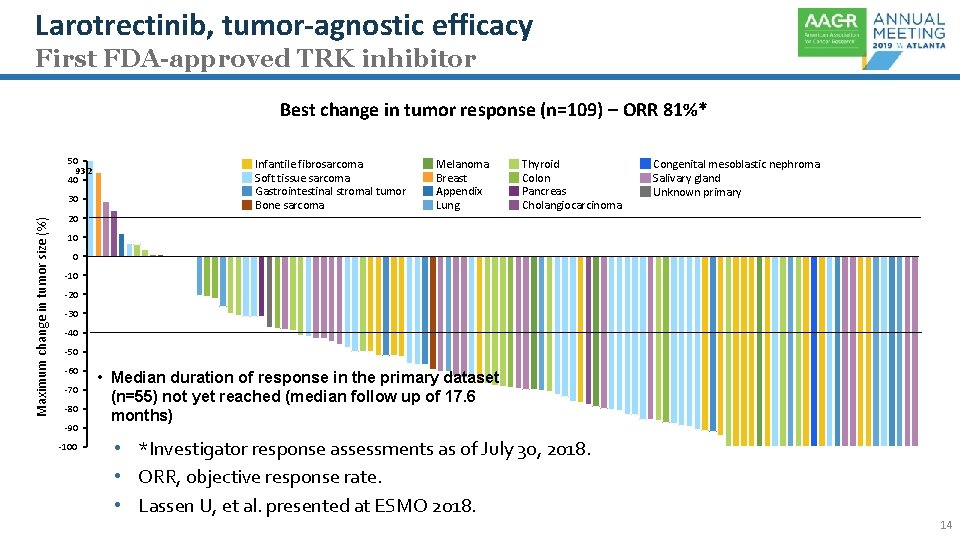
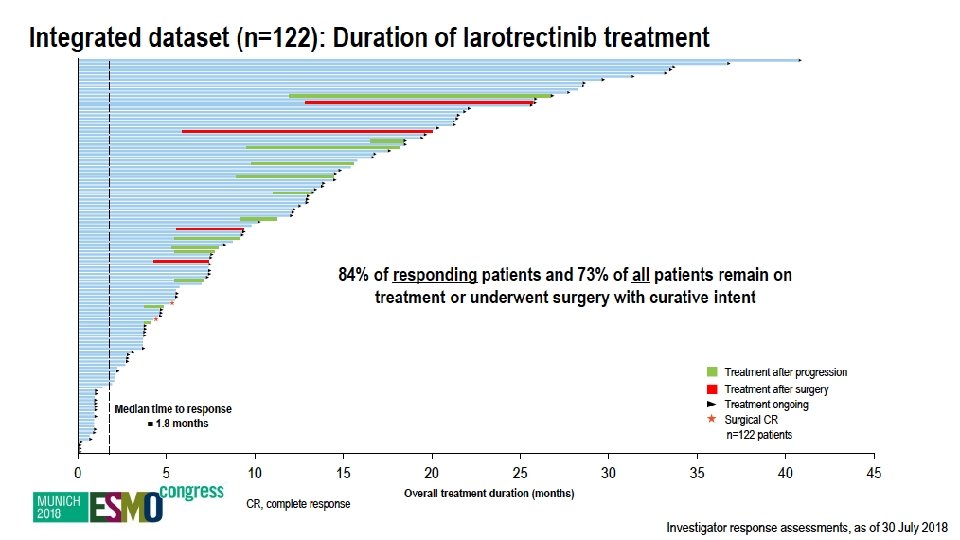
Larotrectinib, tumor-agnostic efficacy First FDA-approved TRK inhibitor Best change in tumor response (n=109) – ORR 81%* 50 93. 2 40 Maximum change in tumor size (%) 30 20 Infantile fibrosarcoma Soft tissue sarcoma Gastrointestinal stromal tumor Bone sarcoma Melanoma Breast Appendix Lung Thyroid Colon Pancreas Cholangiocarcinoma Congenital mesoblastic nephroma Salivary gland Unknown primary 10 0 -10 -20 -30 -40 -50 -60 -70 -80 -90 -100 • Median duration of response in the primary dataset (n=55) not yet reached (median follow up of 17. 6 months) • *Investigator response assessments as of July 30, 2018. • ORR, objective response rate. • Lassen U, et al. presented at ESMO 2018. 14 14
15 15

On-target resistance to TRK inhibitors TRKB TRKA Solvent Front (SF) x. DFG TRKC Gatekeeper (GK) Acquired TRK kinase domain mutations in 3 recurrent motifs result in on-target resistance to current generation of inhibitors • GK, gatekeeper; SF, solvent front. • Cocco E, et al. Nat Rev Clin Oncol. 2018; 15(12): 731 -747. 16 16

Solvent front mutation LOXO-195 • Potent second-generation inhibitor of all 3 TRK tyrosine kinases with IC 50 <5 n. M • Selective: >1000 x more selective for TRK over 98% of 226 non-TRK kinases • Activity against acquired solvent front, x. DFG, gatekeeper, and TRK mutations demonstrated in enzyme- and cell-based assays and in vivo tumor models • Excellent drug properties: orally dosed, high exposure Larotrectinib LOXO-195 (BAY 2731954) • • Hyman. et al AACR 2019 Drilon A, et al. Cancer Discov. 2017; DOI: 10. 1158/2159 -8290. CD-17 -0507. 17 17
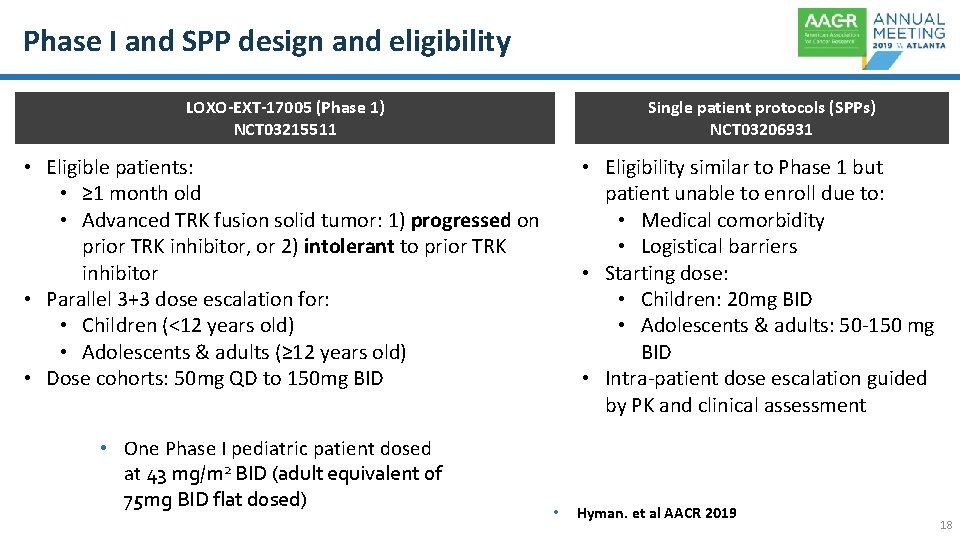
Phase I and SPP design and eligibility LOXO-EXT-17005 (Phase 1) NCT 03215511 Single patient protocols (SPPs) NCT 03206931 • Eligible patients: • ≥ 1 month old • Advanced TRK fusion solid tumor: 1) progressed on prior TRK inhibitor, or 2) intolerant to prior TRK inhibitor • Parallel 3+3 dose escalation for: • Children (<12 years old) • Adolescents & adults (≥ 12 years old) • Dose cohorts: 50 mg QD to 150 mg BID • Eligibility similar to Phase 1 but patient unable to enroll due to: • Medical comorbidity • Logistical barriers • Starting dose: • Children: 20 mg BID • Adolescents & adults: 50 -150 mg BID • Intra-patient dose escalation guided by PK and clinical assessment • One Phase I pediatric patient dosed at 43 mg/m 2 BID (adult equivalent of 75 mg BID flat dosed) • Hyman. et al AACR 2019 18 18
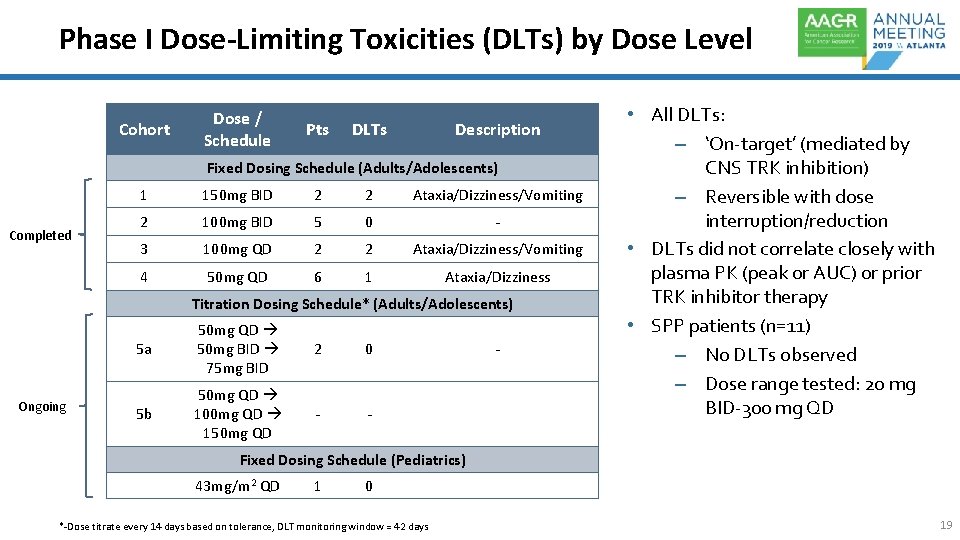
Phase I Dose-Limiting Toxicities (DLTs) by Dose Level Cohort Dose / Schedule Pts DLTs Description Fixed Dosing Schedule (Adults/Adolescents) Completed 1 150 mg BID 2 2 Ataxia/Dizziness/Vomiting 2 100 mg BID 5 0 - 3 100 mg QD 2 2 Ataxia/Dizziness/Vomiting 4 50 mg QD 6 1 Ataxia/Dizziness Titration Dosing Schedule* (Adults/Adolescents) Ongoing 5 a 50 mg QD 50 mg BID 75 mg BID 2 0 5 b 50 mg QD 100 mg QD 150 mg QD - - - • All DLTs: – ‘On-target’ (mediated by CNS TRK inhibition) – Reversible with dose interruption/reduction • DLTs did not correlate closely with plasma PK (peak or AUC) or prior TRK inhibitor therapy • SPP patients (n=11) – No DLTs observed – Dose range tested: 20 mg BID-300 mg QD Fixed Dosing Schedule (Pediatrics) 43 mg/m 2 QD 1 0 *-Dose titrate every 14 days based on tolerance, DLT monitoring window = 42 days 19 19
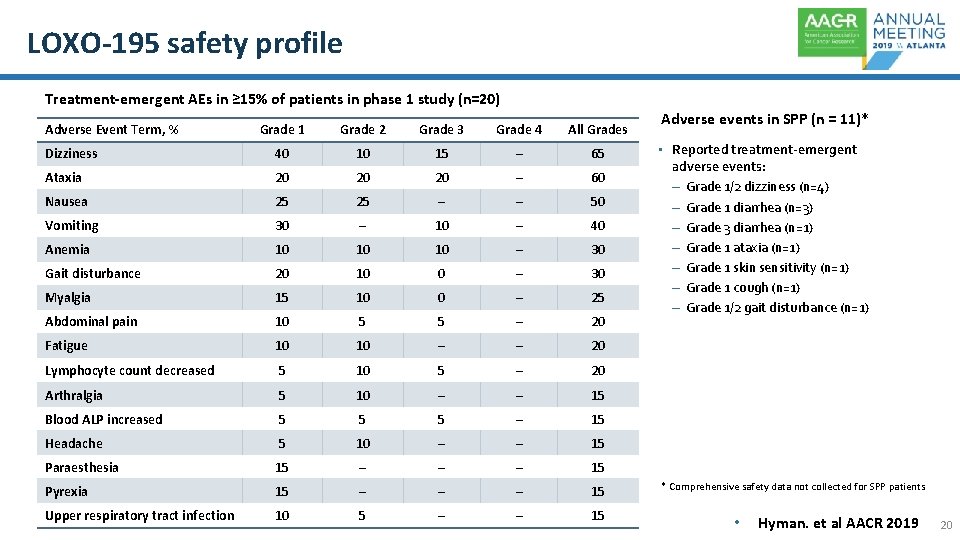
LOXO-195 safety profile Treatment-emergent AEs in ≥ 15% of patients in phase 1 study (n=20) Adverse Event Term, % Grade 1 Grade 2 Grade 3 Grade 4 All Grades Dizziness 40 10 15 – 65 Ataxia 20 20 20 – 60 Nausea 25 25 – – 50 Vomiting 30 – 10 – 40 Anemia 10 10 10 – 30 Gait disturbance 20 10 0 – 30 Myalgia 15 10 0 – 25 Abdominal pain 10 5 5 – 20 Fatigue 10 10 – – 20 Lymphocyte count decreased 5 10 5 – 20 Arthralgia 5 10 – – 15 Blood ALP increased 5 5 5 – 15 Headache 5 10 – – 15 Paraesthesia 15 – – – 15 Pyrexia 15 – – – 15 Upper respiratory tract infection 10 5 – – 15 Adverse events in SPP (n = 11)* • Reported treatment-emergent adverse events: – Grade 1/2 dizziness (n=4) – Grade 1 diarrhea (n=3) – Grade 3 diarrhea (n=1) – Grade 1 ataxia (n=1) – Grade 1 skin sensitivity (n=1) – Grade 1 cough (n=1) – Grade 1/2 gait disturbance (n=1) * Comprehensive safety data not collected for SPP patients • Hyman. et al AACR 2019 20 20
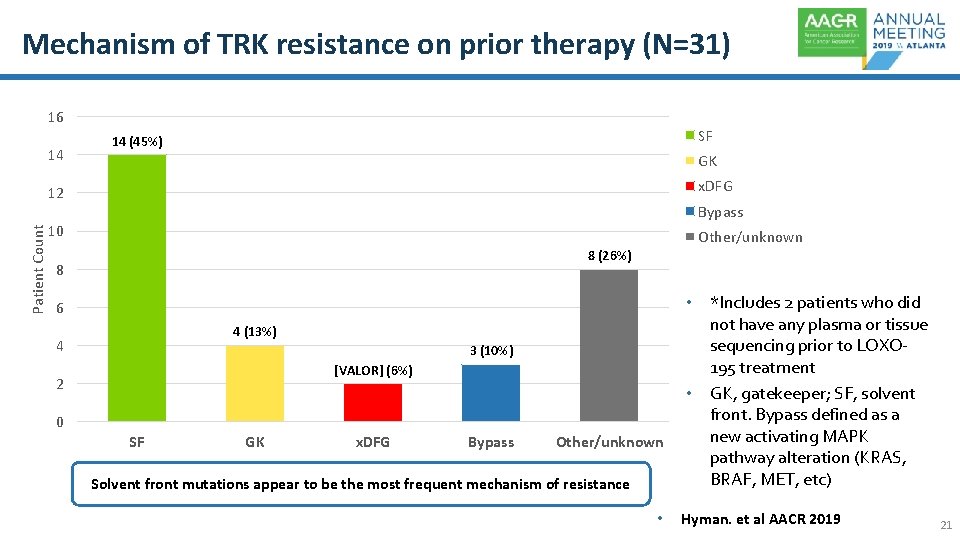
Mechanism of TRK resistance on prior therapy (N=31) 16 Patient Count 14 SF 14 (45%) GK 12 x. DFG 10 Other/unknown Bypass 8 (26%) 8 6 4 (13%) 4 3 (10%) [VALOR] (6%) 2 0 SF GK x. DFG Bypass Other/unknown Solvent front mutations appear to be the most frequent mechanism of resistance • • *Includes 2 patients who did not have any plasma or tissue sequencing prior to LOXO 195 treatment • GK, gatekeeper; SF, solvent front. Bypass defined as a new activating MAPK pathway alteration (KRAS, BRAF, MET, etc) Hyman. et al AACR 2019 21 21
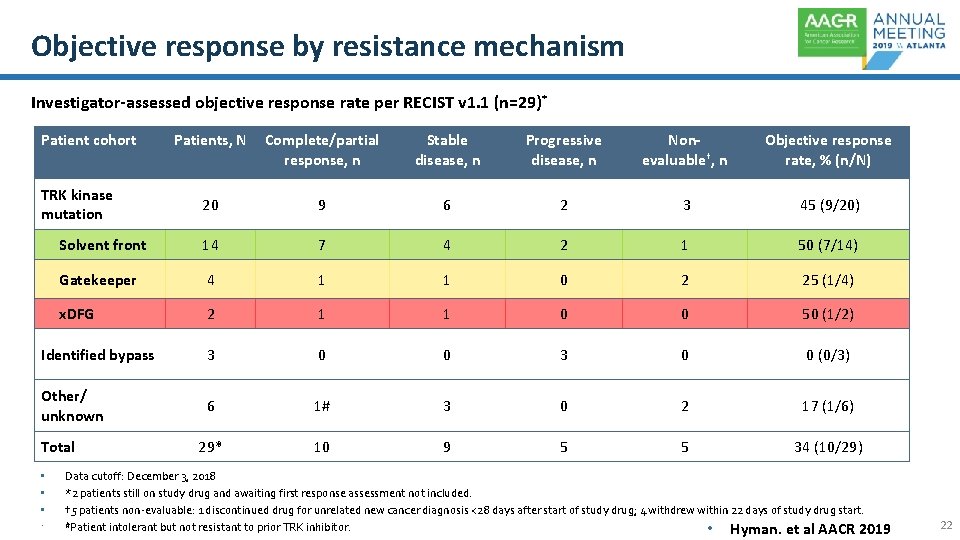
Objective response by resistance mechanism Investigator-assessed objective response rate per RECIST v 1. 1 (n=29) * Patient cohort Patients, N Complete/partial response, n Stable disease, n Progressive disease, n Nonevaluable†, n Objective response rate, % (n/N) 20 9 6 2 3 45 (9/20) Solvent front 14 7 4 2 1 50 (7/14) Gatekeeper 4 1 1 0 2 25 (1/4) x. DFG 2 1 1 0 0 50 (1/2) Identified bypass 3 0 0 (0/3) Other/ unknown 6 1# 3 0 2 17 (1/6) 29* 10 9 5 5 34 (10/29) TRK kinase mutation Total • • Data cutoff: December 3, 2018 *2 patients still on study drug and awaiting first response assessment not included. † 5 patients non-evaluable: 1 discontinued drug for unrelated new cancer diagnosis <28 days after start of study drug; 4 withdrew within 22 days of study drug start. #Patient intolerant but not resistant to prior TRK inhibitor. • Hyman. et al AACR 2019 22 22
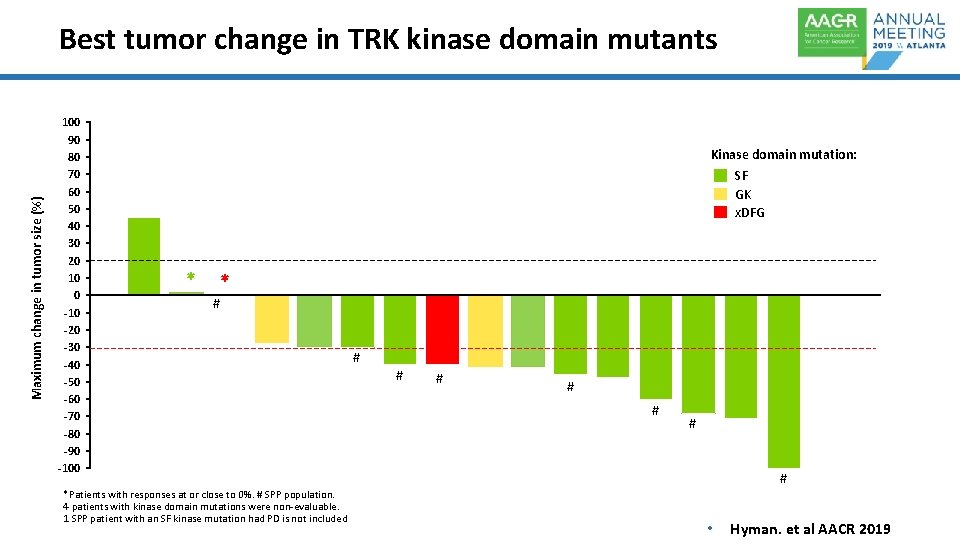
100 90 80 70 60 50 40 30 20 10 0 -10 -20 -30 -40 -50 -60 -70 -80 -90 -100 Kinase domain mutation: SF GK x. DFG * * # *Patients with responses at or close to 0%. # SPP population. 4 patients with kinase domain mutations were non-evaluable. 1 SPP patient with an SF kinase mutation had PD is not included # # Maximum change in tumor size (%) Best tumor change in TRK kinase domain mutants # # # • Hyman. et al AACR 2019 23

Patient with LMNA-NTRK 1 G 595 R colorectal cancer 57 year-old female LMNA-NTRK 1 colorectal cancer Post-surgery 22 months 6 months Prior treatment: FOLFOX, FOLFIRI + bevacizumab LOXO-195 SPP Best response: PR Larotrectinib progression Liver biopsy: NTRK 1 G 595 R (solvent front) Larotrectinib 100 mg BID Best response: PR • PR, partial response; SD, starting dose • Hyman. et al AACR 2019 Baseline scan 5 Months Best response: PR (-68%) 24 24
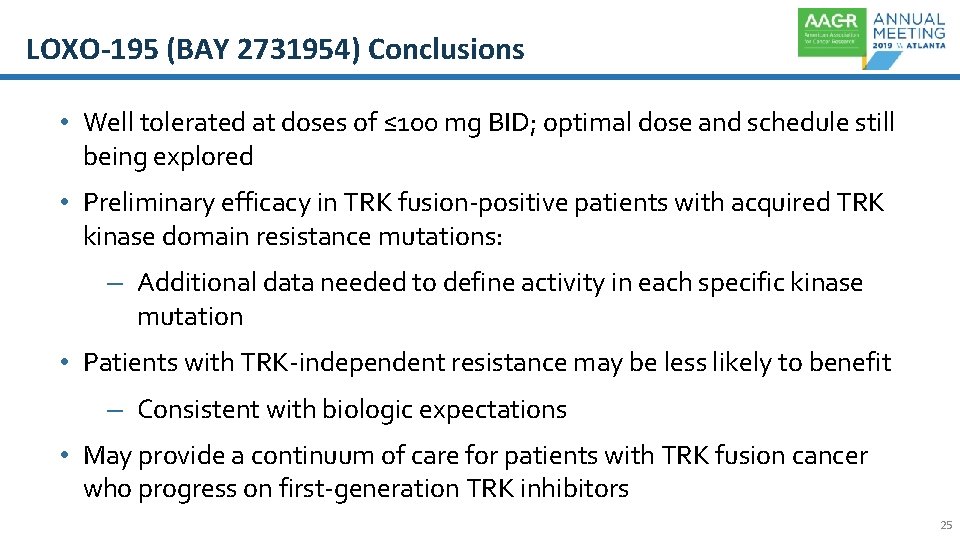
LOXO-195 (BAY 2731954) Conclusions • Well tolerated at doses of ≤ 100 mg BID; optimal dose and schedule still being explored • Preliminary efficacy in TRK fusion-positive patients with acquired TRK kinase domain resistance mutations: – Additional data needed to define activity in each specific kinase mutation • Patients with TRK-independent resistance may be less likely to benefit – Consistent with biologic expectations • May provide a continuum of care for patients with TRK fusion cancer who progress on first-generation TRK inhibitors 25 25

Highly selective RET inhibitors
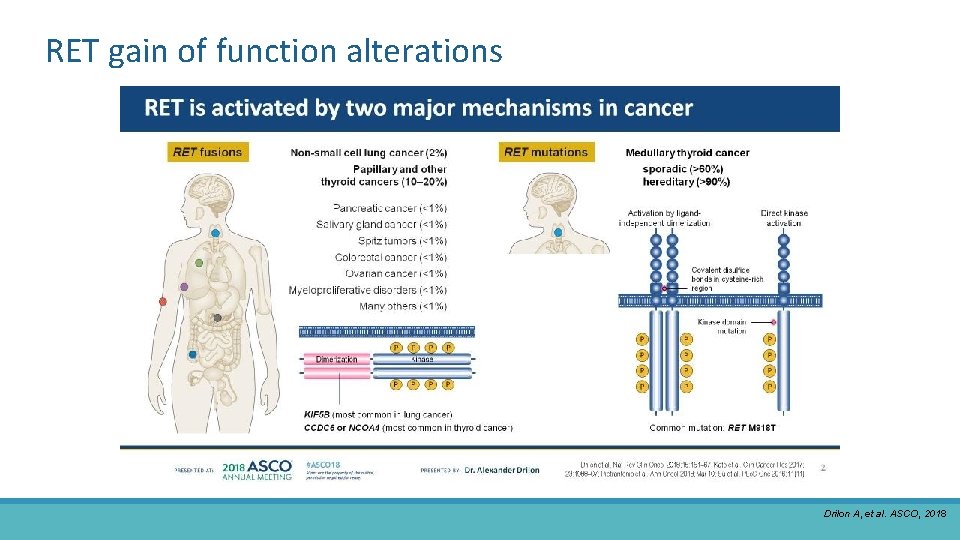
RET gain of function alterations Drilon A, et al. ASCO, 2018
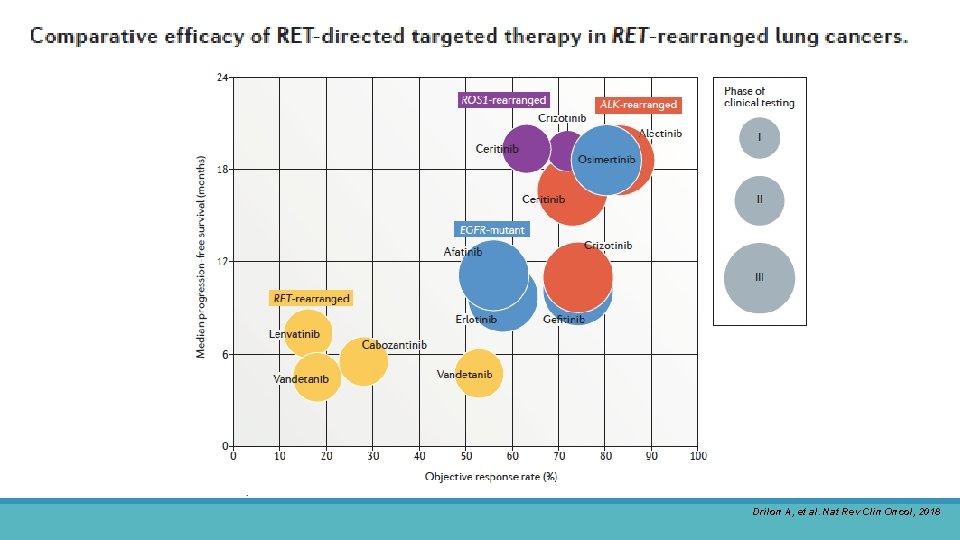
Drilon A, et al. Nat Rev Clin Oncol, 2018
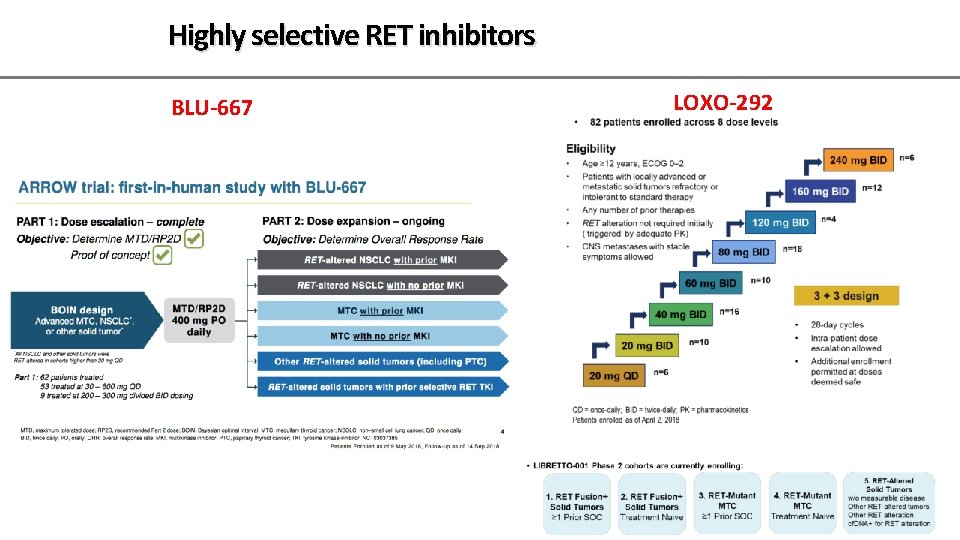
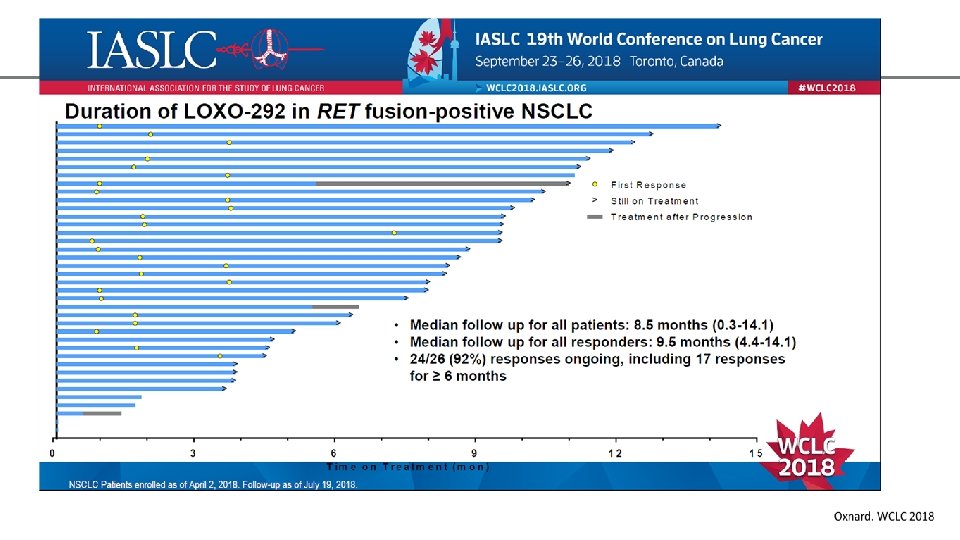
Highly selective RET inhibitors BLU-667 LOXO-292 29
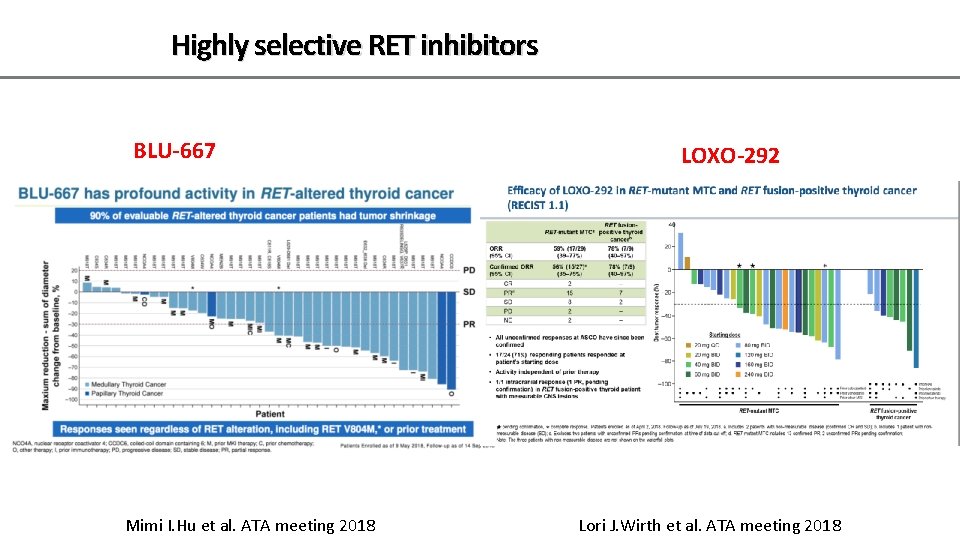
Highly selective RET inhibitors BLU-667 Mimi I. Hu et al. ATA meeting 2018 LOXO-292 Lori J. Wirth et al. ATA meeting 2018 30
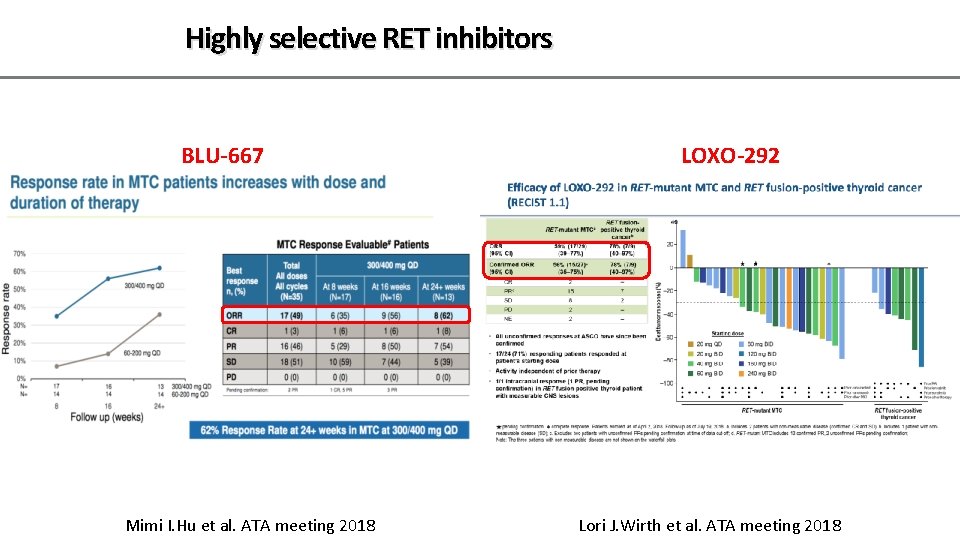
Highly selective RET inhibitors BLU-667 Mimi I. Hu et al. ATA meeting 2018 LOXO-292 Lori J. Wirth et al. ATA meeting 2018 31
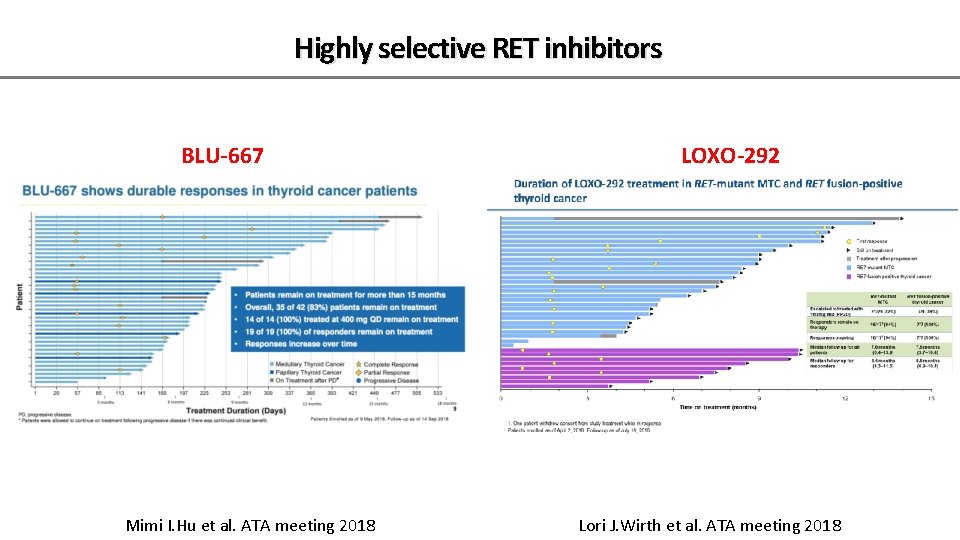
Highly selective RET inhibitors BLU-667 Mimi I. Hu et al. ATA meeting 2018 LOXO-292 Lori J. Wirth et al. ATA meeting 2018 32
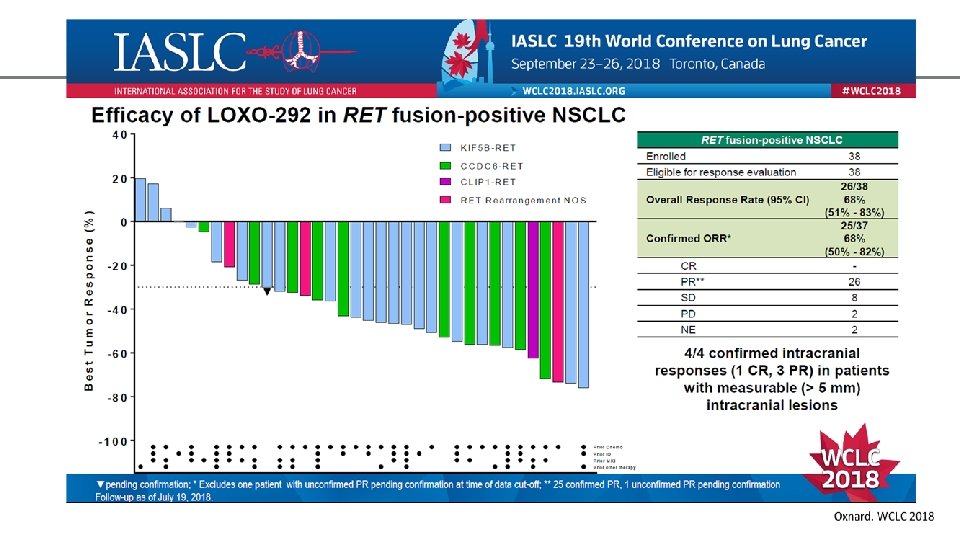
33
34
Piotrowska et al. 35
36
37
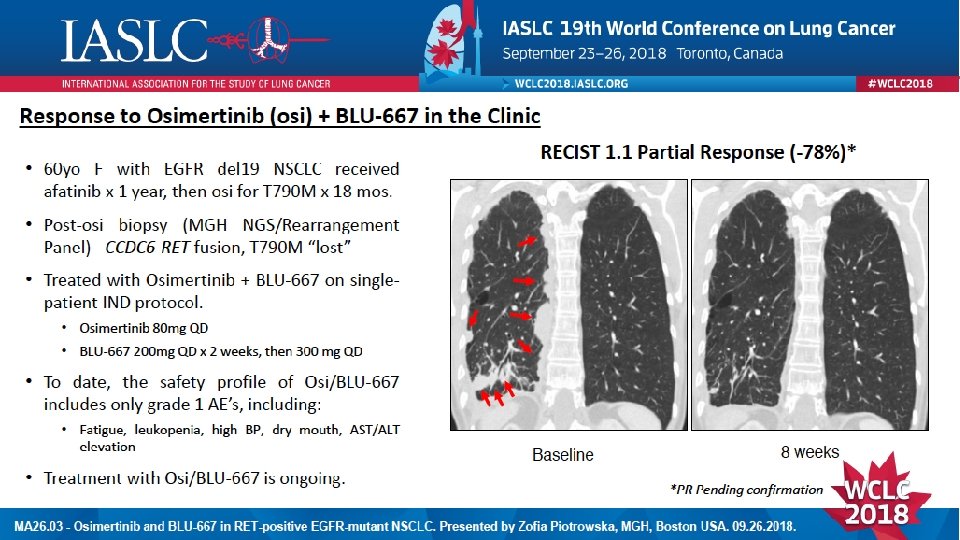
38
39
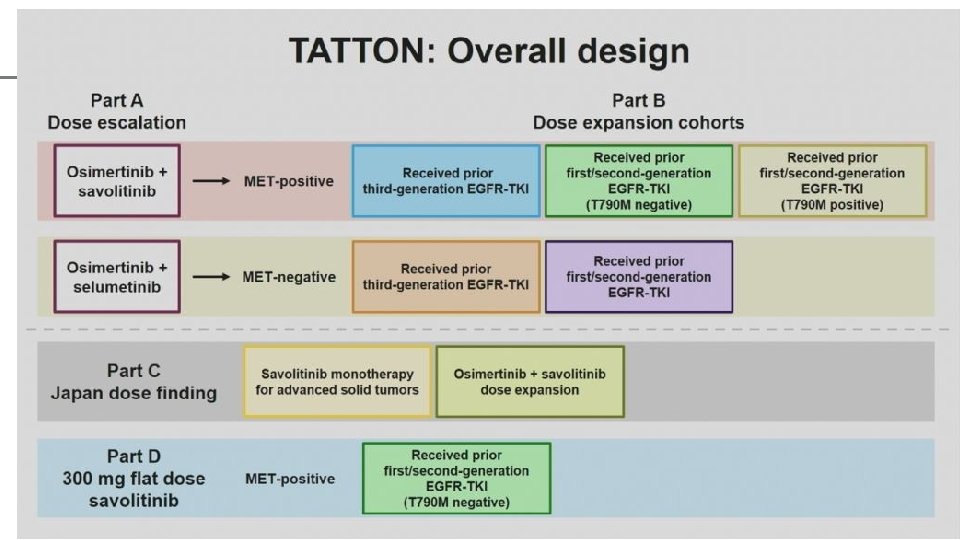
40 40
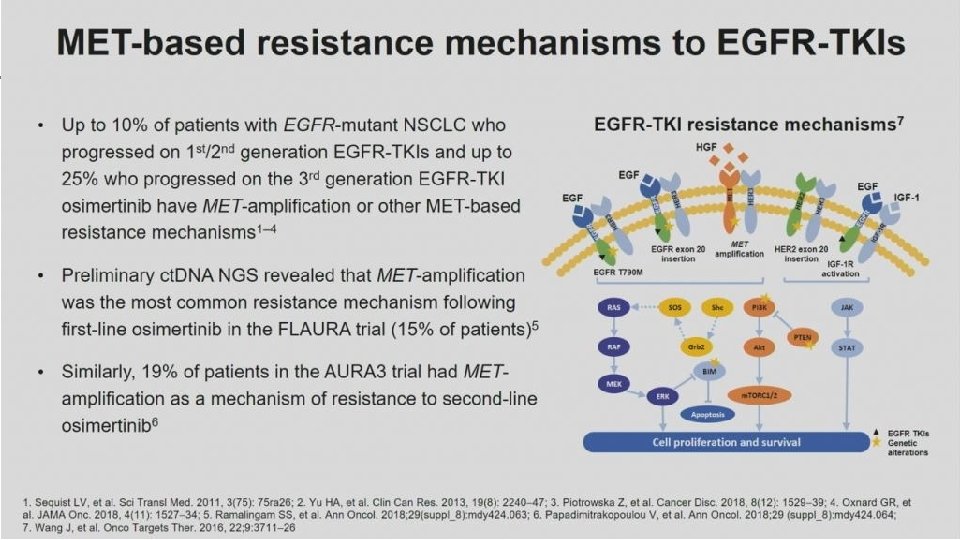
41 41
42
43 43
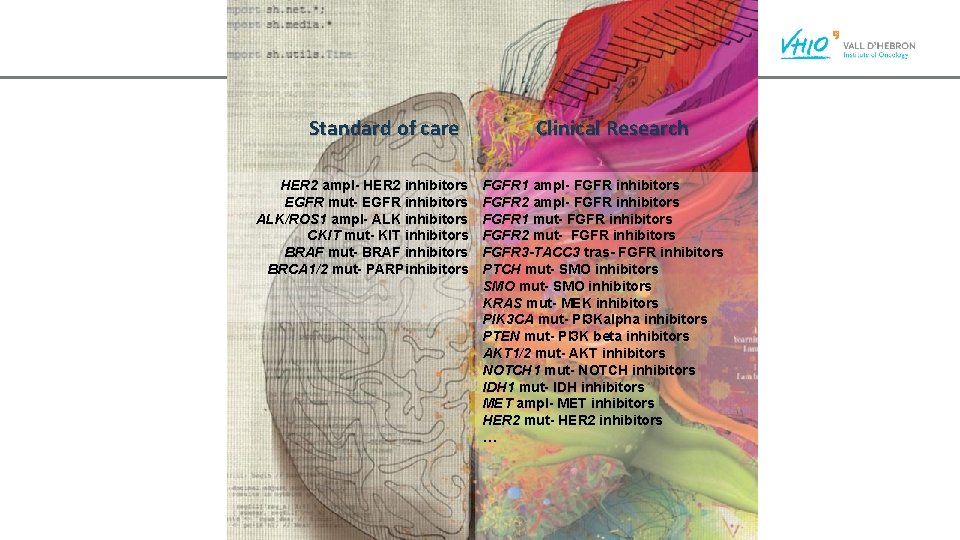
Standard of care HER 2 ampl- HER 2 inhibitors EGFR mut- EGFR inhibitors ALK/ROS 1 ampl- ALK inhibitors CKIT mut- KIT inhibitors BRAF mut- BRAF inhibitors BRCA 1/2 mut- PARPinhibitors Clinical Research FGFR 1 ampl- FGFR inhibitors FGFR 2 ampl- FGFR inhibitors FGFR 1 mut- FGFR inhibitors FGFR 2 mut- FGFR inhibitors FGFR 3 -TACC 3 tras- FGFR inhibitors PTCH mut- SMO inhibitors SMO mut- SMO inhibitors KRAS mut- MEK inhibitors PIK 3 CA mut- PI 3 Kalpha inhibitors PTEN mut- PI 3 K beta inhibitors AKT 1/2 mut- AKT inhibitors NOTCH 1 mut- NOTCH inhibitors IDH 1 mut- IDH inhibitors MET ampl- MET inhibitors HER 2 mut- HER 2 inhibitors … 44
Acknowledgements PHASE I Unit § § § Josep Tabernero Ignacio Matos Maria Vieito Analía Azaro Irene Braña Itziar Gardeazabal Omar Saavedra Juan Martin Liberal Cinta Hierro All Clinical Investigators Study Nurses Study Coordinators VHIO Investigators § Paolo Nuciforo’s Team- Molecular Oncology Pathology Lab § Ana Vivancos’ Team- Cancer Genomics Lab § Rodrigo Dientsmann Team ODys. Sey Group Others § Patients § Families § Funding Entities egarralda@vhio. net 45
Dianas terapéuticas emergentes “Nuevos inhibidores de tirosina kinasa y combinaciones” En la vanguardia de la oncología traslacional Elena Garralda, MD MSc Egarralda”
- Slides: 46