
Dialogic feedback Contributing factors to student engagement Dr
Dialogic feedback: Contributing factors to student engagement Dr. Hazel Mc. Murtrie, Dr. Cristina Izura & Ms. Jennifer Mc. Ginn Department of Psychology SALT
Dialogic feedback: Contributing factors to student engagement Background Study Conclusions 2
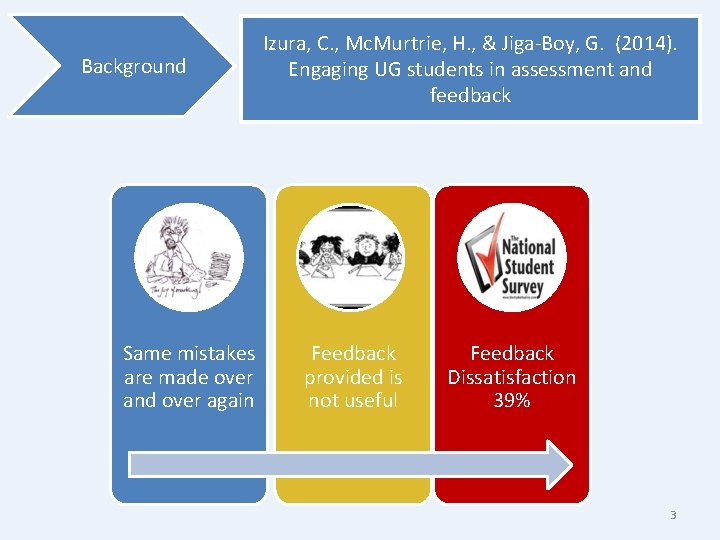
Background Same mistakes are made over and over again Izura, C. , Mc. Murtrie, H. , & Jiga-Boy, G. (2014). Engaging UG students in assessment and feedback Feedback provided is not useful Feedback Dissatisfaction 39% 3
What is Feedback? 4
What is Feedback? • “A dialogic process in which learners make sense of information from varied sources and use it to enhance the quality of their work or learning strategies” (Carlass, 2015, p. 192) 5
What is Feedback? • “A dialogic process in which learners make sense of information from varied sources and use it to enhance the quality of their work or learning strategies” (Carlass, 2015, p. 192) • “Feedback needs to influence what learners do rather than merely providing information” (Boud, 2015) 6
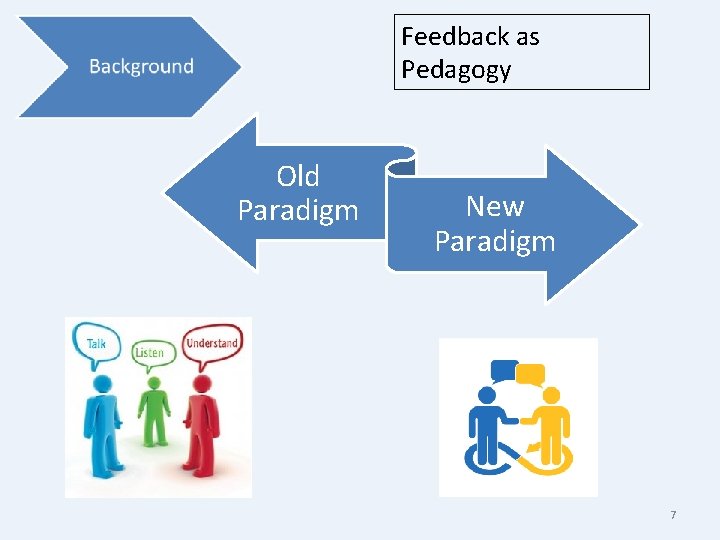
Feedback as Pedagogy Old Paradigm New Paradigm 7
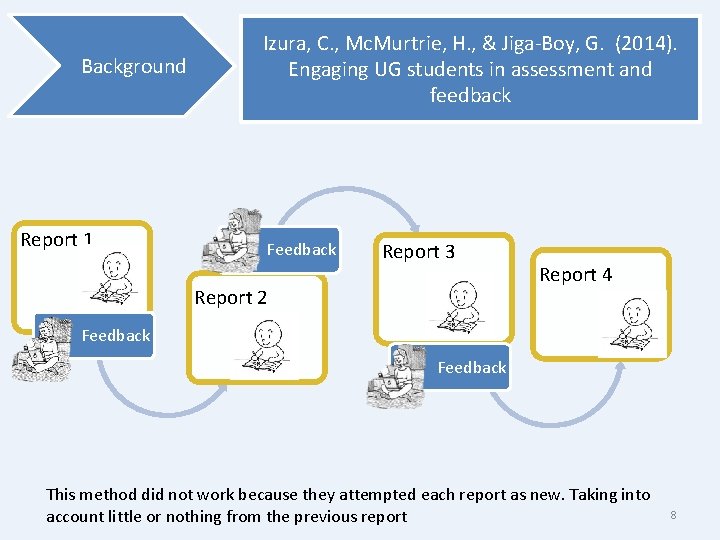
Background Report 1 Izura, C. , Mc. Murtrie, H. , & Jiga-Boy, G. (2014). Engaging UG students in assessment and feedback Feedback Report 3 Report 2 Report 4 Feedback This method did not work because they attempted each report as new. Taking into account little or nothing from the previous report 8
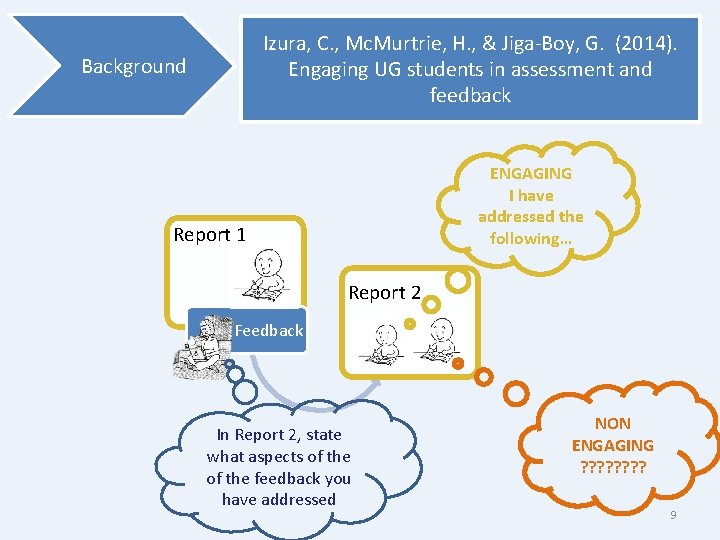
Izura, C. , Mc. Murtrie, H. , & Jiga-Boy, G. (2014). Engaging UG students in assessment and feedback Background ENGAGING I have addressed the following… Report 1 Report 2 Feedback In Report 2, state what aspects of the feedback you have addressed NON ENGAGING ? ? ? ? 9
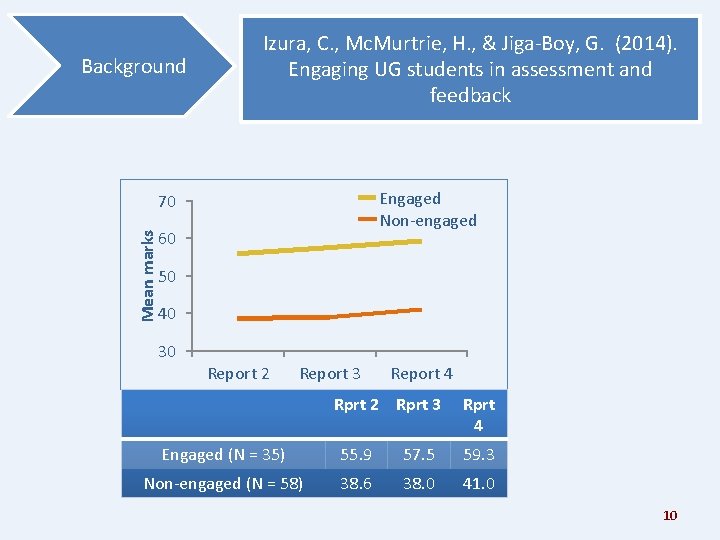
Background Izura, C. , Mc. Murtrie, H. , & Jiga-Boy, G. (2014). Engaging UG students in assessment and feedback Engaged Non-engaged Mean marks 70 60 50 40 30 Report 2 Report 3 Report 4 Rprt 2 Rprt 3 Rprt 4 Engaged (N = 35) 55. 9 57. 5 59. 3 Non-engaged (N = 58) 38. 6 38. 0 41. 0 10
Background Study Why do some students engage more than others with feedback? 11
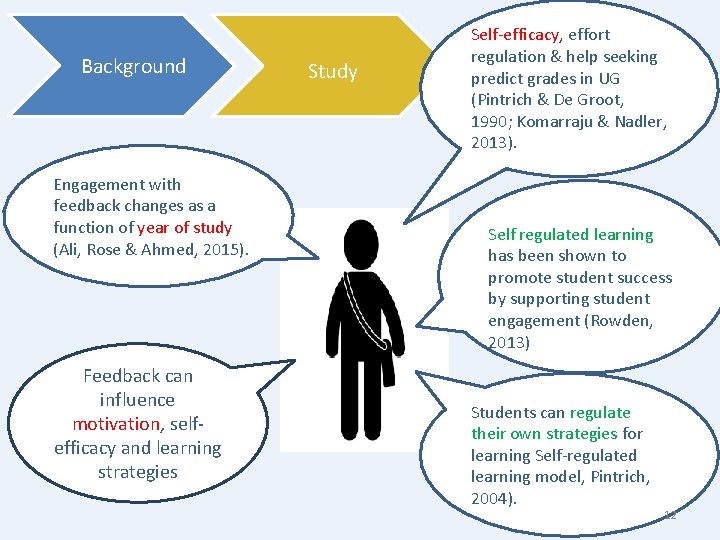
Background Engagement with feedback changes as a function of year of study (Ali, Rose & Ahmed, 2015). Feedback can influence motivation, selfefficacy and learning strategies Study Self-efficacy, effort regulation & help seeking predict grades in UG (Pintrich & De Groot, 1990; Komarraju & Nadler, 2013). Self regulated learning has been shown to promote student success by supporting student engagement (Rowden, 2013) Students can regulate their own strategies for learning Self-regulated learning model, Pintrich, 2004). 12
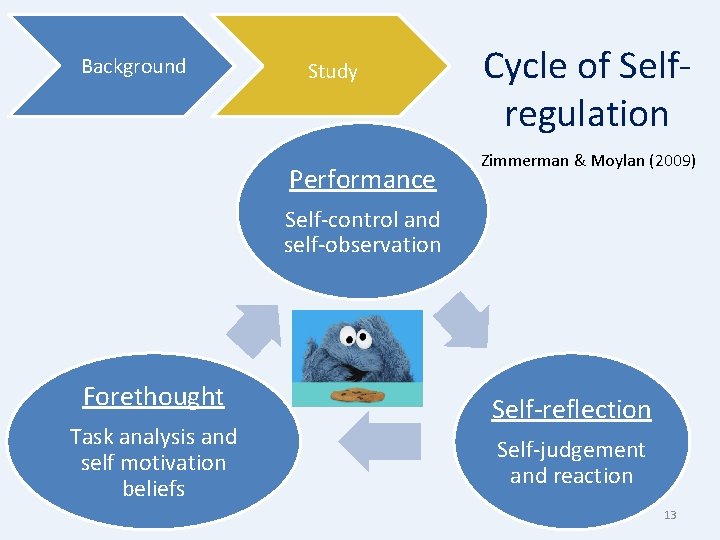
Background Study Performance Cycle of Selfregulation Zimmerman & Moylan (2009) Self-control and self-observation Forethought Task analysis and self motivation beliefs Self-reflection Self-judgement and reaction 13
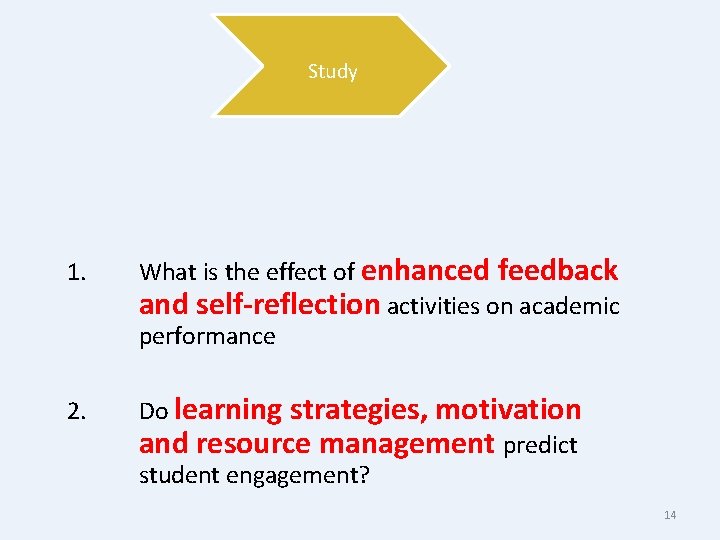
Study 1. What is the effect of enhanced feedback and self-reflection activities on academic performance 2. Do learning strategies, motivation and resource management predict student engagement? 14
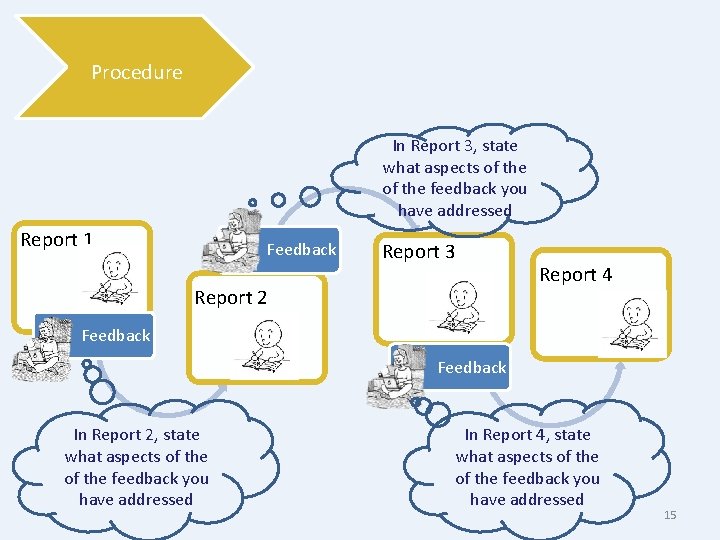
Procedure In Report 3, state what aspects of the feedback you have addressed Report 1 Feedback Report 3 Report 2 Report 4 Feedback In Report 2, state what aspects of the feedback you have addressed In Report 4, state what aspects of the feedback you have addressed 15
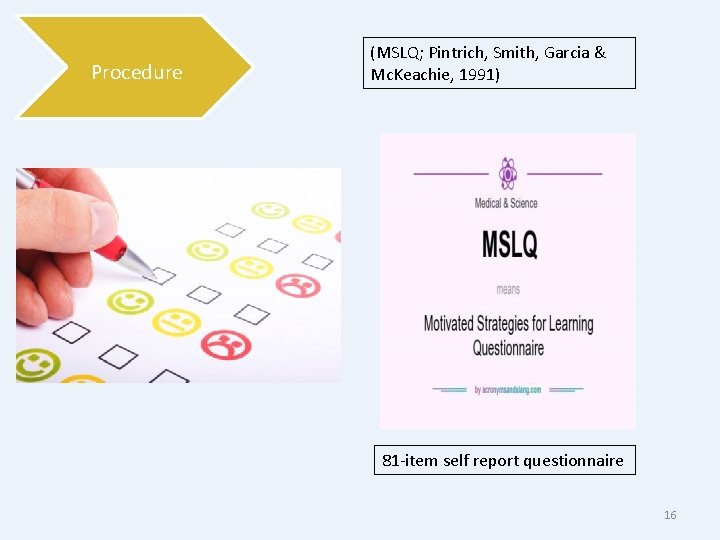
Procedure (MSLQ; Pintrich, Smith, Garcia & Mc. Keachie, 1991) 81 -item self report questionnaire 16
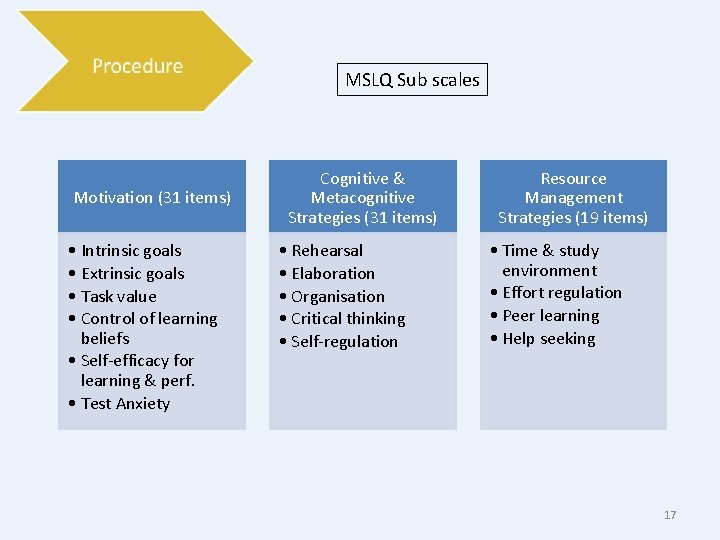
MSLQ Sub scales Motivation (31 items) • Intrinsic goals • Extrinsic goals • Task value • Control of learning beliefs • Self-efficacy for learning & perf. • Test Anxiety Cognitive & Metacognitive Strategies (31 items) • Rehearsal • Elaboration • Organisation • Critical thinking • Self-regulation Resource Management Strategies (19 items) • Time & study environment • Effort regulation • Peer learning • Help seeking 17
Results Average Grades 63 61 59 57 55 53 51 p =. 001 0 Self Reflection 1 Self Reflections 2 Self Reflections 3 Self Reflections 18
Results 2 1. Task Value 3 4 5 6 7 . 491** n. s. 452**. 399** -. 213*. 350** 2. Self Efficacy for Learning 3. Test Anxiety 4. Organise 5. Time Study 6. Peer 7. Effort Regulation 8. Total no self reflection out of 3 n. s. 361** n. s 8 9 n. s . 271** n. s -. 217* n. s . 426** n. s . 328** n. s . 629** n. s -. 270** n. s . 215*. 221* . 336** 9. Mean MP grade ** Correlation is significant at the 0. 01 level (2 -tailed). * Correlation is significant at the 0. 05 level (2 -tailed). 19
Time & Study Environment Results r =. 63** Task Value r =. 35** Organisation r =. 33** Effort Regulation Peer Learning r =. 22^ No. of Self Reflection Completed r = -. 27* Self-efficacy for Learning Test Anxiety ** p <. 001 * p ≤. 01 ^ p <. 05 r =. 27* r = -. 22* r =. 34** r =. 22* Overall Mean Grade 20
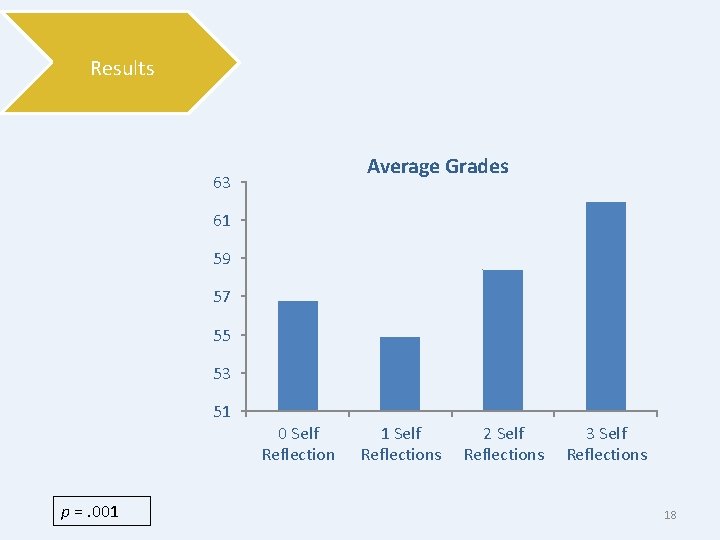
Conclusions 1 - Those students that used feedback to engage in reflective practise performed better. 21
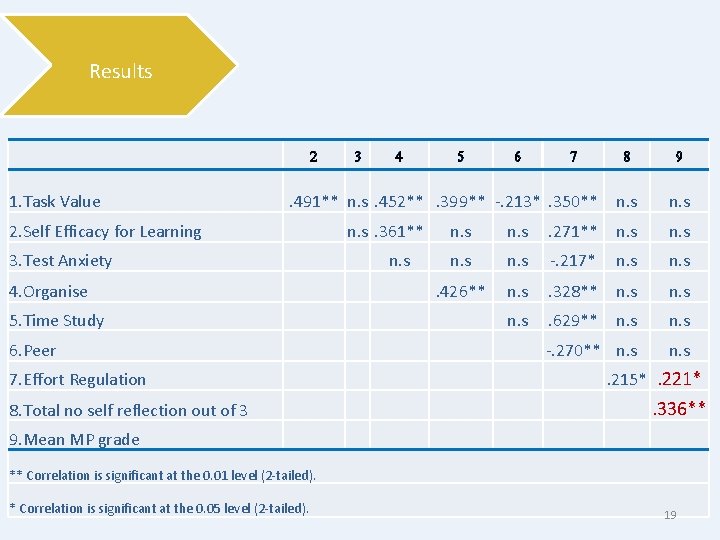
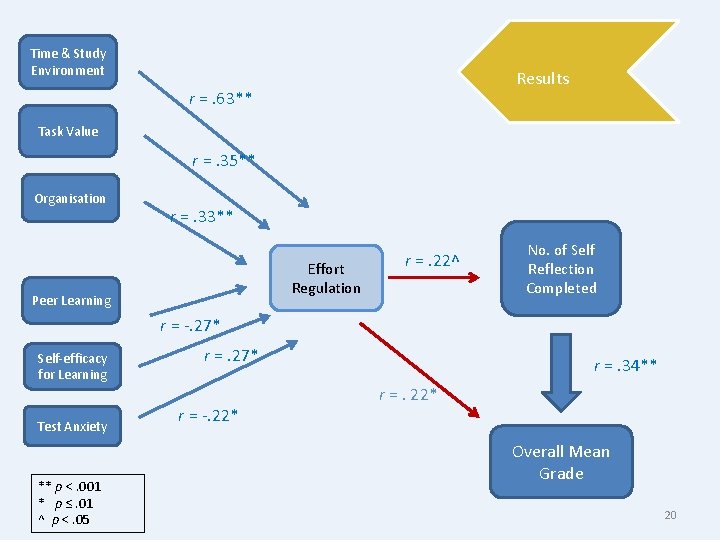
Conclusions 2 - Effort regulation is directly related to student engagement with tutor feedback(number of self reflections completed) 22
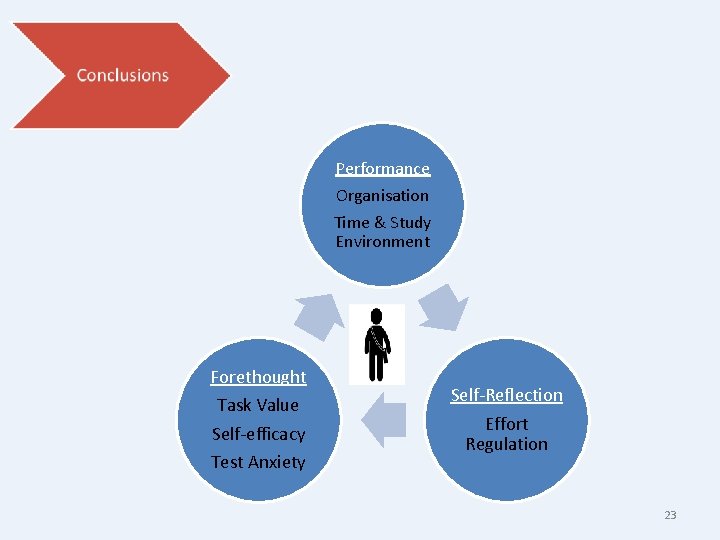
Performance Organisation Time & Study Environment Forethought Task Value Self-efficacy Test Anxiety Self-Reflection Effort Regulation 23
Conclusions 3 - Developing self regulated learners who can manage their learning effectively is important to student-centred learning. 24
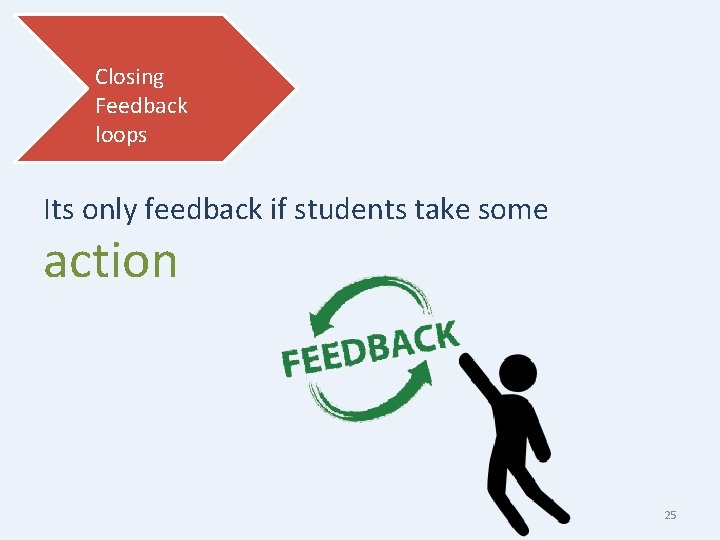
Closing Feedback loops Its only feedback if students take some action 25
• SALT (Small Grant Award) 26

h. mcmurtrie@swansea. ac. uk c. izura@swansea. ac. uk 27
- Slides: 27