
Diagnostic microbiology lecture 15 Bordetella pertussis Abed El
Diagnostic microbiology lecture: 15 Bordetella pertussis Abed El. Kader Elottol MSc. Microbiology 2010 1 Abed El. Kader El. Ottol
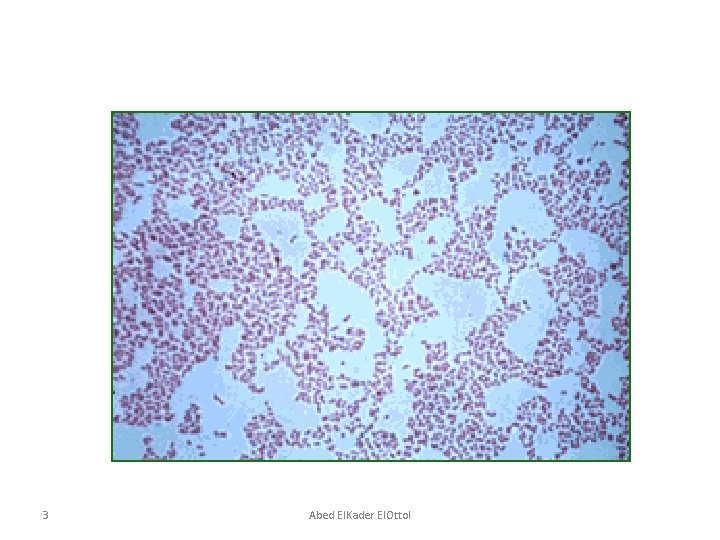
Organism: üShort, gram negative bacilli (coccobacilli). ü Aerobic, non spore forming üNon motile, . üSpecific to humans. üComplex, enriched media is required for isolation (Bordet. Gengou agar )or ( Regan-Lowe Charcoal Agar) (charcoal act as adsorbents of toxic fatty acids, radicals and peroxides). üurease negative, nitrate negative. ü Pertussis is highly contagious 2 Abed El. Kader El. Ottol
3 Abed El. Kader El. Ottol
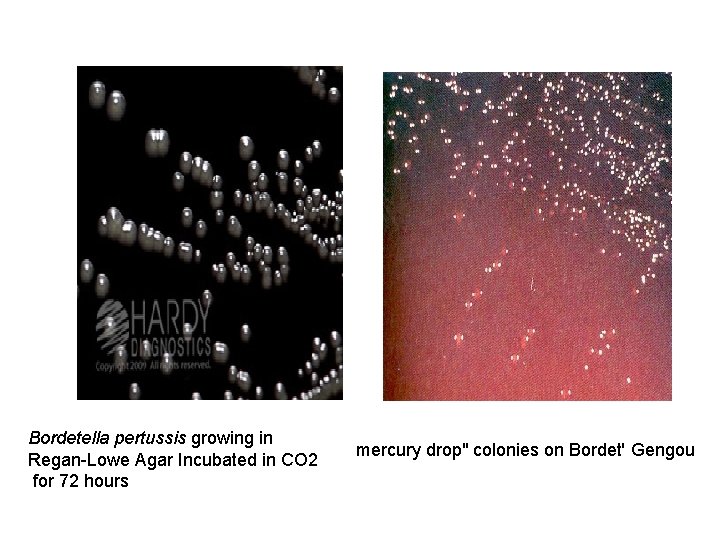
Bordetella pertussis growing in Regan-Lowe Agar Incubated in CO 2 for 72 hours mercury drop" colonies on Bordet' Gengou
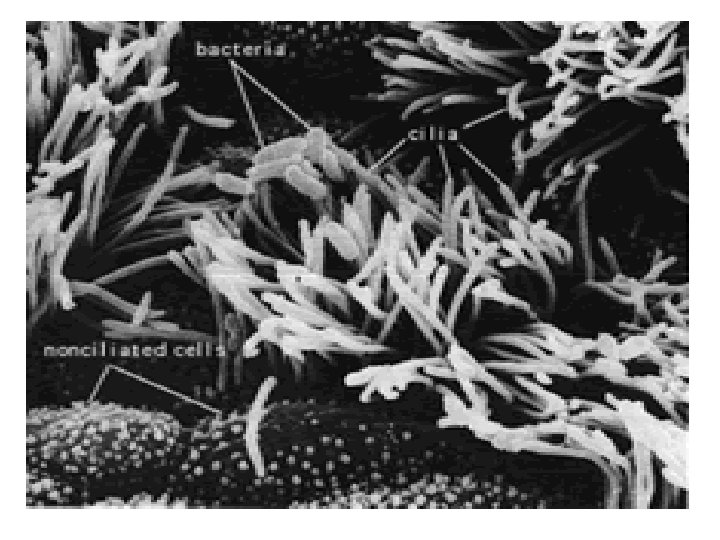

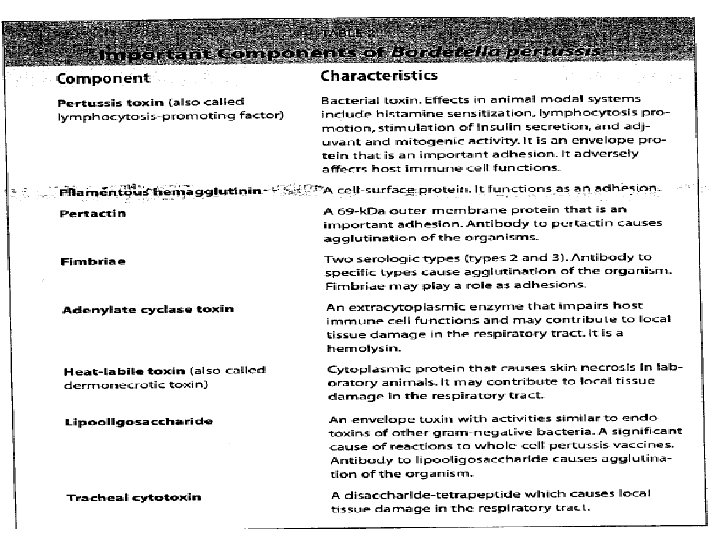
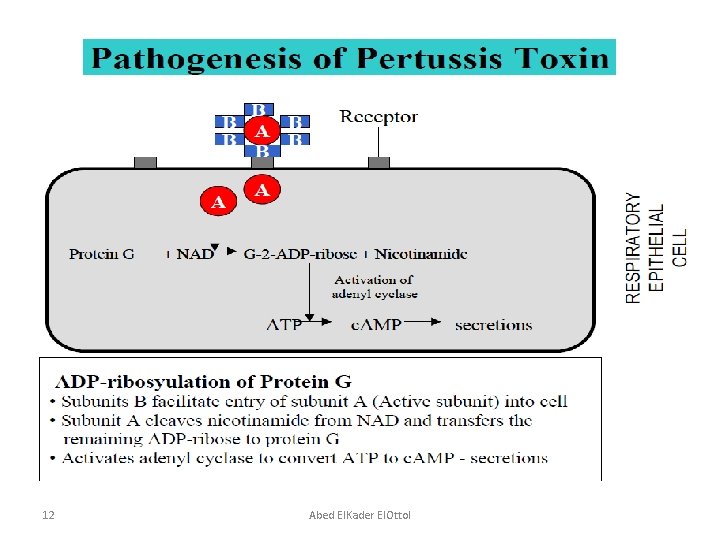
virulence factors ü adhesions such as filamentous hemagglutinin, peractin, and fimbriae. ü a number of toxins including pertussis toxin, adenylate cyclase toxin, trachael cytotoxin, dermonecrotic toxin. ü lipopolysaccharide endotoxin.
7 Abed El. Kader El. Ottol
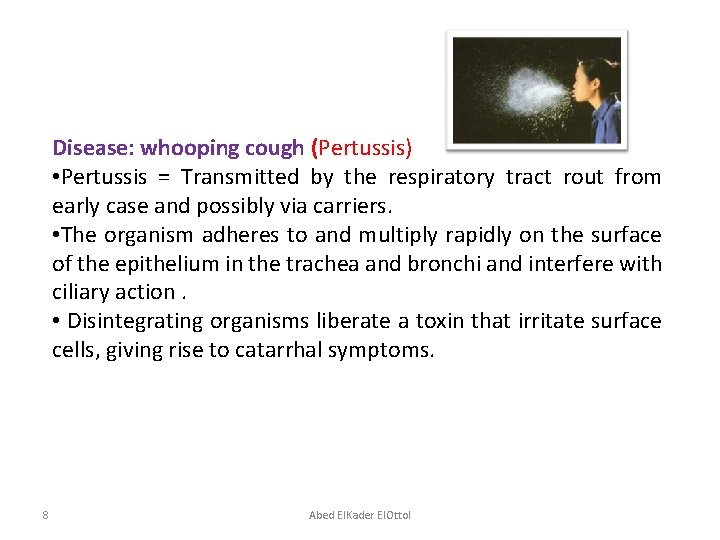
Disease: whooping cough (Pertussis) • Pertussis = Transmitted by the respiratory tract rout from early case and possibly via carriers. • The organism adheres to and multiply rapidly on the surface of the epithelium in the trachea and bronchi and interfere with ciliary action. • Disintegrating organisms liberate a toxin that irritate surface cells, giving rise to catarrhal symptoms. 8 Abed El. Kader El. Ottol
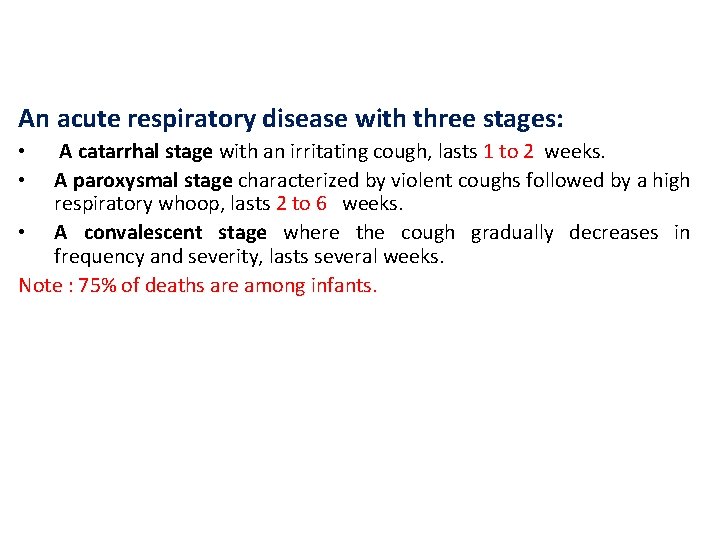
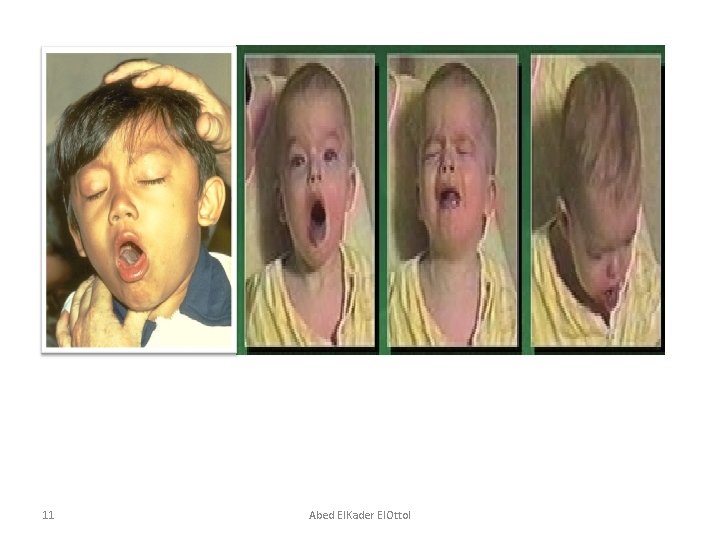
An acute respiratory disease with three stages: A catarrhal stage with an irritating cough, lasts 1 to 2 weeks. A paroxysmal stage characterized by violent coughs followed by a high respiratory whoop, lasts 2 to 6 weeks. • A convalescent stage where the cough gradually decreases in frequency and severity, lasts several weeks. Note : 75% of deaths are among infants. • •
Signs & Symptoms of Pertussis The first symptoms of pertussis are similar to those of a common cold: § runny nose § sneezing § mild cough § low-grade fever • Most B. pertussis strains contains peptide that promotes marked lymophocytosis in the host • Elevated white blood cell count with a lymphocytosis, Confirmed with laboratory testing. §
11 Abed El. Kader El. Ottol
12 Abed El. Kader El. Ottol
Laboratory Diagnosis: üNasopharyngeal swabs or cough droplets, expelled onto "Cough plates" held in front of the mouth of the patient during a paroxysms. üIncubate (Bordet-gengou plates) at 35 o. C for 2 -5 days. üTypical colonies resemble a 1 mm droplets of mercury surrounded by a zone of hemolysis. üColonies are confirmed with specific antiserum ü Direct immunofluorescent staining of smears made from nasopharyngeal swabs may give a rapid positive test. 13 Abed El. Kader El. Ottol
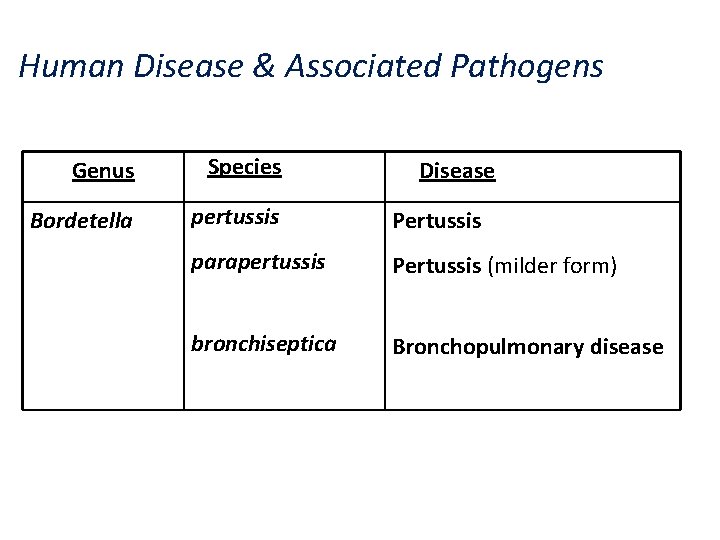
Human Disease & Associated Pathogens Genus Species Bordetella pertussis Pertussis parapertussis Pertussis (milder form) bronchiseptica Bronchopulmonary disease Disease
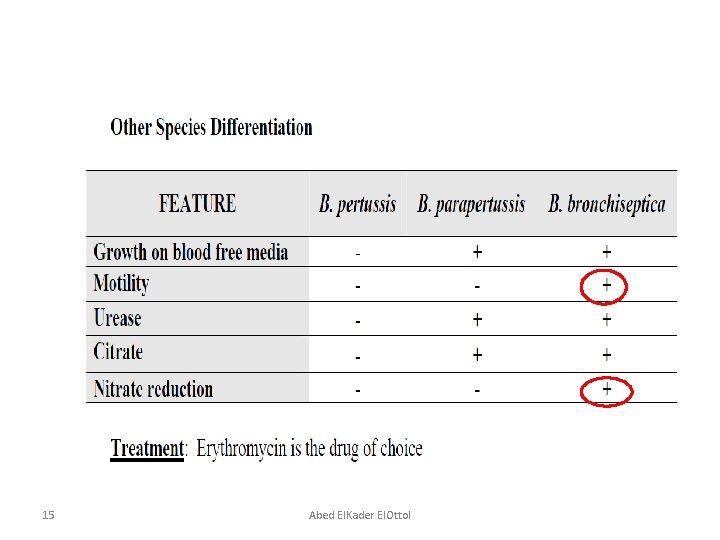
15 Abed El. Kader El. Ottol
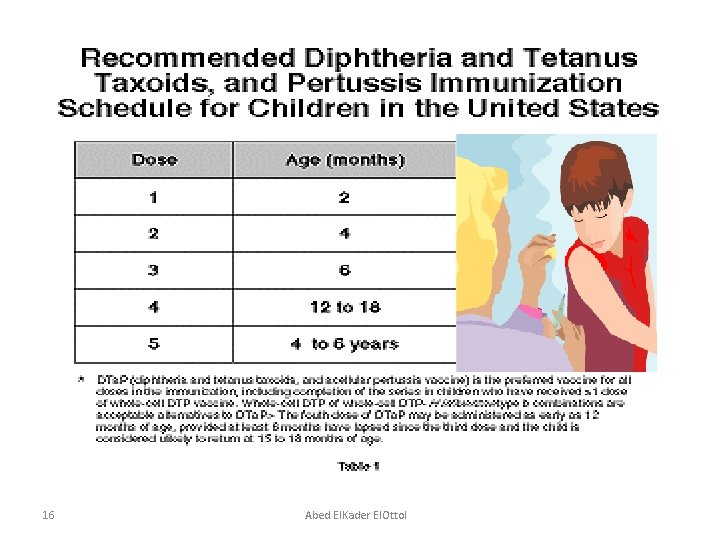
16 Abed El. Kader El. Ottol
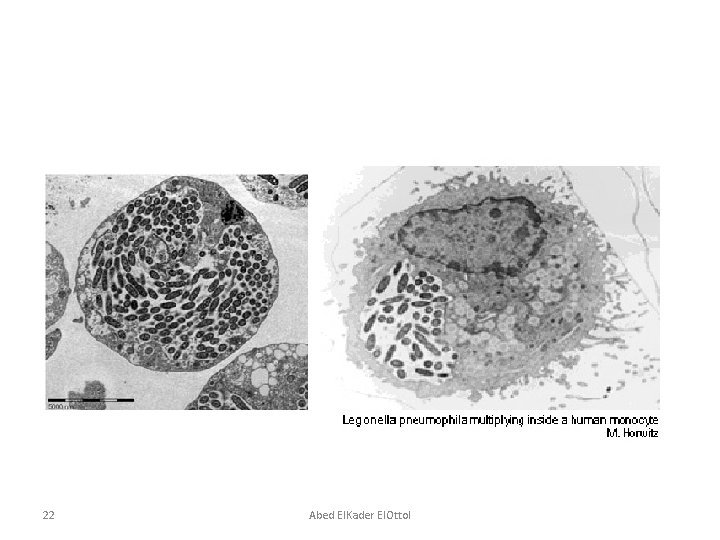
Legionella pneumophila 17 Abed El. Kader El. Ottol
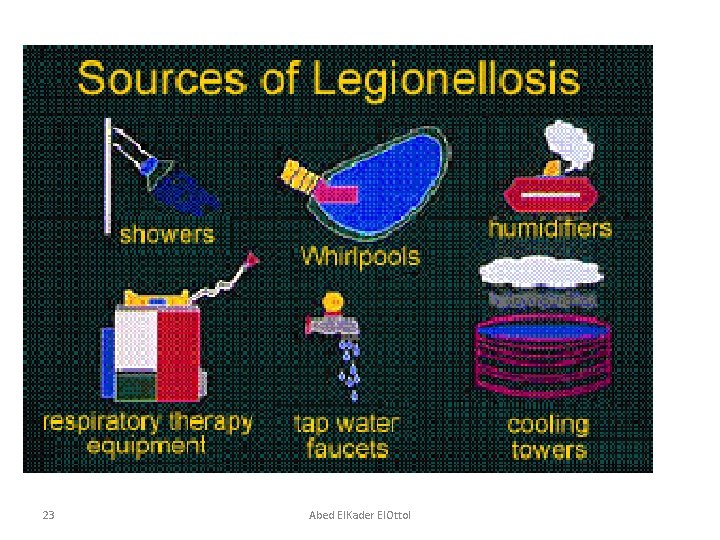
• Legionellosis was first recognized in association with the epidemic of legionnaires disease which occurred in Philadelphia in July 1976. • 182 person contracted pneumonia, 34 died. • Shortly following the epidemic, the causative agent was isolated from lung tissues of patient who died of this disease. • The organism was named Legionella pneumophila. Slow grower (2 -5 days in enriched media containing L-cystein and supplemented source of ferric iron). 18 Abed El. Kader El. Ottol
General characteristics • Motile Gram-negative, aerobic, non-spore-forming bacteria. • Stain poorly with gram stain unless safranin is applied for long periods. • Non capsulated. • In tissue and clinical specimens the organisms are coccobacillary, measuring 1 -2 µm. • Elongated filamentous forms may be seen after growth on some culture media.
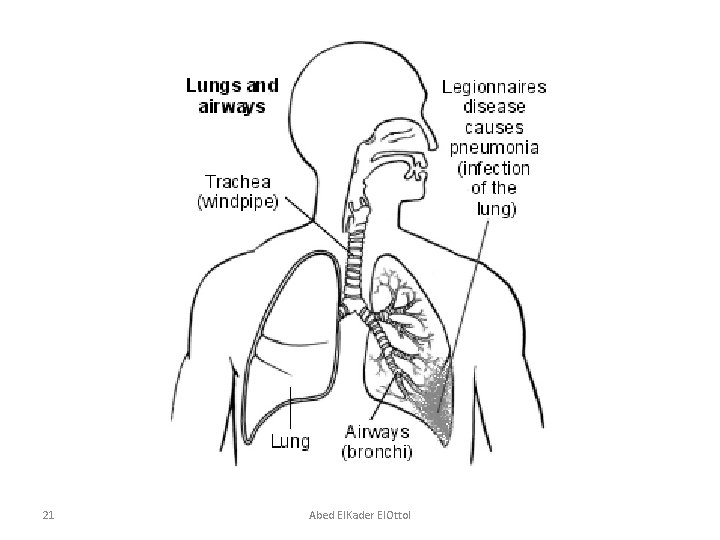
Clinical Manifestation: Transmission: Via respiratory tract. üAcute pneumonia begins 2 -10 days after exposure with a brief malaise, myalgia, and headache, followed rapidly by prostration ﺍﻧﻬﻴﺎﺭ , high fever. üan rigors ﺷﺪﻳﺪ Cough, dyspnea, pleuritic and abdominal pain, vomiting, diarrhea, and unexplained encephalopathy are often seen. üLeukocytosis, elevated ESR, proteinurea, hematuria and abnormal serum enzyme determination are common. ü The common causes of death due to respiratory failure and shock. ü Gram stain of sputum is not diagnostic. 20 Abed El. Kader El. Ottol
21 Abed El. Kader El. Ottol
22 Abed El. Kader El. Ottol
23 Abed El. Kader El. Ottol
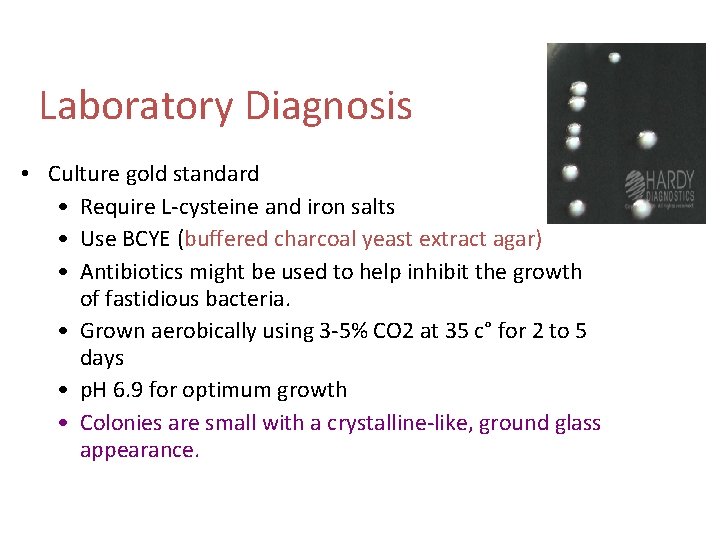
Laboratory Diagnosis • Culture gold standard • Require L-cysteine and iron salts • Use BCYE (buffered charcoal yeast extract agar) • Antibiotics might be used to help inhibit the growth of fastidious bacteria. • Grown aerobically using 3 -5% CO 2 at 35 c° for 2 to 5 days • p. H 6. 9 for optimum growth • Colonies are small with a crystalline-like, ground glass appearance.
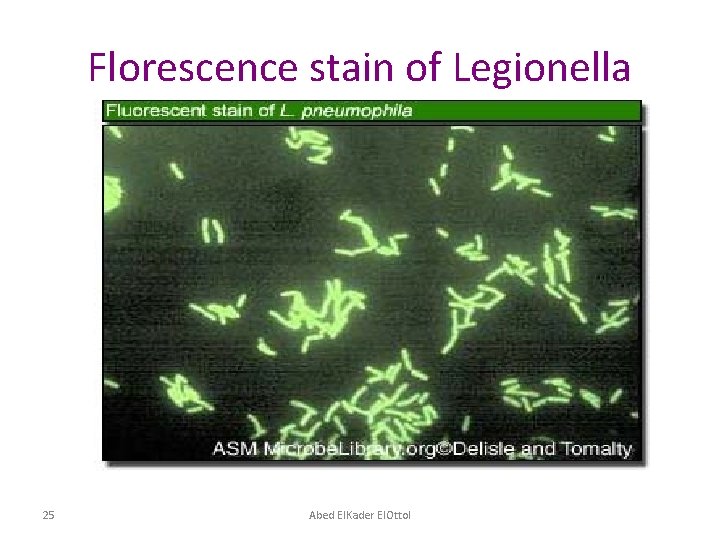
Florescence stain of Legionella 25 Abed El. Kader El. Ottol
Biochemical Characteristics: üWeak oxidase positive üStrong catalase positive üLiquefy gelatine üHydrolysis of hippurate Positive (This differentiate it from other legionella species) Virulence factors: 1. Proteolytic enzymes 2. Exotoxin with lysed laboratory animal RBCs 3. Cytotoxin which caused inhibition of cell growth in laboratory animals. 4. endotoxin. 26 Abed El. Kader El. Ottol
Collection & Processing of Speciemn: Caution: Specimen must be handled in a biological safety cabinet. • Lung tissue obtained at autopsy or biopsy is optimally selected from areas of necrosis. • A representative portion of specimen should be placed in 10% neutral formalin for Direct Fluorescent Antibody and histopathological examination. • Pleural fluid, transtracheal aspirate. 27 Abed El. Kader El. Ottol
Diagnosis: 1. Isolation and identification of Legionella from clinical specimens either on artificial media or guinea pig inoculation followed by embryonated hen`s egg. 2. Demonstration of a four-fold or greater rise in antibody titer from acute phase to convalescent phase by the IFA test. 3. Demonstration of the organism in clinical specimen by DFA. Treatment: Erythromycin is the drug of choice. 28 Abed El. Kader El. Ottol
BRUCELLA Undulating fever 29 Abed El. Kader El. Ottol
Medically Important Species • B. abortus Cattles • B. melitensis Goats & sheeps • B. canis Dogs • B. suis swine

The Many Names of Brucellosis Human Disease • • • Malta Fever Undulant Fever Mediterranean Fever Rock Fever of Gibraltar Gastric Fever Animal Disease • • • Bang’s Disease Enzootic Abortion Epizootic Abortion Slinking of Calves Ram Epididymitis Contagious Abortion
• Gram-negative bacilli (coccobacilli ) • Chronically infected domestic animals. • non-motile, non-spore forming. • Some spp. Require supplemental carbon dioxide for primary isolation. • Isolation form clinical specimens require prolonged incubation. • Brucella strains always catalse -positive 32 Abed El. Kader El. Ottol
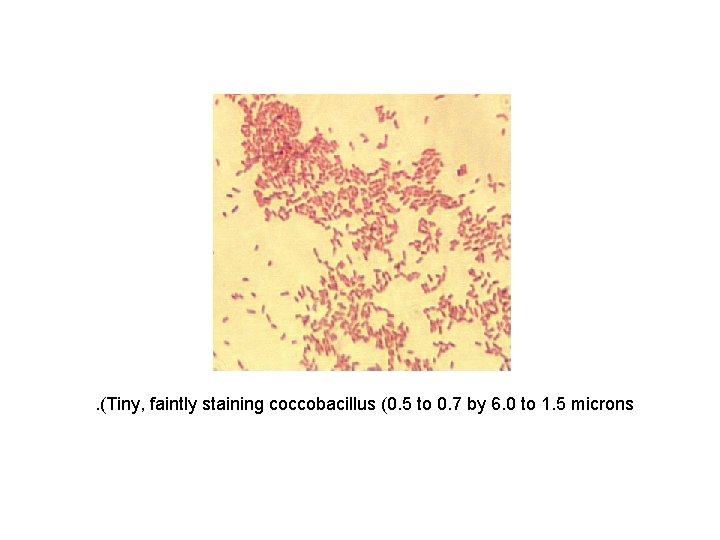
. (Tiny, faintly staining coccobacillus (0. 5 to 0. 7 by 6. 0 to 1. 5 microns
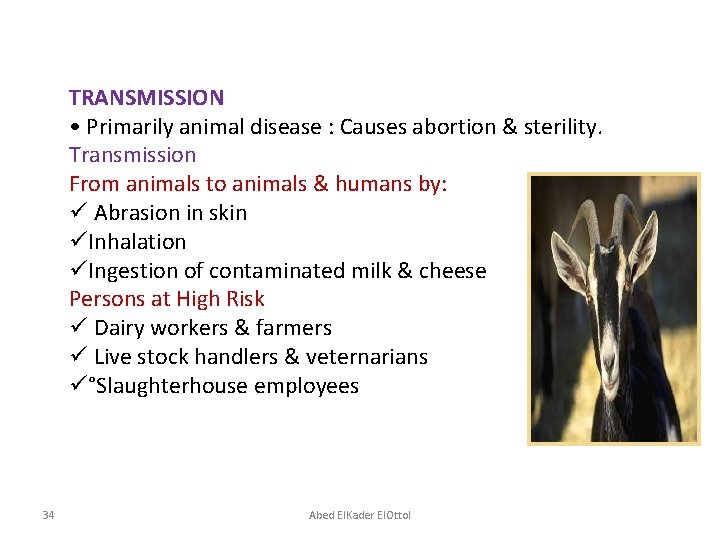
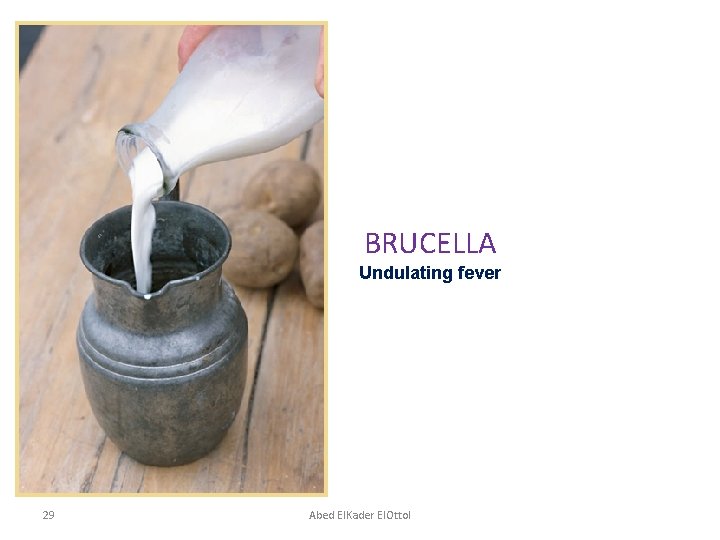
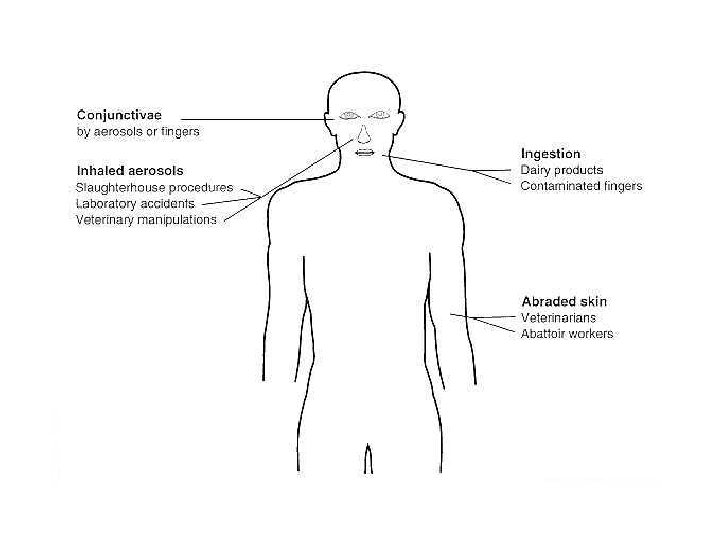
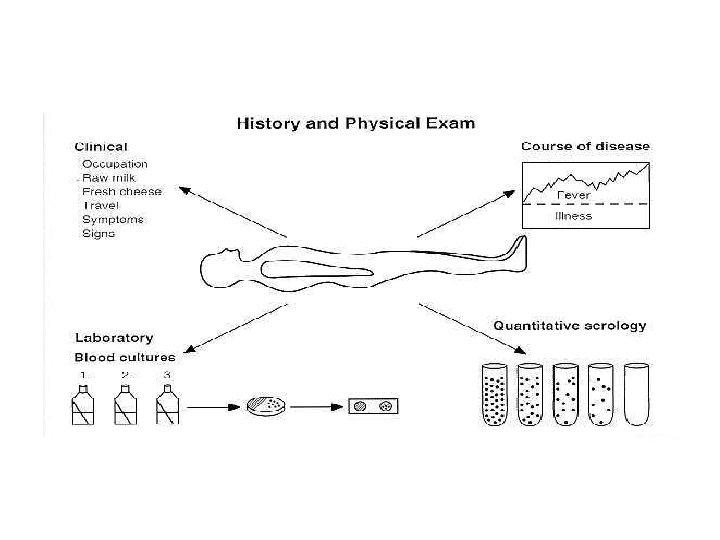
TRANSMISSION • Primarily animal disease : Causes abortion & sterility. Transmission From animals to animals & humans by: ü Abrasion in skin üInhalation üIngestion of contaminated milk & cheese Persons at High Risk ü Dairy workers & farmers ü Live stock handlers & veternarians ü°Slaughterhouse employees 34 Abed El. Kader El. Ottol
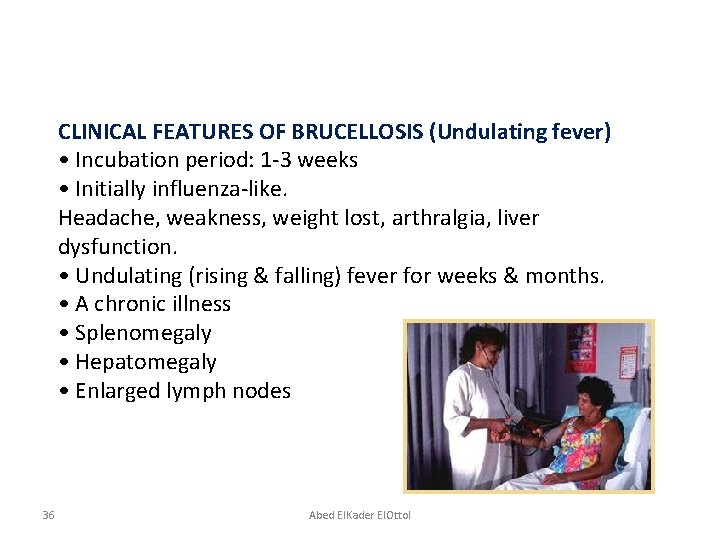
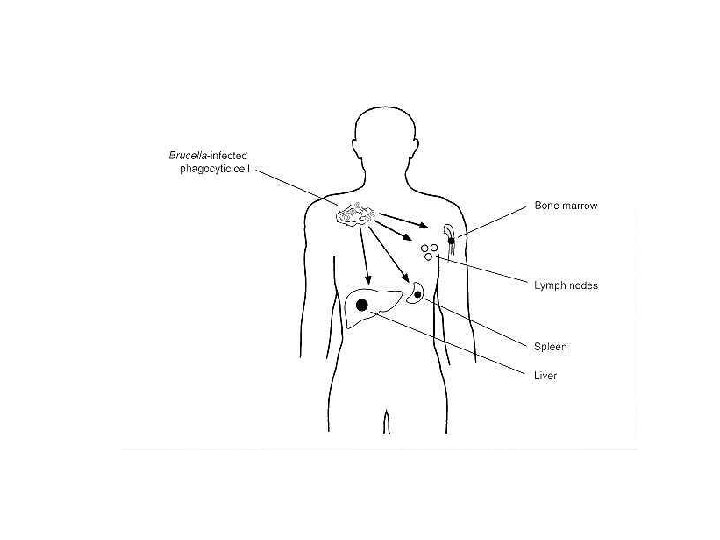
CLINICAL FEATURES OF BRUCELLOSIS (Undulating fever) • Incubation period: 1 -3 weeks • Initially influenza-like. Headache, weakness, weight lost, arthralgia, liver dysfunction. • Undulating (rising & falling) fever for weeks & months. • A chronic illness • Splenomegaly • Hepatomegaly • Enlarged lymph nodes 36 Abed El. Kader El. Ottol
37 Abed El. Kader El. Ottol
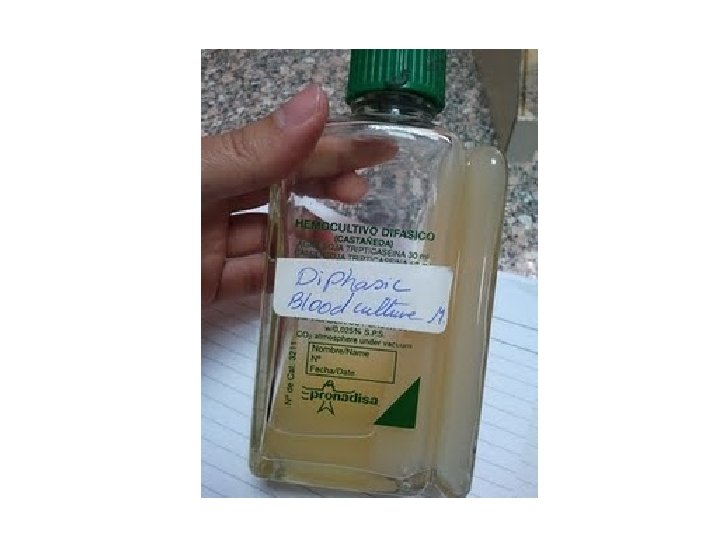
LAB DIAGNOSIS • Specimens Blood, LN & BM biopsy • Culture Require 5 -10% CO 2 • Serology ° Antibody titre of 1: 160 or more (significant) ° Titre returns to normal within a year of successful treatment TREATMENT • Ciprofloxacin May be up to 6 weeks to prevent relapses 39 Abed El. Kader El. Ottol
PREVENTION • Pasteurization of milk • Immunization of animals • Eradication of infected livestock • Minimize occupational exposure 42 Abed El. Kader El. Ottol

End of Lecture 43 Abed El. Kader El. Ottol
- Slides: 43