
Diagnosis Clinical Appraisal and Treatment Guidelines Dalls variable

Diagnosis, Clinical Appraisal and Treatment Guidelines <<Dalls>> <<variable faculty title>> <<variable faculty Institution>> <<variable faculty address>> www. lipid. org
Outline Chapter 1: • Historical overview and review of NCEP ATP I, III guidelines and updates, additional national/ international guidelines • Pediatric screening and treatment guidelines • Risk assessment instruments • Secondary dyslipidemias Chapter 2: • Genetic dyslipidemias • Other risk factors (RF) • Case presentations www. lipid. org

Chapter 1 Current Guidelines and Risk Assessment Instruments www. lipid. org
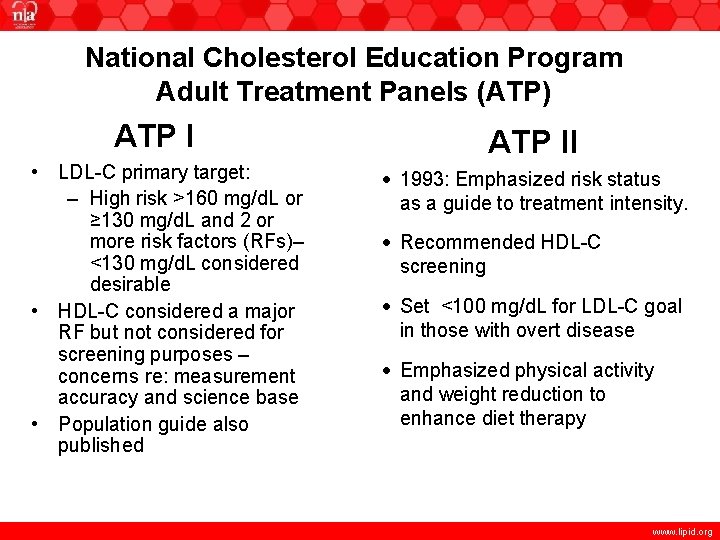
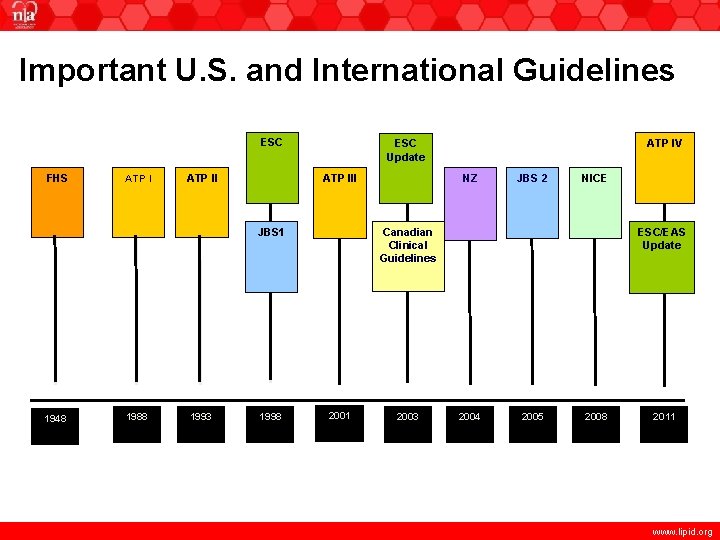
National Cholesterol Education Program Adult Treatment Panels (ATP) ATP I • LDL-C primary target: – High risk >160 mg/d. L or ≥ 130 mg/d. L and 2 or more risk factors (RFs)– <130 mg/d. L considered desirable • HDL-C considered a major RF but not considered for screening purposes – concerns re: measurement accuracy and science base • Population guide also published ATP II • 1993: Emphasized risk status as a guide to treatment intensity. • Recommended HDL-C screening • Set <100 mg/d. L for LDL-C goal in those with overt disease • Emphasized physical activity and weight reduction to enhance diet therapy www. lipid. org
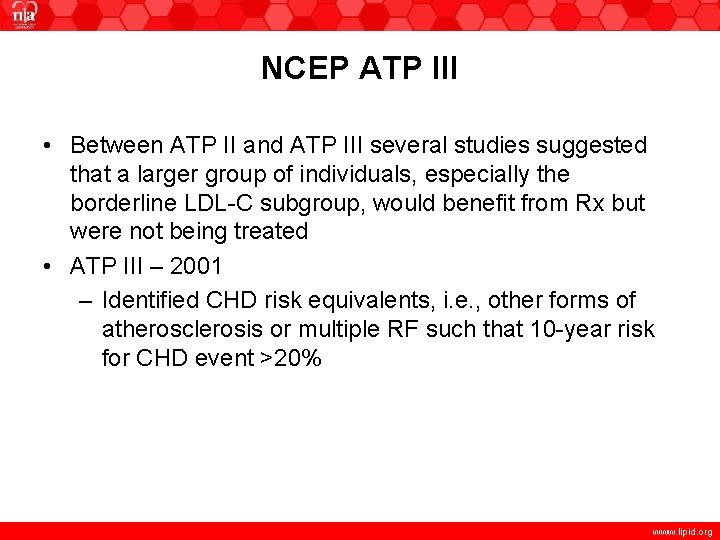
NCEP ATP III • Between ATP II and ATP III several studies suggested that a larger group of individuals, especially the borderline LDL-C subgroup, would benefit from Rx but were not being treated • ATP III – 2001 – Identified CHD risk equivalents, i. e. , other forms of atherosclerosis or multiple RF such that 10 -year risk for CHD event >20% www. lipid. org
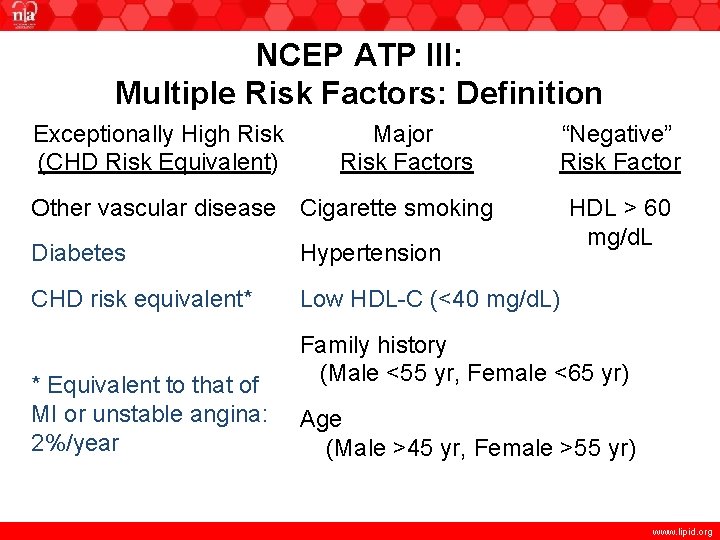
NCEP ATP III: Multiple Risk Factors: Definition Exceptionally High Risk (CHD Risk Equivalent) Major Risk Factors “Negative” Risk Factor Other vascular disease Cigarette smoking Diabetes Hypertension CHD risk equivalent* Low HDL-C (<40 mg/d. L) * Equivalent to that of MI or unstable angina: 2%/year HDL > 60 mg/d. L Family history (Male <55 yr, Female <65 yr) Age (Male >45 yr, Female >55 yr) www. lipid. org
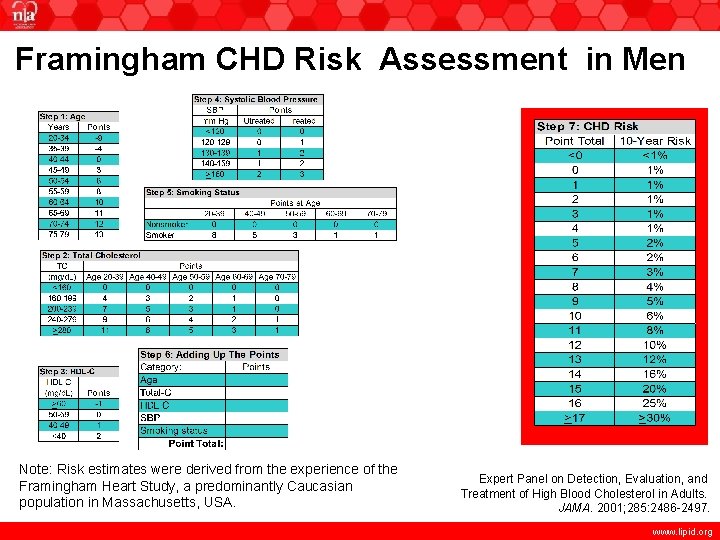
Framingham CHD Risk Assessment in Men Note: Risk estimates were derived from the experience of the Framingham Heart Study, a predominantly Caucasian population in Massachusetts, USA. Expert Panel on Detection, Evaluation, and Treatment of High Blood Cholesterol in Adults. JAMA. 2001; 285: 2486 -2497. www. lipid. org
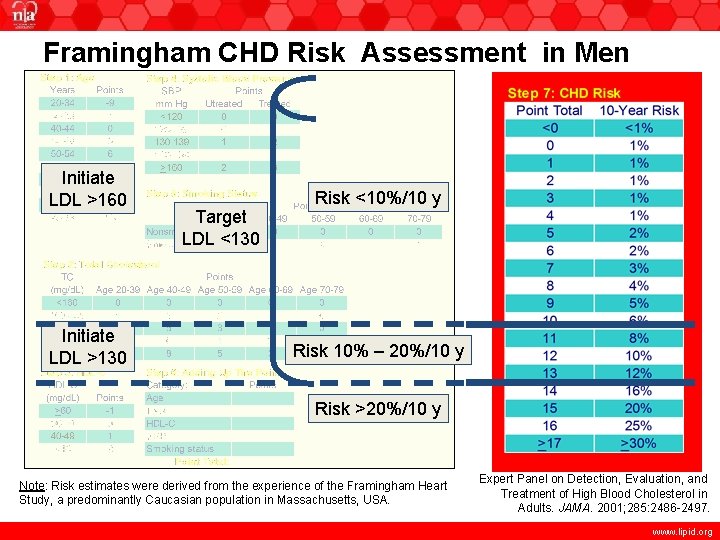
Framingham CHD Risk Assessment in Men Initiate LDL >160 Initiate LDL >130 Target LDL <130 Risk <10%/10 y Risk 10% – 20%/10 y Risk >20%/10 y Note: Risk estimates were derived from the experience of the Framingham Heart Study, a predominantly Caucasian population in Massachusetts, USA. Expert Panel on Detection, Evaluation, and Treatment of High Blood Cholesterol in Adults. JAMA. 2001; 285: 2486 -2497. www. lipid. org
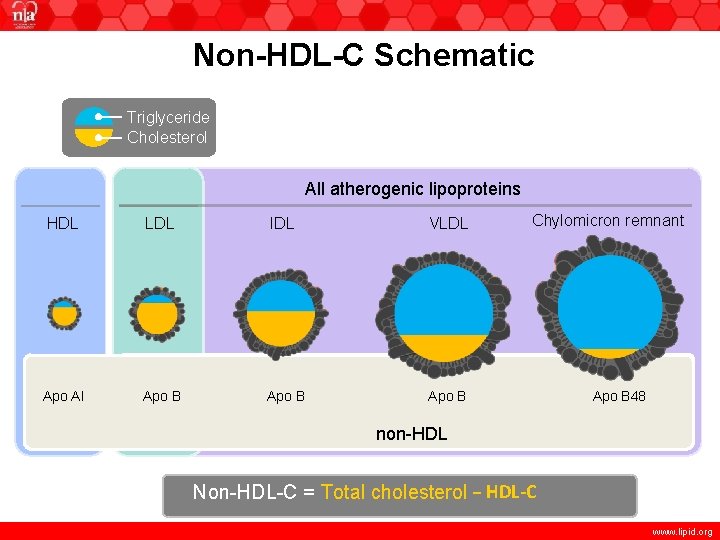
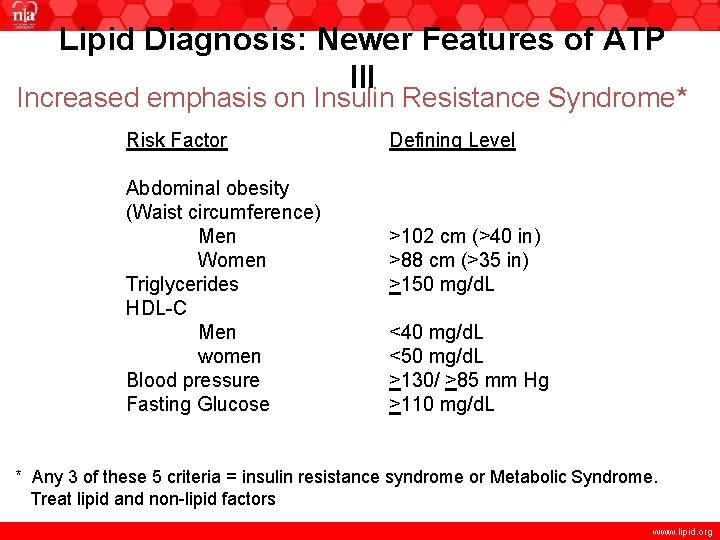
ATP III (continued) • Identified LDL-C <100 mg/d. L optimal • Raised definition of low HDL-C from <35 to <40 mg/d. L • Acknowledged triglycerides as an independent risk factor for CHD – set <150 mg/d. L as normal – if triglycerides >500 mg/d. L, triglyceride lowering should be first target to prevent pancreatitis • Special focus on the metabolic syndrome • Focus on treatment beyond LDL-C: triglycerides and HDL-C with an introduction of non-HDL-C as a secondary target www. lipid. org
Lipid Diagnosis: Newer Features of ATP III Beyond LDL Cholesterol Increased emphasis on Non-HDL Cholesterol for patients with triglycerides 200 mg/d. L www. lipid. org
Lipid Diagnosis: Newer Features of ATP III Beyond LDL Cholesterol Increased emphasis on Non-HDL Cholesterol for patients with triglycerides 200 mg/d. L Rationale: Diabetes and diabetic dyslipidemia ( TG and HDL-C) increase risk at every level of LDL-C www. lipid. org
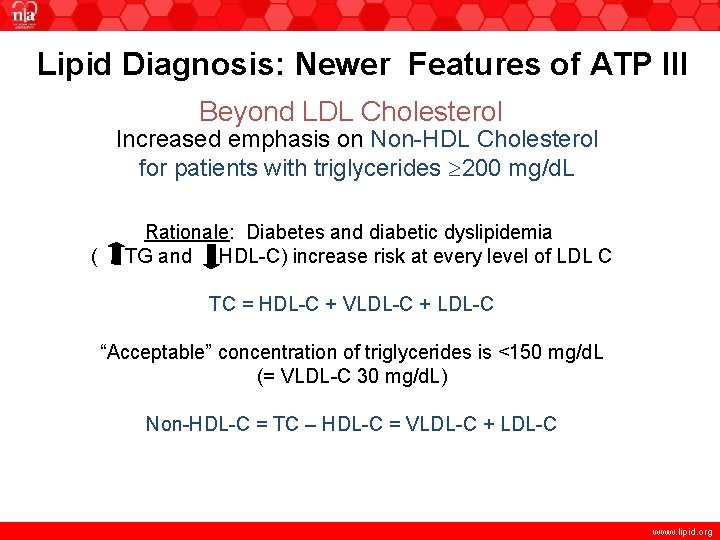
Lipid Diagnosis: Newer Features of ATP III Beyond LDL Cholesterol Increased emphasis on Non-HDL Cholesterol for patients with triglycerides 200 mg/d. L ( Rationale: Diabetes and diabetic dyslipidemia TG and HDL-C) increase risk at every level of LDL C TC = HDL-C + VLDL-C + LDL-C “Acceptable” concentration of triglycerides is <150 mg/d. L (= VLDL-C 30 mg/d. L) Non-HDL-C = TC – HDL-C = VLDL-C + LDL-C www. lipid. org
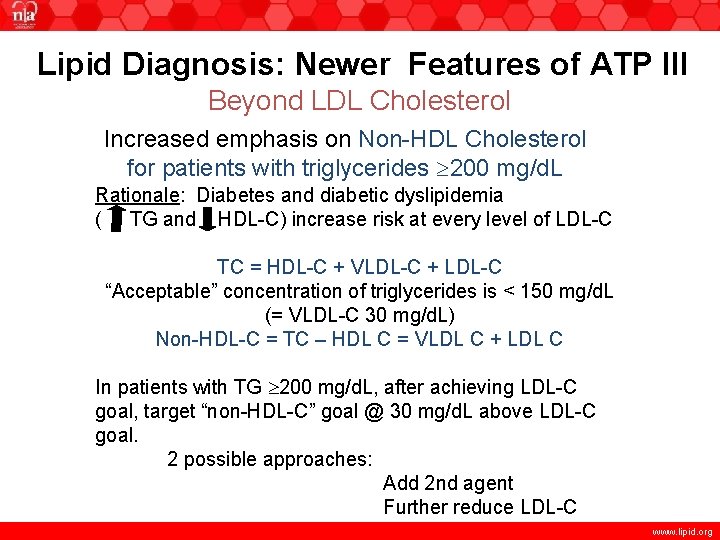
Lipid Diagnosis: Newer Features of ATP III Beyond LDL Cholesterol Increased emphasis on Non-HDL Cholesterol for patients with triglycerides 200 mg/d. L Rationale: Diabetes and diabetic dyslipidemia ( TG and HDL-C) increase risk at every level of LDL-C TC = HDL-C + VLDL-C + LDL-C “Acceptable” concentration of triglycerides is < 150 mg/d. L (= VLDL-C 30 mg/d. L) Non-HDL-C = TC – HDL C = VLDL C + LDL C In patients with TG 200 mg/d. L, after achieving LDL-C goal, target “non-HDL-C” goal @ 30 mg/d. L above LDL-C goal. 2 possible approaches: Add 2 nd agent Further reduce LDL-C www. lipid. org
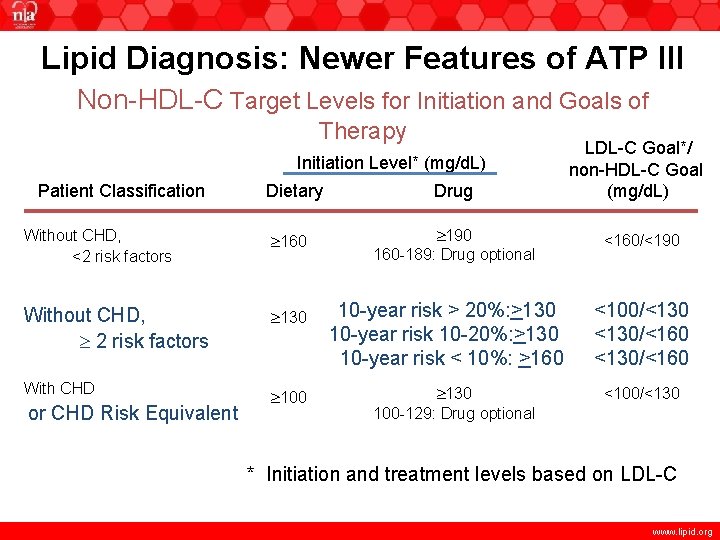
Lipid Diagnosis: Newer Features of ATP III Non-HDL-C Target Levels for Initiation and Goals of Therapy Initiation Level* (mg/d. L) Patient Classification Dietary Without CHD, <2 risk factors 160 Without CHD, 2 risk factors 130 With CHD 100 or CHD Risk Equivalent Drug 190 160 -189: Drug optional 10 -year risk > 20%: >130 10 -year risk 10 -20%: >130 10 -year risk < 10%: >160 130 100 -129: Drug optional LDL-C Goal*/ non-HDL-C Goal (mg/d. L) <160/<190 <100/<130/<160 <100/<130 * Initiation and treatment levels based on LDL-C www. lipid. org
Non-HDL-C Schematic Triglyceride Cholesterol All atherogenic lipoproteins HDL LDL IDL VLDL Apo AI Apo B Chylomicron remnant Apo B 48 non-HDL Non-HDL-C = Total cholesterol − HDL-C www. lipid. org
Lipid Diagnosis: Newer Features of ATP III Increased emphasis on Insulin Resistance Syndrome* Risk Factor Abdominal obesity (Waist circumference) Men Women Triglycerides HDL-C Men women Blood pressure Fasting Glucose Defining Level >102 cm (>40 in) >88 cm (>35 in) >150 mg/d. L <40 mg/d. L <50 mg/d. L >130/ >85 mm Hg >110 mg/d. L * Any 3 of these 5 criteria = insulin resistance syndrome or Metabolic Syndrome. Treat lipid and non-lipid factors www. lipid. org
Important U. S. and International Guidelines ESC FHS ATP III JBS 1 1948 1988 1993 1998 ATP IV ESC Update NZ JBS 2 NICE ESC/EAS Update Canadian Clinical Guidelines 2001 2003 2004 2005 2008 2011 www. lipid. org
GWTG: Patients on Lipid-Lowering Therapy Prior to Hospitalizationa for CHD – Percentage at LDL-C <100 mg/d. L or <70 mg/d. L 1 Study population included patients with ACS, stable CAD hospitalized for revascularization, and patients with documented CAD hospitalized for reasons other than heart failure Total Cholesterol 174 LDL 104 HDL 39 TG 161 Average BMI 28. 9 HTN 54. 2 A (n=28, 944) 1. Sachdeva A, et al. Am Heart J. 2009; 157: 111 -117. e 112. GWTG= Get With The Guidelines; ACS = acute coronary syndrome; CAD=coronary artery disease www. lipid. org
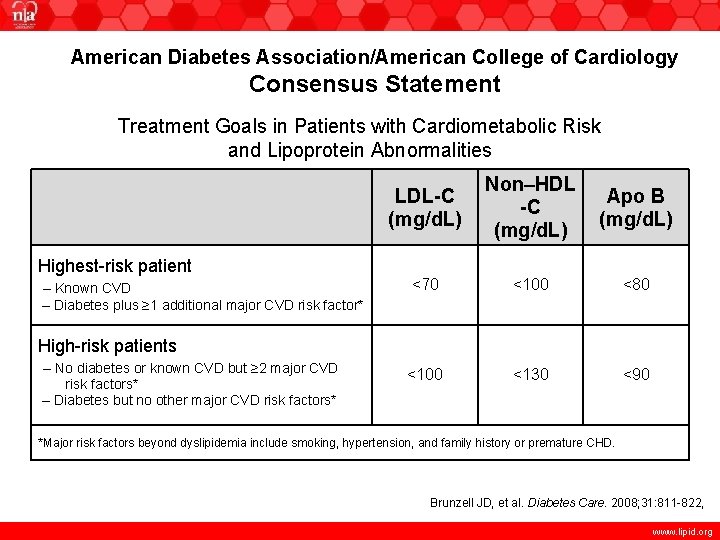
American Diabetes Association/American College of Cardiology Consensus Statement Treatment Goals in Patients with Cardiometabolic Risk and Lipoprotein Abnormalities Highest-risk patient – Known CVD – Diabetes plus ≥ 1 additional major CVD risk factor* LDL-C (mg/d. L) Non–HDL -C (mg/d. L) Apo B (mg/d. L) <70 <100 <80 <100 <130 <90 High-risk patients – No diabetes or known CVD but ≥ 2 major CVD risk factors* – Diabetes but no other major CVD risk factors* *Major risk factors beyond dyslipidemia include smoking, hypertension, and family history or premature CHD. ACC=American College of Cardiology ADA=American Diabetes Association Brunzell JD, et al. Diabetes Care. 2008; 31: 811 -822, www. lipid. org
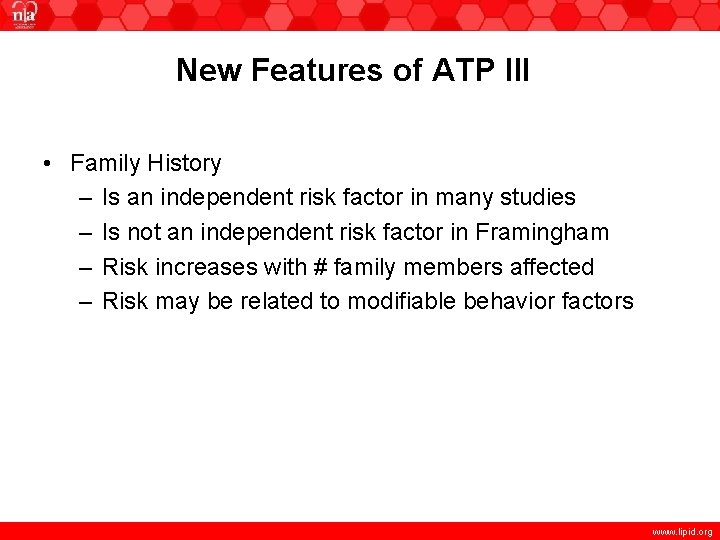
New Features of ATP III • Family History – Is an independent risk factor in many studies – Is not an independent risk factor in Framingham – Risk increases with # family members affected – Risk may be related to modifiable behavior factors www. lipid. org
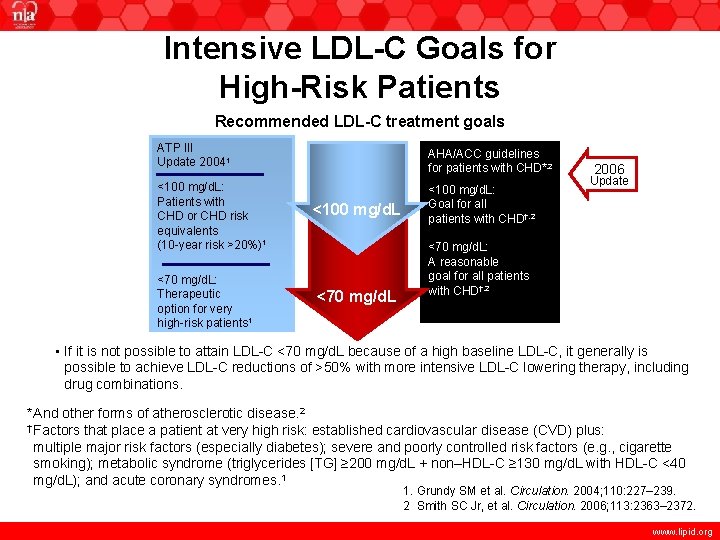
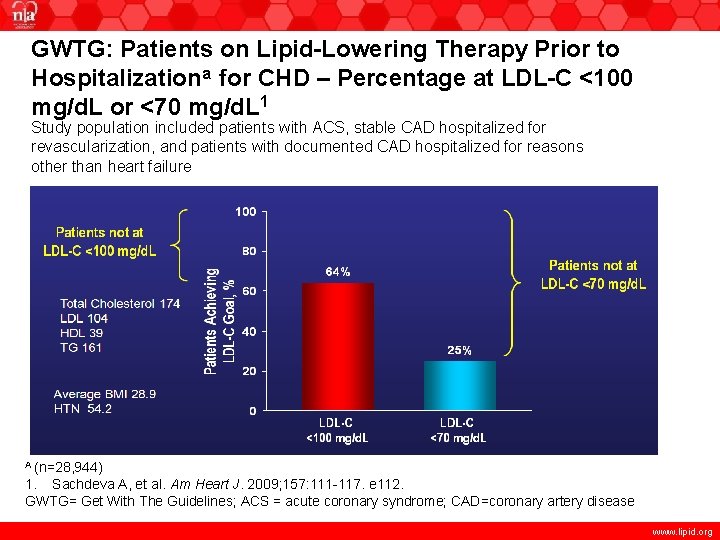
Intensive LDL-C Goals for High-Risk Patients Recommended LDL-C treatment goals ATP III Update 20041 <100 mg/d. L: Patients with CHD or CHD risk equivalents (10 -year risk >20%)1 <70 mg/d. L: Therapeutic option for very high-risk patients 1 AHA/ACC guidelines for patients with CHD*, 2 <100 mg/d. L <70 mg/d. L <100 mg/d. L: Goal for all patients with CHD†, 2 2006 Update <70 mg/d. L: A reasonable goal for all patients with CHD†, 2 • If it is not possible to attain LDL-C <70 mg/d. L because of a high baseline LDL-C, it generally is possible to achieve LDL-C reductions of >50% with more intensive LDL-C lowering therapy, including drug combinations. *And other forms of atherosclerotic disease. 2 † Factors that place a patient at very high risk: established cardiovascular disease (CVD) plus: multiple major risk factors (especially diabetes); severe and poorly controlled risk factors (e. g. , cigarette smoking); metabolic syndrome (triglycerides [TG] ≥ 200 mg/d. L + non–HDL-C ≥ 130 mg/d. L with HDL-C <40 mg/d. L); and acute coronary syndromes. 1 1. Grundy SM et al. Circulation. 2004; 110: 227– 239. 2 Smith SC Jr, et al. Circulation. 2006; 113: 2363– 2372. www. lipid. org
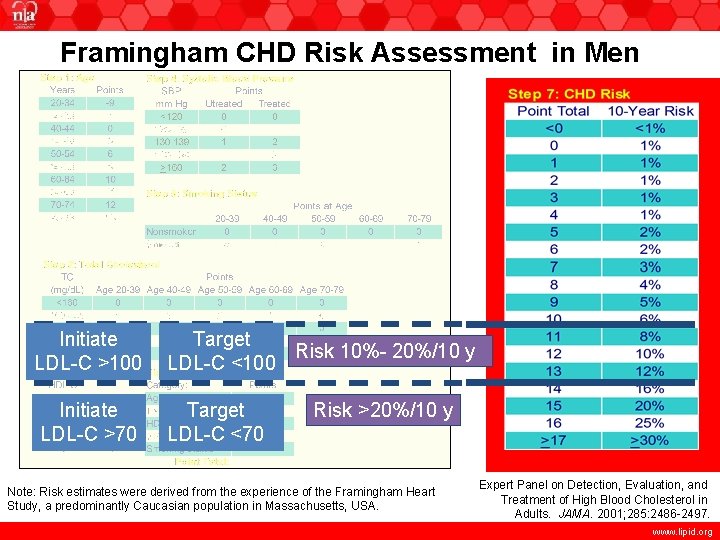
Framingham CHD Risk Assessment in Men Initiate LDL-C >100 Target Risk 10%- 20%/10 y LDL-C <100 Initiate LDL-C >70 Target LDL-C <70 Risk >20%/10 y Note: Risk estimates were derived from the experience of the Framingham Heart Study, a predominantly Caucasian population in Massachusetts, USA. Expert Panel on Detection, Evaluation, and Treatment of High Blood Cholesterol in Adults. JAMA. 2001; 285: 2486 -2497. www. lipid. org
Rationale for Retiring 1998 American Academy of Pediatrics (AAP) Policy Statement “Cholesterol in Childhood” • The current epidemic of childhood obesity has resulted in an increase in type 2 diabetes, hypertension, and lipid disorders. • Studies have clearly demonstrated that the atherosclerotic process begins in childhood. • New data have established the effectiveness and safety of some of the available lipid lowering agents in children as young as 8 years of age. American Academy of Pediatrics. 1998; 101(1 pt 1): 141 -147. American Academy of Pediatrics. 2008; 122: 198 -208. www. lipid. org
Pediatric Screening • Current AAP Clinical Report offers no new guidance regarding whom to screen • NCEP Guidelines 1992 advocate a targeted approach: screen children with a family history of CVD or elevated cholesterol; additionally, screening is recommended when family history is unknown or if there are other CVD risk factors (obesity, cigarette smoking, hypertension, diabetes mellitus, etc. ) www. lipid. org
Approach to the Treatment of Lipid Abnormalities in Youth • Individual Approach: Focuses on children and adolescents with a family history of CVD or hyperlipidemia or who themselves have elevated cholesterol. The diet recommended is similar to that recommended for the population, but restricts saturated fat to 7% of calories and dietary cholesterol to <200 mg/day. Implementation should involve the entire family and a dietitian. • Other non-pharmacologic approaches in this population: – Fiber (age +5 y, up to 20 g), plant stanols or sterols and increased physical activity www. lipid. org
Treatment of Lipid Abnormalities in Youth • Individual Approach: High-risk children (defined as having an LDL-C >190 mg/d. L despite diet therapy, or LDL-C >160 mg/d. L with other risk factors, or 130 mg/d. L with diabetes) are candidates for pharmacologic intervention. This is not a new recommendation. • 1992 NCEP recommended these cut points (with exception of the third – did not single out diabetes) but did not suggest statins as first-line drugs. • Statins as first-line, beginning at age 10 y – also added other high-risk children including DM, transplantation, HIV, SLE, nephrotic syndrome. • New in this report: Initiate drug therapy between age 8 -10 y Mc. Crindle BW, et al. Circulation. 2007; 115: 1948 -1967. www. lipid. org
Approach to the Treatment of Lipid Abnormalities in Youth • Individual approach: Statins first-line therapy in appropriate children (statins approved for use in children include lovastatin, pravastatin, simvastatin, and atorvastatin) • Bile-acid binding resins: Poor compliance • Niacin: Liver function test abnormalities reported in up to 26% of children • Cholesterol-absorption inhibitors: attractive, but not extensively studied • Fibrates: not extensively studied Colletti RB, et al. Pediatrics. 1993; 92: 78 -82. www. lipid. org
NLA 2011 Pediatric Recommendations • Universal screening at age 9 to 11 years with a fasting lipid profile or nonfasting non-HDL-C measurement is recommended to identify all children with FH. This age identifies individuals at the potential onset of advanced atherosclerosis, and provides the best discrimination between those with and without inherited dyslipidemias by avoiding confounding due to changes in lipid levels associated with puberty. • If a nonfasting non-HDL-C concentration of >145 mg/d. L is detected, then a fasting lipid profile should be performed. www. lipid. org
NLA 2011 Pediatric Recommendations • Untreated fasting lipid levels at which FH may be suspected in children, adolescents and young adults (<20 years) are LDL-C concentration >160 mg/d. L or non-HDL-C >190 mg/d. L. These levels are supported by family studies of affected individuals. • Screening should occur earlier (>2 years of age) in the presence of a positive family history of hypercholesterolemia or premature CHD or the presence of other major CHD risk factors. www. lipid. org
Evaluations for CHD Risk: Lifetime Risk • Reflects the cumulative risk of developing CHD during the remainder of an individual’s life 1 • • Increases sharply with higher total cholesterol levels at all ages Individuals with low or intermediate short-term risk may actually be at high risk in the long term 2, 3 • • Single risk factor can cause cumulative damage and adverse outcomes if left untreated for many years 2 Risk factors used to estimate lifetime risk: smoking status, diabetes, hypertension, total cholesterol 4 1. 2. 3. 4. Lloyd-Jones DM, et al. Arch Intern Med. 2003; 163: 1966 -1972. Lloyd-Jones DM, et al. Am J Cardiol. 2004; 94: 20 -24. Berry JD, et al. Circulation. 2009; 119: 382 -389. Lloyd-Jones DM, et al. Lancet. 1999; 353: 89 -92. www. lipid. org
Benefits of Assessing Lifetime Risk • An important adjunct to short-term (10 -year) risk estimation 1 − Helps identify individuals with hidden long-term risk 1, 2 − Improves risk communication − Motivates low short-term risk patients to adopt therapeutic lifestyle changes 1, 2 − Promotes adherence to medications 1 1. 2. Lloyd-Jones DM, et al. Curr Opin Lipidol. 2006; 17: 619 -625. Berry JD, et al. Circulation. 2009; 119: 382 -389. www. lipid. org
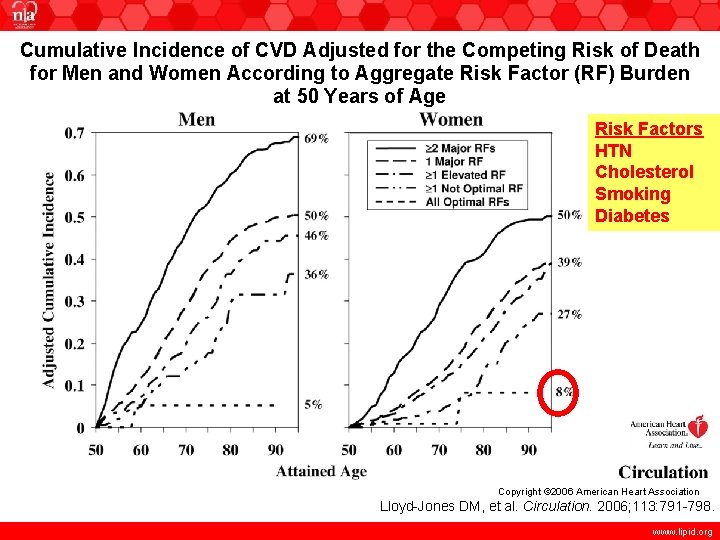
Cumulative Incidence of CVD Adjusted for the Competing Risk of Death for Men and Women According to Aggregate Risk Factor (RF) Burden at 50 Years of Age Risk Factors HTN Cholesterol Smoking Diabetes Copyright © 2006 American Heart Association Lloyd-Jones DM, et al. Circulation. 2006; 113: 791 -798. www. lipid. org
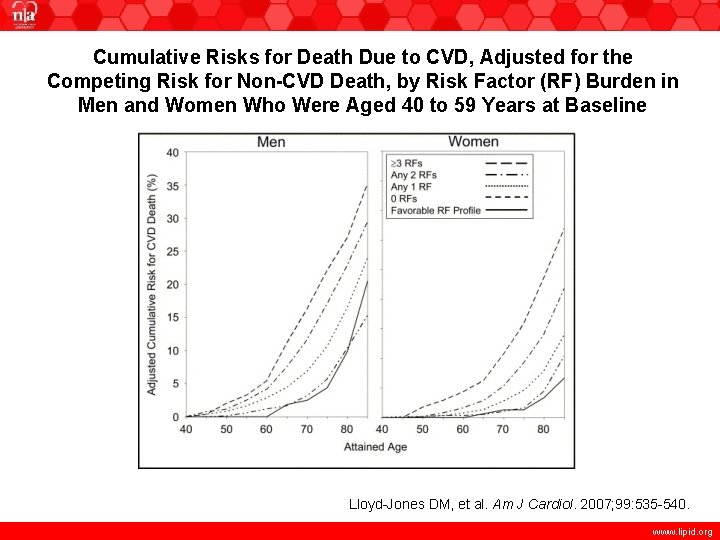
Cumulative Risks for Death Due to CVD, Adjusted for the Competing Risk for Non-CVD Death, by Risk Factor (RF) Burden in Men and Women Who Were Aged 40 to 59 Years at Baseline Lloyd-Jones DM, et al. Am J Cardiol. 2007; 99: 535 -540. www. lipid. org

Friedewald Formula LDL Cholesterol HDL Cholesterol + VLDL Cholesterol (Triglyceride/5) Total Cholesterol - HDL Cholesterol - VLDL Cholesterol (Triglyceride/5) LDL Cholesterol www. lipid. org
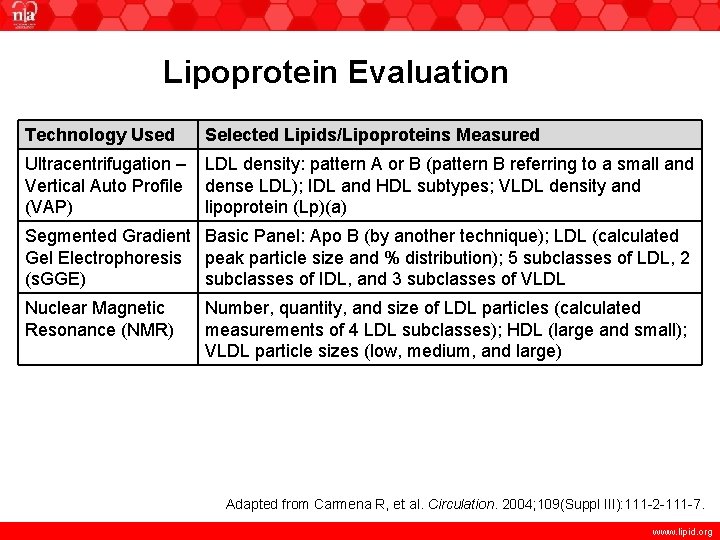
Lipoprotein Evaluation Technology Used Selected Lipids/Lipoproteins Measured Ultracentrifugation – Vertical Auto Profile (VAP) LDL density: pattern A or B (pattern B referring to a small and dense LDL); IDL and HDL subtypes; VLDL density and lipoprotein (Lp)(a) Segmented Gradient Basic Panel: Apo B (by another technique); LDL (calculated Gel Electrophoresis peak particle size and % distribution); 5 subclasses of LDL, 2 (s. GGE) subclasses of IDL, and 3 subclasses of VLDL Nuclear Magnetic Resonance (NMR) Number, quantity, and size of LDL particles (calculated measurements of 4 LDL subclasses); HDL (large and small); VLDL particle sizes (low, medium, and large) Adapted from Carmena R, et al. Circulation. 2004; 109(Suppl III): 111 -2 -111 -7. www. lipid. org
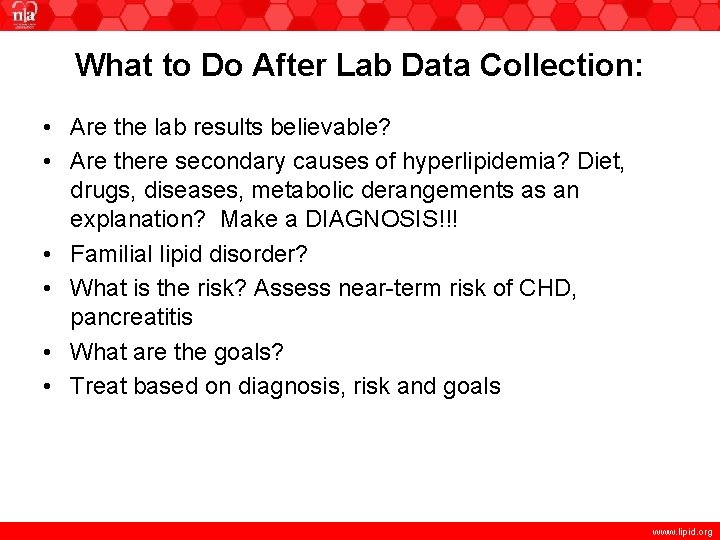
What to Do After Lab Data Collection: • Are the lab results believable? • Are there secondary causes of hyperlipidemia? Diet, drugs, diseases, metabolic derangements as an explanation? Make a DIAGNOSIS!!! • Familial lipid disorder? • What is the risk? Assess near-term risk of CHD, pancreatitis • What are the goals? • Treat based on diagnosis, risk and goals www. lipid. org
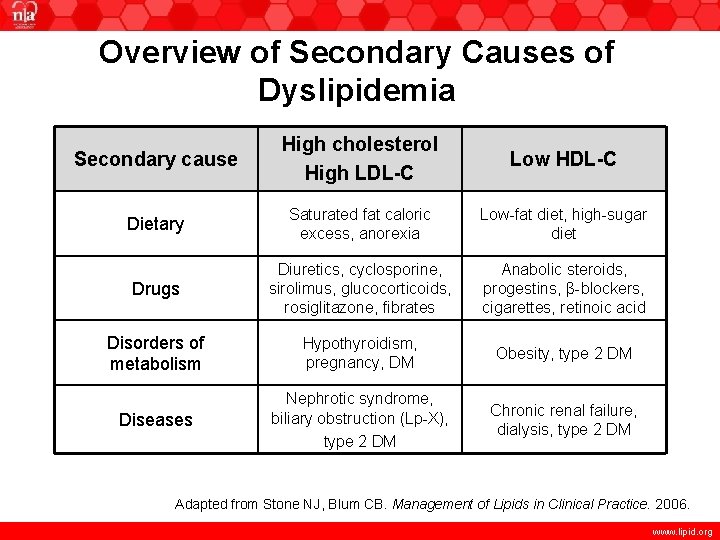
Overview of Secondary Causes of Dyslipidemia Secondary cause High cholesterol High LDL-C Low HDL-C Dietary Saturated fat caloric excess, anorexia Low-fat diet, high-sugar diet Drugs Diuretics, cyclosporine, sirolimus, glucocorticoids, rosiglitazone, fibrates Anabolic steroids, progestins, β-blockers, cigarettes, retinoic acid Disorders of metabolism Hypothyroidism, pregnancy, DM Obesity, type 2 DM Diseases Nephrotic syndrome, biliary obstruction (Lp-X), type 2 DM Chronic renal failure, dialysis, type 2 DM Adapted from Stone NJ, Blum CB. Management of Lipids in Clinical Practice. 2006. www. lipid. org
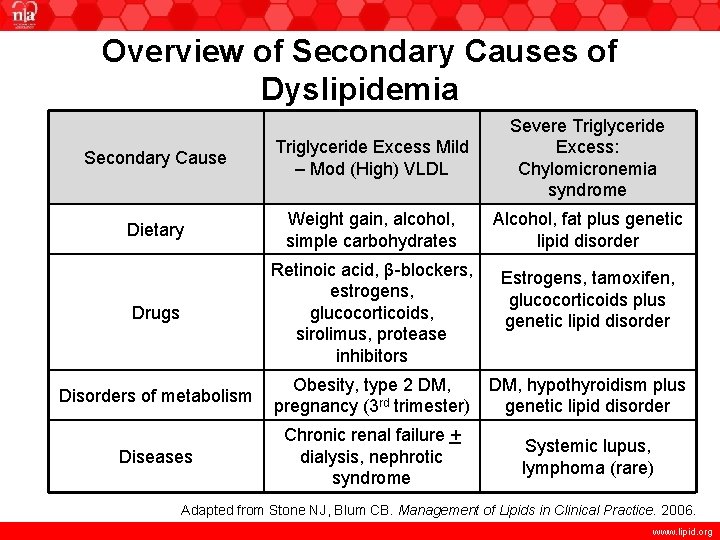
Overview of Secondary Causes of Dyslipidemia Secondary Cause Triglyceride Excess Mild – Mod (High) VLDL Severe Triglyceride Excess: Chylomicronemia syndrome Dietary Weight gain, alcohol, simple carbohydrates Alcohol, fat plus genetic lipid disorder Drugs Retinoic acid, β-blockers, estrogens, glucocorticoids, sirolimus, protease inhibitors Estrogens, tamoxifen, glucocorticoids plus genetic lipid disorder Disorders of metabolism Obesity, type 2 DM, pregnancy (3 rd trimester) DM, hypothyroidism plus genetic lipid disorder Diseases Chronic renal failure + dialysis, nephrotic syndrome Systemic lupus, lymphoma (rare) Adapted from Stone NJ, Blum CB. Management of Lipids in Clinical Practice. 2006. www. lipid. org
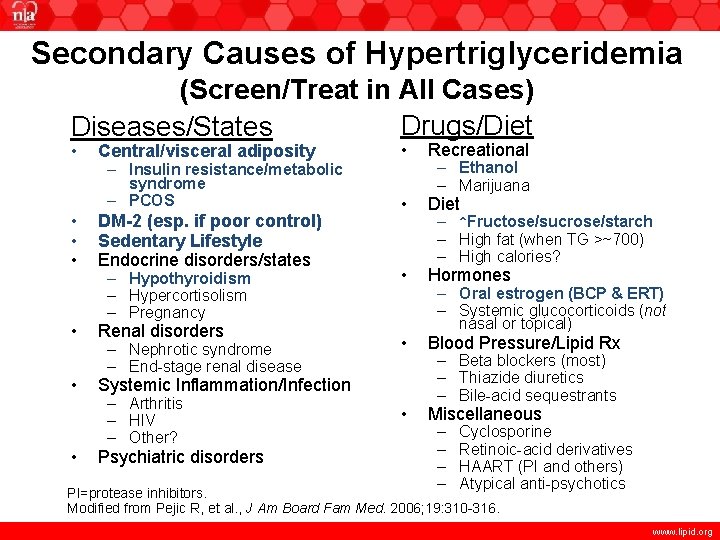
Secondary Causes of Hypertriglyceridemia (Screen/Treat in All Cases) Drugs/Diet Diseases/States • • Recreational • Diet – Hypothyroidism – Hypercortisolism – Pregnancy • Hormones – Nephrotic syndrome – End-stage renal disease • Blood Pressure/Lipid Rx • Miscellaneous Central/visceral adiposity – Insulin resistance/metabolic syndrome – PCOS DM-2 (esp. if poor control) Sedentary Lifestyle Endocrine disorders/states Renal disorders Systemic Inflammation/Infection – Arthritis – HIV – Other? Psychiatric disorders – Ethanol – Marijuana – ↑Fructose/sucrose/starch – High fat (when TG >~700) – High calories? – Oral estrogen (BCP & ERT) – Systemic glucocorticoids (not nasal or topical) – Beta blockers (most) – Thiazide diuretics – Bile-acid sequestrants – – Cyclosporine Retinoic-acid derivatives HAART (PI and others) Atypical anti-psychotics HAART = highly active antiretroviral therapy; PI=protease inhibitors. Modified from Pejic R, et al. , J Am Board Fam Med. 2006; 19: 310 -316. www. lipid. org

Chapter 2 Genetic Dyslipidemias Overview www. lipid. org
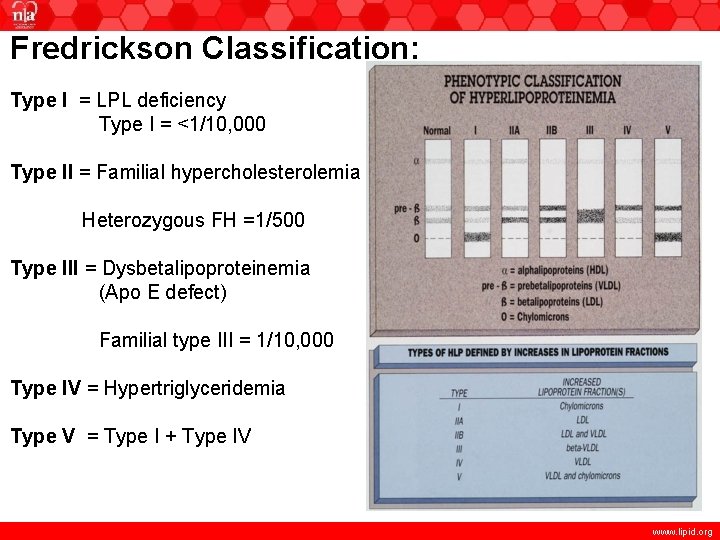
Fredrickson Classification: Type I = LPL deficiency Type I = <1/10, 000 Type II = Familial hypercholesterolemia Heterozygous FH =1/500 Type III = Dysbetalipoproteinemia (Apo E defect) Familial type III = 1/10, 000 Type IV = Hypertriglyceridemia Type V = Type I + Type IV www. lipid. org
Familial Hypobetalipoproteinemia: Reduced LDL-C and Apo B, and Decreased Morbidity from Myocardial Infarction • Individuals with this condition have plasma LDL-C and Apo B concentrations <5 th percentile for age and sex 1 • Exhibit enhanced LDL particle binding to LDL receptors 1 • Have lower incidence of myocardial infarction 2 • Experience increased longevity without adverse events 2 1. Burnett JR, et al. Clin Biochem Rev. 2008; 29: 11 -26. 2. Glueck CJ, et al. J Lab Clin Med. 1976; 88: 941 -957. www. lipid. org
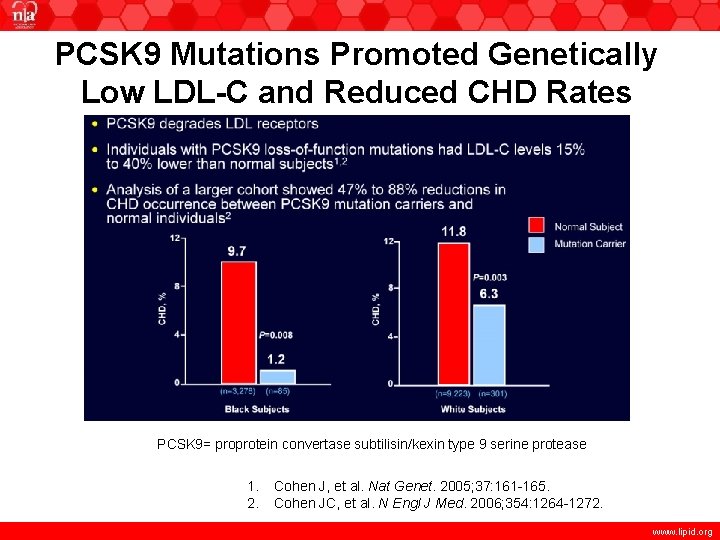
PCSK 9 Mutations Promoted Genetically Low LDL-C and Reduced CHD Rates PCSK 9= proprotein convertase subtilisin/kexin type 9 serine protease 1. 2. Cohen J, et al. Nat Genet. 2005; 37: 161 -165. Cohen JC, et al. N Engl J Med. 2006; 354: 1264 -1272. www. lipid. org
Genetic Basis and Phenotypic Presentation of Metabolic Disorders of Dyslipidemia • • • Disorders Affecting LDL Receptor (LDLR) Activity Disorders of Overproduction of VLDL and LDL Familial Metabolic Disorders of TG rich lipoproteins Familial Disorders of HDL Metabolism Elevated Lp(a) Deficiencies in Apo B containing Lipoproteins www. lipid. org
Disorders Affecting LDLR Activity • Familial Hypercholesterolemia (FH): Deficient or defective LDL receptors (chromosome #19); impaired LDL removal from plasma • Familial Defective Apo B 100: Mutant Apo B 100 poorly recognized by LDL receptor – impaired LDL removal from plasma • Autosomal Recessive Hypercholesterolemia: Very rare due to a mutation in the LDL receptor adaptor protein markedly elevated LDL-C levels Adapted from Kwiterovich PO, ed. The Johns Hopkins textbook of dyslipidemia. 1 st ed. Philadelphia, PA: Lippincott Williams & Wilkins; 2009. www. lipid. org
Disorders Affecting LDLR Activity • Mutation of Proprotein Convertase Subtilisin-like Kexin Type 9 (PCSK 9; gain of function mutation): PCSK 9 is a serine protease that facilitates the degradation of the LDLR. • Sitosterolemia: Rare autosomal recessive disorder expressed in childhood and characterized by markedly elevated (>30 fold) plasma level of plant sterols. Persons with this disorder also absorb a higher percentage of dietary cholesterol than normal and secrete less cholesterol into their bile which increases hepatic cholesterol pool, decreases LDLR activity and in turn increases LDL-C levels. Adapted from Kwiterovich PO, ed. The Johns Hopkins textbook of dyslipidemia. 1 st ed. Philadelphia, PA: Lippincott Williams & Wilkins; 2009 www. lipid. org
Disorders Affecting LDLR Activity • Deficiency of Cholesterol 7α-Hydroxylase: Autosomal codominant disorder affecting cholesterol 7α-hydroxylase activity, the first enzyme in the classical pathway for bile acid synthesis. A block in the conversion of cholesterol to bile acids by this rate-limiting enzyme blocks the secretion of cholesterol to bile from the liver, increases hepatic cholesterol and a down-regulation of the LDLR. Adapted from Kwiterovich PO, ed. The Johns Hopkins textbook of dyslipidemia. 1 st ed. Philadelphia, PA: Lippincott Williams & Wilkins; 2009 www. lipid. org
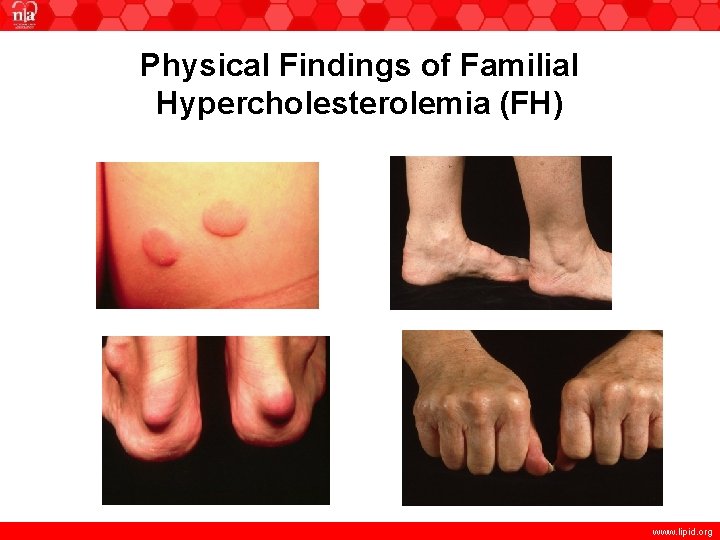
Physical Findings of Familial Hypercholesterolemia (FH) www. lipid. org
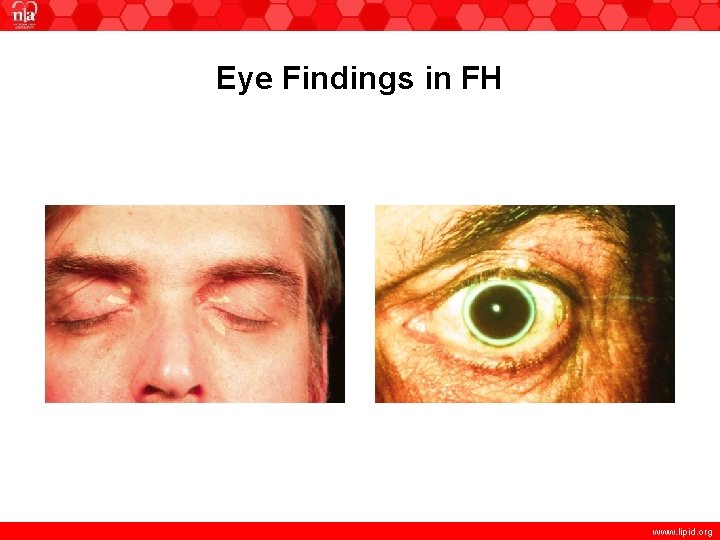
Eye Findings in FH www. lipid. org
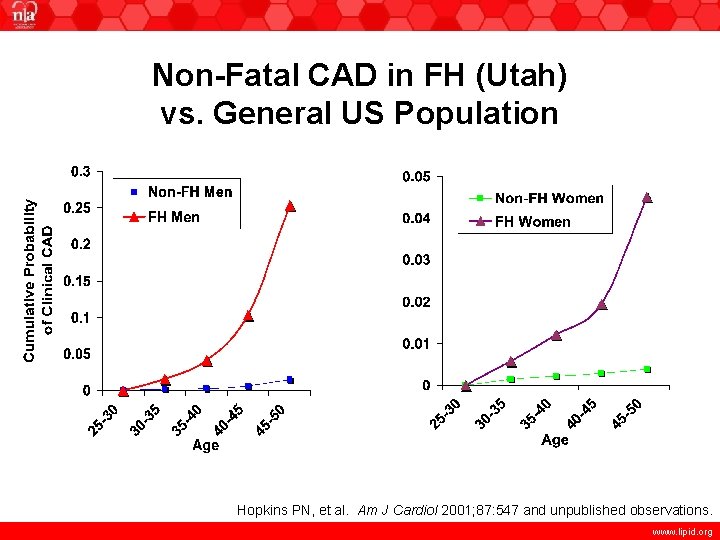
Non-Fatal CAD in FH (Utah) vs. General US Population Hopkins PN, et al. Am J Cardiol 2001; 87: 547 and unpublished observations. www. lipid. org
NLA 2011 Familial Hypercholesterolemia (FH) Treatment Recommendations • Rationale for treatment Individuals with FH have a very high lifetime risk of CHD and are at very high risk of premature onset CHD. • Early treatment is highly beneficial. Long-term drug therapy of patients with FH can substantially reduce or remove the excess lifetime risk of CHD due to the genetic disorder and can lower CHD event rates in FH patients to levels similar to those of the general population. • FH requires lifelong treatment and regular follow-up. www. lipid. org
NLA FH Risk Evaluation • Risk stratification algorithms should not be used. Individuals with FH are at high CHD risk. The 10 -year CHD risk in the FH patient is not adequately predicted by any conventional risk assessment tools. Therefore, assessment of 10 -year risk is not recommended. • All FH patients require lifestyle management, and very few will not require lipid-lowering drug therapy www. lipid. org
Treatment • Both children and adults with LDL-C >190 mg/d. L or Non-HDL-C >220 mg/d. L after lifestyle changes will require drug therapy. • For adult FH patients (>20 years of age), drug treatment to achieve an LDL-C reduction >50% should be initiated. • Statins should be the initial treatment for all adults with FH. • Higher risk patients may need intensification of drug treatment to achieve more aggressive treatment goals (LDL-C, 100 mg/d. L and non-HDL-C, 130 mg/d. L). www. lipid. org
Beyond Statins • Ezetimibe, niacin, and bile acid sequestrants are reasonable treatment options for intensification of therapy, or for those intolerant of statins. • The potential benefit of multidrug regimens for an individual patient should be weighed against the increased cost and potential for adverse effects and decreased adherence. www. lipid. org
Case 1 • 22 -year-old woman. Sexually active, using barrier contraception, not trying to get pregnant • Father died of myocardial infarction age 52 • Exercises 5 days/week, non-smoker, BMI = 21, Waist Circ. = 29”, BP = 110/70, no medical complaints • Total Cholesterol = 330 mg/d. L, LDL-C = 225 mg/d. L, HDL-C = 85 mg/d. L, TG = 100 mg/d. L • Skin exam and eye exam = within normal limits • What is her diagnosis? • What is her 10 -year Framingham risk score ? • Should she have her cholesterol treated? And if so how? www. lipid. org
Disorders of Overproduction of VLDL and LDL • Phenotypes of these disorders vary, but the common denominator is increased LDL – small dense, +/elevated triglycerides, Apo B, low HDL, insulin resistance, DM, glucose intolerance, hypertension – the phenotype can be accentuated by obesity. Metabolic syndrome is very common in these disorders. The disorders do not appear to be caused by a single gene defect. www. lipid. org
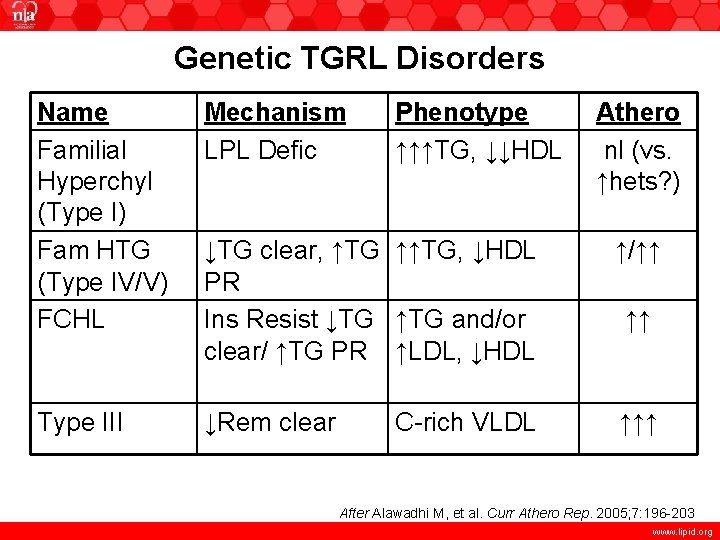
Disorders of Overproduction of VLDL and LDL • Familial Combined Hyperlipidemia (FCHL): Most common inherited lipid disorder. • Hyperapobetalipoproteinemia (Hyperapo. B) • LDL subclass pattern B (small dense LDL) • Familial Dyslipidemic Hypertension (FDH) • Syndrome X (Reaven) www. lipid. org
Disorders of Overproduction of VLDL and LDL • The 2 -3 fold increase in triglyceride-rich VLDL seen in these disorders requires: 1. Availability of cholesteryl ester 2. Increased Apo B – generally due to reduced degradation 3. Increased biosynthesis of triglycerides [typically due to increased flux of free fatty acids (FFA) to the liver in setting of insulin resistance] www. lipid. org
Familial Metabolic Disorders of Triglyceride-rich Lipoproteins • Lipoprotein Lipase Deficiency/Apo CII Deficiency (Formerly Type I) • Familial Hypertriglyceridemia (Formerly Type IV) • Type V Hyperlipoproteinemia • Dysbetalipoproteinemia (Formerly Type III) www. lipid. org
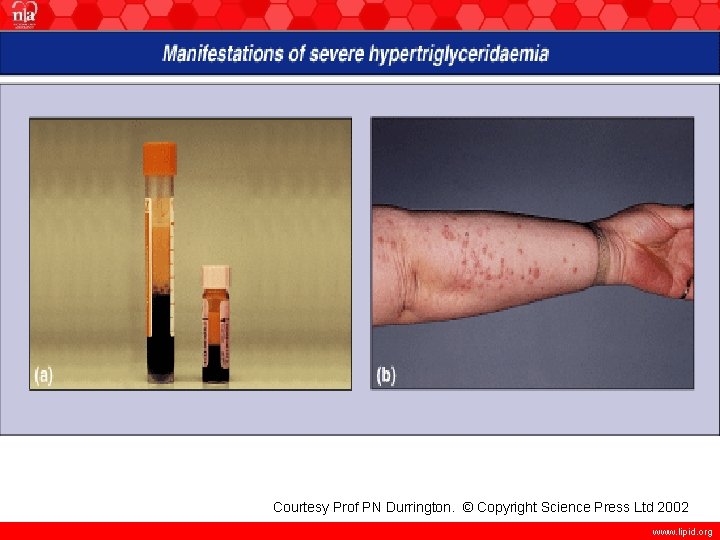
Lipoprotein Lipase Deficiency/ Apo CII Deficiency • Lipoprotein lipase deficiency (formerly Type I) is a rare cause of very high triglyceride levels (triglycerides well over 1000 mg/d. L – due to chylomicrons) can be caused by production of inactive LPL molecules or absence of LPL molecules. • Type I can also be caused by Apo CII deficiency (Apo CII activates LPL). • Defect generally discovered in infancy – acute pancreatitis – treat with total fat restriction. • Hemorrhagic pancreatitis is the major life-threatening risk for persons with type I hyperlipoproteinemia. www. lipid. org
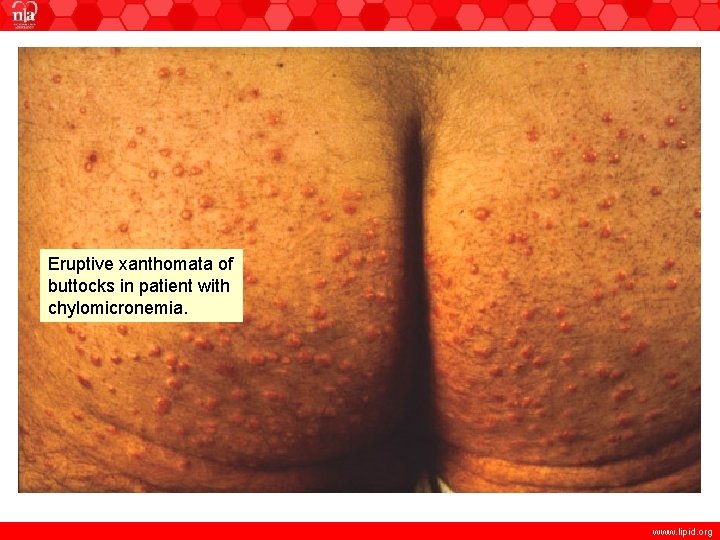
Eruptive xanthomata of buttocks in patient with chylomicronemia. www. lipid. org
Familial Hypertriglyceridemia (Type IV and Type V Hyperlipoproteinemia) • Familial hypertriglyceridemia (type IV): TC, LDL-C, Apo B levels are normal, Chylomicrons are absent, and VLDL-C and TG are elevated – TG are >95 percentile. VLDL and Apo B are not overproduced (as they are in FCHL) – rather they are not hydrolyzed normally. May be accompanied by glucose intolerance, PVD, hyperuricemia and obesity. Inherited as an autosomal dominant disorder with incomplete penetrance. • Type V hyperlipoproteinemia: elevated TG due to both VLDL and chylomicrons. Increased synthesis and/or decreased clearance. Associated with glucose intolerance, eruptive xanthomas, lipemia retinalis, PVD, CAD www. lipid. org
Type III Hyperlipoproteinemia (Familial Dysbetalipoproteinemia) • Characterized by an accumulation of VLDL remnants – due to defective Apo E (Apo 2/2 phenotype) • See elevation in both cholesterol and triglycerides (usually 250 -500 mg/d. L) • Most common mutation: Apo E-2, arg 158→cys has a gene frequency of 10%. Homozygosity occurs in 1% of population but type III occurs in 0. 01 -0. 04% of population – thus Apo E mutation is necessary, but not sufficient [can be precipitated by obesity, alcohol, DM, hypothyroidism (hypothyroidism can suppress LDL receptor synthesis] www. lipid. org
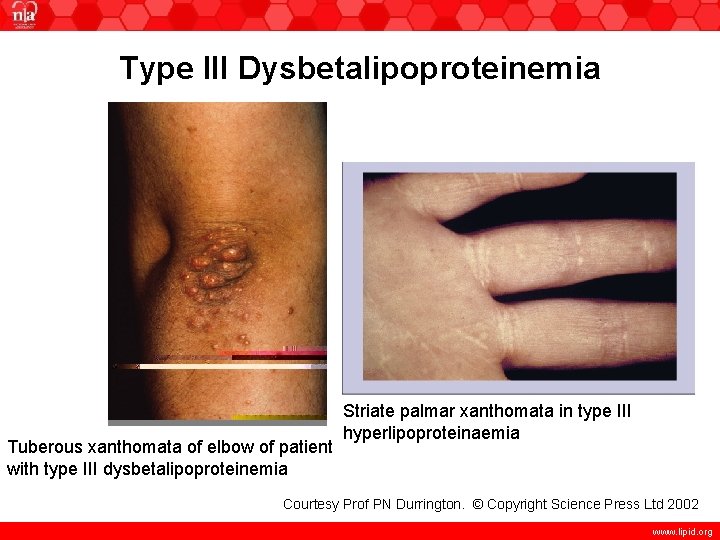
Type III Dysbetalipoproteinemia Tuberous xanthomata of elbow of patient with type III dysbetalipoproteinemia Striate palmar xanthomata in type III hyperlipoproteinaemia Courtesy Prof PN Durrington. © Copyright Science Press Ltd 2002 www. lipid. org
Case 2 A 35 year old woman presents to the lipid clinic upon referral by her OB/GYN physician for evaluation of severe hypercholesterolemia. Her past medical history is unremarkable. Both her parents died with premature CHD (father age 58 and mother age 57). She is 5’ 6”, 198 lbs. She had difficulty with fertility and, with therapy, delivered healthy triplets. During pregnancy, she had gestational diabetes. After her pregnancy, she continued to gain a considerable amount of weight and now weighs 60 lbs more than her pre-pregnancy weight. www. lipid. org
Case 2 • A lipid profile performed 4 weeks prior to her visit was TC = 1000 mg/d. L (verified by repeat analysis, highest level of detection) and TG = 4544 mg/d. L (also verified by repeat measures). HDL and LDL-C were not performed due to the fact that specimen was unsuitable for assay due to lipemia. She was placed on fenofibric acid 135 mg and prescription omega-3 fatty acids 4 g/day and referred for further evaluation. Her repeat lipid profile was as follows: www. lipid. org
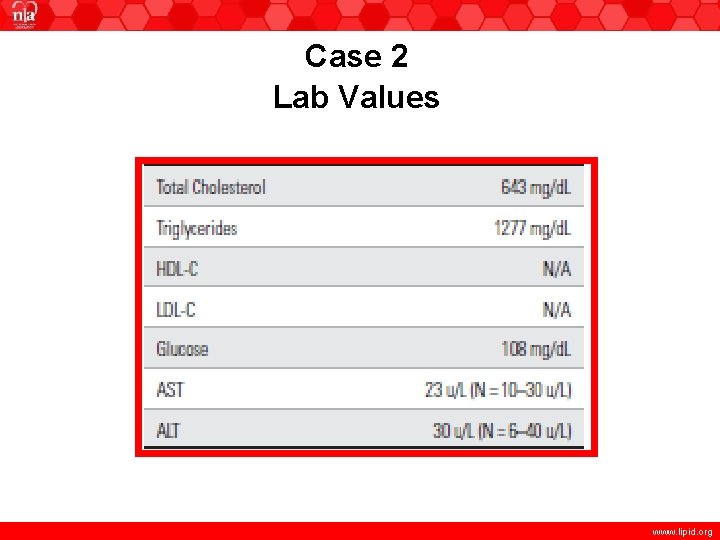
Case 2 Lab Values www. lipid. org
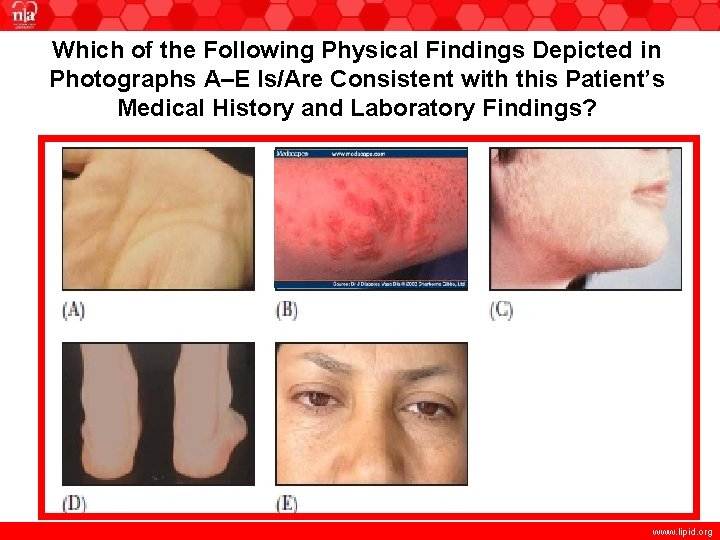
Which of the Following Physical Findings Depicted in Photographs A–E Is/Are Consistent with this Patient’s Medical History and Laboratory Findings? www. lipid. org
Genetic TGRL Disorders Name Familial Hyperchyl (Type I) Fam HTG (Type IV/V) FCHL Mechanism LPL Defic Phenotype ↑↑↑TG, ↓↓HDL ↓TG clear, ↑TG ↑↑TG, ↓HDL PR Ins Resist ↓TG ↑TG and/or clear/ ↑TG PR ↑LDL, ↓HDL ↑/↑↑ Type III ↓Rem clear ↑↑↑ C-rich VLDL Athero nl (vs. ↑hets? ) ↑↑ After Alawadhi M, et al. Curr Athero Rep. 2005; 7: 196 -203 www. lipid. org
Courtesy Prof PN Durrington. © Copyright Science Press Ltd 2002 www. lipid. org
Genetic HDL Disorders Name Mechanism Δ HDL-C Apo AI Mut Abn AI struct ↓to 0 HDL-C Apo AI Milano Apo AI Arg 173 Cys sl ↓HDL-C Tangier Dis Abn ABCA 1 transporter ↓to ↓↓HDLC ↑ LCAT Def/ Fish Eye LCAT def total or HDL only ↓↓HDL-C ↑ Niemann-Pick ? ? Athero ↑/nl/↓ ↓ PON Defic ↓ antiox effects ↑/nl CETP Defic ↓ chol loss to TGRL ↑↑HDL-C ↑/nl/↓? Fam ↑α ↓ HDL catabolism ↑↑HDL-C ↓↓ No clinical value: monogenic dis. rare, polygenic not understood Alawadhi M, et al. Curr Athero Rep. 2005; 7: 196 -203. www. lipid. org
Summary: HDL-Deficiency Diagnosis • HDL-C level likely best/sufficient • Apo AI, HDL-P, HDL 2 -C good, not needed Causes • Common: insulin resistance, hypertriglyceridemia (moderate-severe), poor lifestyle (cigarettes, sedentary, central obesity), polygenic factors • Rare: monogenic, androgen abuse Consequences • HTG (mild-moderate) • Athero/CVD (most common dyslip. in CHD) Treatment difficult (by TLC or drug) www. lipid. org
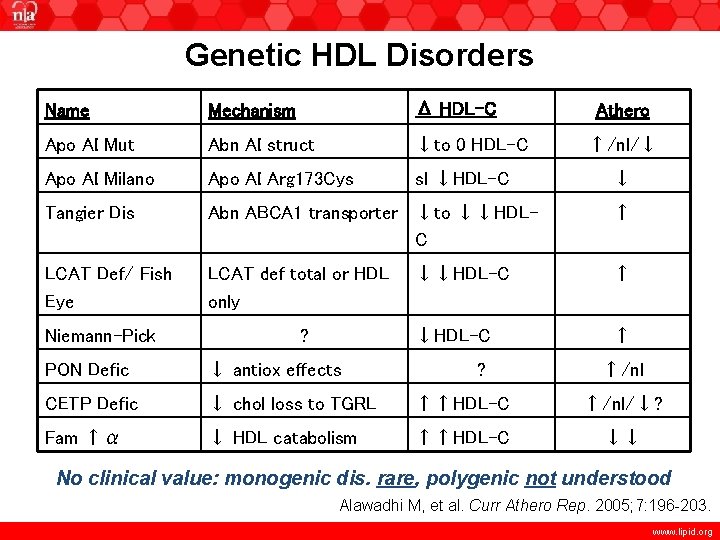
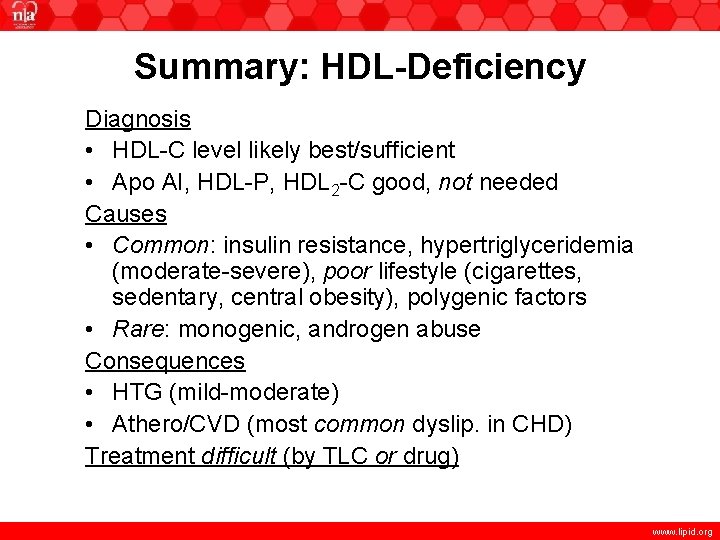
Disorders of HDL Metabolism • The most common cause of depressed HDL is secondary to insulin resistance, increased flux of FFA to the liver, VLDL overproduction, and the subsequent formation of low levels of HDL in conjunction with elevated TG and increased small, dense LDL particles. There are however a number of primary HDL disorders. www. lipid. org
Disorders of HDL Metabolism • Hypoalphalipoproteinemias: – Deletions and Nonsense Mutations in Apo AI: • Result in little if any biosynthesis of Apo AI by liver and intestines – early CVD – may also see peripheral cholesterol deposition – cataracts, planar xanthomas. – Missense Mutations in Apo AI: • Result in low HDL-C, but impact on CVD less clear. Example: Apo AI Milano results from a mutation in the Apo AI gene at codon 173, Arg to Cys, and alters the structure of Apo AI heterozygotes have low HDL-C due to increased turnover of Apo AI, but surprisingly manifest little CVD. www. lipid. org
Disorders of HDL Metabolism • Hypoalphalipoproteinemias: – Tangier Disease: Results from a defect in cholesterol and phospholipid efflux from cells to Apo AI. Poorly lipidated Apo AI is then rapidly removed by the kidney. Basic defect is in double dose mutation in ABCA 1 gene. HDL markedly abnormal. Chylomicron-like particles are sequestered by the reticular endothelial cells (yellow tonsils). Early atherosclerosis is not a major feature. www. lipid. org
Disorders of HDL Metabolism • Hypoalphalipoproteinemias: – LCAT Deficiency and Fish Eye Disease: Free cholesterol must be esterified to produce a spherical HDL; esterification is achieved via LCAT. • Patients with LCAT deficiency have markedly reduced HDL-C. (Other lipoproteins are also abnormal). • Clinical findings include glomerulosclerosis, normochromic anemia, and corneal opacities. • Although CAD is not prominent, it has been reported. • Classic LCAT deficiency – both α and β LCAT deficient – all lipoproteins abnormal. If only α LCAT is abnormal – fish eye disease – a major finding is corneal opacities. www. lipid. org
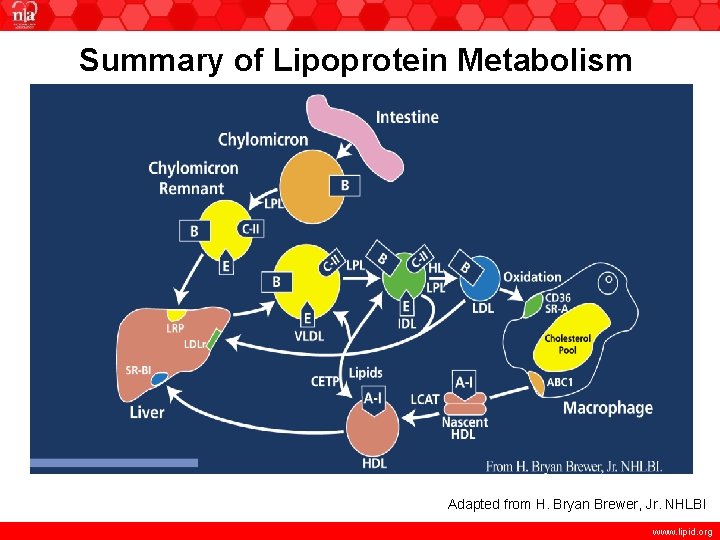
Summary of Lipoprotein Metabolism Adapted from H. Bryan Brewer, Jr. NHLBI www. lipid. org
Disorders of HDL Metabolism • Hyperalphalipoproteinemias: – CETP Deficiency: Homozygotes for CETP deficiency can have HDL-C 120 mg/d. L (large HDL). It is not clear whether this is always protective against CVD. Recent genome-wide association studies have found that variation at the CETP gene locus is one of the most important factors influencing HDL-C levels in the general population. – Familial Hyperalphalipoproteinemia: Generally defined as HDL-C >95 percentile for age and gender. Considered as present if other family members have the phenotype. Etiology is diverse: CETP deficiency; lower SR-B 1; loss-of- function mutation of endothelial lipase www. lipid. org
Elevated Levels of Lipoprotein(a) - Lp(a) • Apo(a) is very similar to plasminogen and has many homologous kringle 4 regions. • Variation in kringle 4 regions is under genetic control; there is an inverse relationship between the size of Apo(a) and level of Lp(a). • Consistent with this observation, hepatic synthesis of apo(a) is higher in those with smaller Apo(a) isoforms. • Lp(a) is now measured by immunochemical methods, (normal <74 nmol/L), or in terms of its cholesterol content (normal <10 mg/d. L). • Elevated Lp(a) is familial and can be strongly associated with premature CVD. • Children with stroke often have elevated Lp(a). www. lipid. org
Deficiencies in Apo B-Containing Lipoproteins • Hypobetalipoproteinemia: – Familial Hypobeta: Autosomal dominant – mutations of the Apo B generally produce a stop codon and truncated Apo B 100 – one normal gene – very low VLDL, IDL, LDL – generally asymptomatic – low risk of CVD, + longevity. Occasionally increased hepatic fat. – Loss-of-function Mutations in PCSK 9: Ineffective degradation of LDLR. LDL-C levels reduced. Reduced risk of CAD. www. lipid. org
Deficiencies in Apo B-Containing Lipoproteins • Hypobetalipoproteinemia: – Abetalipoproteinemia (abeta) (Bassen-Kornzweig Syndrome): Rare autosomal recessive disorder – clinical manifestations in childhood including fat malabsorption, severe hypolipidemia, retinitis pigmentosa, cerebellar ataxia. All major Apo B containing lipoproteins missing (chylomicrons, VLDL, IDL, LDL). – Not caused by defective Apo B gene – defect in MTP in both intestines and liver. This causes a failure of intracellular transport of membrane associated lipids and their association with Apo B. – Defects associated with this disorder result from defects in the absorption and transport of fat-soluble vitamins A, D, E, K. www. lipid. org
Deficiencies in Apo B-Containing Lipoproteins • Hypobetalipoproteinemia: – Abetalipoproteinemia (abeta) – also called Bassen -Kornzweig Syndrome: – Treatment: • Reduce total fat to 5 -20 g per day (decreases steatorrhea and improves growth) • Supplementation with linoleic acid (5 g corn oil or safflower oil per day) • High-dose fat soluble vitamins – especially vitamin E www. lipid. org
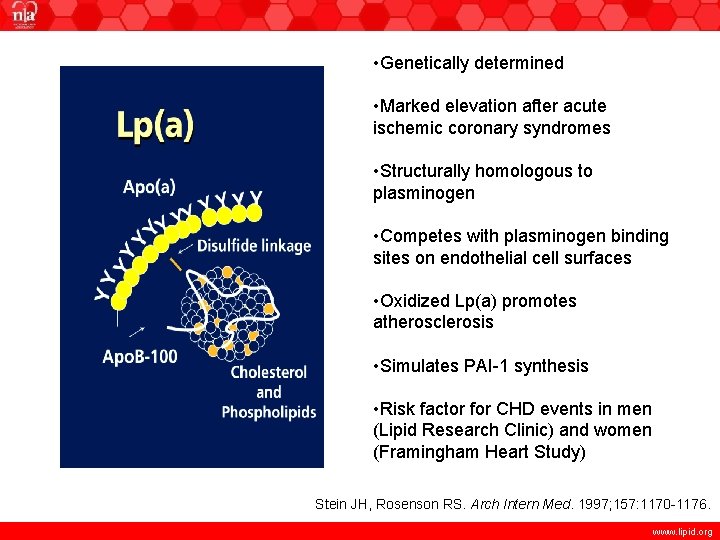
• Genetically determined • Marked elevation after acute ischemic coronary syndromes • Structurally homologous to plasminogen • Competes with plasminogen binding sites on endothelial cell surfaces • Oxidized Lp(a) promotes atherosclerosis • Simulates PAI-1 synthesis • Risk factor for CHD events in men (Lipid Research Clinic) and women (Framingham Heart Study) Stein JH, Rosenson RS. Arch Intern Med. 1997; 157: 1170 -1176. www. lipid. org
Key Take-Away Messages: Major Dyslipidemias • Chylomicrons and chylo remnants (Apo B 48, etc. ) – – – Mainly for transport of dietary TG (energy) Seen in fasting plasma only if TG > 500 mg/d. L (T ½ = mins) Increased risk of pancreatitis when TG > 1000 mg/d. L ~Always due to decreased clearance (↓LPL) Minor role in atherogenesis (chylo remnants only) • VLDL+IDL (Apo B 100, Apo Cs, Apo E) – Common/moderate TG increase (TG 200 -500 mg/d. L) – Due to ↑production (fatty liver) + ↓clearance (↓LPL) – Moderate role in atherogenesis • LDL (Apo B 100)—also Lp(a) variant – Mainly for cholesterol transport – Major atherogenic factor • Oxidation/Inflammation • Endothelial dysfunction • HDL (Apo AI, etc) – Major atheropreventive (blocks/reverses ~all adverse effects of VLDL, IDL, LDL) www. lipid. org
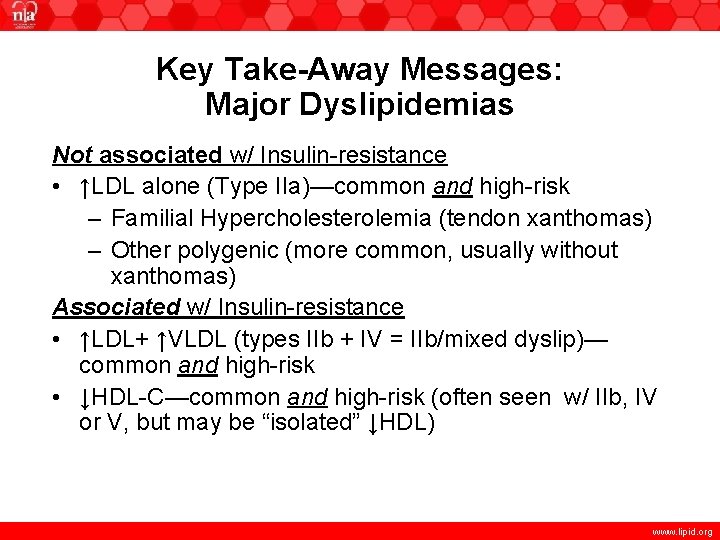
Key Take-Away Messages: Major Dyslipidemias Not associated w/ Insulin-resistance • ↑LDL alone (Type IIa)—common and high-risk – Familial Hypercholesterolemia (tendon xanthomas) – Other polygenic (more common, usually without xanthomas) Associated w/ Insulin-resistance • ↑LDL+ ↑VLDL (types IIb + IV = IIb/mixed dyslip)— common and high-risk • ↓HDL-C—common and high-risk (often seen w/ IIb, IV or V, but may be “isolated” ↓HDL) www. lipid. org
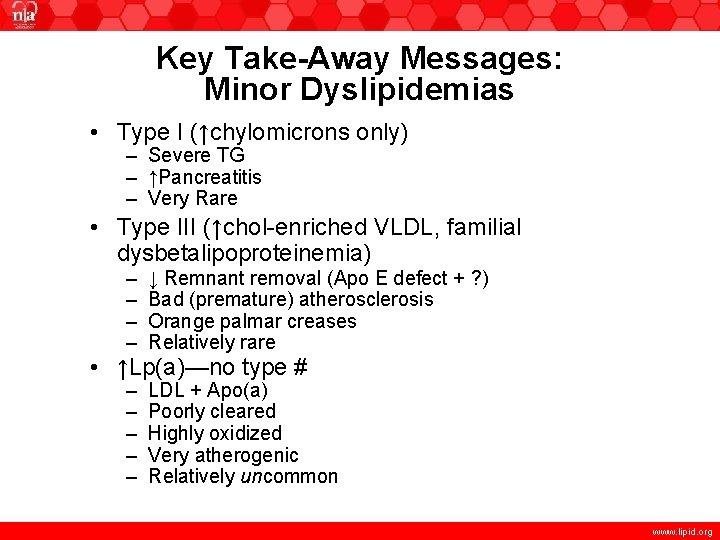
Key Take-Away Messages: Minor Dyslipidemias • Type I (↑chylomicrons only) – Severe TG – ↑Pancreatitis – Very Rare • Type III (↑chol-enriched VLDL, familial dysbetalipoproteinemia) – – ↓ Remnant removal (Apo E defect + ? ) Bad (premature) atherosclerosis Orange palmar creases Relatively rare – – – LDL + Apo(a) Poorly cleared Highly oxidized Very atherogenic Relatively uncommon • ↑Lp(a)—no type # www. lipid. org
- Slides: 86