
Diabetes Mellitus All what you need to know

Diabetes Mellitus: All what you need to know. Dr Dalal Alhajeri Consultant Family physician MRCGP, Diabetes Pg. Dip
Outline • Classification and diagnosis of diabetes. • Prevention or Delay of type 2 diabetes. • Medical evaluation and assessment (initial, follow up and annual visits). • Glycemic targets. • Pharmacologic approaches. • Cardiovascular disease and risk management. • Microvascular complications.
Diagnosis
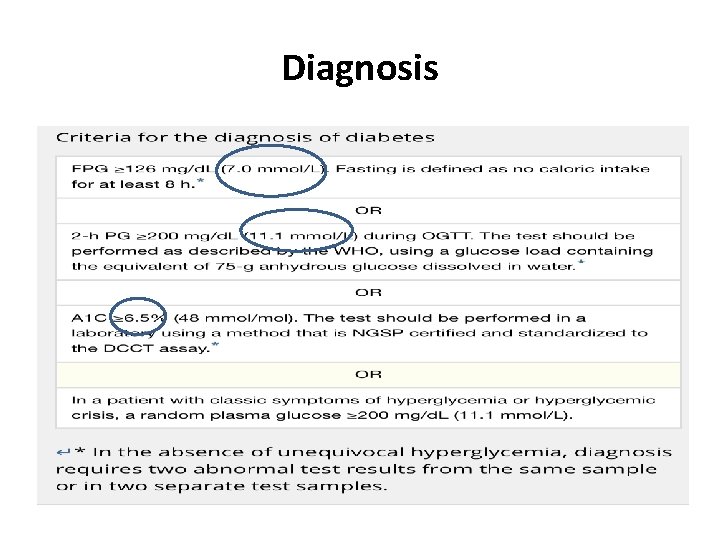
Diagnosis
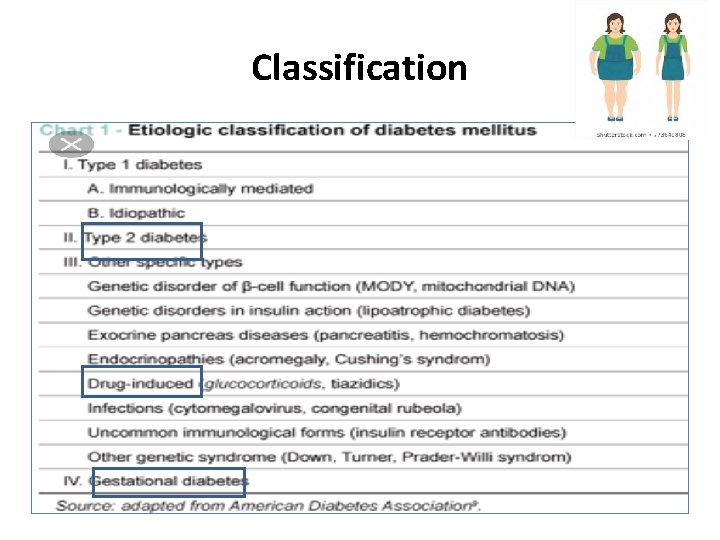
Classification
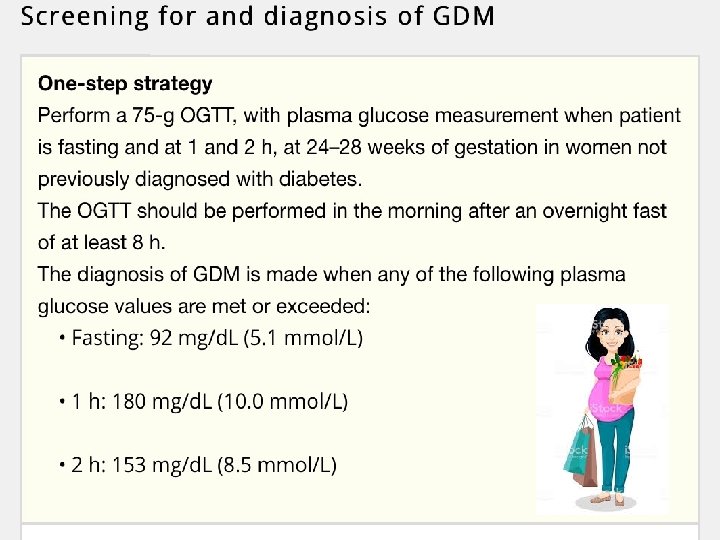
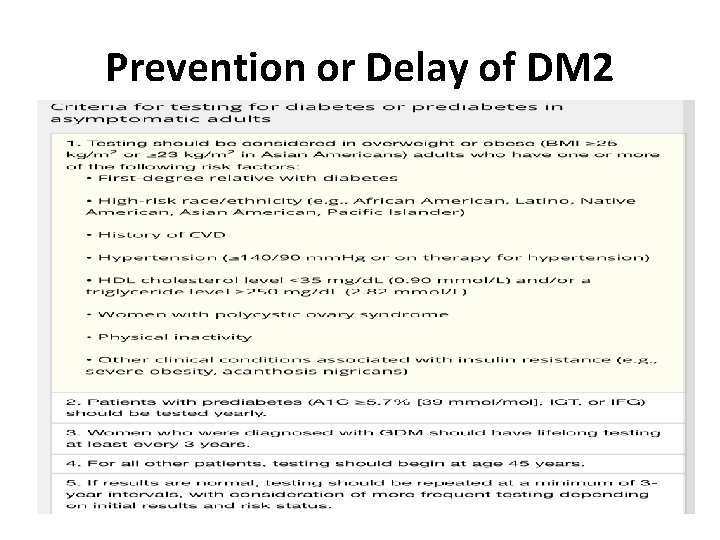
Prevention or Delay of DM 2
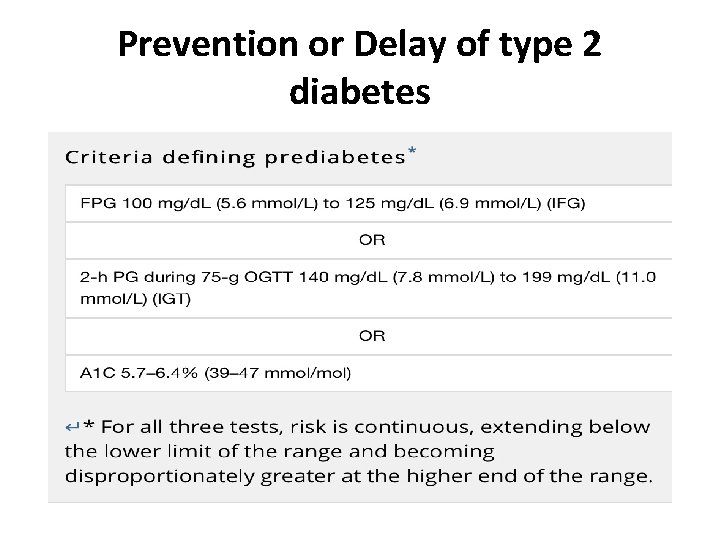
Prevention or Delay of type 2 diabetes
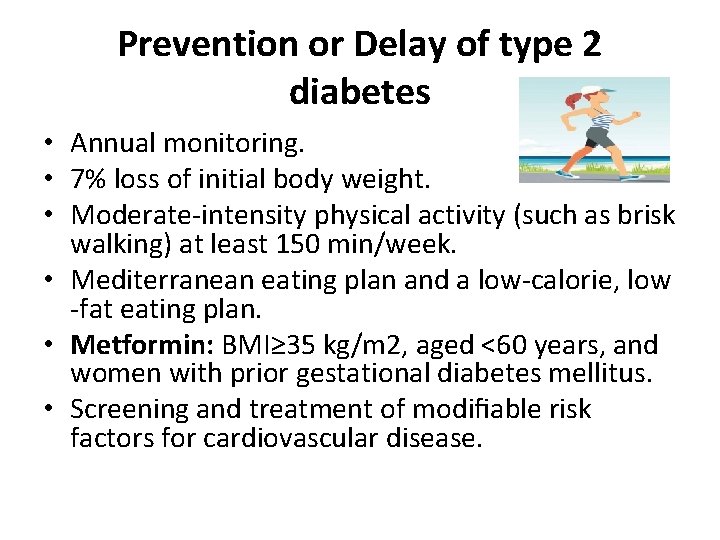
Prevention or Delay of type 2 diabetes • Annual monitoring. • 7% loss of initial body weight. • Moderate-intensity physical activity (such as brisk walking) at least 150 min/week. • Mediterranean eating plan and a low-calorie, low -fat eating plan. • Metformin: BMI≥ 35 kg/m 2, aged <60 years, and women with prior gestational diabetes mellitus. • Screening and treatment of modifiable risk factors for cardiovascular disease.
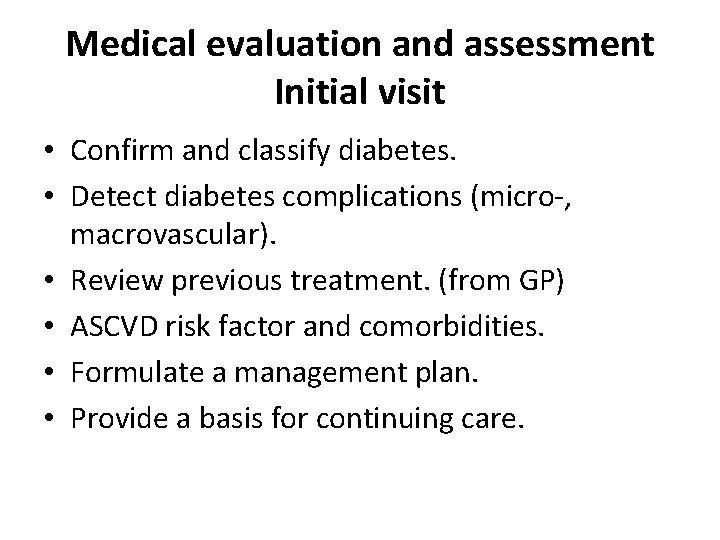
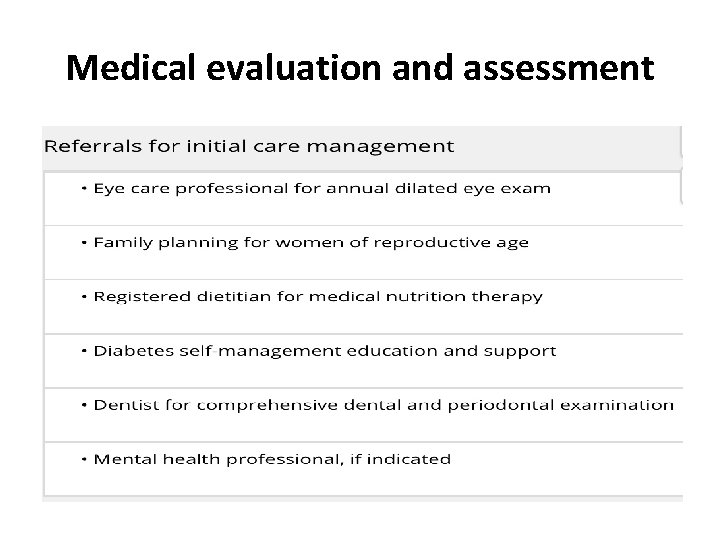
Medical evaluation and assessment Initial visit • Confirm and classify diabetes. • Detect diabetes complications (micro-, macrovascular). • Review previous treatment. (from GP) • ASCVD risk factor and comorbidities. • Formulate a management plan. • Provide a basis for continuing care.
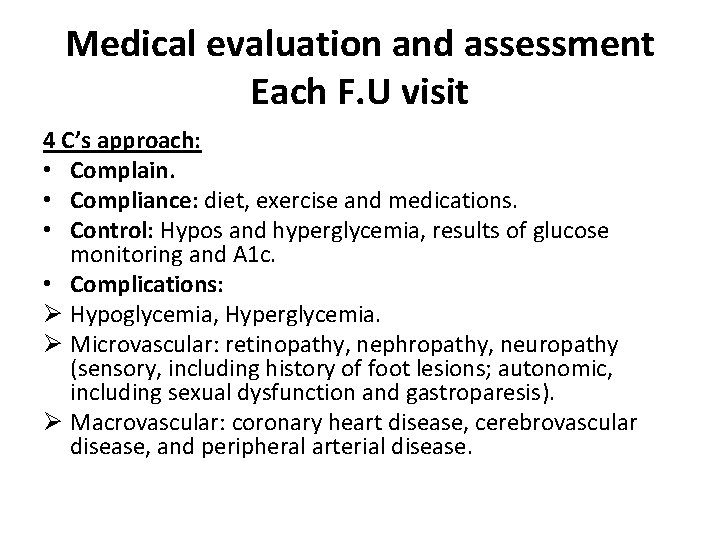
Medical evaluation and assessment Each F. U visit 4 C’s approach: • Complain. • Compliance: diet, exercise and medications. • Control: Hypos and hyperglycemia, results of glucose monitoring and A 1 c. • Complications: Ø Hypoglycemia, Hyperglycemia. Ø Microvascular: retinopathy, nephropathy, neuropathy (sensory, including history of foot lesions; autonomic, including sexual dysfunction and gastroparesis). Ø Macrovascular: coronary heart disease, cerebrovascular disease, and peripheral arterial disease.
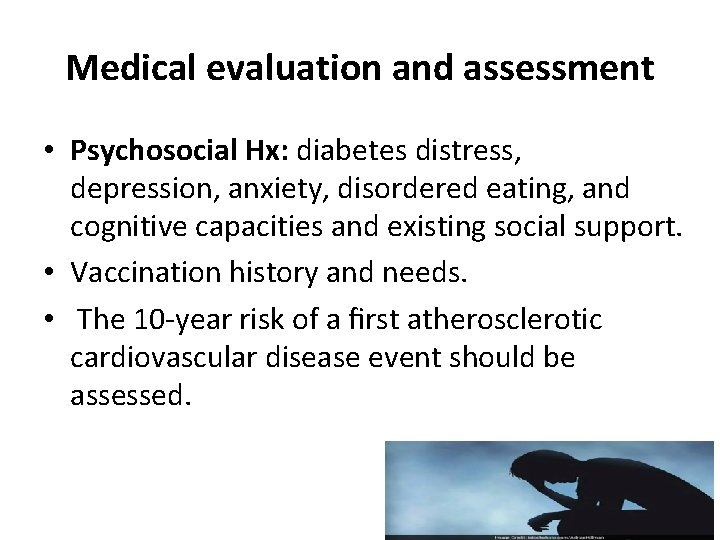
Medical evaluation and assessment • Psychosocial Hx: diabetes distress, depression, anxiety, disordered eating, and cognitive capacities and existing social support. • Vaccination history and needs. • The 10 -year risk of a first atherosclerotic cardiovascular disease event should be assessed.
Medical evaluation and assessment
Medical evaluation and assessment
Diabetes education

Glycemic targets

Glycemic targets
Pharmacologic approaches Choice of pharmacologic agents: • Comorbidities (atherosclerotic cardiovascular disease, heart failure, chronic kidney disease). • Hypoglycemia risk. • Impact on weight. • Cost. • Risk for side effects. • Patient preferences.
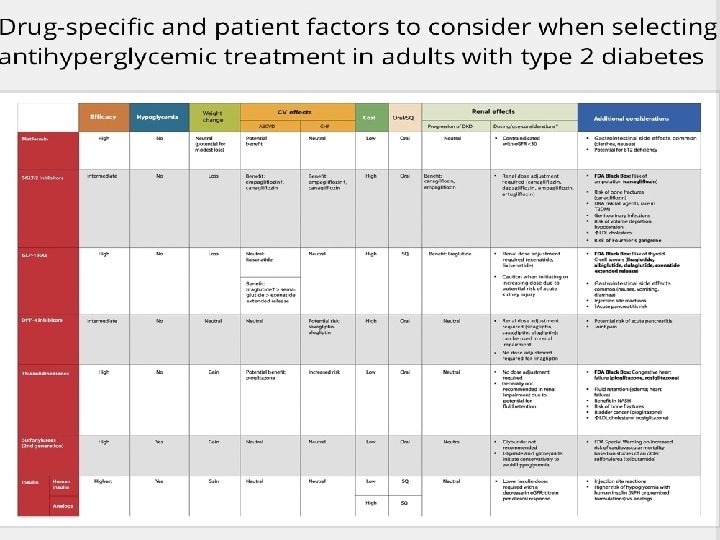
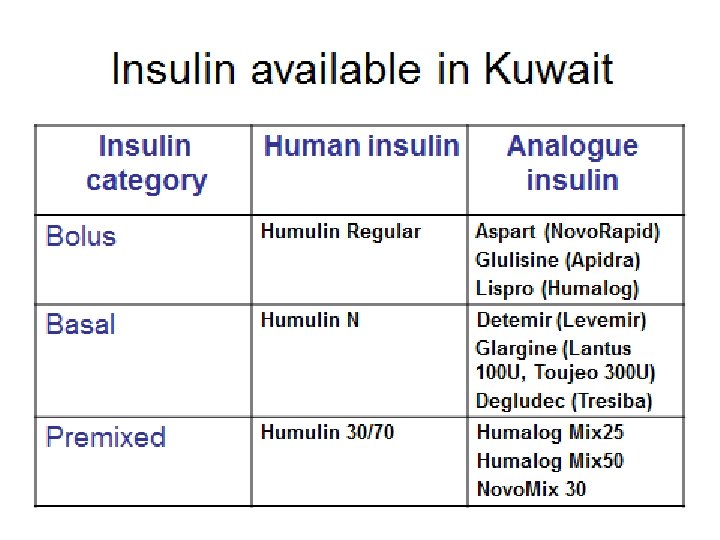
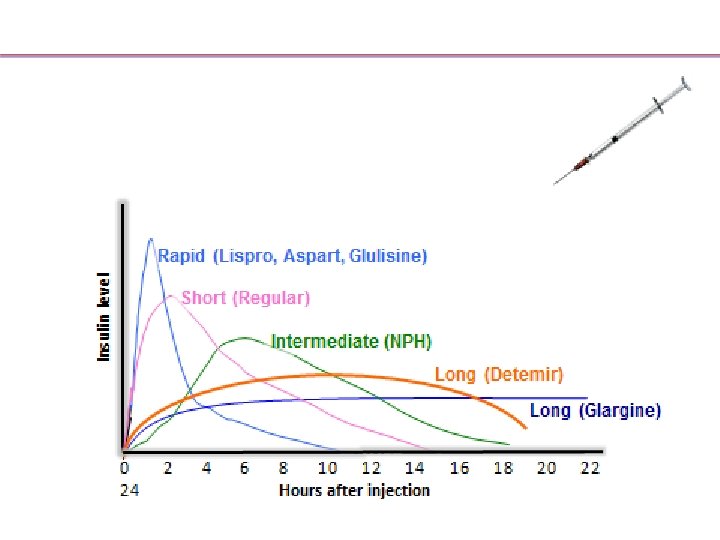
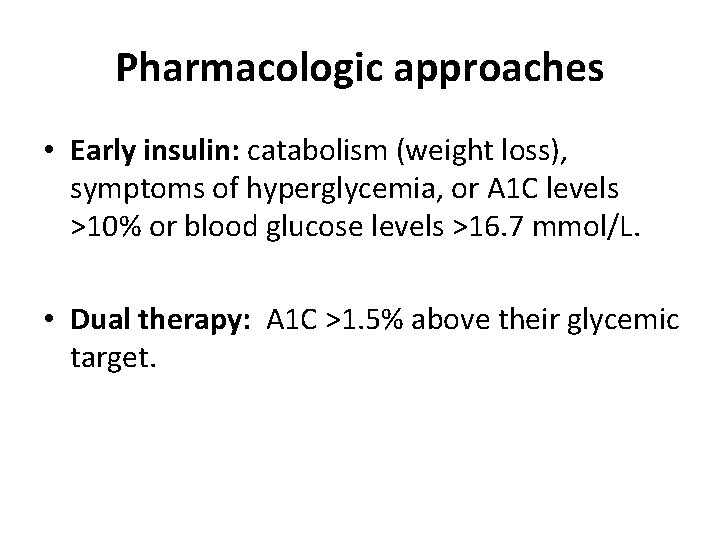
Pharmacologic approaches • Early insulin: catabolism (weight loss), symptoms of hyperglycemia, or A 1 C levels >10% or blood glucose levels >16. 7 mmol/L. • Dual therapy: A 1 C >1. 5% above their glycemic target.
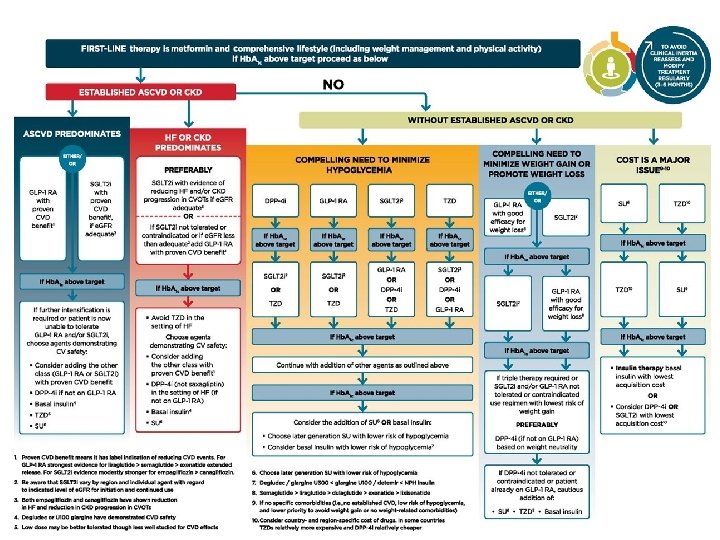
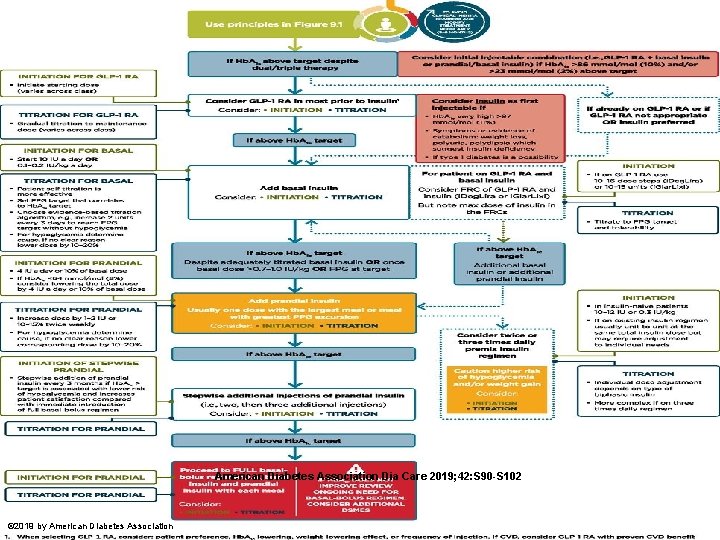
Intensifying to injectable therapies. American Diabetes Association Dia Care 2019; 42: S 90 -S 102 © 2019 by American Diabetes Association
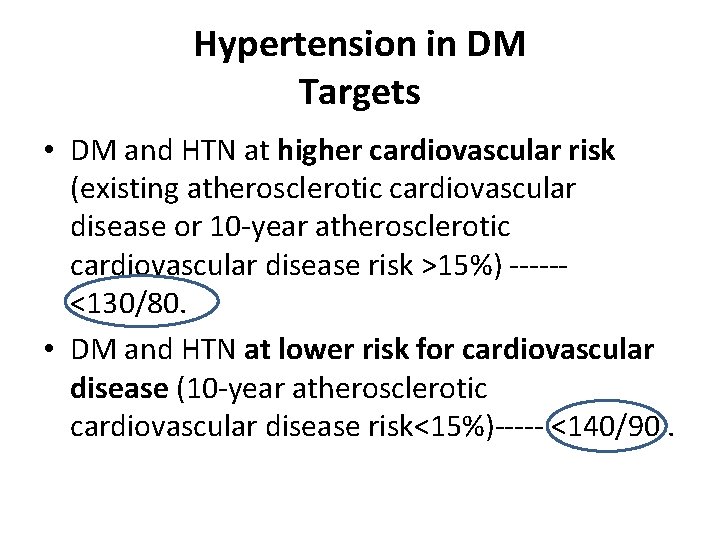
Hypertension in DM Targets • DM and HTN at higher cardiovascular risk (existing atherosclerotic cardiovascular disease or 10 -year atherosclerotic cardiovascular disease risk >15%) -----<130/80. • DM and HTN at lower risk for cardiovascular disease (10 -year atherosclerotic cardiovascular disease risk<15%)----- <140/90.
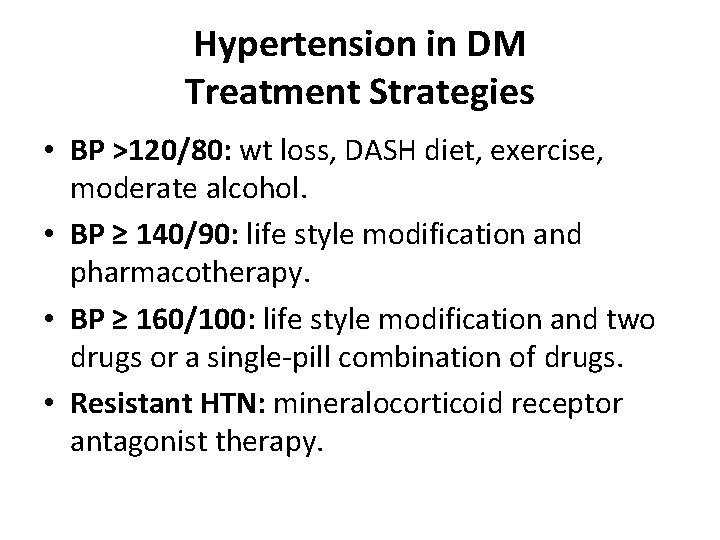
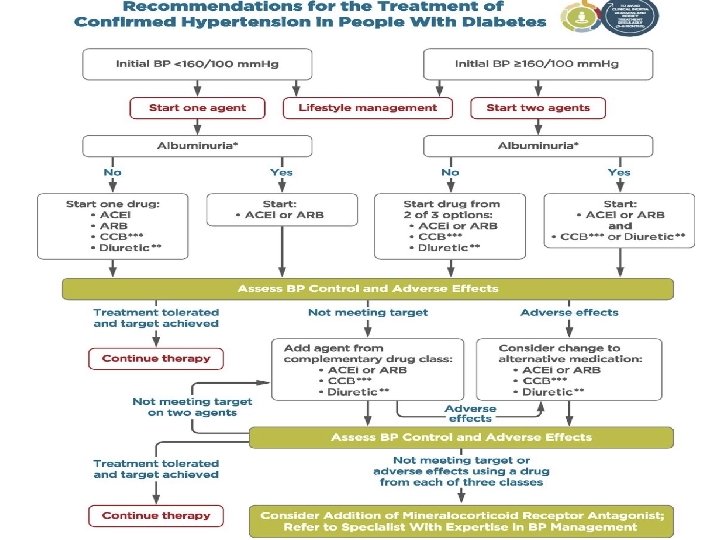
Hypertension in DM Treatment Strategies • BP >120/80: wt loss, DASH diet, exercise, moderate alcohol. • BP ≥ 140/90: life style modification and pharmacotherapy. • BP ≥ 160/100: life style modification and two drugs or a single-pill combination of drugs. • Resistant HTN: mineralocorticoid receptor antagonist therapy.
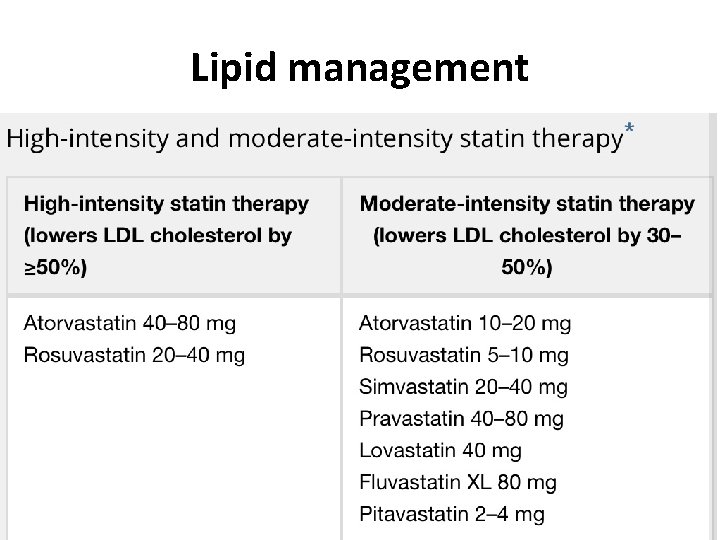
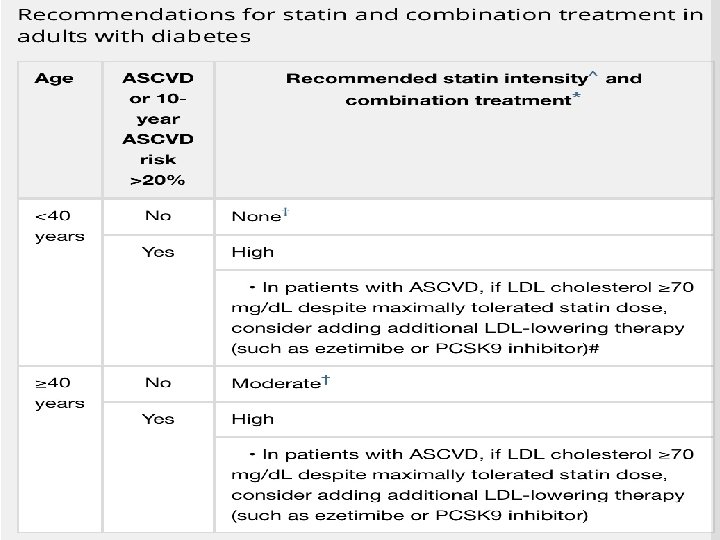
Lipid management
Antiplatelet • Secondary prevention: Aspirin therapy (75– 162 mg/day) for diabetes and a history of atherosclerotic cardiovascular disease. If aspirin allergy--- clopidogrel (75 mg/day).
Antiplatelet • Primary prevention: Men and women aged≥ 50 years + diabetes + one additional major risk factor (family history of premature ASCVD, hypertension, dyslipidemia, smoking, chronic kidney disease/albuminuria) + no increased risk of bleeding (e. g. , older age, anemia, renal disease).
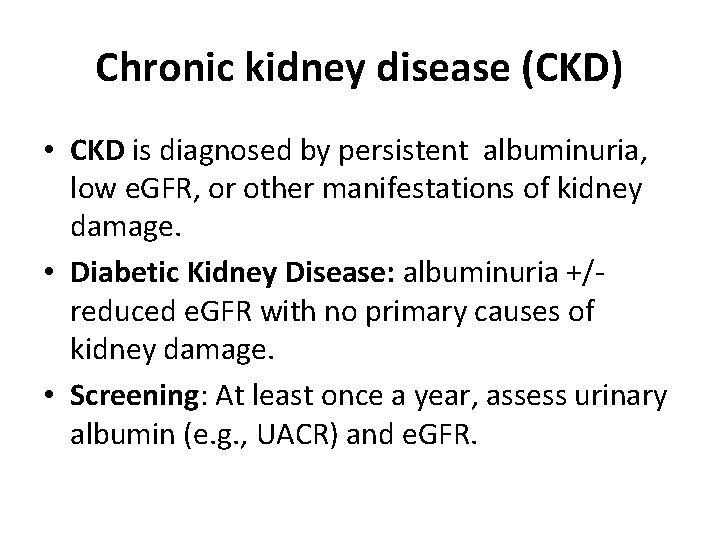
Chronic kidney disease (CKD) • CKD is diagnosed by persistent albuminuria, low e. GFR, or other manifestations of kidney damage. • Diabetic Kidney Disease: albuminuria +/reduced e. GFR with no primary causes of kidney damage. • Screening: At least once a year, assess urinary albumin (e. g. , UACR) and e. GFR.
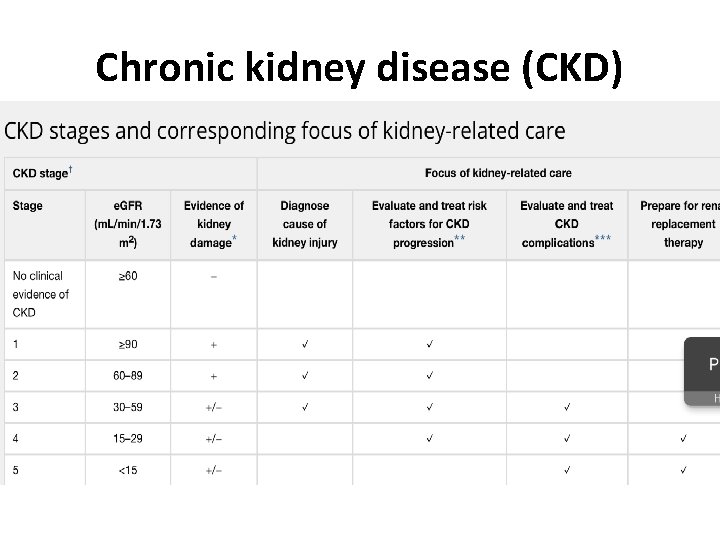
Chronic kidney disease (CKD)
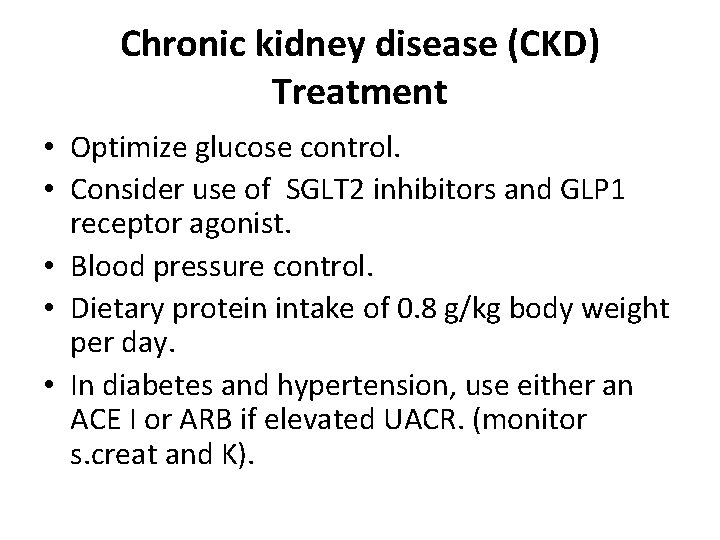
Chronic kidney disease (CKD) Treatment • Optimize glucose control. • Consider use of SGLT 2 inhibitors and GLP 1 receptor agonist. • Blood pressure control. • Dietary protein intake of 0. 8 g/kg body weight per day. • In diabetes and hypertension, use either an ACE I or ARB if elevated UACR. (monitor s. creat and K).
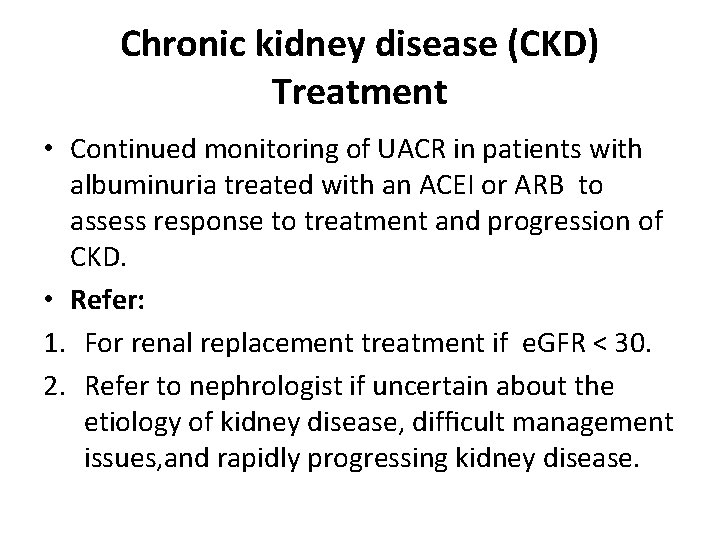
Chronic kidney disease (CKD) Treatment • Continued monitoring of UACR in patients with albuminuria treated with an ACEI or ARB to assess response to treatment and progression of CKD. • Refer: 1. For renal replacement treatment if e. GFR < 30. 2. Refer to nephrologist if uncertain about the etiology of kidney disease, difficult management issues, and rapidly progressing kidney disease.
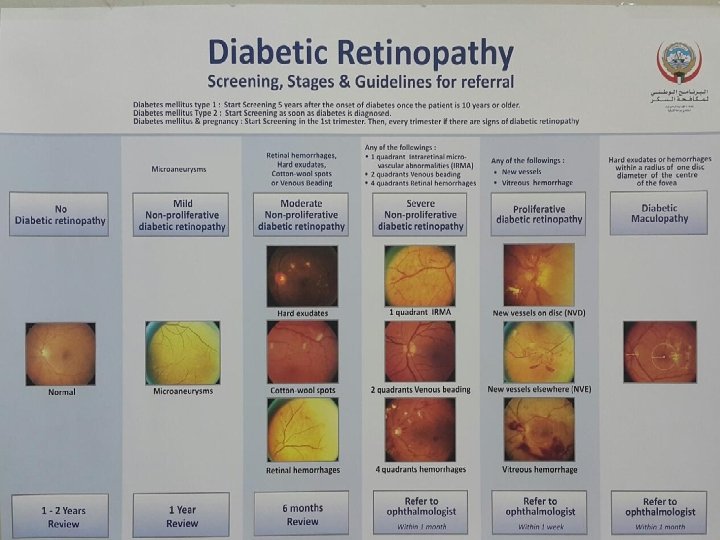

Neuropathy Diabetic Peripheral Neuropathy Screening: • DM annually for DPN by history and simple clinical tests. • Clinical tests: 1. Small-fiber: pinprick and temperature sensation. 2. Large-fiber: vibration perception and 10 -g monofilament. 3. Protective sensation: 10 -g monofilament

Neuropathy Diabetic Autonomic Neuropathy • Hypoglycemia unawareness, resting tachycardia, orthostatic hypotension, gastroparesis, constipation, diarrhea, fecal incontinence, erectile dysfunction, neurogenic bladder, and sudomotor dysfunction with either increased or decreased sweating.
Neuropathy Treatment • Glucose control: prevent or delay the development of neuropathy type 1 diabetes and to slow the progression of neuropathy in type 2 diabetes. • Neuropathic pain: pregabalin, duloxetine, or gabapentin are recommended. Tricyclic antidepressants, venlafaxine, carbamazepine, and topical capsaicin may help.
Neuropathy Treatment • Orthostatic Hypotension: adequate salt intake, avoiding medications that aggravate hypotension, using compressive garments over the legs and abdomen. • Gastroparesis: low-fiber, low-fat eating plan provided in small frequent meals. Metoclopramide, domperidone and erythromycin. • Erectile dysfunction: phosphodiesterase type 5 inhibitors, intracorporeal or intraurethral prostaglandins, vacuumdevices, or penile prostheses.
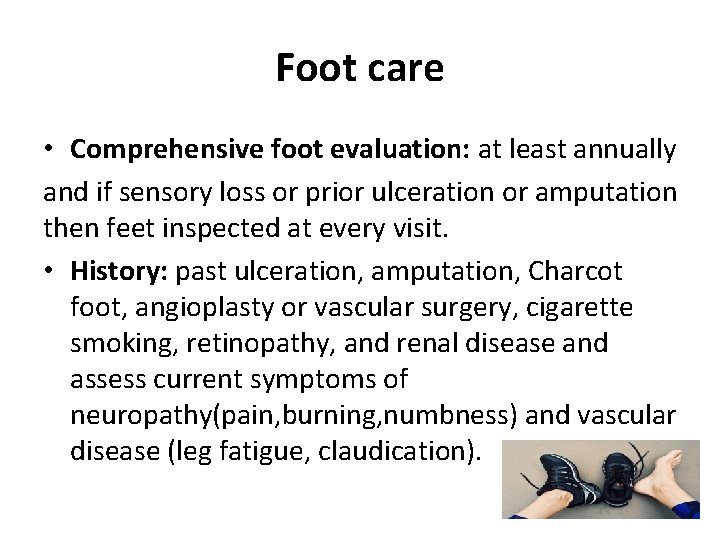
Foot care • Comprehensive foot evaluation: at least annually and if sensory loss or prior ulceration or amputation then feet inspected at every visit. • History: past ulceration, amputation, Charcot foot, angioplasty or vascular surgery, cigarette smoking, retinopathy, and renal disease and assess current symptoms of neuropathy(pain, burning, numbness) and vascular disease (leg fatigue, claudication).
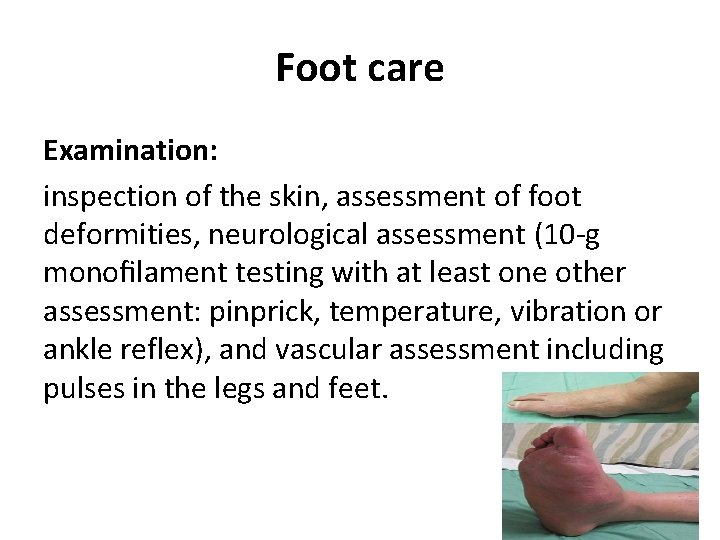
Foot care Examination: inspection of the skin, assessment of foot deformities, neurological assessment (10 -g monofilament testing with at least one other assessment: pinprick, temperature, vibration or ankle reflex), and vascular assessment including pulses in the legs and feet.
Take home messages • Screening for prediabetes and diabetes in high risk patient is important. • Always be sure about the diagnosis of DM before labeling your patient. • Don’t forget the 4 C’s during your consultation. • Individualized your targets and management. • Avoid clinical inertia. • Screen for DM complication to prevent and manage. • Management of DM is multidisciplinary.
Thanks. .
- Slides: 44